Tamales: How An Ancient Dish Shaped Cuisines Worldwide
Tamales have traveled thousands of miles and thousands of years, starting as portable food for ancient fighters and becoming a beloved dish on dinner tables around the world.
Each culture that embraced tamales added its own twist, turning a simple masa parcel into something uniquely their own.
Understanding how tamales shaped global cuisine reveals a delicious story of migration, creativity, and shared humanity.
Disclaimer:
This article explores the cultural history and regional diversity of tamales using widely documented culinary traditions.
Recipes, ingredients, and preparation styles vary by community and family.
The information presented here offers general context rather than definitive rules for any specific region’s cuisine.
1. Classic Mexican Tamales, The Mesoamerican Starting Point
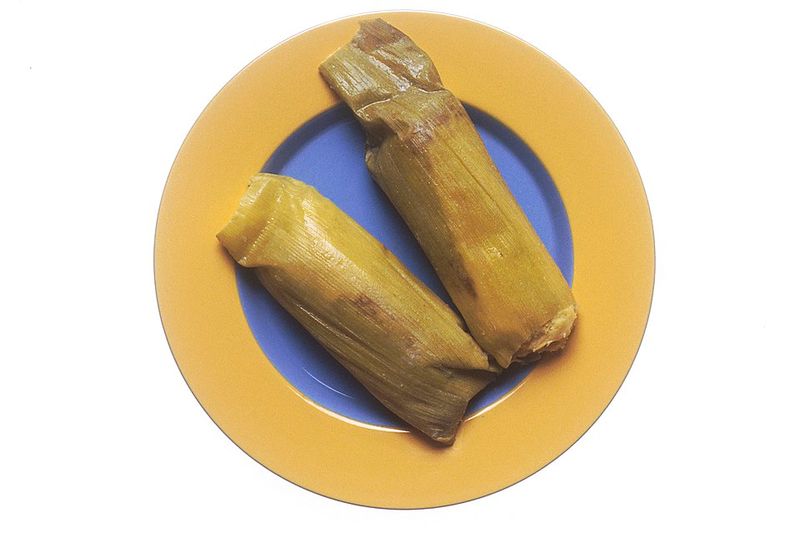
Ancient civilizations like the Aztecs and Maya needed food that could travel with warriors and farmers.
Soft masa wrapped in corn husks and filled with seasoned meat or beans became the portable meal that spread across the Americas and later influenced comfort food everywhere.
Nixtamalization, the process of cooking corn with lime, made the dough more nutritious and easier to digest, creating the foundation for countless regional variations that followed.
2. Tamal Oaxaqueño, Mexico’s Banana-Leaf Festival Staple
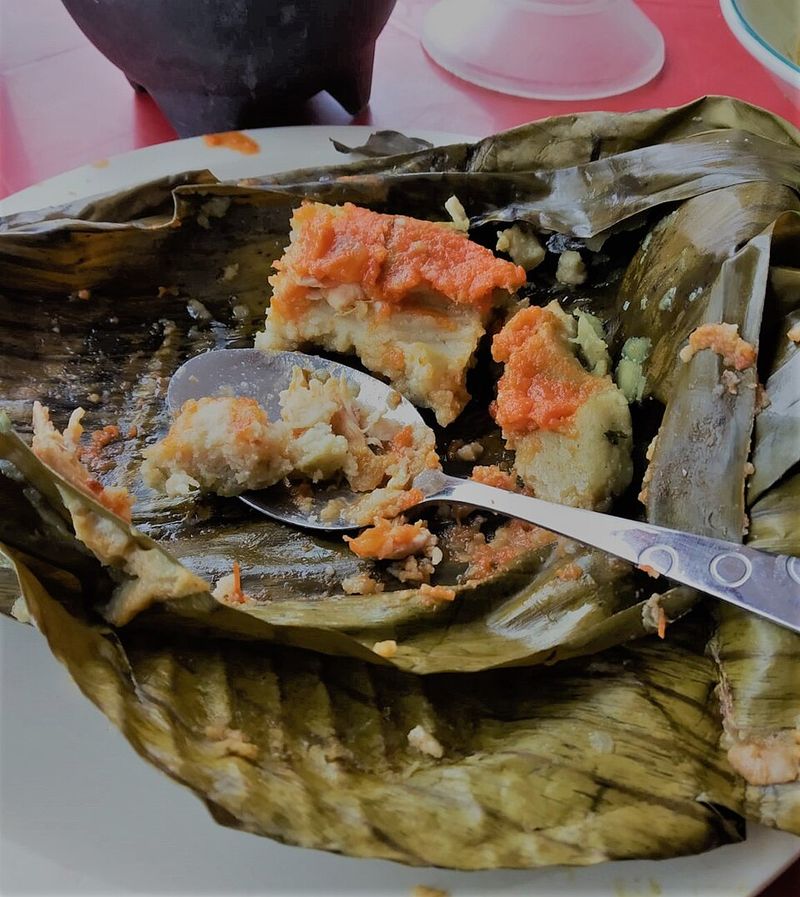
In Oaxaca, tamales are often wrapped in banana leaves, with rich fillings like chicken in mole, showing how local ingredients reshape a shared corn-based technique.
Banana leaves add a subtle earthy flavor and keep the masa incredibly moist during steaming.
Families prepare these for festivals and special gatherings, where the aroma of chocolate-spiced mole fills the kitchen and brings everyone together around the table.
3. Guatemalan Tamal Colorado, A Celebratory Centerpiece
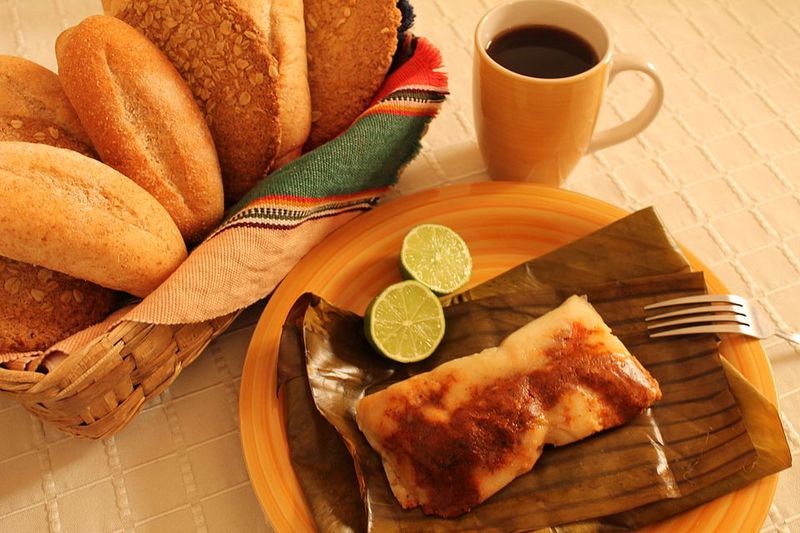
Guatemala’s large, moist tamales in banana leaves, often colored red with achiote, demonstrate how regional spices and sauces turned a basic masa parcel into a holiday centerpiece.
Families spend hours preparing these for Christmas and New Year, layering chicken, tomato sauce, olives, and peppers inside.
The vibrant red color signals celebration, and one tamal can easily satisfy a hungry guest with its generous size and hearty filling.
4. Salvadoran Tamales, Comfort Food For Home And Diaspora
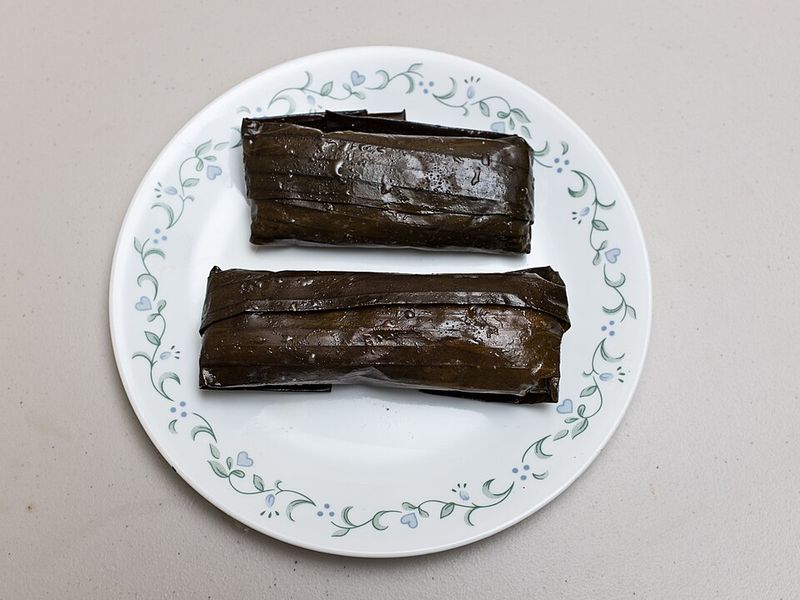
Salvadoran tamales, typically steamed in banana leaves and filled with chicken or vegetables, travel with families, shaping Central American menus in cities across the globe.
Immigrants bring the recipes to new countries, where they become a taste of home and a way to share culture with neighbors.
Street vendors and family kitchens alike keep the tradition alive, offering comfort and connection in every warm, fragrant bundle.
5. Nicaraguan Nacatamal, A Sunday Tradition With Global Reach
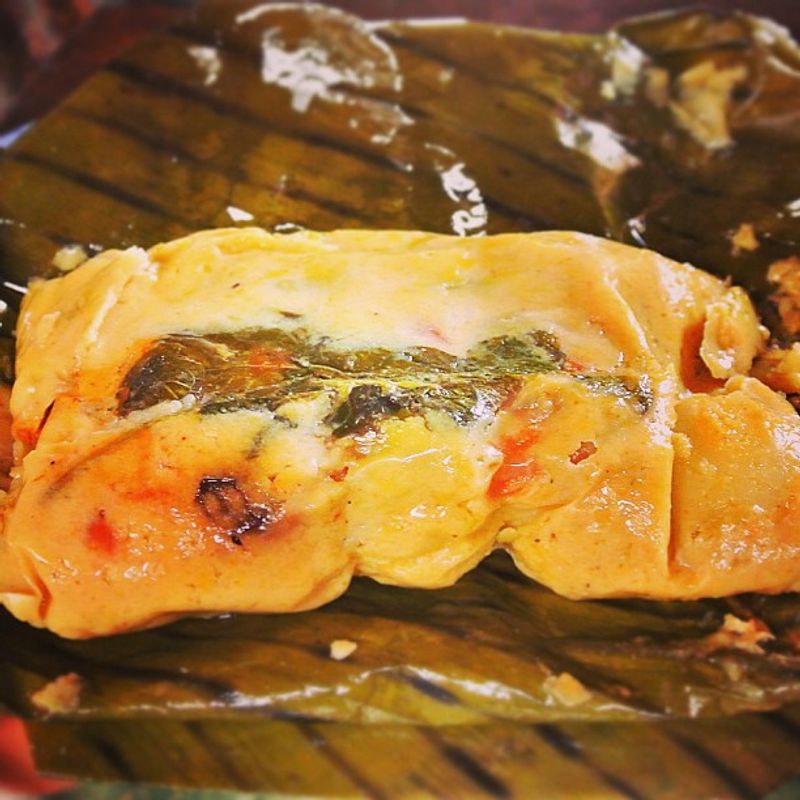
The nacatamal, packed with meat, rice, potatoes, and olives inside banana leaves, show how tamales evolved into complete one-package meals that have gained recognition in Latin American communities abroad.
Sunday mornings in Nicaragua mean nacatamal breakfasts, where families gather for this all-in-one feast.
Immigrants introduced it to international food scenes, inspiring fusion menus that blend Latin and local flavors in exciting new ways.
6. Venezuelan Hallaca, Tamal-Style Christmas On A Plate
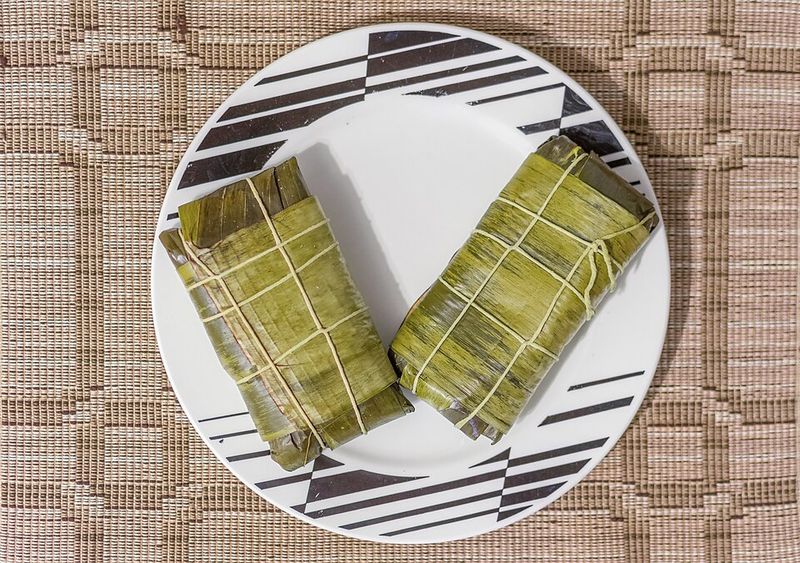
Hallacas, wrapped in plantain leaves and filled with a stew of meats, olives, and raisins, connect indigenous tamal techniques with European and African flavors, shaping Venezuela’s holiday cuisine and inspiring fusion menus worldwide.
Preparing hallacas is a family affair, with everyone pitching in to assemble dozens for Christmas celebrations.
The blend of sweet and savory ingredients tells the story of Venezuela’s multicultural heritage in every delicious bite.
7. Colombian Tamal Tolimense, A Regional Icon
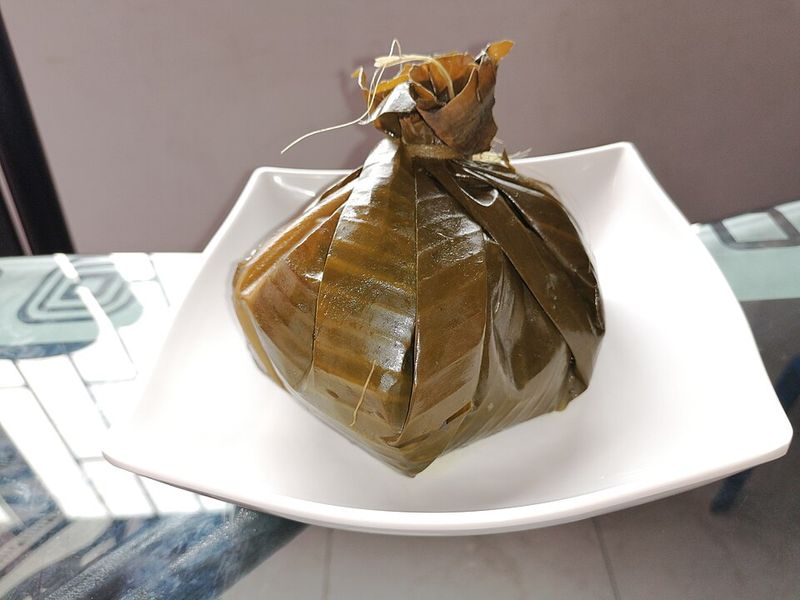
In Colombia’s Tolima region, tamales are large, rice-based parcels loaded with chicken, pork, egg, and vegetables, wrapped in plantain leaves, illustrating how the tamal idea adapts to local staples and becomes a regional emblem.
Rice replaces masa here, giving the tamale a different texture and making it a hearty breakfast favorite.
Many Colombians take pride in their regional version, serving it with hot chocolate or coffee to start the day right.
8. Andean Humitas, Pre-Hispanic Cousin To Tamales
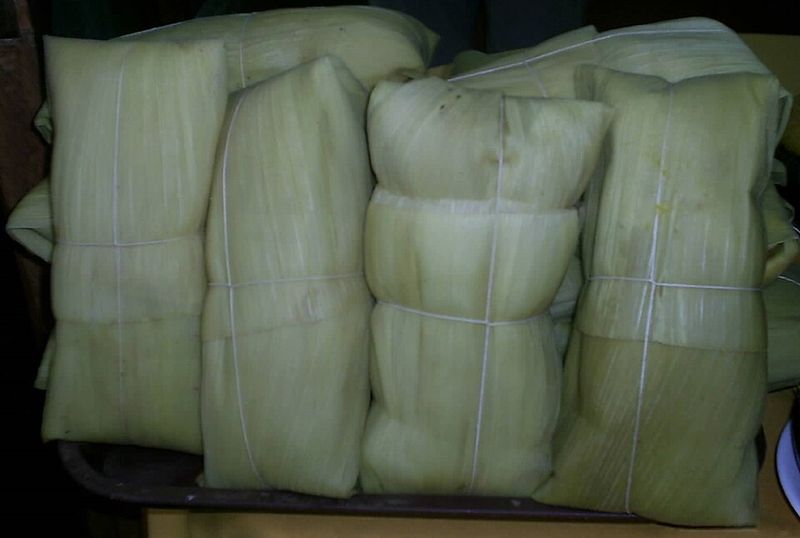
Humitas, common in Chile, Peru, Argentina, Bolivia, Ecuador, and Colombia, are fresh-corn dumplings steamed in corn husks, reflecting another ancient corn-wrapping tradition that parallels and overlaps with tamales in Andean cuisine.
Fresh corn gives humitas a sweet, delicate flavor that differs from masa-based tamales.
Street vendors and home cooks across the Andes prepare humitas year-round, celebrating the region’s agricultural roots and indigenous culinary wisdom.
9. Filipino Tamales, A Southeast Asian Adaptation
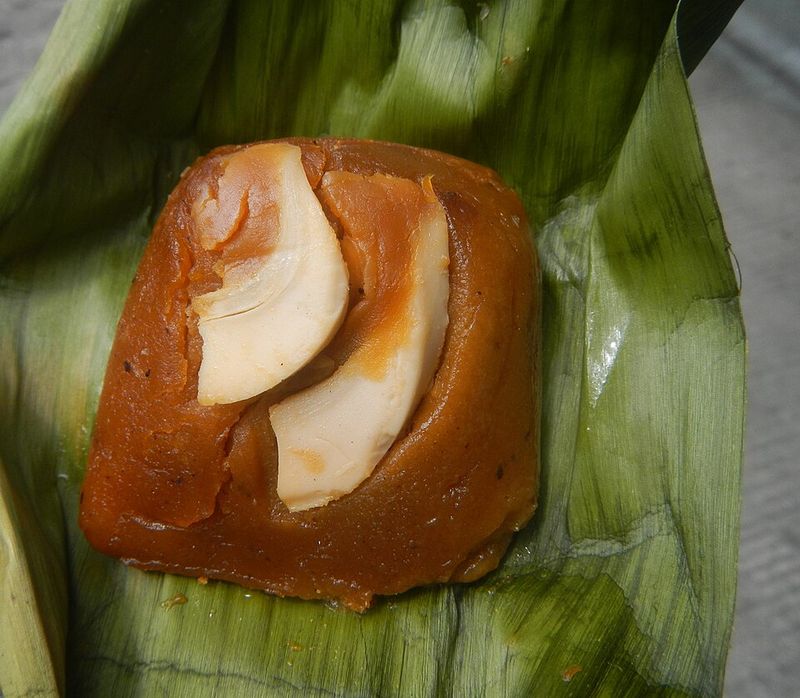
Filipino tamales, often made with ground rice, coconut milk, and peanuts, wrapped in banana leaves, show how Spanish colonial routes carried the tamal concept into Asia, where local ingredients created a new flavor profile.
Rice flour and coconut milk replace corn masa, giving these tamales a softer, slightly sweet character.
Peanuts and hard-boiled eggs add texture and richness, making Filipino tamales a unique snack that bridges continents and culinary traditions beautifully.
10. Hot Tamales In The United States, A Delta And New Orleans Story
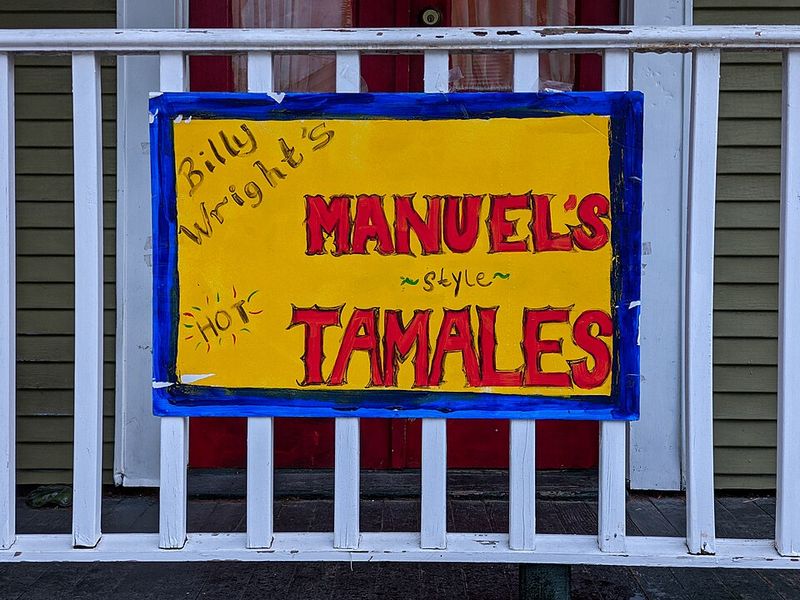
In places like New Orleans and the Mississippi Delta, tamales became street food and bar snacks, influenced by Black, Mexican, and Southern foodways, turning an ancient Mesoamerican idea into a deeply local American tradition.
Cornmeal often replaces masa, and the fillings are spicier, reflecting regional tastes and ingredient availability.
Sold from carts and corner stores, hot tamales represent a delicious example of cultural blending and American culinary innovation.