18 Teen Reads That Became Favorites Beyond The YA Shelf
Teen books have a funny way of refusing to stay in the age bracket printed on the jacket.
A story can start out aimed at younger readers, then quietly find a second life with adults who connect to the voice, the emotions, and the stakes in a deeper way than they expected.
Coming-of-age themes hit hard at any age, especially when a book captures first love, friendship shifts, identity questions, or the moment life starts asking bigger things.
Plenty of these reads also travel well because the writing is sharp and the characters feel like real people rather than “teen fiction” archetypes.
Some became cultural touchstones, others built loyal followings over time, and more than a few sparked film or TV adaptations that brought new readers in.
Disclaimer: Selections reflect editorial judgment based on themes, popularity, and cultural impact, and individual favorites may vary by reader age, background, and genre preferences; the content is provided for general informational and entertainment purposes.
1. The Outsiders by S.E. Hinton
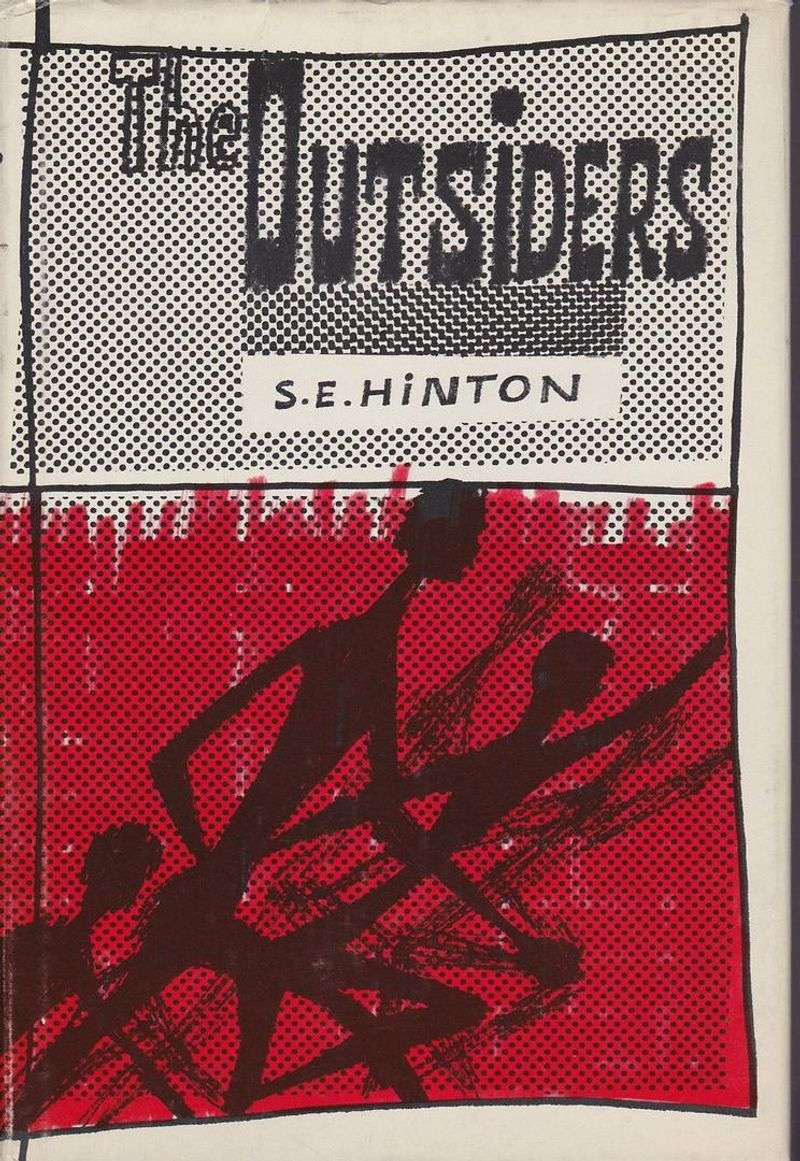
Written when Hinton was just seventeen, this groundbreaking novel changed what teen fiction could be.
Ponyboy Curtis and his gang of Greasers face off against the wealthy Socs in a story about class division, loyalty, and finding your place in the world.
The raw honesty hits different because Hinton actually lived through similar experiences as a teenager.
Adults discovered this book alongside their kids and realized that coming-of-age struggles never really fade, they just evolve.
2. The Perks of Being a Wallflower by Stephen Chbosky

Charlie writes letters to an anonymous friend, sharing his freshman year experiences with brutal honesty and unexpected humor.
His journey through friendship, first love, and mental health struggles feels like reading someone’s actual diary, complete with mixtape references and awkward moments.
Adults recognized their own high school selves in Charlie’s observations about feeling infinite and just trying to participate.
The book became a bridge between generations who all remembered what it felt like to be fifteen and overwhelmed.
3. The Hate U Give by Angie Thomas
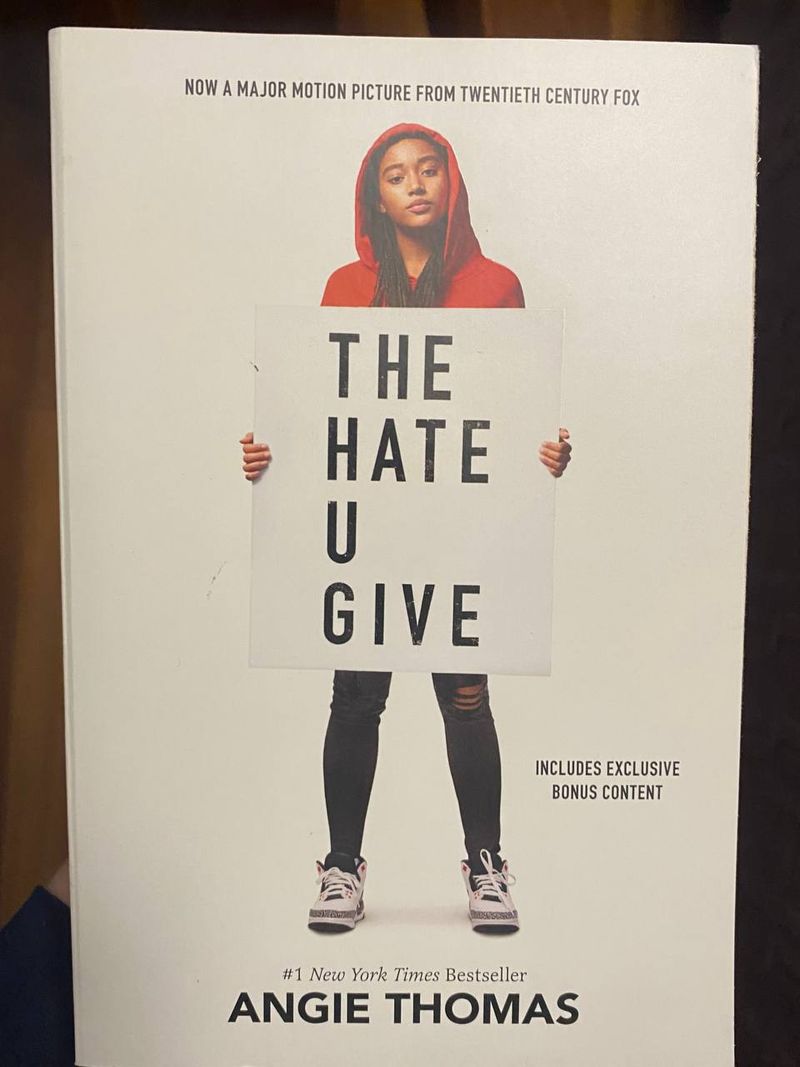
After witnessing a police officer open fire on her unarmed friend Khalil, Starr is pushed into activism she never asked for.
Thomas crafted a story that’s simultaneously a gripping thriller and an urgent exploration of systemic racism, code-switching, and finding your voice when speaking up feels dangerous.
Book clubs everywhere picked this one because it sparked necessary conversations about police brutality and racial justice.
Readers of all backgrounds found themselves unable to put it down, recognizing its importance beyond age categories.
4. The Fault in Our Stars by John Green

Hazel and Augustus meet at a cancer support group and fall in love while navigating terminal illness with humor and grace.
A typical illness story isn’t the goal here; instead, a meditation on mortality, meaning, and what it means to live fully with time that feels borrowed takes center stage.
Tissues became mandatory reading accessories for everyone who picked this up.
Adults appreciated Green’s philosophical depth and refusal to patronize readers, while the authentic teenage voices made the story feel immediate and real regardless of your age.
5. The Hunger Games by Suzanne Collins
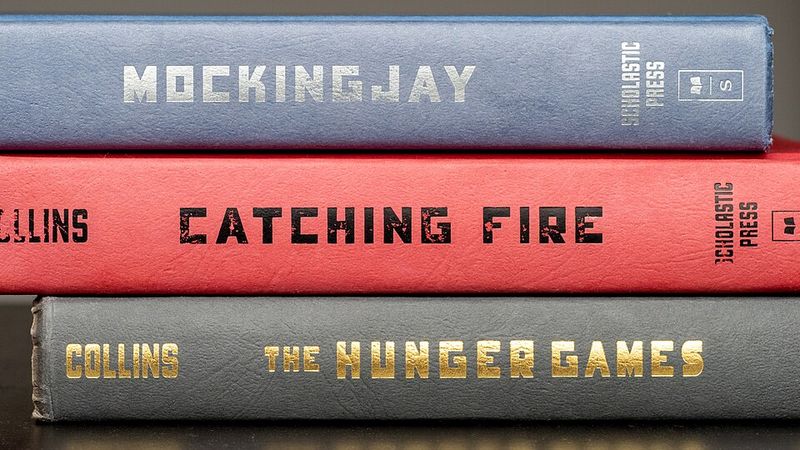
A sister’s name is called, and Katniss steps forward to take her place in a televised survival contest, becoming a symbol of rebellion she never set out to be.
Collins created a dystopian world that felt uncomfortably relevant, exploring media manipulation, government control, and the cost of survival.
Adults devoured this trilogy just as eagerly as teens, recognizing the political commentary beneath the action-packed plot.
The story transcended its teen protagonist to ask universal questions about power, sacrifice, and resistance that resonated across generations.
6. Eleanor & Park by Rainbow Rowell
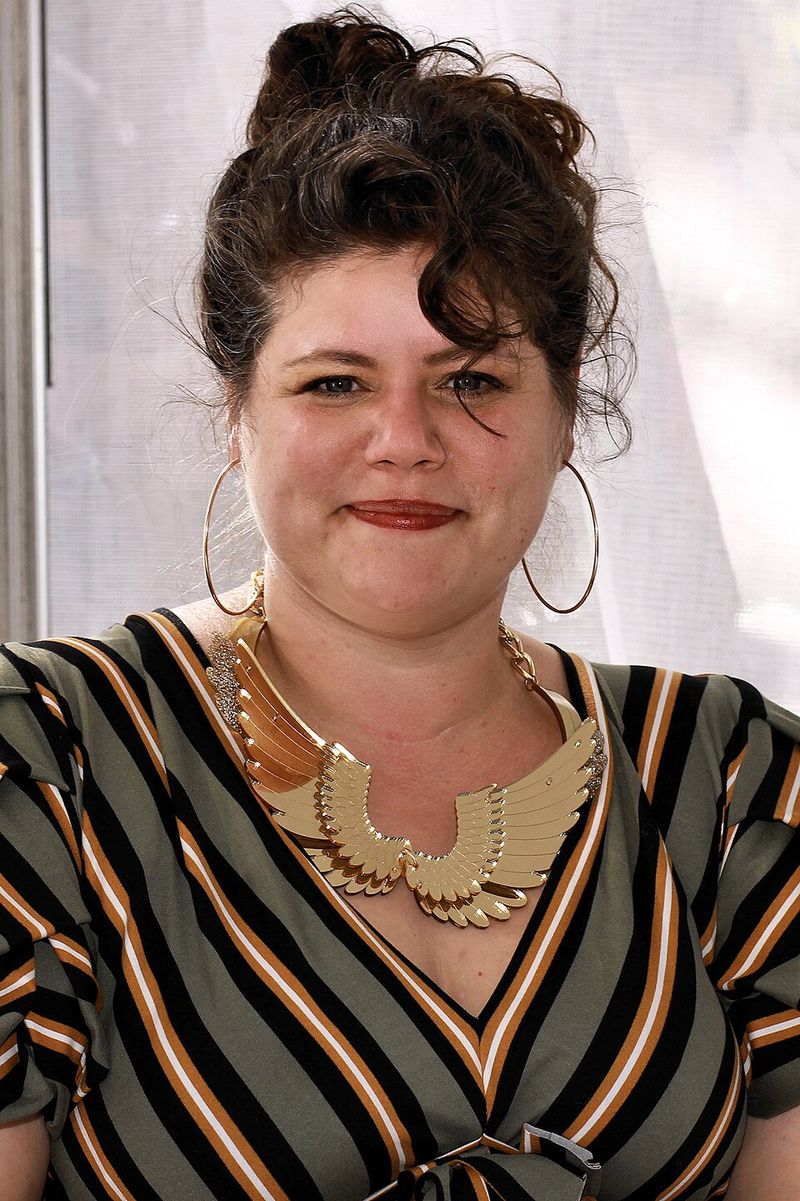
Two misfits bond over comic books and mixtapes on the school bus in 1986, developing a relationship that feels achingly real.
Rowell captures first love with all its intensity and awkwardness, while addressing serious issues like domestic abuse and bullying without losing the story’s tender heart.
Readers who survived the eighties recognized every detail, from the music references to the social dynamics.
However, the emotional truth of Eleanor and Park’s connection spoke to anyone who’d ever felt like an outsider finding their person.
7. The Catcher in the Rye by J.D. Salinger
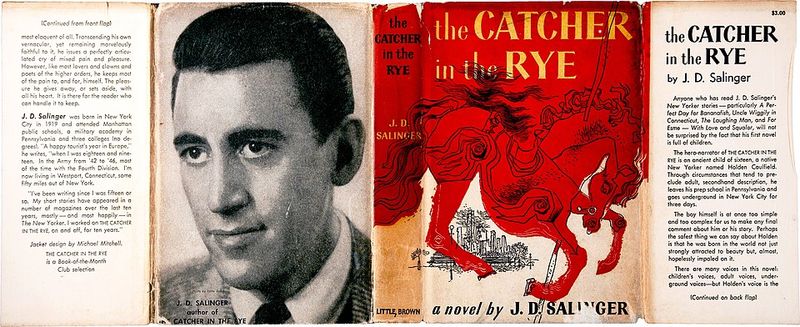
Holden Caulfield became the voice of teenage angst decades before anyone used that phrase.
His three-day journey through New York City after getting expelled captures that feeling of not fitting anywhere, of seeing through adult hypocrisy while desperately wanting connection.
Teachers assigned it, parents debated it, and somehow everyone had an opinion about this rebellious narrator.
Whether you love him or find him frustrating, Holden’s voice sticks with you long after the final page.
8. The Giver by Lois Lowry
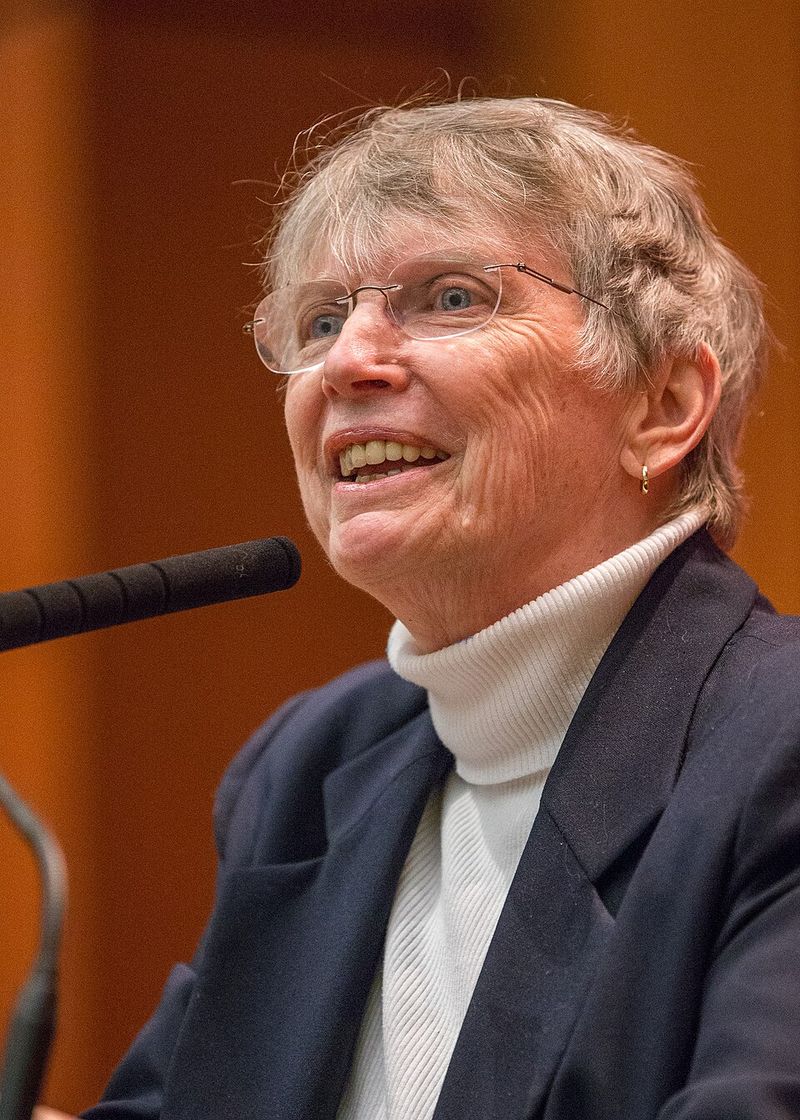
Jonas lives in a seemingly perfect society without pain, war, or suffering until he’s chosen to receive all of humanity’s memories.
A dystopian masterpiece questions what gets sacrificed for safety, and asks whether a life without choice or emotion is truly worth living.
Teachers assigned it for decades because the philosophical questions it raises never get old.
Adults found themselves debating Jonas’s choices and the society’s trade-offs, recognizing that the book’s themes about conformity and individuality matter at any age.
9. Harry Potter and the Sorcerer’s Stone by J.K. Rowling

An orphaned boy discovers he’s a wizard on his eleventh birthday, launching the most successful book series in history.
A magical world took shape with such detail and charm that readers of every age started hoping for a Hogwarts letter, sparking a phenomenon that brought families together through shared reading.
Parents started reading to their kids and couldn’t stop reading themselves.
The themes of love, loss, friendship, and fighting fascism grew more complex with each book, maturing alongside the original readers while welcoming new ones.
10. A Tree Grows in Brooklyn by Betty Smith
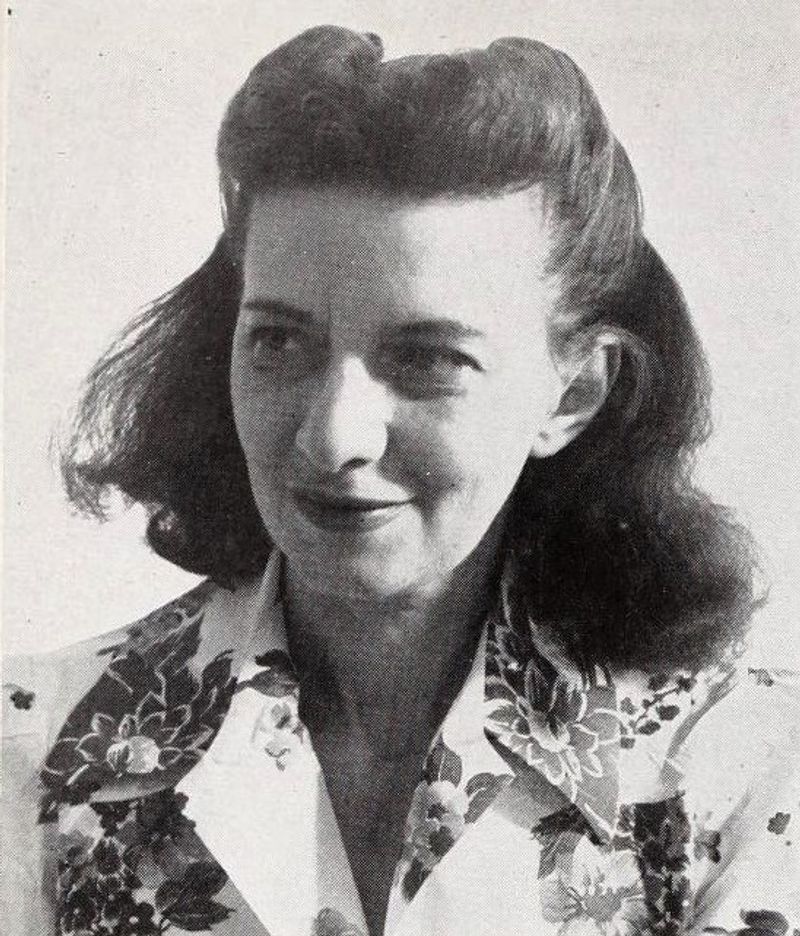
Francie Nolan grows up in poverty in early 1900s Brooklyn, finding escape and hope through reading and education.
This semi-autobiographical novel captures the immigrant experience and the American Dream with unflinching honesty and deep compassion, creating a portrait of resilience that feels timeless.
Adults recognized their own family histories in Francie’s struggles and triumphs.
The book’s exploration of poverty and determination to rise above circumstances speaks to readers across decades who understand that some challenges never really change.
11. The Book Thief by Markus Zusak
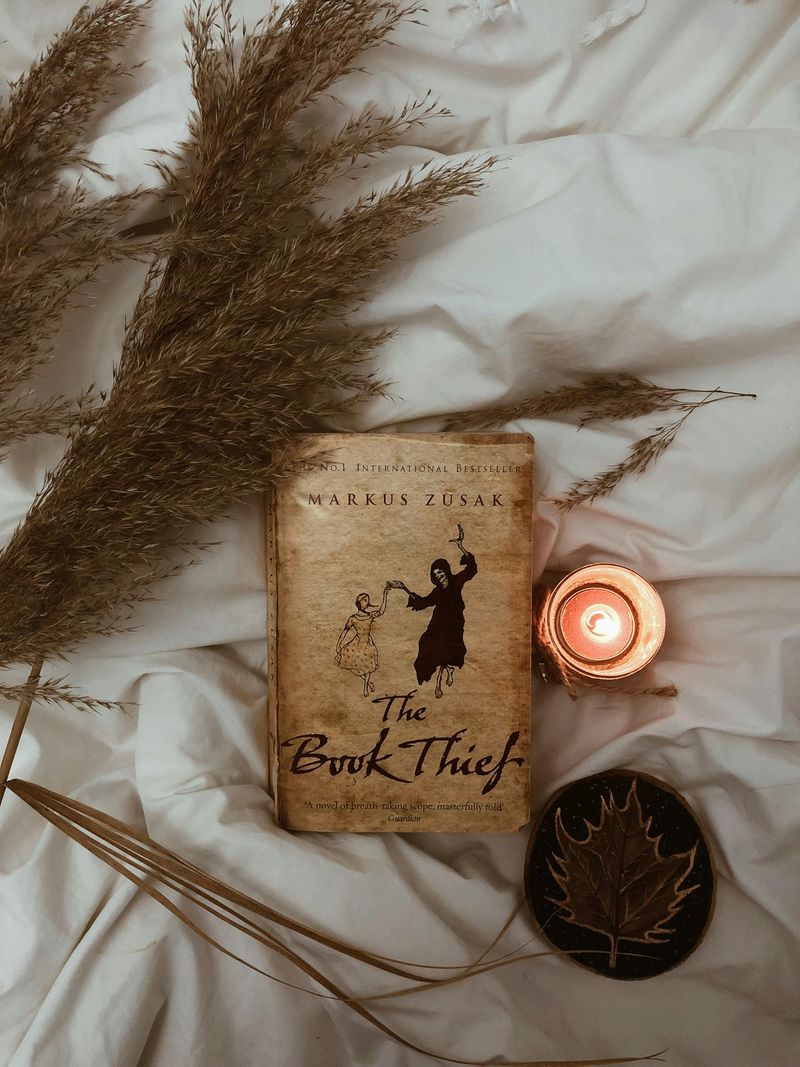
A grim narrator guides the story of Liesel, a girl who steals books in wartime Germany while sheltering a Jewish man in her basement.
Zusak’s lyrical prose and unusual narrator create a story that feels both familiar and completely fresh, finding beauty in humanity’s darkest chapter.
Historical fiction fans of all ages recognized something special in Zusak’s approach.
The book’s meditation on stories, and their power to save or destroy resonated with readers who understood that some truths transcend target demographics.
12. Are You There God? It’s Me, Margaret by Judy Blume
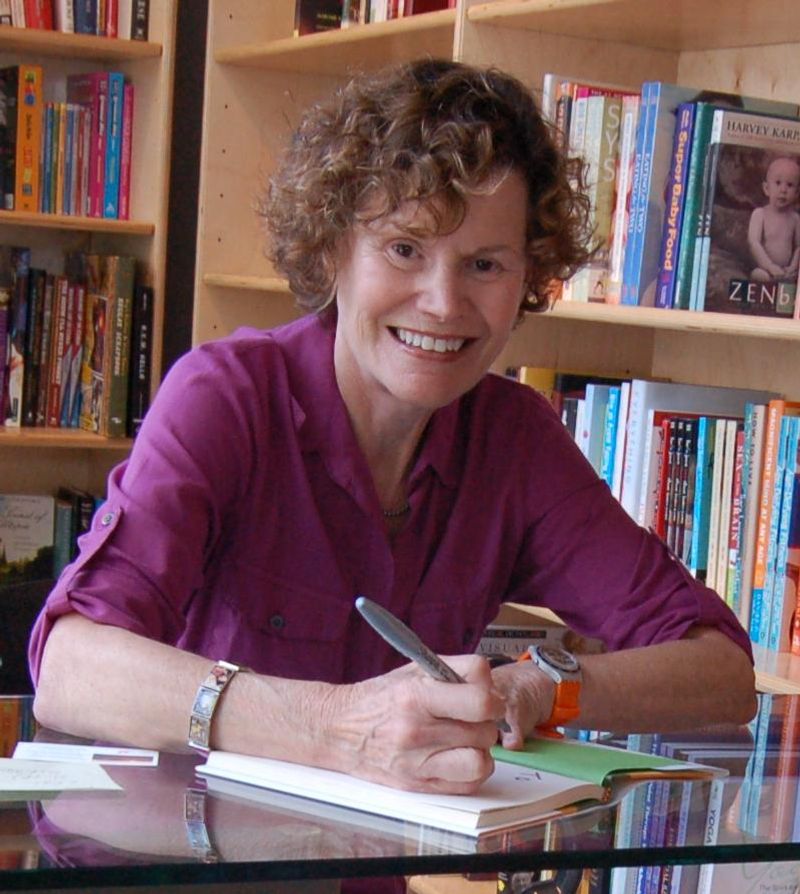
Sixth grade gets complicated fast as Margaret navigates puberty, religion, and fitting in, turning to honest conversations with God along the way.
Honest, matter-of-fact writing broke ground by addressing menstruation, bras, and religious questioning in a way that startled some adults but brought relief to countless kids who finally saw their experiences reflected on the page.
Banned in some places and beloved in others, this novel sparked important conversations about what kids should read.
13. A Wrinkle in Time by Madeleine L’Engle
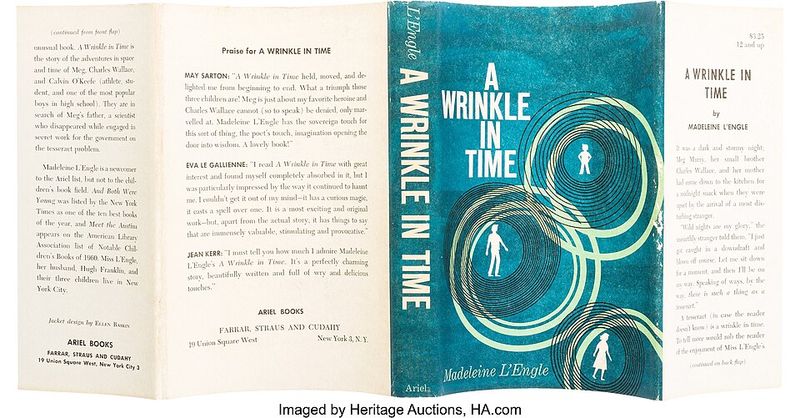
A daring leap across space and time drives the story, as Meg Murry races to rescue her scientist father from sinister forces with only love and her own imperfections to guide her.
Science fiction, philosophy, and spirituality collide in a genre-defying adventure that trusts young readers with complex ideas about quantum physics and the struggle between good and evil.
Published in 1962, this book influenced generations of readers who appreciated its brainy heroine and refusal to dumb down big concepts.
14. Bridge to Terabithia by Katherine Paterson
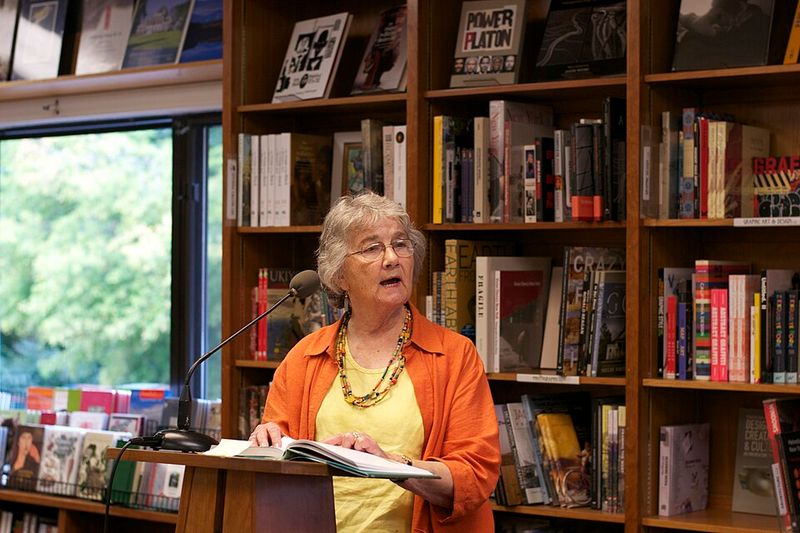
Jess and Leslie create an imaginary kingdom in the woods, forging a friendship that changes both their lives before tragedy strikes.
A tender story about imagination, grief, and growing up refuses to look away from the hardest parts of childhood, trusting readers to sit with difficult emotions.
Teachers kept boxes of tissues handy when reading this aloud because the ending devastates readers of any age.
15. Anne of Green Gables by L.M. Montgomery
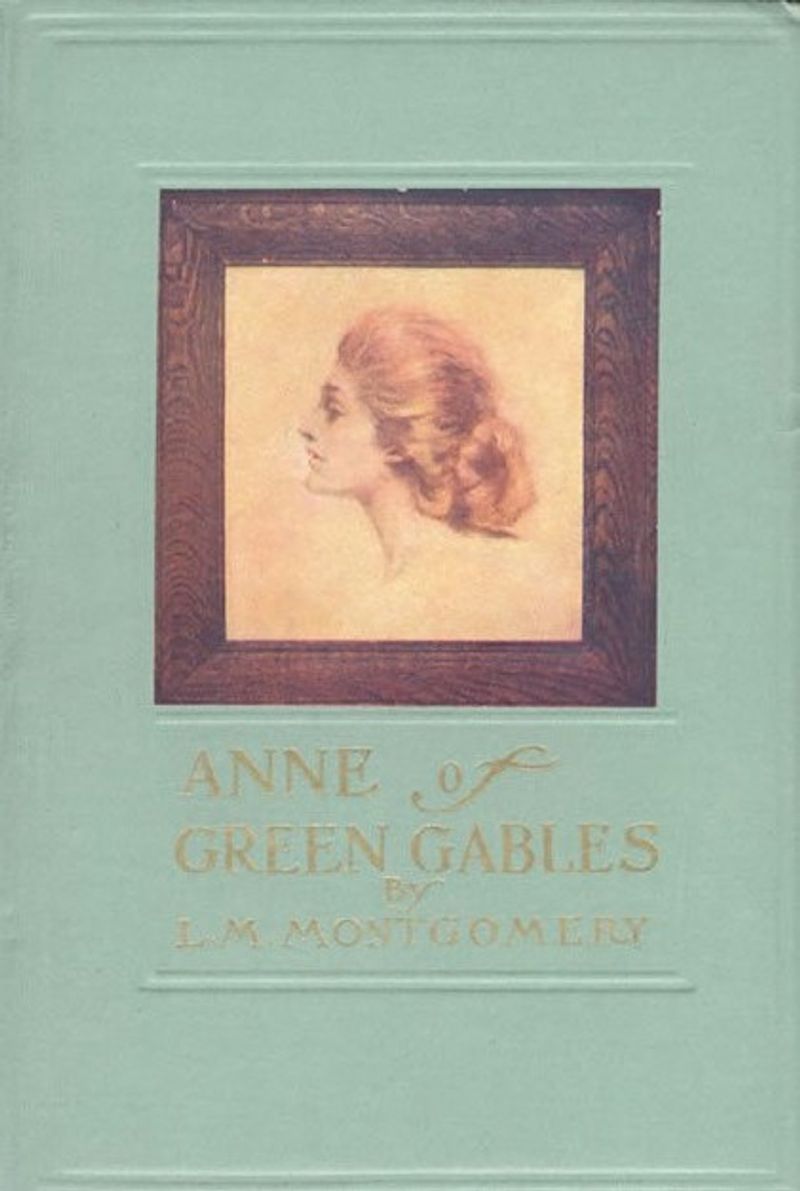
An imaginative orphan girl arrives at Green Gables by mistake and transforms everyone around her with her enthusiasm and determination.
A character so vivid and lovable has helped Anne endure for more than a century, inspiring adaptations and devoted fans around the world.
Grandmothers passed this book to mothers who shared it with daughters, creating multigenerational bonds.
Anne’s struggles with temper, ambition, and finding where you belong resonate whether you’re reading it for the first time at twelve or rediscovering it at fifty.
16. The Princess Bride by William Goldman

Goldman presents this as an abridged version of a classic tale, complete with editorial commentary, creating a story within a story about true love and high adventure.
The book’s clever structure and witty asides make it even richer than the beloved film, with humor that works on multiple levels.
Fans of the movie discovered the book offered even more to love, while new readers found themselves quoting lines and falling for characters all over again.
17. Twilight by Stephenie Meyer
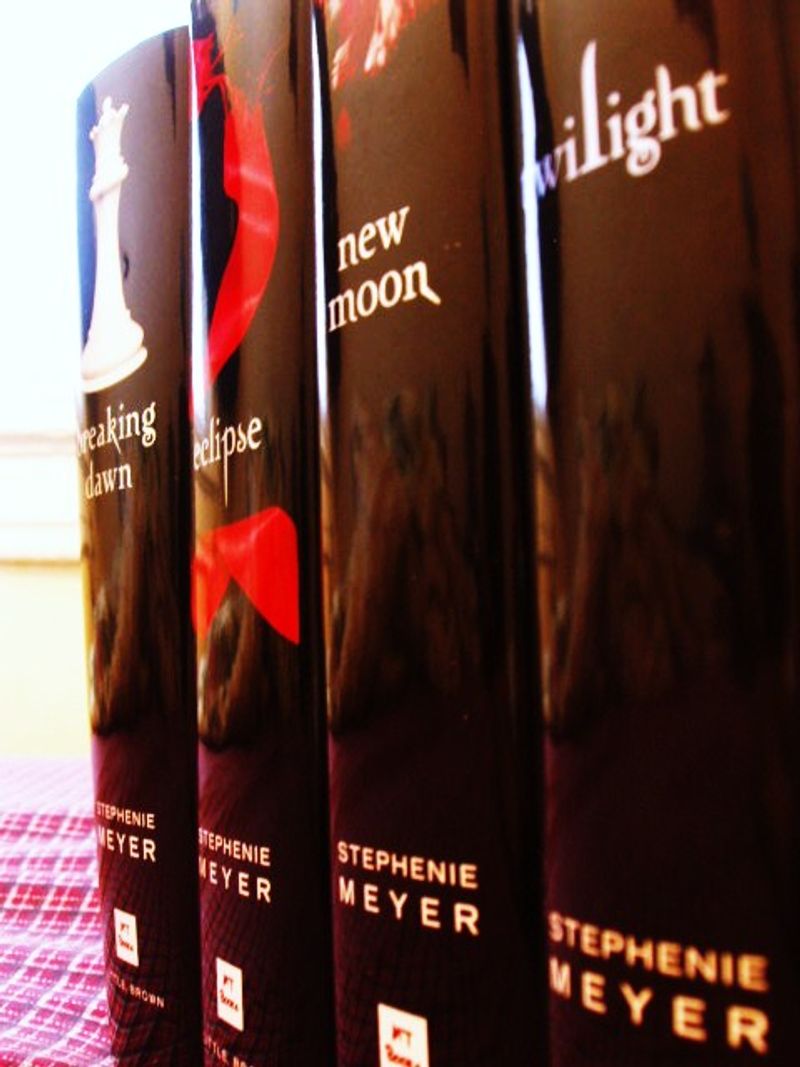
Forks, Washington sets the stage as Bella Swan falls for Edward Cullen, a vampire trying to resist a dangerous attraction to her.
A pop-culture phenomenon took off and split readers into teams, sparking intense debates about romance, agency, and what makes a relationship feel healthy or unhealthy.
Critics dismissed it while millions of readers devoured the series, creating a cultural moment that transcended age.
18. The Absolutely True Diary of a Part-Time Indian by Sherman Alexie

Leaving his school on the Spokane Indian Reservation, Junior enrolls at a predominantly white high school and learns to navigate two worlds, with his own cartoons helping tell the story.
Alexie tackles poverty and identity with humor and heartbreak, creating an authentic voice that refuses to romanticize or victimize Native American experiences.
The book’s honesty about reservation life made it controversial in some communities and essential reading in others.