The 15 Most Iconic Female Singers Of The 1970s
The 1970s brought us some of the most powerful voices in music history.
Women dominated the charts across every genre, from disco to rock to soul.
Their songs became anthems that still play on the radio today, reminding us why this decade changed music forever.
Disclaimer: All artist details, chart references, and historical notes reflect publicly available information at the time of writing.
Musical legacies and public records may evolve as new interviews, releases, or archival materials surface.
1. Aretha Franklin
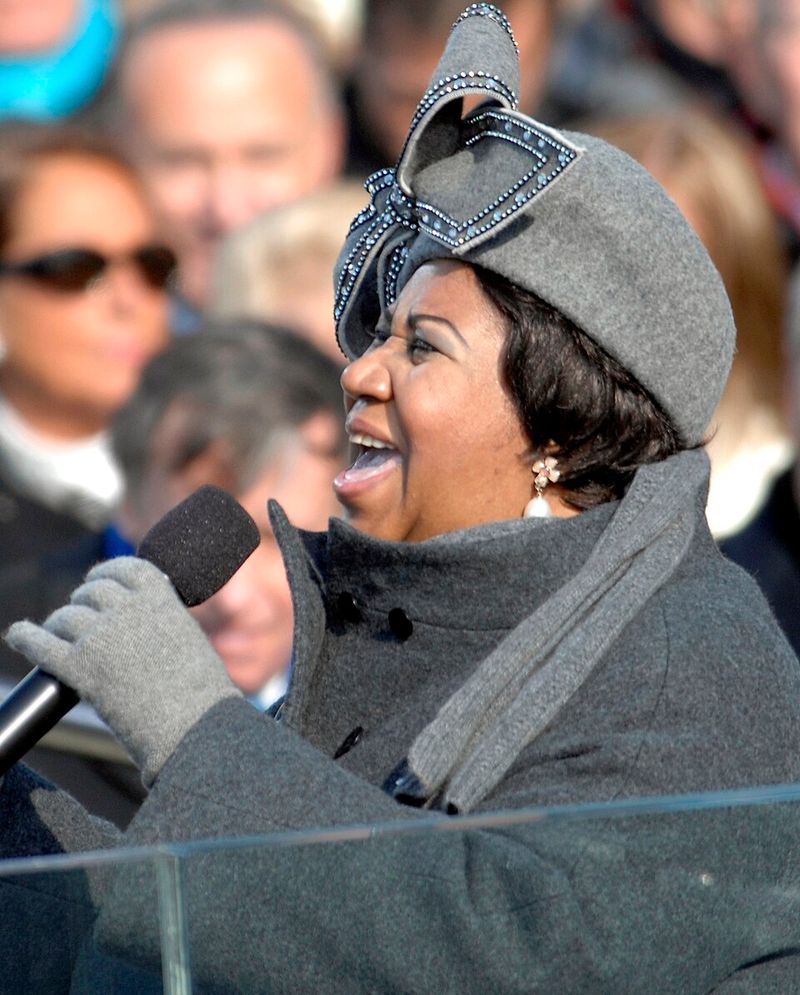
Known worldwide as the Queen of Soul, Franklin possessed a voice that could shake concert halls and move hearts simultaneously.
Her performances of hits like Respect and Natural Woman became more than just songs – they turned into cultural moments that defined an era.
Whether singing gospel, R&B, or pop, she brought an emotional depth that made every note feel personal.
Honestly, her ability to blend power with vulnerability set the standard for every vocalist who came after her.
2. Diana Ross
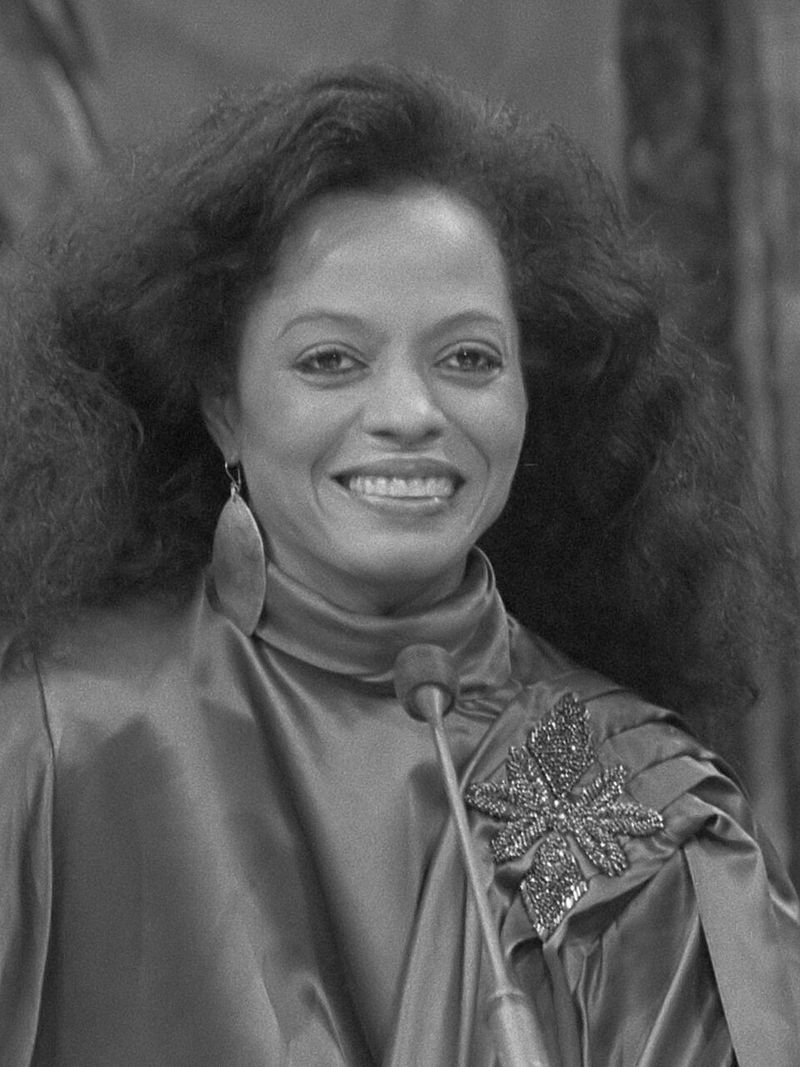
Once her time with The Supremes concluded, a new chapter unfolded that confirmed she was built for solo superstardom.
With songs like Ain’t No Mountain High Enough, she revealed a rare ability to blend vulnerability and power in the same breath.
Onstage, her charisma pulled audiences in instantly, turning every movement into part of the performance itself.
What truly set her apart was the way she paired musical dominance with a rise to cinematic fame, excelling brilliantly in both worlds.
3. Donna Summer
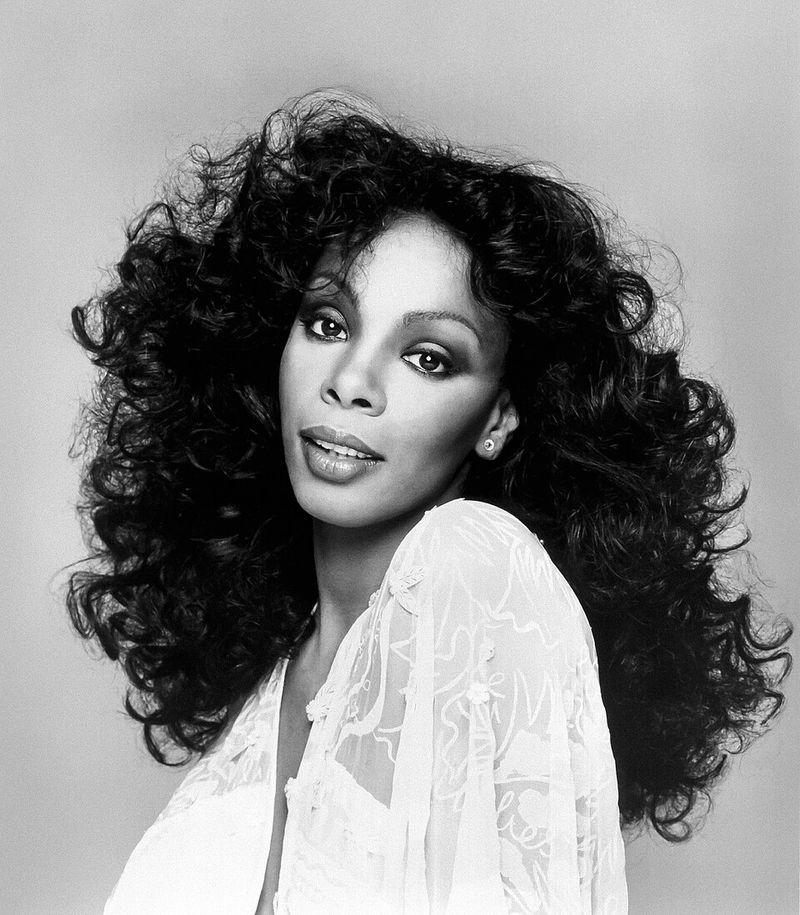
Disco reached its royal peak when her sultry vocals lit up dance floors and transformed nightlife into something electric.
With tracks like Hot Stuff and Bad Girls, she bottled the spirit of liberation that defined the entire era.
From airy murmurs to powerhouse belts, her vocal range delivered a blend of sensuality and authority few could rival.
Even after disco’s fade, her artistic fingerprints remained, influencing pop and electronic music for generations.
4. Stevie Nicks
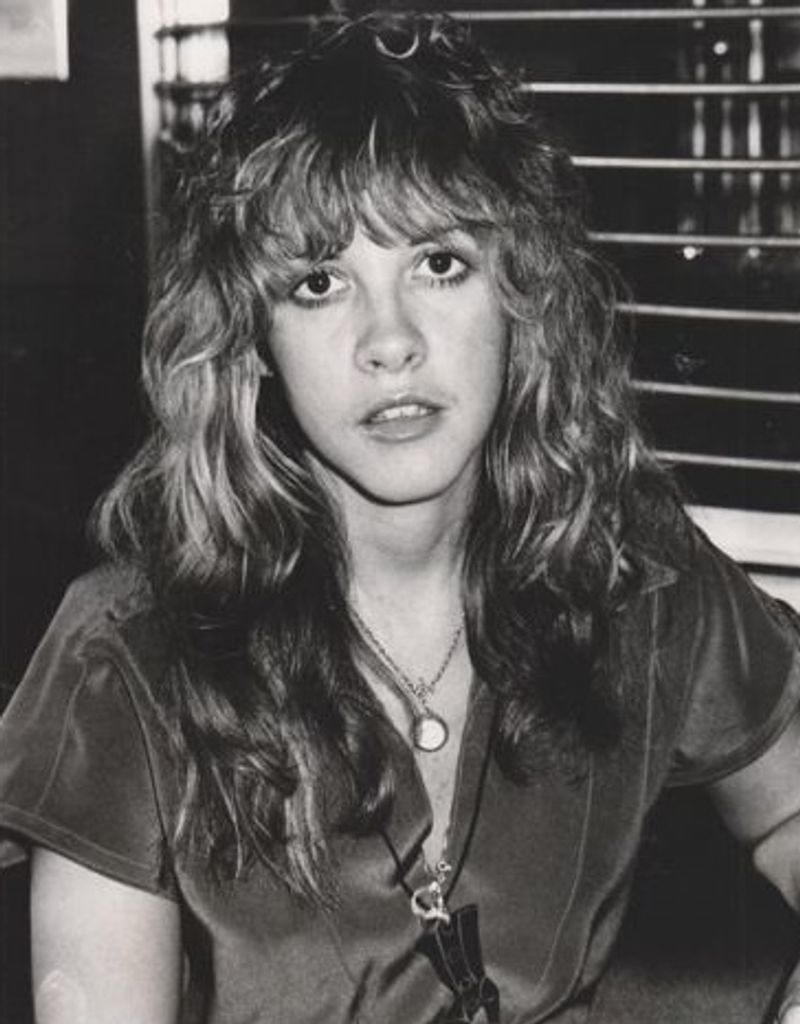
With Fleetwood Mac, Nicks created a mystical persona that felt like she’d stepped out of a fairy tale.
Her raspy, distinctive voice gave songs like Dreams and Rhiannon an otherworldly quality that mesmerized listeners.
Often twirling in flowing scarves and velvet, she made every performance feel like a magical ritual.
Actually, her songwriting revealed deep emotional truths wrapped in poetic imagery, making her both a performer and a storyteller.
5. Joni Mitchell
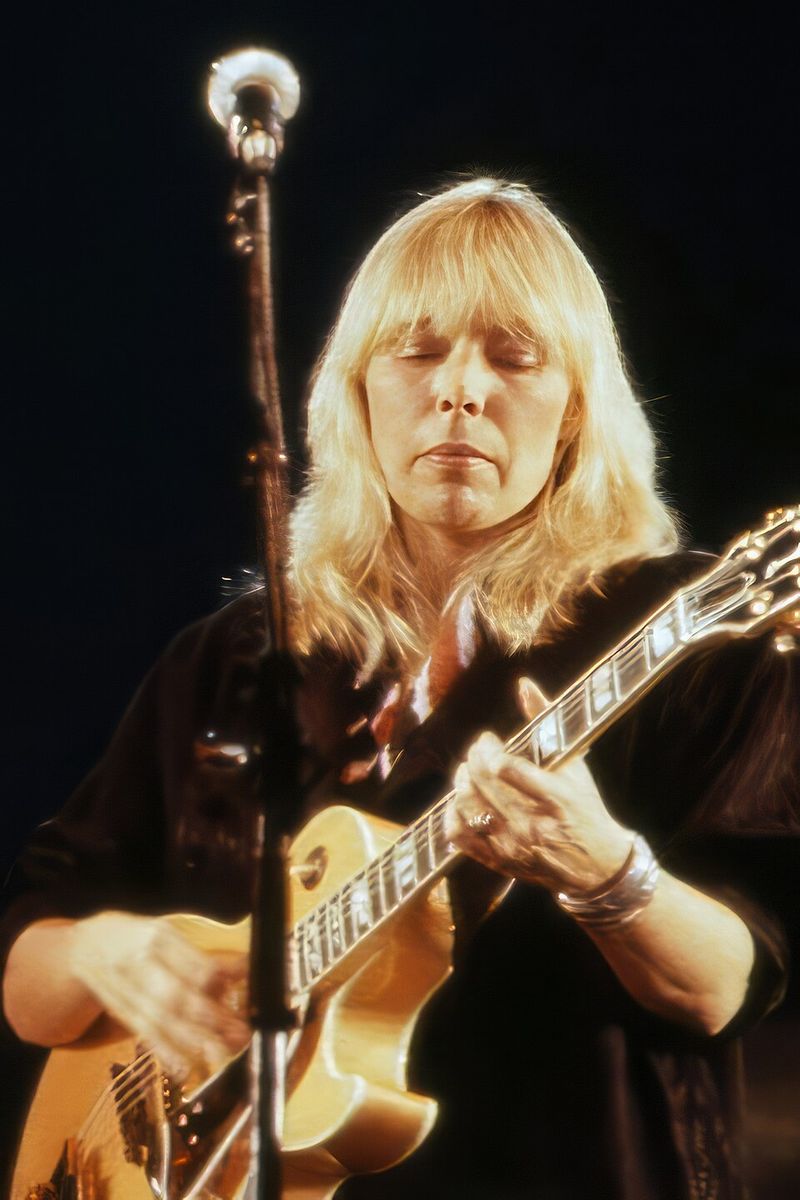
Mitchell’s introspective songwriting transformed folk music into something deeply personal and universally relatable.
Albums like Blue showcased her ability to paint vivid emotional landscapes with words and melodies that felt like diary entries.
Her guitar playing was unconventional, using unique tunings that gave her music an instantly recognizable sound.
Maybe that’s why artists across every genre still cite her as a major influence, she made vulnerability sound like strength.
6. Linda Ronstadt
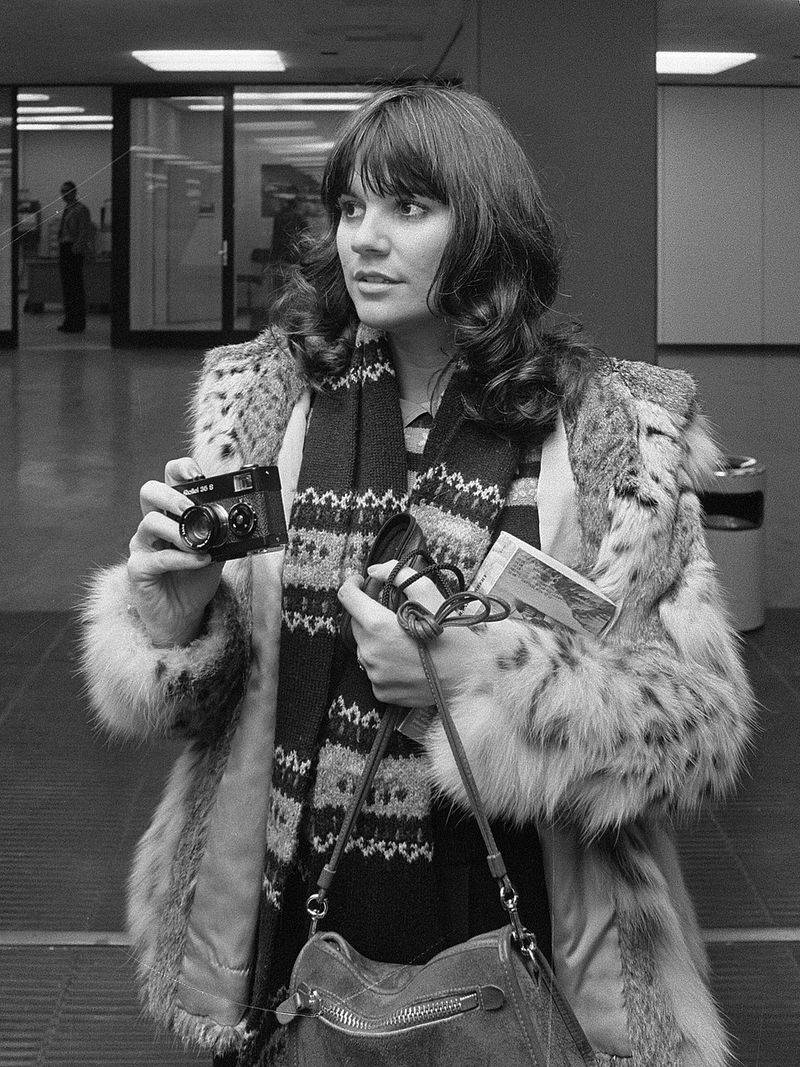
Genre boundaries never stood a chance against her, as she moved through rock, country, folk, and pop with effortless authenticity.
When Heart Like a Wheel arrived, it marked a turning point that demonstrated how powerfully women could command the rock landscape.
With performances like You’re No Good, she delivered unfiltered emotion through a voice capable of sounding tender one moment and ferocious the next.
Throughout the decade, she refused to let any single category define her, choosing instead to wander boldly into new musical territory again and again.
7. Barbra Streisand
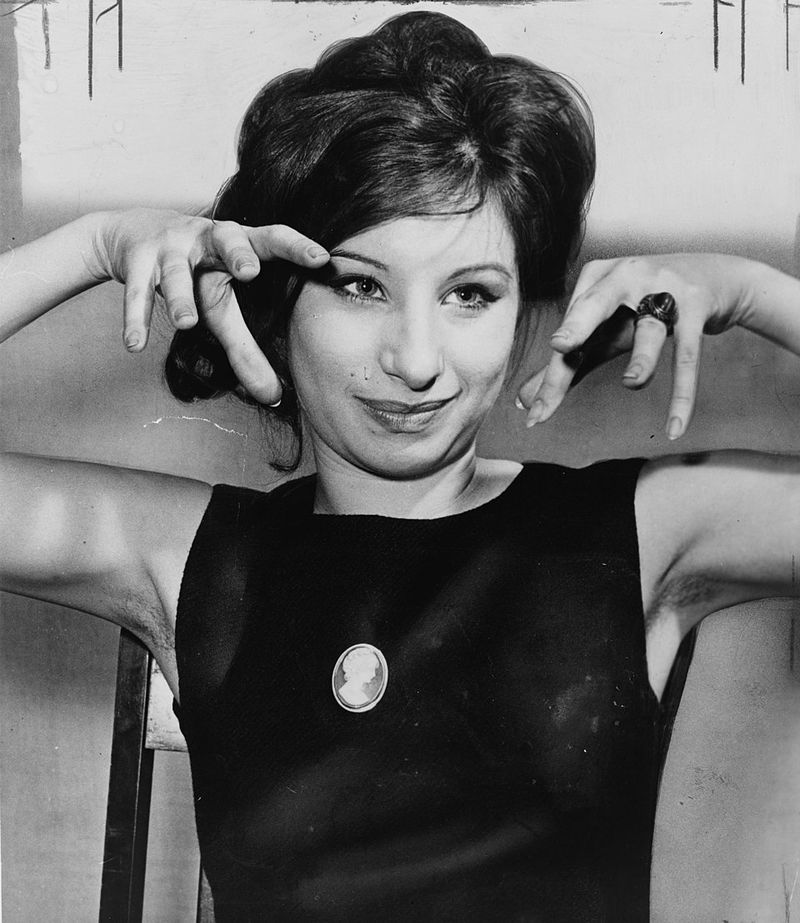
Streisand proved that a Broadway powerhouse could conquer Hollywood, pop music, and everything in between.
During her work on A Star Is Born, she delivered vocal precision so commanding it pushed the limits of what most singers believed was possible.
Outside her extraordinary voice, she excelled as both director and actor, proving herself one of the most multifaceted entertainers of her era.
Essentially, her unwillingness to dilute her artistic vision turned her into a trailblazer for women across the entire entertainment industry.
8. Cher
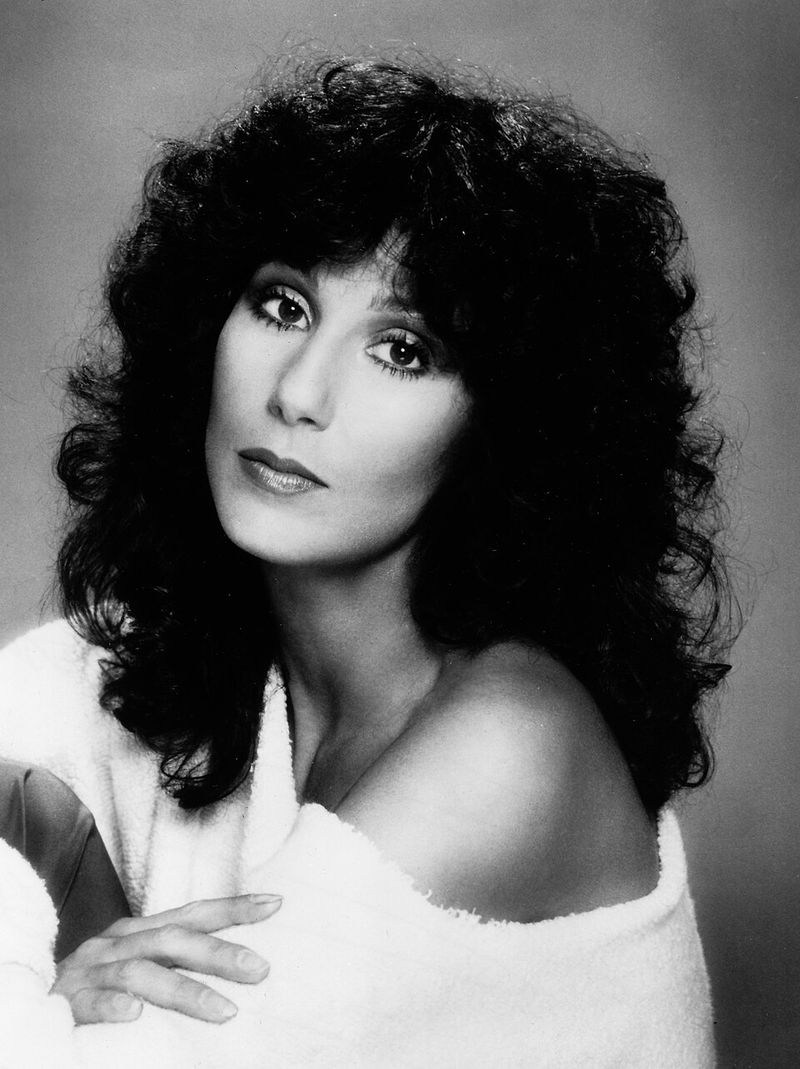
Striking style and a deep, unmistakable contralto ensured she stood out instantly in the whirlwind of 1970s pop culture.
With narrative-driven hits like Gypsys, Tramps & Thieves, she spoke directly to anyone who had ever felt like an outsider.
Through her weekly variety show alongside Sonny Bono, she became a familiar presence in households across the United States.
Rather than follow the crowd, she leaned into bold individuality and fearless controversy, turning her uniqueness into her greatest artistic power.
9. Carole King
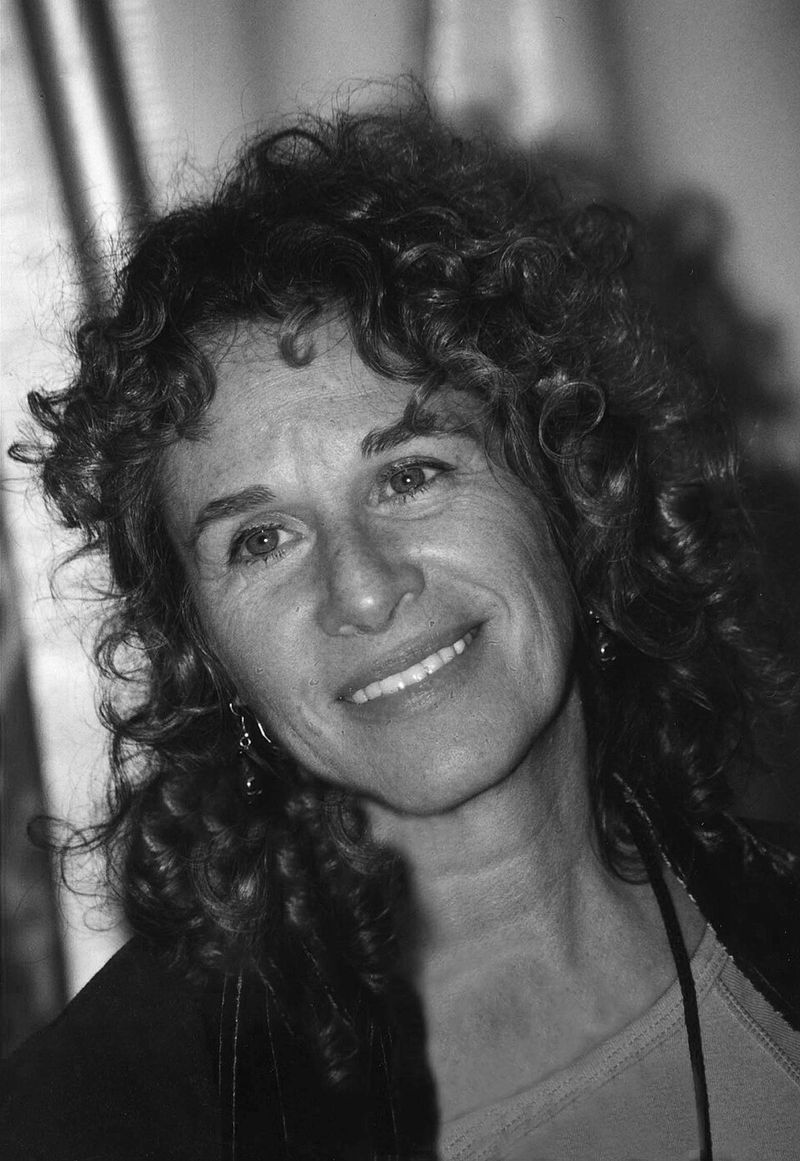
Before becoming a superstar performer, King wrote countless hits for other artists behind the scenes.
Her album Tapestry changed everything, spending over 300 weeks on the charts and becoming one of the best-selling albums ever. Songs like You’ve Got a Friend felt like warm conversations with someone who truly understood life’s ups and downs.
Quietly, she revolutionized the singer-songwriter movement, showing that authenticity and simplicity could outsell flashy production.
10. Olivia Newton-John
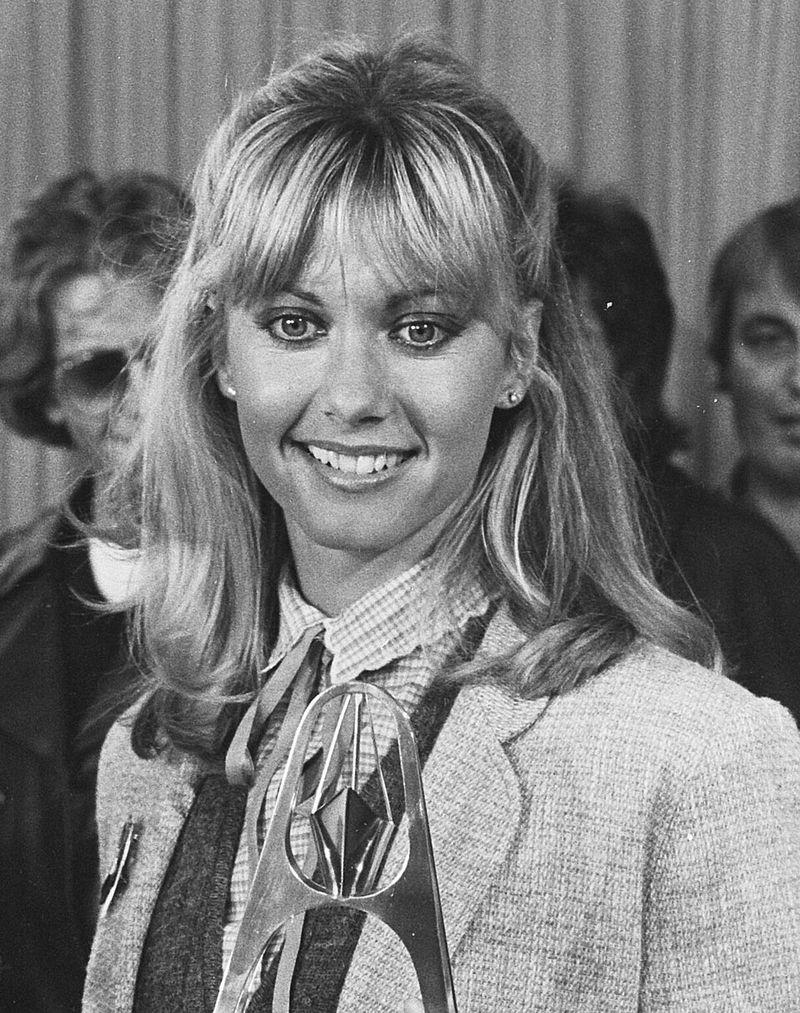
Generations connected instantly with her warm tone and approachable charm, which made her a constant favorite through shifting eras.
Through heartfelt tracks like I Honestly Love You, she proved that sincerity could outshine complex vocal acrobatics any day.
By the time she stepped into Grease, a bold transformation revealed she could deliver edge and attitude just as convincingly as sweetness.
Thanks to her remarkable adaptability, she moved fluidly from country roots to pop brightness to rock shimmer, staying relevant as musical tastes evolved.
11. Tina Turner
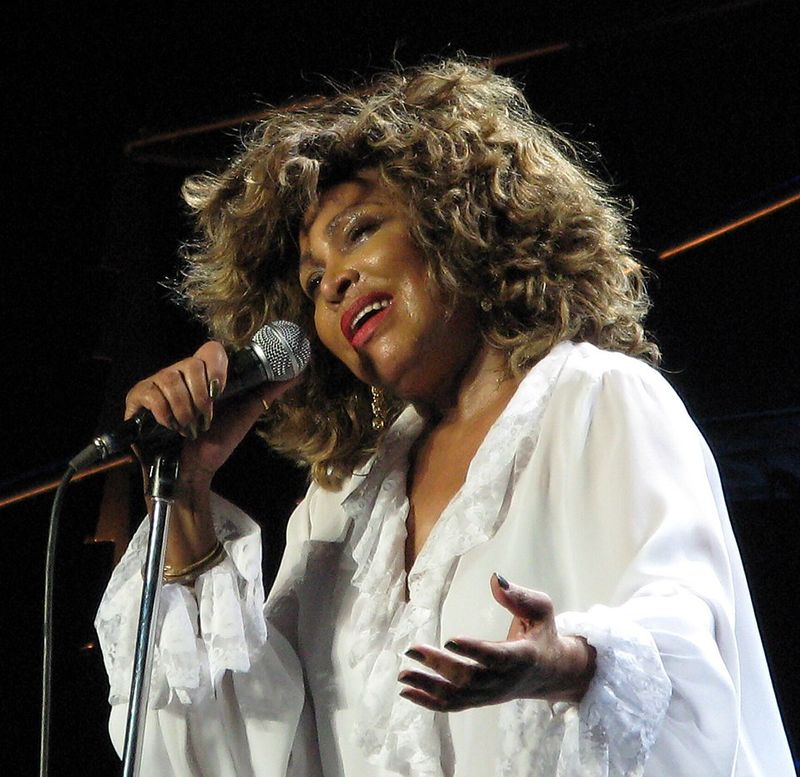
Electrifying stage power turned every show into an unforgettable spectacle, leaving audiences breathless long after the lights dimmed.
During her early career performing alongside Ike Turner, unstoppable talent still surged through each performance, hinting at the future she would claim.
Rasping emotion in her vocals allowed grief, triumph, and grit to collide in ways that few singers could ever match.
By the late seventies, momentum shifted as she pursued artistic freedom, laying the groundwork for the legendary resurgence waiting ahead.
12. Carly Simon
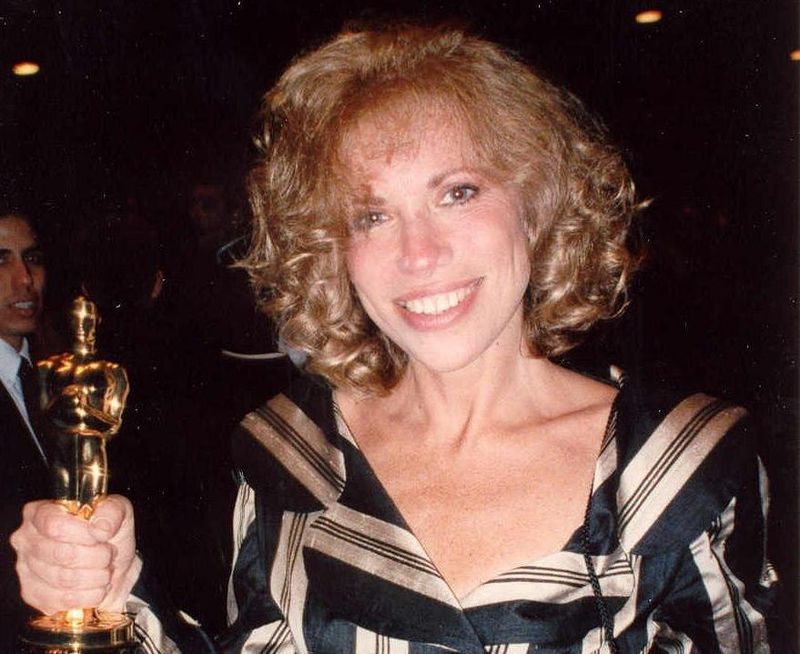
Simon’s confessional songwriting style made listeners feel like they were reading her personal diary.
You’re So Vain became one of the decade’s most talked-about songs, sparking endless speculation about its mysterious subject.
Her voice had a warm, conversational quality that made even complex emotions feel accessible and relatable.
Specifically, she captured the experiences of modern women navigating love, heartbreak, and self-discovery with remarkable honesty and wit.
13. Patti Smith
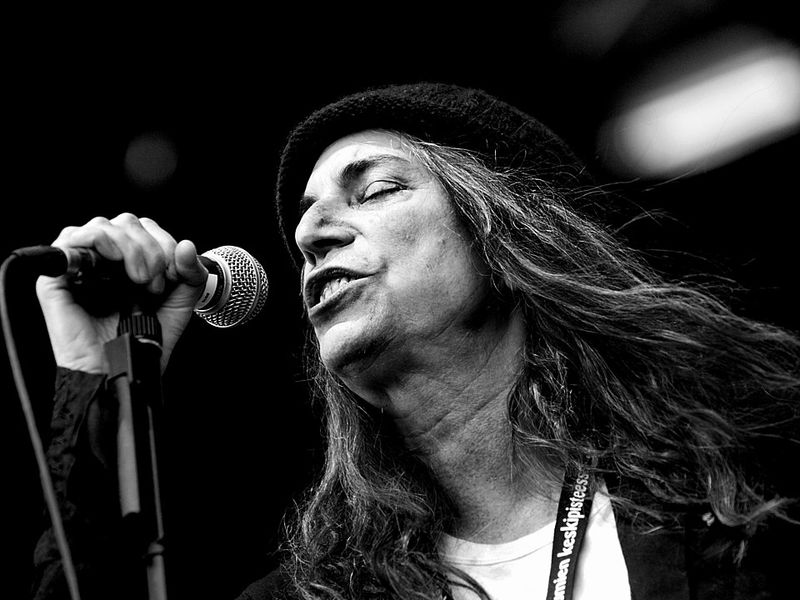
Poetry collided with punk the moment she stepped into the scene, forming a fierce, intellectual sound that rejected every mainstream rule.
Horses arrived as a watershed moment, demonstrating how rock and avant-garde artistry could fuse into something wildly original.
Instead of polished delivery, she leaned into spoken-word ferocity and unrestrained vocal bursts that pushed performance into new territory.
Hardly anyone managed to blend literary ambition with fearless rock defiance so seamlessly, cementing her status as punk’s guiding spirit.
14. Chaka Khan
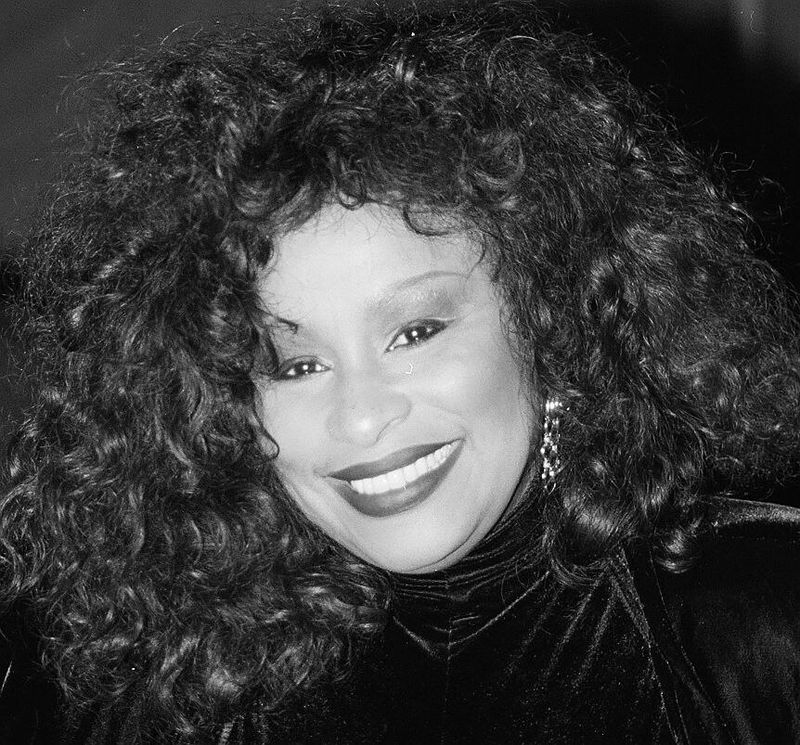
Fronting Rufus gave her the perfect platform to unleash vocals that pushed funk and soul into bold new territory.
Hits like Tell Me Something Good proved she could glide between silky R&B warmth and gritty rock flair with effortless control.
Her astonishing range allowed gentle whispers and explosive high notes to coexist in the same breath without losing emotional precision.
Unsurprisingly, that blend of skill and charisma shaped the future of funk and R&B, securing her rightful reputation as the Queen of Funk.
15. Gladys Knight
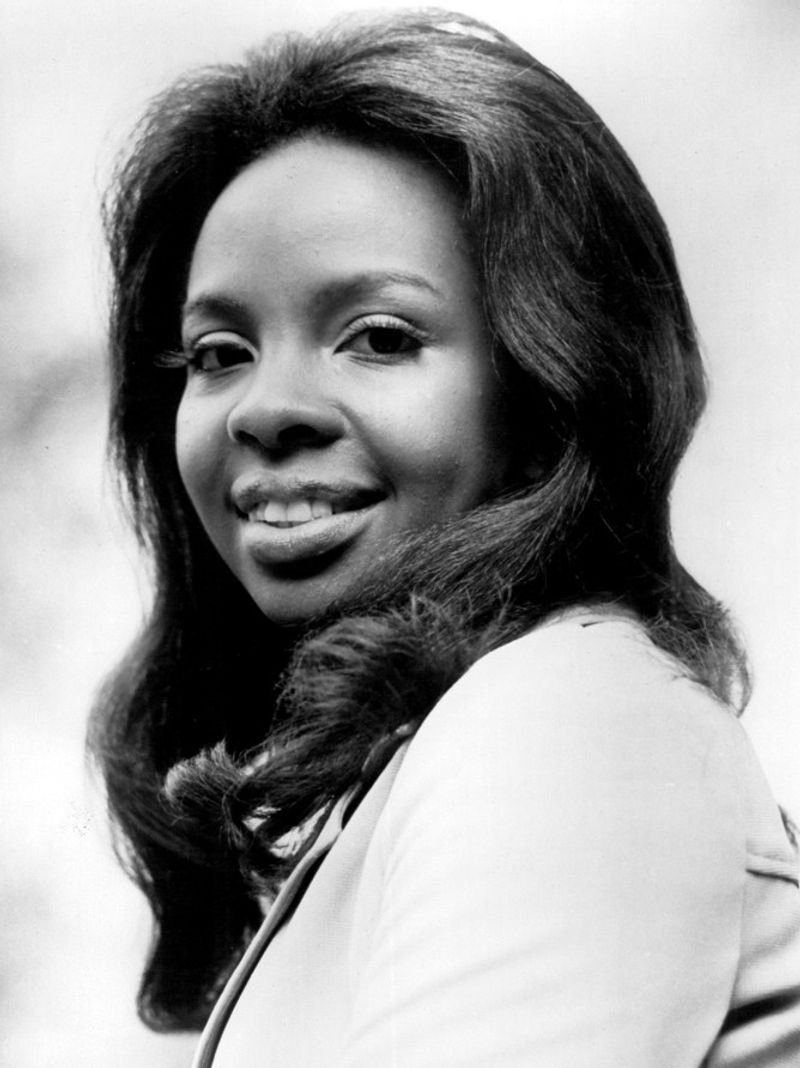
Knight and the Pips delivered smooth soul with impeccable harmonies that made every song feel like a journey.
Midnight Train to Georgia became their signature, telling a story of love and sacrifice that resonated with millions.
Her voice carried a warmth and maturity that made even upbeat songs feel emotionally rich and meaningful.
Traditionally trained in gospel, she brought that spiritual depth to secular music, creating performances that felt both entertaining and transcendent.