The 20 Most Iconic Rock Bands From The San Francisco Bay Area
Picture this: foggy streets, colorful murals, and guitar riffs echoing through historic venues that changed music forever.
The San Francisco Bay Area didn’t just produce rock bands, it created legends that shaped entire generations and musical movements.
Ready to explore the sounds that made the Bay Area a rock and roll paradise? Let’s roll!
Disclaimer:
This article highlights notable Bay Area rock bands using verified historical information and publicly available sources.
Musical influence and legacy are subjective, and listeners may interpret each artist’s impact differently.
The content is intended for general entertainment and cultural reference.
20. Grateful D*ad
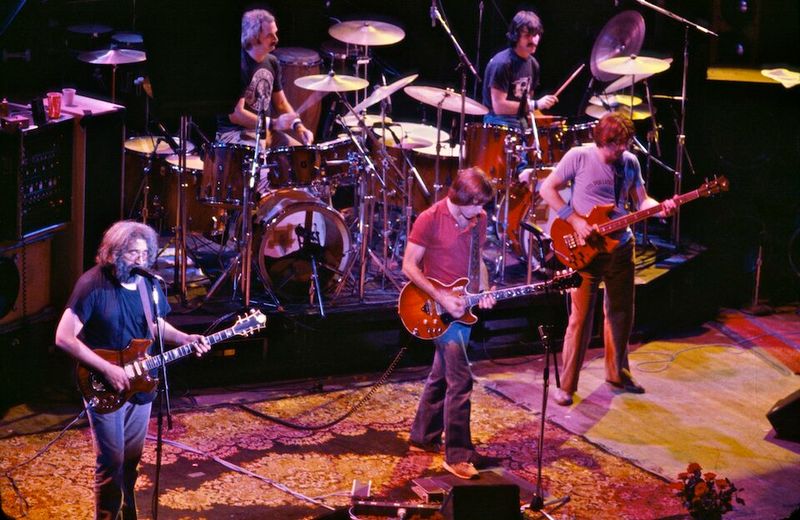
Formed in Palo Alto back in 1965, this legendary group basically invented the jam band concept that still thrives today.
Their marathon concerts featured endless improvisations where no two shows ever sounded identical, creating a magical experience that fans called pure musical freedom.
Deadheads traveled widely to see them, turning concerts into community gatherings filled with tie-dye, friendship, and improvisational music.
19. Jefferson Airplane
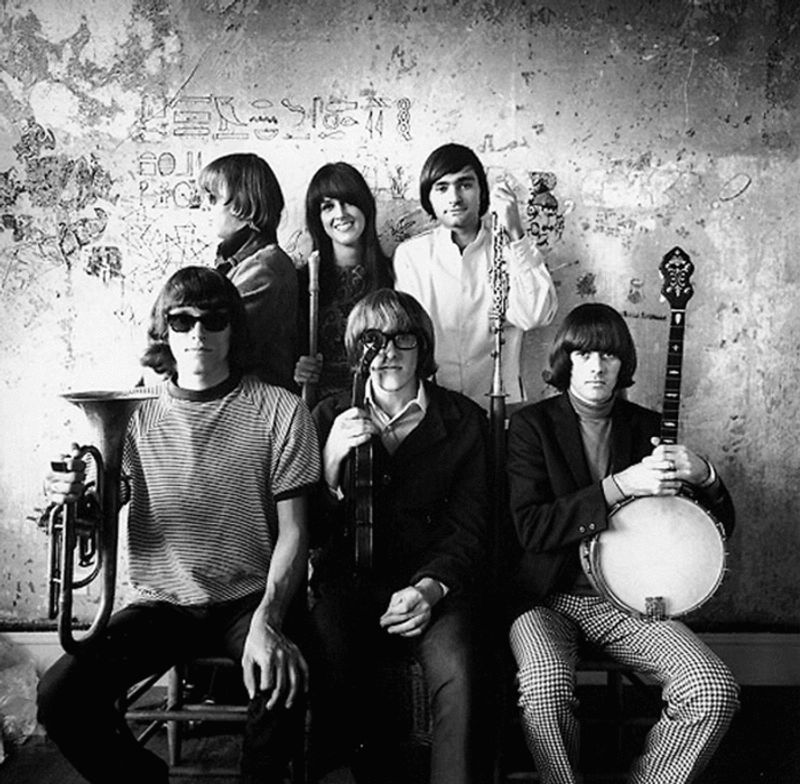
When Grace Slick’s powerful voice soared through “White Rabbit” in 1967, the counterculture found its anthem and San Francisco claimed its throne.
A groundbreaking group captured the Summer of Love’s wild spirit with songs that challenged conventions and expanded minds through revolutionary soundscapes.
Performances at Woodstock and the Monterey Pop Festival cemented this band’s status as psychedelic rock royalty unafraid to push boundaries.
18. Santana
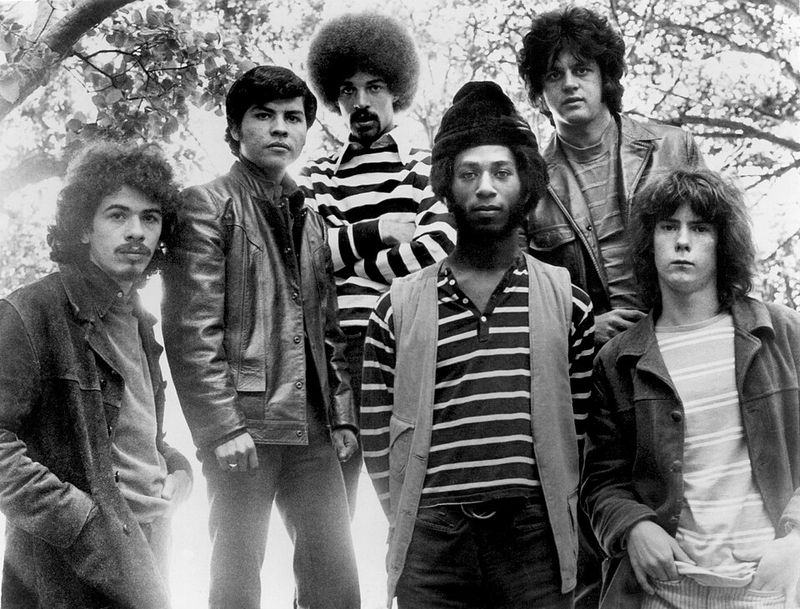
Carlos Santana’s guitar didn’t just play notes, it spoke languages, blending Latin rhythms with rock intensity in ways nobody had imagined before.
Bursting onto the scene at Woodstock in 1969, their electrifying performance introduced millions to a fusion sound that made hips move and hearts race.
Decades later, they’re still creating magic, proving that innovative musicianship combined with cultural pride creates timeless art that transcends generations completely.
17. Journey
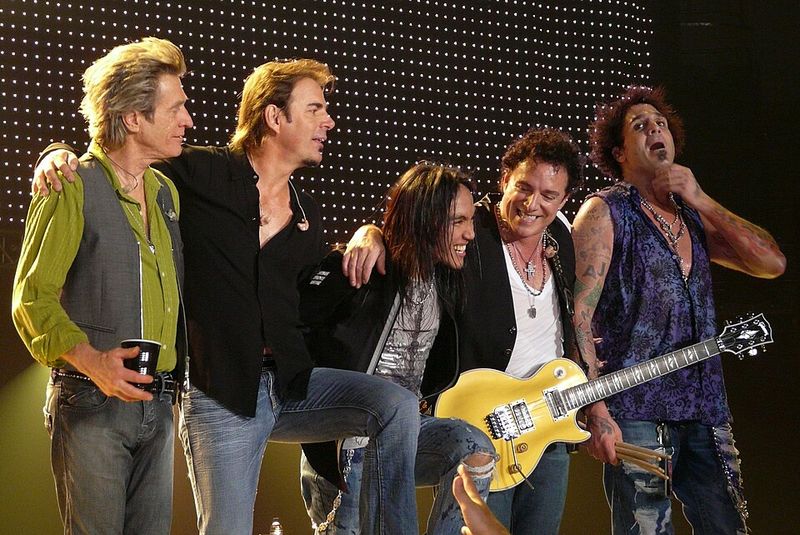
“Don’t Stop Believin'” might be the ultimate karaoke anthem, but Journey’s story goes way deeper than one unforgettable chorus that everyone knows.
Starting in 1973, they transformed from progressive rock experimenters into arena rock superstars who filled stadiums with soaring vocals and keyboard-driven power ballads.
Steve Perry’s voice became instantly recognizable, turning songs about hope and perseverance into soundtracks for millions of lives and endless road trips.
16. Metallica
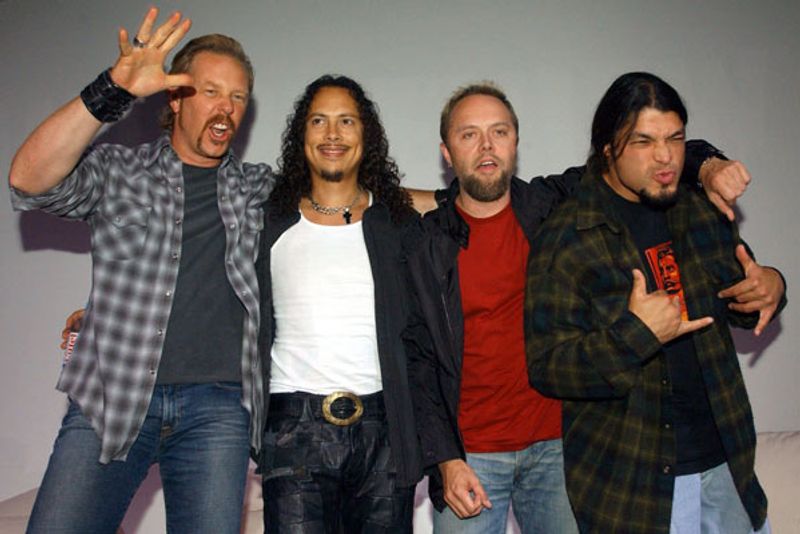
Though born in Los Angeles, Metallica found their true home and thrash metal brotherhood after relocating to the Bay Area’s fertile metal scene.
Their aggressive sound and lightning-fast riffs redefined heavy music, proving that metal could be both brutally heavy and musically sophisticated at once.
Albums like “Master of Puppets” became blueprints for generations of headbangers, while their relentless touring schedule built a worldwide army of devoted fans.
15. Green Day
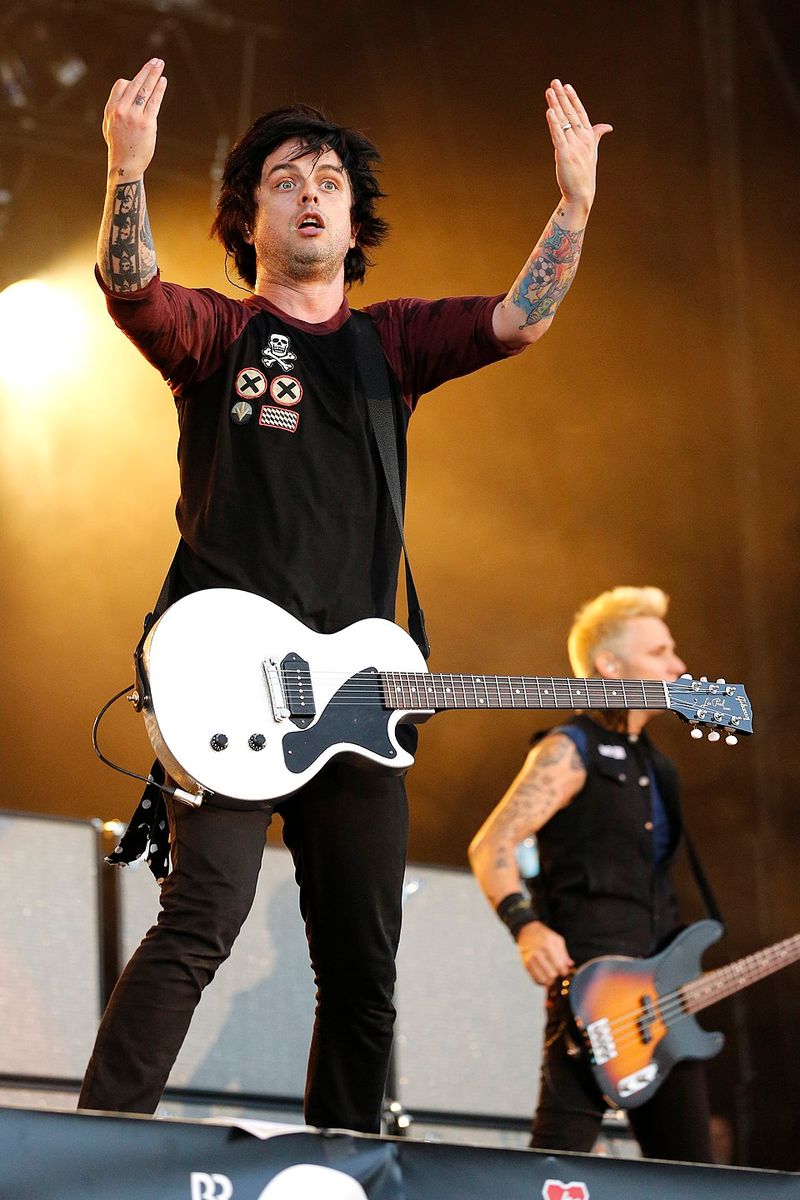
East Bay punks Billie Joe Armstrong, Mike Dirnt, and Tré Cool took three-chord simplicity and turned it into stadium-filling anthems that defined 1990s rebellion.
“Dookie” exploded onto MTV in 1994, proving that punk rock could sell millions without selling out its raw energy and honest emotion.
Later, “American Idiot” showed their evolution into rock opera storytellers who could tackle political themes while keeping that signature infectious punk energy alive.
14. Dead Kennedys
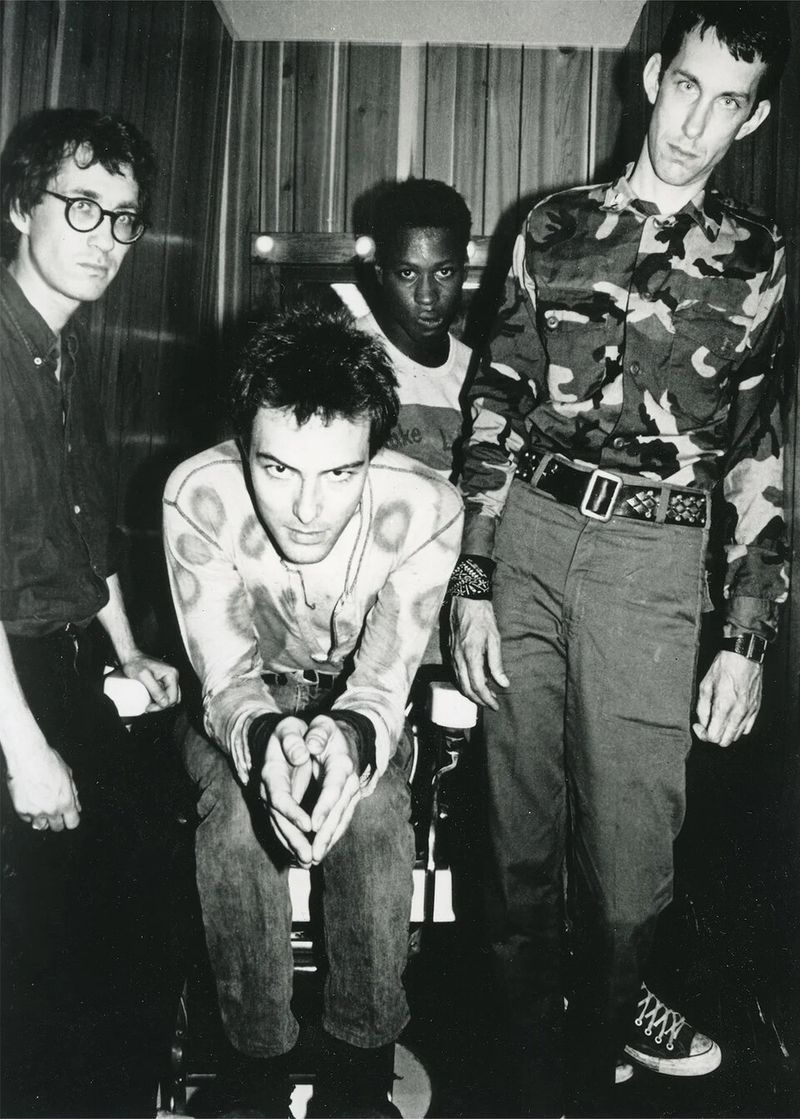
Jello Biafra’s biting social commentary paired with the band’s ferocious punk assault made Dead Kennedys the thinking person’s hardcore, a group that often drew strong reactions from authorities thanks to razor-sharp political themes.
Songs like “Holiday in Cambodia” blended dark humor with serious political critique, sparking controversy that only amplified the message and boosted underground credibility.
Alternative Tentacles, the band’s independent label, became a blueprint for DIY ethics, proving artists could maintain full creative control while still building influential underground movements.
13. Faith No More
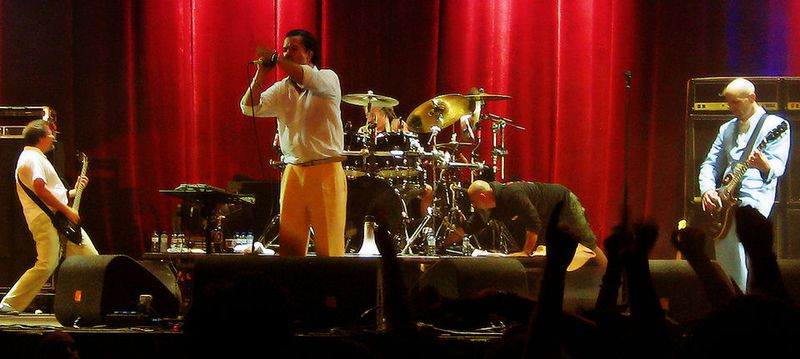
Before genre-blending became trendy, Faith No More was already smashing together funk, metal, hip-hop, and progressive rock into gloriously unpredictable musical experiments.
Mike Patton’s vocal range and theatrical performances turned concerts into unpredictable journeys where anything could happen and usually did happen spectacularly.
“Epic” brought them mainstream attention in 1990, but their true legacy lies in inspiring countless bands to ignore boundaries and follow creative instincts.
12. Primus
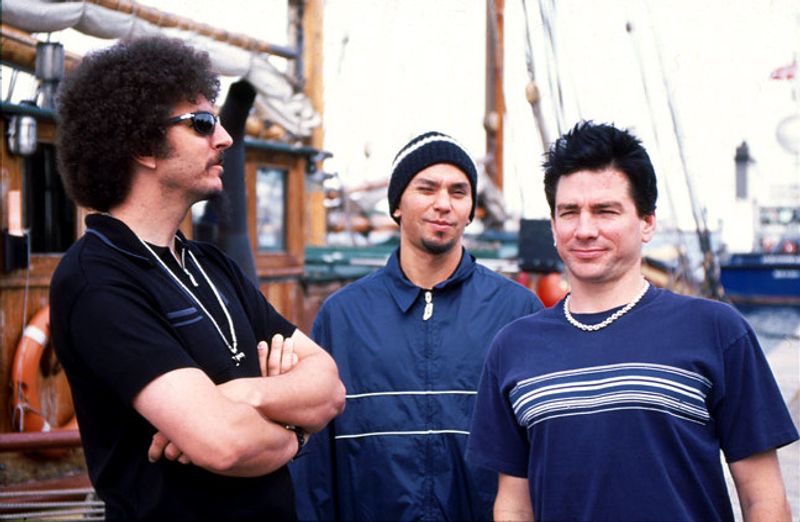
Les Claypool’s slap bass technique sounds like a funky alien transmission, anchoring Primus’s bizarre tales about everything from fishing to surreal cartoon characters.
Calling their style “psychedelic polka” barely scratches the surface of their wonderfully weird sonic experiments that defy simple categorization or comparison.
Their devoted fanbase embraces the strangeness wholeheartedly, proving that originality and technical mastery can coexist with humor and absolute musical fearlessness throughout decades.
11. Steve Miller Band
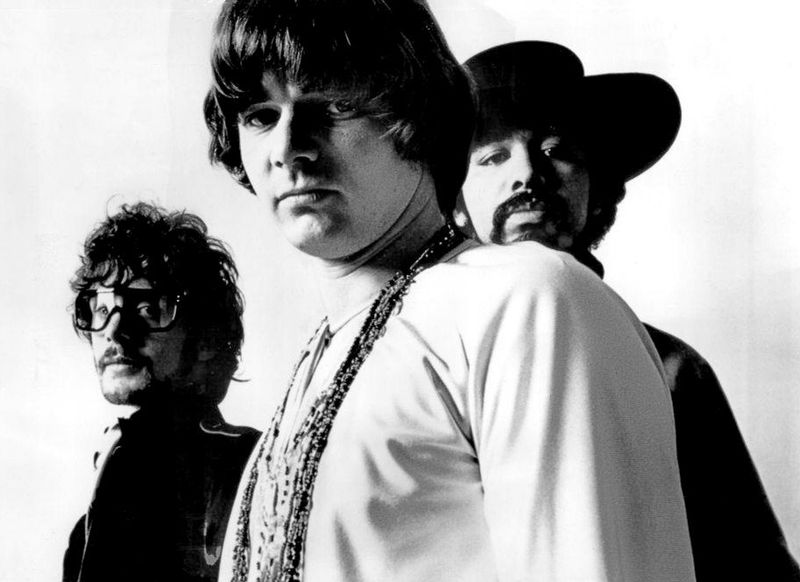
After relocating to San Francisco during the psychedelic boom, Steve Miller crafted radio-friendly blues rock that somehow felt both cosmic and completely down-to-earth.
“The Joker” and “Fly Like an Eagle” became soundtrack staples, their catchy hooks embedding themselves permanently into American pop culture consciousness forever.
His guitar work balanced technical skill with accessibility, creating songs that musicians respected while casual listeners hummed along effortlessly at summer barbecues everywhere.
10. Creedence Clearwater Revival
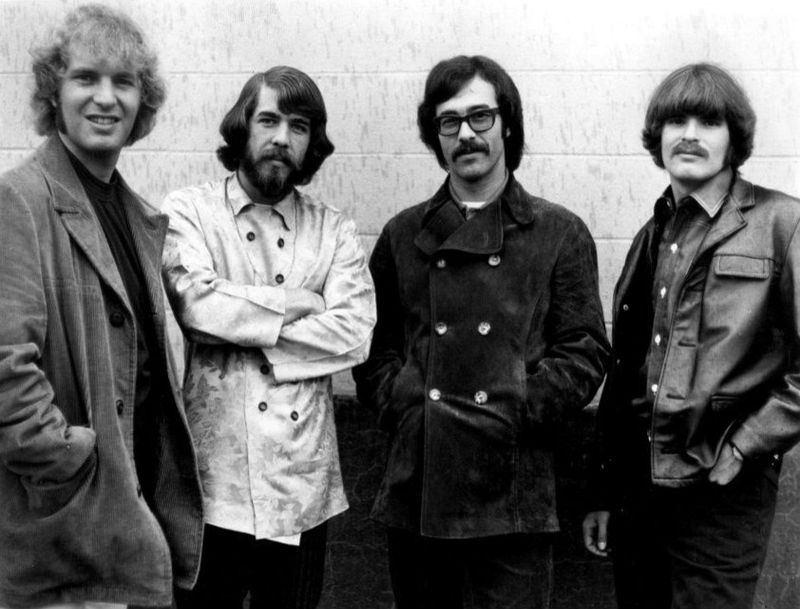
El Cerrito’s finest created swamp-rock magic despite being nowhere near actual swamps, proving that authenticity comes from heart rather than geography.
John Fogerty’s raspy voice and economical guitar work powered hit after hit, from “Proud Mary” to “Bad Moon Rising,” all recorded at astonishing speed.
A blue-collar sound resonated during turbulent times, offering both escapism and social commentary wrapped in irresistibly catchy three-minute packages that radio adored.
9. Sly And The Family Stone
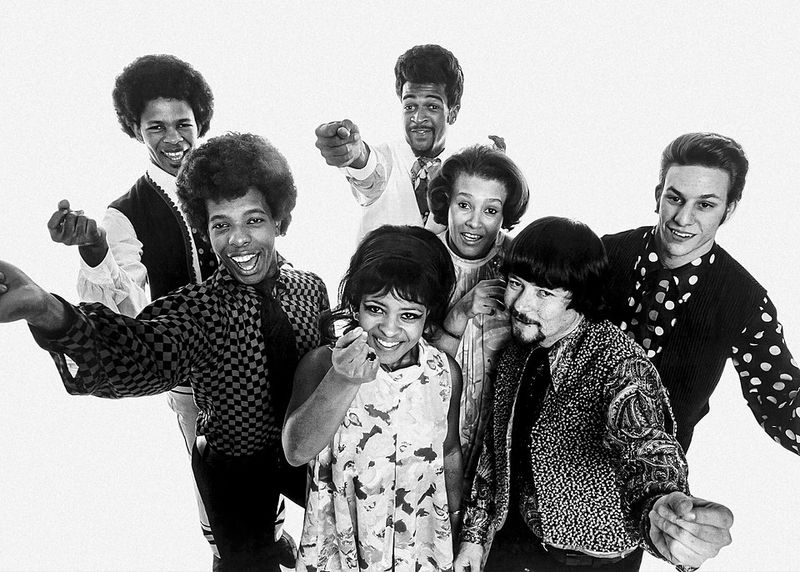
Breaking barriers left and right, Sly Stone assembled a racially integrated, gender-inclusive band that preached unity while delivering revolutionary funk-rock fusion grooves.
Their Woodstock performance remains legendary, showcasing how infectious rhythms and positive messages could unite massive crowds in pure joyful celebration and dancing.
Songs like “Everyday People” weren’t just catchy, they were manifestos promoting equality and acceptance during America’s most divisive era, inspiring change everywhere.
8. The Doobie Brothers
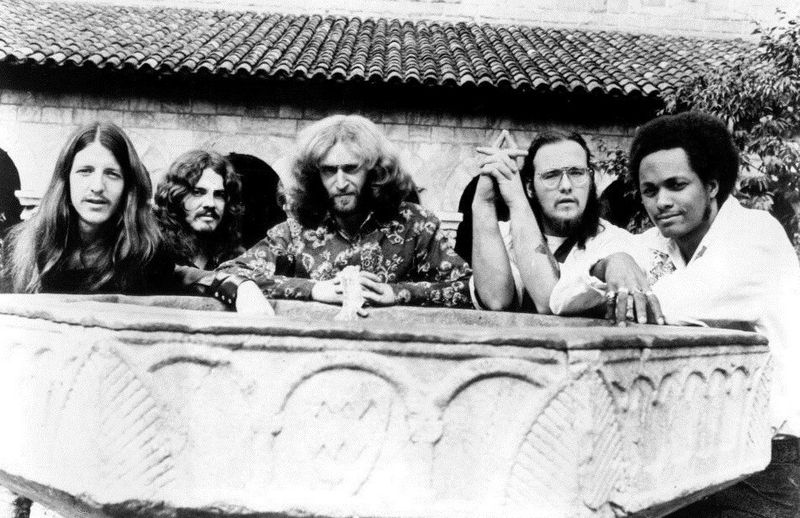
San Jose’s contribution to feel-good rock mixed tight vocal harmonies with motorcycle-club coolness, creating a sound perfect for California highway cruising adventures.
Versatility showed up in country-tinged rockers and smooth R&B grooves alike, especially after Michael McDonald joined and added unmistakably soulful vocals.
“Listen to the Music” became more than a hit – it became a philosophy, reminding everyone that sometimes the best medicine is simply a great song.
7. Y&T
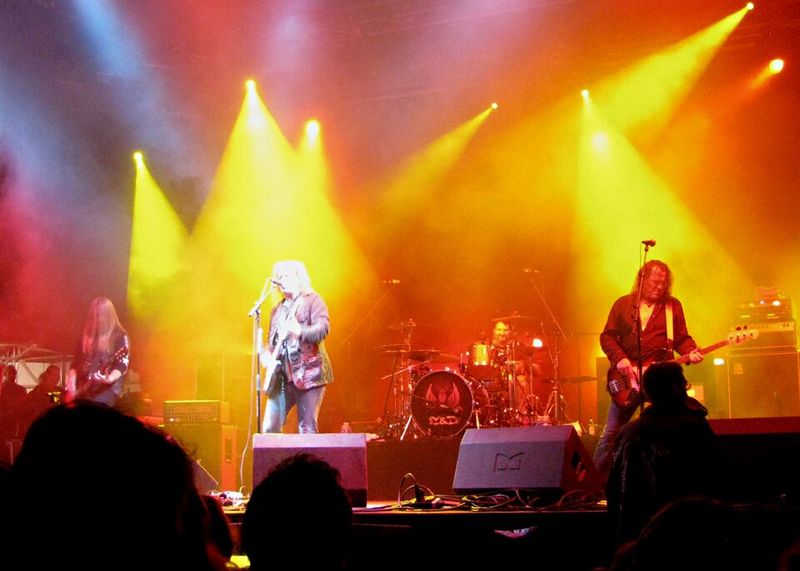
Originally called Yesterday and Today, this Oakland powerhouse shortened its name but never compromised on delivering high-energy hard rock packed with serious guitar firepower.
Dave Meniketti’s blazing solos and powerful vocals earned deep respect from fellow musicians, even if mainstream fame sometimes slipped unfairly out of reach.
A relentless touring schedule built a loyal international following who valued a blue-collar work ethic and consistently excellent musicianship across shifting musical trends.
6. Testament
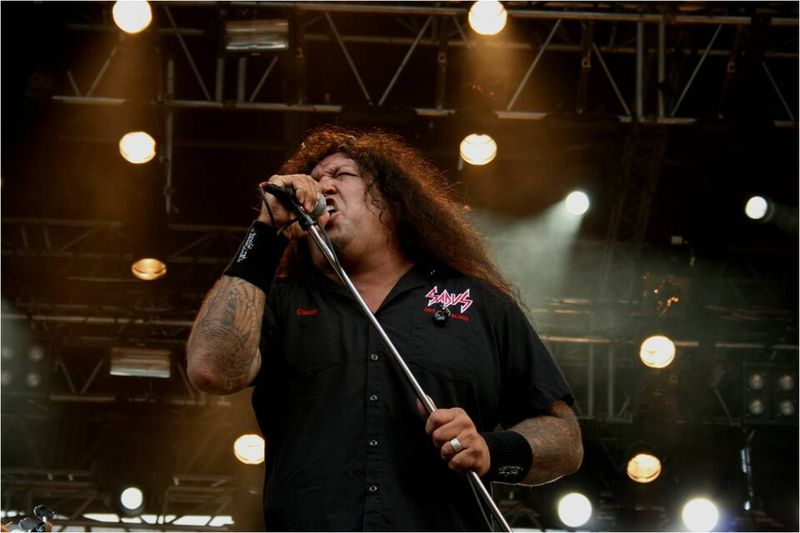
Rising from the Bay Area thrash scene alongside Metallica and Exodus, Testament proved that technical precision and brutal aggression could coexist beautifully together.
Their albums became thrash metal textbooks, teaching aspiring headbangers how complex arrangements and speed could create devastating sonic experiences that inspired mosh pits.
Despite lineup changes over decades, they’ve maintained quality and relevance, continuing to release albums that honor thrash traditions while exploring new territory fearlessly.
5. Exodus
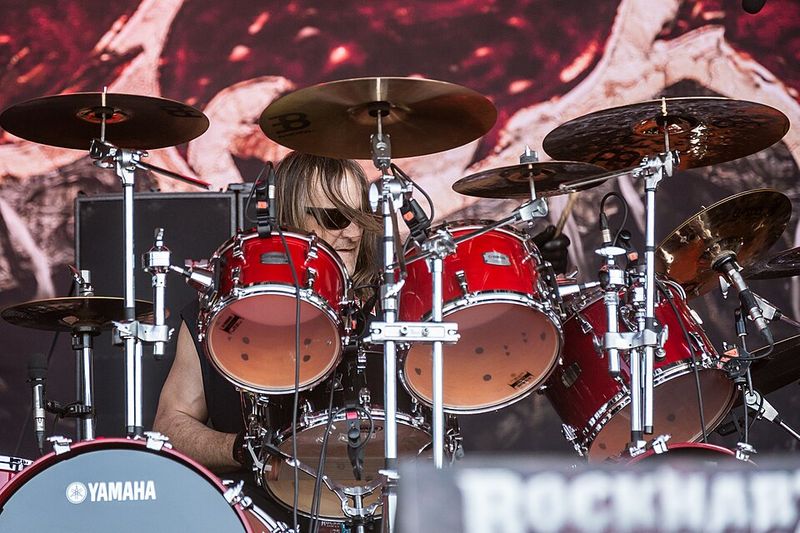
Considered by many as the godfathers of Bay Area thrash, Exodus helped ignite an entire movement born in the sweaty clubs of the early 1980s underground.
“Bonded by Blood” endures as a thrash metal essential, its relentless riffs and aggressive vocals creating a blueprint countless bands would follow with near-religious devotion.
Kirk Hammett cut his teeth in this lineup before joining Metallica, highlighting how interconnected and collaborative the Bay Area metal community truly was during that era.
4. Big Brother And The Holding Company
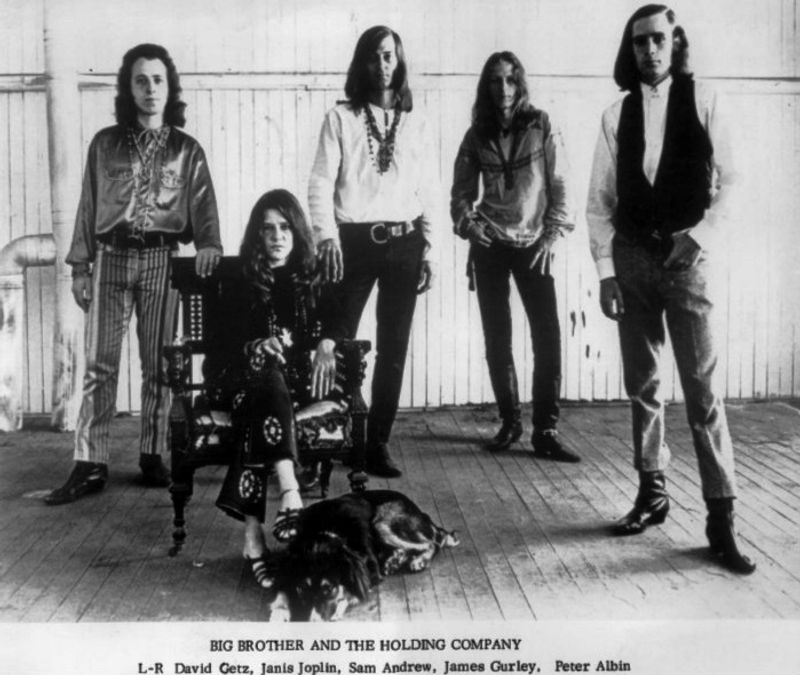
Though the band was talented, Janis Joplin’s raw, emotionally powerful vocals transformed them into Monterey Pop Festival legends practically overnight in 1967.
Her bluesy wail could break hearts and shake foundations simultaneously, proving that vulnerability and power aren’t opposites but complementary forces in great art.
After Janis departed for solo stardom, the band continued, but her brief time with them created musical moments that still give listeners goosebumps today.
3. Quicksilver Messenger Service
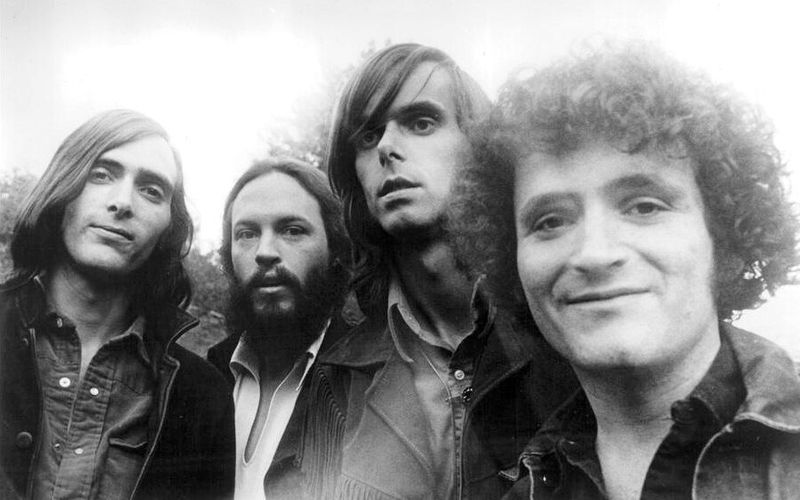
Often overshadowed by more famous peers, Quicksilver still delivered extended guitar jams that showcased improvisational skills rivaling anyone in the psychedelic scene.
Dual-guitar interplay shaped hypnotic sonic landscapes that transported listeners on deep sound journeys, perfectly suited for San Francisco’s consciousness-expanding cultural moment.
Albums like Happy Trails captured the band’s live energy, preserving the spontaneous magic that made Fillmore performances legendary for those lucky enough to witness them.
2. Jefferson Starship
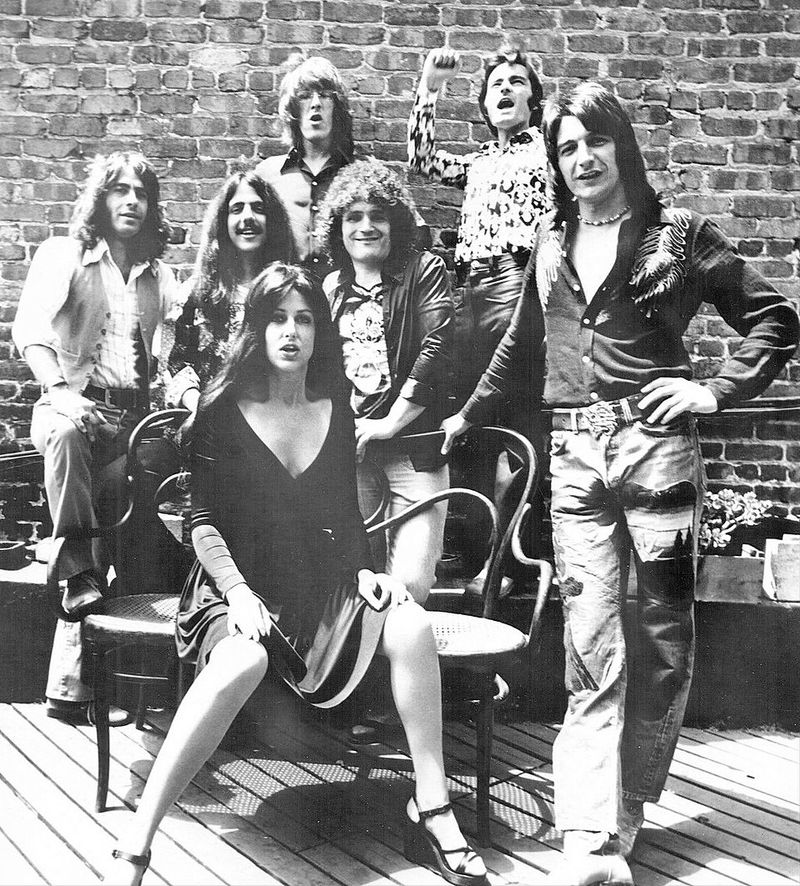
When Jefferson Airplane morphed into Jefferson Starship, some psychedelic edge gave way to radio-friendly hooks that dominated FM airwaves throughout the 1970s.
Grace Slick stayed on board, her powerful presence anchoring hits like “Miracles” that balanced commercial appeal with just enough weirdness to keep San Francisco credibility intact.
Purists debated the evolution, yet the band’s success proved that musical adaptation could still deliver quality work that connected emotionally.
1. Counting Crows

Adam Duritz’s confessional lyrics and raspy delivery made Counting Crows the thinking person’s alternative rock band when “Mr. Jones” exploded in 1993 everywhere.
Their introspective storytelling and Van Morrison-influenced arrangements offered depth in an era sometimes dominated by grunge’s anger and pop’s superficial catchiness alone.
Bay Area roots remained evident in their approach, blending literary sensibility with emotional honesty that turned personal struggles into universal anthems everyone recognized.