The Recipe Box Boomers Refuse To Toss And What It Really Says
Ever notice how Boomers guard their recipe boxes like treasure chests, refusing to let them go even when everything else has gone digital?
Those worn wooden boxes stuffed with stained index cards aren’t just kitchen clutter.
They’re time capsules filled with Grandma’s secret sauce, Mom’s famous casserole, and a whole lot of family history that no app can replicate.
1. Handwritten Cards That Tell Stories
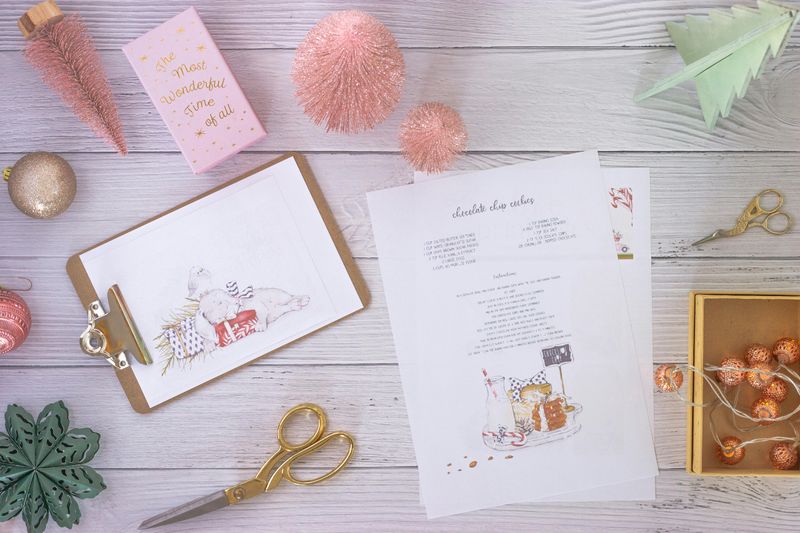
Grandma’s loopy cursive scrawled across a yellowed index card carries more weight than any Pinterest pin ever could.
Each word represents time spent, love poured out, and a moment when someone cared enough to write it down by hand.
Though smartphones can save thousands of recipes instantly, they’ll never capture the personality quirks hidden in smudged handwriting.
If you’ve ever squinted at “a pinch of this” or “bake until done,” you know the magic lives in the mystery.
2. Food Stains As Battle Scars
Splatters of tomato sauce and fingerprints of flour aren’t signs of carelessness—they’re badges of honor.
Every stain marks a moment when that recipe fed a family, celebrated a birthday, or comforted someone during tough times.
How could anyone look at those marks and see anything but love in action?
Where digital recipes stay pristine forever, these cards wear their history proudly, proving they’ve actually been used and cherished over decades.
3. Wooden Boxes With Character
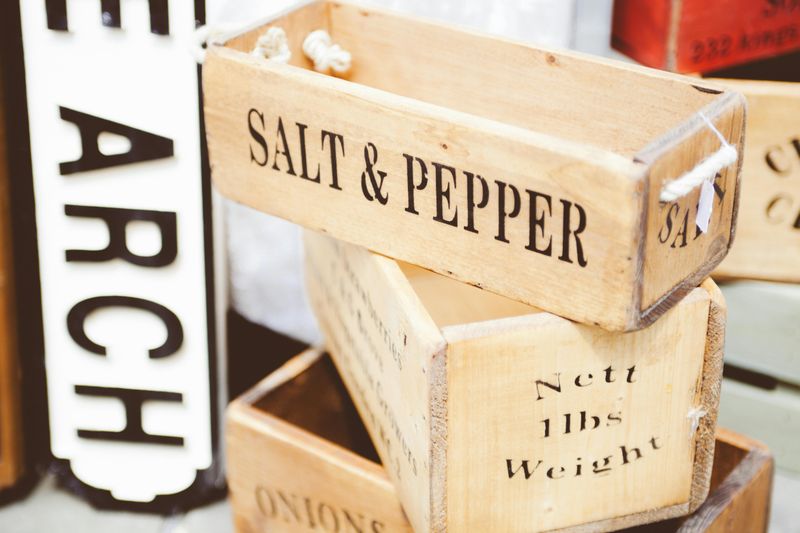
Those sturdy wooden boxes with brass hinges weren’t mass-produced in some factory yesterday—they were built to last generations.
Many feature hand-carved details, painted flowers, or personalized engravings that make each one unique as a fingerprint.
However fancy your phone case might be, it’ll never develop the warm patina that comes from fifty years of kitchen adventures.
Just saying, there’s something deeply satisfying about opening a box that clicks just right after decades of faithful service.
4. Dividers That Organize Memories
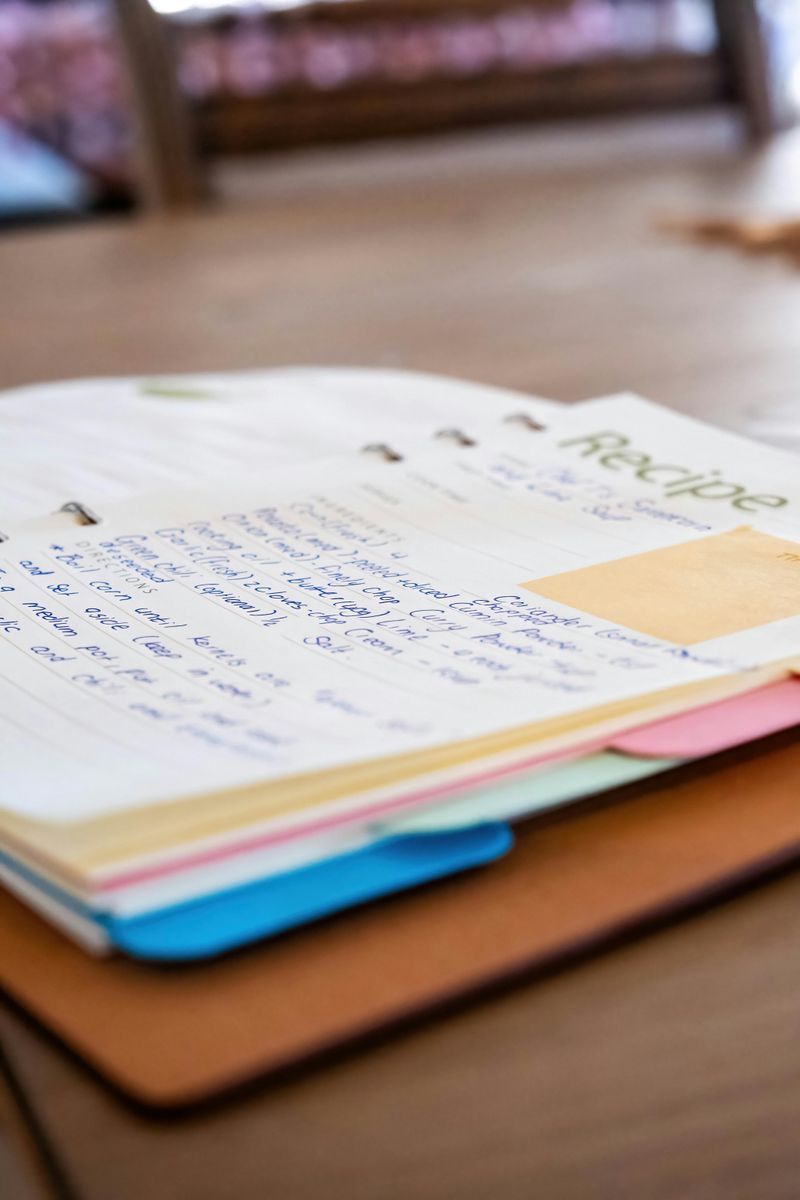
Appetizers, Main Dishes, Desserts, Holiday Specials—those cardboard dividers weren’t just practical, they mapped out a family’s entire culinary universe.
Flipping through sections feels like browsing through chapters of a delicious autobiography written in ingredients and instructions.
Though apps offer search functions and filters galore, they can’t replicate the tactile joy of thumbing through categories looking for inspiration.
Sometimes the best discoveries happen when you’re searching for pot roast but stumble upon forgotten fudge.
5. Recipes Clipped From Newspapers
Tucked between handwritten cards, you’ll find yellowed newspaper clippings from the 1970s food section, carefully trimmed and preserved.
Someone thought that Jell-O salad or tuna casserole was important enough to save, and honestly, that commitment deserves respect.
Where today’s recipes disappear behind paywalls or deleted websites, these paper treasures survived decades in their protective boxes.
If nothing else, they’re hilarious time capsules of what people considered gourmet back when avocado green was peak kitchen fashion.
6. Recipes From Church Cookbooks
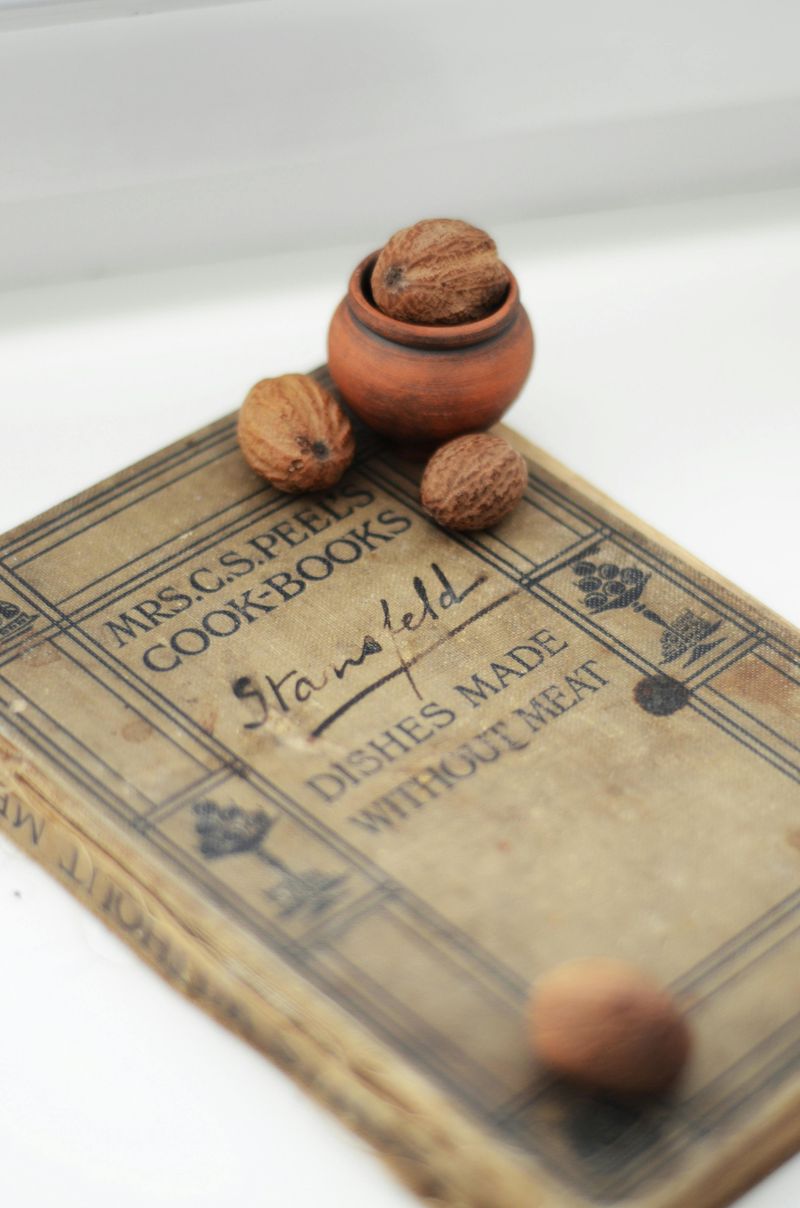
Community cookbooks from St. Mary’s fundraiser or the Ladies Auxiliary potluck represent more than food—they’re social history bound in spiral plastic.
Each contribution came with a name attached: “Betty’s Banana Bread” or “Pastor Jim’s Chili,” creating edible connections throughout entire neighborhoods.
However convenient online recipe sites might be, they’ll never recreate that sense of belonging that came from cooking someone else’s signature dish.
Plus, let’s be honest, church ladies knew their way around a casserole like nobody’s business.
7. Index Cards In Multiple Handwritings
One box might contain Grandma’s elegant script, Mom’s hurried scrawl, and Aunt Linda’s bubbly print—a family tree written in recipe form.
Recognizing whose handwriting belongs to which dish adds layers of meaning that typed fonts simply cannot achieve, no matter how fancy the app design.
Though DNA tests can map genetic connections, these cards map something equally important: who taught whom to cook what.
When you make Aunt Linda’s cookies, you’re not just baking—you’re channeling her kitchen superpowers across time.
8. Secret Family Recipes Guarded Fiercely
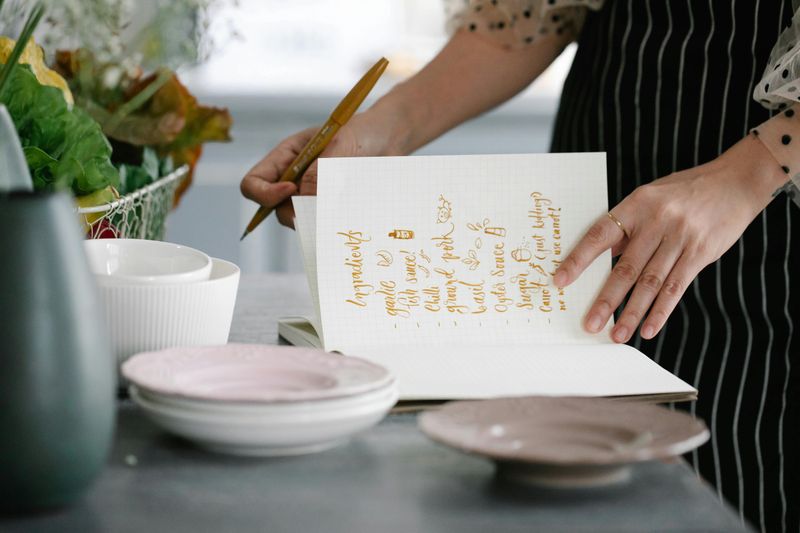
Some cards get filed in special sections, away from prying eyes, because certain recipes aren’t just food—they’re classified family intel.
Grandma’s spaghetti sauce, Dad’s barbecue rub, Mom’s pie crust—these culinary secrets carry more security than some people’s bank passwords.
Where cloud storage can get hacked and Pinterest boards go public, a recipe box keeps secrets the old-fashioned way: through trust and tradition.
Just try asking for the exact measurements, and watch Boomers suddenly develop selective memory about ingredient amounts.
9. Holiday Recipes That Define Traditions
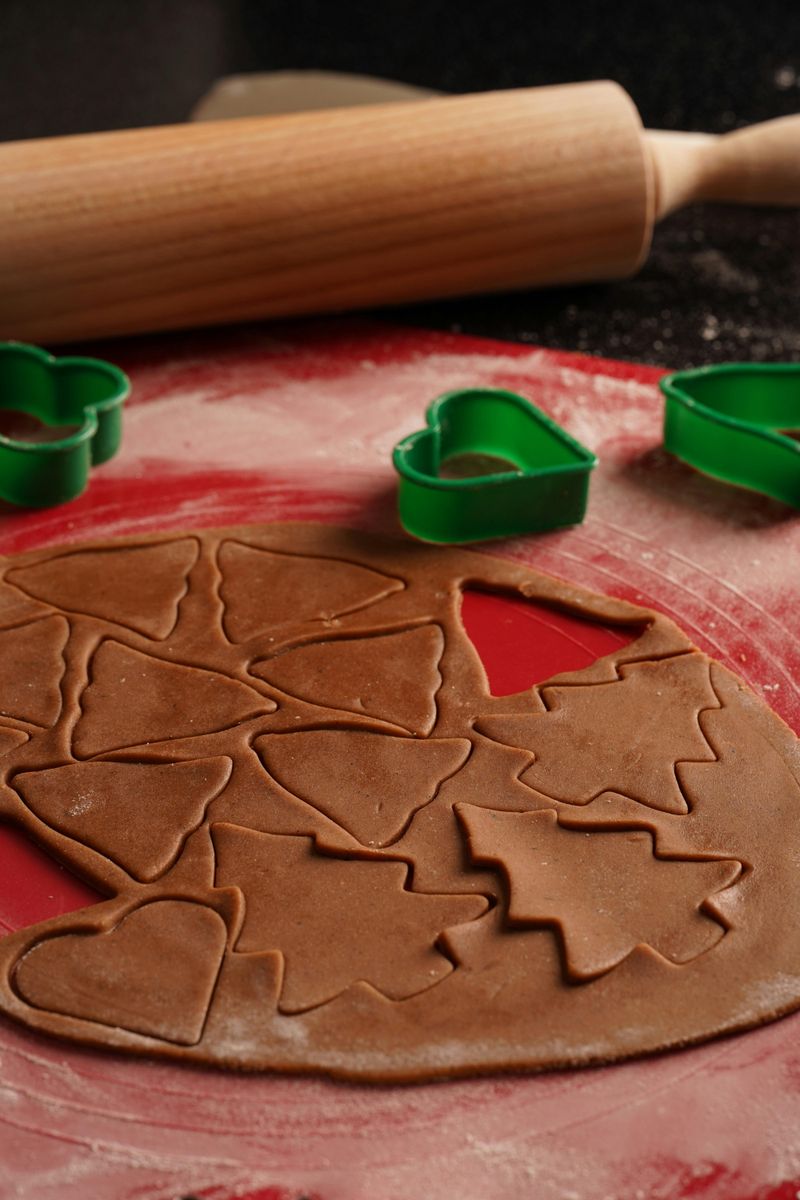
Christmas cookies, Thanksgiving stuffing, Easter ham—these aren’t just recipes, they’re the backbone of every family celebration that matters.
Making them from the original cards keeps holidays feeling authentic, connecting current celebrations to decades of gatherings past.
However trendy new fusion recipes might look on Instagram, they’ll never replace the comfort of tastes that defined childhood holidays.
When everything else changes year after year, at least the pumpkin pie tastes exactly like it’s supposed to, thanks to that stained card.
10. Measurements That Make No Sense
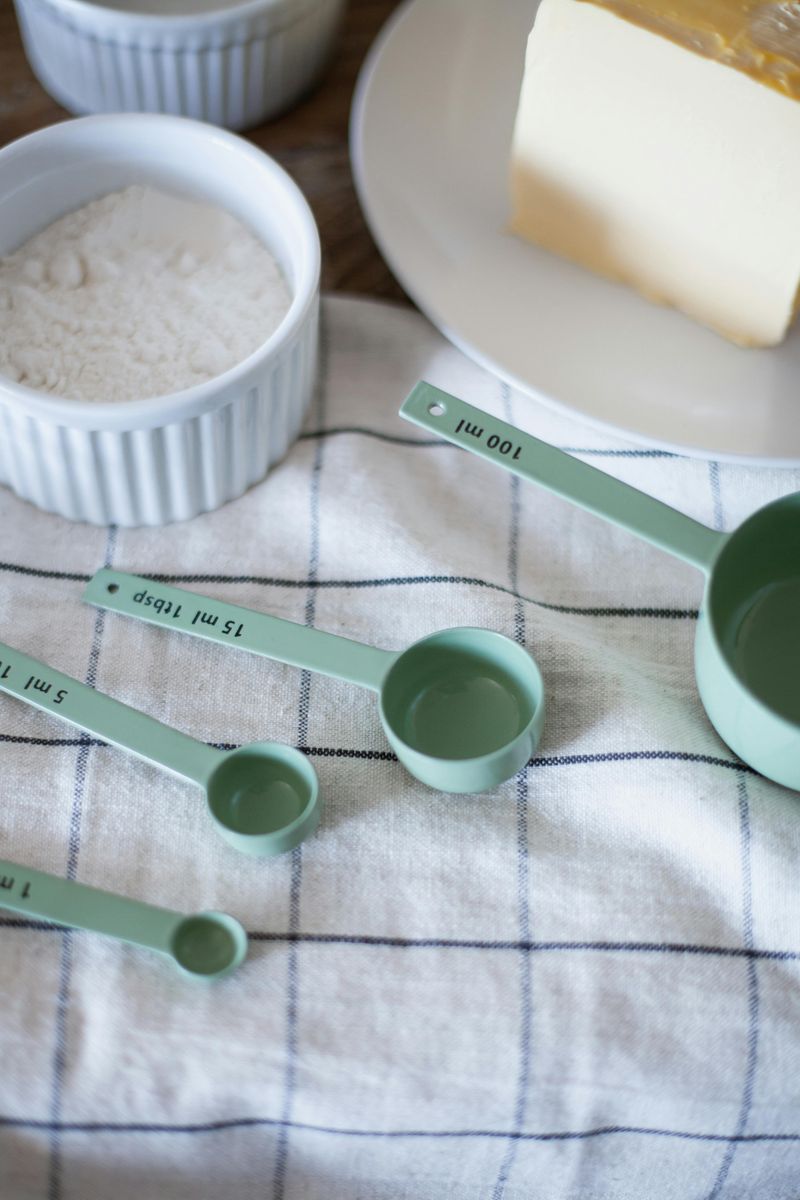
“Butter the size of a walnut,” “flour enough to make it right,” “bake until it looks done”—these instructions would make any modern baker’s eye twitch.
Yet somehow, previous generations turned out perfect dishes using these vague guidelines, relying on intuition developed through practice rather than precision.
Though today’s recipes specify exact grams and temperatures, old cards trusted cooks to use their senses and judgment.
If you’ve ever successfully decoded “a moderate oven,” you’ve earned your place in the cooking hall of fame.
11. Recipes That Never Got Made
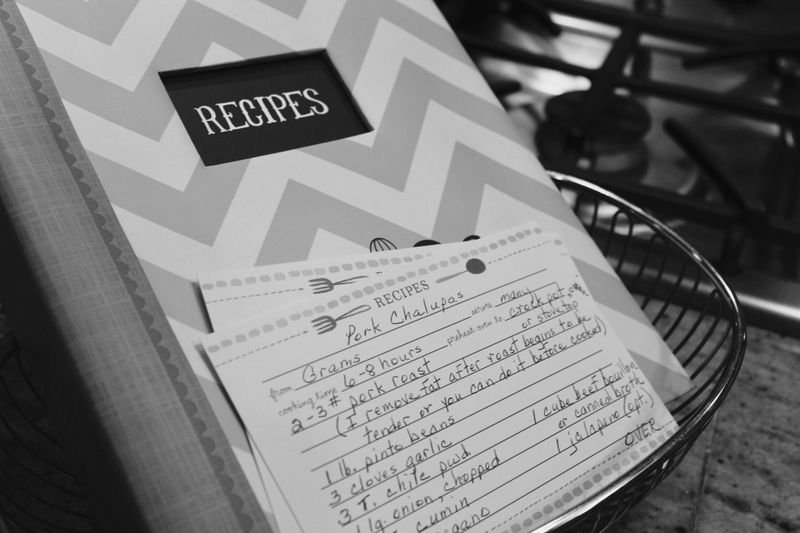
Tucked in back sections, some cards sit pristine and unstained, representing culinary dreams that never quite materialized into actual meals.
Maybe the ingredients seemed too exotic, the steps too complicated, or life just got too busy to attempt that fancy French dish.
However, keeping them feels important anyway—they represent possibilities, aspirations, and the eternal optimism that someday there’ll be time to try something new.
Besides, just knowing you could make beef Wellington if you really wanted to counts for something, right?
12. Notes Written In The Margins
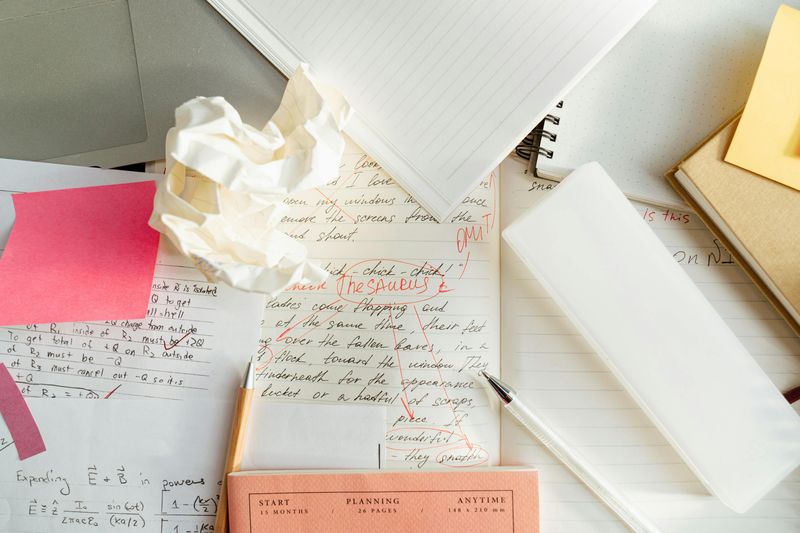
“Add more garlic,” “Too sweet—cut sugar by half,” “John hates onions”—these margin notes turn recipes into living documents that evolved through trial and error.
Each annotation represents an adjustment, a lesson learned, or a family member’s preference accommodated over years of cooking.
Where digital recipes might get updated and lose their history, these cards preserve every modification, creating a timeline of culinary problem-solving.
Honestly, those scribbled notes often contain more valuable wisdom than the original instructions ever did.
13. Recipes From Departed Loved Ones
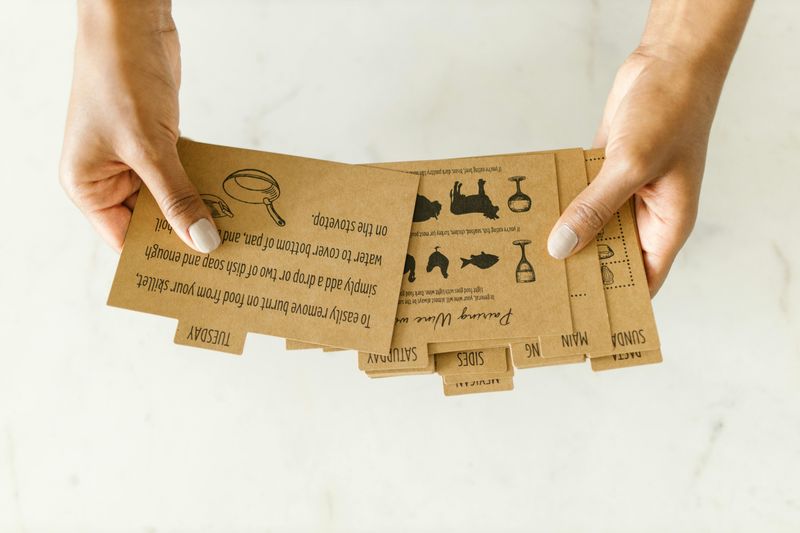
Some cards carry weight beyond their ingredients because they’re the last tangible connection to someone who’s no longer here to cook alongside us.
Making their signature dish from their handwritten instructions feels like inviting them back to the table, if only for the duration of a meal.
Though photos and videos might capture memories, these recipes let you literally taste the past and share it with new generations.
When words fail to express grief or remembrance, sometimes the best tribute comes fresh from the oven on a familiar plate.
14. The Refusal To Go Digital
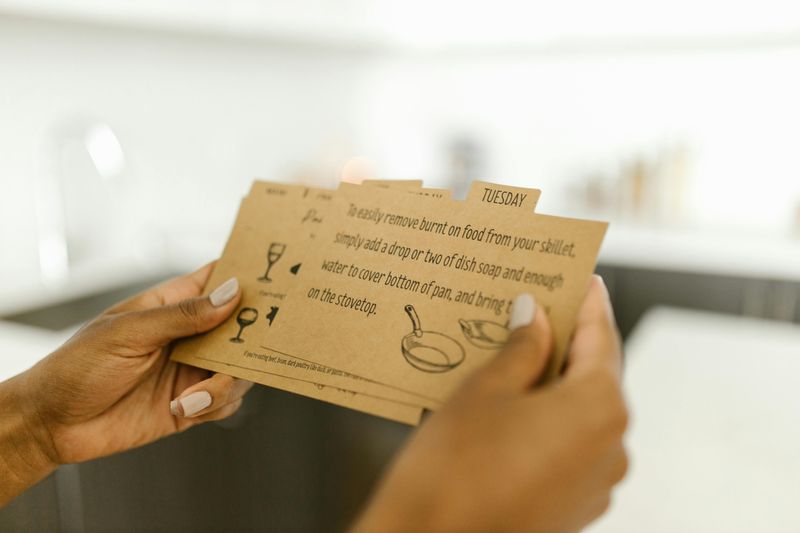
You’ve offered to photograph them, type them up, create a family recipe website—but Boomers just smile and pat their trusty box like a loyal pet.
Their resistance isn’t about being stubborn or technologically challenged; it’s about understanding that some things lose their soul in translation.
However practical digitization might seem, it transforms living artifacts into mere data, stripping away the texture and humanity that makes them special.
Sometimes the smartest move is recognizing when old-school actually works better than any upgrade technology can offer.
15. A Legacy Worth Protecting
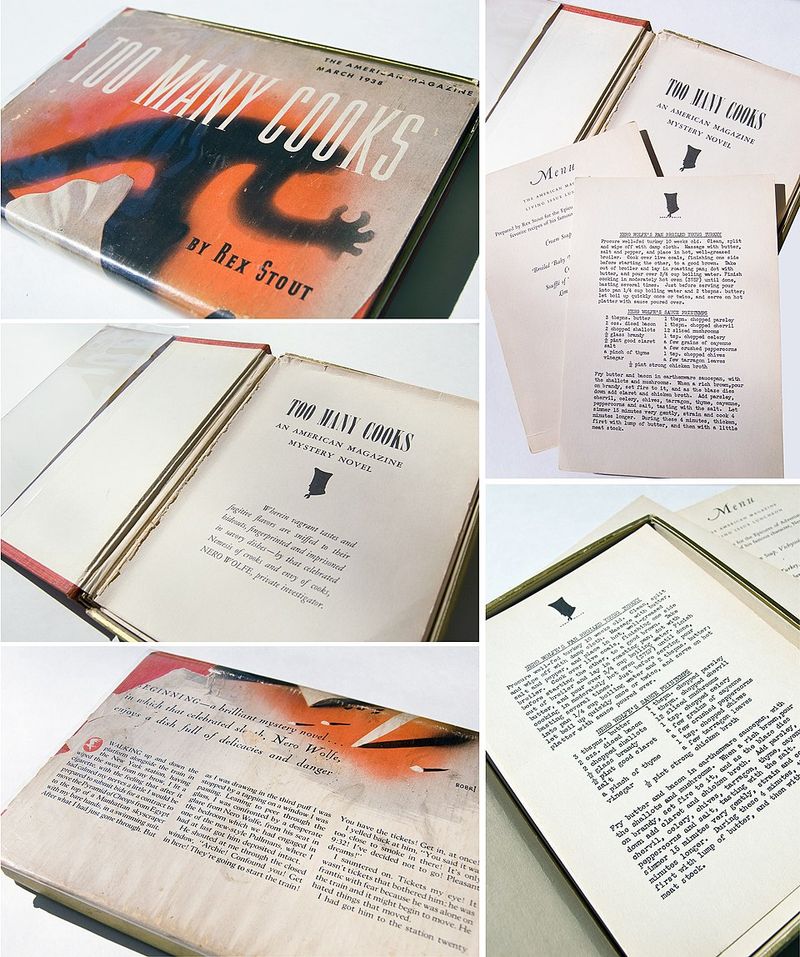
When Boomers refuse to toss those recipe boxes, they’re not hoarding clutter—they’re safeguarding irreplaceable family archives that deserve respect.
Each box represents decades of meals shared, celebrations marked, and love expressed through the universal language of feeding people you care about.
Though minimalism might be trendy and digital storage might be convenient, some treasures earn their shelf space through sheer emotional value.
Maybe instead of judging the refusal to declutter, we should ask to learn what those precious cards contain before it’s too late.