The Role Of Cold Chicken In 1950s Fast Food And Picnic Traditions
In 1950s America, picnics and road days often featured fried chicken that was packed to eat later, frequently served at cool or room temperature.
That crisp crust and savory bite held up beautifully without reheating, making it a no-fuss favorite for travel, outdoor meals, and busy days on the go.
From home kitchens to takeout counters and roadside stops, it became a comfort-food staple that fueled adventures one satisfying piece at a time.
Note: This article reflects widely reported midcentury U.S. food and picnic customs and is written for cultural and historical interest.
Food handling practices and safety guidance have changed over time, so follow current, official food-safety recommendations for storage and travel when preparing cooked poultry today.
10. Planning The Picnic Around Cold Fried Chicken
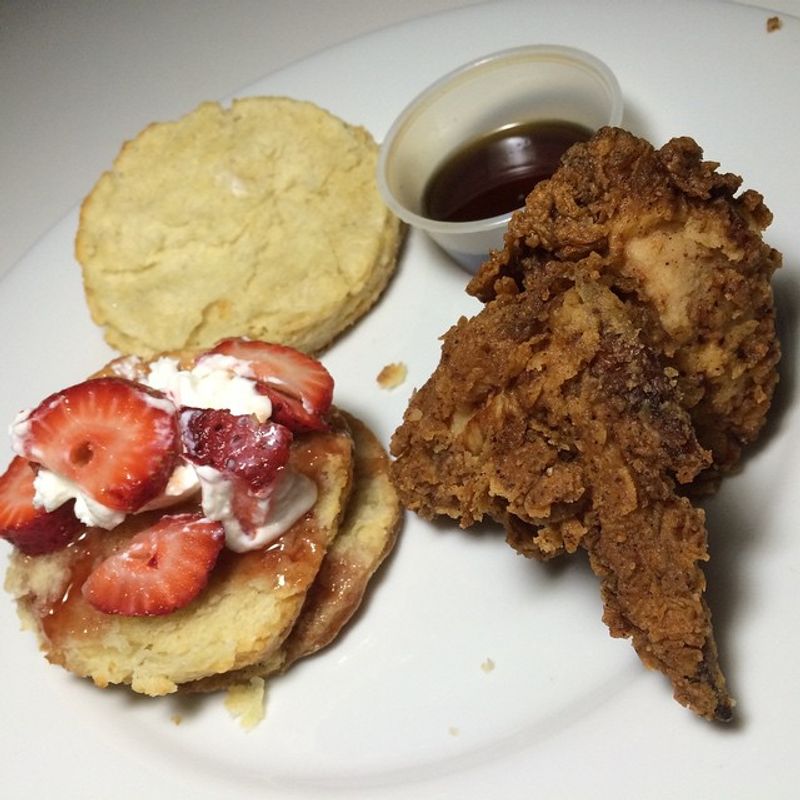
Picnic plans often started with cold fried chicken at the center. It traveled well for its time, especially when kept cool in an ice chest, which helped it stay appetizing on longer outings.
You could build a menu around it, then add potato salad and deviled eggs.
Because it traveled well, timing became flexible and low stress. People could linger, chat, and play while the food waited patiently.
Cold chicken turned a simple afternoon into something that felt prepared yet spontaneous.
9. Buying Chicken Hot, Then Eating It Cold Later
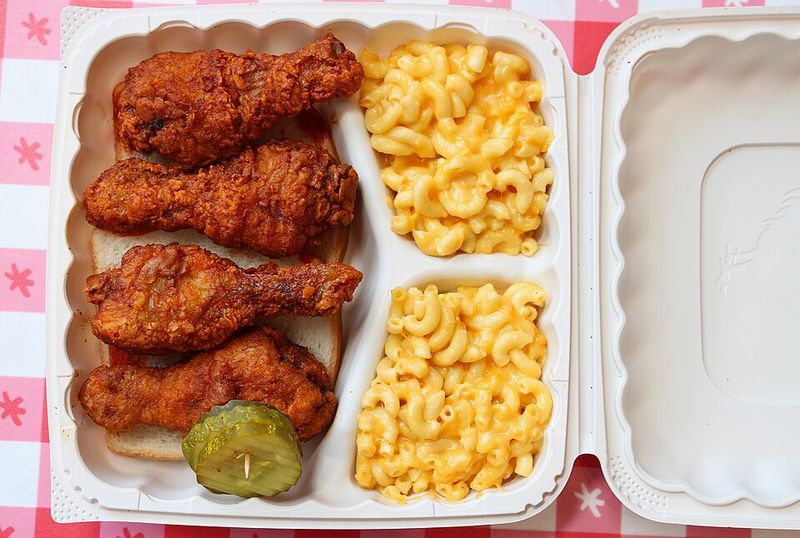
Fast stops made it easy to grab hot chicken and let it mellow into perfect picnic temperature. By the time you reached a park or overlook, the heat faded and flavors settled.
Finger-food convenience meant no utensils were required, just napkins for the journey. Families loved the ease of skipping cooking while still getting a reliable crowd-pleaser for everyone.
Time and mileage stretched further without compromising taste. Journeys themselves transformed dinner into a shared ritual for travelers.
8. Cold Chicken As The Centerpiece Of Midcentury Picnic Spreads
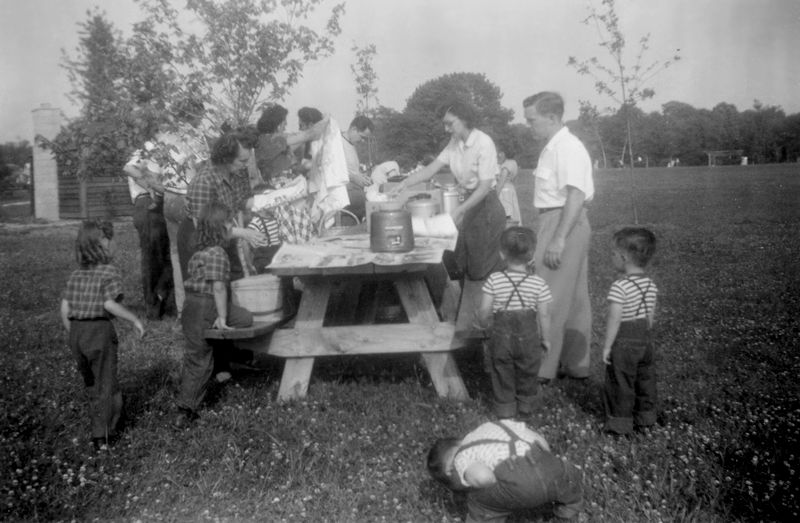
Picnic spreads often radiated outward from a pile of chicken. Everyone could pick their favorite piece without waiting for reheating.
The platter invited conversation, swapping, and generous sharing.
Its reliability meant hosts could spend more time socializing and less time tending fires. Chicken anchored the scene while quilts, coolers, and card games filled in the edges.
The meal felt relaxed, abundant, and timeless.
7. Packing Cold Chicken Into A Basket, Not A Kitchen Table
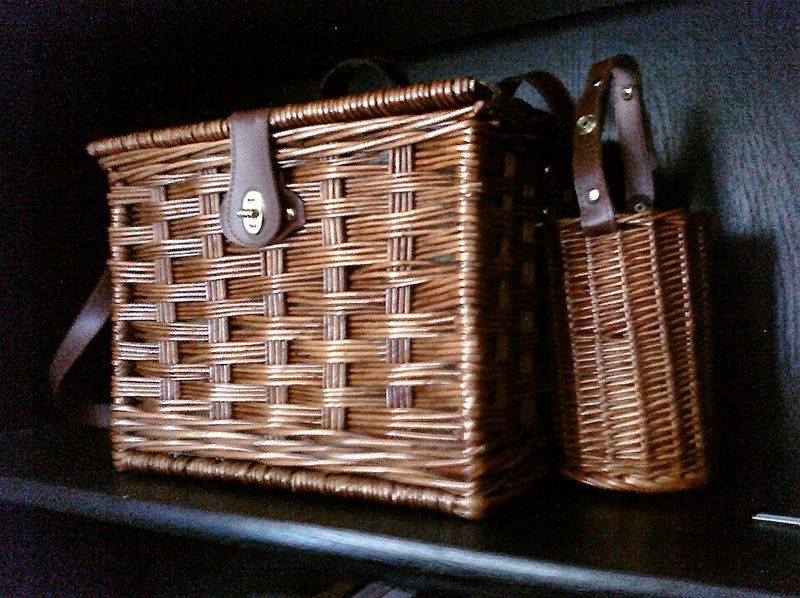
Baskets turned chicken into ready-to-pass portions for easy sharing. Wrapped pieces stacked neatly, freeing space and simplifying the first round of eating while maintaining organization.
Serving by reach and gesture became easier than formal plating. Basket designs signaled adventure and fresh air to everyone gathered for the meal.
Portability and charm defined the experience, adding a touch of ceremony to the outing. Every layer you unwrapped felt like revealing a small celebration.
6. Wrapping Cold Chicken To Stay Tidy And Shareable
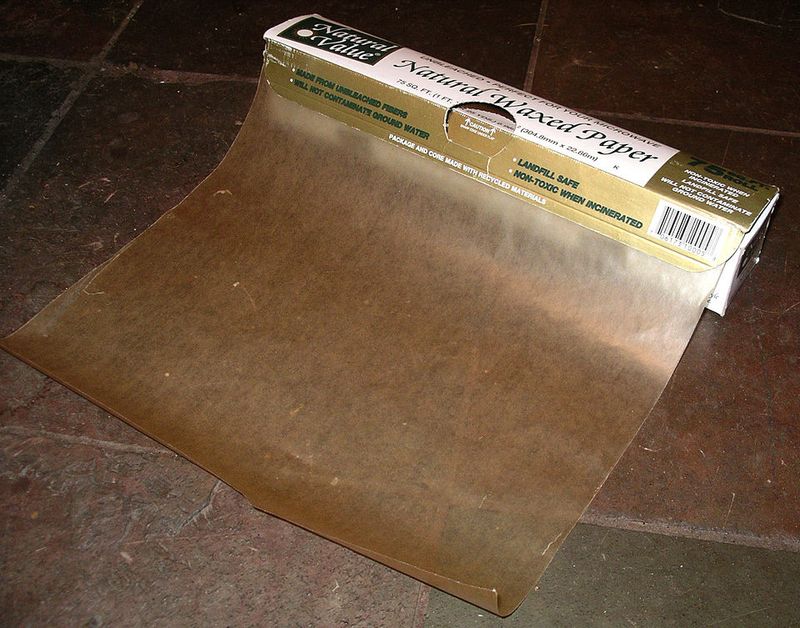
Waxed paper made cold chicken practical. It kept hands cleaner, preserved crunch, and prevented flavors from mingling with everything else.
Labels helped guests claim a preferred piece without rummaging.
Unwrapping added a little drama to the meal, like unveiling a treat. The simple material did heavy lifting for portability and hygiene.
It turned casual eating into something effortlessly organized.
5. Cooling Chicken With Ice So It Could Travel Farther
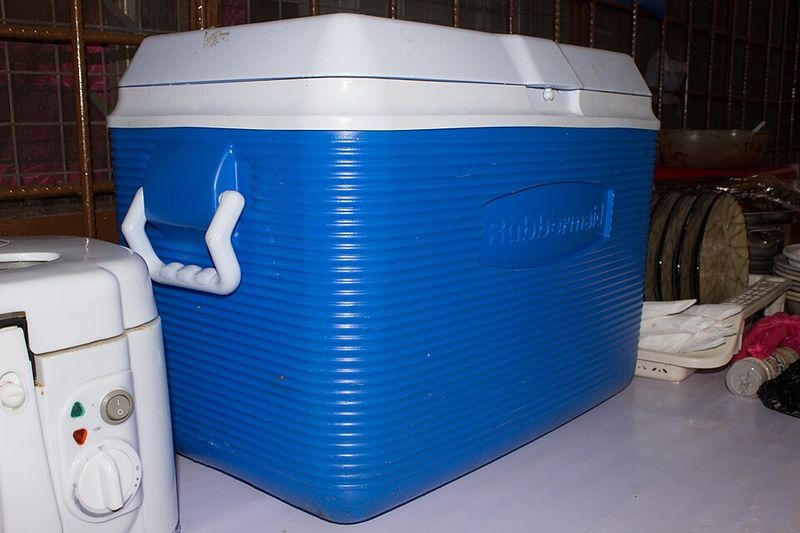
An ice chest extended the chicken’s range on hot days. Proper packing kept it cool and appetizing through long drives.
Families could roam farther without worrying about spoilage.
Layering ice, towels, and containers created a travel-ready system. It felt resourceful and reassuring, especially with kids in tow.
The cooler became a quiet hero of road food.
4. Refrigerators Turning Cold Chicken Into An Intentional Make-Ahead Dish
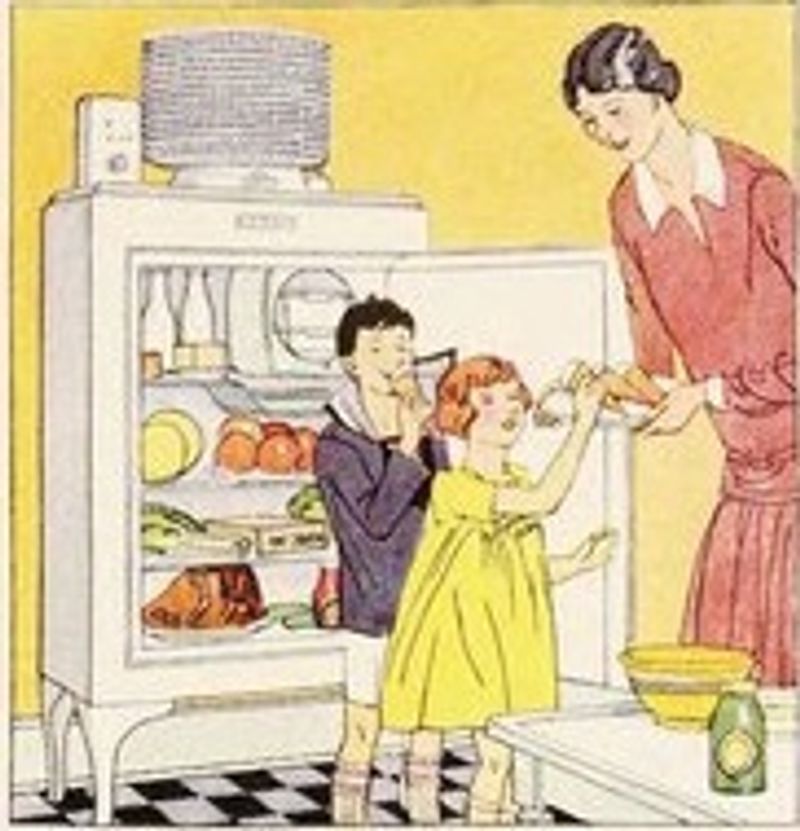
As home refrigeration became common, make-ahead fried chicken became easier to plan and store for outings. Fried chicken could be chilled overnight on purpose rather than by accident.
Morning routines improved as flavors settled and textures firmed, leaving the bird ready for travel. Shifted expectations turned cold chicken into a deliberate plan instead of a compromise.
Confidence grew for travelers knowing the food would hold up. Refrigerators quietly powered countless family adventures.
3. Cold Chicken Getting A Second Life As Chicken Salad Sandwiches
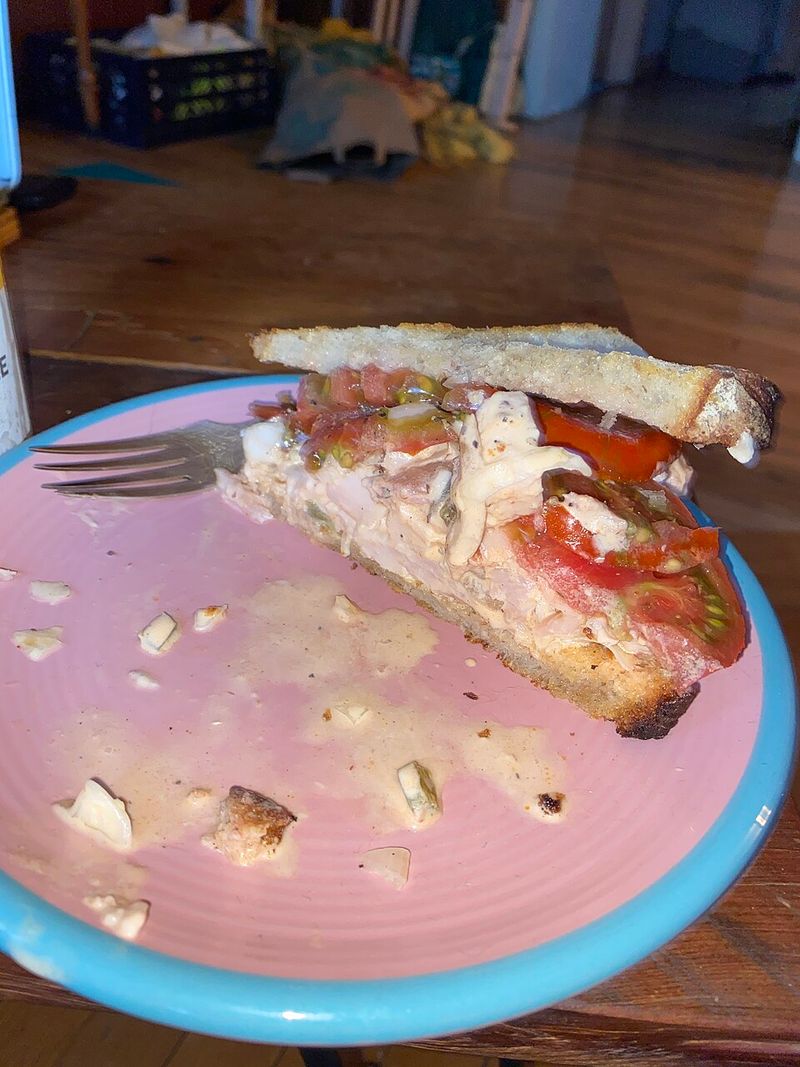
Leftover chicken stayed useful as hearty sandwich filling. A quick chop with mayo and celery produced a spread that traveled perfectly.
It delivered the same comfort with a lighter touch.
People appreciated the thrift and flexibility. Sandwiches fit neatly into baskets and bellies, fueling games and naps.
Cold chicken proved it could reinvent itself without losing charm.
2. Boxing Up Chicken So A Whole Group Could Eat It Cold Later
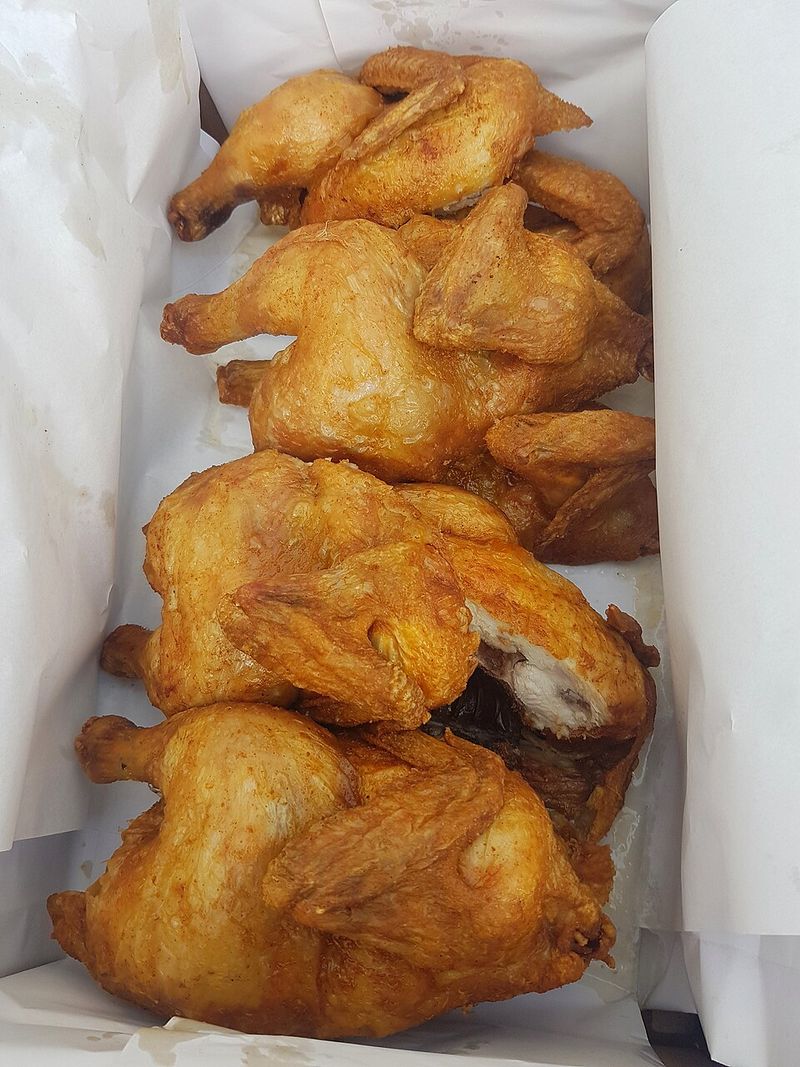
Cardboard boxes simplified group logistics. Portions stayed separated, steam escaped, and cleanup got easier.
When opened later, everyone could grab and eat immediately.
It felt modern, tidy, and scalable for families or teams. Packaging turned hot service into cold enjoyment with no extra steps.
The box became part of the memory of the meal.
1. Fast-Food Chicken Branding Feeding The Cold Chicken Habit
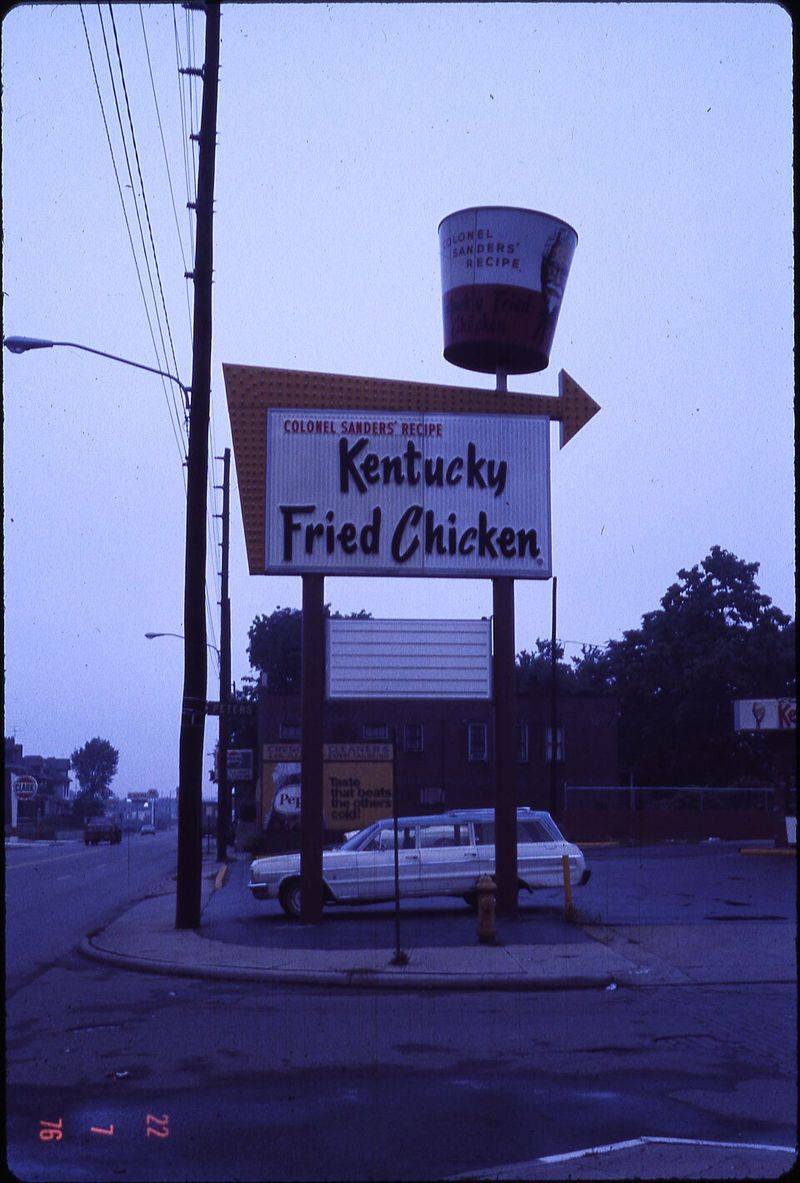
Fried chicken brands spread while take-home meals multiplied across the landscape. People associated the logo with reliable flavor even hours after the initial purchase.
By the late 1950s, chain fried chicken also leaned into take-home packaging, with Kentucky Fried Chicken famously introducing a ‘bucket’ family meal in 1957. Marketing reinforced the idea that chicken could travel and still satisfy hungry crowds.
Families folded the ritual into weekly routines and road trips during the rise of fast food culture. Cold chicken became both a convenience and a tradition for generations of travelers.