10 Things Commonly Seen In Many Traditional Chinese Restaurants
Walk into traditional Chinese restaurant and your senses clock in before you do.
Lanterns glow, lazy Susans turn at the center of round tables, and many of the room’s details carry both practical purpose and cultural symbolism.
Warmth, color, and long-held tradition fill the room so completely, even regulars can still spot something new between the first look and the first bite.
1. Red Lanterns
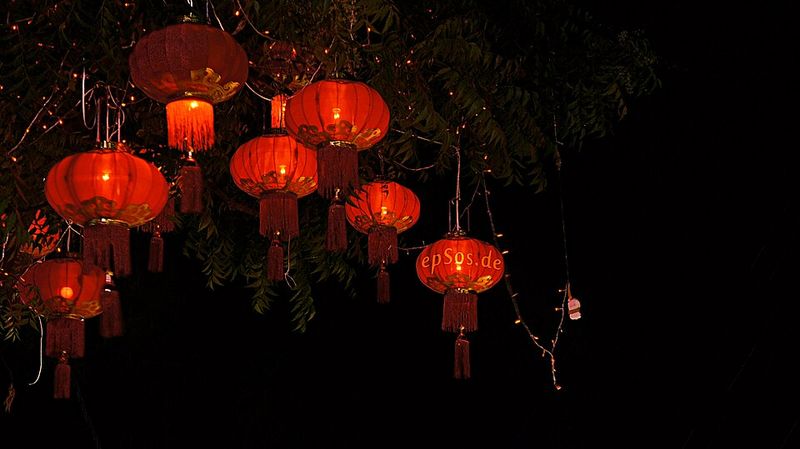
Overhead, glowing red lanterns often set the tone before anyone opens a menu. Within Chinese culture, red is closely linked with luck, happiness, and celebration, which is why these lanterns do much more than brighten a room.
Soft amber light spilling across a busy dining area gives the whole space a festive warmth that plain ceiling bulbs could never match.
Mood lighting had serious competition long before trendy restaurants discovered dimmers.
2. A Lazy Susan On A Round Table
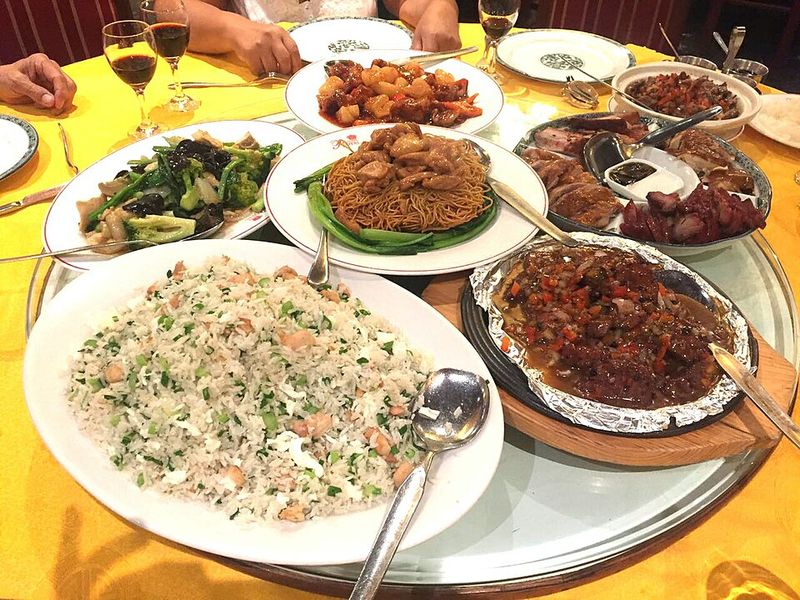
Shared dining works especially well when the table is built for it.
Set in the center of a round table, a lazy Susan lets plates of dumplings, vegetables, and mains move easily from one person to the next without anyone reaching awkwardly across the table.
Shared dishes play a major role in many Chinese dining settings, and the spinning center makes that style of eating easier and more comfortable. Very few pieces of furniture make generosity look this efficient.
3. Traditional Teapots On The Table
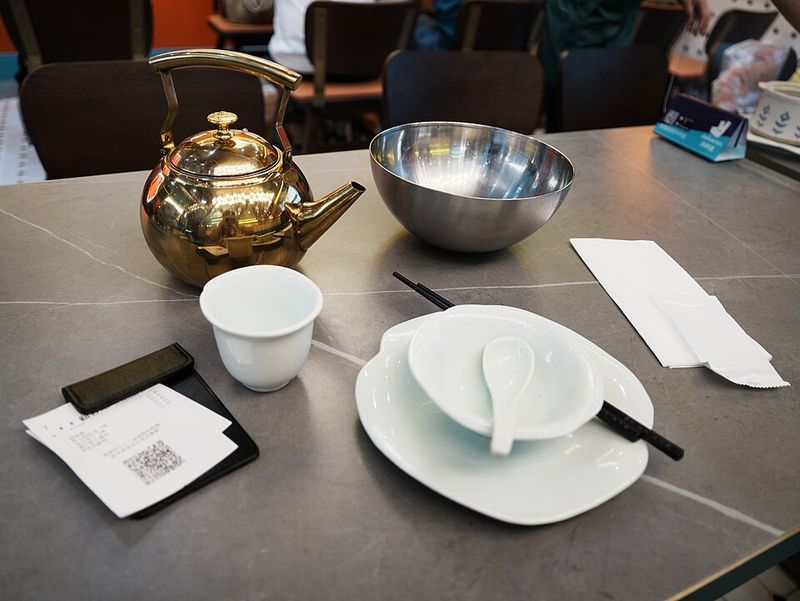
Before many meals begin, tea usually arrives as part of the table’s rhythm.
Jasmine, oolong, pu-erh, or chrysanthemum are all common possibilities, and the teapot often appears almost immediately, sometimes before the order is even placed. Holding a warm cup while conversation starts gives the meal a steadier, more welcoming pace than a cold drink ever could.
Freshly poured tea brings its own kind of comfort to the room.
4. Chopsticks Set At Each Place
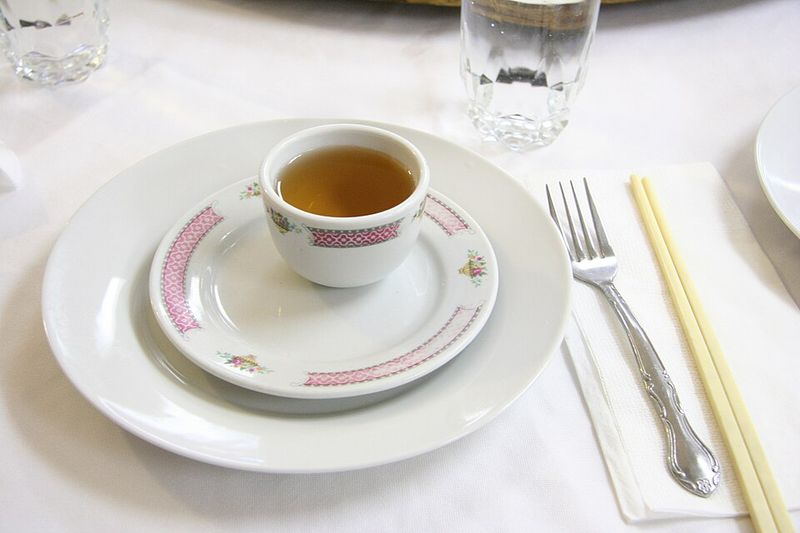
At each place setting, chopsticks usually appear as the standard utensil rather than a special request. Many traditional Chinese restaurants treat them as part of the meal’s natural setup, right alongside bowls, cups, and shared dishes.
Learning to use them well can take practice, but they also add to the sense of occasion and make the experience feel more connected to the food being served.
Forks may arrive later, but chopsticks usually define the table first.
5. Porcelain Soup Spoons
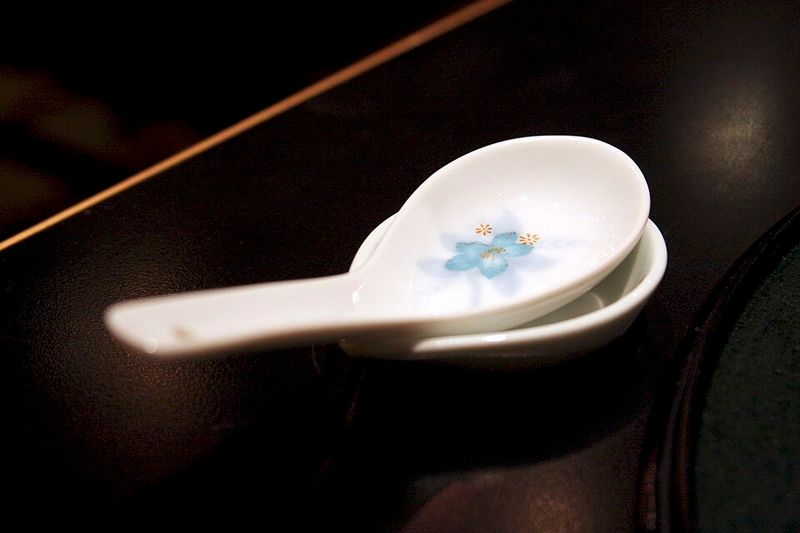
Wide porcelain soup spoons tend to stand out once you actually use one.
Their deep bowl, short handle, and flat base make them especially good for broths, dumplings, and soups where an ordinary Western spoon feels less practical.
Chinese ceramic spoons have a long history, and their shape reflects function more than ornament, which explains why they remain so recognizable. Small utensils rarely earn iconic status this honestly.
6. Wall Menus Or Menu Boards
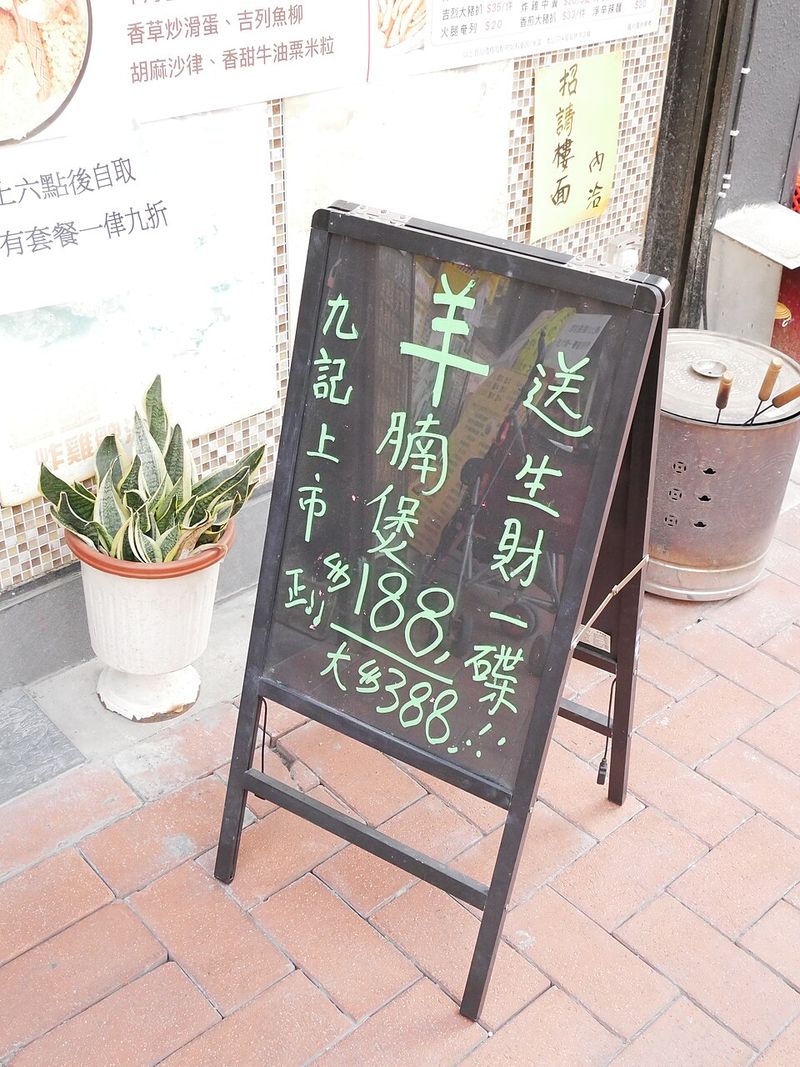
In many long-running restaurants, large menu boards behind the counter still act as one of the room’s clearest visual anchors. Handwritten characters, printed specials, or tightly packed item lists can give the place a straightforward confidence that feels very different from glossy, photo-heavy menus.
Regulars may barely look up before ordering, while first-time visitors often need a little extra time to take it all in.
Pointing works surprisingly well when confidence runs low.
7. Chinese Zodiac Or Wall Calendars Near The Register
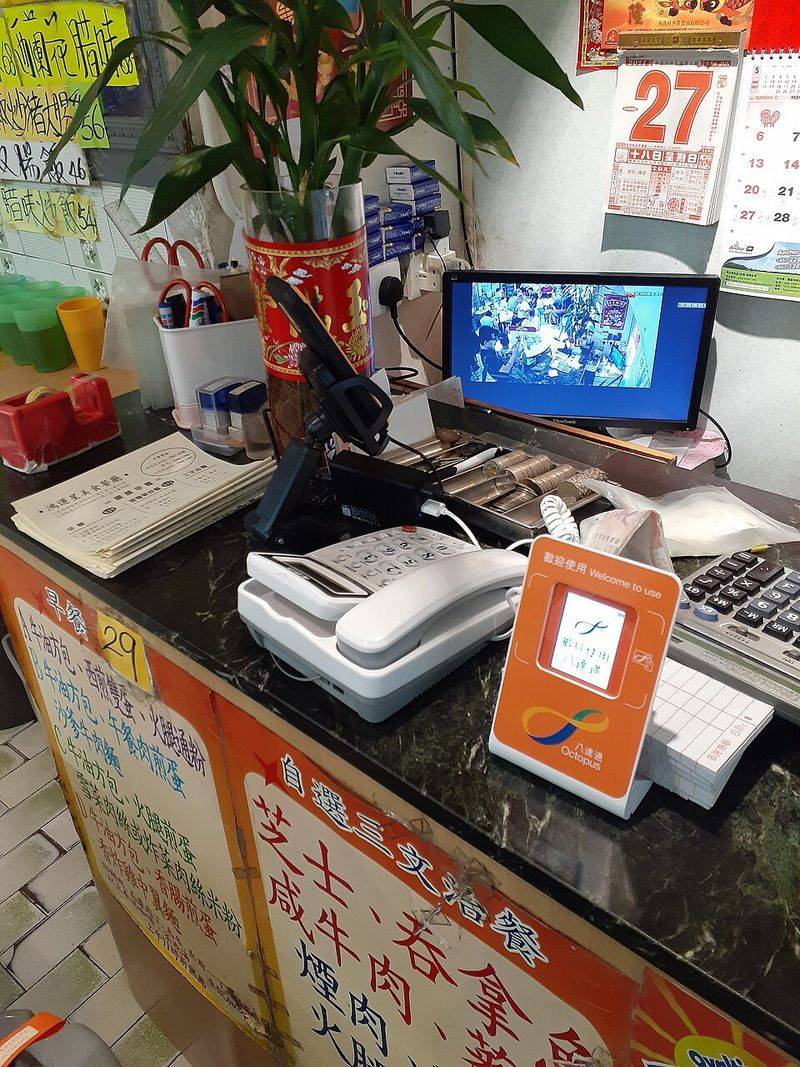
Near the register, a red-and-gold calendar often adds another familiar detail to the space.
Many of these calendars feature zodiac animals, red-and-gold color schemes, or other auspicious design elements, and they often serve both decorative and practical purposes. Suppliers sometimes provide them, yet many restaurants keep them on display because they fit naturally with the room’s look and symbolism.
Office calendars rarely come with this much personality.
8. Dragon-Themed Decor
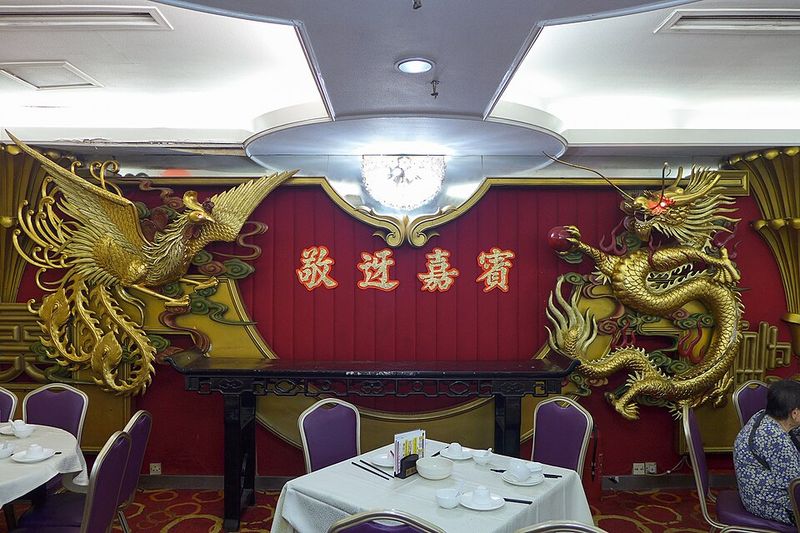
Somewhere on the wall, ceiling, or carved into a wooden panel, a dragon is almost certainly watching over the dining room.
Dragons in Chinese culture represent power, good fortune, and protection, which makes them perfectly at home in a place built around generous hospitality.
Spotting every dragon in a restaurant before the food arrives is an unofficial game that kids and curious adults play without even realizing it. Some murals hide three or four, curling behind clouds and mountains.
Consider it a bonus appetizer for the eyes.
9. Live Seafood Or Fish Tanks
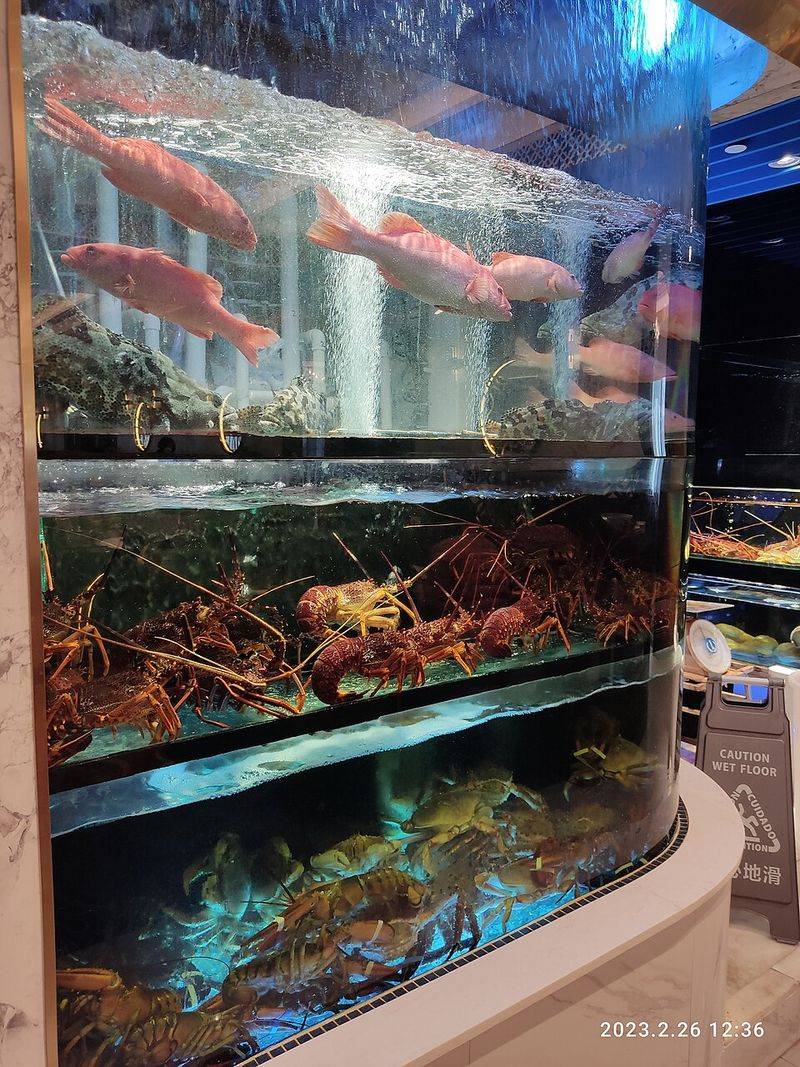
By the entrance or along one side of the room, bubbling tanks can make an immediate impression.
Seafood-focused Chinese restaurants have long used live tanks to emphasize freshness, letting customers see fish, crab, or lobster before the meal is prepared.
Part display, part practical food choice, and part visual spectacle, the tanks turn a simple waiting area into something much more memorable. Very few menus make their point without using a single word.
10. Lucky Bamboo Or Similar Auspicious Plants
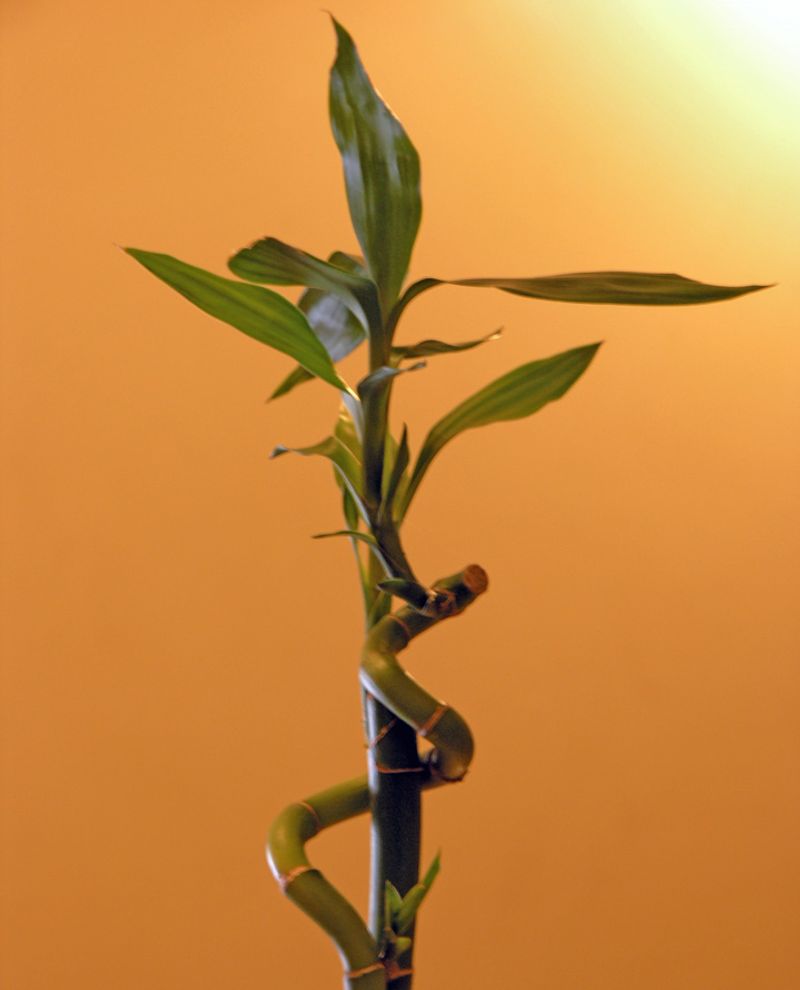
Set by a windowsill or near the door, lucky bamboo often works as both decoration and a sign of auspicious intent. Lucky bamboo is often displayed because it is associated with good fortune, resilience, and steady prosperity in feng shui-influenced décor traditions.
Red ribbons tied around the stems add another layer of luck, so the whole arrangement ends up working overtime as décor.
Low-maintenance, long-lasting, and rich in meaning, lucky bamboo may be the hardest-working quiet detail in the room.
Note: This article is intended as a culture-and-dining overview of details commonly associated with many traditional Chinese restaurant interiors and table settings.