7 Things Obi-Wan Kenobi Does Well And 8 That Don’t Land
Across the galaxy, nostalgia sensors were triggered the moment Ewan McGregor stepped back into Jedi robes.
The 2022 Disney+ series reignited lightsabers and long-running debates, pulling fans straight into hyperspace. Some scenes struck with the clean precision of a perfectly timed duel.
Others wobbled like a Stormtrooper trying to follow directions.
Now, systems calibrated, this breakdown scans what soared at lightspeed, what drifted into turbulence, and why the mission still matters in a galaxy far, far away.
1. Ewan McGregor Sells The Wear And Tear

McGregor steps back into the role with the kind of gravity that only a decade of regret can carve into someone.
His eyes carry the weight of Order 66, and every line on his face tells a story the script doesn’t have to spell out. You believe the guilt, the isolation, the slow flicker of hope trying to reignite.
It’s the kind of performance that turns a character study into a masterclass. Watching him move through grief feels less like acting and more like witnessing someone rebuild themselves one quiet breath at a time.
2. Darth Vader
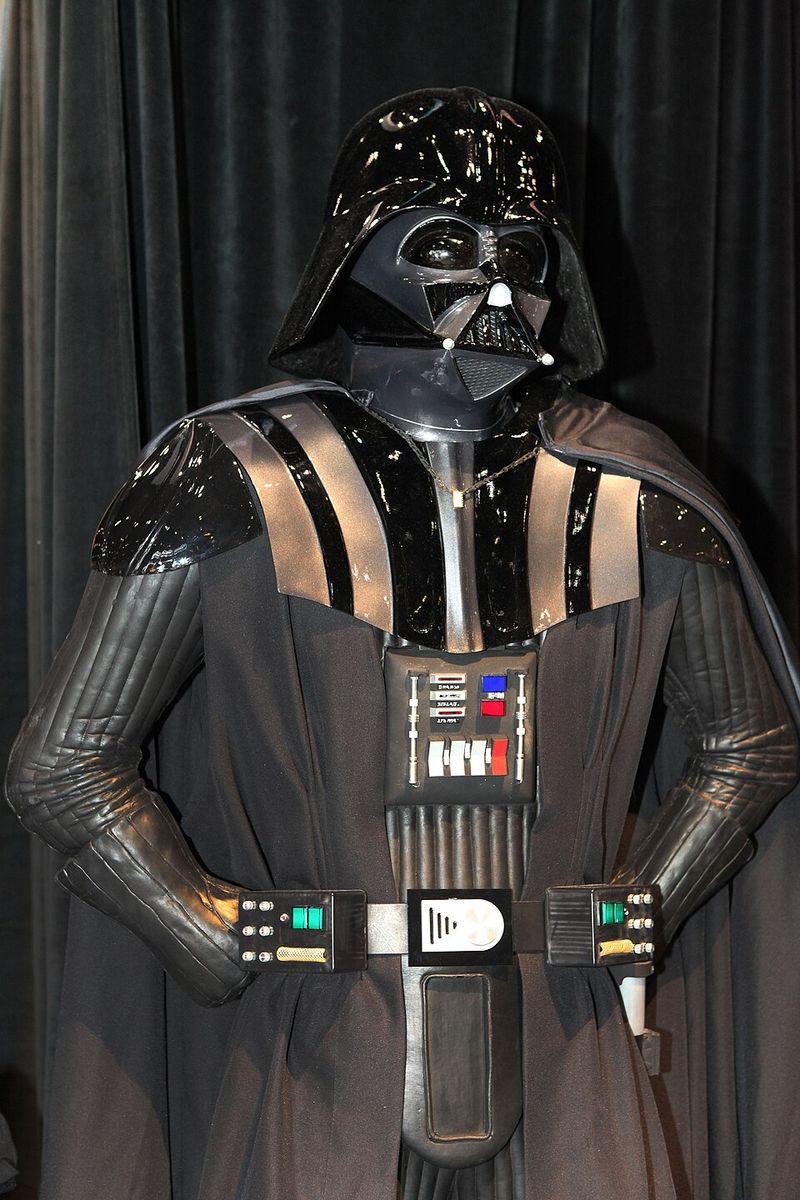
Darth Vader emerges not as a relic of nostalgia but as a looming presence that unsettles the room.
Rather than merely appearing, he seizes control of every frame and extinguishes any flicker of hope.
Towering camera angles and relentless pacing restore the mythic menace that once terrified an entire generation. No ordinary antagonist stands before you.
Only a nightmare that refuses to release its grip.
3. The Princess Leia-Obi-Wan Kenobi Bond Brings Real Heart
Vivien Lyra Blair’s Leia is sharp, stubborn, and impossibly brave. She doesn’t play a miniature politician; she plays a kid trying to make sense of a galaxy that keeps pulling her into danger.
The scenes between her and Obi-Wan crackle with warmth and unexpected humor.
You see the seeds of the leader she’ll become, and you also see why he’d risk everything to keep her safe. Their dynamic turns what could have been a generic rescue plot into something tender, funny, and surprisingly moving.
4. The Music Lands The Emotional Beats
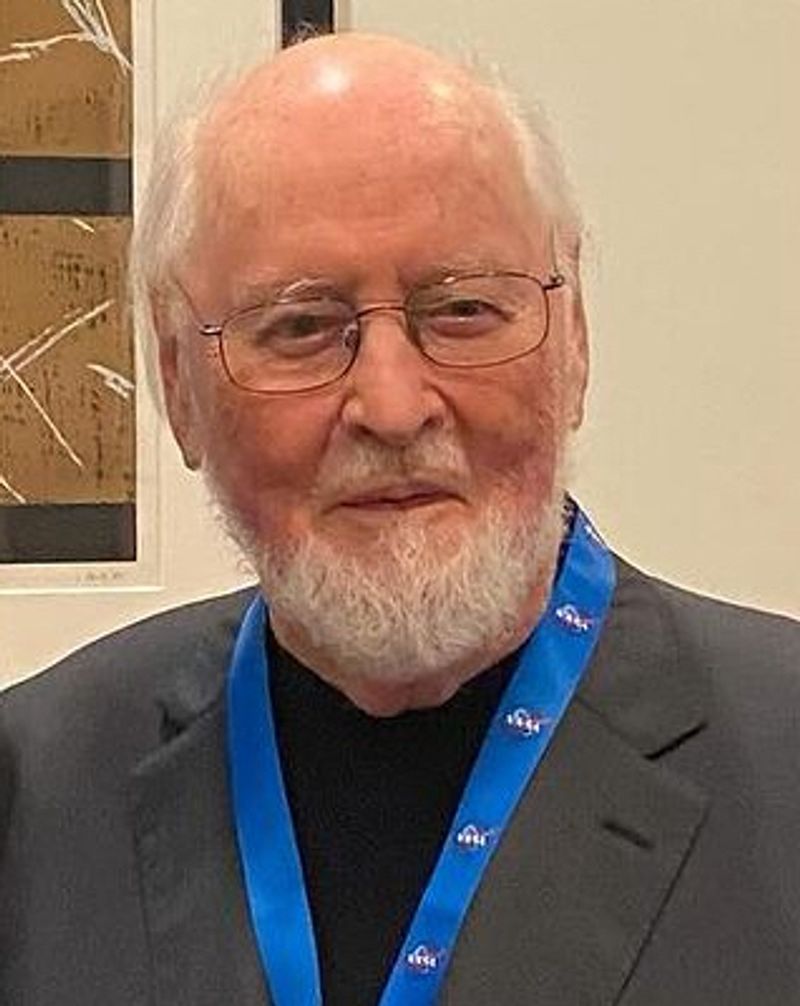
Natalie Holt’s score carries much of the emotional weight, with John Williams contributing Obi-Wan’s main theme as a signature callback. Crescendos land precisely where needed, guiding moments of triumph, loss, and reflection without tipping into excess.
Motifs and tonal callbacks nod to the larger Star Wars musical language while still letting the series keep its own texture.
Each phrase carries a sense of intention rather than spectacle. As the strings lift during a pivotal scene, sensation moves beyond the screen and settles somewhere deeper, echoing the awe of that first opening crawl.
5. Reva Sevander’s Intensity Adds Volatility To The Chase
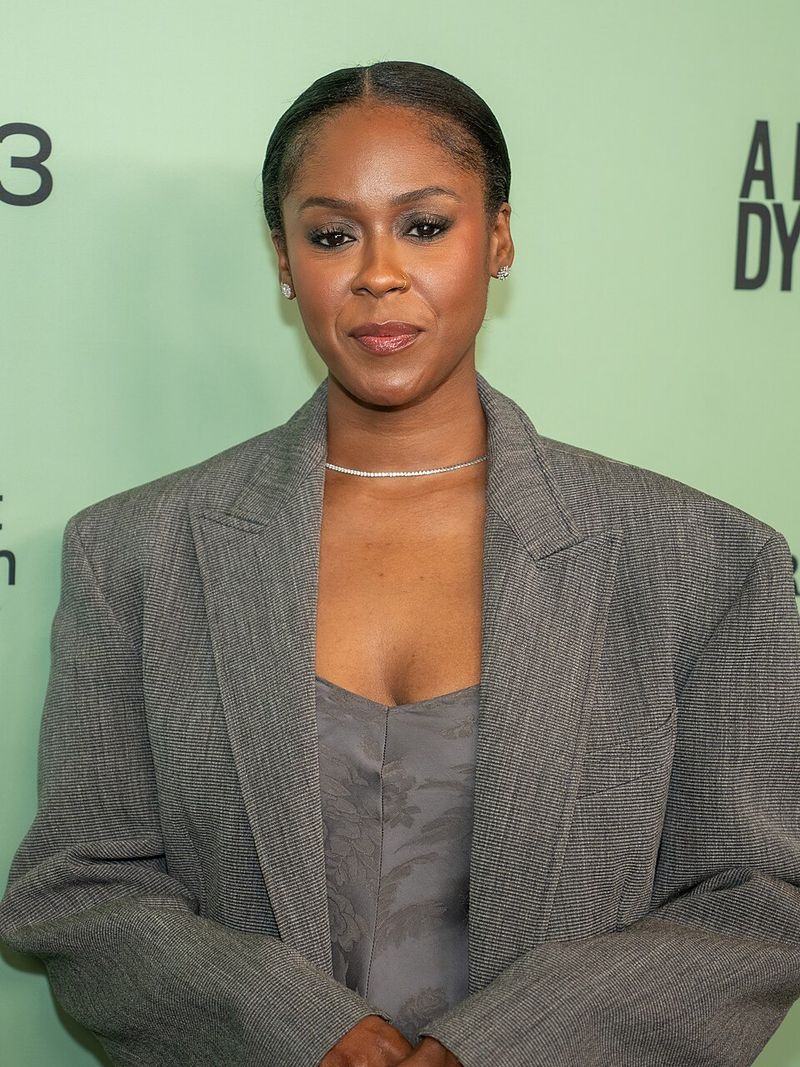
Moses Ingram brings a tightly wound intensity to Reva that keeps each appearance charged with uncertainty.
Rather than a one-dimensional antagonist, she carries visible wounds, private motives, and an ambition that unsettles everyone around her.
Unpredictable energy heightens the pursuit, ensuring neither heroes nor rivals feel fully secure. Complexity within the character gives Ingram room to balance threat with flashes of vulnerability.
That volatile presence serves as the series’ essential wild card.
6. The Desert-World Mood Fits The Character’s Exile
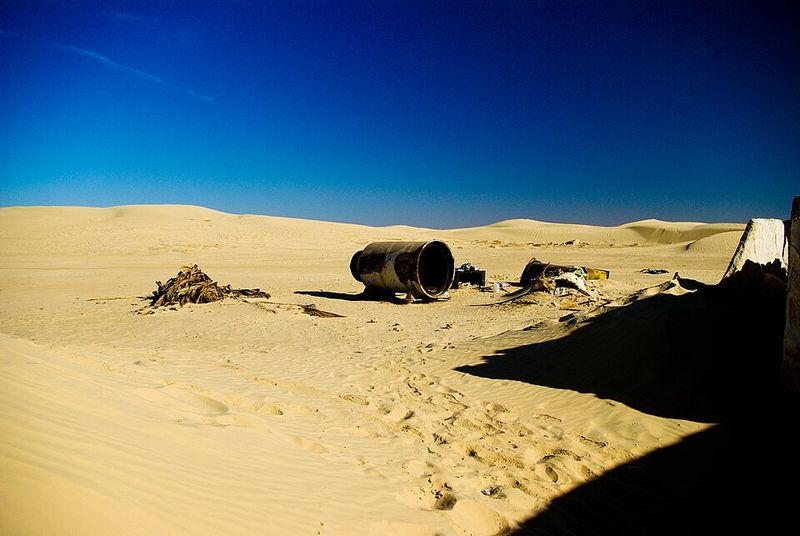
Tatooine has long served as a refuge for those seeking to vanish, and the series treats that isolation as a presence of its own. Sweeping views of empty dunes and sun-bleached streets reflect Obi-Wan’s inward exile.
Weight of concealment lingers in each frame, along with the quiet grind of survival and the ache of a narrowed existence.
Setting functions as more than scenery, intensifying every restrained note of regret and each faint spark of returning resolve.
7. The Show Taps Into Star Wars Iconography Fast

From the first frame, the series knows exactly which emotional chords to strike.
Familiar ships glide into view, recognizable sound cues hum in the background, and iconic silhouettes appear at just the right moment, all arranged with deliberate care to tap into years of shared memory.
It plays like comfort food for longtime fans, using carefully chosen imagery and sound to signal that this story understands its roots while inviting viewers back into a universe that still feels like home.
1. Pacing Can Feel Stop-And-Go
One episode races forward, the next grinds to a crawl.
The series struggles to find a consistent rhythm, toggling between breakneck chases and lingering character beats that don’t always earn their screen time. Momentum builds, then stalls, then builds again, leaving you slightly whiplashed.
It’s the kind of pacing that makes you wonder if the story would’ve worked better as a tight two-hour film instead of a stretched-out limited series.
2. Plot Conveniences Show Through In Key Moments
Characters survive situations they shouldn’t, escape traps that feel too easy, and make choices that only make sense because the script needs them to.
Obi-Wan leaves Vader alive after their duel, and the reasoning can feel lightly supported on-screen. Rescues happen in the nick of time with little setup.
These moments pull you out of the story, reminding you that you’re watching a constructed narrative rather than a lived-in world. The seams show, and once you notice, it’s hard to unsee.
3. Action Staging
Despite centering on galaxy-spanning conflict, several confrontations unfold with surprisingly limited scale.
Chase sequences unfold in confined spaces, duels appear constrained, and occasional staging choices create moments of visual awkwardness.
Expectation leans toward sweeping, cinematic clashes, yet what appears on screen sometimes resembles compact skirmishes that struggle to match the narrative’s emotional stakes. Issue lies less in technical execution and more in perceived scale, as the action can feel modest compared to the epic legacy it aims to uphold.
4. The Inquisitors Sometimes Read As Concepts, Not People

They arrive with menacing costumes and spinning lightsabers, but most of them never get the development to feel like actual threats.
They’re archetypes with cool designs, not characters with stakes or personalities that stick. The show tells you they’re dangerous, but it rarely shows you why beyond surface-level intimidation.
Their potential gets sidelined in favor of the main plot, leaving them feeling like missed opportunities wrapped in slick production design.
5. Strong Side Characters Feel Underused
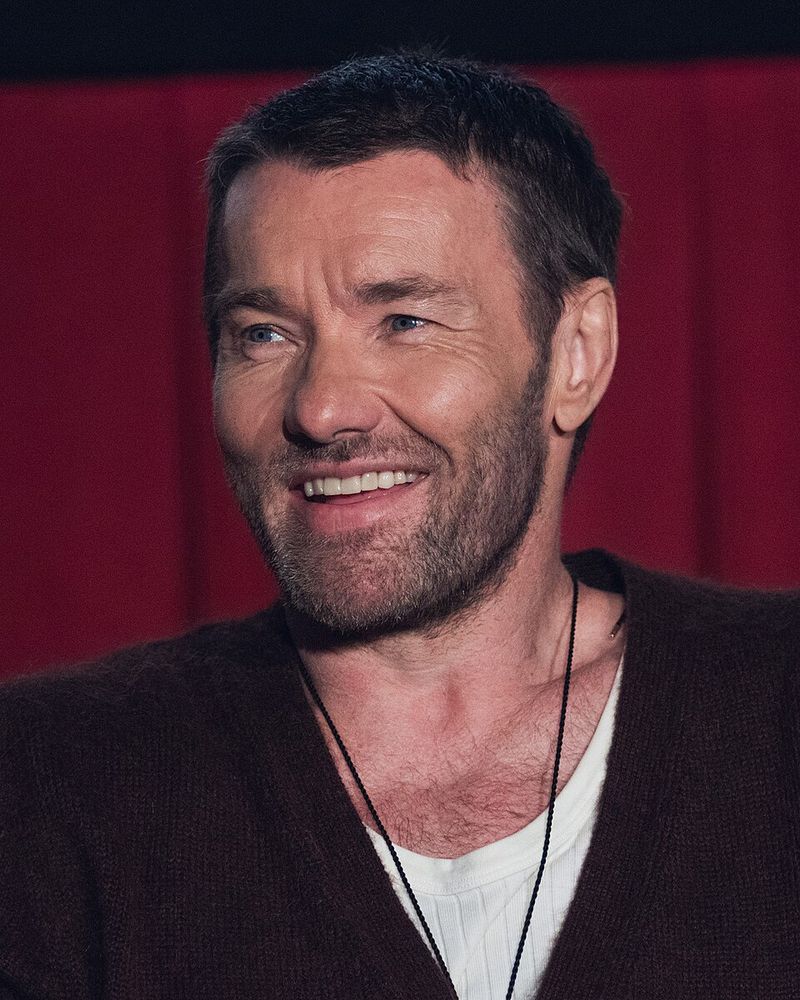
Joel Edgerton’s Owen Lars receives a handful of grounded, compelling scenes before slipping back into the margins.
Additional supporting characters surface with hints of depth, only to vanish before meaningful connection can form. Multiple narrative threads compete for attention, leaving limited space for the secondary cast to fully develop.
Desire for richer exploration of those figures grows, yet the storyline maintains a narrow focus that occasionally limits its own impact.
6. Some Environments Look Stage-Lit Instead Of Lived-In
Certain sets feel like they’re waiting for the next take rather than existing as real places.
The lighting is too even, the backgrounds too clean, the sense of history too thin. The Volume technology, while impressive, sometimes creates a flatness that undermines immersion.
You notice the artifice instead of losing yourself in the world. Star Wars thrives on grit and texture, and when that’s missing, even the most elaborate setups can feel hollow.
7. Tone Wobbles

One scene plays like tense espionage drama, the next leans into broader pulp-adventure energy.
The show can’t quite decide what it wants to be, and the tonal shifts can feel jarring. Humor lands in odd places, undercutting moments that were building real tension.
Darkness gives way to levity without enough transition, leaving you unsure whether to hold your breath or relax. Consistency would’ve helped the series find its identity instead of toggling between modes.
8. Canon Plot Armor Blunts Suspense In Places
Obi-Wan’s survival is already written into canon. Leia’s future is equally assured.
Attempts to build tension run into the guardrails of established continuity, softening the sense of real peril.
Threats can feel abstract rather than immediate, reducing the urgency the story aims to create. Prequels face a familiar dilemma: how to spark genuine fear for characters whose outcomes are predetermined.
Note: This critique reflects editorial interpretation of Obi-Wan Kenobi (2022) and focuses on storytelling, pacing, characterization, and production choices.
Observations about tone, action scale, and visual style are subjective and may vary by viewer, while select production details (such as music credits and series format) are included for context.