20 Things To Know About Tim Burton’s Alice In Wonderland
Tea was absolutely spilled when Tim Burton’s Alice in Wonderland showed up in 2010.
Lewis Carroll’s fantasy was reworked through Burton’s darker visual style, with towering headpieces, elaborate design, and a more theatrical version of Wonderland. Every corner of Wonderland looks deliberately overdesigned, which became part of the film’s appeal.
Between the costumes, stylized performances, and highly detailed production design, the film gave audiences plenty to remember long after release.
20. Tim Burton Directed The Film
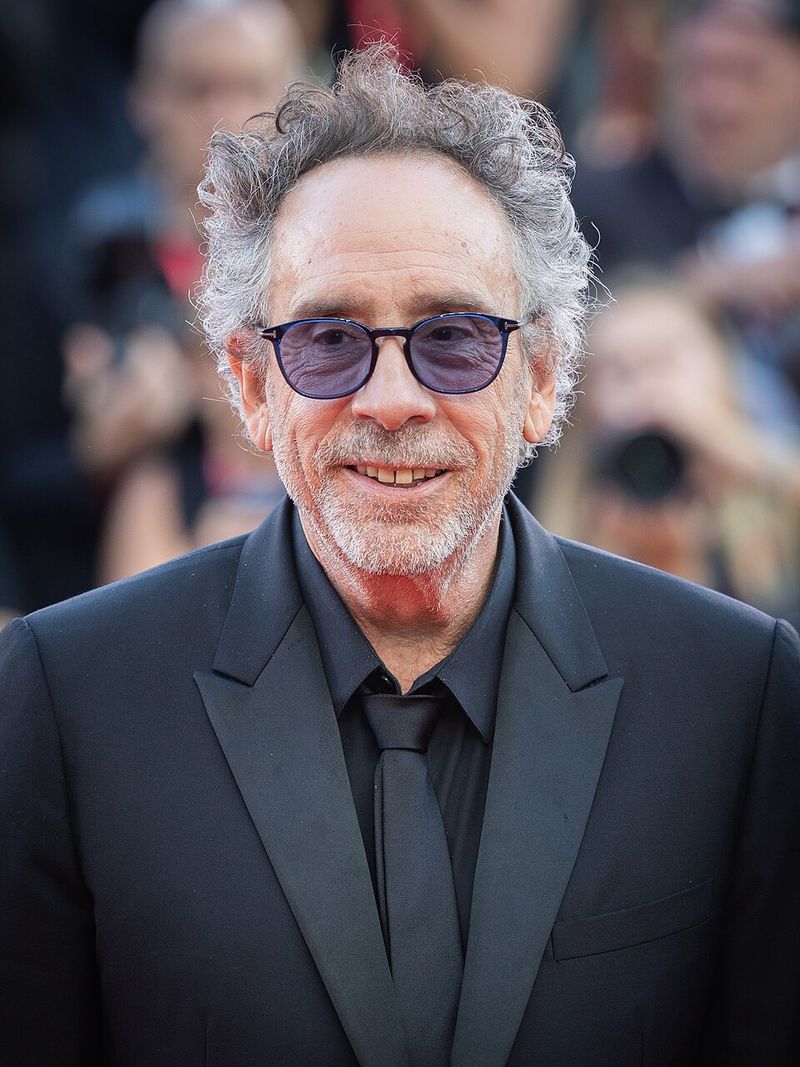
Nobody really turns fantasy into elegant gloom quite the way Tim Burton does, and Wonderland fit neatly into that creative lane.
Already known for Edward Scissorhands and Beetlejuice, Burton filled the film with his trademark storybook strangeness, giving each scene a look that felt both theatrical and slightly off-center.
What emerged felt less like a traditional children’s tale and more like a stylized fantasy dream shaped by Burton’s familiar visual sensibility. Morning plans could wait once that visual world pulled viewers in.
19. Mia Wasikowska As Alice
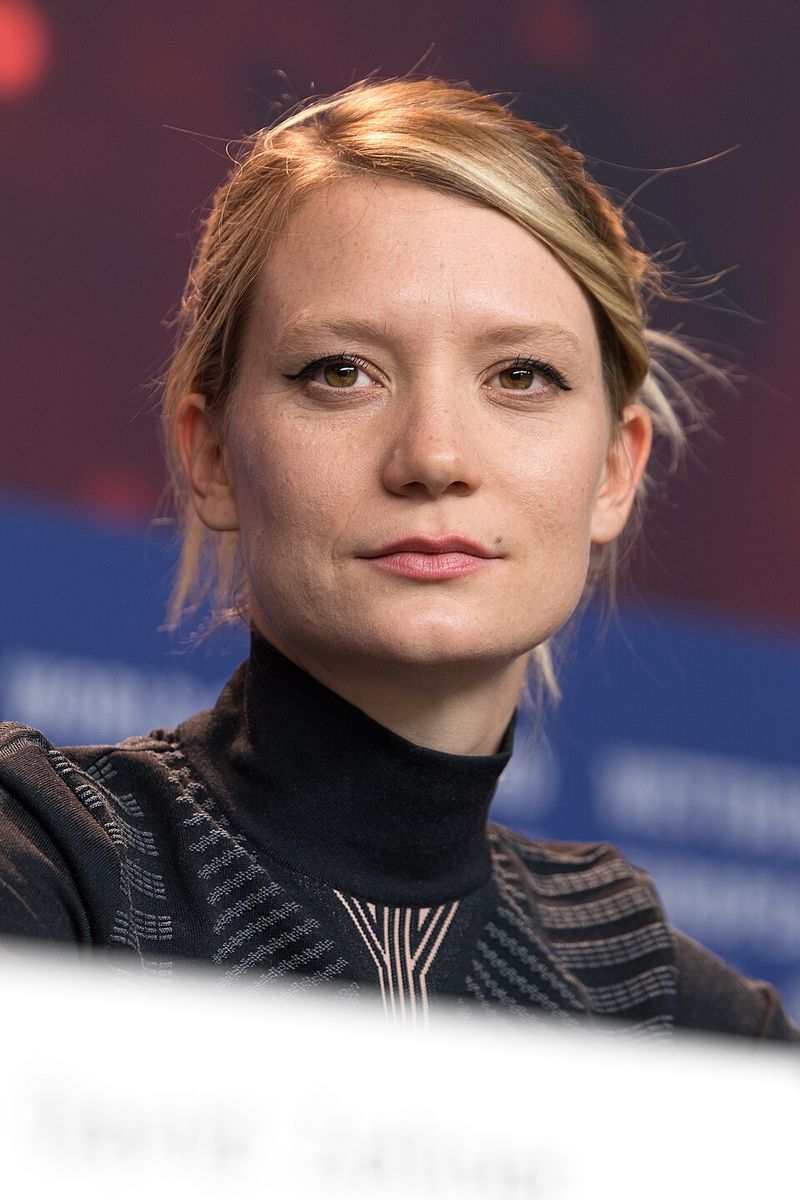
At just 19, Mia Wasikowska stepped into one of fiction’s most recognizable roles and gave Alice a fresh kind of strength.
Gone was the purely delicate storybook version, replaced by someone more self-possessed, observant, and quietly brave. Curiosity still shaped the character, but Burton’s Alice also carried a steadier sense of purpose, the kind that makes even chaos feel manageable when she walks straight into it.
Fantasy worked better because Wasikowska kept the center grounded.
18. Johnny Depp As The Mad Hatter
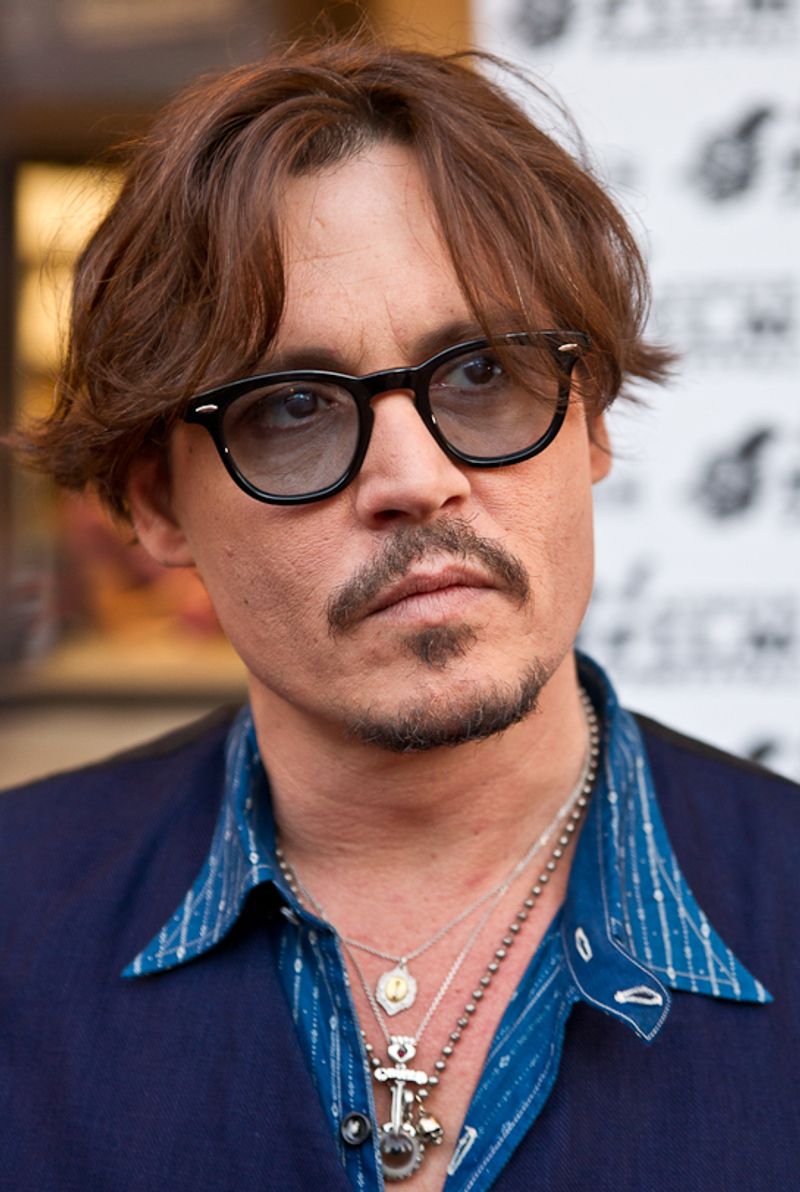
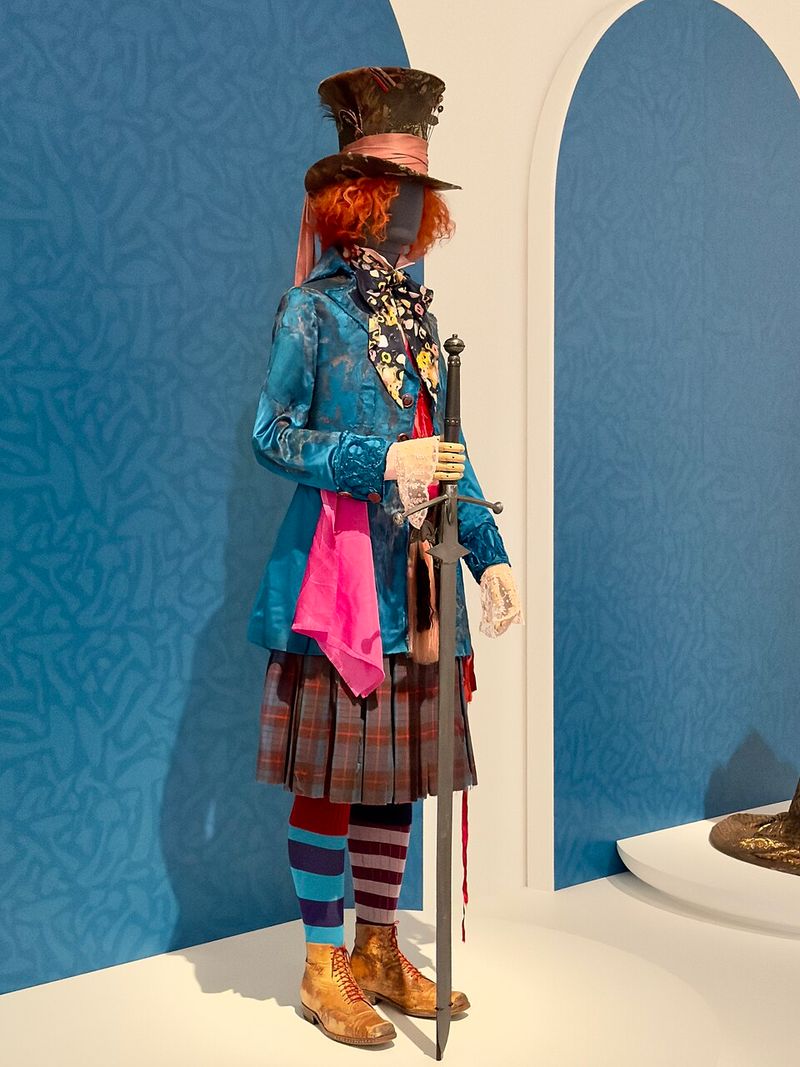
Chaos really took on a face once Johnny Depp turned up as the Mad Hatter and made the character completely his own.
Part Scottish folk figure, part glam-rock oddball, his performance leaned into the Hatter’s instability without losing the emotional undercurrent.
Depp reportedly connected the accent shifts to mercurial poisoning, the historical condition linked to hat makers, which added an extra layer of meaning to every unpredictable scene.
17. Helena Bonham Carter As The Red Queen
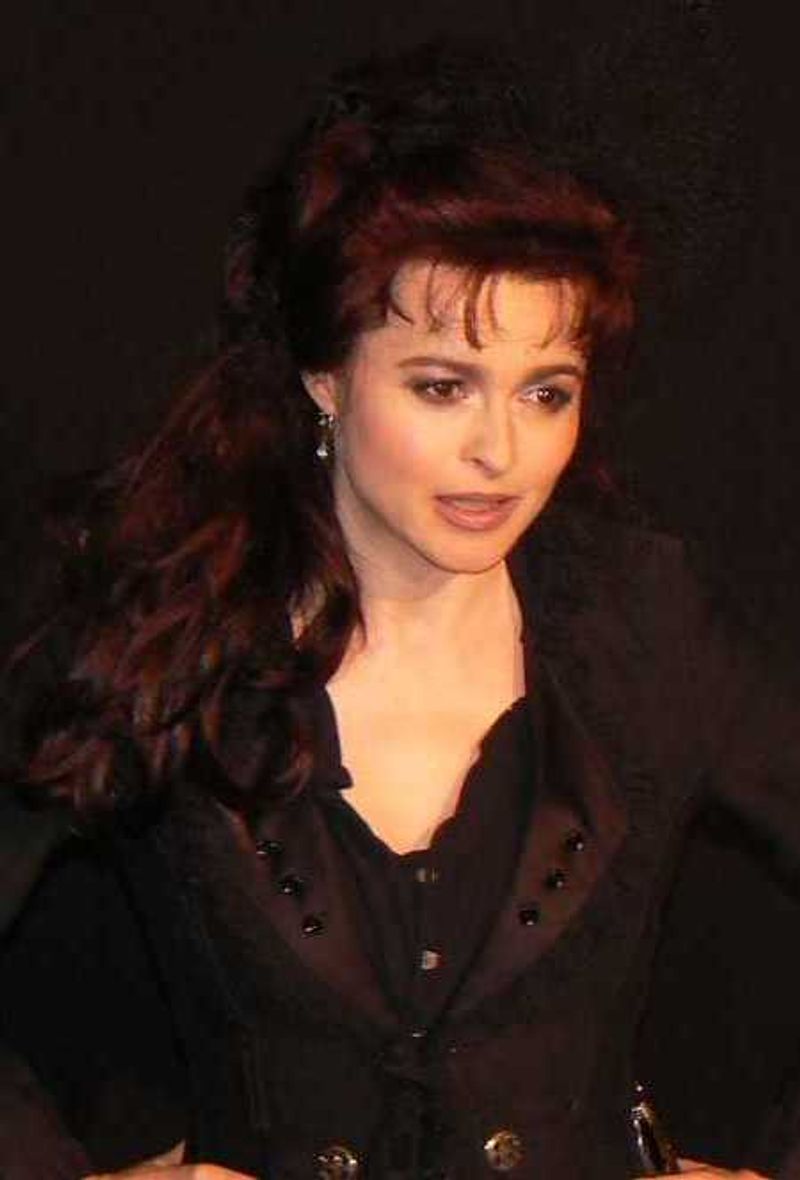
Pure theatrical force made Helena Bonham Carter’s Red Queen impossible to ignore from the moment she appeared on screen. Digital effects enlarged her head to absurd proportions, yet the real spectacle came from the performance itself, which swung between comic fury and sudden flashes of insecurity.
“Off with his head” became the film’s signature line, and Carter delivered it with the kind of comic threat that made it even funnier.
Carter’s long familiarity with Burton’s creative world only made the performance feel more at home in his style.
16. Anne Hathaway As The White Queen
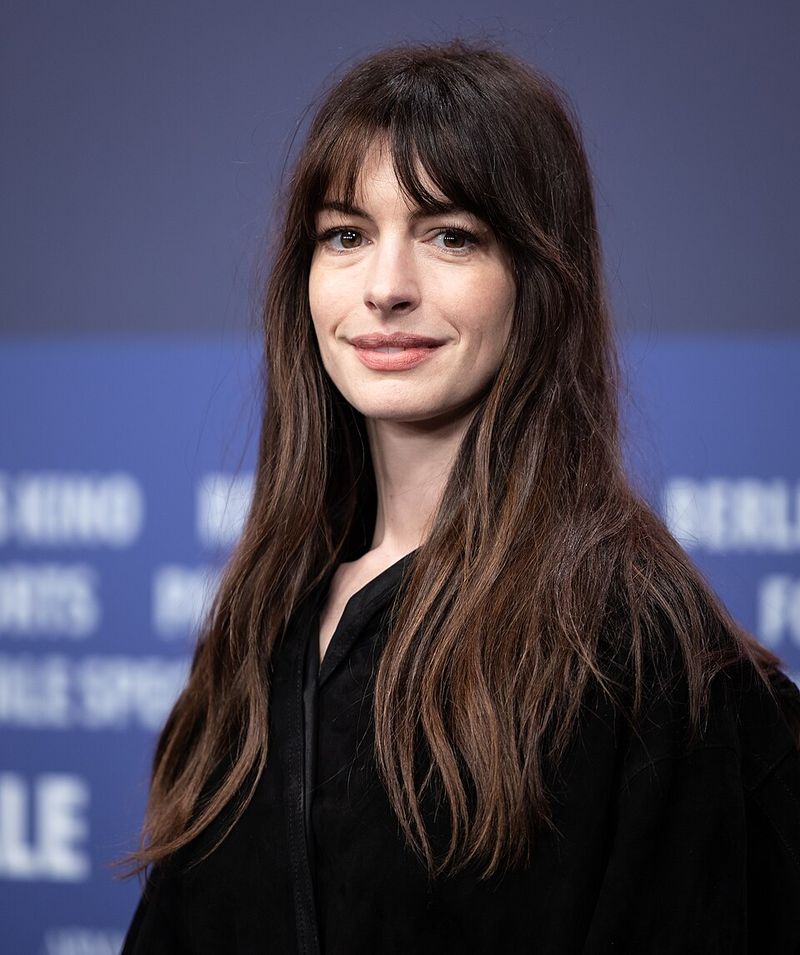
Rather than playing the White Queen as simply noble and serene, Anne Hathaway chose something stranger and much more memorable.
Raised wrists, airy movements, and a floating stillness gave Mirana an almost silent-film quality that made her feel elegant, peculiar, and just a little detached from everyone around her. Those choices came from Hathaway herself, and they helped the character stand apart beautifully from the Red Queen’s louder, more chaotic energy.
Tea somehow felt formal the second she entered the room.
15. Crispin Glover As The Knave Of Hearts
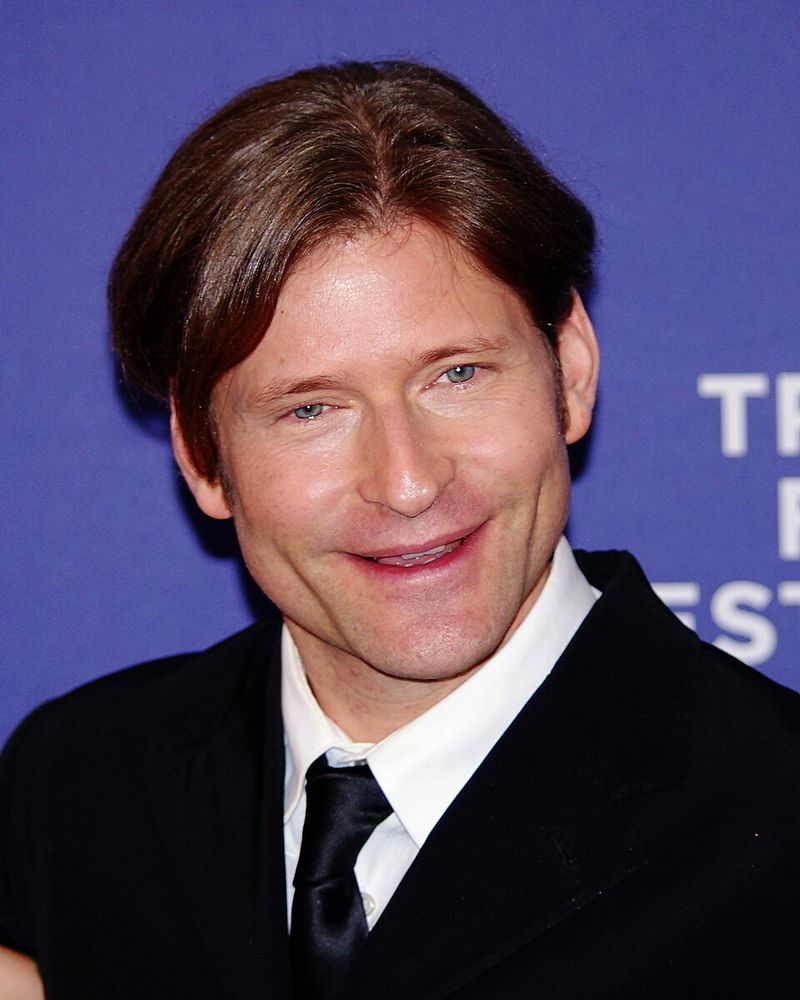
An eerie kind of menace followed Crispin Glover throughout the film, which made him a natural fit for the Knave of Hearts.
Playing Ilosovic Stayne with a stiff, unsettling presence, Glover gave the character a quiet threat that felt more unnerving than outright explosive.
Many of his scenes were filmed apart from the main cast, and digital effects later stretched his body even further, creating a silhouette that looked perfectly wrong in exactly the right way. Hallway footsteps would not even be necessary for that villain.
14. Matt Lucas As Tweedledee And Tweedledum
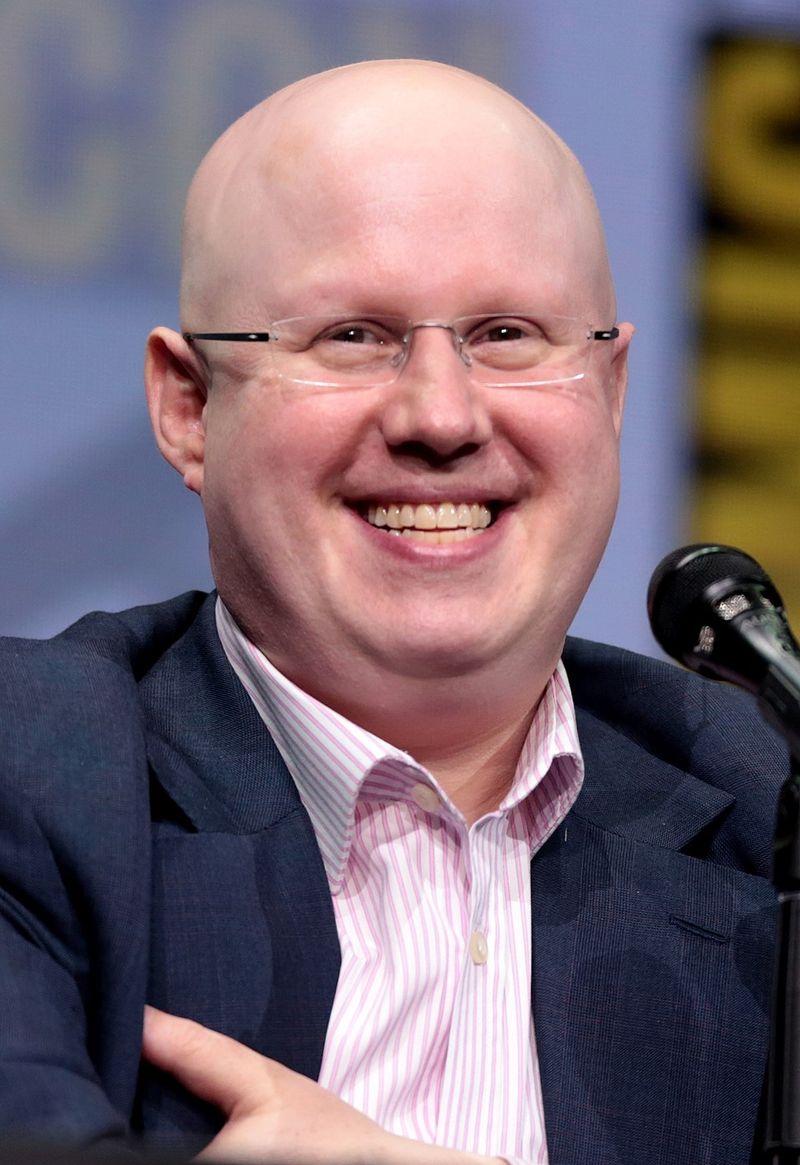
Double the trouble came from Matt Lucas, who played both Tweedledee and Tweedledum in the film. Split-screen work and digital effects helped build the illusion, which meant Lucas often performed opposite stand-ins and markers rather than a second finished character.
Even with all that technical trickery involved, he gave the twins enough awkward warmth and comic timing to make them feel silly, endearing, and just chaotic enough.
Family dinners would absolutely get louder with those two around.
13. Alan Rickman Voices Absolem
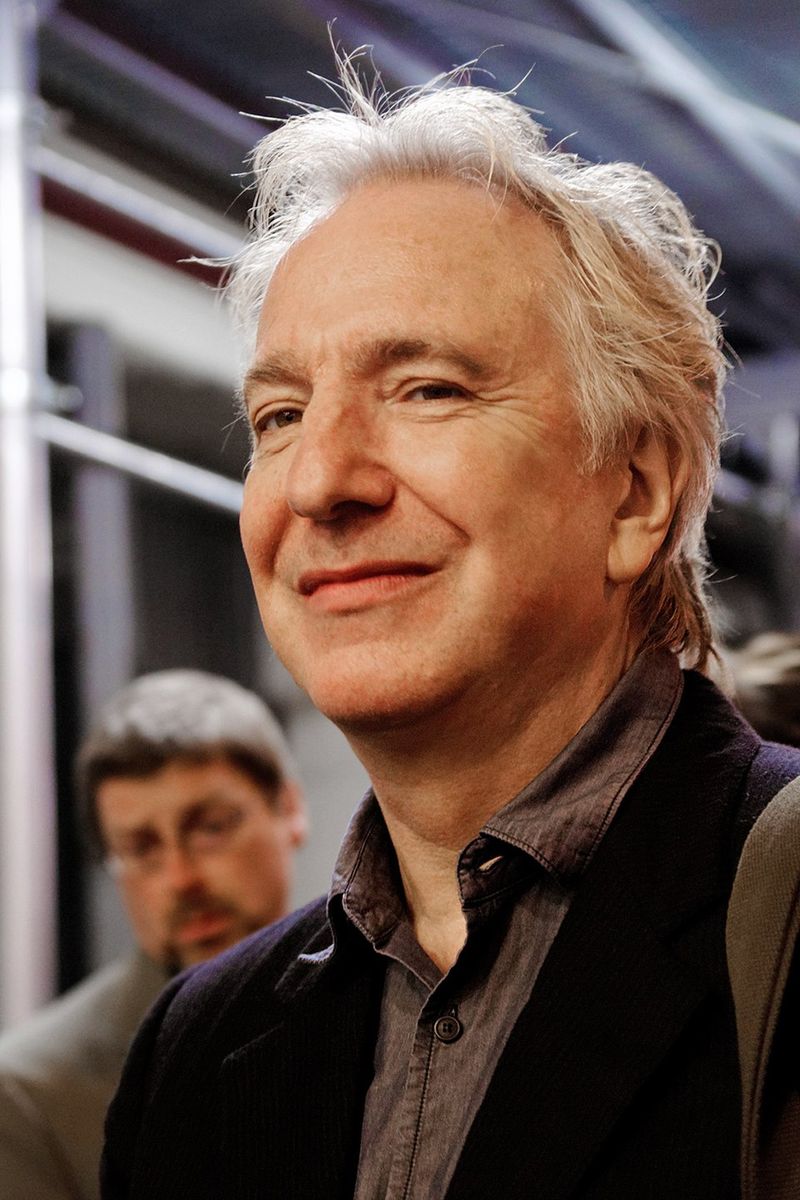
Alan Rickman’s voice was practically made for a slow-speaking, philosophically inclined caterpillar.
Absolem delivers every line with the unhurried certainty of someone who has seen it all and is quietly unimpressed by most of it. Rickman’s deep, measured tone gave the character genuine weight in scenes that could have easily felt like filler.
Absolem is basically the kettle clicking off in a quiet house, calm, deliberate, and impossible to ignore.
12. Stephen Fry Voices The Cheshire Cat
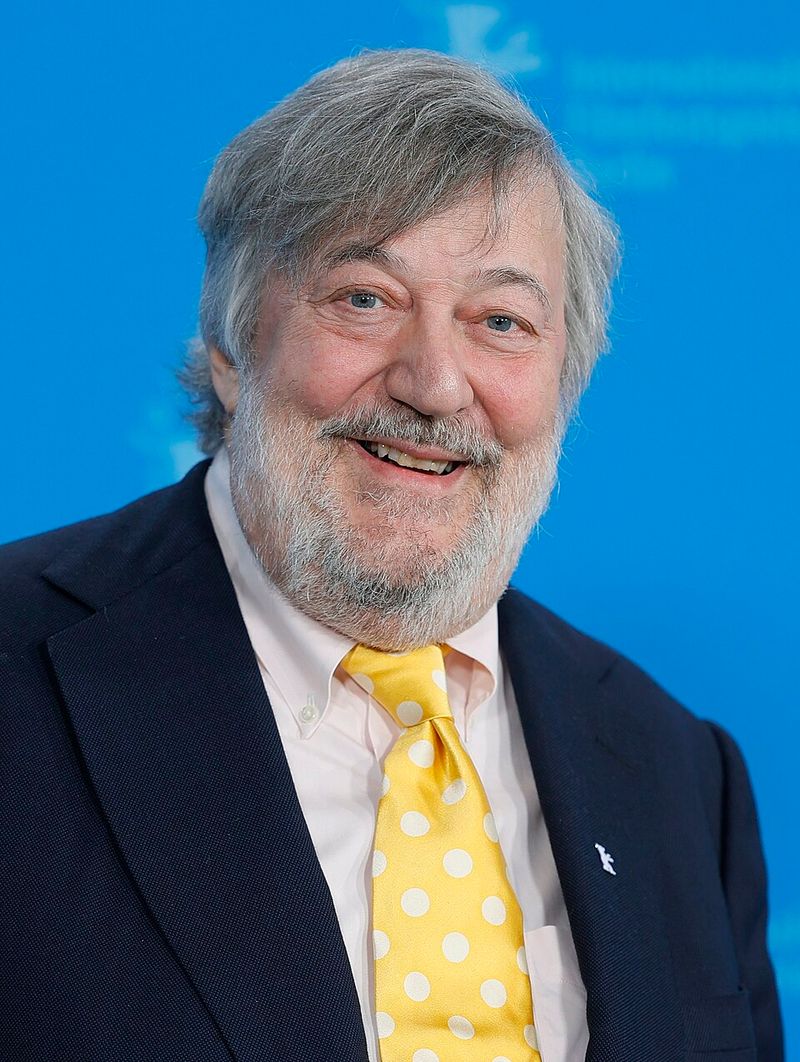
Mischief landed beautifully with Stephen Fry, whose voice work made the Cheshire Cat feel smooth, clever, and gently unpredictable.
Warmth and sly humor came through together in a way that fit the character almost too well, especially in scenes where the Cat faded away until only that famous grin remained. Fry’s delivery never rushed the joke or the mystery, which gave the character a polished confidence that worked every time.
Velvet mischief in cat form sounds about right.
11. Michael Sheen Voices The White Rabbit
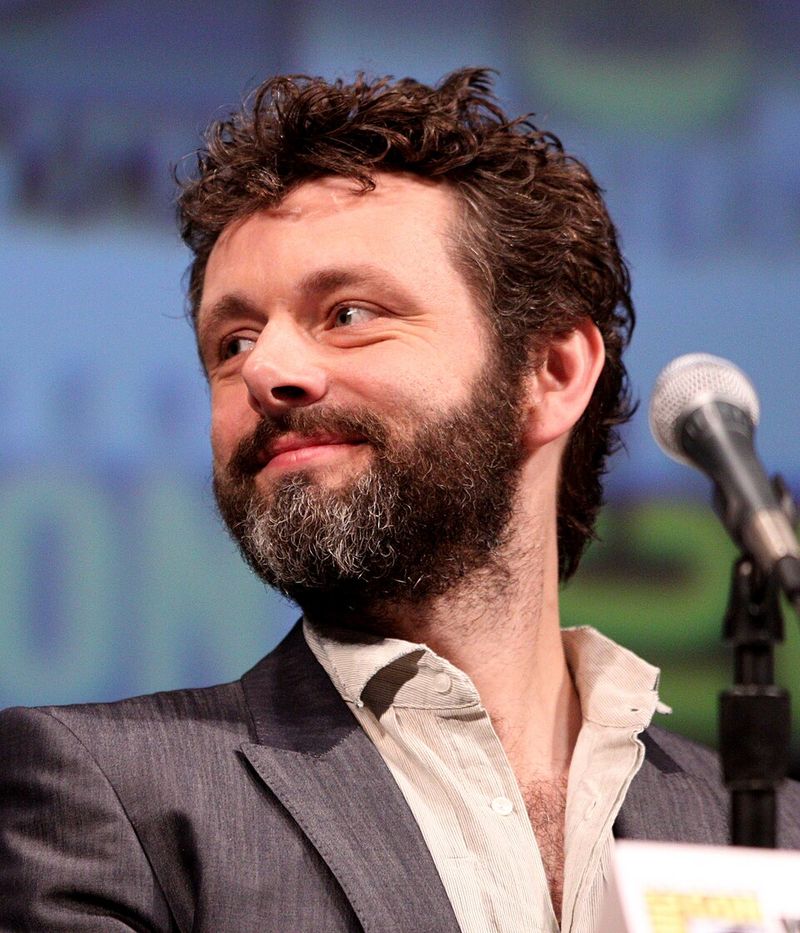
Panic, urgency, and permanent lateness all found the perfect voice in Michael Sheen’s White Rabbit. As Nivens McTwisp, Sheen brought a breathless tension that made every entrance feel one second away from complete panic.
Fast speech, nervous energy, and constant motion matched the character exactly, making him feel like someone whose entire schedule had collapsed before breakfast and never recovered.
For an actor who has played rulers and statesmen, that frantic rabbit is oddly relatable.
10. Christopher Lee Voices The Jabberwocky
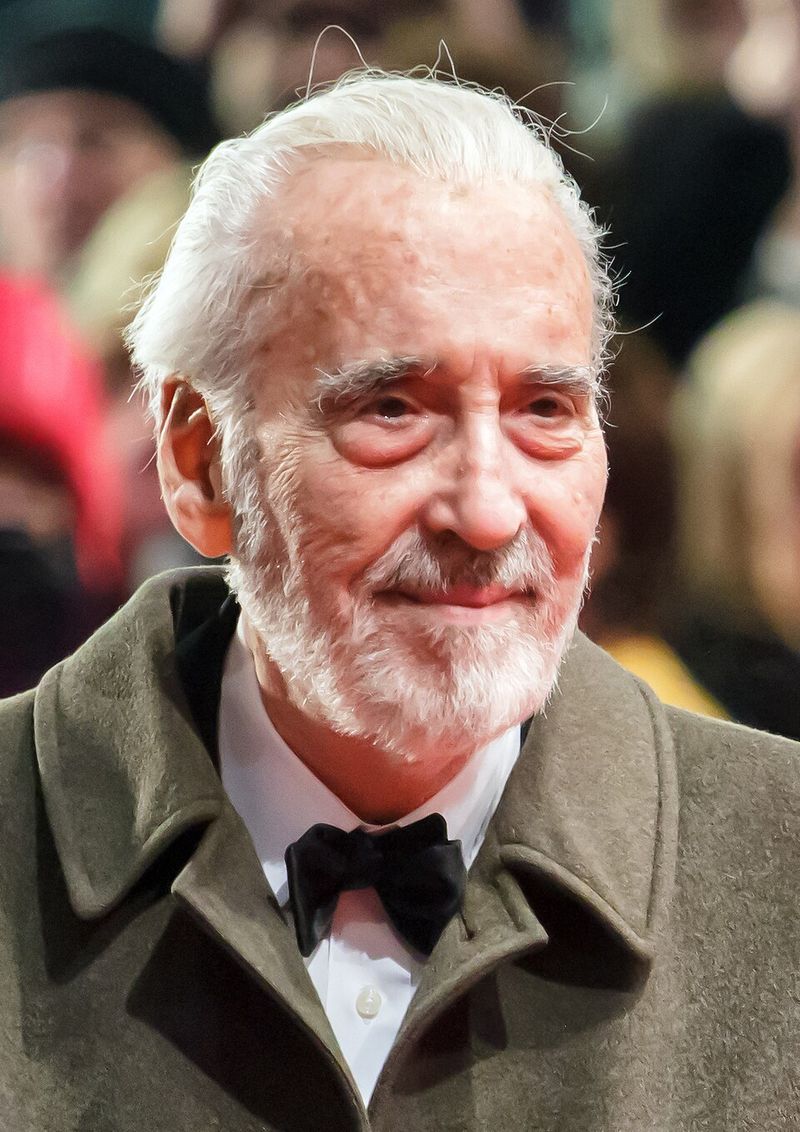
Christopher Lee voiced the Jabberwocky, and honestly, who else could make a nonsense word sound genuinely imposing?
Lee’s career included Dracula, Saruman, and Count Dooku, so voicing a massive dragon-like beast was practically a Tuesday for him. His deep, commanding delivery made the creature feel ancient and unstoppable.
The Jabberwocky is the kind of alarm clock that goes off at 6 a.m. and leaves you trembling under the covers.
9. Danny Elfman Composed The Score
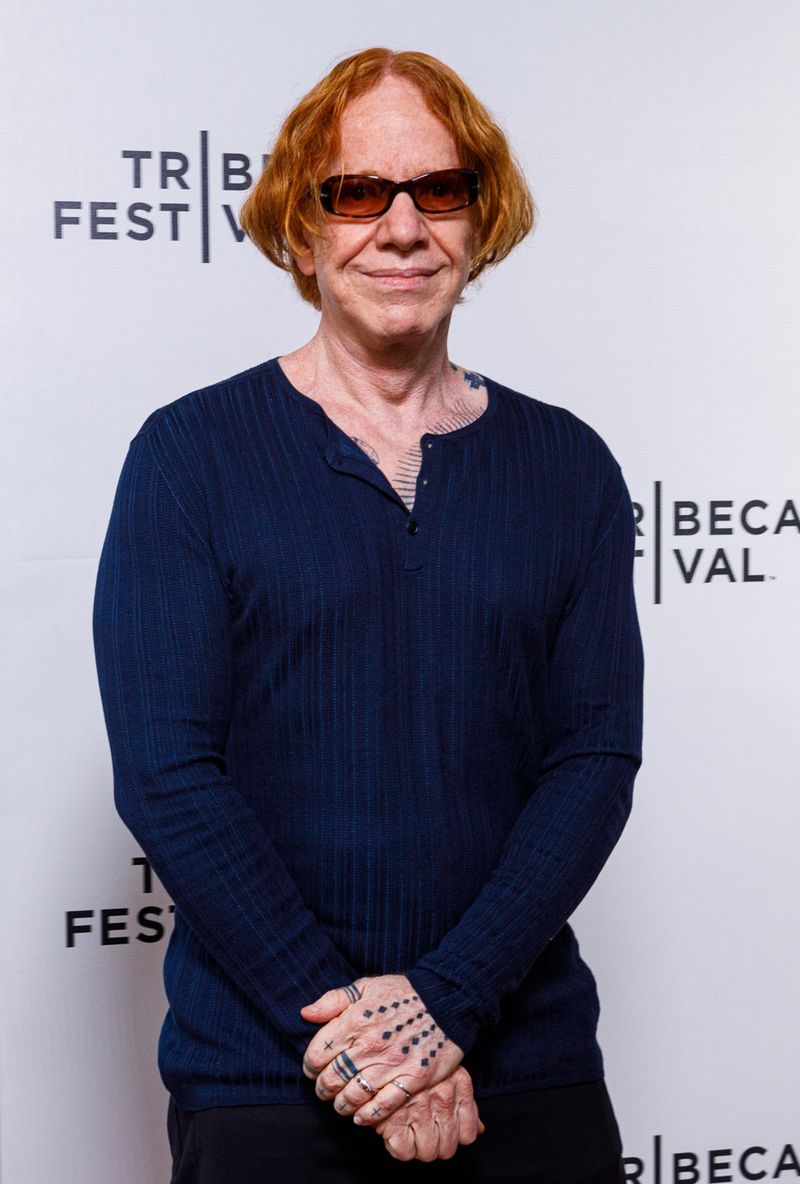
Long before Alice in Wonderland, Danny Elfman had already become one of Tim Burton’s most important creative partners.
Their collaboration stretched back to Pee-wee’s Big Adventure in 1985, and the music here continued that familiar artistic connection with ease.
Elfman’s score moved between whimsy and threat so naturally that it often signaled the film’s mood before the characters even spoke, guiding the audience through every strange turn. Burton’s worlds rarely sound complete without him nearby.
8. A Reimagining, Not A Retelling
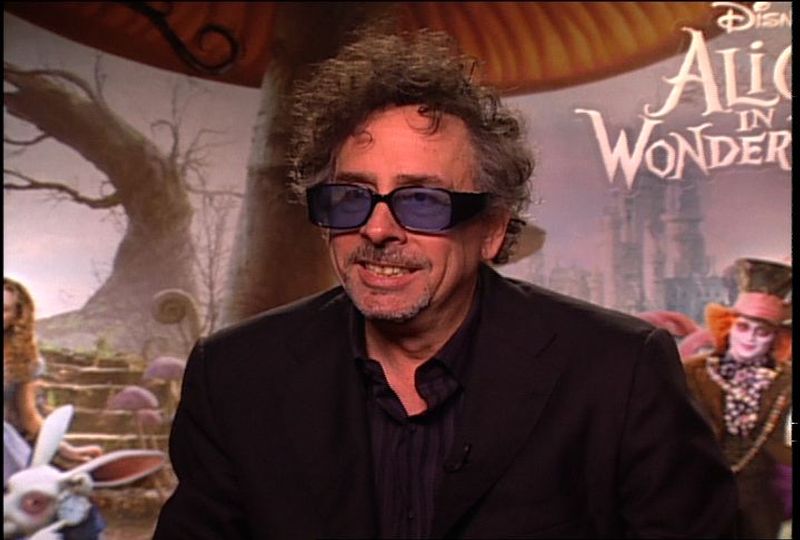
Straight adaptation was never really the goal here, since Burton’s version works more like a return than a simple retelling. Screenwriter Linda Woolverton pulled material from both Alice’s Adventures in Wonderland and Through the Looking-Glass, then built a story around an older Alice who no longer remembers her earlier visit.
That approach gave the film a different emotional texture, adding memory, distance, and a faint melancholy beneath all the spectacle.
Finding something forgotten suited the story better than starting from scratch.
7. Filmed At Antony House In Cornwall
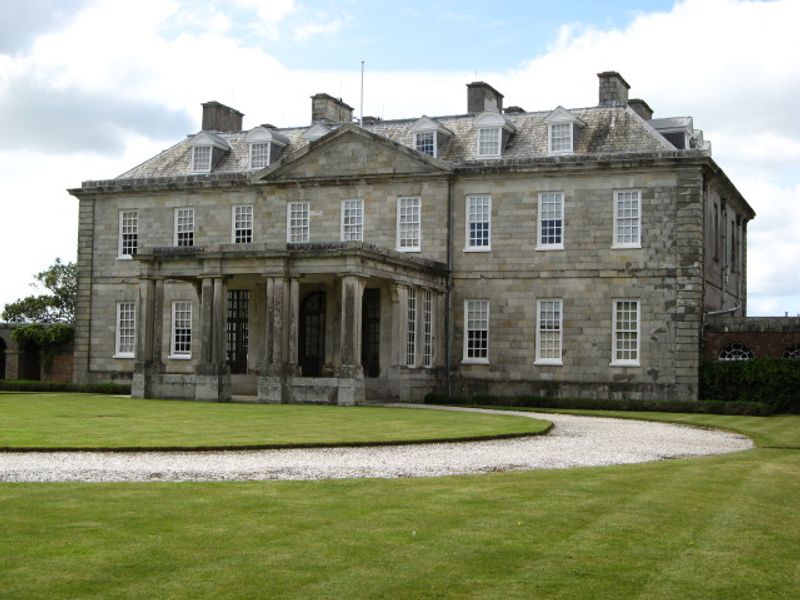
Antony House in Torpoint, Cornwall, served as the grand English estate featured in the film’s opening scenes.
The National Trust property provided the kind of stately, slightly overgrown elegance that perfectly set up Alice’s escape into a much stranger world below. Production crews also used other U.K. locations to capture that distinctly British atmosphere.
Standing in those gardens probably felt like being one rabbit hole away from everything.
6. London Premiere At Odeon Leicester Square
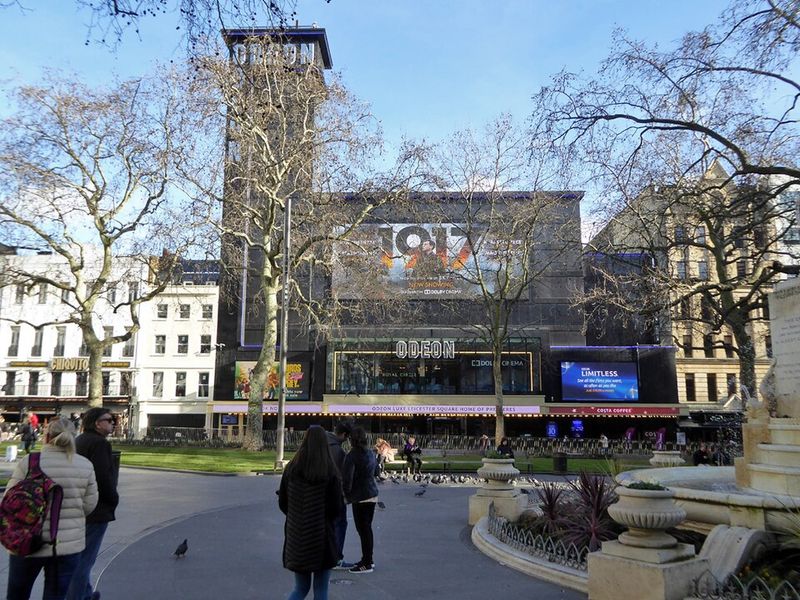
Leicester Square gave the film a suitably grand welcome when the London premiere took place on February 25, 2010.
Held at the Odeon Leicester Square, one of Britain’s best-known cinemas, the event brought in the cast and generated major attention ahead of release. Big premieres at that venue already come with a built-in sense of spectacle, and Burton’s version of Wonderland fit comfortably into that glamorous setting.
Top hats on a cold evening somehow sound exactly right for that occasion.
5. Released March 5, 2010
The film opened in the U.K. and U.S. on March 5, 2010, after premiering in London a few days earlier.
Releasing simultaneously in two major markets was a bold move that paid off spectacularly at the box office. The early March timing placed it perfectly ahead of spring break, giving families a reason to fill cinemas on a slow school-week afternoon.
Opening weekend numbers were, to put it plainly, enormous.
4. Runtime Of 108 Minutes
For a fantasy film loaded with visual detail, 108 minutes turned out to be a very efficient running time.
Burton managed to fit in character beats, effects-heavy sequences, and dense world-building without making the story feel bloated or overextended. Everything kept moving at a steady clip, which made the film feel fuller than its runtime might suggest while still avoiding the drag that often hits large-scale fantasy.
Checking the clock afterward probably came with some surprise.
3. A $200 Million Production Budget
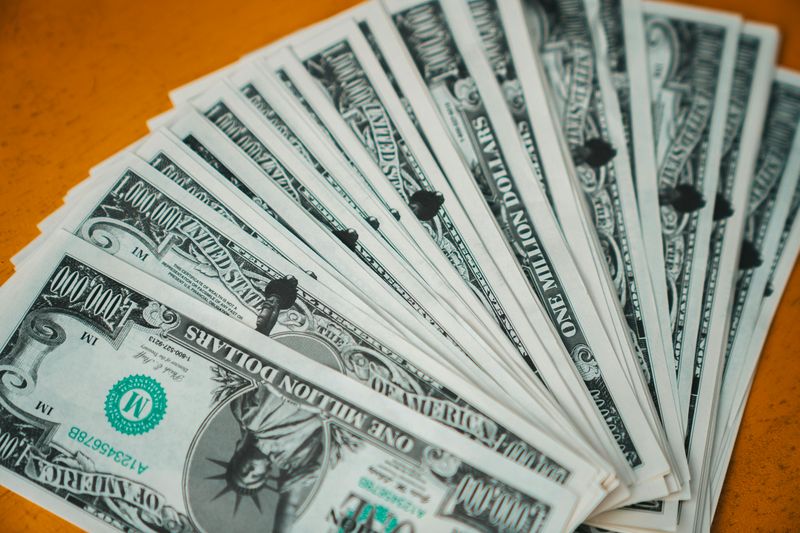
Money was clearly not in short supply, and the scale of the production made that obvious in nearly every frame. With a reported budget in the $150–$200 million range, the film had room to build a richly detailed world that relied heavily on visual effects, elaborate design work, and extensive digital enhancement.
From the Red Queen’s oversized head to the towering Jabberwocky, the spending showed up where audiences could actually see it.
Large budgets do not guarantee results, but this one looked expensive in the best way.
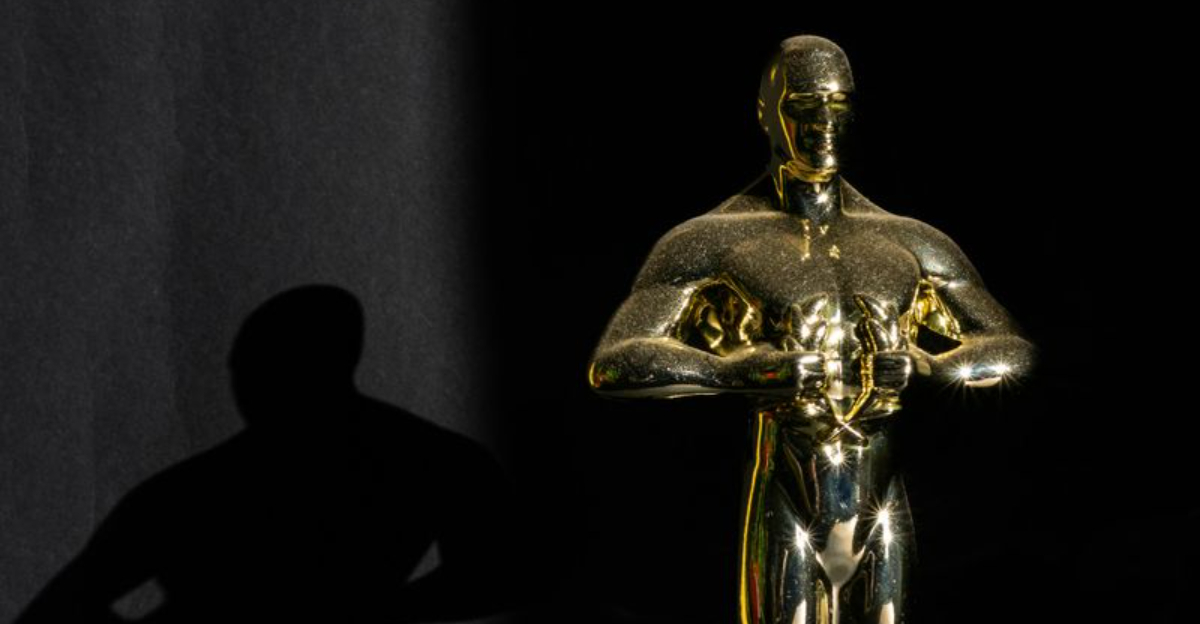
2. Won 2 Academy Awards
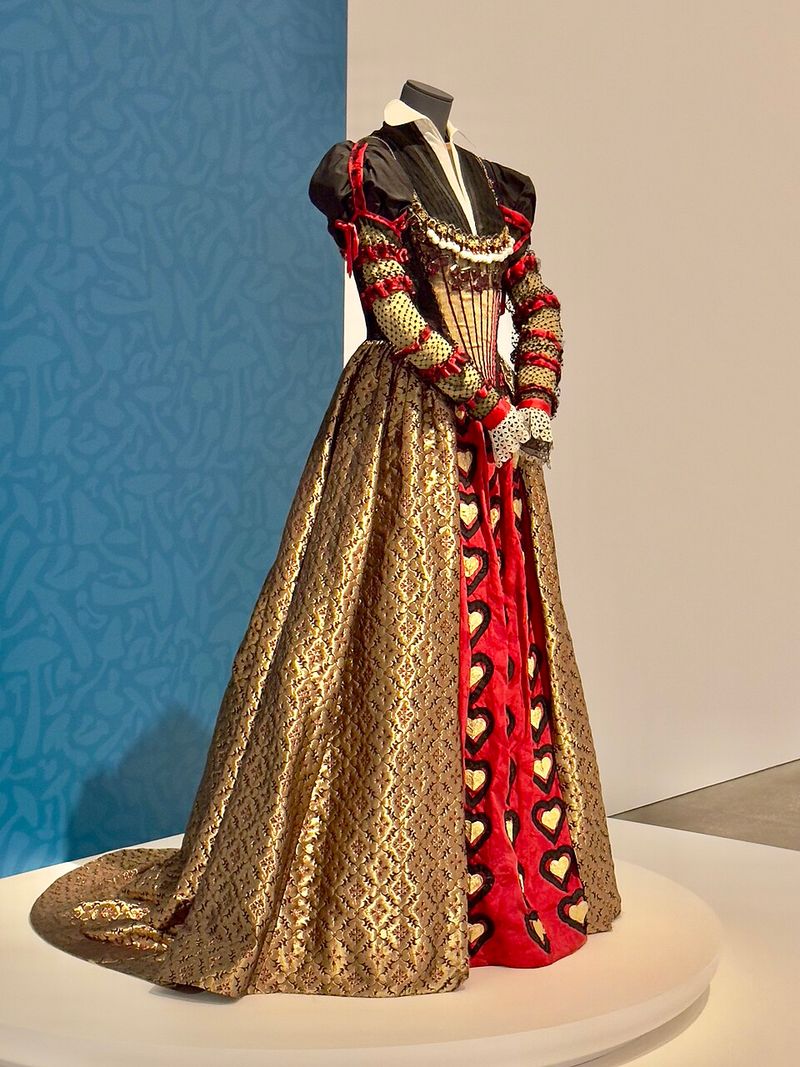
Awards recognition followed the film’s visuals, which came as no surprise to anyone who had seen those costumes and sets.
At the 83rd Academy Awards, the film won Best Art Direction and Best Costume Design after also being nominated for Best Visual Effects. Considering the sheer amount of invention packed into the wardrobe, environments, and visual palette, those wins felt like a natural extension of what audiences had already noticed.
More than 300 costumes from Atwood alone made that point pretty clearly.
1. Grossed Over $1 Billion Worldwide
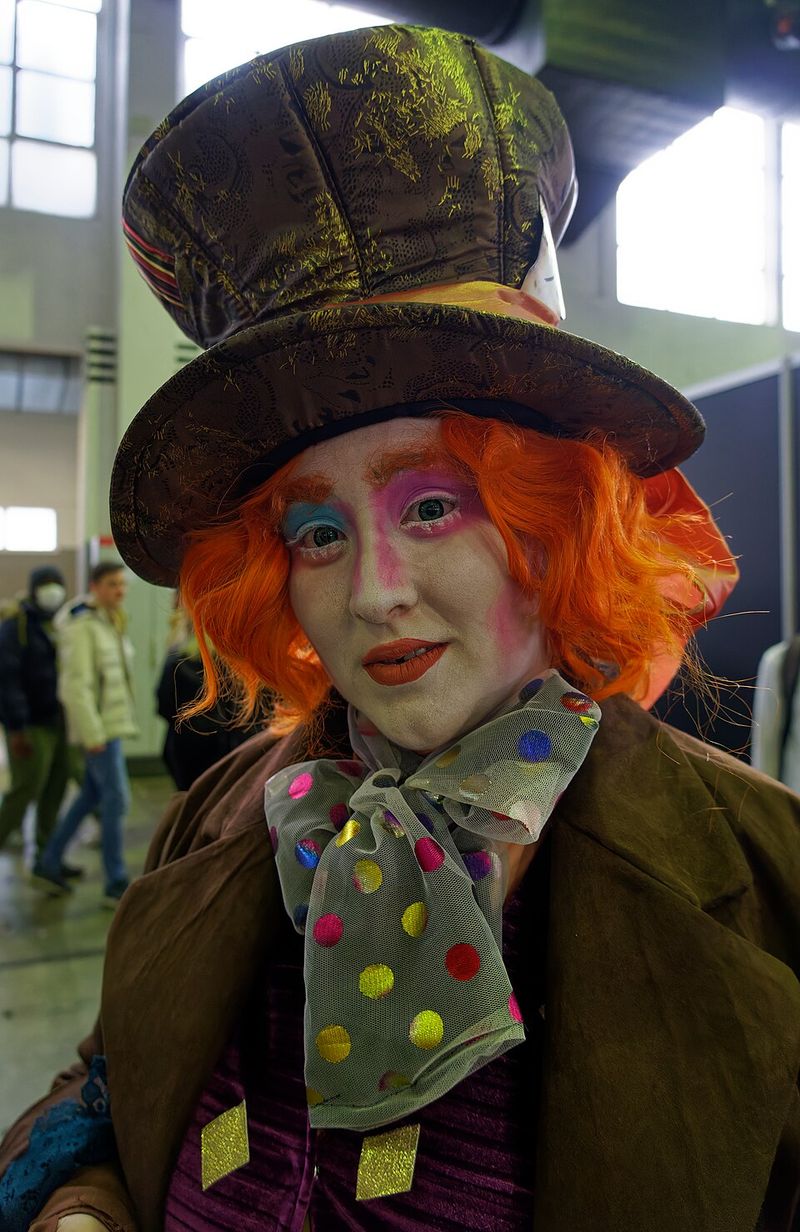
Box office success arrived on a massive scale, turning the film into one of the biggest hits of 2010.
With roughly $1.025 billion earned worldwide, Alice in Wonderland finished as the number-two film globally that year and became one of Disney’s first live-action titles to pass the billion-dollar mark.
That result proved Burton’s darker, heavily stylized version of fantasy had enormous mainstream reach. Studio executives probably slept very well after that.
Note: This entertainment feature has been reviewed for factual accuracy using publicly available film reference and box office sources available at the time of writing.
Production details, release information, awards, and major credits have been checked where possible, while commentary on performances and style remains interpretive.