Thought Provoking Films That Spark Real Debate
Some movies don’t end when the credits roll. They follow you to the car, sit at the dinner table, and suddenly turn a casual “so what did you think?” into a full-on conversation.
A thought provoking film can make smart people disagree without anyone being wrong, because the point isn’t a neat answer. The point is the friction.
One scene lands differently depending on your life, your values, and what you noticed in the background. That’s why the best debate starters feel almost alive.
They invite rewatches, they invite arguments, and they invite that slightly chaotic group chat spiral where everyone swears they saw a different movie. Call it art doing its job.
The films on this list aren’t designed to be passively consumed. They’re built to be discussed, challenged, and revisited when you’re ready to wrestle with them again.
1. Rashomon (1950)
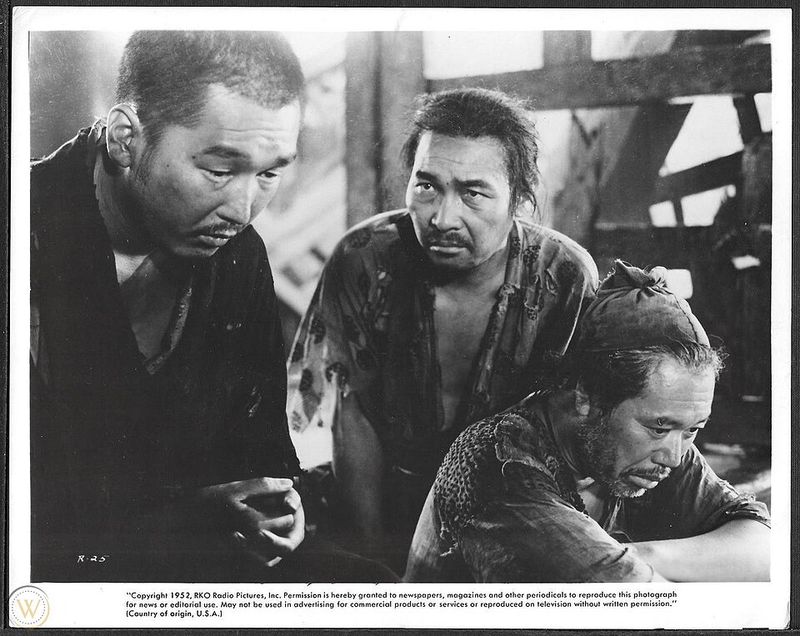
What happens when four people witness the same crime but tell four completely different stories?
Welcome to the mind-bending world of Rashomon, where truth becomes as slippery as a fish in water. Each character’s version feels convincing until the next one completely contradicts it.
Director Akira Kurosawa basically invented the unreliable narrator concept that movies still copy today.
The film forces you to question whether objective truth even exists or if everyone just sees reality through their own self-serving lens.
Spoiler alert: you’ll leave the theater trusting eyewitness testimony a whole lot less than before.
2. 12 Angry Men (1957)
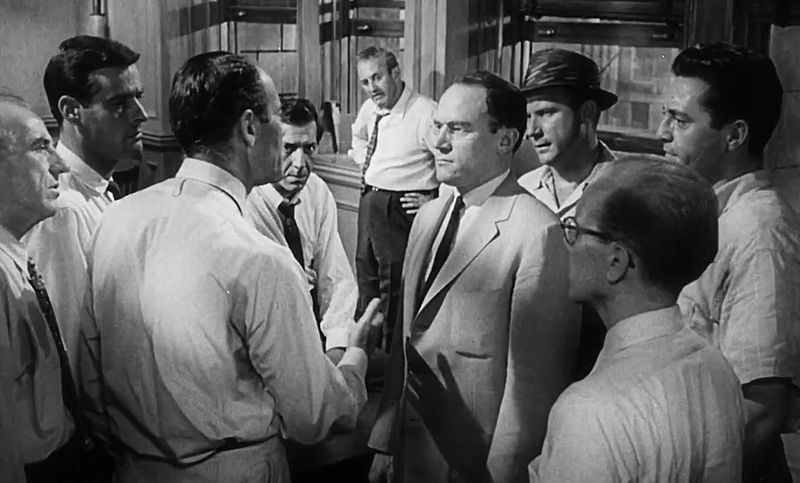
Picture this: twelve strangers locked in a sweltering room, one man’s life hanging in the balance, and only their votes standing between freedom and execution.
What starts as an open-and-shut case transforms into a masterclass on prejudice, assumptions, and the courage it takes to stand alone.
Every juror brings personal baggage that clouds their judgment, from racial bias to impatience to unresolved anger.
The film peels back layers of human nature, revealing how easily we let emotions override evidence.
3. Dr. Strangelove (1964)
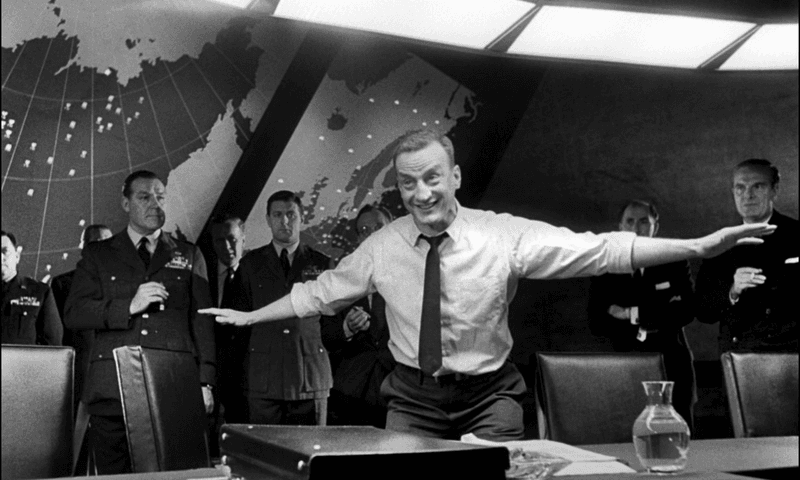
Imagine laughing hysterically while watching the world end. Sounds impossible, right?
Stanley Kubrick pulled it off by turning Cold War paranoia into the darkest comedy ever filmed.
The movie mocks military logic so brilliantly that you’ll wonder if anyone’s actually in charge of those big red buttons.
However, beneath the jokes lies genuinely terrifying commentary about mutually assured destruction and human stupidity.
Characters with names like Dr. Strangelove and General Buck Turgidson sound ridiculous until you realize they represent real attitudes from the era.
4. A Clockwork Orange (1971)

Can society force someone to be good, or does free will matter more than safety?
This shocking film throws that question in your face with unforgettable imagery and disturbing violence.
The main character commits terrible crimes, yet when authorities brainwash him into behaving, somehow that feels even worse.
Kubrick’s adaptation sparked massive controversy for its graphic content, getting pulled from British theaters for decades.
Though brutal to watch, it raises essential points about punishment, rehabilitation, and whether governments should control thoughts.
5. Network (1976)
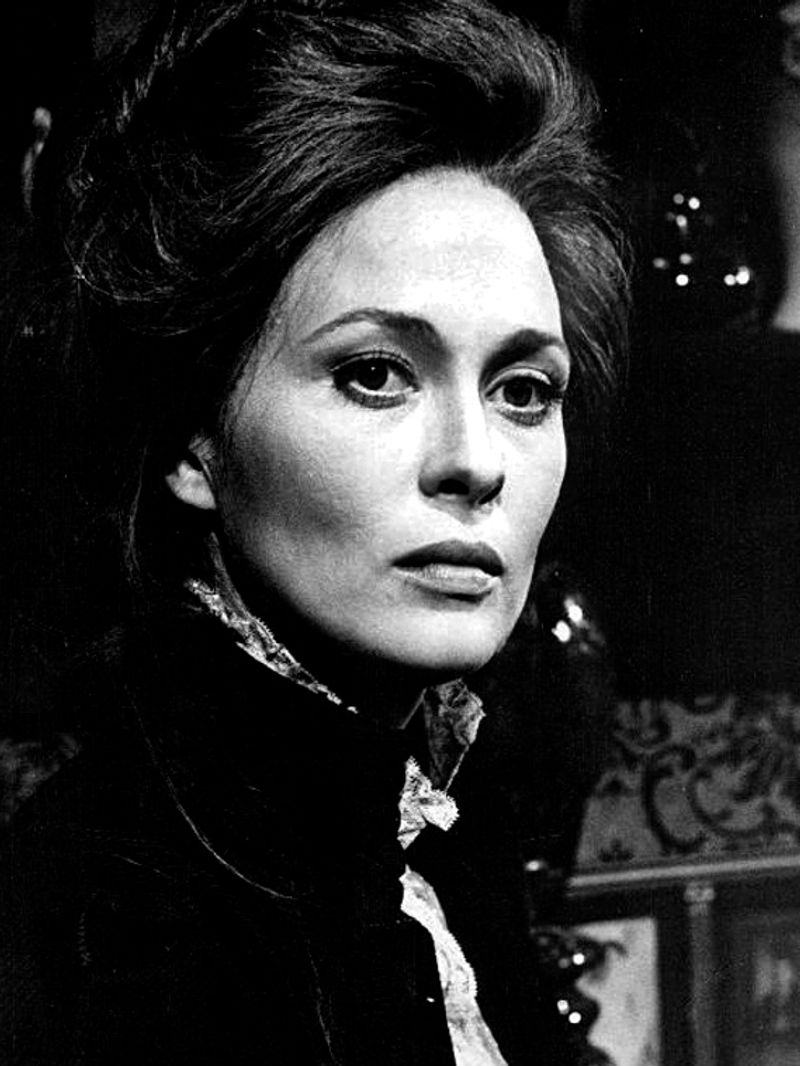
The iconic scream that predicted reality TV and our current media circus decades before they happened.
When a news anchor has a mental breakdown on live television, his network doesn’t fire him, they turn his rage into ratings gold.
The film savagely satirizes how television exploits anger and sensationalism for profit over truth.
Every character sells out their principles for better numbers, from executives to journalists to the unhinged anchor himself.
Watching it now feels less like fiction and more like a documentary about cable news channels.
6. Apocalypse Now (1979)

Francis Ford Coppola’s journey into the heart of darkness follows a soldier traveling upriver to take down a colonel who’s gone completely insane.
The deeper into the jungle he goes, the more the line between hero and villain dissolves completely.
Inspired by Joseph Conrad’s novel, the film uses Vietnam as a backdrop for exploring humanity’s capacity for evil.
Is the colonel crazy for embracing brutality, or is he the only honest person about war’s true nature? That question still haunts viewers nearly fifty years later.
7. American History X (1998)

Can someone truly escape a life of hatred and violence, or does the past always catch up?
An unflinching examination of white-supremacist ideology centers on a former extremist who tries to stop his younger brother from following the same destructive path.
The film doesn’t shy away from showing how hate groups recruit vulnerable young men with promises of belonging and power.
Edward Norton’s intense performance makes you understand how someone gets radicalized without ever excusing it.
8. Fight Club (1999)

An insomniac office worker teams up with a charismatic soap maker to create underground fight clubs where men reclaim masculinity through violence. Sounds simple, right? Wrong!
David Fincher’s adaptation twists into a mind-bending critique of consumer culture, masculine identity, and mental health that leaves audiences arguing about its meaning.
The film’s anti-establishment message got misinterpreted by some as promoting violence, while others saw brilliant satire about capitalism’s soul-crushing effects.
Two decades later, debates rage about whether it’s dangerously nihilistic or prophetically insightful about modern alienation.
9. Memento (2000)

Christopher Nolan’s breakthrough film tells its story backward, forcing viewers to experience the same confusion as the protagonist.
You discover clues in reverse, never sure who to trust or what’s actually real.
The structure isn’t just a gimmick; it makes you question how memory shapes identity and whether we ever truly know our own past.
Can you trust yourself when your brain constantly rewrites history? The film sparked endless debates about narrative structure, unreliable narrators, and the nature of truth itself.
10. Eternal Sunshine of the Spotless Mind (2004)

If you could erase every memory of a painful relationship, would you? Joel and Clementine undergo a procedure to forget each other completely after a brutal breakup.
But as Joel’s memories get deleted, he realizes he wants to keep them, even the heartbreaking ones, sparking a desperate race through his own disappearing mind.
Charlie Kaufman’s script brilliantly explores whether love’s pain outweighs its joy and if we’d be ourselves without our scars.
11. The Lives of Others (2006)

In 1980s East Germany, a secret police agent monitors a playwright suspected of disloyalty to the regime.
As he listens to every conversation, reads every letter, and records every movement, something unexpected happens: he starts caring about the people he’s surveilling.
The agent faces an impossible choice between duty and humanity.
This German masterpiece explores how authoritarian governments crush freedom through constant surveillance and fear.
However, it also shows how art and human connection can survive even the most oppressive systems.
12. Pan’s Labyrinth (2006)

A dark fairy tale unfolds as a young girl escapes into a magical world while living under a cruel stepfather during Spain’s fascist era – crafted with signature imagination by Guillermo del Toro.
Is the fantasy real, or just her imagination coping with unbearable trauma? The film never gives a clear answer, leaving audiences divided.
The contrast between whimsical creatures and brutal historical violence creates uncomfortable tension that forces viewers to confront how we use stories to process horror.
13. No Country for Old Men (2007)
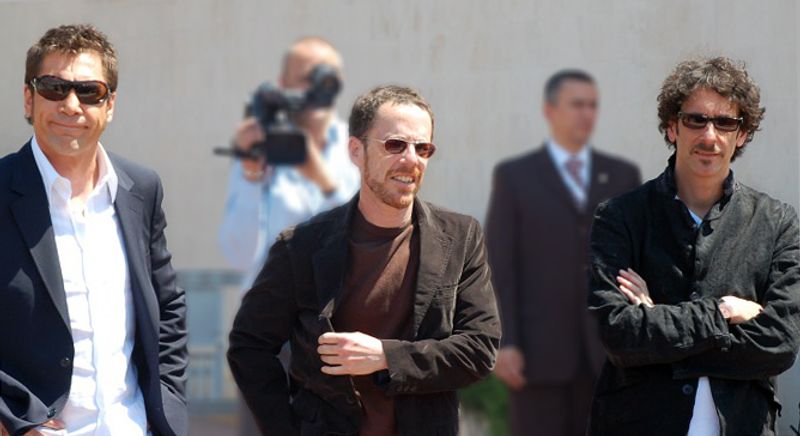
When a hunter stumbles upon drug money in the desert, he triggers a cat-and-mouse chase with the most terrifying villain in cinema history.
The Coen Brothers’ adaptation refuses traditional narrative satisfaction, ending abruptly without resolution.
The film’s bleakness sparked debates about whether evil can be defeated or if violence simply perpetuates itself endlessly.
Its refusal to provide closure frustrated some viewers while others praised its honest nihilism.
14. The Dark Knight (2008)

Christopher Nolan elevated superhero movies into serious moral philosophy by asking: what happens when an unstoppable force meets an immovable object?
Batman represents order and rules; the Joker embodies pure chaos. Their battle forces Gotham’s citizens to make impossible choices that reveal humanity’s capacity for both heroism and savagery.
The film tackles surveillance ethics, torture justification, and whether one person can break their principles for the greater good.
15. Parasite (2019)

Bong Joon-ho’s masterpiece starts as a dark comedy about a poor family scamming their way into working for a wealthy household, then transforms into something far more disturbing.
The basement revelation shifts everything, exposing how capitalism creates systems where the poor fight each other while the rich remain oblivious.
The final act’s explosive violence feels both shocking and inevitable.
The film sparked global conversations about class inequality, social mobility, and the invisible people who serve the wealthy.
Its Oscar wins proved international cinema could dominate Hollywood while delivering biting social commentary.