20 Timeless Photos That Tell The Story Of A Changing World
Photography has this superpower to freeze moments that change everything.
Some images capture the beauty of our planet from space, while others show brave people fighting for freedom and equality.
These twenty photographs aren’t just pretty pictures – they’re windows into the biggest shifts humanity has ever experienced, from the moon landing to the rise of the internet.
This article provides general historical and cultural commentary based on widely documented events and publicly available information.
20. Earthrise (Apollo 8, 1968)
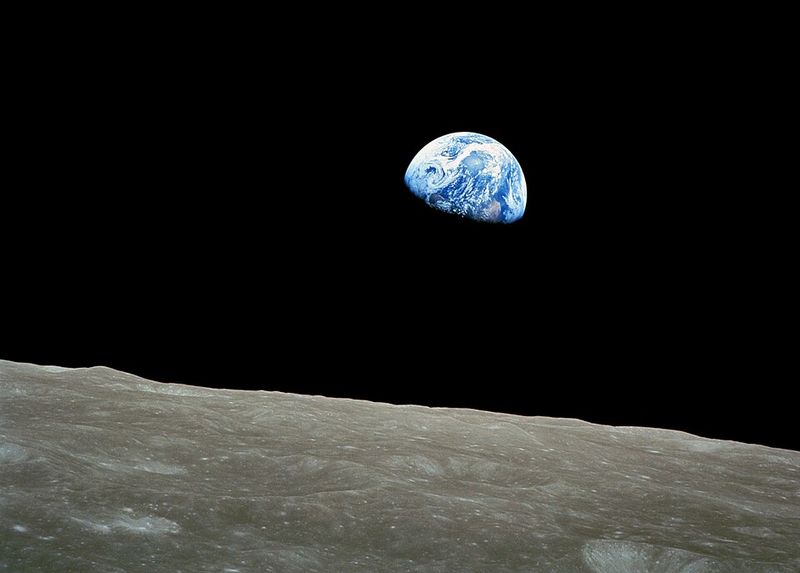
Astronaut William Anders snapped this view while orbiting the moon, and suddenly everyone saw our planet differently.
Earth looked like a fragile blue marble floating in endless darkness.
Before this, nobody really thought about how small and precious our home truly is.
This single frame sparked the environmental movement and made people realize we all share one tiny, beautiful world.
Talk about perspective!
19. The Blue Marble (Apollo 17, 1972)
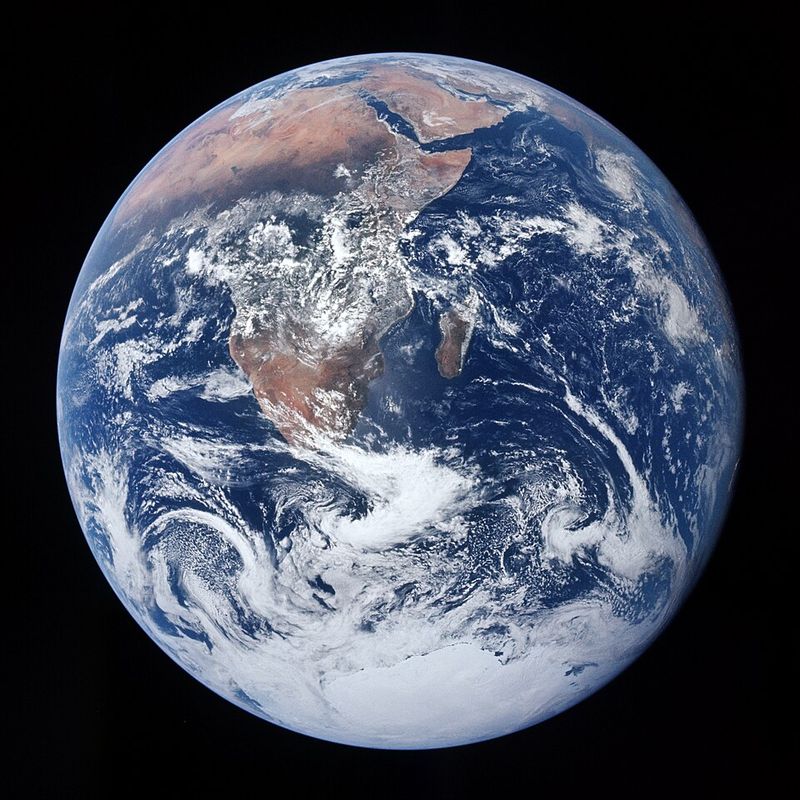
Four years after Earthrise, Apollo 17 astronauts captured the whole planet in full sunlight for the first time.
Africa and Antarctica gleamed beneath swirling clouds, reminding us that borders drawn on maps mean nothing from space.
Scientists still use this image to study weather patterns and climate change.
It became one of the most reproduced photographs in history, appearing on everything from textbooks to T-shirts.
18. Pale Blue Dot (Voyager 1, 1990)
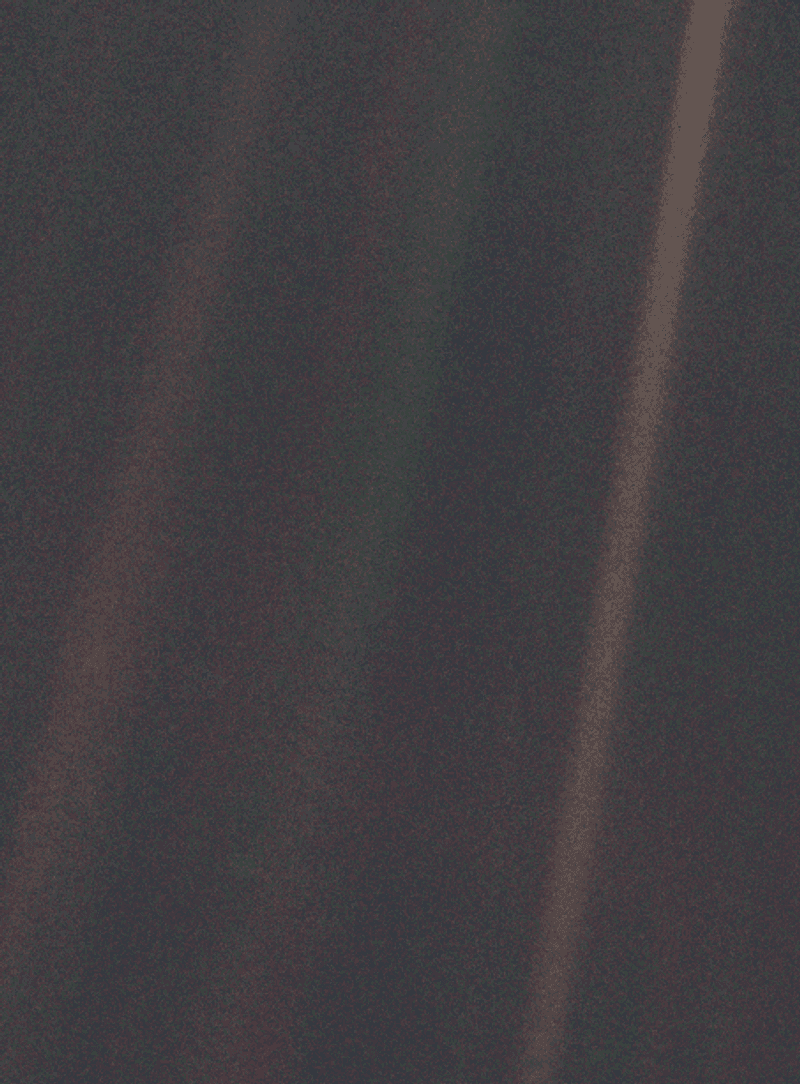
From nearly four billion miles away, Voyager 1 turned its camera back toward Earth and caught us as a tiny speck of light.
Carl Sagan called it a pale blue dot and wrote beautifully about how every human who ever lived existed on that pixel.
If Earthrise made us feel small, this made us feel microscopic – yet somehow more connected than ever.
17. Hubble Ultra Deep Field (2003–2004)
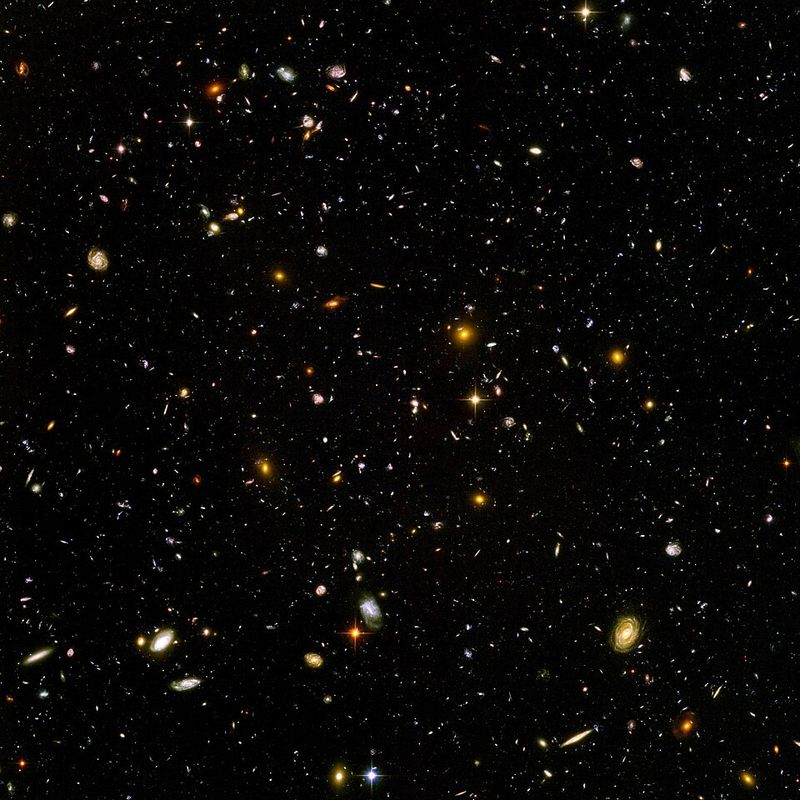
Hubble stared at a tiny patch of empty sky for months, and what it found blew everyone’s minds.
Thousands of galaxies – each containing billions of stars appeared where we thought there was nothing.
This photo proved the universe is way bigger and older than we ever imagined.
It’s like finding an entire ocean while looking through a keyhole, just saying.
16. Migrant Mother (Dorothea Lange, 1936)
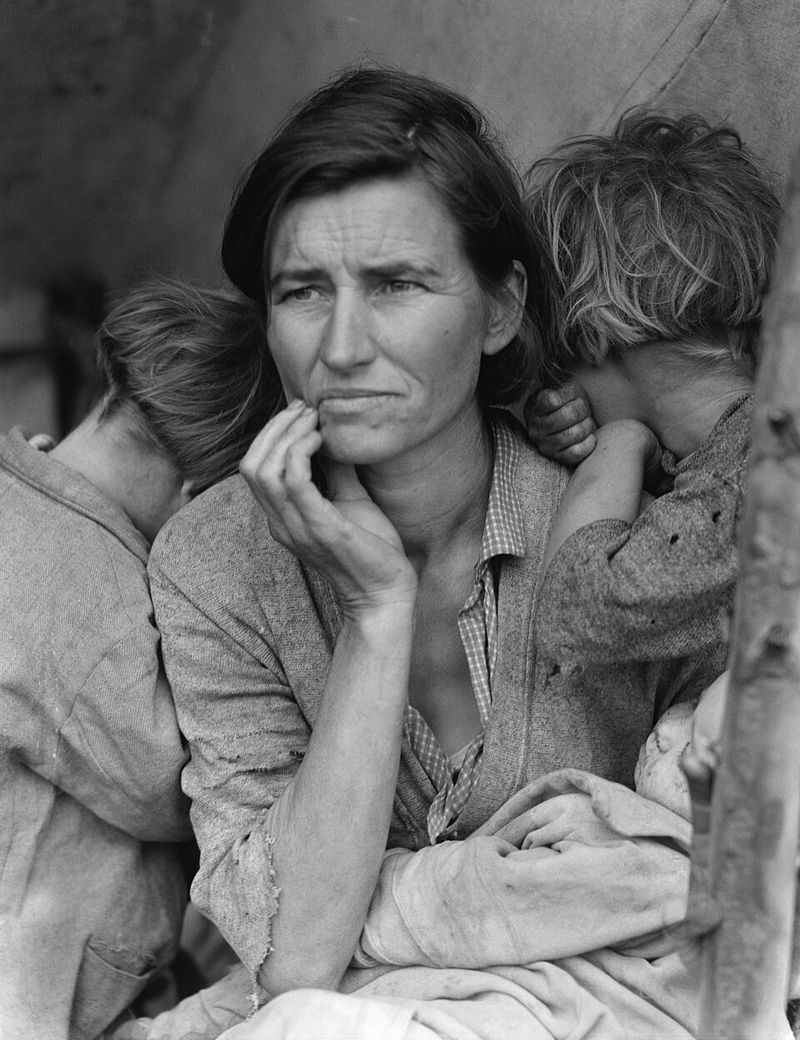
Florence Owens Thompson’s worried face became the symbol of the Great Depression’s crushing poverty.
Photographer Dorothea Lange captured this moment at a California pea-pickers camp, and the image shocked America into action.
Government aid programs expanded because people couldn’t ignore the suffering anymore.
Thompson’s strength and exhaustion still speak volumes about resilience during impossible times.
15. Lunch Atop A Skyscraper (1932)

Eleven construction workers munched sandwiches on a steel beam dangling 850 feet above Manhattan, and somehow nobody freaked out.
This iconic shot was actually a publicity stunt for Rockefeller Center, but it perfectly captured the fearless spirit of Depression-era workers.
These guys built America’s skyline without safety harnesses or second thoughts.
Their casual bravery still makes modern viewers dizzy!
14. First Flight Of The Wright Flyer (1903)
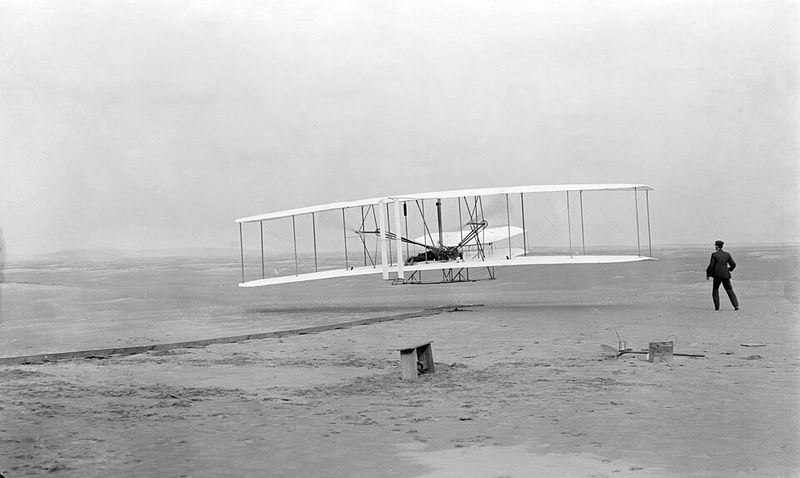
Orville Wright stayed airborne for twelve seconds and traveled 120 feet – less than the wingspan of a modern jumbo jet.
His brother Wilbur watched from the ground as human flight became reality at Kitty Hawk, North Carolina.
People had dreamed about flying for thousands of years, and these bicycle mechanics finally cracked the code.
Everything from family vacations to global trade changed because of this moment.
13. Buzz Aldrin On The Moon (1969)
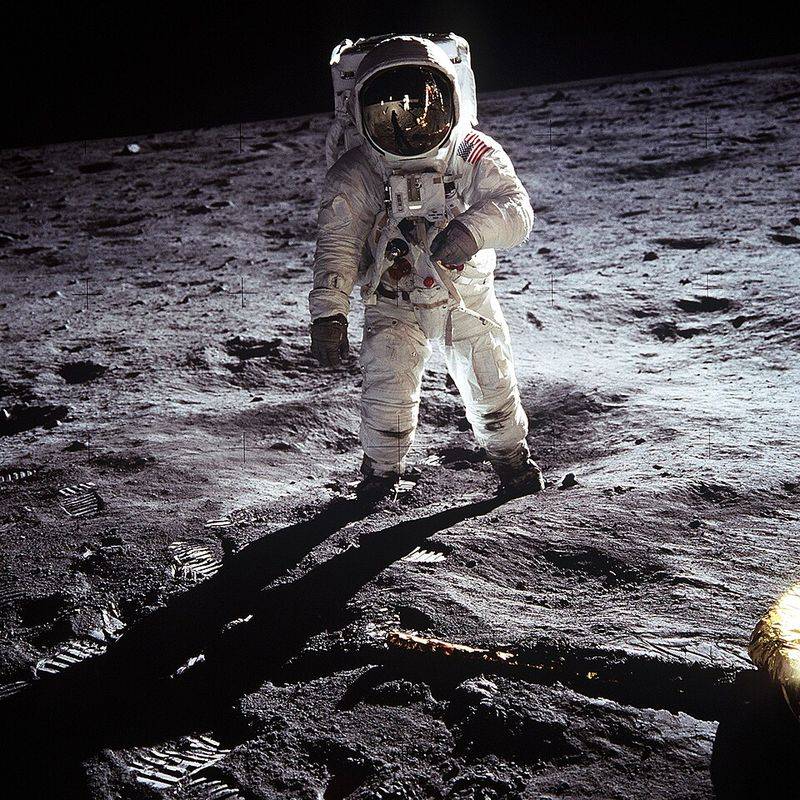
Neil Armstrong photographed Buzz Aldrin standing on the moon’s dusty surface, and you can see Armstrong reflected in Aldrin’s visor.
This wasn’t just one giant leap for mankind, it was proof that impossible dreams can come true with enough determination.
Kids around the world suddenly wanted to become astronauts.
The space race pushed technology forward faster than anyone expected, giving us everything from satellites to memory foam.
12. Earth’s City Lights At Night (1994-1995)
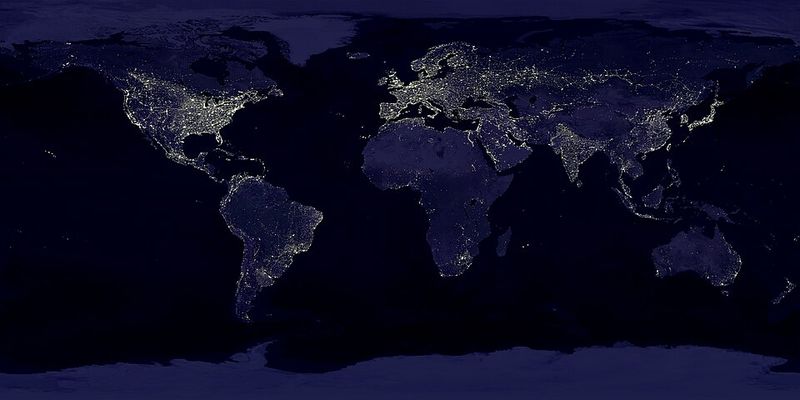
Satellite cameras captured every glowing city and town across the planet, creating a stunning map of human civilization.
Bright clusters mark major cities while dark patches show wilderness and oceans.
This composite image reveals how unevenly humans spread across Earth – and how much energy we consume just to light up the night.
It’s basically humanity’s footprint seen from space, and it keeps growing brighter every year.
11. United Nations General Assembly Hall
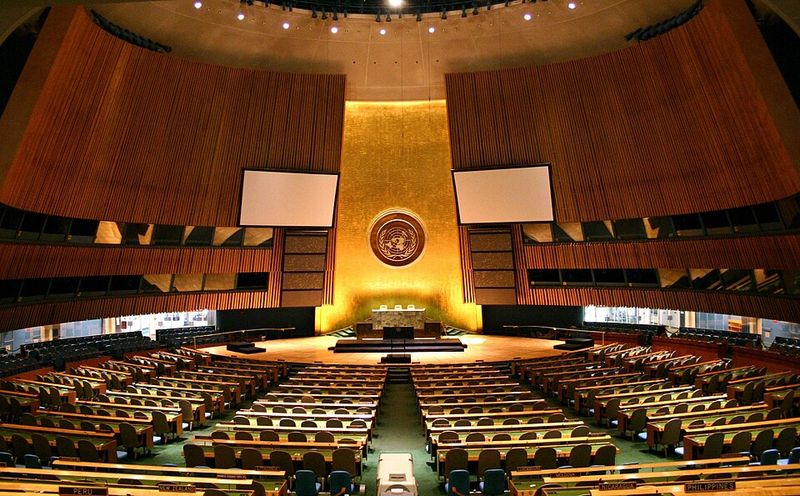
After World War II devastated the globe, nations created this room where countries could talk instead of fight.
The UN General Assembly Hall in New York represents humanity’s hope that diplomacy beats warfare.
Sure, the UN isn’t perfect, but it’s given smaller nations a voice and helped prevent another world war.
Every seat in this chamber represents millions of people hoping for peace and cooperation.
10. Gandhi At The Spinning Wheel
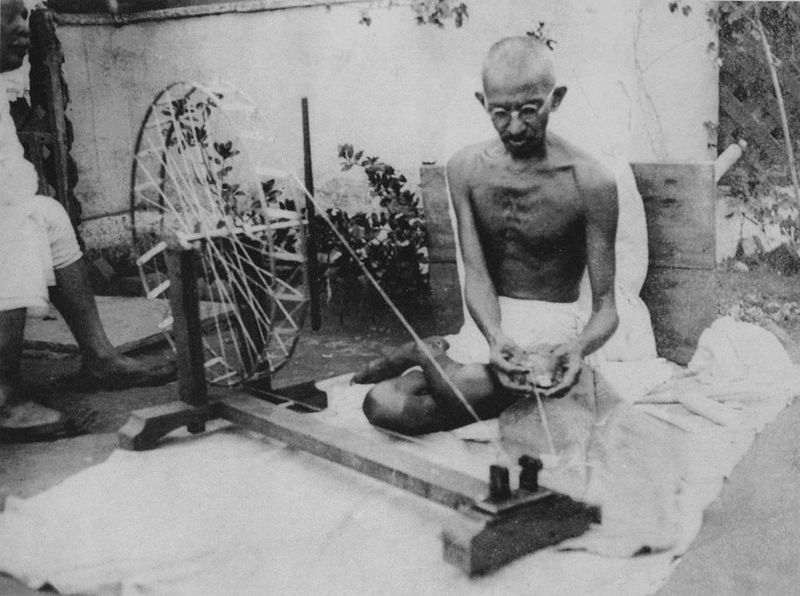
Gandhi’s spinning wheel became a weapon more powerful than any army.
By making his own cloth instead of buying British imports, he showed Indians how to resist colonialism peacefully.
This simple act of spinning thread inspired millions to join the independence movement without throwing a single punch.
Sometimes the quietest protests create the loudest change, proving that nonviolence can topple empires.
9. Martin Luther King Jr. At The Lincoln Memorial (1963)
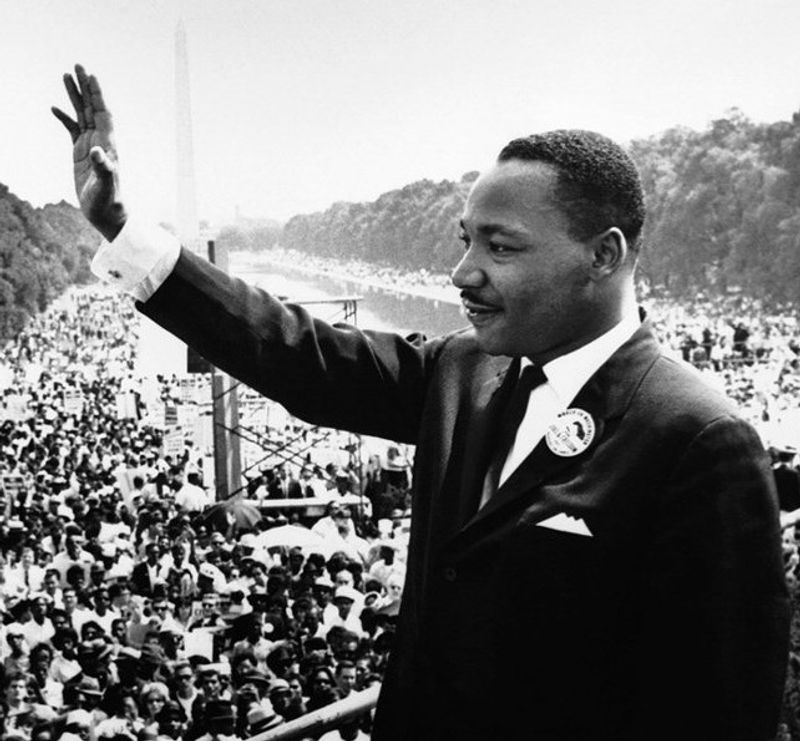
Standing where Lincoln once freed enslaved people, Dr. King shared his dream with 250,000 marchers and millions watching on television.
His speech didn’t just demand civil rights, it painted a vision of America where character matters more than skin color.
Though progress came slowly and painfully, this moment pushed the nation toward justice.
King’s words still echo whenever people fight inequality anywhere.
8. Nelson Mandela Meeting Supporters (1990)

After twenty-seven years behind bars, Mandela walked free and chose forgiveness over revenge.
This photo captures him greeting supporters who never stopped believing he’d return.
Instead of tearing South Africa apart with anger, he helped build a new nation where everyone could vote regardless of race.
His example taught the world that reconciliation heals better than retaliation, even after decades of injustice.
Due to copyright, we were unable to attach the picture of meeting supporters.
7. People Atop The Berlin Wall (1989)
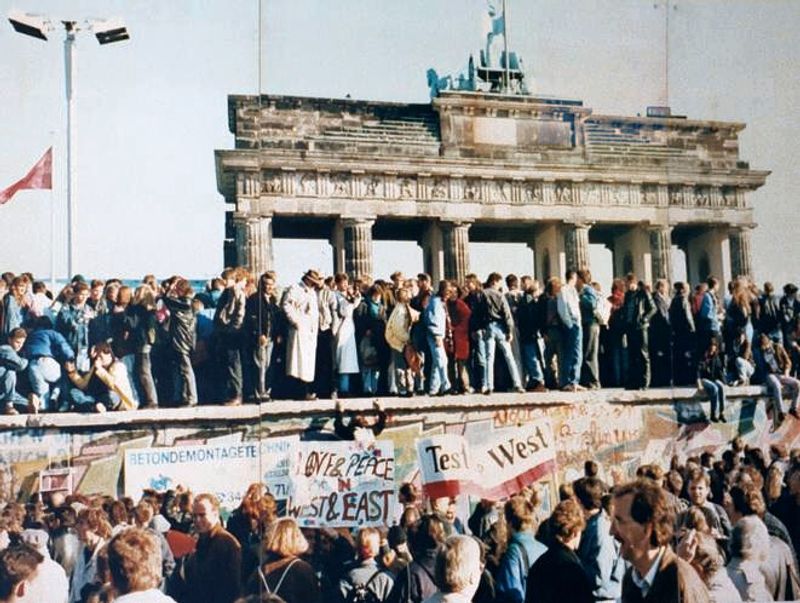
For twenty-eight years, the Berlin Wall split families, friends, and an entire city between communism and democracy.
When it finally fell, people danced on top of it and smashed it with hammers, celebrating freedom with tears and laughter.
This moment marked the beginning of the end for the Soviet Union and the Cold War.
Pieces of that hated wall now sit in museums worldwide as reminders that division never lasts forever.
6. Human Computer With IBM 704 (1959)

Before smartphones fit in our pockets, computers filled entire rooms and needed teams of specialists to operate them.
This IBM 704 could perform thousands of calculations per second – impressive for 1959, but your calculator watch does more.
Women called human computers did complex math by hand before these machines existed.
The digital revolution started here, with room-sized boxes that eventually shrank down to power everything from cars to refrigerators.
5. First Web Server At CERN
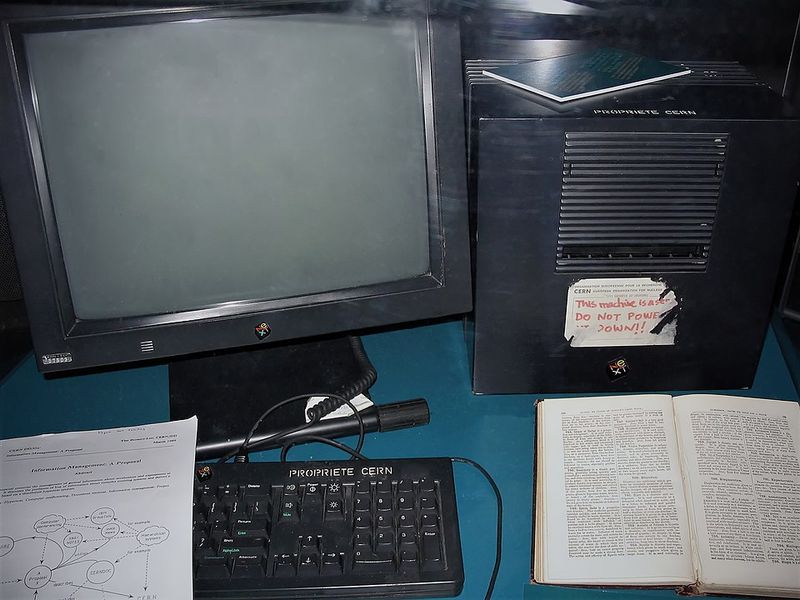
Tim Berners-Lee stuck a handwritten note on this computer warning people not to shut it down because it was running the world’s first website.
That NeXT workstation at CERN laboratory in Switzerland became the birthplace of the World Wide Web in 1990.
Today, billions of websites exist because Berners-Lee wanted scientists to share information more easily.
He gave his invention away for free instead of getting rich – talk about changing the world!
4. Topaz Solar Farm In California
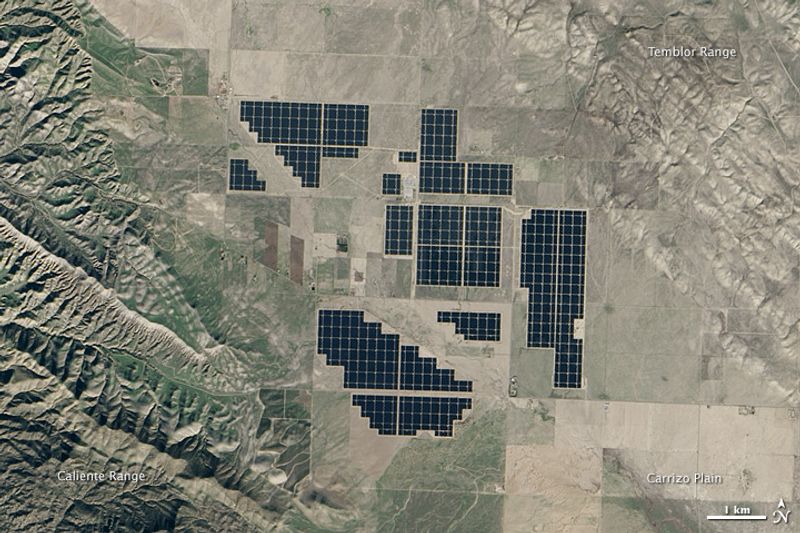
Nine million solar panels blanket California’s desert, turning sunlight into enough electricity to power 180,000 homes.
Topaz Solar Farm proves that renewable energy isn’t just an idealistic dream, it’s practical, profitable, and getting cheaper every year.
As climate change threatens our future, projects like this show we can power civilization without destroying the planet.
The sun sends us more energy in one hour than humanity uses in a year, so why not catch it?
3. Healthcare Workers Wearing PPE During COVID-19

When coronavirus swept across the globe, doctors and nurses suited up in masks, shields, and gowns to save lives while risking their own.
These modern-day superheroes worked exhausting shifts as hospitals overflowed with patients.
Their courage reminded everyone that healthcare workers are essential heroes, not just during pandemics but every single day.
This image captures both humanity’s vulnerability and our capacity for selfless bravery.
2. Remote Learning In Kerala (First Bell Program)
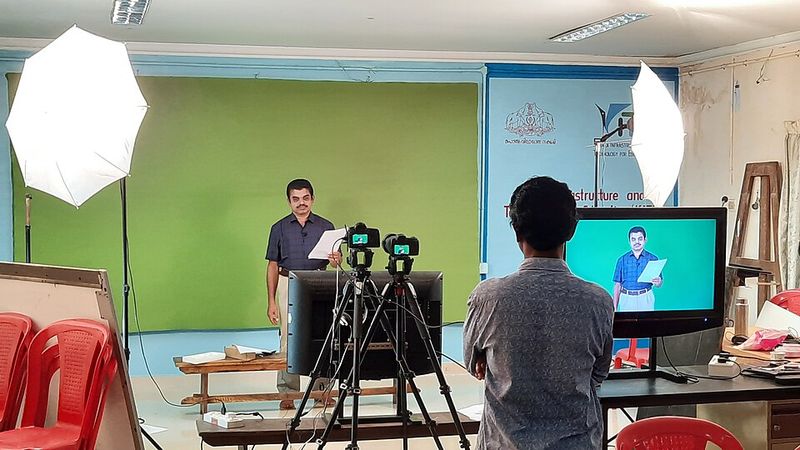
When schools closed during the pandemic, Kerala launched First Bell to broadcast lessons on television so every student could keep learning.
Kids watched teachers on screens instead of sitting in classrooms, proving education can adapt to anything.
Not every family had computers or internet, but most had TVs, making this solution brilliantly practical.
Crisis pushed education into the future faster than anyone planned, changing how we think about teaching forever.
1. Tim Berners-Lee’s Computer At CERN (Birthplace Of The Web)
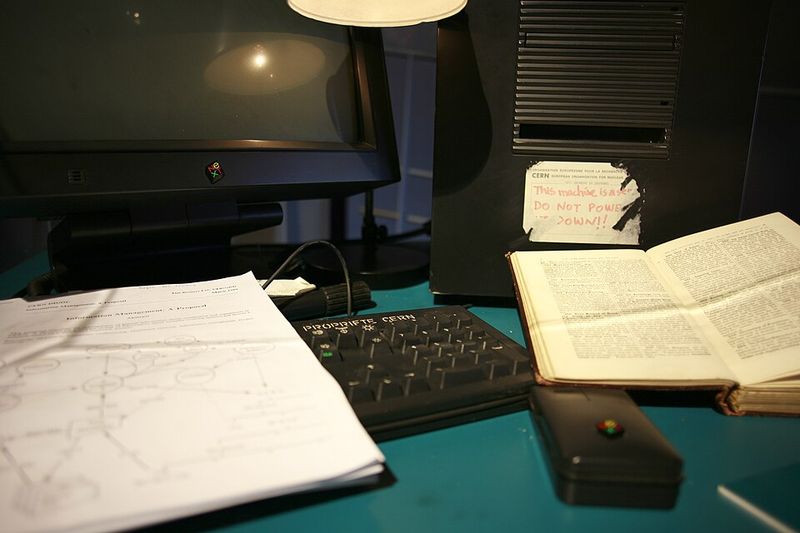
This NeXT workstation changed human history more than most people realize.
Berners-Lee used it to write the first web browser, the first web server, and the first web page – basically inventing the internet as we know it.
Without his work on this machine, there’d be no social media, no online shopping, no streaming videos, and definitely no viral cat memes.
Sometimes world-changing inventions start with one person and one computer.