17 Beautiful U.S. Towns That Got Too Famous For Their Own Good
Ever stumbled upon a charming small town, only to find it overrun with tourists and traffic?
Some of America’s most picturesque destinations have become victims of their own beauty.
Once-quiet streets now buzz with crowds, and locals struggle to maintain the peaceful charm that made these places special in the first place.
1. Bar Harbor, Maine
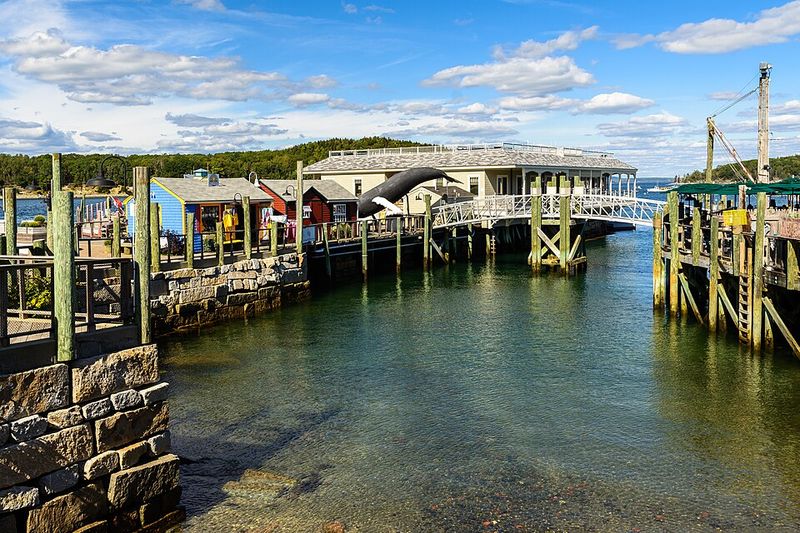
Perched on Mount Desert Island, this coastal gem once offered serene ocean views and quiet hiking trails.
Now, cruise ships dump thousands of visitors daily during peak season, transforming tranquil streets into congested tourist traps.
Local residents complain about skyrocketing housing costs as vacation rentals dominate the market.
Finding parking near Acadia National Park feels like winning the lottery, and restaurant wait times stretch for hours during summer months.
2. Kailua, Hawaii
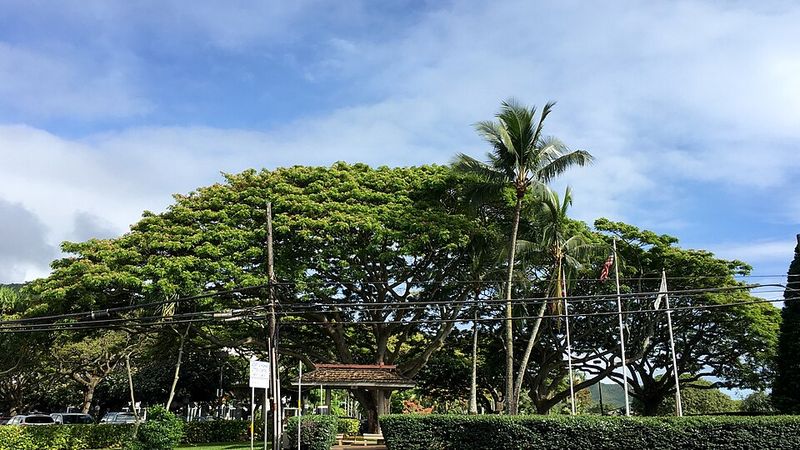
What started as a sleepy beach community has morphed into an Instagram hotspot thanks to celebrity sightings and social media fame.
The once-pristine shores now struggle with parking shortages and overflowing trash bins on weekends.
Native Hawaiian families face displacement as wealthy mainlanders snap up properties for vacation homes. Traffic crawls through town, and the laid-back aloha spirit feels increasingly strained under tourist pressure.
3. Big Sur, California
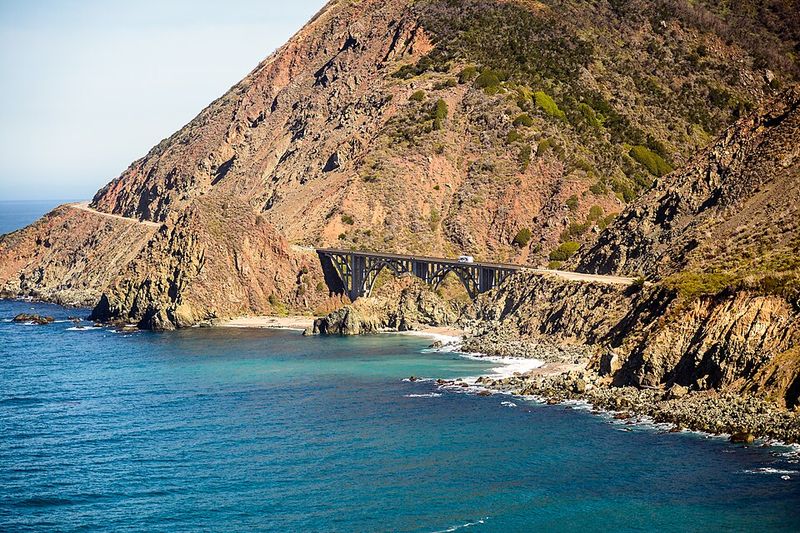
Dramatic cliffs plunging into the Pacific created one of the world’s most photographed coastlines, but fame has brought serious consequences.
Highway 1 experiences constant traffic jams, with tourists stopping dangerously mid-road for selfies.
Wildfire risks increase as visitor numbers surge, and limited infrastructure struggles to handle waste management.
Locals reminisce about days when you could actually enjoy the view without dodging selfie sticks.
4. Myrtle Beach, South Carolina
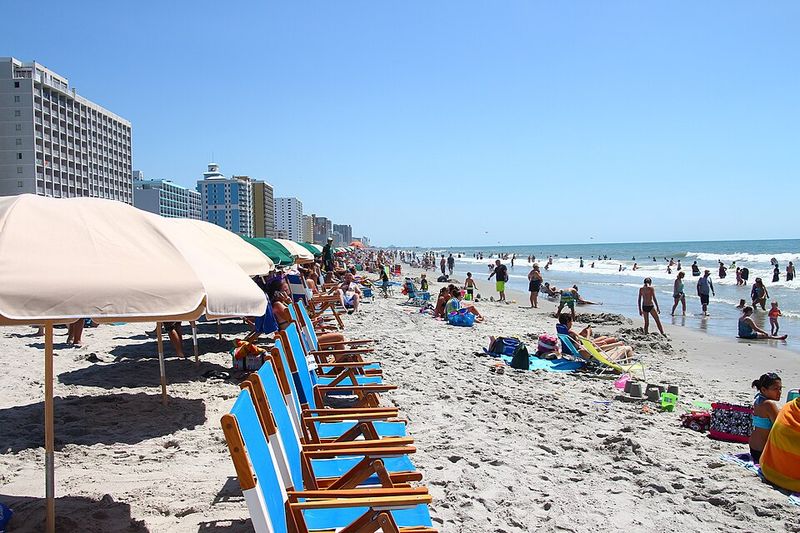
From a quiet fishing village to a neon-lit tourist machine, this transformation happened faster than a beach umbrella flipping in the wind.
Spring break crowds and motorcycle rallies bring chaos that lasts well beyond summer.
The natural dune ecosystem has been bulldozed for endless hotels and miniature golf courses.
Traffic gridlock defines the experience, and the authentic Southern coastal charm has been buried under commercial development.
5. Jerome, Arizona
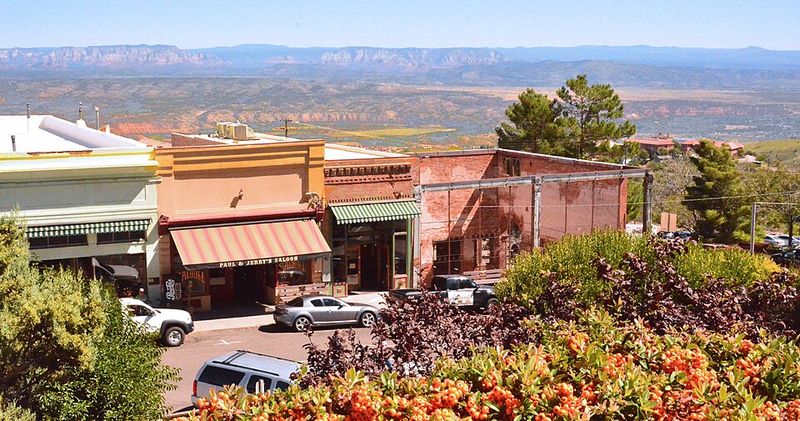
Clinging to Cleopatra Hill at a precarious angle, this former ghost town attracted artists and history buffs seeking authenticity. Success backfired spectacularly when tour buses discovered the quirky shops and haunted hotel stories.
Narrow mountain roads never designed for heavy traffic now bottleneck constantly. Parking has become nearly impossible on weekends, and the bohemian artist vibe gets drowned out by souvenir shop proliferation.
6. Tombstone, Arizona
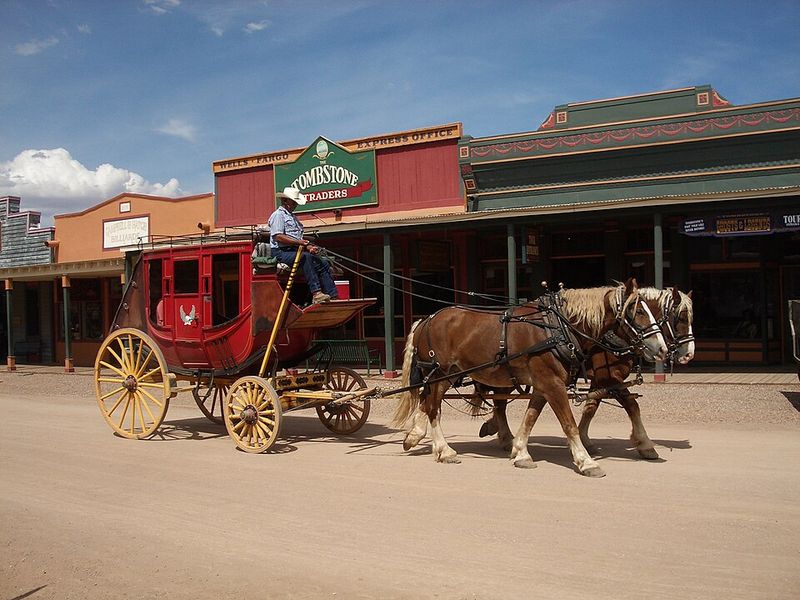
Wyatt Earp probably never imagined his famous gunfight would spawn an entire tourist industry centuries later.
Authentic Old West history now competes with cheesy reenactments and overpriced saloons catering to bus tours.
The town has become more theme park than historical site, with actors outnumbering genuine artifacts.
Summers bring sweltering heat and shoulder-to-shoulder crowds shuffling down dusty streets lined with trinket shops.
7. Jackson, Wyoming
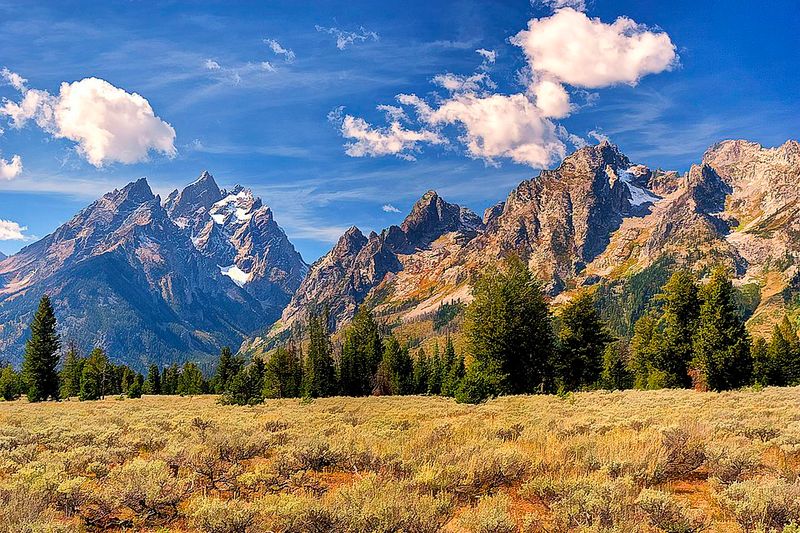
Dana Hutchinson, licensed under CC BY 3.0. Via Wikimedia Commons.
Gateway to Grand Teton and Yellowstone, this mountain town has become a playground for billionaires and celebrities seeking rustic luxury. Working-class families who built the community can no longer afford to live there.
Million-dollar condos replace modest homes, and service workers commute hours from affordable areas.
Ski resort expansion continues despite environmental concerns, and the authentic cowboy culture feels increasingly manufactured for tourist consumption.
8. Kennebunkport, Maine
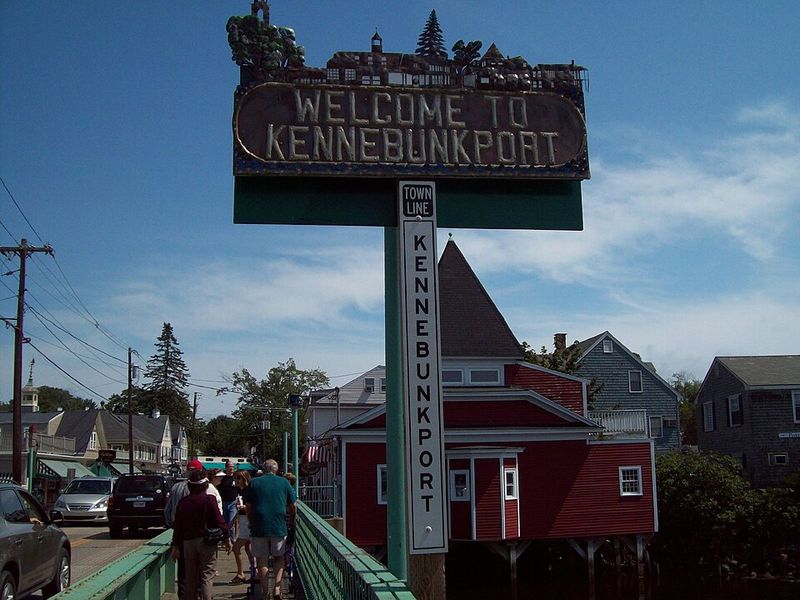
Presidential vacations put this fishing village firmly on the map, attracting wealth and attention that forever changed its character.
Lobster shacks now share space with luxury boutiques, and traffic snarls the historic downtown throughout summer.
Wealthy second-home owners dominate the real estate market, pushing out generations of fishing families.
What was once an authentic maritime community now caters primarily to tourists seeking New England charm in carefully curated doses.
9. Moab, Utah
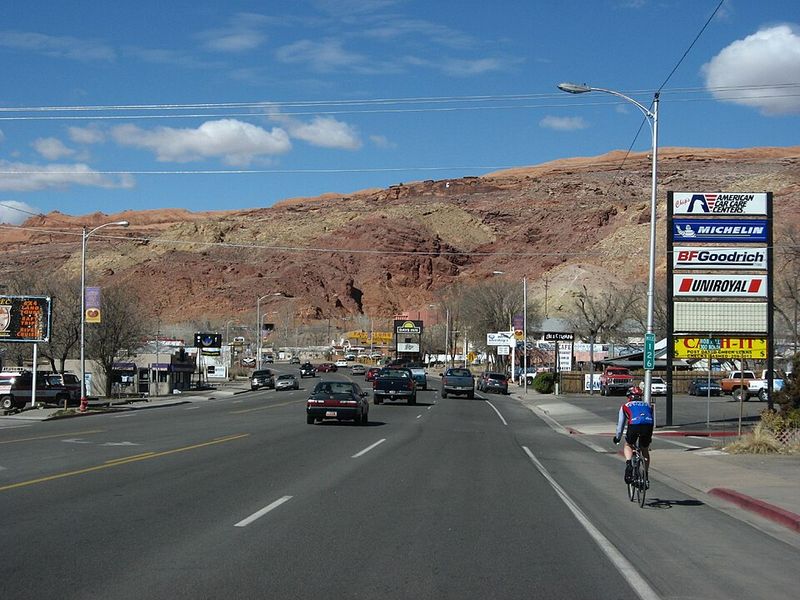
Adventure seekers discovered this desert gateway to Arches and Canyonlands, transforming it from sleepy uranium town to outdoor recreation mecca.
Mountain bikers, jeepers, and hikers now overwhelm trails designed for far fewer visitors.
Campgrounds fill instantly, and fragile desert ecosystems suffer from overuse and illegal camping.
Housing costs have exploded, forcing service workers into distant communities, while traffic and noise pollution disrupt the natural serenity.
10. Sedona, Arizona
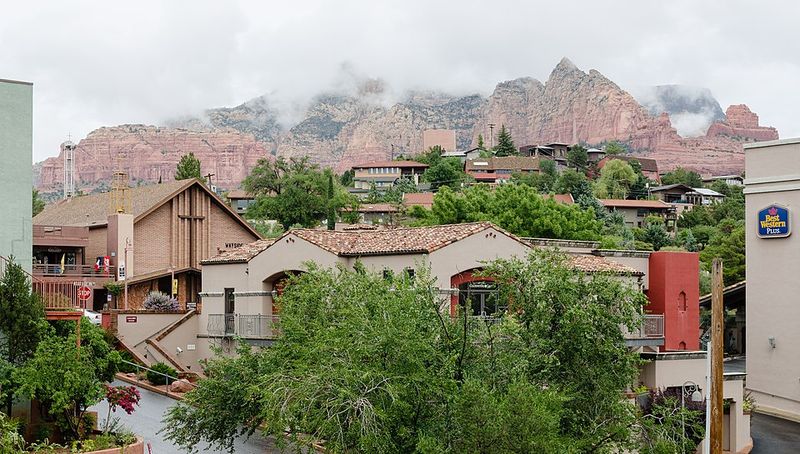
Red rock vortexes promised spiritual enlightenment, but instead delivered traffic jams and commercialization.
This New Age paradise struggles with millions of annual visitors trampling sensitive desert landscapes and creating perpetual gridlock.
Helicopter tours buzz constantly overhead, disrupting the peaceful meditation atmosphere that attracted people originally.
Trailhead parking requires dawn arrivals, and the town’s mystical reputation clashes harshly with strip mall development and tourist chaos.
11. Key West, Florida
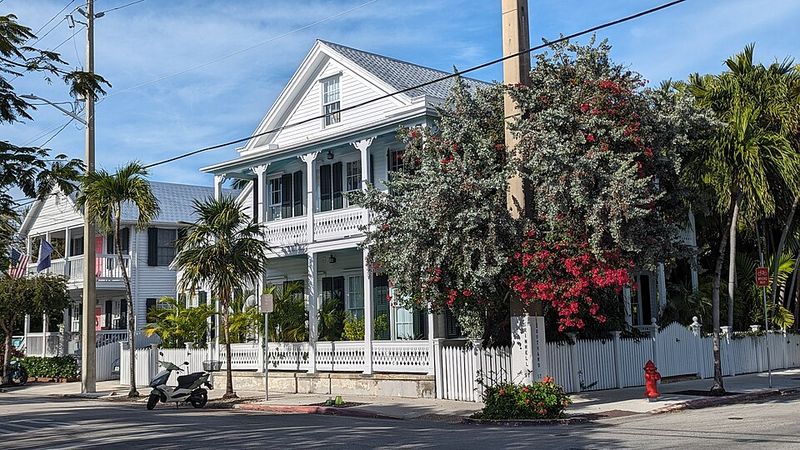
Hemingway’s bohemian hideaway has devolved into a cruise ship dumping ground where authenticity drowned in margarita buckets.
Duval Street resembles a drunken carnival more than the literary haven that once inspired great writers.
Multiple cruise ships daily unload thousands who overwhelm the small island’s infrastructure.
Housing costs force locals to the mainland, and the unique Conch culture fades beneath commercialized pirate-themed bars and chain restaurants.
12. Santa Monica, California
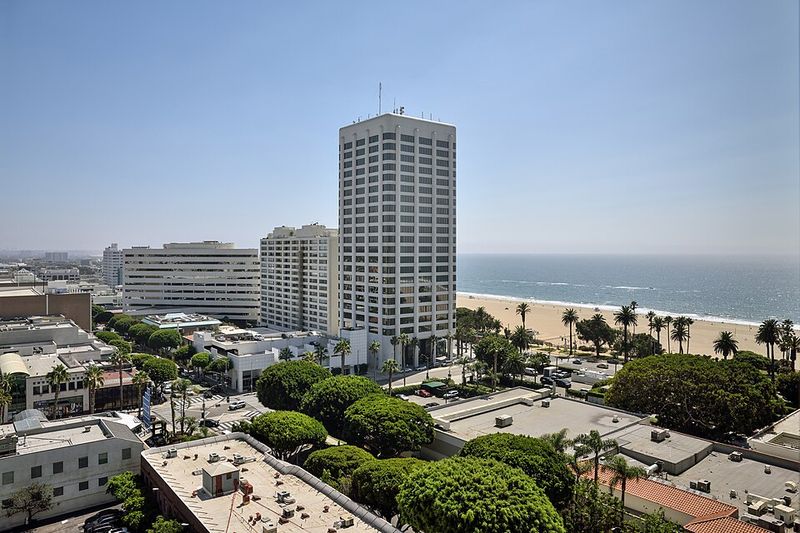
Golden beaches and the iconic pier attracted Hollywood glamour, but fame brought homelessness crises and overwhelming tourist traffic.
What locals once enjoyed as neighborhood beach access now requires strategic planning and patience.
Parking costs rival small fortunes, and the boardwalk’s carnival atmosphere drowns out ocean sounds.
Residents navigate around tourist zones in their own city, and the promised California dream feels increasingly commercialized and inaccessible.
13. Cape May, New Jersey
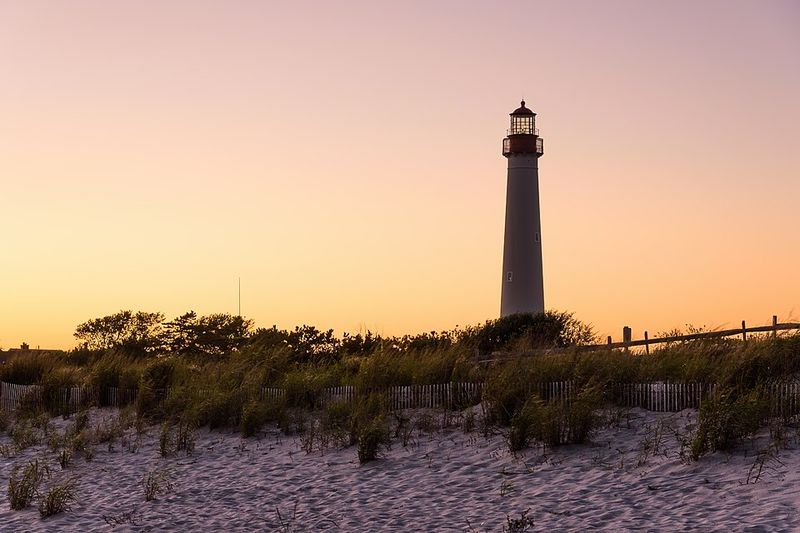
Victorian architecture and pristine beaches made this the nation’s oldest seaside resort, but popularity threatens the preservation it celebrates.
Summer weekends bring traffic that backs up for miles, trapping locals and tourists alike.
Historic bed-and-breakfasts now compete with modern hotels, and beach tags cost more each year.
The quaint charm that earned National Historic Landmark status gets tested by crowds that pack every sidewalk and restaurant.
14. Charleston, South Carolina
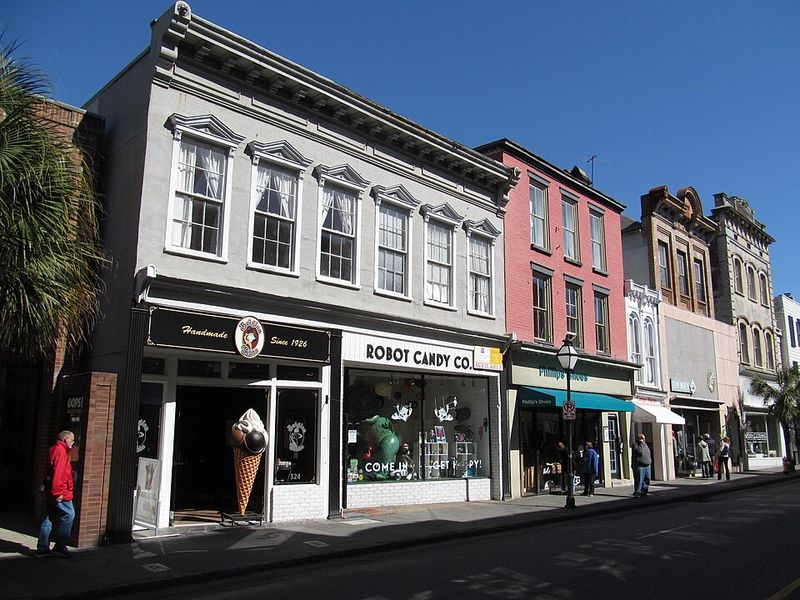
Antebellum architecture and Southern hospitality attracted visitors who never left, fundamentally altering the city’s character.
Horse-drawn carriage tours clog narrow historic streets, and bachelorette parties invade once-genteel neighborhoods.
Short-term vacation rentals hollow out residential areas, and locals complain about losing authentic Lowcountry culture to tourist-focused businesses.
Rising seas threaten the historic peninsula even as developers continue building, prioritizing tourism revenue over preservation.
15. Naples, Florida
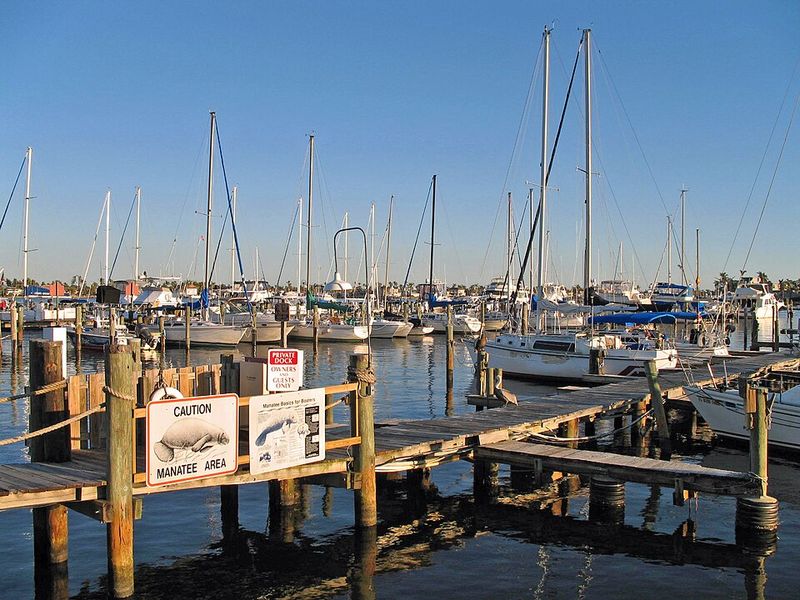
White sand beaches and championship golf courses transformed this fishing village into a millionaire’s playground where average families feel unwelcome.
Seasonal snowbirds double the population, creating traffic nightmares and straining infrastructure.
Public beach access shrinks as private developments dominate the coastline.
Chain restaurants replace local seafood shacks, and the pretentious atmosphere clashes with Florida’s traditionally casual beach culture, alienating longtime residents.
16. Asheville, North Carolina
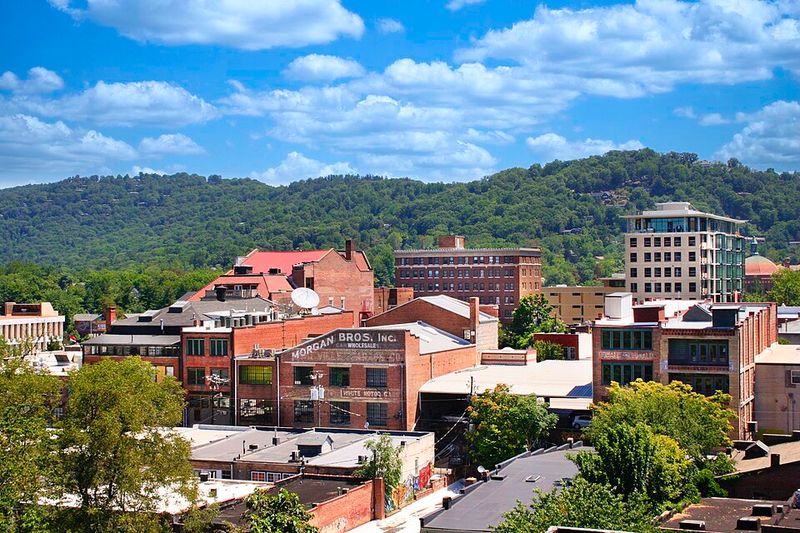
Craft beer culture and mountain scenery created a Southern bohemian paradise that attracted too many admirers.
Rapid gentrification displaced working-class Appalachian families as wealthy retirees and remote workers flooded in.
Traffic chokes the downtown arts district, and housing costs skyrocket beyond local wages.
The funky, artistic vibe that made Asheville special gets diluted by corporate development and tourist-focused businesses replacing authentic community spaces.
17. St. Augustine, Florida
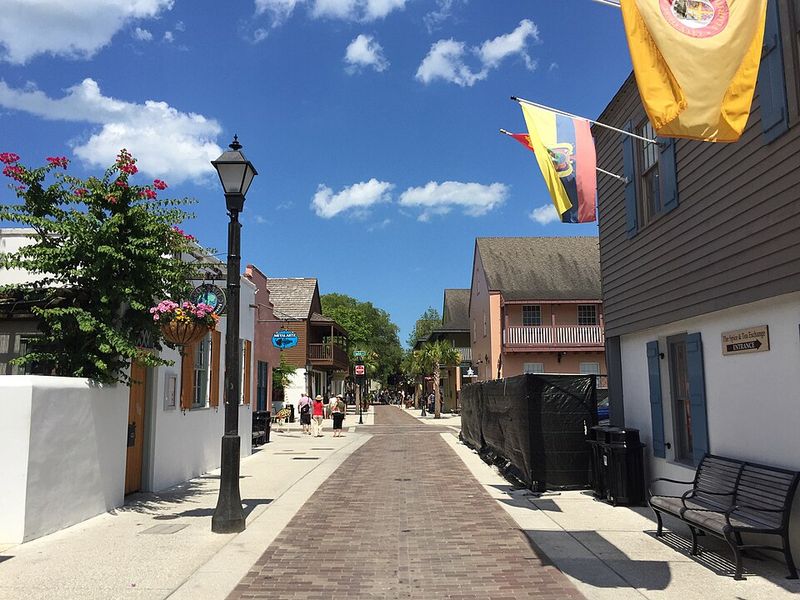
America’s oldest city offers genuine history, but tourist kitsch increasingly overwhelms authentic colonial heritage.
Ghost tours and tacky attractions multiply while historic preservation struggles with funding and overcrowding.
Narrow cobblestone streets never designed for modern traffic face constant congestion.
Locals avoid the historic district entirely during peak season, and the educational value of the city’s Spanish colonial past gets buried under commercialization and gimmicky tours.