13 Traditional German Christmas Cookies That Belong On The Holiday Table
Germany’s Christmas cookie tradition turns winter kitchens into fragrant workshops scented with cinnamon, almonds, and warm holiday spices.
Families across the country spend weeks leading up to the season baking treasured treats, creating edible memories that link generations in the sweetest way.
Star-shaped delights, crescent cookies dusted in powdered sugar, and countless regional specialties each carry centuries of festive heritage ready to brighten any modern table.
Disclaimer: This article provides general information about traditional German Christmas cookies and their cultural background.
Historical notes, ingredient details, and regional associations reflect widely documented culinary traditions but may vary by household or region.
1. Lebkuchen
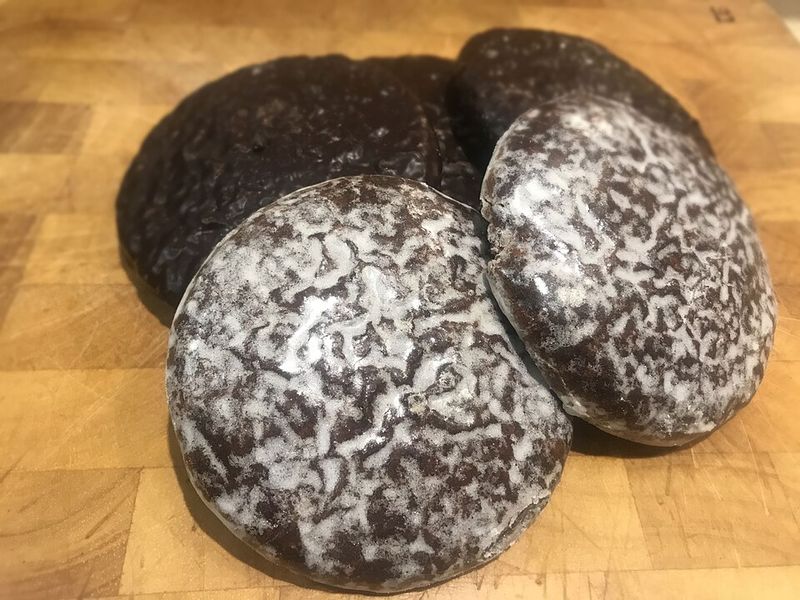
Rich spices fill every bite of these beloved gingerbread treasures that have warmed German homes for centuries.
Nuts, candied fruits, cinnamon, cloves, and nutmeg combine into a chewy cookie often topped with glossy icing or chocolate.
Traditionally, families bake them weeks early, allowing flavors to deepen and meld beautifully.
Imagine opening your cookie tin on a snowy afternoon and finding these spiced gems waiting to accompany your hot cocoa perfectly.
2. Pfeffernüsse
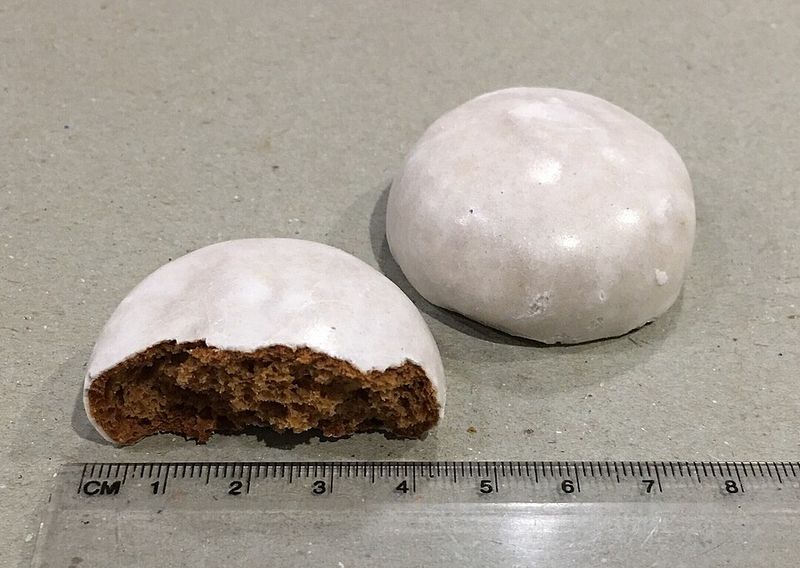
Tiny but mighty, these spiced spheres pack serious flavor into each peppery bite.
Cardamom, nutmeg, cinnamon, cloves, ginger, black pepper, and anise create a warming spice blend that tingles on your tongue.
Usually dusted generously with powdered sugar, they have a firm texture that softens slightly when stored in an airtight container.
Perfect for munching during holiday movie marathons when you want something small yet satisfying between scenes.
3. Zimtsterne
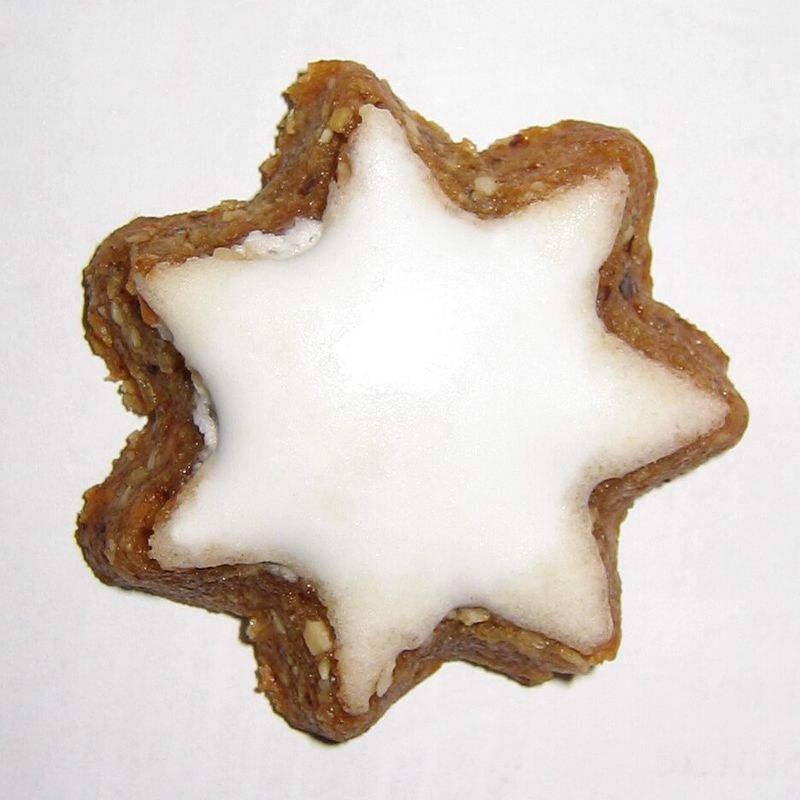
Cinnamon lovers rejoice when these gorgeous star-shaped cookies appear on holiday platters.
Whipped egg whites, sugar, ground almonds, and generous cinnamon create a chewy texture topped with pristine white glaze.
Because they contain no flour, they have a unique consistency that sets them apart from typical butter cookies.
Honestly, cutting out stars feels like crafting edible ornaments that taste even better than they look on your festive table.
4. Vanillekipferl
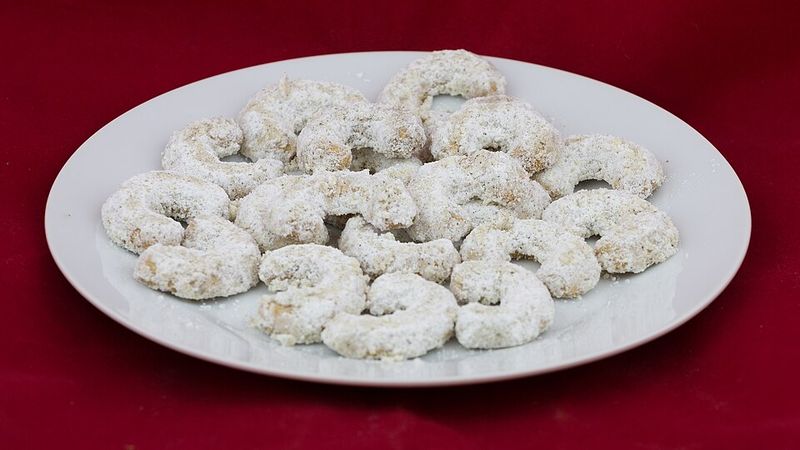
Delicate crescents dissolve the moment they touch your tongue, releasing soft vanilla aroma and gentle nutty depth.
Ground almonds or hazelnuts combine with butter, sugar, and flour to form fragile, crumbly cookies that receive a generous snowfall of powdered sugar.
A quiet vanilla note gives them an unexpectedly irresistible quality despite the simplicity of their look.
That irresistible charm explains why these cookies vanish from platters with surprising speed, often long before the first holiday guest walks through the door.
5. Spekulatius
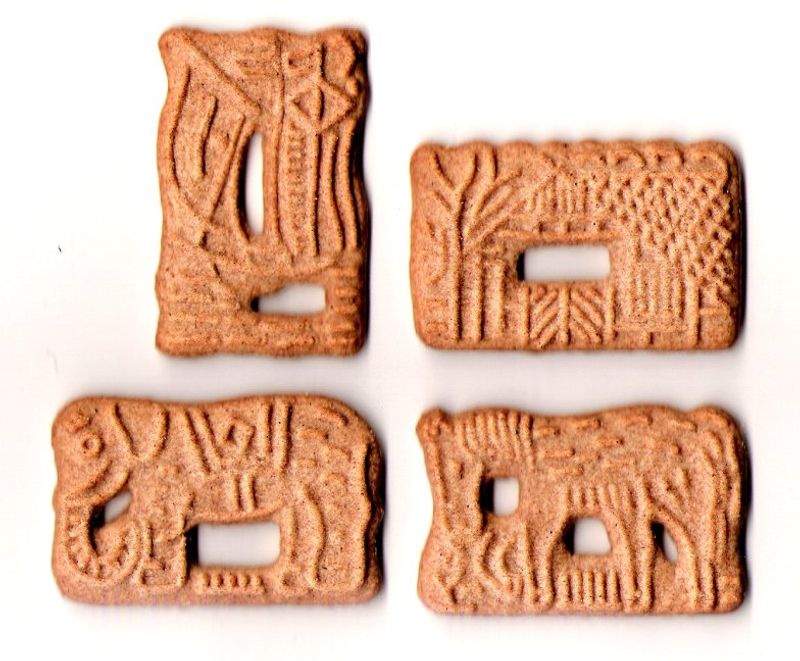
Intricate designs pressed into these crisp cookies tell stories through edible art created by carved wooden molds.
Cinnamon, cardamom, and cloves infuse the shortcrust dough with deep, warming spice that tastes like Christmas itself.
Traditionally, bakers used special molds depicting windmills, ships, and seasonal scenes that transform simple cookies into conversation pieces.
While modern versions sometimes use simpler methods, nothing beats the satisfaction of unmolding a perfectly detailed cookie.
6. Springerle
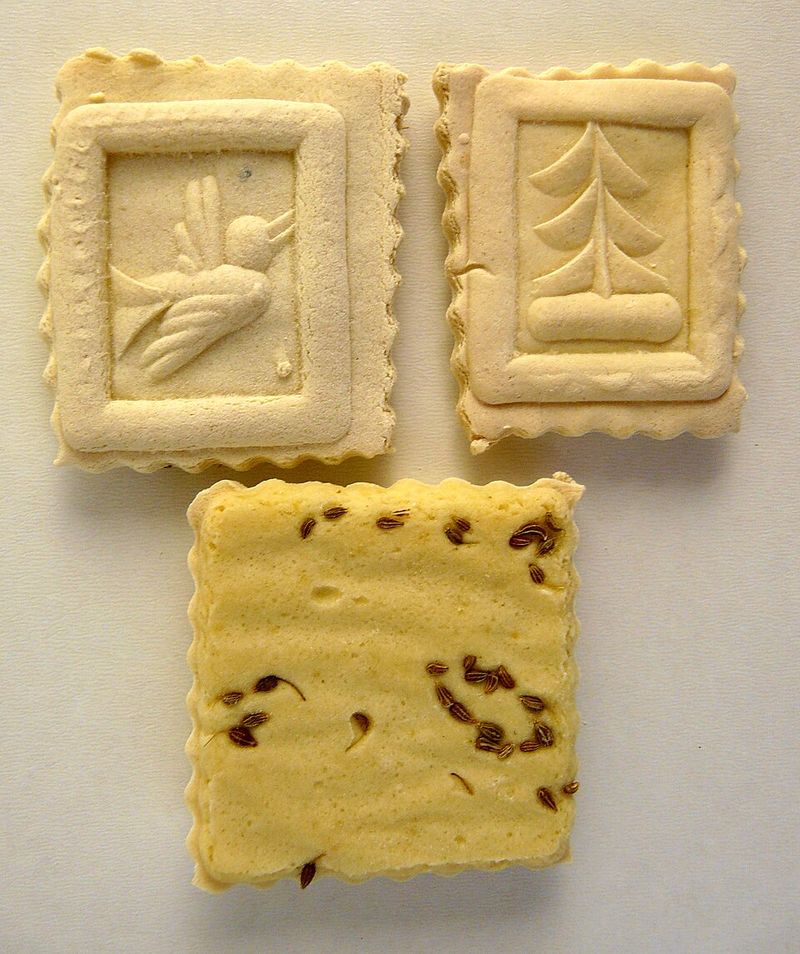
Ancient recipes meet artisan craftsmanship in these anise-flavored cookies adorned with stunning embossed pictures.
Carved wooden molds or rolling pins press elaborate images into the dough before baking, creating cookies that look almost too beautiful to eat.
Their firm texture softens over time, and many bakers age them for days or weeks to develop their distinctive flavor.
If you appreciate cookies that double as edible art, these historical treats deserve pride of place on your holiday spread.
7. Bethmännchen
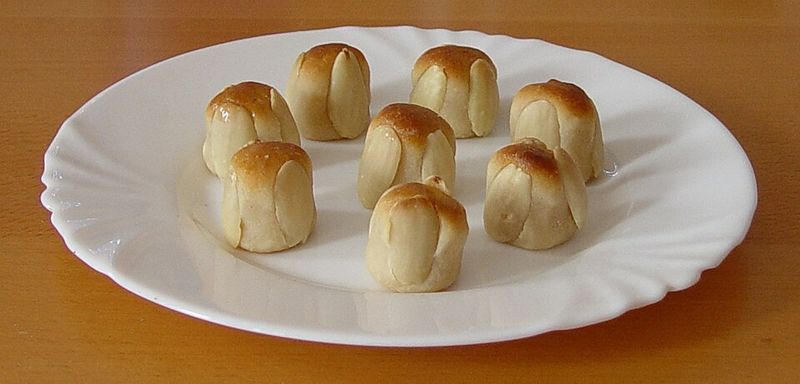
Frankfurt’s beloved marzipan specialty honors a banker’s family through cookies topped with three symbolic almonds.
Soft, sweet marzipan forms the base, creating treats that taste like almond heaven wrapped in a delicate cookie shell.
Legend says the three almonds represent Simon Moritz von Bethmann’s surviving sons after tragedy struck his family.
Though their origin story carries sadness, these cookies bring pure joy to anyone lucky enough to snag one from the Christmas market.
8. Heidesand
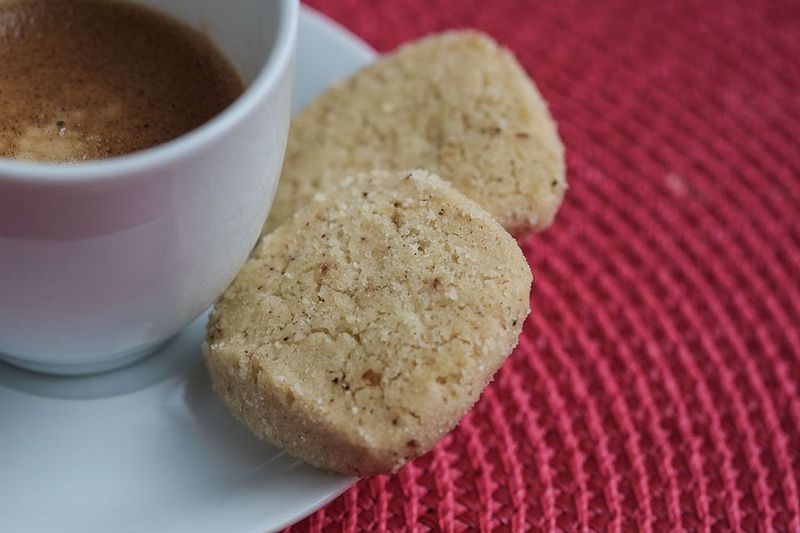
Browned butter magic transforms simple shortbread into something extraordinarily nutty and caramelized.
Rolling the dough log in coarse sugar before slicing creates a delightful crunch on every edge.
These slice-and-bake beauties save time during hectic holiday prep while delivering sophisticated flavor that tastes anything but simple.
Curiously, their name means “heath sand,” referencing their sandy, crumbly texture that practically dissolves on your tongue with each buttery bite.
9. Spritzgebäck
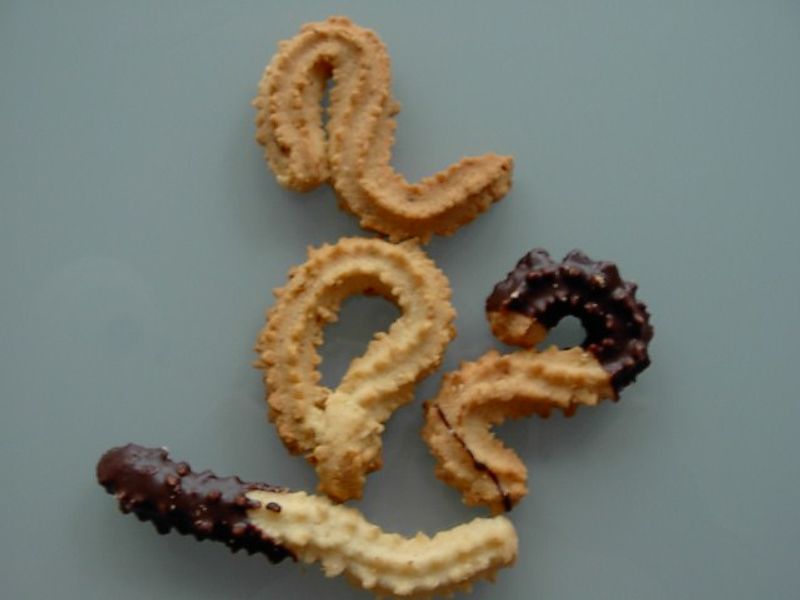
Buttery dough moves through a cookie press to form cheerful designs that instantly elevate any holiday cookie tray.
Stars, wreaths, trees, and rings appear one after another, perfect for dipping in chocolate or dusting with bright sprinkles.
A melt-in-your-mouth feel comes from a generous butter ratio that creates remarkable richness and tenderness.
Kids often adore pressing out the shapes, turning the whole process into a shared family tradition filled with laughter and tasty rewards.
10. Kokosmakronen
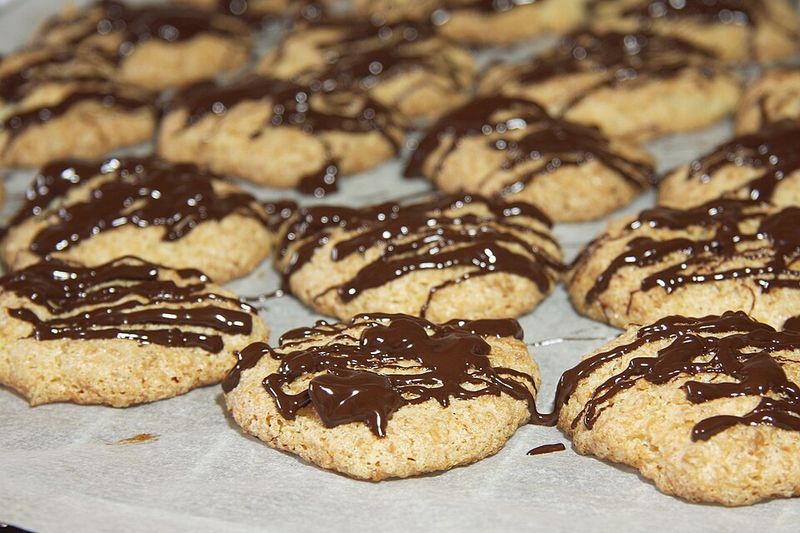
Shredded coconut, egg whites, and sugar unite to form chewy mounds that satisfy coconut cravings perfectly.
Often dipped partially in dark chocolate, they offer a delightful contrast between sweet coconut and rich cocoa.
Because they naturally contain no flour, they welcome gluten-free guests to enjoy German cookie traditions without compromise.
Surprisingly easy to make, they require just a few ingredients yet deliver impressive results that taste like you spent hours in the kitchen.
11. Dominosteine
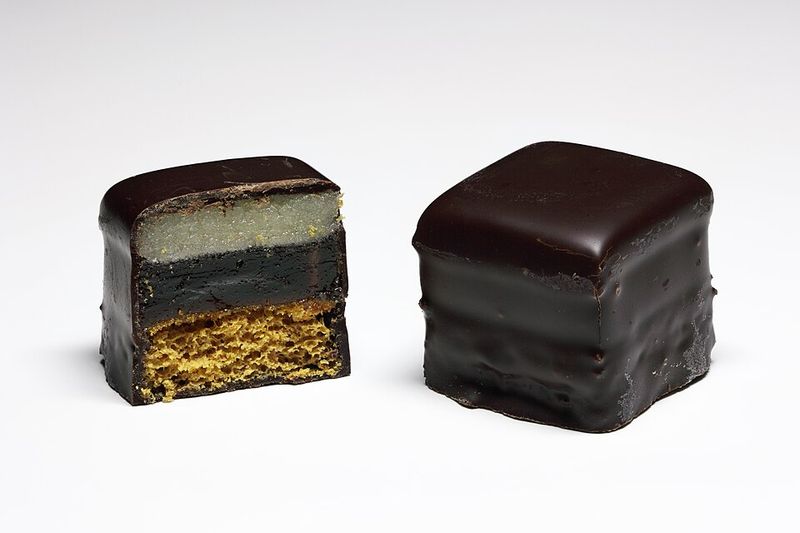
Layers tell a delicious story in these architectural marvels that stack gingerbread, fruit jelly, marzipan, and chocolate into one incredible bite.
Each component contributes distinct flavor and texture, creating complexity that surprises first-time tasters.
Though technically more confection than cookie, they appear on every traditional German Christmas cookie platter worth its salt.
Cutting through the chocolate coating reveals the beautiful striped interior that gives these treats their domino-inspired name.
12. Frankfurter Brenten
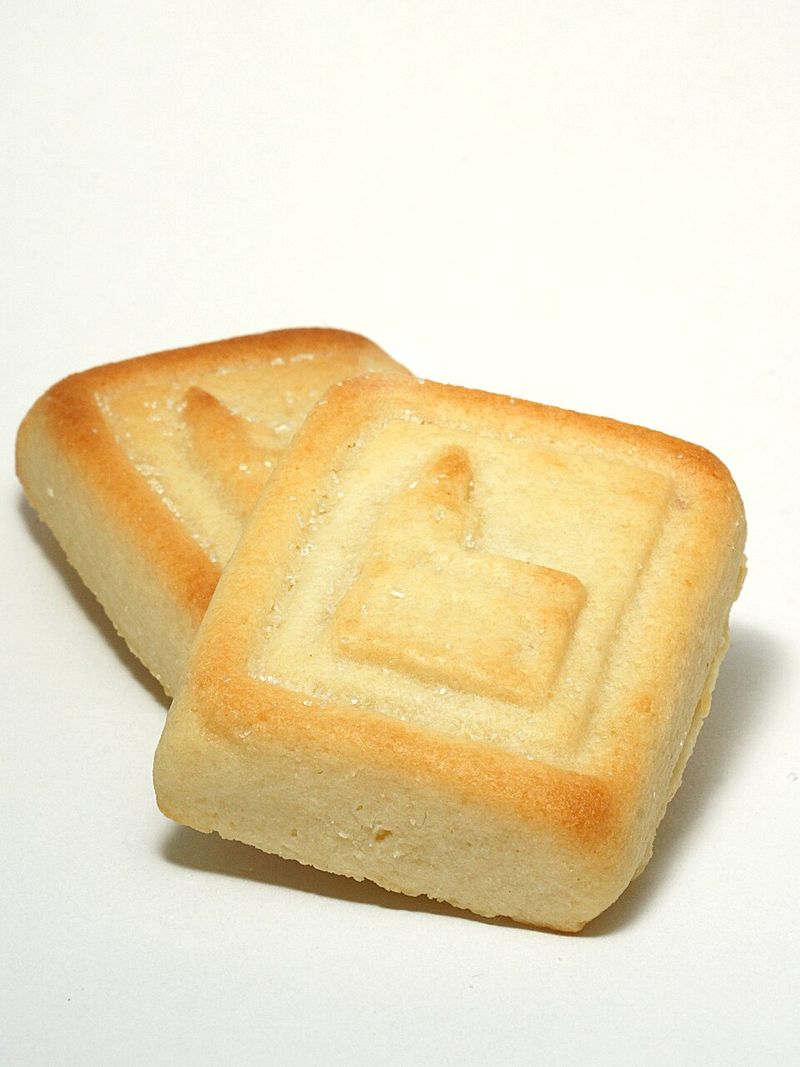
Frankfurt claims another cookie treasure with these almond-based treats pressed with decorative patterns before baking.
Ground almonds dominate the ingredient list, creating cookies with intense nutty flavor and satisfying density.
Historically, special molds impressed images of saints, coats of arms, or festive scenes into the dough surface.
While less common than some other German Christmas cookies, discovering them feels like uncovering a delicious secret that deserves wider recognition beyond Frankfurt.
13. Mürbeteig-Weihnachtsplätzchen
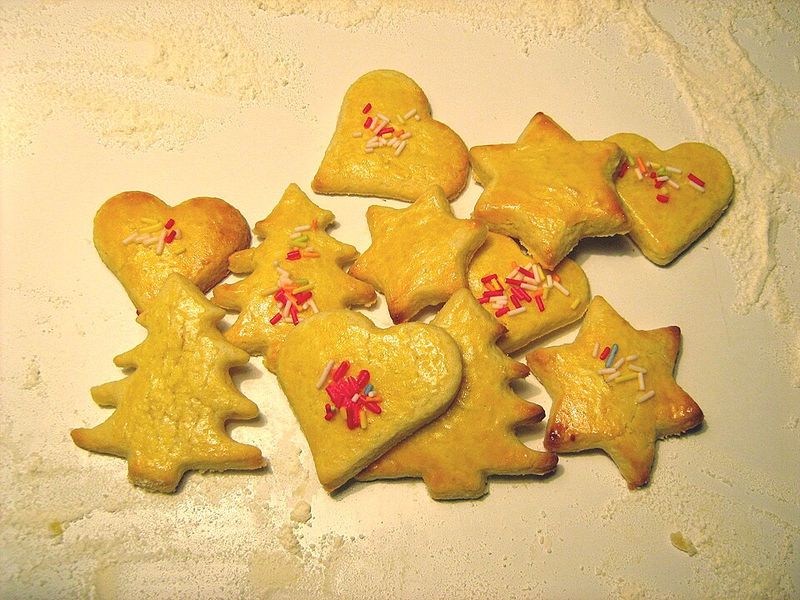
Classic shortcrust dough becomes the canvas for countless festive shapes that let creativity shine during holiday baking sessions.
Stars, hearts, trees, bells, and angels emerge from cookie cutters, ready for icing, sprinkles, or simple sugar dusting.
Their buttery, tender crumb makes them universally beloved by children and adults who appreciate traditional, unfussy cookies.
Essentially, these represent the foundation of German Christmas baking, where simplicity meets tradition in the most comforting, delicious way possible.