Little Known Trivia About “The Band” Fans Still Share
A certain kind of hush follows any conversation about The Band – the kind reserved for groups that feel more like myth than a lineup.
Their story grew out of the road with Bob Dylan and took on its real shape inside that famous pink house in upstate New York, where a mostly Canadian crew helped bend American roots music into something richer and stranger.
Listeners still love digging up the deep-cut lore: the quirks of studio sessions, the concerts that turned into legend, and the real people and places hiding inside the songs everyone knows by heart.
Those details get traded and retold like campfire folklore, each time adding a little more glow.
1. Big Pink Was A Real House You Can Actually Look Up

Ever wonder if Big Pink was just a cool album name? Nope.
The house where Dylan and the group recorded The Basement Tapes actually stands at 56 Parnassus Lane in West Saugerties, New York.
Fans still Google that address, hunting for photos and street views.
That rental property became ground zero for some of the most influential music ever laid down on tape, and knowing the exact spot makes the legend feel tangible and real.
2. They Were Called The Band From Big Pink Before Just The Band
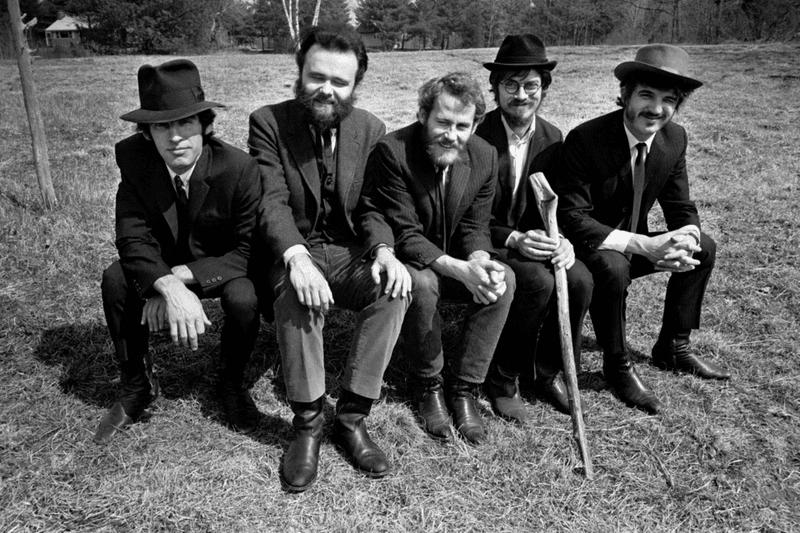
Before the simple, iconic name stuck, music journalists and fans often referred to them as “the band from Big Pink.”
That house carried so much mythology that it practically became their surname in early press coverage.
How cool is it that a rental property shaped their identity?
The nickname tied them forever to that creative explosion in the Catskills.
Eventually, they dropped the extra words, but the origin story still echoes through every mention of their debut album.
3. The Weight Features Real People Hidden in the Lyrics
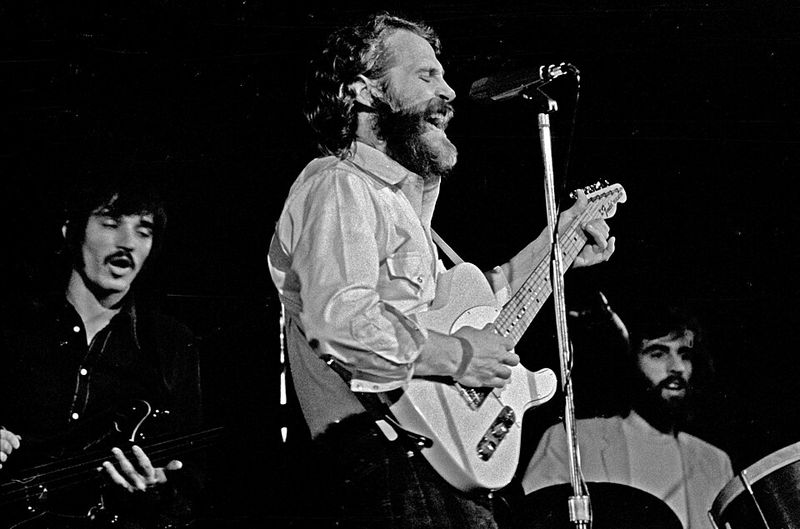
Think the colorful cast in “The Weight” sprang from pure imagination? Wrong.
Robbie Robertson and Levon Helm both confirmed that characters like Fanny, Carmen, Anna Lee, and Crazy Chester were inspired by actual people they knew.
Those names weren’t random picks from a hat. They carried real memories and inside jokes, which is why the song feels so lived-in and authentic.
Fans love digging into interviews to match names with faces, turning the tune into a treasure hunt.
4. Nazareth in The Weight Points to Pennsylvania Not Just the Bible
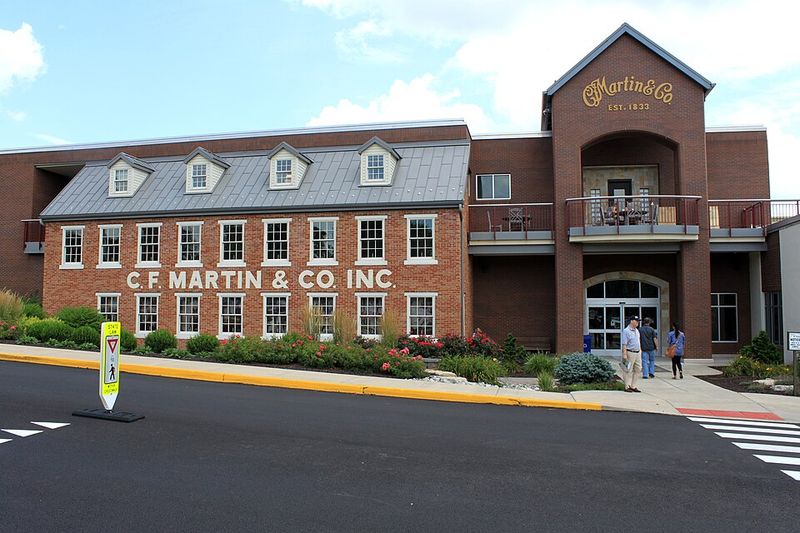
Sure, Nazareth rings biblical, but Robertson also nodded to Nazareth, Pennsylvania, a town famous for Martin Guitar manufacturing.
Guitar nerds and Band historians love pointing this out whenever someone assumes it’s purely scriptural.
That double meaning adds layers to the song. It connects sacred storytelling with American craftsmanship, blending myth and reality in classic Band fashion.
Next time the song plays, drop this tidbit and watch jaws hit the floor.
5. Rock of Ages Was Recorded Across Four Legendary Nights
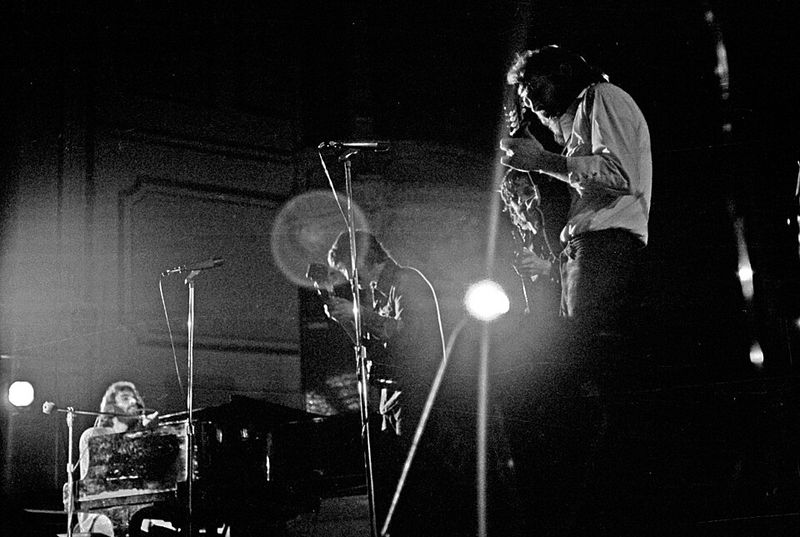
Rock of Ages didn’t happen in one epic evening.
The core performances were captured over four consecutive nights, December 28 through 31, 1971, at New York City’s Academy of Music.
Four shows gave them room to experiment, nail arrangements, and catch lightning in a bottle multiple times.
Fans who study the album can hear slight variations and different energy levels across tracks. Those four nights became a masterclass in live rock performance, immortalized on vinyl forever.
6. Bob Dylan Crashed the New Year’s Eve Show and Made History
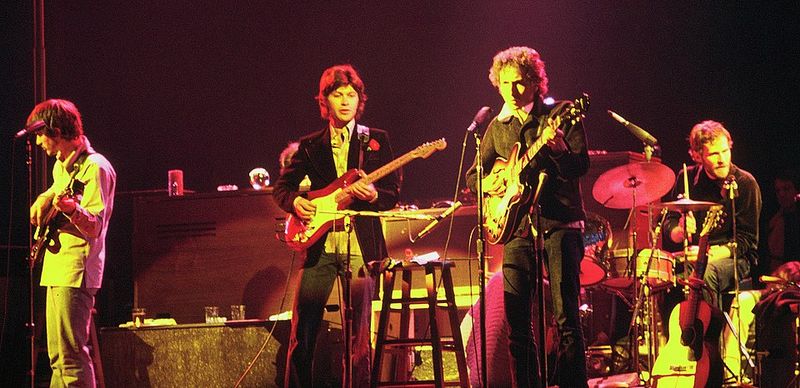
Dylan showing up unannounced on the final night of the Rock of Ages run is the stuff of legend. He joined the Band for the last stretch, creating some of the most prized recordings from that era.
That spontaneous collaboration on December 31, 1971, added rocket fuel to an already incredible concert series.
Fans treasure those performances because they captured pure, unscripted musical chemistry.
Dylan’s surprise cameo turned a great show into an unforgettable moment frozen in time.
7. A Massive Expanded Set Later Unveiled Hidden Academy Performances
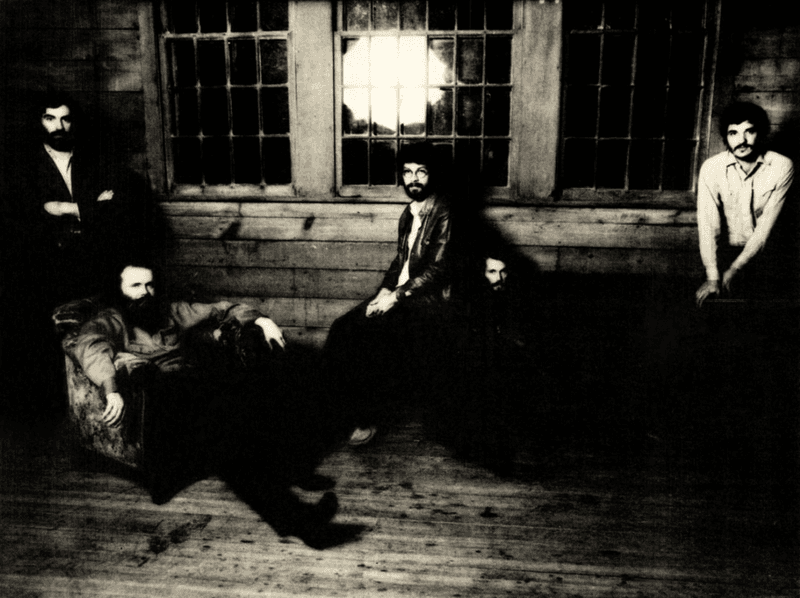
In 2013, an expanded Rock of Ages release dropped, and fans lost their minds. Previously unreleased performances and newly discovered filmed songs finally saw the light of day.
Collectors had waited decades for this material.
The expanded set revealed alternate takes, deeper cuts, and footage that added context to the original album.
If you’re a Band completist, hunting down this release is basically mandatory. It’s like finding bonus chapters in your favorite book.
8. One American Four Canadians Shaped Their Unique Sound
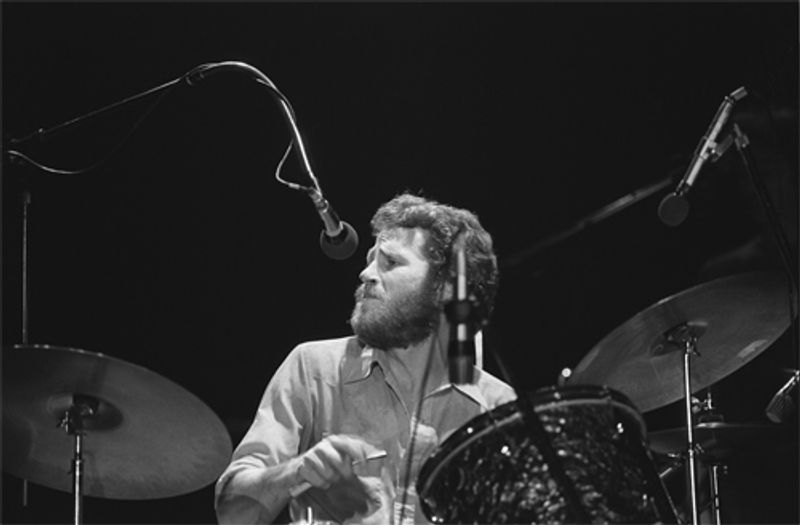
Levon Helm stood as the lone American among the core five members, while the rest hailed from Canada. This cross-border lineup became a defining piece of their origin story.
How did Canadians nail American roots music so perfectly? Their outsider perspective brought fresh ears to blues, country, and folk traditions.
Fans constantly bring up this detail when explaining what made the Band sound so different.
9. Big Pink Sessions Used a Borrowed Makeshift Recording Setup
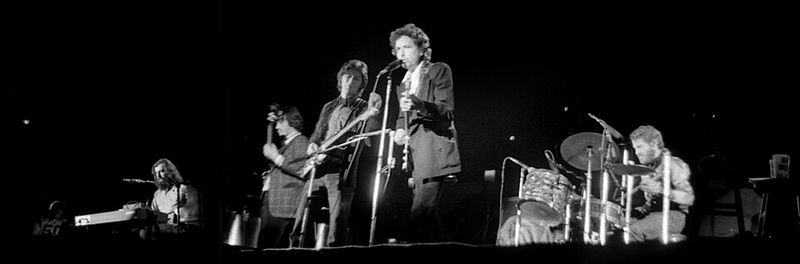
The magic of The Basement Tapes came from a pieced-together recording rig.
They borrowed a tape recorder through Dylan’s connections, grabbed mics on loan, and made do with whatever worked.
That scrappy approach explains the raw, intimate sound fans adore. No fancy studio polish, just musicians capturing moments as they happened.
The limitations became strengths, proving you don’t need million-dollar gear to make timeless music.
10. Their Name Was So Simple It Became Iconic and Unmistakable
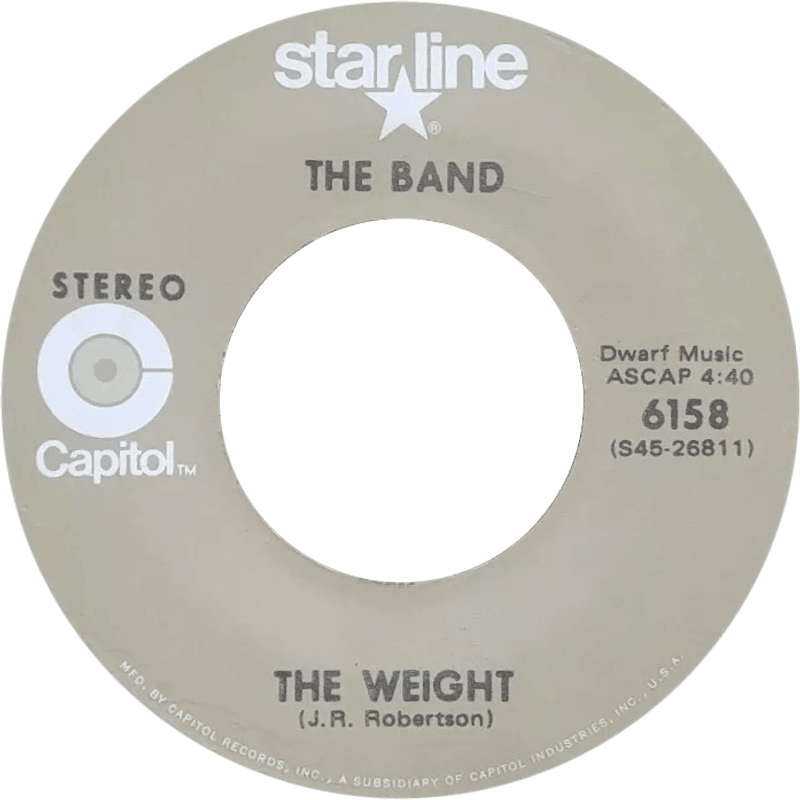
Calling themselves “The Band” was either the boldest or laziest naming choice in rock history. No gimmicks, no fancy words, just a plain label that somehow worked perfectly.
That simplicity made them instantly recognizable and impossible to confuse with anyone else.
While other groups chased elaborate names, they claimed the most generic term possible and owned it completely.
11. The Last Waltz Featured a Star Studded Farewell Concert
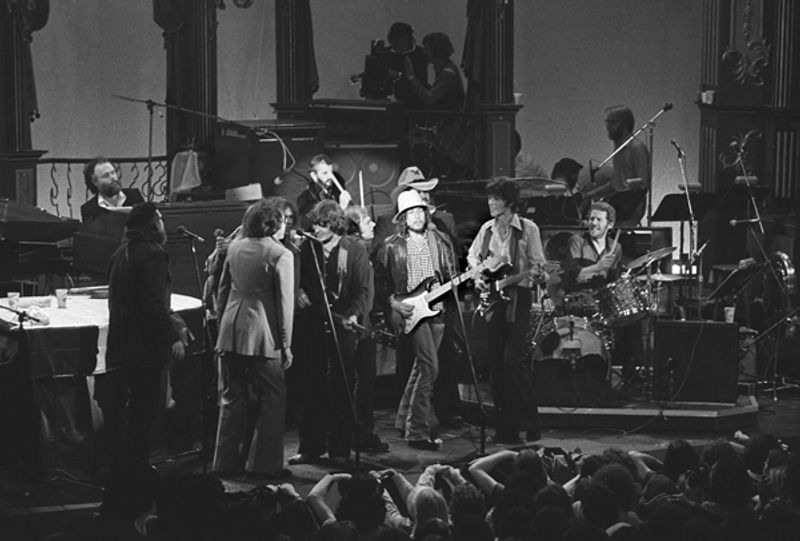
Their final concert on Thanksgiving Day 1976 wasn’t just a goodbye, it was a rock and roll summit.
Bob Dylan, Eric Clapton, Neil Young, and other legends joined them on stage at Winterland in San Francisco.
Martin Scorsese filmed the whole thing, turning it into one of the greatest concert movies ever made.
Fans still debate whether it was a true ending or just a chapter close. Either way, The Last Waltz remains the gold standard for farewell shows.