Bands That Turned Down Woodstock 1969 And Missed A Defining Moment
Imagine being invited to the biggest music party in history and saying no thanks.
In August 1969, over 400,000 people gathered on a farm in Bethel, New York, for Woodstock, a festival that became a symbol of an entire generation.
Some of the biggest names in music were there, but a surprising number of famous bands turned down the invitation.
Here are the acts that missed their shot at music history and the wild reasons why they said no.
Disclaimer: This article draws on artist interviews and established festival coverage to review which major acts are documented as having declined or missed Woodstock in 1969. The content is intended for general informational and entertainment purposes and should not be treated as definitive archival scholarship.
Led Zeppelin
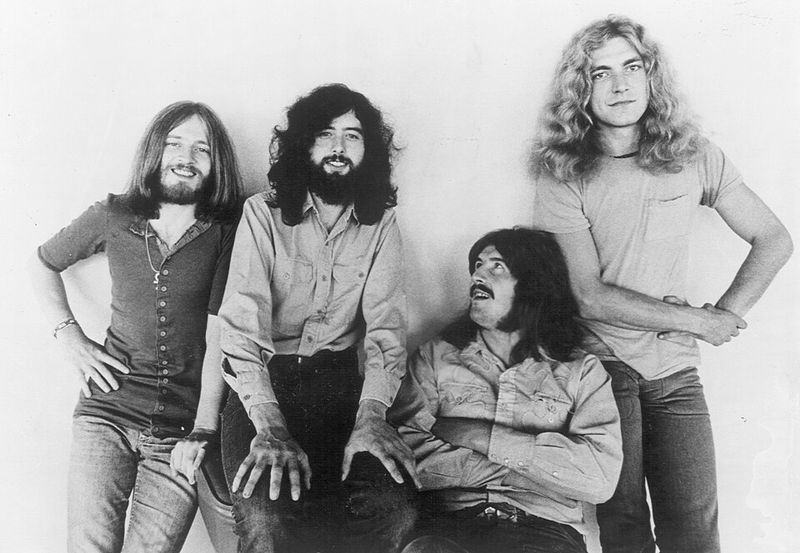
Manager Peter Grant looked at the Woodstock offer and said, hard pass. His reasoning was bold and blunt: playing Woodstock would have made Led Zeppelin just another band on the bill.
Grant wanted the group to headline their own shows, not share a massive stage with dozens of other acts.
How wild is that? At the time, Led Zeppelin were already rising fast, and Grant was protecting their brand before branding was even a thing.
They were right that they were special. Still, missing Woodstock remains one of rock history’s most talked-about what-ifs.
The Rolling Stones
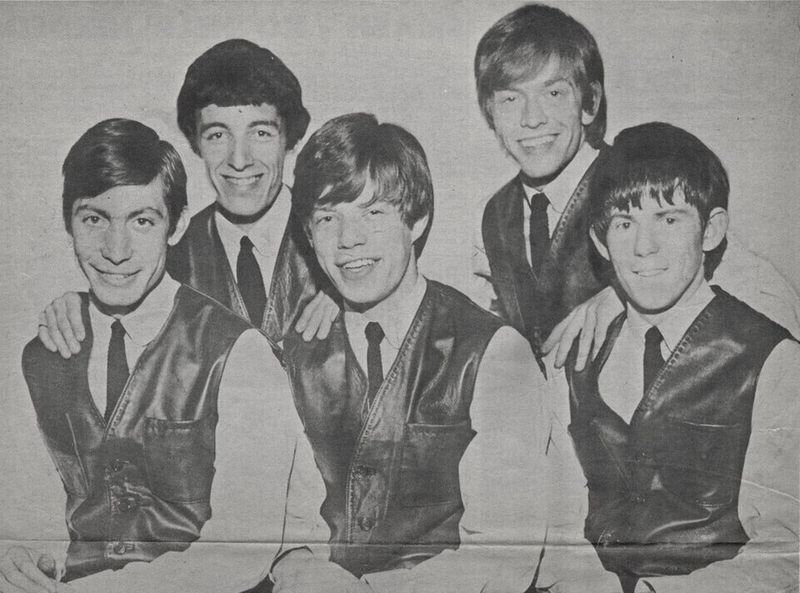
Sometimes life just gets in the way, even for the world’s greatest rock band. Mick Jagger was in Australia filming the movie Ned Kelly when Woodstock came calling.
Meanwhile, Keith Richards was back home after his son Marlon was born, so the timing was simply impossible.
Though the Stones were already legends by 1969, missing Woodstock still stings in hindsight.
They went on to play the infamous Altamont Free Concert just months later, which had a very different legacy. Woodstock would have been a much better story to tell at family dinners, that is for sure.
Jethro Tull
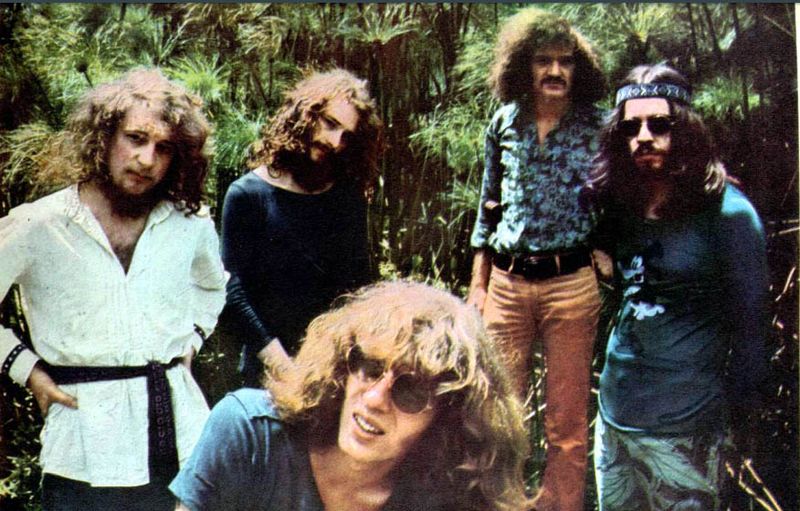
Ian Anderson had a very specific picture in his head when he heard Woodstock, and it was not pretty.
He imagined mud, chaos, and a crowd that was more interested in the party than the music. So Jethro Tull politely declined and went about their business elsewhere.
Honestly, Anderson was not entirely wrong about the mud part. Woodstock did get messy.
However, the music that came out of that weekend was absolutely legendary.
If Tull had shown up with their signature flute-driven prog rock, they could have been one of the most memorable acts of the entire festival.
Tommy James And The Shondells
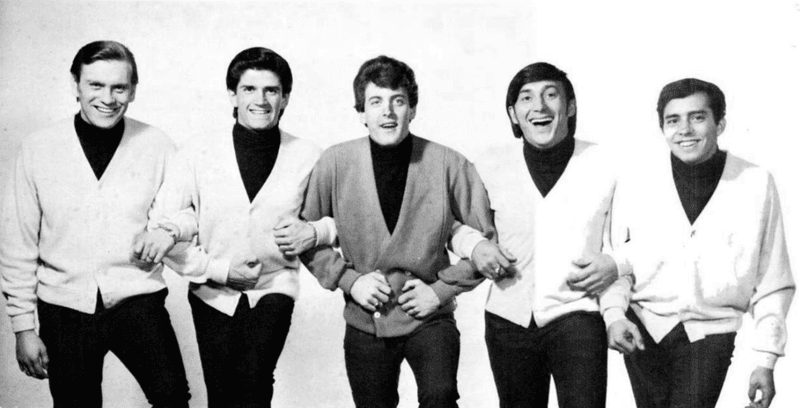
Here is a story that will make you groan out loud. Tommy James was told the gig was at a pig farm in upstate New York. That was it. No hype, no context, just a farm. Naturally, he passed.
When Woodstock exploded into the biggest cultural event of the decade, Tommy James reportedly said he wanted to cry. The pig farm turned out to be one of the most iconic venues in music history.
His manager took that call and did not exactly sell the opportunity. Just saying, some phone calls really do change your life forever.
The Moody Blues
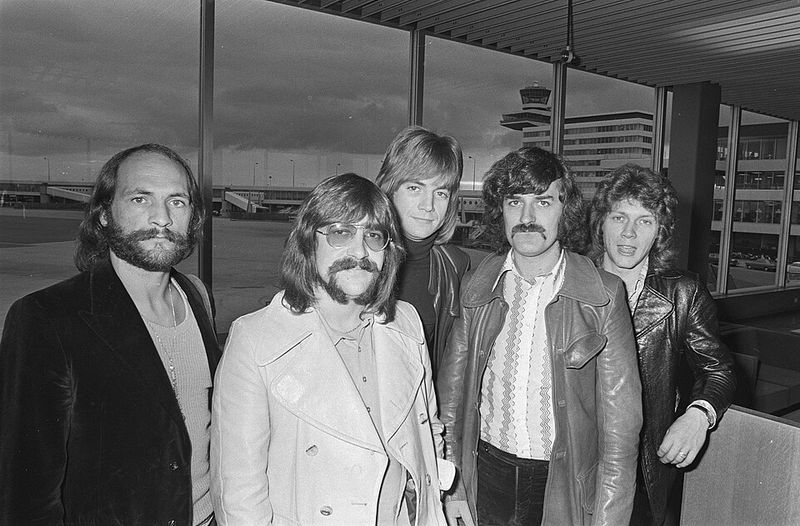
The Moody Blues actually made it onto an early Woodstock poster, which means they were very much part of the plan.
However, a booking conflict in Paris pulled them away from the festival that same weekend. Paris is lovely, but Woodstock was once in a lifetime.
Where most bands on this list simply declined, the Moody Blues had a concrete prior commitment that sealed their fate.
They are one of the clearest documented cases of a confirmed act that never made the final lineup. Their symphonic rock sound would have been stunning at Woodstock.
The Doors
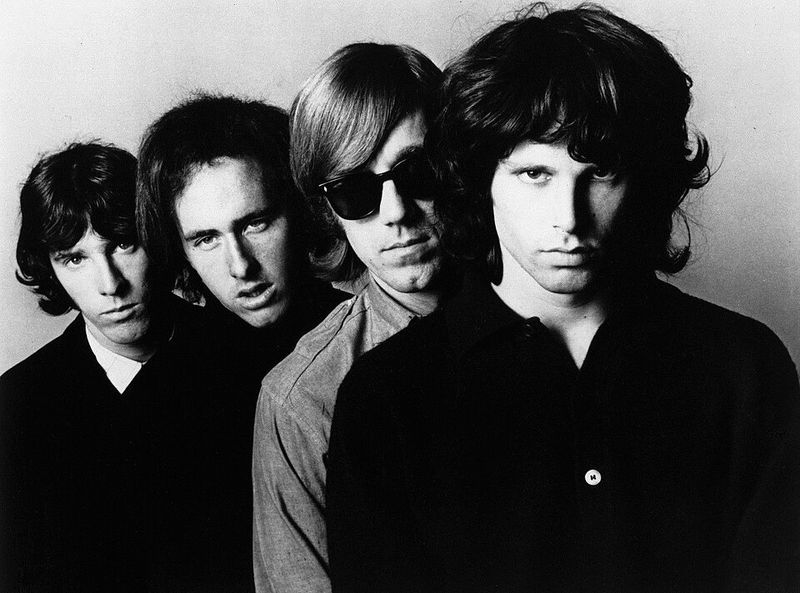
Guitarist Robby Krieger looked at Woodstock and called it a second-class repeat of the Monterey Pop Festival. That is a bold take, especially for a festival that went on to define an entire era of music.
The Doors backed out, and they later admitted they regretted the decision.
Jim Morrison was already one of rock’s most electric performers, and a Woodstock set could have been absolutely legendary. If you have ever seen footage of Morrison on stage, you know the energy he brought.
Skipping Woodstock is the kind of choice that haunts a band’s legacy, even decades later.
Procol Harum
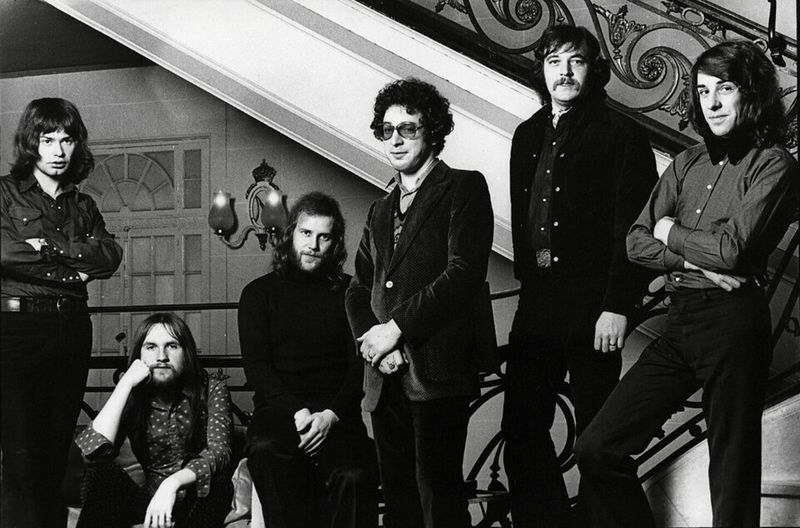
Procol Harum, the band behind the iconic A Whiter Shade of Pale, were invited to Woodstock but said no. The timing was genuinely rough for them.
Woodstock landed at the tail end of a grueling tour, and personal commitments made it even harder to say yes.
Sometimes exhaustion wins, and honestly, that is understandable. However, Procol Harum’s blend of classical influences and rock intensity would have been a fascinating addition to the Woodstock lineup.
Fans who know them well still wonder what a festival performance might have looked like from this criminally underrated British band.
The Rascals
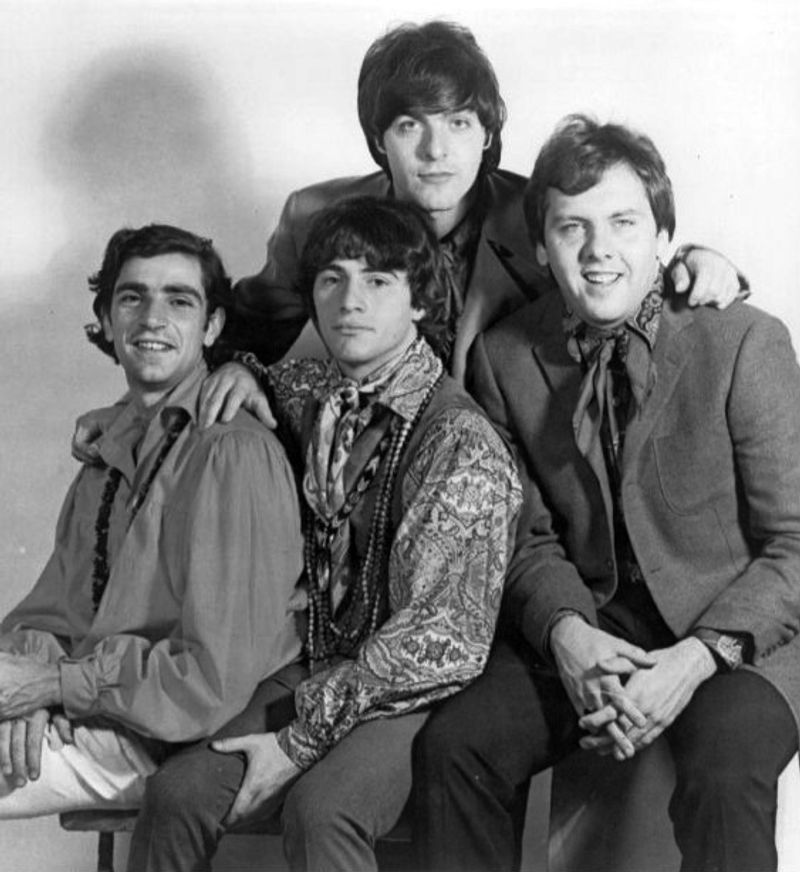
Studio time called, and The Rascals answered.
When Woodstock came knocking, the band was deep in the middle of recording a new album and chose to stay focused on that project instead of heading to a farm in New York.
Though the decision made professional sense at the time, it meant missing one of the most watched music events ever filmed.
The Rascals had massive hits and a loyal fanbase, so their Woodstock performance could have introduced them to a whole new audience.
The Byrds
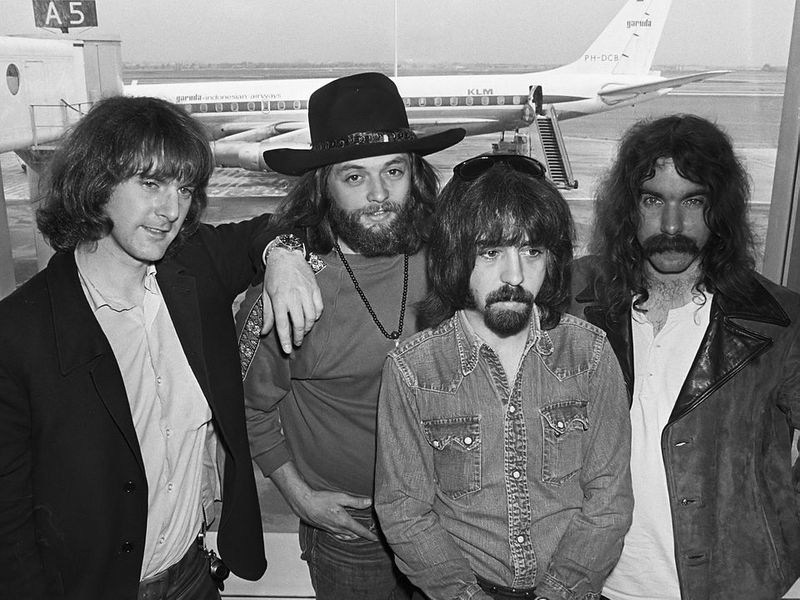
Bassist John York summed it up pretty honestly: the band was burned out and tired of the festival circuit.
After years of touring and performing at outdoor events, The Byrds simply did not have the energy or enthusiasm to add Woodstock to the list.
That exhaustion is understandable, but The Byrds passing on Woodstock still feels like a missed moment. They were pioneers of folk rock and had influenced practically every band of their generation.
A Woodstock performance could have reminded the world exactly how important they were.
The Jeff Beck Group
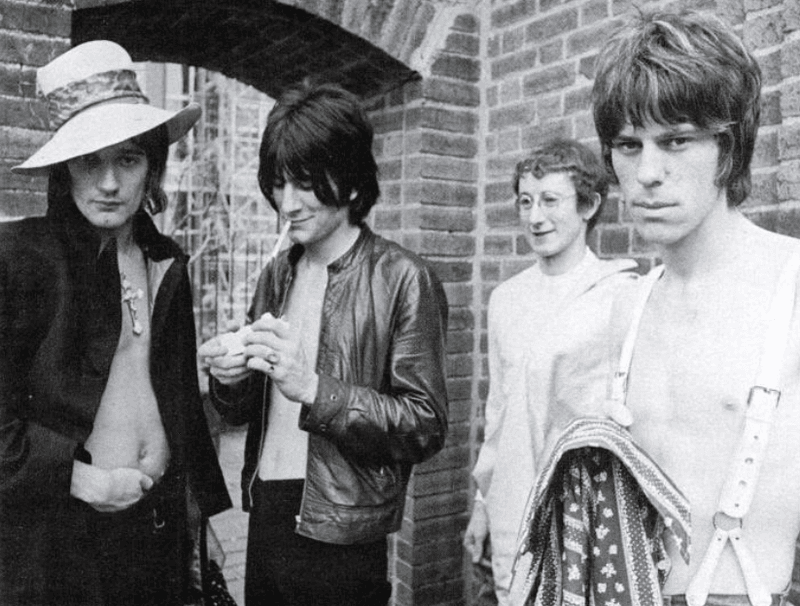
Jeff Beck did not just decline Woodstock. He actually broke up his entire band before the festival happened, which is one of the most rock and roll moves in music history.
His reason? He did not want the group’s sound preserved on tape at that moment. Beck was fiercely protective of his artistic legacy, even back then.
His original Jeff Beck Group included a young Rod Stewart on vocals, which means Woodstock could have introduced both legends to a massive new audience simultaneously.
Instead, Beck chose to wipe the slate clean.
Simon And Garfunkel
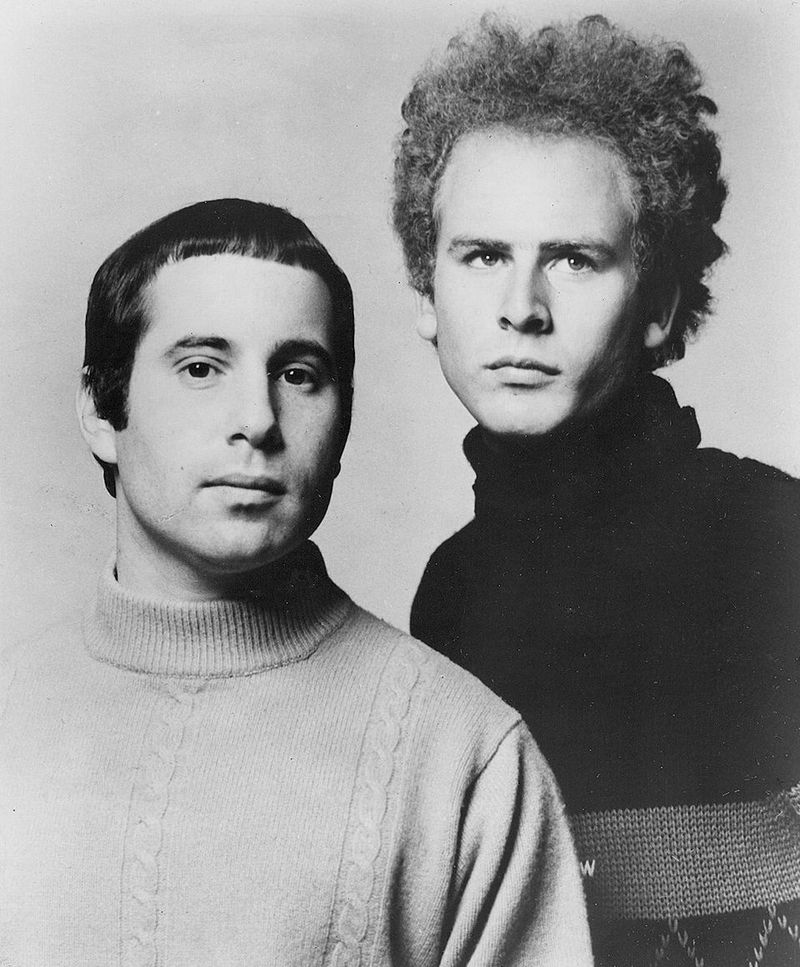
Paul Simon and Art Garfunkel had bigger plans that summer.
When Woodstock called, the duo was already deep in work on what would become Bridge Over Troubled Water, one of the best-selling albums of all time. They chose the studio and never looked back.
Given what Bridge Over Troubled Water became, it is hard to argue with their decision. Still, a Simon and Garfunkel acoustic set at Woodstock would have been breathtaking.
Their harmonies were unlike anything else in music, and that crowd of 400,000 would have gone completely silent.
Joni Mitchell
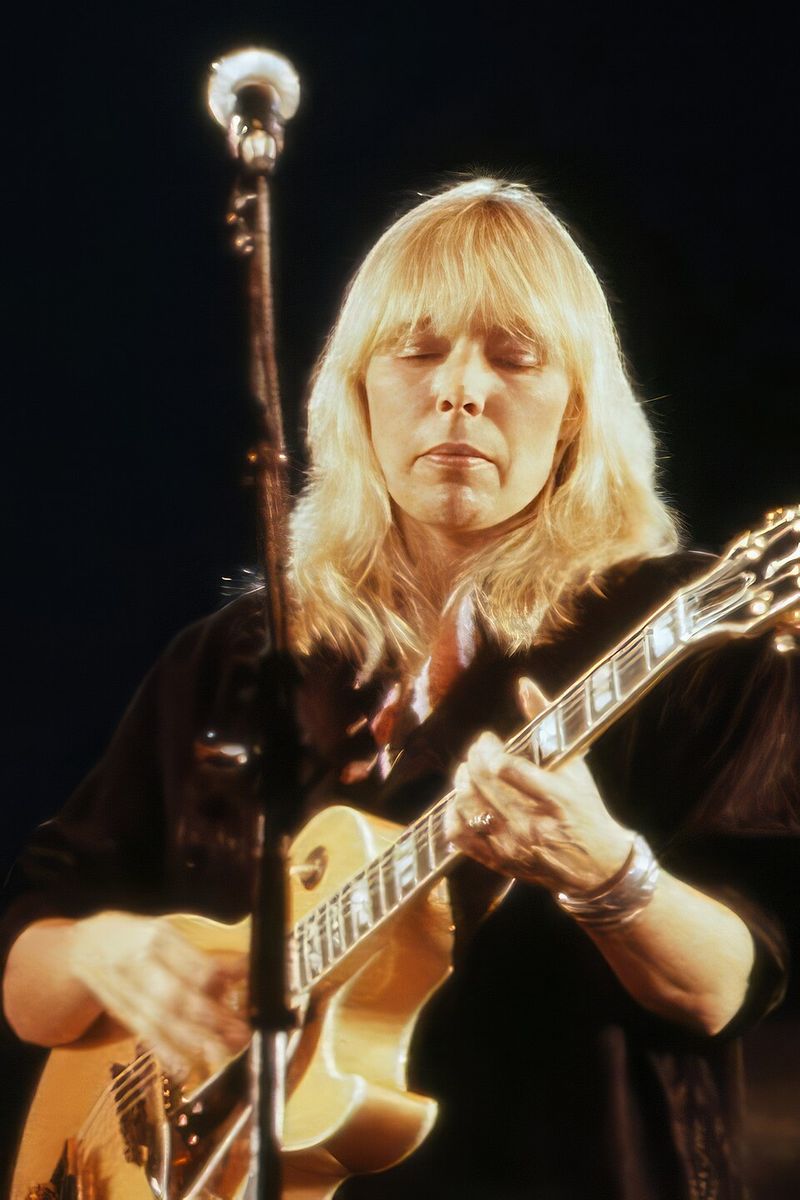
Joni Mitchell was actually scheduled to perform at Woodstock, but her manager talked her out of it.
The reason was surprisingly practical: she had a booked TV show appearance and her team did not want to risk missing it amid the travel chaos.
Now here is the twist that makes this story unforgettable.
Mitchell never attended Woodstock, but she watched the coverage on television and was so moved that she wrote the song Woodstock, which became one of the defining anthems of the entire festival.
She captured the spirit of an event she never attended. That is genuinely remarkable storytelling from one of music’s greatest poets.