Val Kilmer Returns To The Screen In As Deep As The Grave Through Generative AI Recreation
Hollywood has witnessed many unforgettable moments, yet few feel as futuristic as what unfolds in As Deep as the Grave. Val Kilmer, the unforgettable presence behind roles like Iceman in Top Gun, Jim Morrison in The Doors, and the Caped Crusader in Batman Forever, left a legacy that continues to echo beyond his lifetime.
His passing on April 1, 2025, at the age of 65 marked the end of a remarkable era, yet his final role now arrives through an entirely new kind of performance. Advanced generative artificial intelligence steps into the spotlight, reconstructing Kilmer’s presence as Father Fintan, a Catholic priest and Native American spiritualist.
The portrayal blends archived material, digital modeling, and cinematic craft, forming a performance that feels both intimate and futuristic. Developed alongside Mercedes Kilmer and supported by his estate, the project opens a bold conversation about identity, legacy, and the evolving tools of storytelling.
Artificial intelligence does more than fill in gaps, it reshapes what a performance can become. Motion, voice, and expression merge into a seamless illusion that challenges traditional filmmaking.
Cinema enters a new era where memory and technology intertwine, creating echoes of talent that feel astonishingly alive.
1. Val Kilmer And His Connection To Father Fintan

Long before cameras rolled, Val Kilmer felt a profound pull toward the character of Father Fintan. The role, a Catholic priest with deep ties to Native American spirituality, spoke to something personal in Kilmer.
He had spent years exploring spiritual themes in his own life, making Father Fintan feel less like a character and more like a calling.
Originally cast in 2020 under the film’s working title, Kilmer was unable to complete production due to serious health complications caused by throat cancer. His passion for the role never faded, even as his health declined.
2. How Generative AI Brought Kilmer Back To Life Onscreen
Generative AI is not science fiction anymore. It is the real deal, and it is actively reshaping how stories get told on screen.
For As Deep as the Grave, the production team used advanced AI technology to reconstruct Kilmer’s voice, likeness, and performance for the role of Father Fintan.
If you are wondering how realistic the result looks, insiders say the recreation is remarkably faithful to the actor’s mannerisms and presence. The process involved training AI models on extensive footage and recordings of Kilmer.
How filmmakers handle every technical and emotional detail of a project like this sets a new bar for the entire industry.
3. Mercedes Kilmer And The Family’s Role In The Project

Not every AI recreation project carries the blessing of the people who loved the performer most. Kilmer’s daughter, Mercedes Kilmer, played a central and meaningful role in making sure her father’s final performance honored who he truly was.
Her involvement gave the project an emotional authenticity no algorithm could manufacture on its own.
Working closely alongside the filmmakers and Kilmer’s estate, Mercedes helped guide creative decisions to ensure the AI portrayal stayed true to her father’s spirit. Her dedication turned a technological experiment into a heartfelt tribute.
Fans of Kilmer can feel confident knowing someone who genuinely loved him had a seat at the table throughout production.
4. Director Coerte Voorhees And The Vision Behind The Film
Behind every bold cinematic idea is a director willing to take the leap. Coerte Voorhees helms As Deep as the Grave, steering a story about archaeologists Ann and Earl Morris as they excavate the historically rich Canyon de Chelly in Arizona.
The film digs, literally and figuratively, into the layered history of the Navajo people.
Voorhees had to balance the creative demands of a dramatic archaeological thriller alongside the unprecedented challenge of directing a posthumous AI performance. Abigail Lawrie plays Ann Morris and Tom Felton, yes, Draco Malfoy himself, plays Earl Morris.
Quite the cast assembled around a truly groundbreaking project.
5. Canyon De Chelly And The Navajo History At The Heart Of The Story
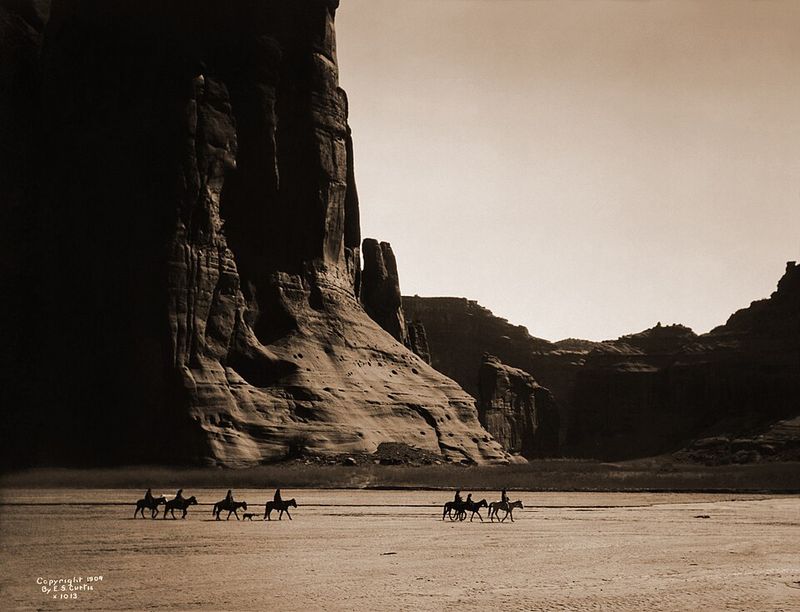
Canyon de Chelly in northeastern Arizona is one of North America’s most sacred and storied landscapes. Continuously inhabited for nearly 5,000 years, the canyon holds layers of Ancestral Puebloan and Navajo history within its ancient walls.
Choosing it as the backdrop for As Deep as the Grave was no accident.
The film uses the canyon’s deep cultural significance to ground its supernatural and spiritual storyline. Archaeologists uncovering forgotten chapters of Navajo heritage creates a narrative that is both thrilling and respectful.
For audiences who love history wrapped inside a good mystery, the setting alone makes As Deep as the Grave a must-watch experience worth circling on the calendar.
6. The Ethical Debate Around AI Recreating Deceased Actors
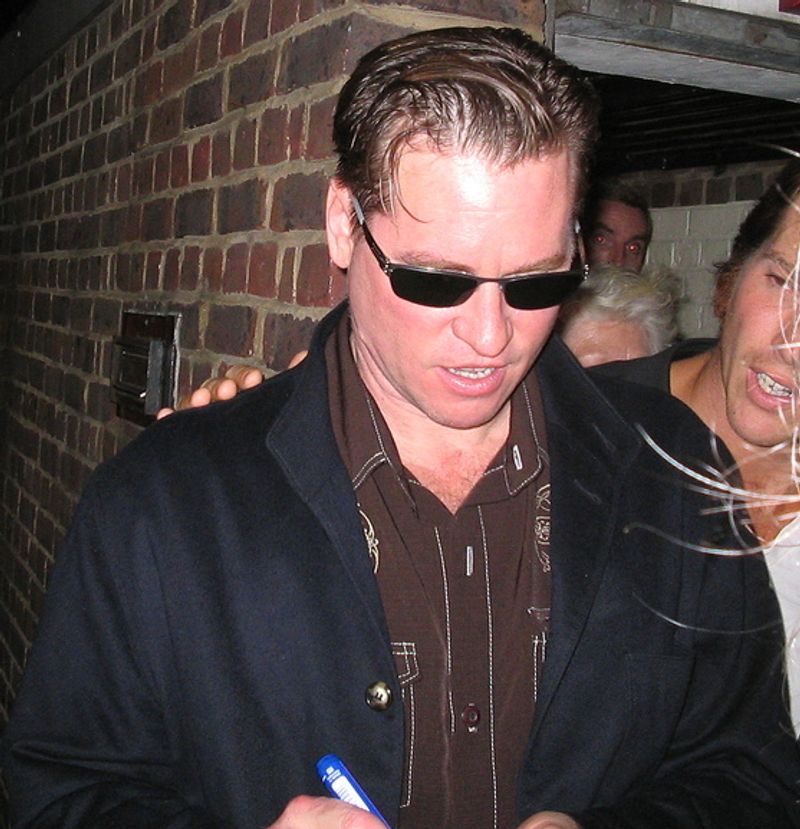
Across Hollywood and beyond, the use of artificial intelligence to recreate deceased performers has sparked serious conversations about consent, legacy, and creative boundaries. Unions, ethicists, and fans all have strong opinions, and honestly, no one is completely wrong.
However, the team behind As Deep as the Grave has been upfront about working closely with Kilmer’s family and estate every step of the way. Supporters argue that when done respectfully and transparently, AI can serve as a meaningful final gift to both the performer and the audience.
Critics push back, urging the industry to establish clearer legal and ethical guardrails before the practice becomes standard.
7. What This Milestone Means For The Future Of Cinema
Hollywood has always evolved alongside technology, silent films gave way to talkies, black-and-white became color, practical effects merged with CGI. Now, generative AI is opening a door that was once firmly shut: allowing performers to appear in roles long after their time has passed.
As Deep as the Grave may very well be remembered as a turning point, the film that made the industry stop and seriously reckon with what storytelling can and should look like going forward. If studios handle AI tools responsibly, new possibilities for honoring artistic legacies could emerge.
For film lovers everywhere, the conversation has only just started, and it is one worth following closely.