10 Ways My Hero Academia Stands Out Among Shonen Anime
No Quirk, no problem, Midoriya still running toward danger like the opening theme is blasting in his head.
Sparks flying, rivals yelling at full volume, and teachers acting calm while absolute turmoil happens behind them. U.A.
High feels less like a school and more like “please do not try this at home” with uniforms.
1. Superhero Meets Shonen School
Classic shonen energy landed in a licensed hero society, letting My Hero Academia carve its own lane without swords, pirate crews, or ninja villages.
Every new arc keeps the setup feeling fresh, mixing scrappy underdog storytelling with a world built on hero agencies, rankings, and public approval ratings. Imagine a superhero comic and a school drama raising one very ambitious kid together.
2. Deku Earns Every Step
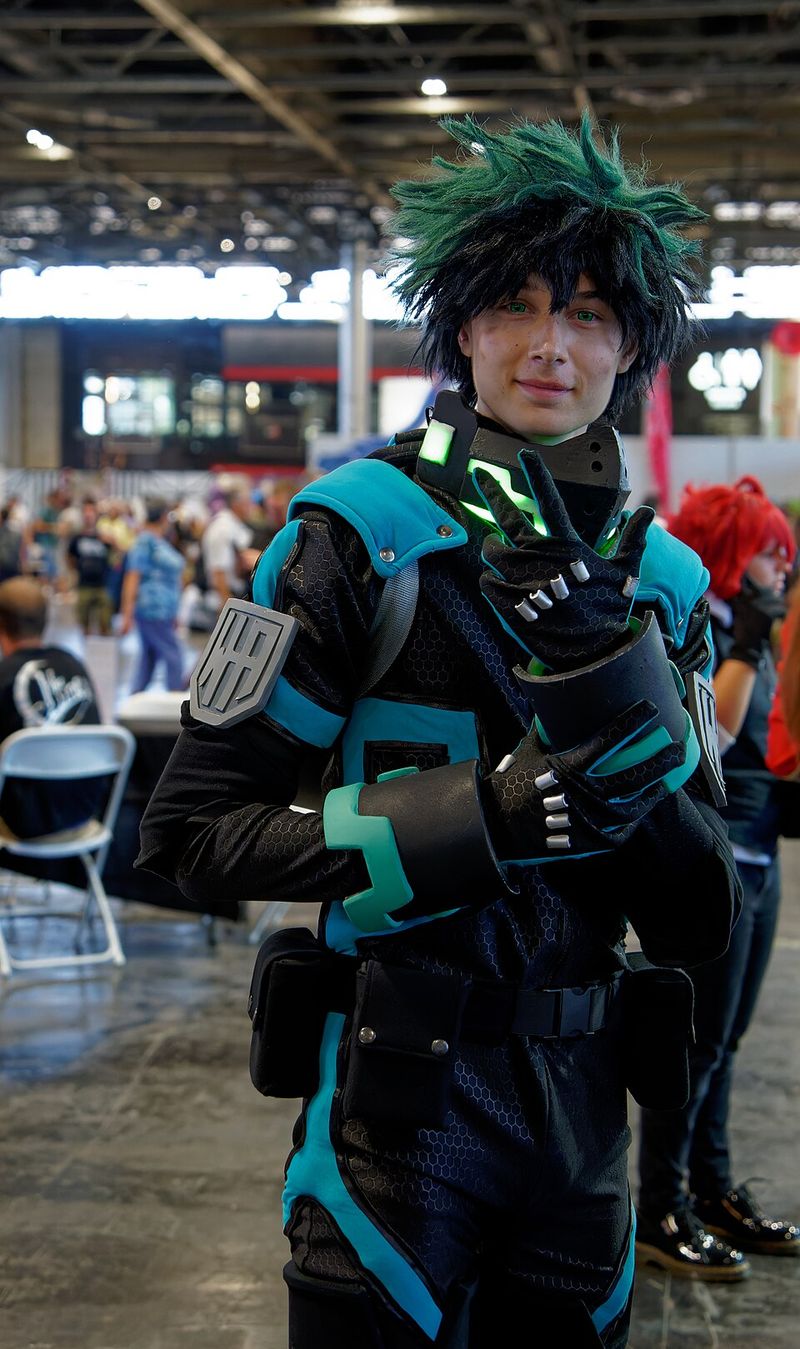
Walking into the story with zero power and a notebook full of hero observations, Midoriya instantly flips the usual shonen opener on its head, since most leads are secretly unstoppable from page one.
Early appeal grows from empathy, careful analysis, and the kind of effort that makes your palms sweat while watching him, with every milestone earned before the inherited power even starts cooperating. Rooting for Deku ends up feeling personal in a way that quietly sneaks up on you.
3. The Mentor Who Actually Matters
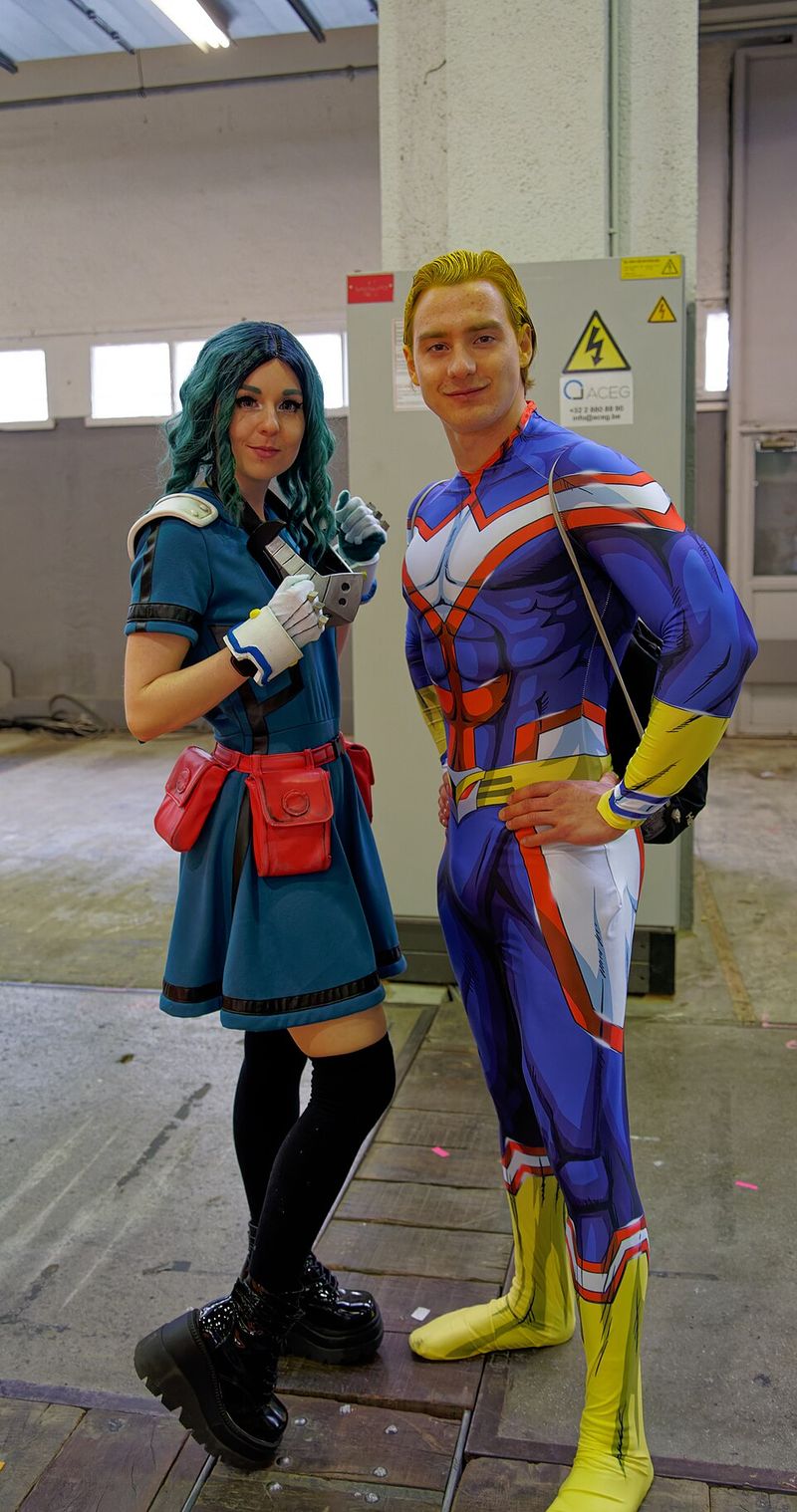
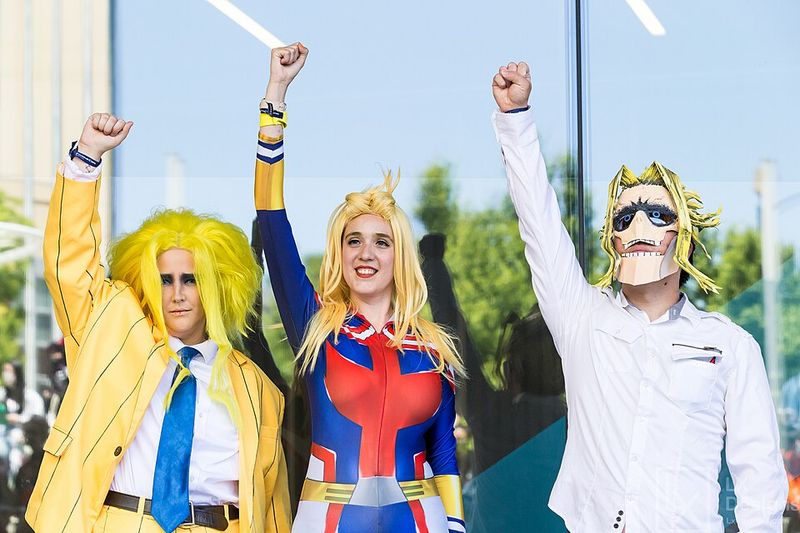
All Might is not just a wise old teacher who shows up to say encouraging things and then disappears.
His public image as the world’s symbol of peace is crumbling in private, and that tension runs through every interaction he has with Deku. The weight of passing on a legacy while hiding a failing body gives the mentor bond a depth most shonen series skip entirely.
Their relationship carries the emotional spine of the whole show.
4. Heroism As An Actual Career
Inside this world, rankings, agency internships, public approval scores, and hero branding function like a real industry rather than a vague dream. Because of that structure, each arc gains a social layer many shonen settings skip.
Students do not just train to get stronger, instead working to pass exams, impress agencies, and earn public trust.
Heroism ends up with a business card, a performance review, and a very stressful licensing exam.
5. A Rivalry Built On Real Pain
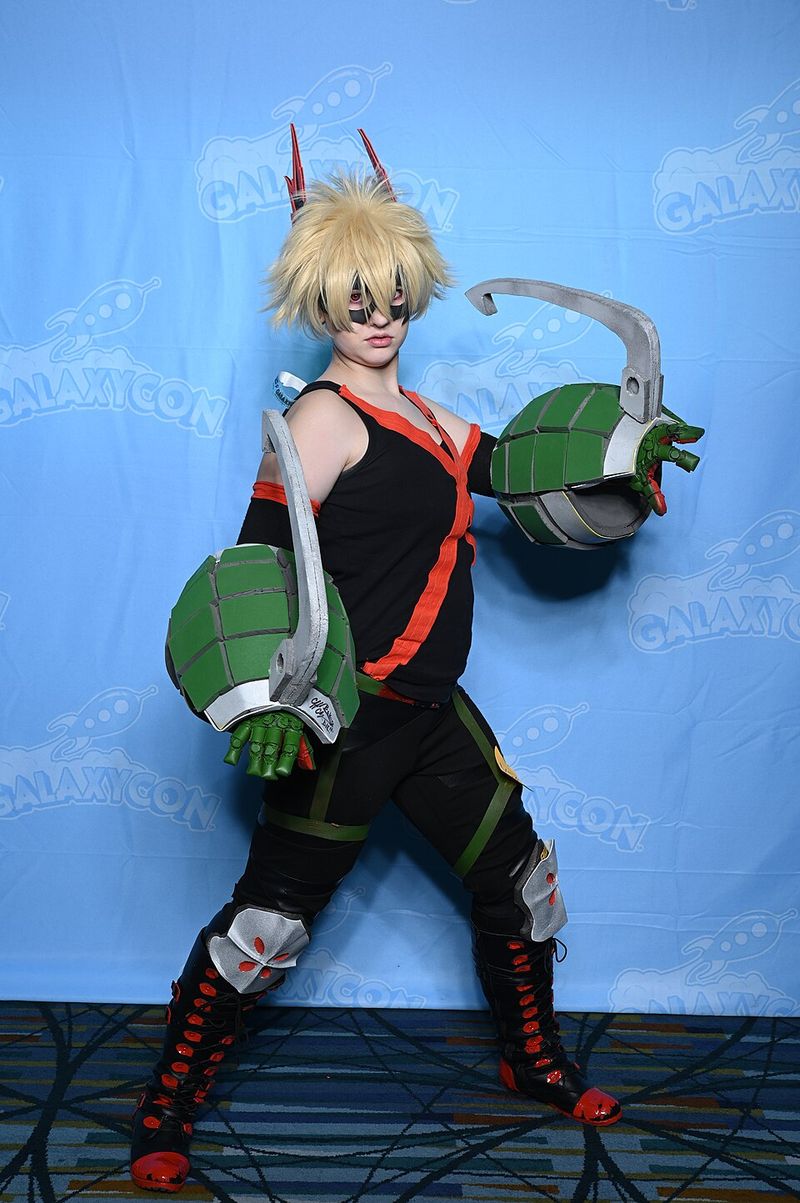
Bakugo and Deku share a history that runs much deeper than two kids competing for the top spot.
Guilt, childhood cruelty, wounded pride, and a complicated respect sit beneath the surface, with neither of them quite able to say any of it out loud.
Emotional mess makes every confrontation hit harder than a standard rival showdown ever could. Less about who wins the fight, each clash becomes more about what the fight is actually about.
6. Side Characters With Real Weight
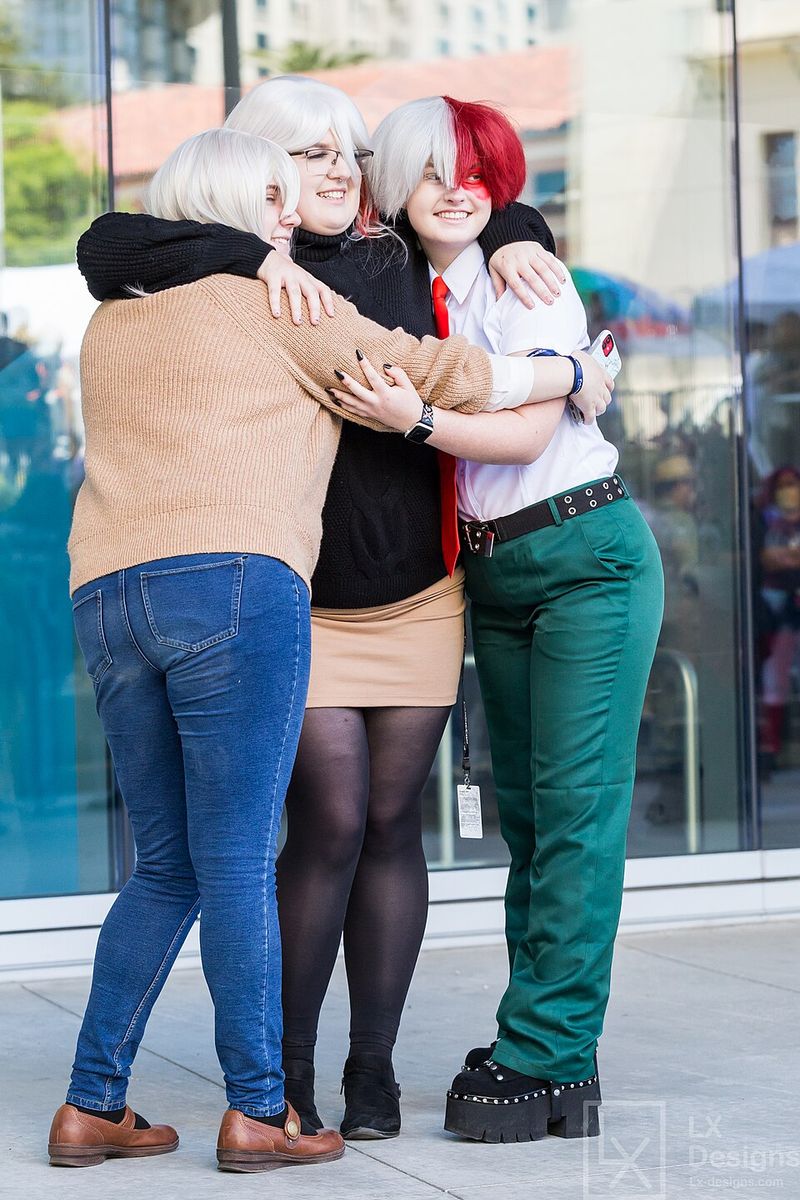
Twenty students fill Class 1-A, yet the series somehow keeps most of them in active rotation.
Meaningful arcs, personal stakes, and defined roles in group battles emerge for characters like Todoroki, Kirishima, and Uraraka, making contributions feel earned rather than assigned. Instead of serving as background, the classroom operates like a small ecosystem where personalities collide with real friction.
Supporting figures come across as full cast members rather than extras filling a hallway.
7. Female Characters Who Show Up
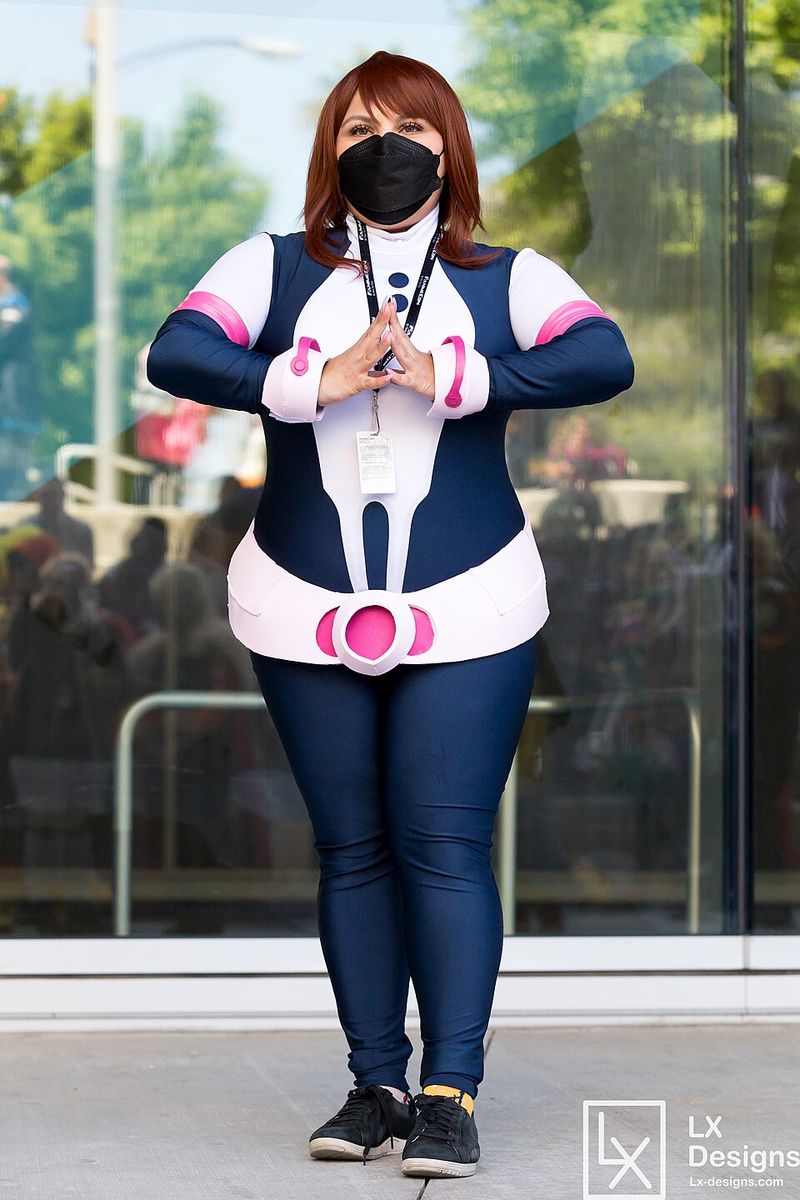
Wanting to become a hero to support her family financially gives Ochaco a motivation more grounded than half the male leads in the genre.
Momo, Tsuyu, and Jiro each bring distinct abilities and personalities into training arcs, rescue missions, and combat moments that actually matter to the plot. Balance remains imperfect across the series, yet the effort to give these characters visible contributions stays genuinely noticeable.
8. Villains The System Created
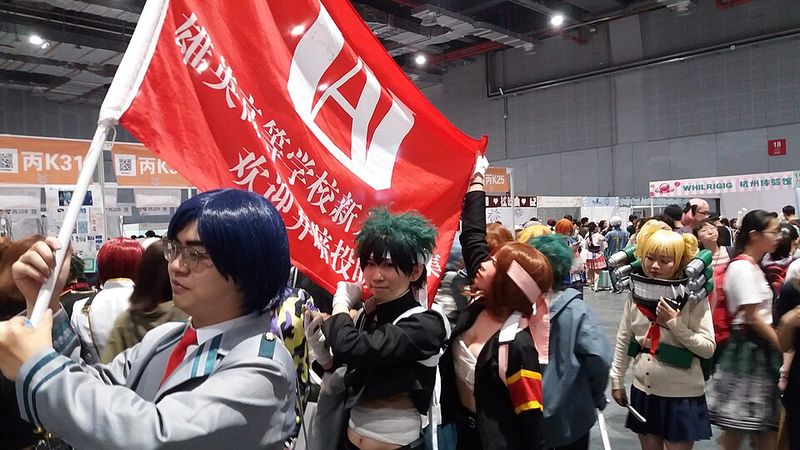
League of Villains members are framed as products of the world around them rather than as one-note antagonists.
Backstories for characters like Shigaraki and Toga trace how hero society failed, ignored, or discarded them.
Conflict shifts beyond simple punching, turning into a debate over who the system protects and who slips through the cracks. Villains end up creating the kind of discomfort that lingers in the best possible way.
9. Legacy Runs Through The Story
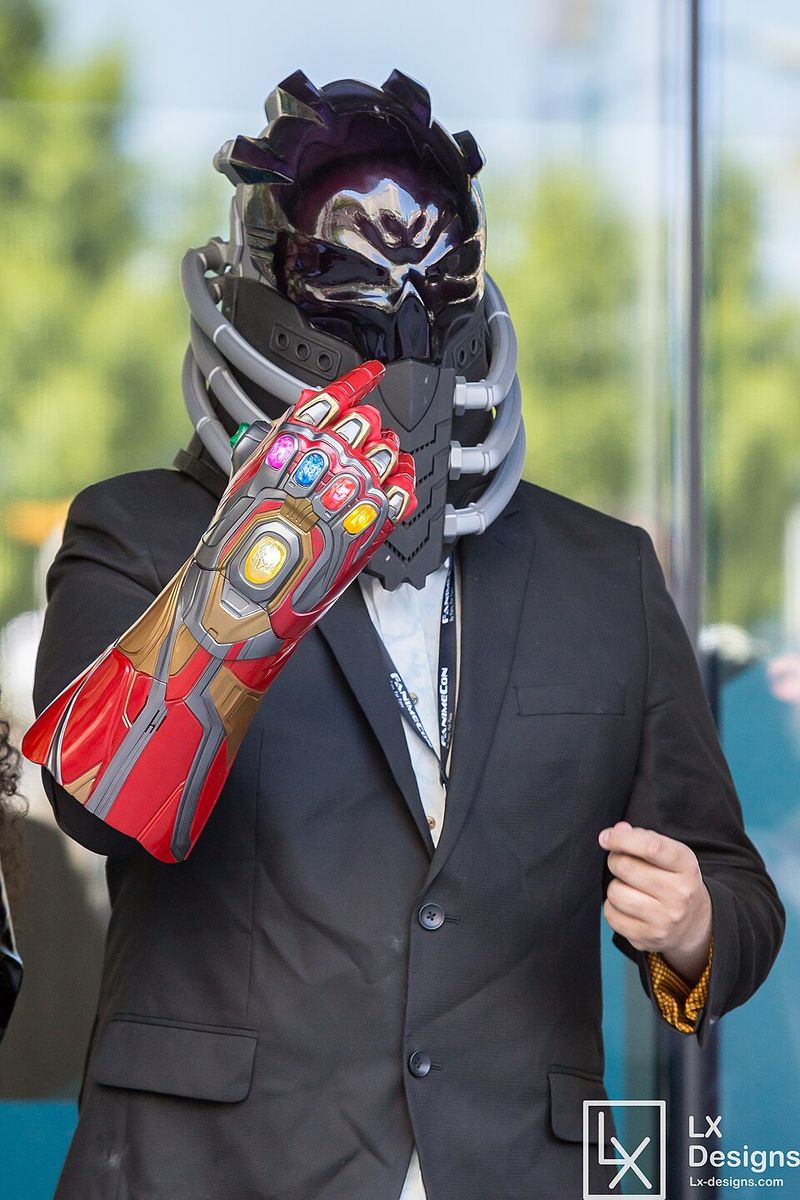
One For All passes through generations, while All For One keeps pulling strings across that same timeline.
Generational struggle gives the central conflict a weight that feels built in rather than added at the last minute. Shigaraki is not just a strong villain.
Deliberate answer to everything All Might and the hero system built over decades, the character reshapes the entire conflict.
10. Hope With A Critical Eye
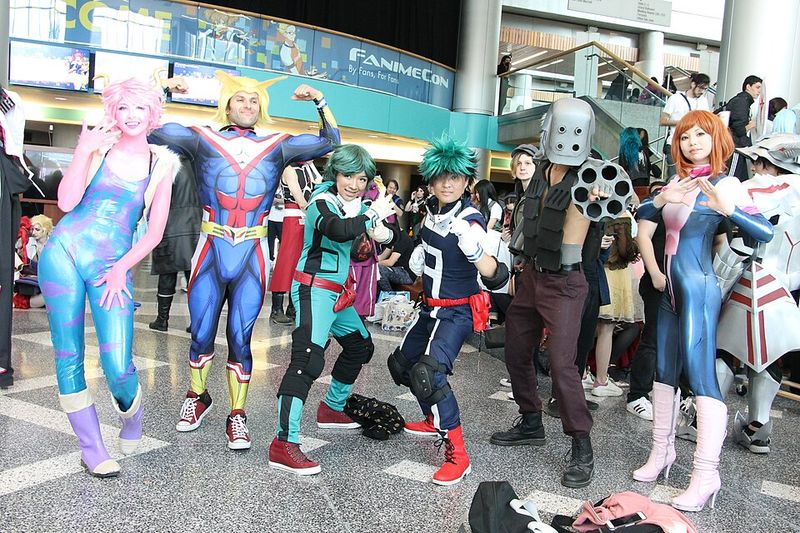
My Hero Academia genuinely believes in heroes. That warmth is real and it powers every triumphant moment the show earns.
At the same time, the series keeps poking at the system, asking who hero society actually serves and who it quietly leaves behind. That tension between belief and criticism is what keeps the story from feeling like simple cheerleading.
Few shonen series manage to be this optimistic and this honest at the same time.
Note: This article was reviewed for factual consistency, tone, and suitability for a broad audience.
Content is provided for general informational and entertainment purposes and is not intended as professional, legal, or financial advice.