19 Well-Known ’60s Songs That Never Reached No. 1 In The U.S.
The 1960s cranked out songs everyone knows by heart, even when the U.S. Hot 100 never crowned them No. 1
Some classics hovered just below the top spot, edged out by another hit or lost in a crowded week on the radio dial. Chart math said “almost,” but listeners said “forever.”
Turns out the songs that stick around don’t always need a trophy to win.
Important: Release details and U.S. Billboard Hot 100 peak positions reflect information available at the time of writing, and chart outcomes can vary by country, chart type, or re-release.
19. Twist And Shout (The Beatles, 1964)
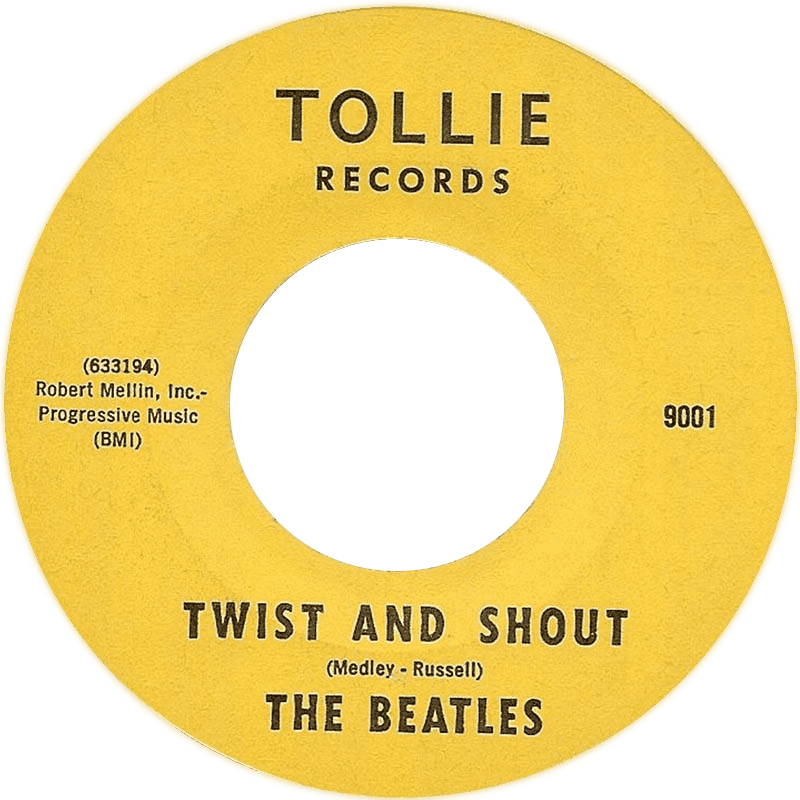
Picture the Beatles in matching suits, shaking their mop-tops under hot stage lights.
This cover of the Isley Brothers’ hit became a Beatlemania anthem, yet it peaked at number two on the Billboard Hot 100. The raw energy and John Lennon’s raspy vocals made it a live-show closer that left audiences breathless.
Radio DJs spun it constantly during morning commutes. Fans bought the single in droves, but the top spot stayed just out of reach, a reminder that popularity and chart rank don’t always match.
18. Like A Rolling Stone (Bob Dylan, 1965)
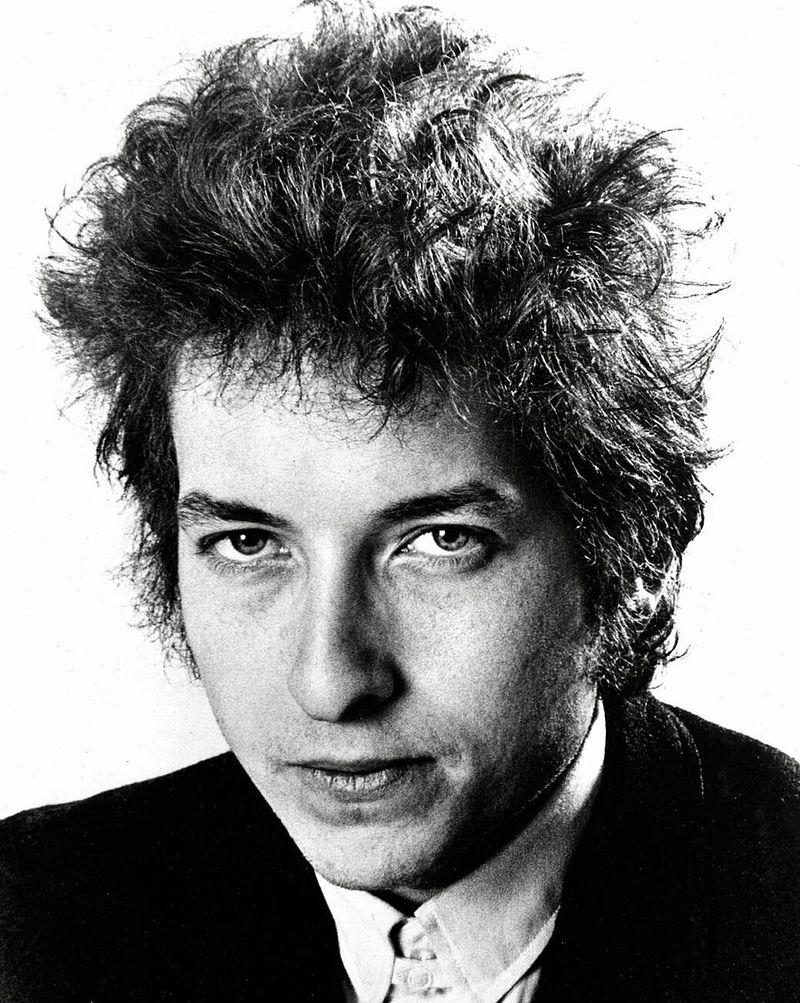
Trading an acoustic guitar for electric fury reshaped rock music forever.
Six minutes stretched expectations as the epic stalled at number two while rewriting rules for what a pop song could be. Organ riff still cuts through decades of radio static.
Revolutionary praise poured in from critics even as charts told a different story.
Meaning sparked debates over coffee, lyrics landed on napkins, and jukeboxes kept spinning the song on repeat inside dimly lit diners.
17. California Dreamin’ (The Mamas And The Papas, 1965)
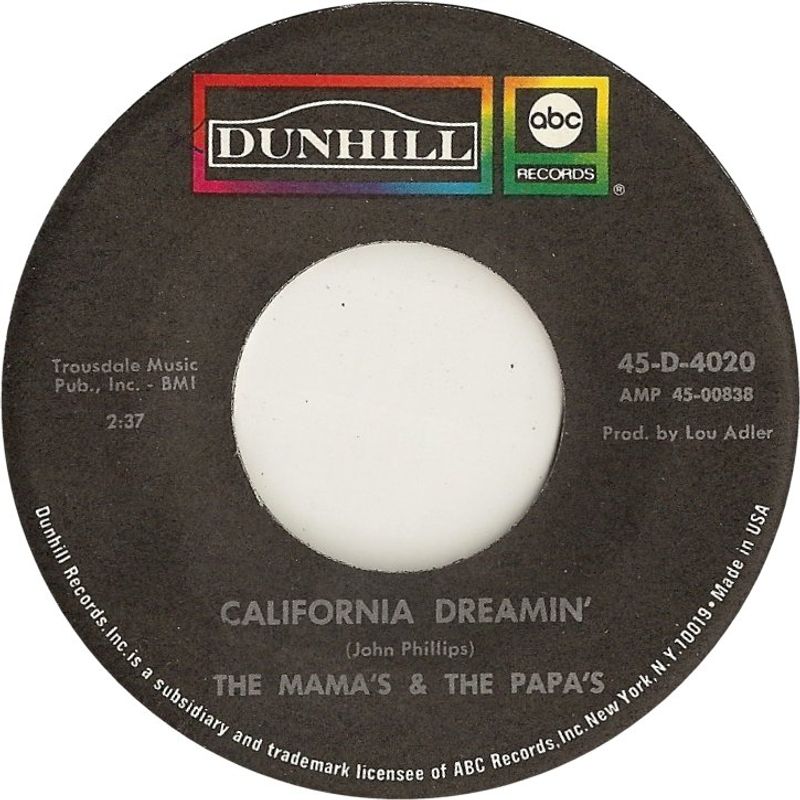
Winter gray skies and cold sidewalks inspired this daydream of sunshine and palm trees. The flute solo floats like a warm breeze, and the harmonies wrap around you like a favorite sweater.
It climbed to number four, kept from the summit by other hits.
Fans hummed it while scraping frost off windshields. The song became a California postcard in three minutes, proving that longing resonates more than any chart number ever could.
16. Born To Be Wild (Steppenwolf, 1968)
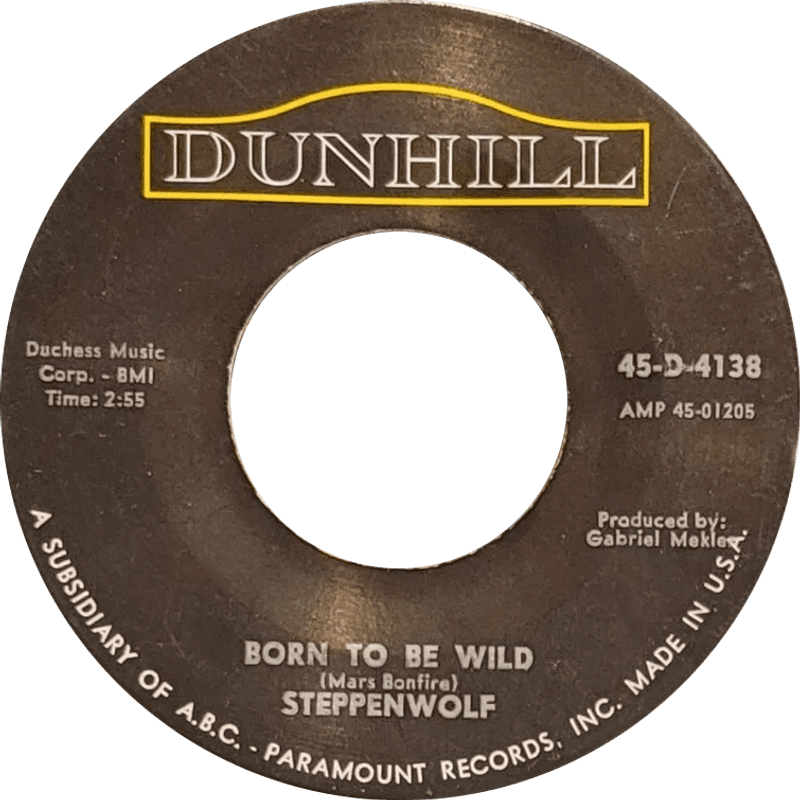
Leather jackets paired with open highways set a restless tone built for speed, noise, and escape. Reaching number two, a biker anthem roared through road trips and rebellion with unapologetic force.
Like a revving engine, guitar riff punches hard while lyrics rise as a rallying cry for freedom seekers everywhere.
Under glowing screens, drive in movies blasted the song through tinny speakers late into the night.
Windows down, teenagers cranked car radios and felt invincible as asphalt blurred beneath them.
15. White Rabbit (Jefferson Airplane, 1967)
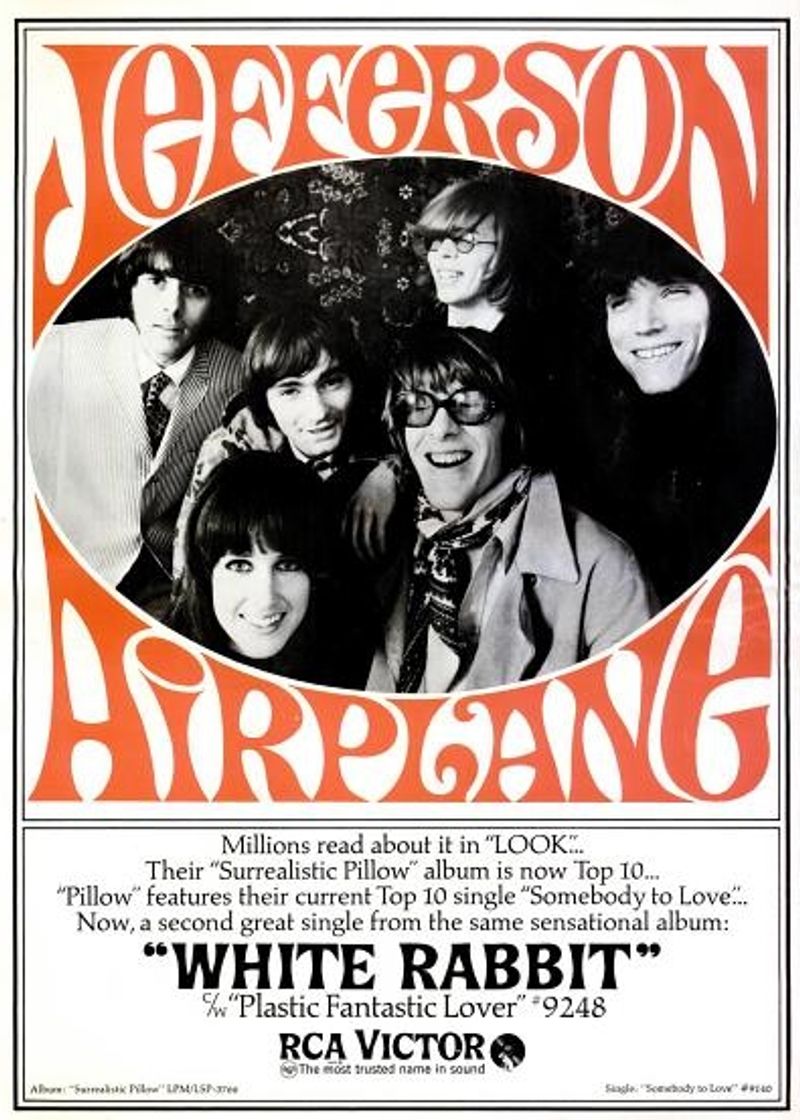
Grace Slick’s voice climbs like smoke curling from incense. This psychedelic journey through Wonderland peaked at number eight, but it defined the Summer of Love more than any chart-topper.
The bolero rhythm builds tension with every verse.
College dorms played it late into the night, posters of Alice on dorm walls. The song dared listeners to question reality, a soundtrack for a generation coloring outside the lines.
14. Sunshine Of Your Love (Cream, 1968)
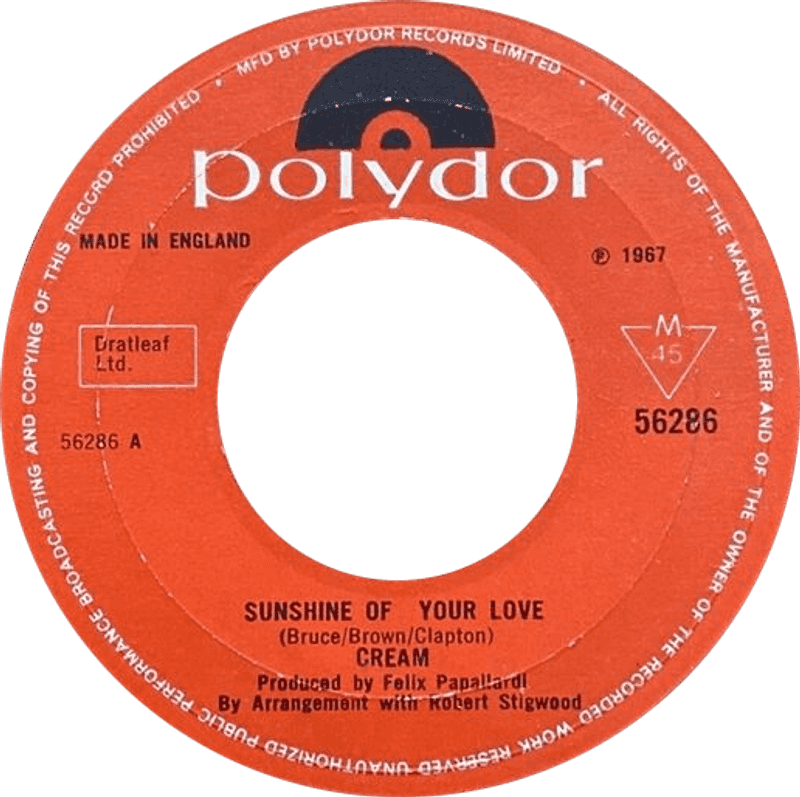
That opening riff is pure electricity.
Cream’s power trio reached number five with this heavy blues-rock masterpiece. Eric Clapton’s guitar work became the gold standard for aspiring rock gods everywhere.
Garages echoed with amateur versions, teenagers fumbling through the chords. The song bridged blues tradition and psychedelic exploration, proving that innovation doesn’t need a number-one trophy to leave a permanent mark on music history.
13. California Girls (The Beach Boys, 1965)
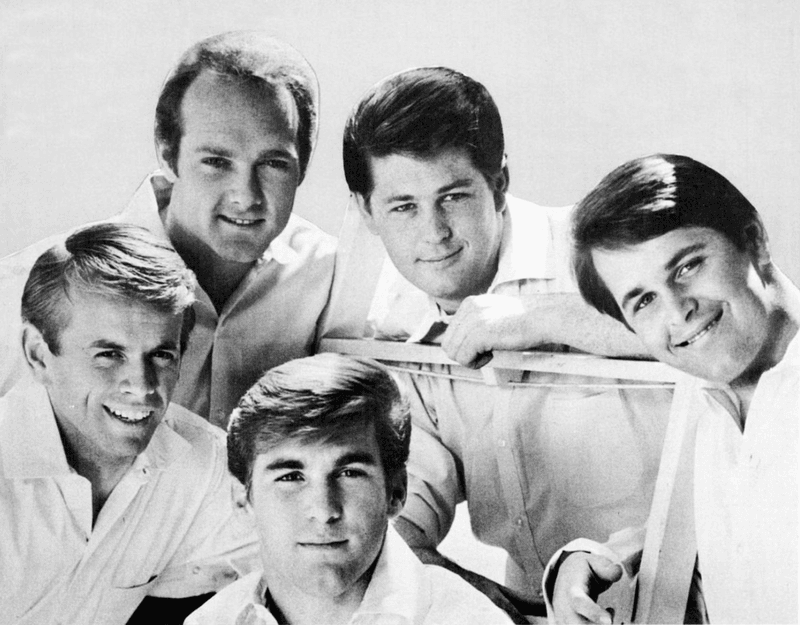
Surf’s up energy pours out as flawless harmonies capture a carefree moment built for sunshine and salt air.
Peaking at number three, an ode to West Coast beauties bottled summer inside three minutes of pure pop bliss. Production genius shines through every note, giving the song a polish that feels effortless and timeless.
Beach towels and transistor radios carried the sound straight to sandy shores.
Postcard imagery took shape as an endless summer unfolded, where every day felt like Saturday and the ocean stretched forever blue.
12. A Whiter Shade Of Pale (Procol Harum, 1967)
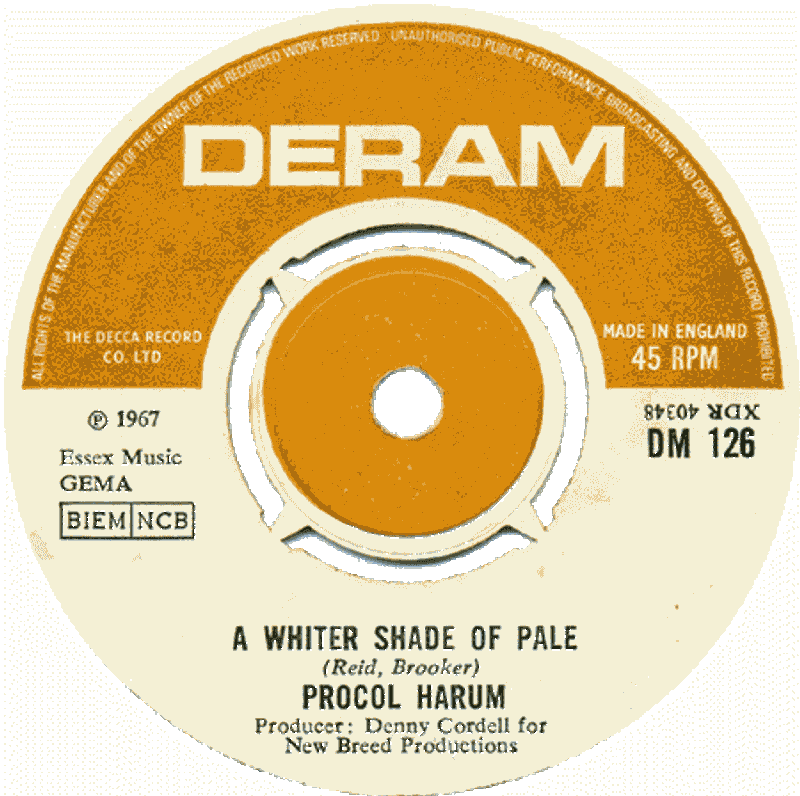
The organ intro borrows from Bach, and the lyrics remain beautifully mysterious. Reaching number five, this baroque-pop gem puzzled and enchanted listeners in equal measure.
Nobody quite understood the words, but everyone felt them.
Couples slow-danced to it at dim-lit parties. The song floated like a dream half-remembered, proving that clarity isn’t required when emotion does all the talking, chart rank aside.
11. For What It’s Worth (Buffalo Springfield, 1967)
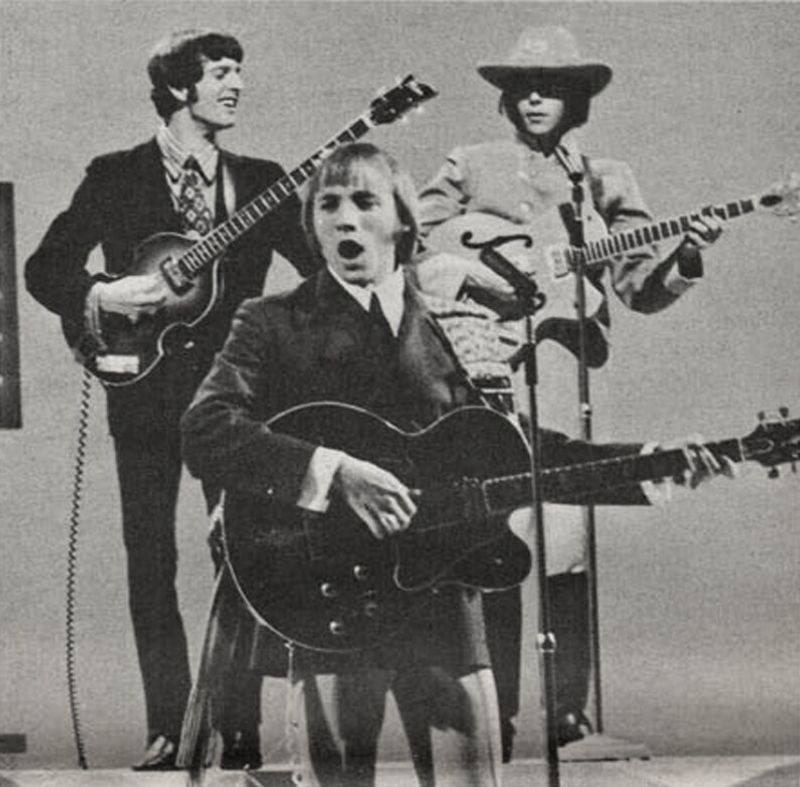
That opening line snaps listeners to attention.
This protest anthem peaked at number seven, capturing the tension on Sunset Strip and beyond.
Stephen Stills wrote it in fifteen minutes, and it became the soundtrack for a generation questioning authority. College campuses adopted it as their rallying cry, guitars strummed at sit-ins and marches, proving that urgency and truth matter more than any chart position ever could.
10. Be My Baby (The Ronettes, 1963)
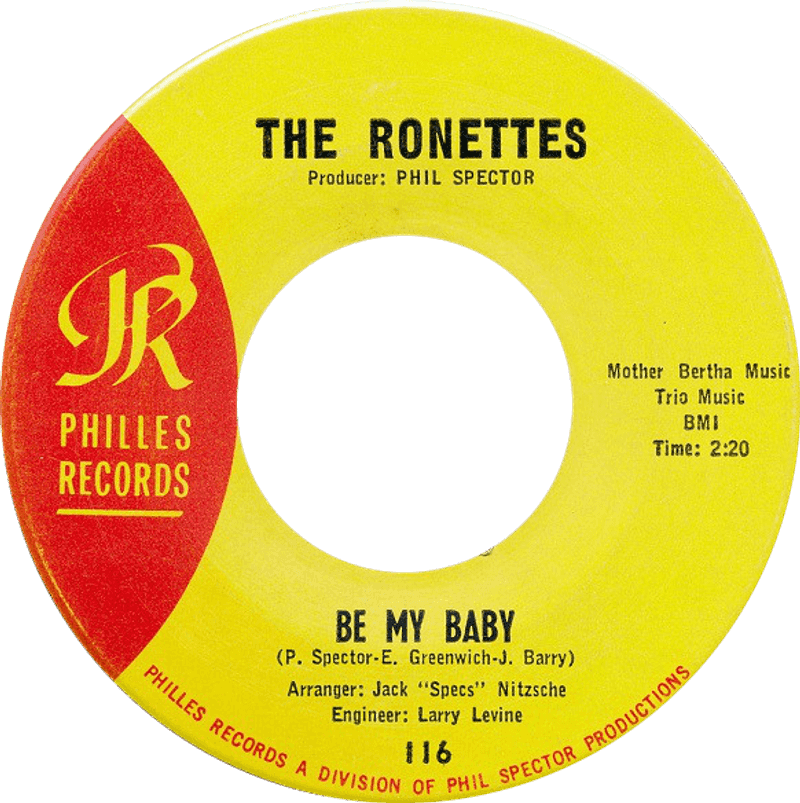
Phil Spector’s Wall of Sound crashes in like thunder, filling every corner with scale and drama.
Over a sweeping orchestra, Ronnie Spector’s voice soars and turns a number two hit into an instant classic.
Iconic status belongs to the drumbeat, later copied by countless bands chasing that same pulse. Sock hops and school dances kept the record spinning endlessly.
Under crepe paper streamers, teenagers clutched each other close, hearts pounding in time with an unforgettable rhythm as chart numbers faded from memory.
9. Stand By Me (Ben E. King, 1961)
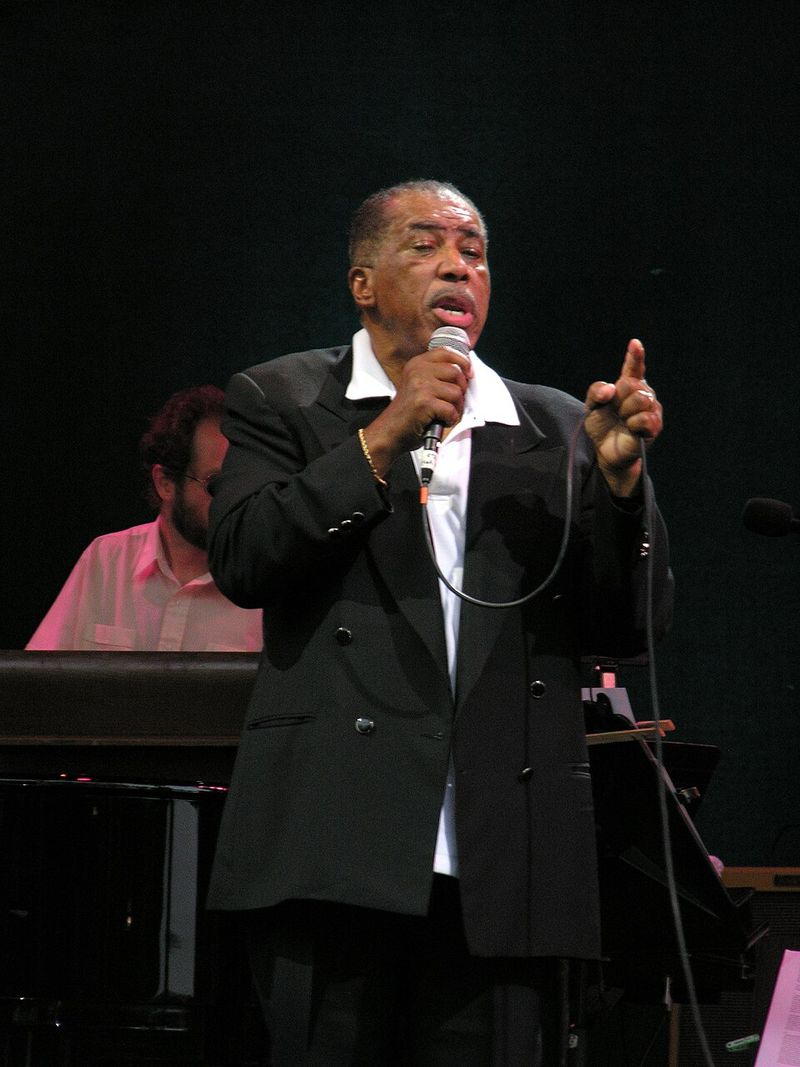
Few intros feel that instantly steady and reassuring.
Peaking at number four, it became a timeless anthem of loyalty and love. Ben E.
King’s smooth vocals wrapped around listeners like a promise kept.
Wedding DJs still cue it up decades later. The bassline walks steady, and the message remains clear: true companionship outlasts any chart ranking or fleeting fame.
8. Wouldn’t It Be Nice (The Beach Boys, 1966)
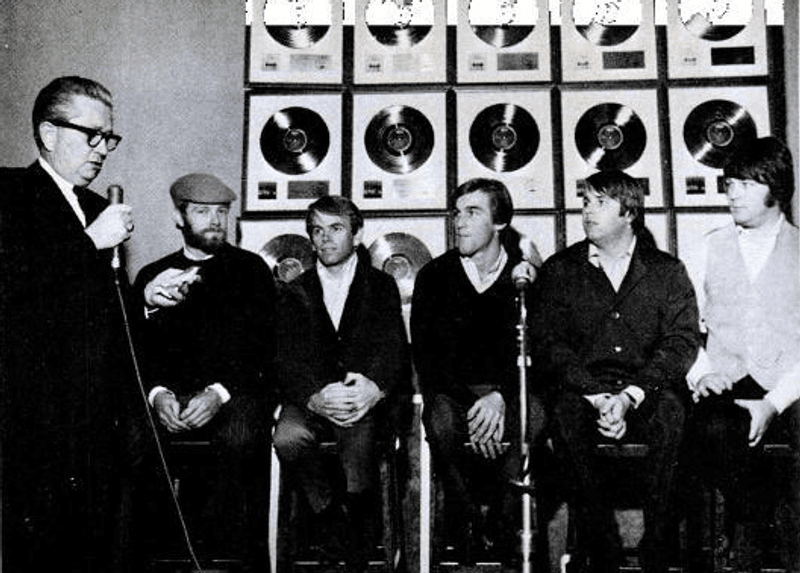
Teenage yearning rarely sounds as sweet as it does here.
Wistful daydreams about growing up and being together peaked at number eight, yet young love found a perfect voice.
Harmonies shimmer like sunlight dancing across water. At drive ins, couples held hands and imagined shared futures.
Brian Wilson’s production genius turned innocence into art, showing how hope and longing can resonate far deeper than any number one trophy ever could.
7. God Only Knows (The Beach Boys, 1966)
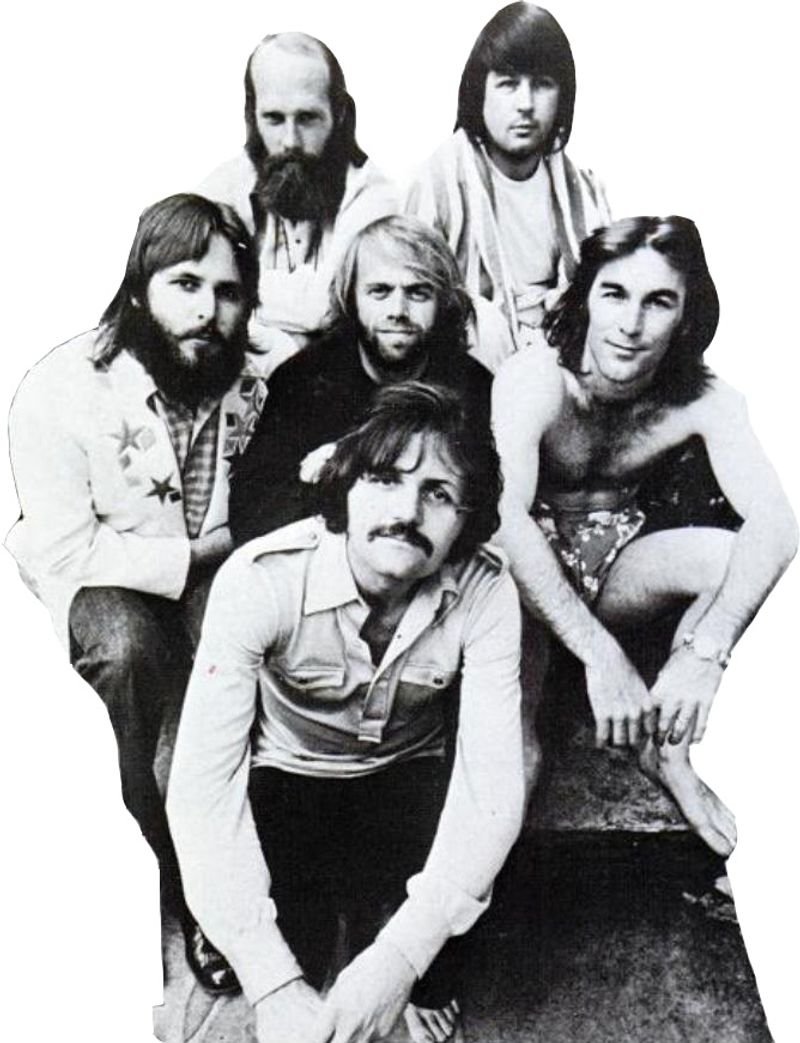
High praise came when Paul McCartney called it the greatest song ever written.
Reaching number thirty nine in the U.S. while earning worldwide devotion, a baroque masterpiece reshaped how much emotion pop music could hold.
French horn and harpsichord textures bring elegance to feelings that remain deeply raw. Weddings and funerals alike continue to claim it.
Devotion speaks through every line, turning the song into a love letter set to music that rises above charts, decades, and any measure of commercial success.
6. Eleanor Rigby (The Beatles, 1966)
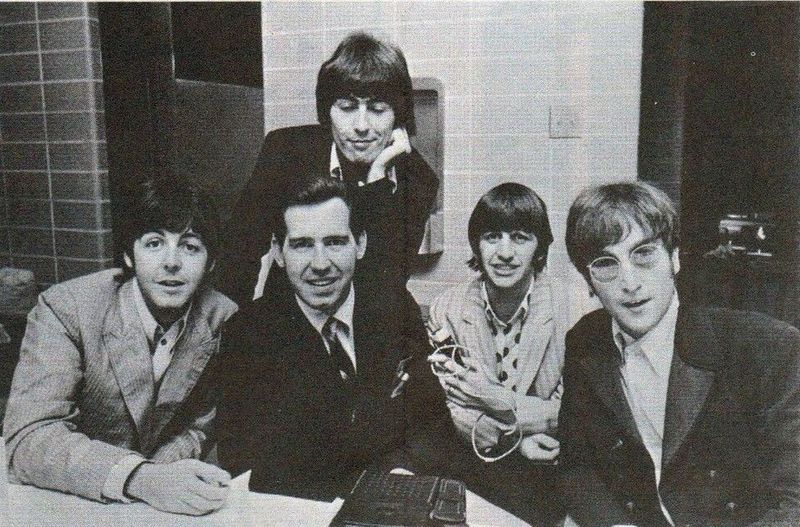
No guitars, just strings and a haunting story.
This number eleven hit painted loneliness in stark detail, a short film in song form. Paul McCartney’s lyrics introduced characters who lived and died unnoticed.
Listeners sat quietly, absorbing every word. The string octet added drama, turning pop into art.
Coffee shops and late-night radio shows played it, proof that innovation matters more than climbing to the very top of any chart.
5. Can’t Help Falling In Love (Elvis Presley, 1961)
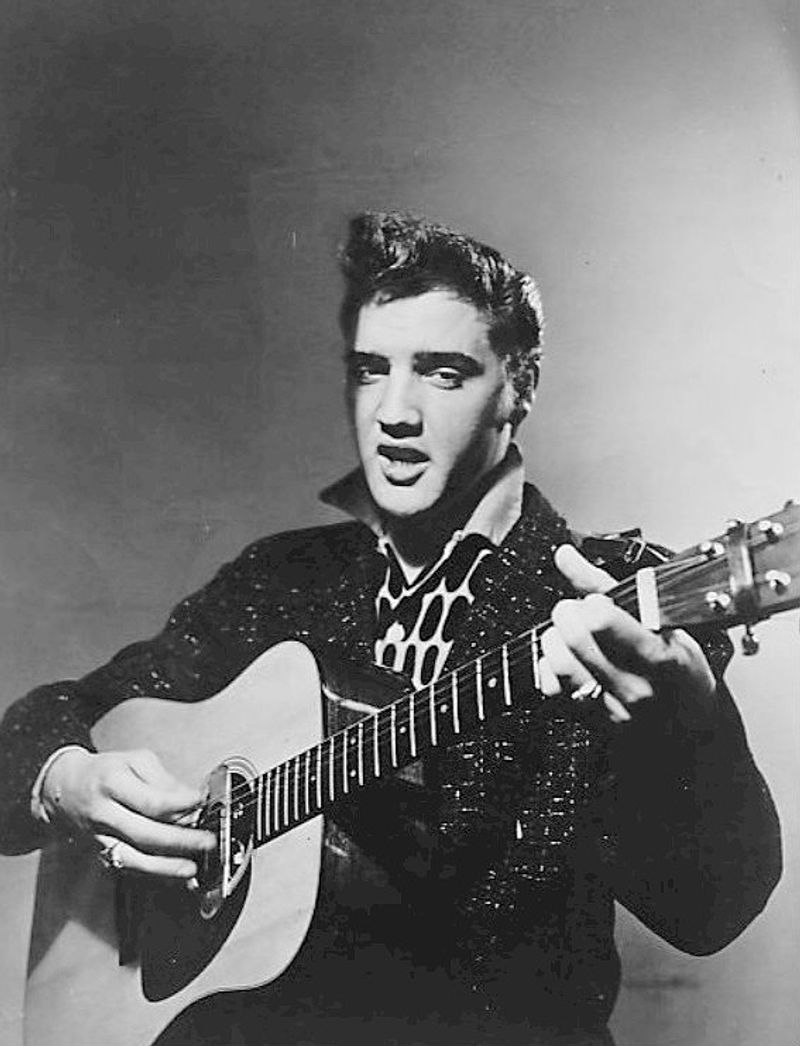
Slowing the pace, tenderness took over as a familiar swagger gave way to something softer.
Peaking at number two, the ballad escaped its chart moment and grew into a wedding standard that outlasted every hit from that year.
Roots reach back to an 18th century French love song, giving the melody a timeless foundation.
First dances and anniversaries still claim it as their own. Gentle sincerity in Elvis’s voice proved that vulnerability connects far deeper than any hip shake or number one ranking ever could in music history.
4. Dancing In The Street (Martha And The Vandellas, 1964)
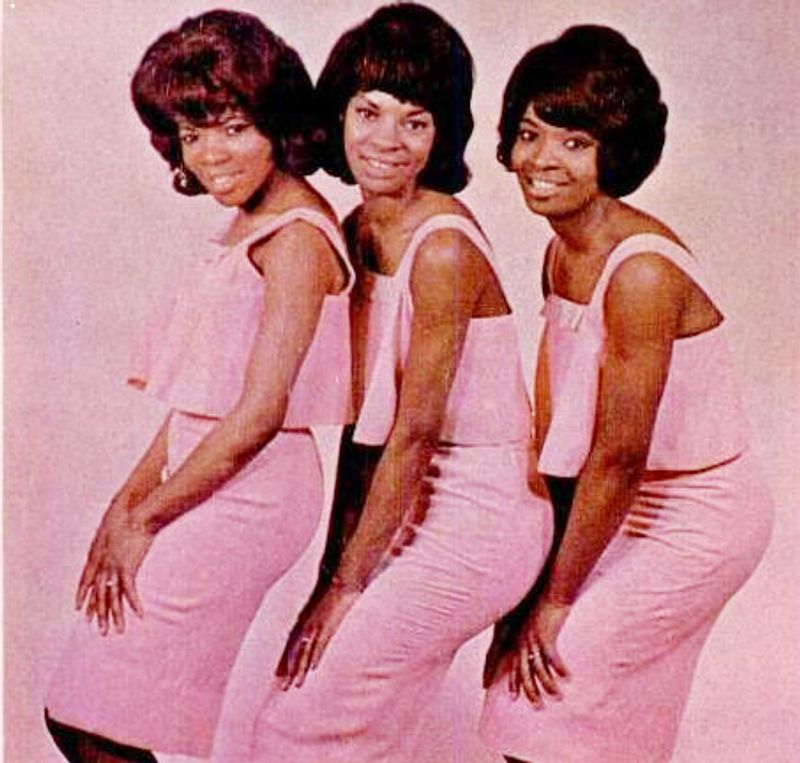
Summer heat and concrete streets find their perfect soundtrack here.
Pure joy pours out as Martha Reeves belts every line, carrying the song to number two and sealing its place as a Motown anthem. Handclaps land with infectious force, making resistance almost impossible.
Block parties and parades quickly adopted the tune as a shared theme.
Onto sidewalks, neighbors spilled and moved to the beat, showing how music pulls people together far better than any chart position ever could.
3. Proud Mary (Creedence Clearwater Revival, 1969)
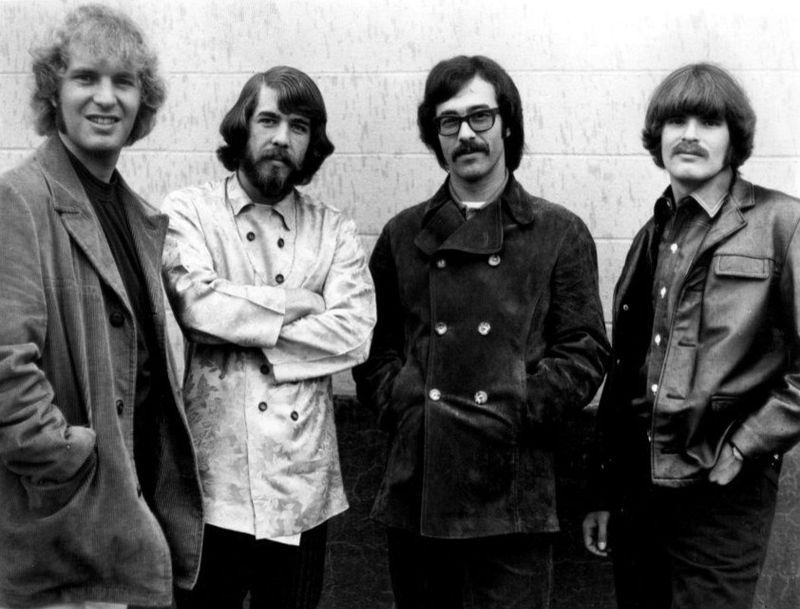
That rolling river hook locks in fast and stays there.
Reaching number two, a CCR classic crossed rock and soul lines, picked up by Ike and Tina Turner and countless bar bands along the way.
Swamp rock groove from John Fogerty hooks instantly and never loosens its grip. Across decades, jukeboxes wore the single thin from constant play.
Halfway tempo shift still catches first time listeners off guard, proving lasting power matters far more than any chart rank ever does.
2. You Really Got Me (The Kinks, 1964)
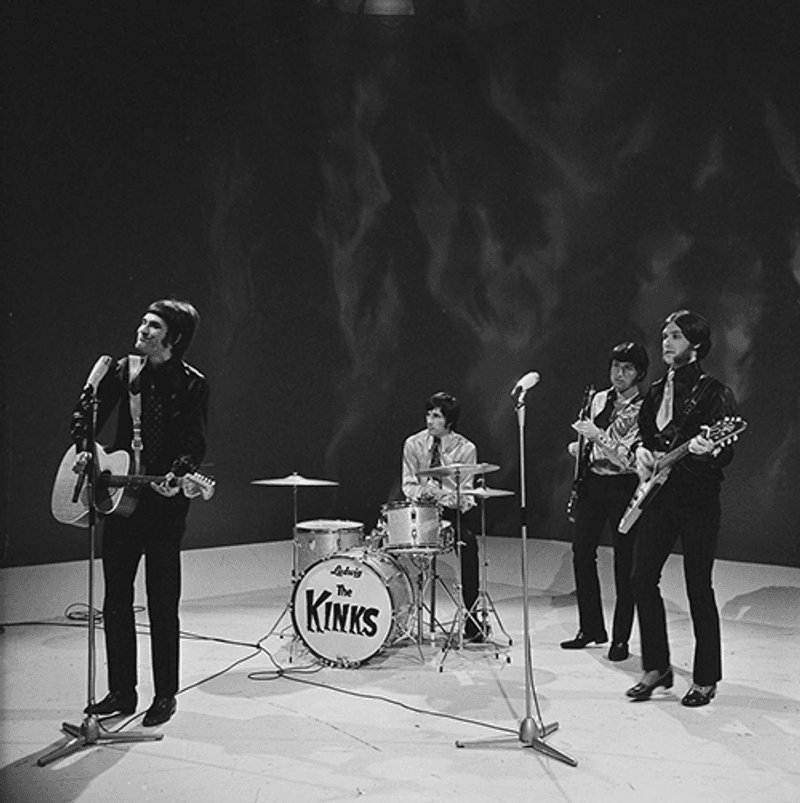
That distorted guitar riff invented hard rock. Peaking at number seven, this raw burst of energy influenced everyone from Van Halen to the punk movement.
Ray Davies slashed his amp speaker to get the sound.
Garage bands everywhere tried to copy it. The song proved that three chords and attitude could change music history, no number-one trophy needed to leave a permanent mark on rock and roll.
1. Piece Of My Heart (Big Brother And The Holding Company, 1968)
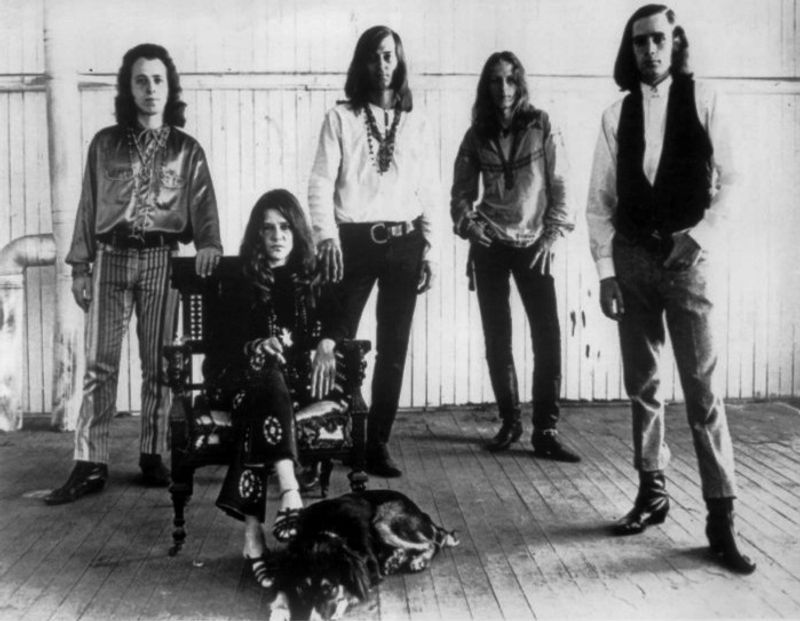
Lightning seems to strike as Janis Joplin’s voice tears straight through the speakers. Peaking at number twelve, the performance showcases raw power and vulnerability in equal measure.
Originally recorded by Erma Franklin, every raspy note reshaped the song into something unmistakably her own.
In packed concert halls, crowds felt every emotion with hands raised and voices hoarse from singing along. Soul and grit ultimately carried the message, proving chart positions matter far less than feeling ever could in music.