10 Well-Known Horror Movies That Might Be Too Intense For Beginners
Horror movies can be thrilling, but some classics pack a punch that might leave first-time viewers feeling overwhelmed.
Even well-known films with legendary status in the genre can deliver scares, unsettling imagery, and bleak endings that catch newcomers off guard.
For newer horror viewers, knowing which titles might be too intense can help you ease into the genre without feeling overwhelmed.
Important: This article discusses horror films and includes references to frightening themes and mature onscreen content that some readers may find upsetting. Descriptions reflect commonly cited plot elements and widely recognized critical context, but individual sensitivity varies, and perceptions of intensity can differ by viewer and by version or restoration of a film.
The content is provided for general informational and entertainment purposes and is not legal, financial, or professional advice.
1. Night Of The Living Dead (1968)
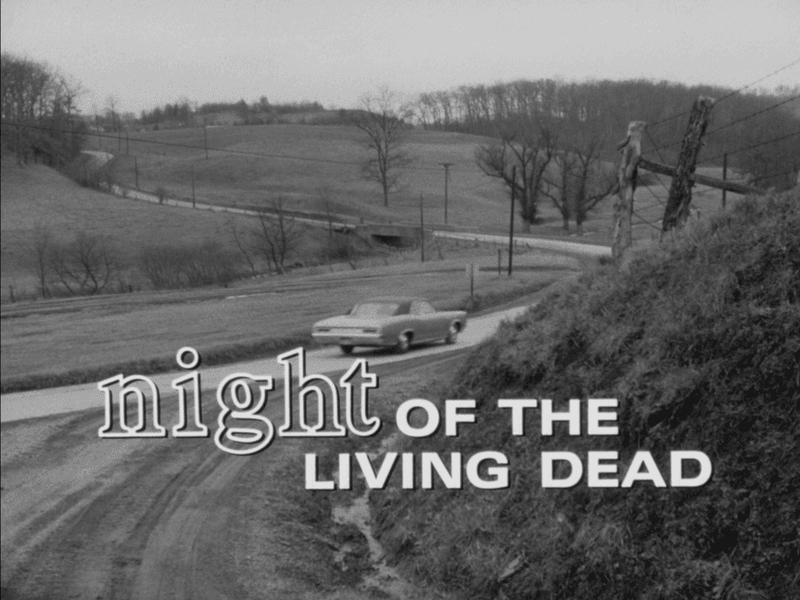
Undead attackers appear throughout the film, and the threat rarely lets up.
George A. Romero’s film became a major influence on modern zombie cinema, but its relentless pace and grim tone can feel suffocating for viewers new to the genre.
The black-and-white visuals add a documentary-like realism that makes the terror feel uncomfortably close to home.
When the final scene rolls, there’s no comforting resolution or hero riding off into the sunset. Instead, the ending delivers a devastating turn that lingers long after the credits roll, leaving beginners wondering if they signed up for more than they bargained for.
2. Nosferatu (1922)
Silent films may seem tame by modern standards, yet this German expressionist masterpiece proves otherwise. Count Orlok’s gaunt face and spindly fingers form an image of deeply unsettling that has stayed in the cultural imagination for more than a century.
A lack of dialogue can make the visuals land even harder.
Shadowy cinematography and eerie makeup design tap into primal fears that rise above language and era. Beginners expecting a quaint antique often end up genuinely unsettled by how effectively the film crawls under the skin, even without a single spoken word or hint of color.
3. Freaks (1932)
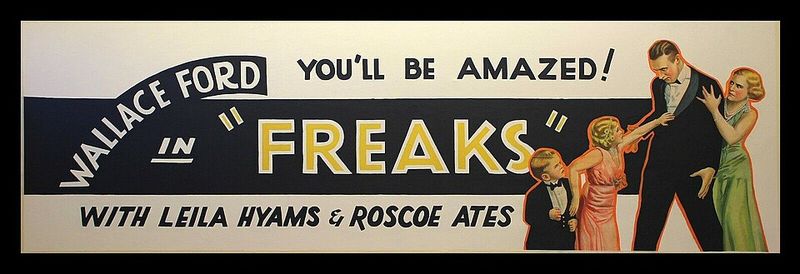
What starts as a carnival drama spirals into something far more disturbing.
Director Tod Browning cast performers who were billed as sideshow acts, including performers with disabilities – lending casting choices that can feel uncomfortable for modern viewers, depending on how they read the film’s intentions. The story builds slowly, lulling you into a false sense of security before the infamous final act.
When the revenge sequence unfolds, it’s harrowing and stays with you long after the film ends. Beginners often underestimate this one, thinking its age will soften the blow, but the payoff remains one of cinema’s most unforgettable gut-punches.
4. Carnival Of Souls (1962)
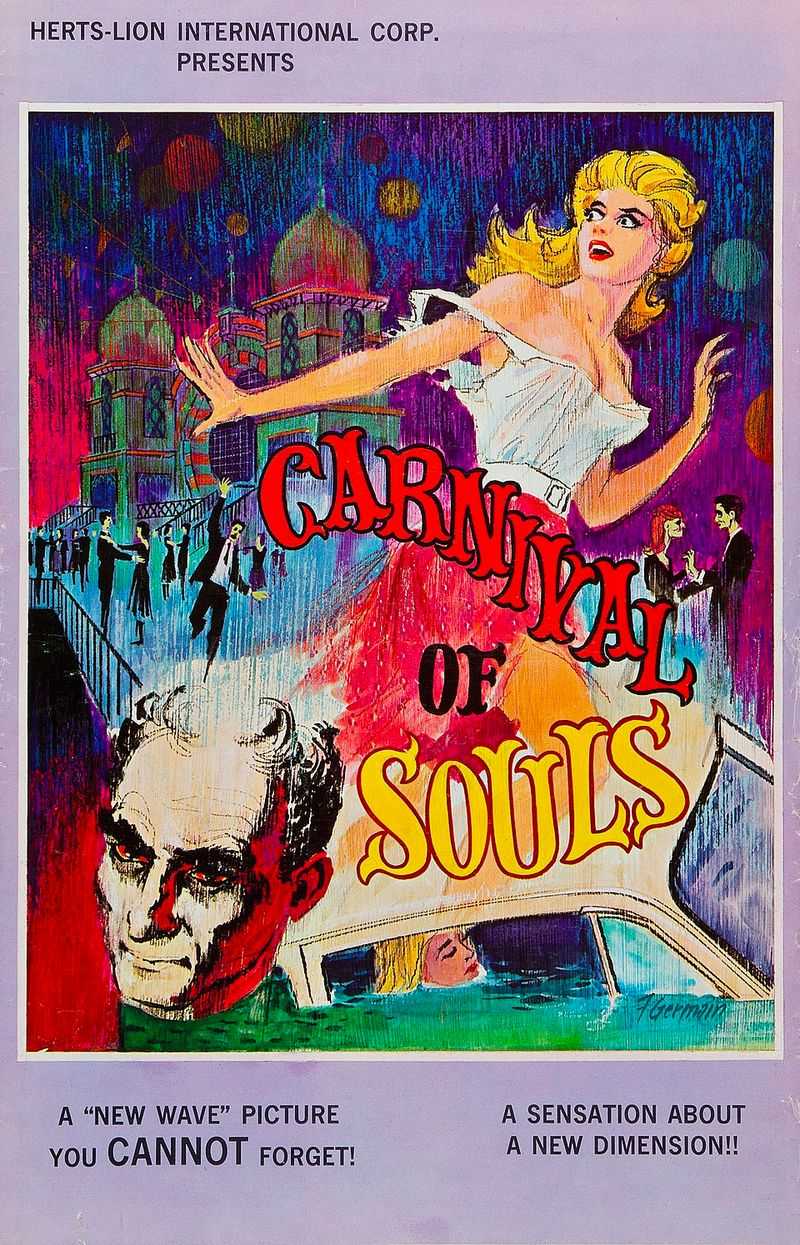
Isolation seeps into every frame like fog drifting across an abandoned pier.
Through empty streets and desolate landscapes, a lone protagonist moves slowly, building a sense of existential dread that can feel more oppressive than any jump scare.
Rather than relying on monsters or gore, the film traps viewers inside a psychological maze where reality bends and nothing feels quite right. Some newcomers find the slow pacing challenging, yet those who stay often report feeling genuinely unsettled for days.
Throughout it all, eerie organ music and ghostly figures shape an atmosphere that lingers in the mind like a half-remembered bad dream.
5. House On Haunted Hill (1959)
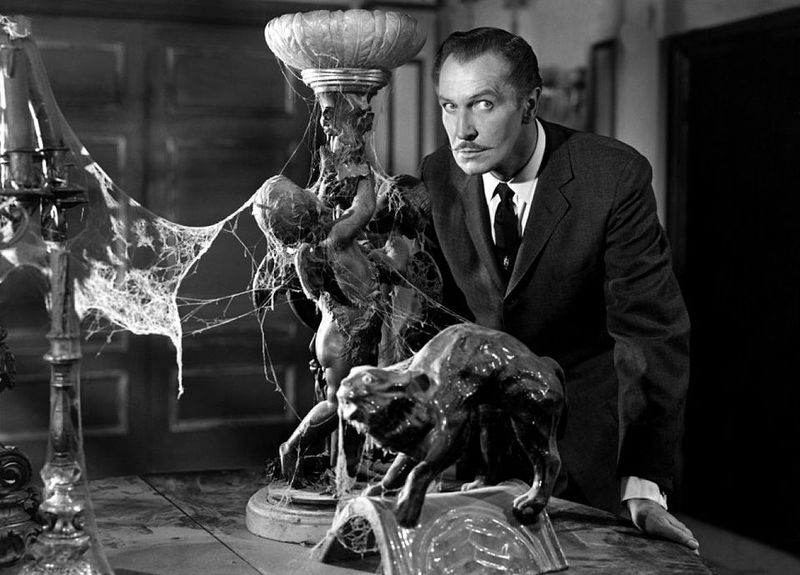
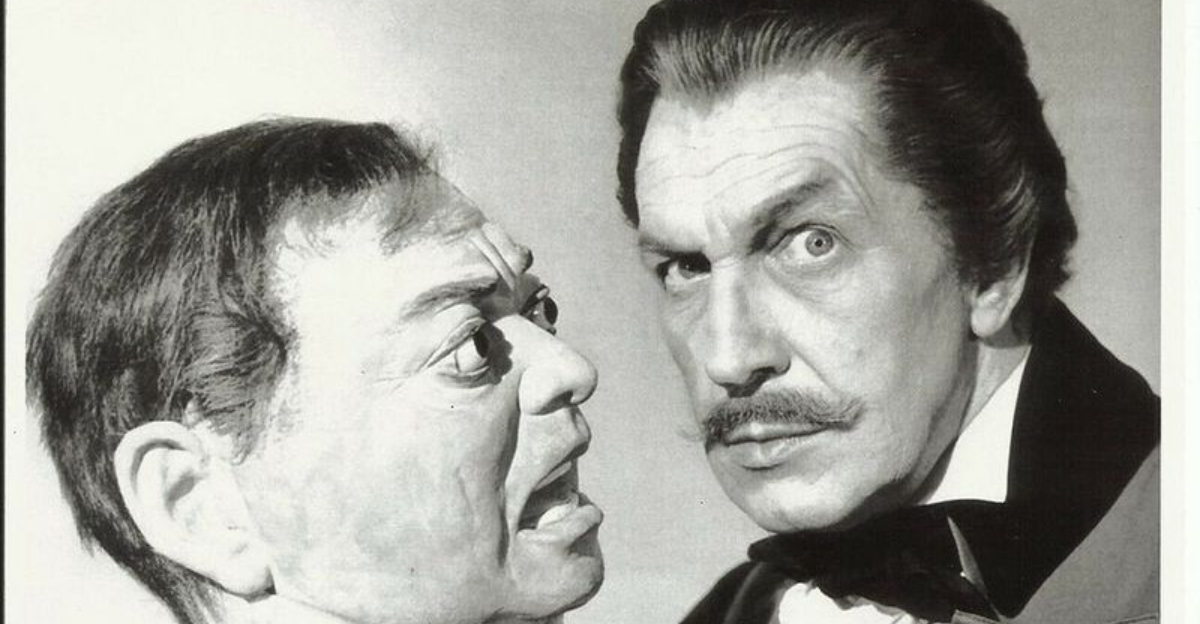
Vincent Price’s sinister charm and the film’s gimmicky thrills might seem campy at first glance. However, the movie doesn’t shy away from sharp shocks and a mean-spirited edge that can catch beginners off guard, especially during the basement sequences.
Suddenly, what felt like harmless fun turns genuinely unnerving.
The skeleton-in-the-vat reveal and the acid vat sequence inject real menace into the haunted house formula. While some scenes play for laughs, others deliver scares that feel uncomfortably personal, making this a trickier introduction to classic horror than its playful reputation suggests.
6. Dementia 13 (1963)
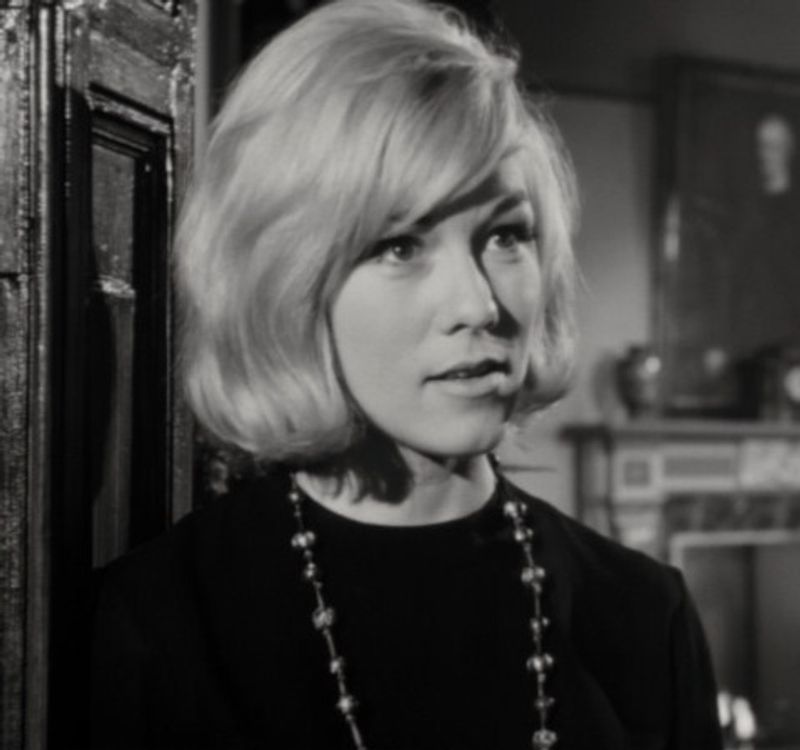
Francis Ford Coppola’s early horror effort plunges straight into murder and mayhem.
Inside an Irish castle, a tense family gathering unravels as greed and buried secrets erupt into brutal killings. Shocking axe m*rder scenes carry unusual intensity for the era, while stark black-and-white cinematography deepens the feeling that danger hides in every shadow.
Anyone expecting a slow Gothic tale may be caught off guard by the sudden bursts of violence. An unrelentingly grim tone paired with few sympathetic characters turns the film into a tough introduction to 1960s horror, leaving audiences more disturbed than entertained.
7. The Cabinet Of Dr. Caligari (1920)
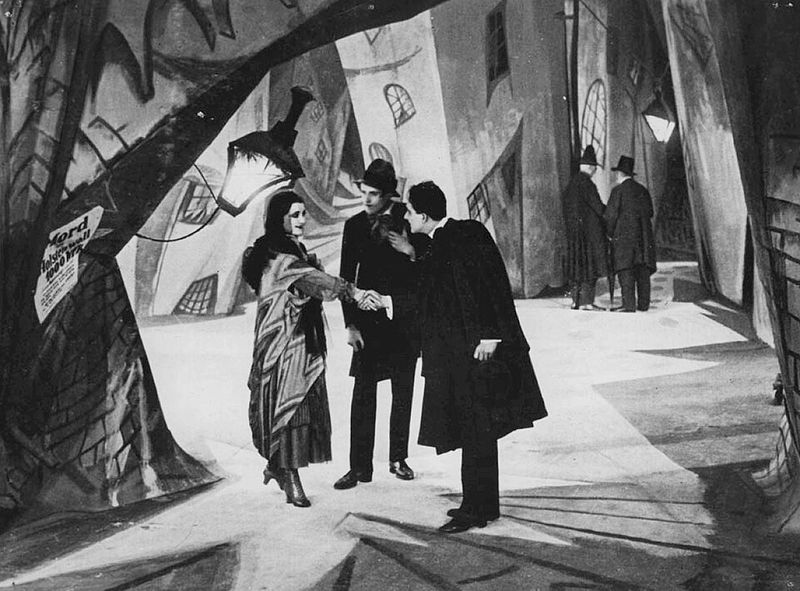
Imagine wandering through a nightmare where walls lean at impossible angles and shadows twist into threatening shapes.
German Expressionism turns every set into a distorted fever dream, and the psychological menace of the story adds layers of unease that go beyond simple scares. The twist ending challenges your perception of reality in ways that can feel genuinely disorienting.
Beginners might struggle with the silent-film format and exaggerated acting, but those who give it a chance often find the visuals hauntingly effective. The film’s influence on horror is undeniable, yet its unsettling aesthetic remains potent enough to rattle modern audiences.
8. Häxan (1922)
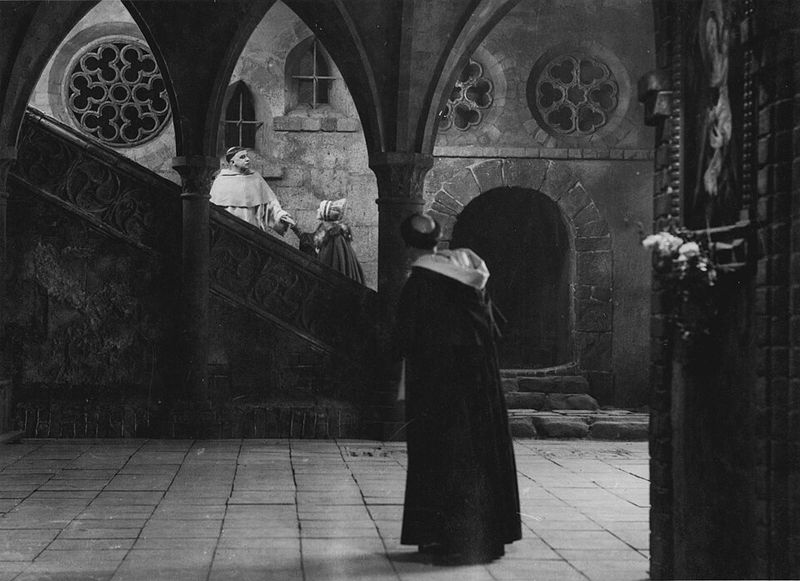
Witchcraft themes and occult ritual imagery appear in vivid detail throughout this Swedish-Danish documentary-drama hybrid.
Director Benjamin Christensen combines historical reenactments with striking imagery that includes sexual content, scenes of torture, and provocative anti-clerical imagery.
Far from softening the impact, the silent-film format can make the visuals feel even more raw and confrontational.
Many beginners underestimate how intense silent horror can be, yet Häxan delivers moments that still feel genuinely disturbing a century later. An educational framing does little to ease the nightmarish tone of the occult-themed sequences, making the film a demanding watch for anyone new to the genre.
9. The Phantom Of The Opera (1925)
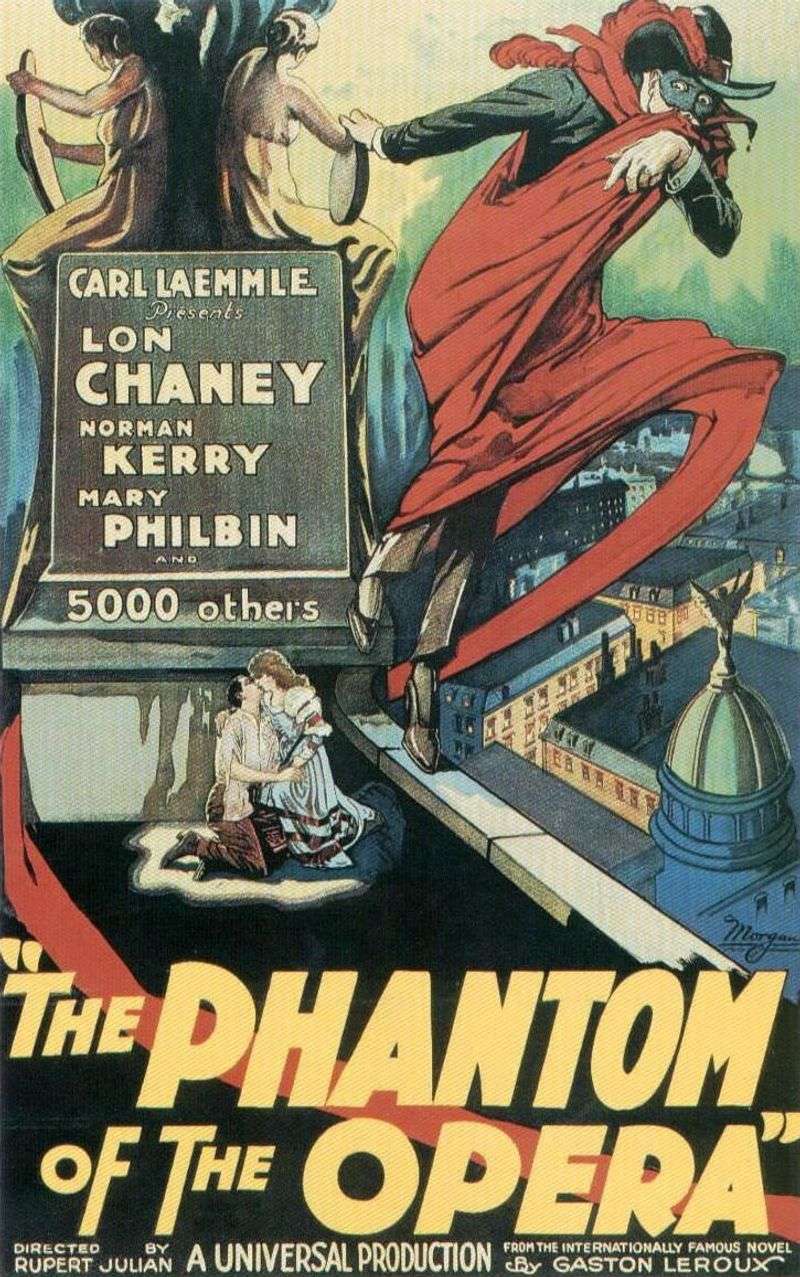
Lon Chaney’s skull-like makeup stands as one of cinema’s most iconic and chilling images.
During the famous unmasking scene, some accounts at the time claimed audiences screamed or even fainted, and modern viewers often react with similar shock at the grotesque reveal. Obsessive stalking of Christine adds a layer of psychological tension that goes beyond the visual scare, creating a feeling of inescapable menace across the film.
Some newcomers may expect a sweeping romantic tragedy, yet the horror elements land with surprising force, especially in the shadowy beneath the opera house.
That blend of romance and terror can feel jarring for anyone unprepared for the story’s darker turns.
10. White Zombie (1932)
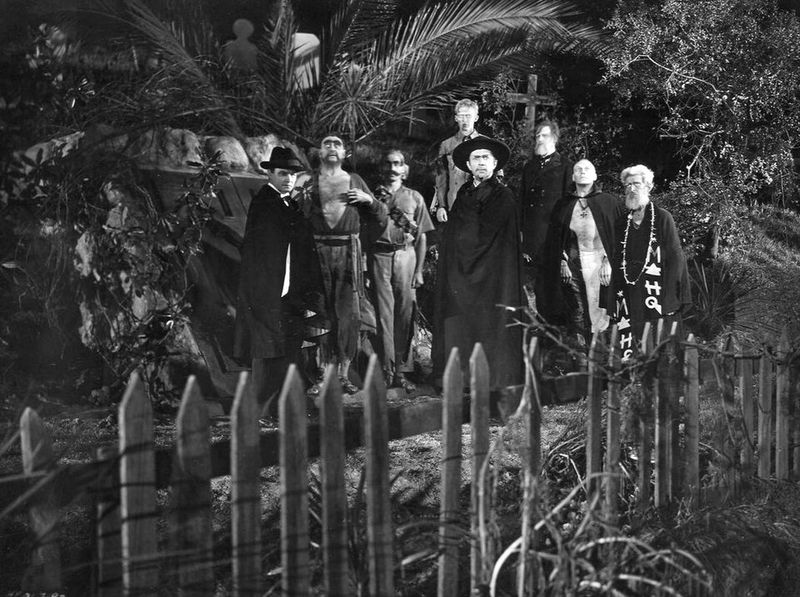
Bela Lugosi dominates the screen as Murder Legendre, who uses a sensationalized ‘voodoo’ trope to control others.
A bleak tone and themes of control and captivity build an atmosphere of hopelessness that can feel surprisingly heavy for an early horror picture.
Zombie workers shuffle through sugar mills with vacant eyes, and the imagery of stolen autonomy touches on deep fears that reach beyond the era.
Viewers expecting campy fun may be surprised by how dark and oppressive the film feels. With almost no humor and a grim fate awaiting the victims, the story offers a challenging introduction to zombie horror, even when the special effects appear quaint by modern standards.