Why Fans And Critics Are Divided On The New Harry Potter Series
Dobby hears many voices, yes, many voices arguing all at once.
Some say it will be wonderful, more magic, more story, everything told properly this time.
Others are not so sure, thinking the tale was already told and should be left alone, but Dobby thinks, well, humans do love to argue, do they not.
1. J.K. Rowling’s Role Still Splits The Room
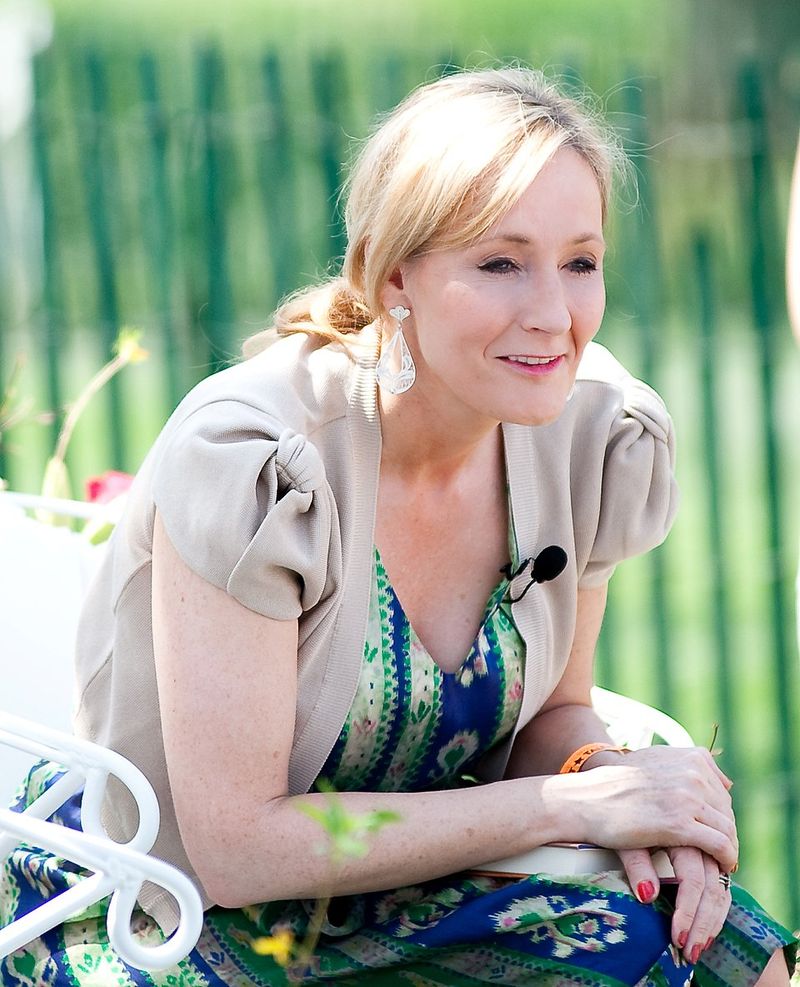
HBO has kept Rowling attached as an executive producer, and that single decision immediately fueled social-media debate.
Some viewers refuse to support the series because of her public statements, while others separate the books from the author entirely. Both sides feel strongly, and neither is backing down.
Much of the conversation around the show before its premiere has been shaped by that divide.
2. Faithful Adaptation Promise Excites Book Readers
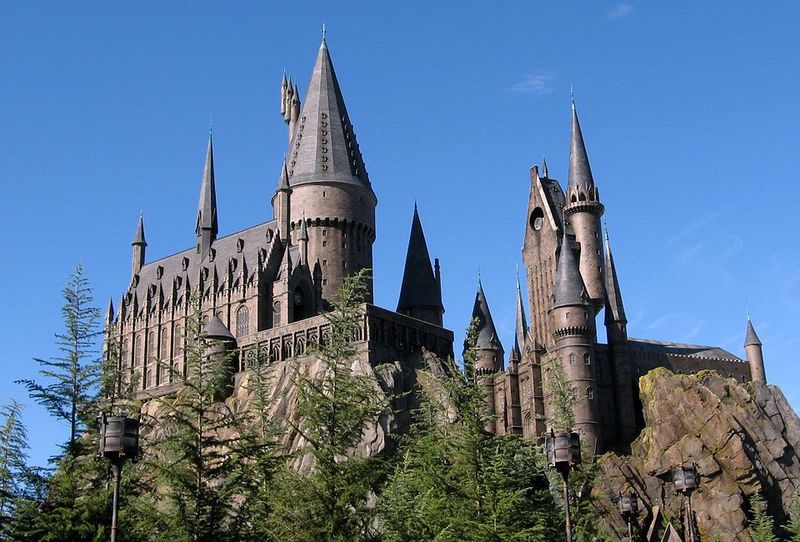
Years of waiting built anticipation for storylines the films had to leave behind, with the HBO series now promising space for them to unfold.
Side characters, slower school-year pacing, and fuller arcs all return to the table, enough to spark genuine optimism among longtime readers. Think of it as finally getting a director’s cut many did not realize they had been missing.
3. The Original Films Are Too Beloved For Some
All eight films remain widely available, continuing to stream, sell, and sit on shelves around the world, which has led some critics to question the need for a reboot.
Emotional ties to Daniel Radcliffe, Emma Watson, and Rupert Grint run deep for an entire generation, making any recasting feel less like an upgrade for many viewers. For some audiences, the reboot experience lands in a space that feels more unnecessary than exciting, carrying a quiet sense of disappointment rather than anticipation.
4. Casting Choices Sparked Mixed Reactions
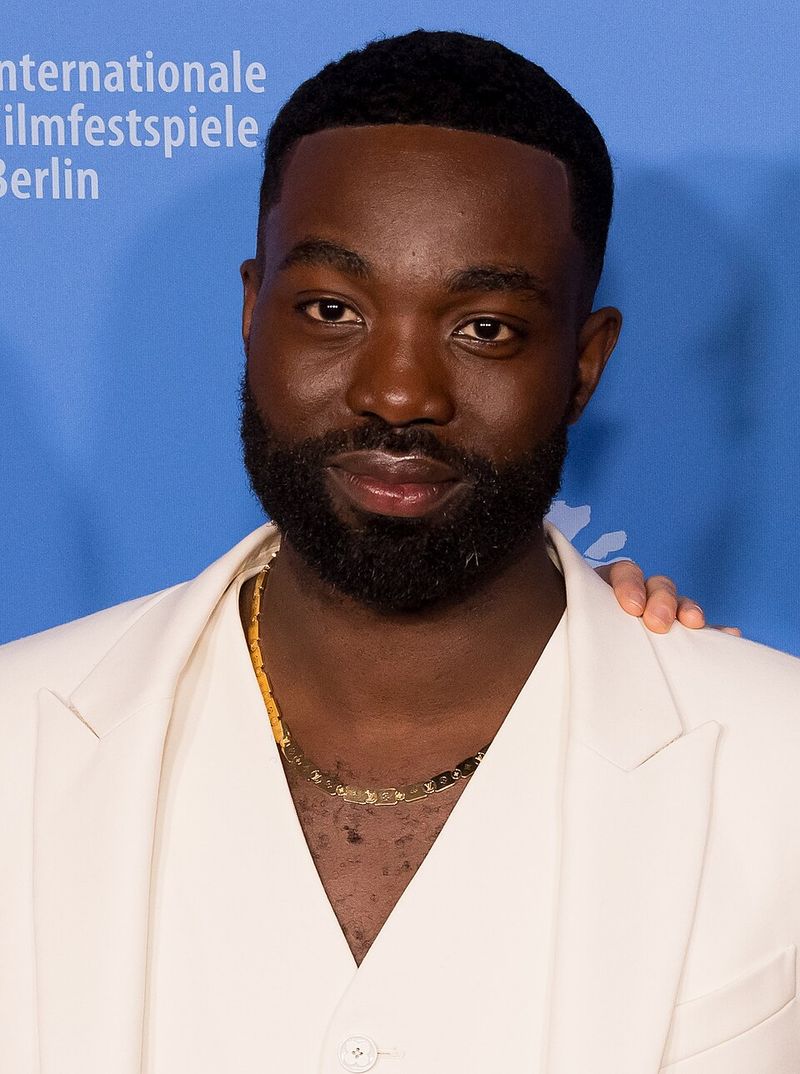
Casting Paapa Essiedu as Snape sparked genuine excitement among fans eager for a fresh take on the cold, complicated potions master.
Backlash followed, including racist harassment and severe online hostility, shifting part of the conversation toward something far more serious than typical fandom debate.
Supporters responded by rallying loudly around the choice. Work on a beloved franchise rarely centers on acting credentials alone.
5. Prestige Creative Team Wins Over Skeptics

Shared work on Succession connects Francesca Gardiner and Mark Mylod, a pairing that feels like showing up with something unexpectedly impressive.
Creative overlap between the two brings a tone shaped by sharp writing, controlled tension, and a clear understanding of character-driven storytelling. Early attention from Reuters helped shift the conversation, moving reactions away from skepticism and toward a sense of real creative credibility.
Strong pedigree carries weight here, especially when the source material already carries deep emotional investment and high expectations from longtime fans.
6. New Adult Casting Fascinates And Frustrates Equally
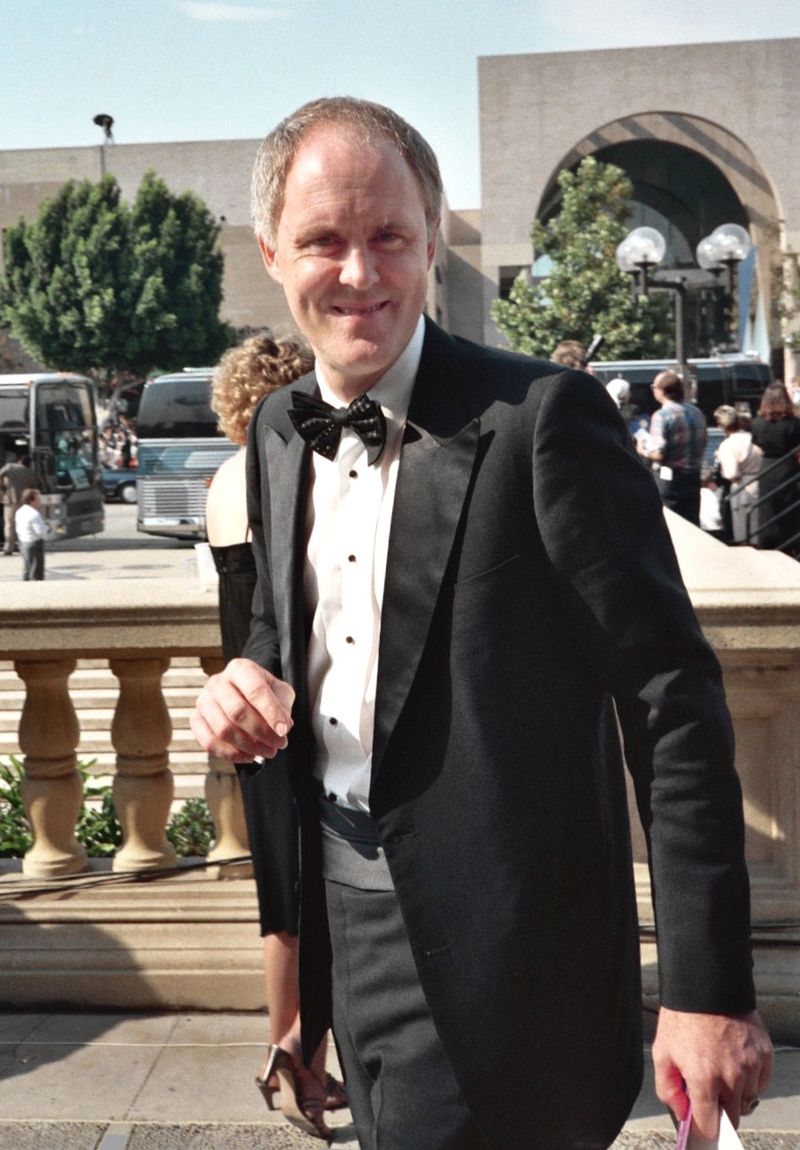
Casting choices like John Lithgow as Dumbledore, Janet McTeer as McGonagall, and Nick Frost as Hagrid have caught fans off guard in ways that feel entirely intentional.
Fresh interpretations of characters once closely tied to the original cast excite some viewers, opening the door to a different take on familiar roles.
Comparisons remain hard to ignore for others, especially during a quiet rewatch where every line delivery invites a side-by-side memory. Curiosity and hesitation now sit side by side across fan discussions, shaping a reaction that feels both open and guarded at the same time.
7. Record-Breaking Trailer

277 million organic views in 48 hours made the official trailer the most-watched in HBO and Max history, which is a number hard to argue with over morning coffee.
Warner Bros. Discovery announced the milestone with understandable pride, and supporters used it as proof that the audience is absolutely there.
Critics, meanwhile, pointed out that curiosity is not the same as approval.
Still, those numbers do point to enormous interest.
8. Long Franchise Commitment
One book per season means the full series could run for seven or more years, which sounds like a dream to devoted fans and a scheduling headache to casual viewers.
Franchise fatigue is real, and not everyone wants to block out another decade for the same wizarding world they already know by heart.
Depth and dedication are the selling points, but commitment cuts both ways.
9. Expanded Worldbuilding Potential Energizes Supporters
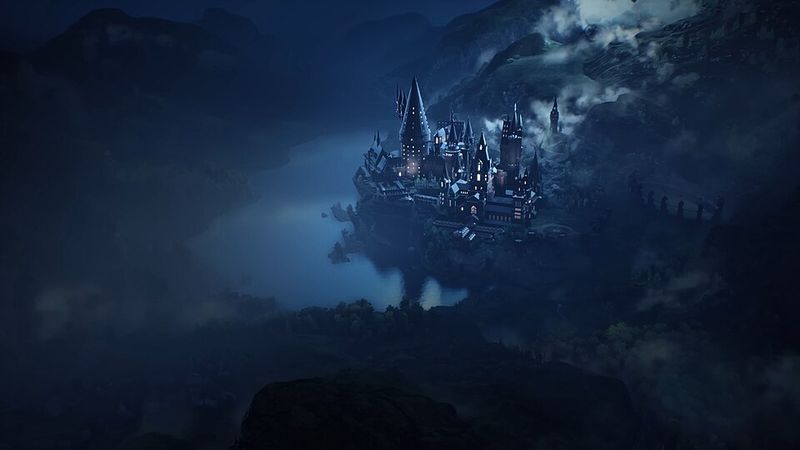
Longer TV runtime finally allows the show to linger on Hogwarts corridors, minor characters, and subplot threads once trimmed for pace in the films.
Supporters view it as the version the story always deserved, with a school year that actually feels like one. Even background characters gain a moment to stand out.
An expanded canvas stands as one of the strongest arguments on the pro-series side.
10. Values And Politics Now Shape How People Watch

Somewhere along the way, the question shifted from whether the show will be good to whether watching it means something beyond entertainment.
For part of the audience, tuning in is simple curiosity or loyal fandom. For others, the choice to watch or skip connects to cultural and political values that feel genuinely important.
That layered tension keeps the debate running hot.
Even before the first episode, the series is already a cultural event.
Important: This article has been reviewed for general factual accuracy using current official announcements and recent reporting on the HBO Harry Potter series.
Because casting reactions, audience sentiment, and production details can continue to change before release, the content is provided for general informational and entertainment purposes rather than as a final verdict on the show’s quality or reception.