
14 Widely Mocked Radio Acts Of The 1970s
The 1970s filled radios with songs a lot of people knew, even the ones they loved to clown on. Critics rolled their eyes, fans argued, and yet somehow these catchy, quirky hits refused to disappear.
Silly lyrics and wonderfully weird ideas turned a few tracks into punchlines, but also into earworms nobody could escape.
Love them or laugh at them, these songs proved that being unforgettable matters more than being taken seriously.
Note: Content reflects pop-culture commentary and historical recollection, so details and interpretations may vary by source, and the tone is intended for general informational and entertainment purposes, not as legal, financial, or professional advice.
1. Rick Dees And His Cast (“Disco Duck”)
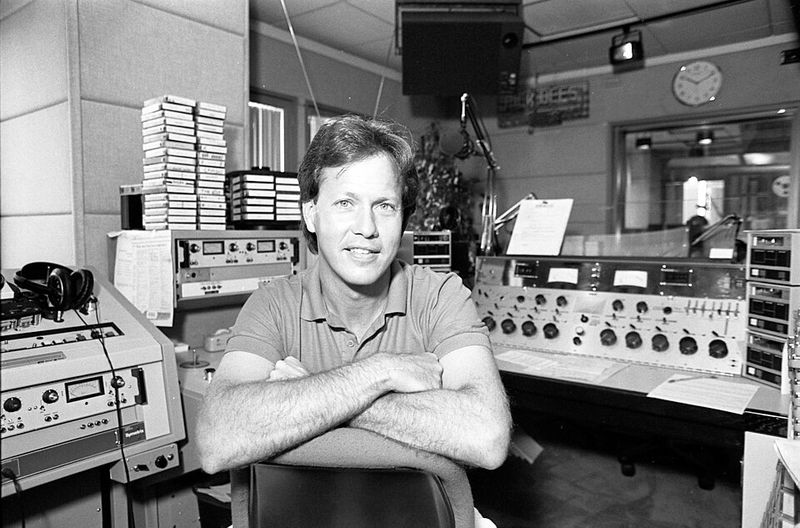
Radio DJ quacking his way to the top sounds like a punchline before the music even starts. Rick Dees recorded the novelty track almost as a joke, stacking duck sounds over a disco beat that unexpectedly captured America’s attention in 1976.
Airplay helped it spread fast as the song echoed through grocery stores and car radios, and it became an easy punchline in disco debates.
Eye rolls came from music purists, yet kids kept laughing and parents caught themselves humming along while folding laundry. Ridiculous ideas sometimes win anyway.
2. Starland Vocal Band (“Afternoon Delight”)
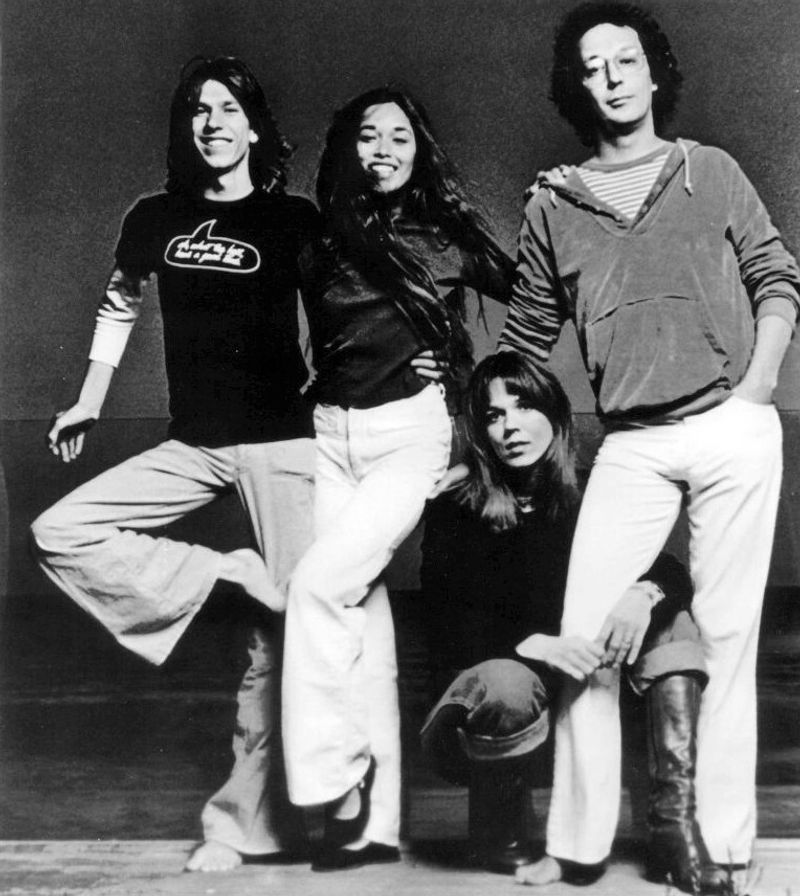
Did a breezy tune about midday romance really deserve a Grammy, especially when it made so many musicians want to toss their awards in frustration?
Sweet harmonies carried the melody, yet once listeners understood what “afternoon delight” actually implied, the wholesome mood shifted into sudden awkwardness. Airplay kept the chorus unavoidable for a while.
Plenty of commentary treated the band like a punchline almost overnight.
One-hit-wonder status felt like cosmic justice to anyone who believed the track leaned too heavily into cutesy charm.
3. Paul Anka (“(You’re) Having My Baby”)
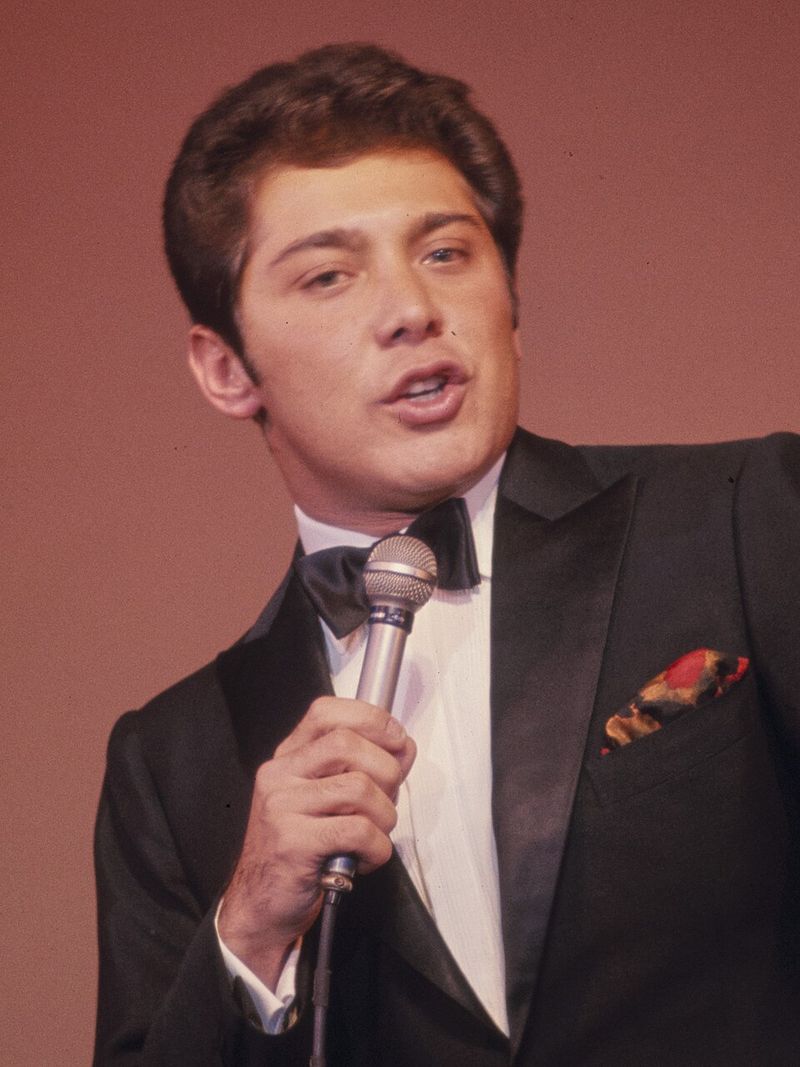
Anka’s sentimental ballad about impending fatherhood landed with all the grace of a dropped cake. The lyrics celebrated pregnancy in ways that felt possessive and dated even in 1974, and a lot of listeners read the tone as dated and uncomfortable.
Radio programmers loved it anyway, spinning the track heavily.
It’s often cited in ‘most-mocked’ conversations about 1970s radio. Hearing it now feels like stumbling on your dad’s old love letters tucked in a shoebox under the bed.
4. Debby Boone (“You Light Up My Life”)

Ten weeks at number one defined the chart run of this syrupy ballad in 1977.
With Boone’s angelic voice delivering lyrics so genuine they could make a greeting card blush, the song became the standard for every junior high slow dance, eliciting heavy eye-rolls from some listeners and devotion from others.
The song’s sweetness has been debated for decades its treacly sweetness, labeling it manipulative and overproduced.
Meanwhile, grandmothers everywhere bought the single and played it on repeat while baking cookies and sighing about young love.
5. Captain & Tennille (“Muskrat Love”)
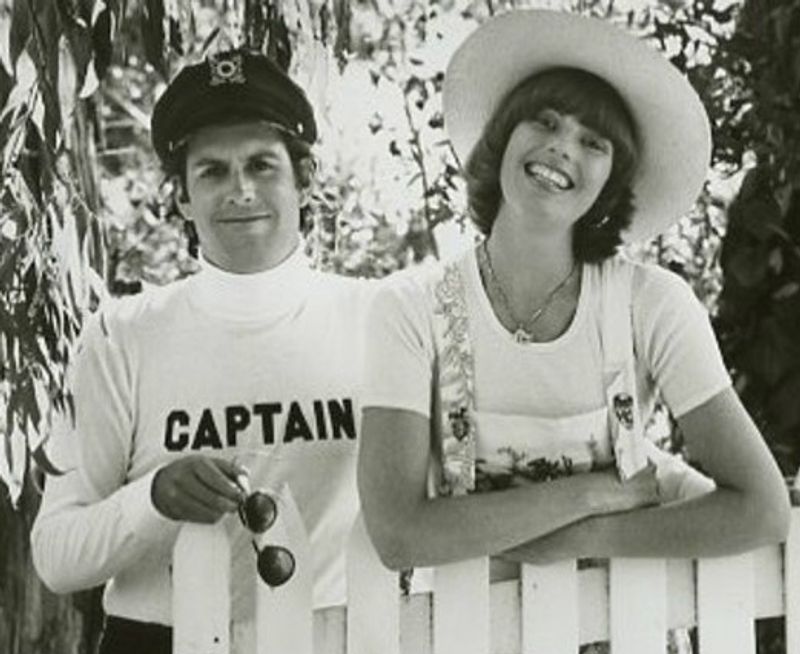
Muskrats doing what muskrats do somehow became a top-five hit in 1976.
Listeners struggled to decide whether to laugh or change the station as the song described rodent romance with remarkable earnestness.
Squeaky sound effects mimicked the critters throughout, turning what might have been a sweet nature ballad into unintentional comedy gold. It became a frequent punchline in ‘what-were-they-thinking’ radio conversations.
Public mockery felt even sharper because of the duo’s wholesome image, as if good taste had briefly taken a coffee break. Still, the track became their signature, proving that sometimes strange ideas remain memorable for decades.
6. Rupert Holmes (“Escape (The Piña Colada Song)”)
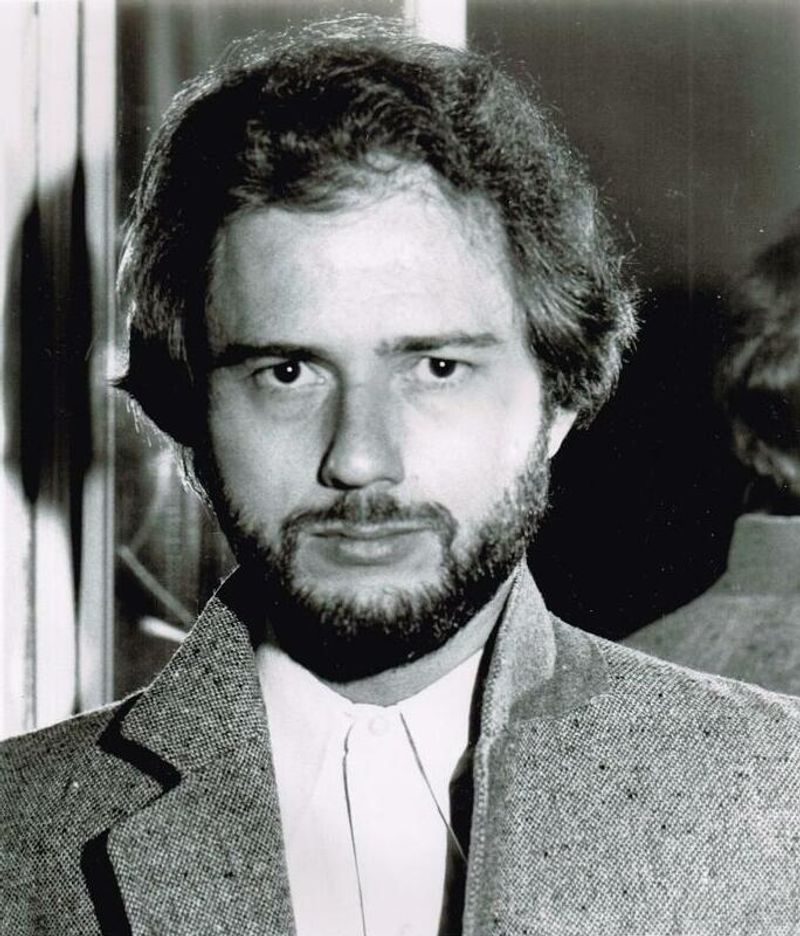
How did a story about cheating end up becoming a romantic anthem in the first place?
While feeling bored in his relationship, the protagonist answers a personal ad and eventually learns his girlfriend placed it because she felt just as restless.
Radio listeners accepted the twist even though the plot can seem strangely lighthearted since a song about breaching relationship rules laid a peculiar basis for restored love. Almost immediately, tropical drink references began to feel dated.
By the time 1979 turned into 1980, chart success transformed the track into a lasting guilty pleasure that still appears at beach bars and wedding receptions decades later.
7. Terry Jacks (“Seasons In The Sun”)
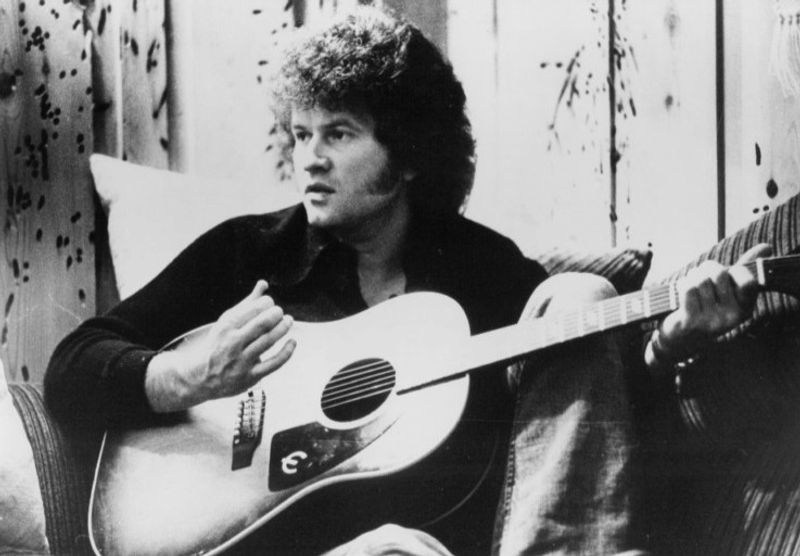
Goodbye, Papa, please pray for me opens with a line designed to pull instantly at the heart. Jacks transformed a French song with a farewell narrative into a 1974 chart-topper that split listeners between tearful devotion and dramatic eye rolls.
Catchy melody carried undeniable appeal, while lyrics layered sadness so heavily it almost felt spreadable on toast. Deep emotion resonated with some listeners, turning the song into a farewell worth treasuring.
Some listeners hear heartfelt farewell energy; others hear pure melodrama.
8. Paper Lace (“Billy, Don’t Be A Hero”)
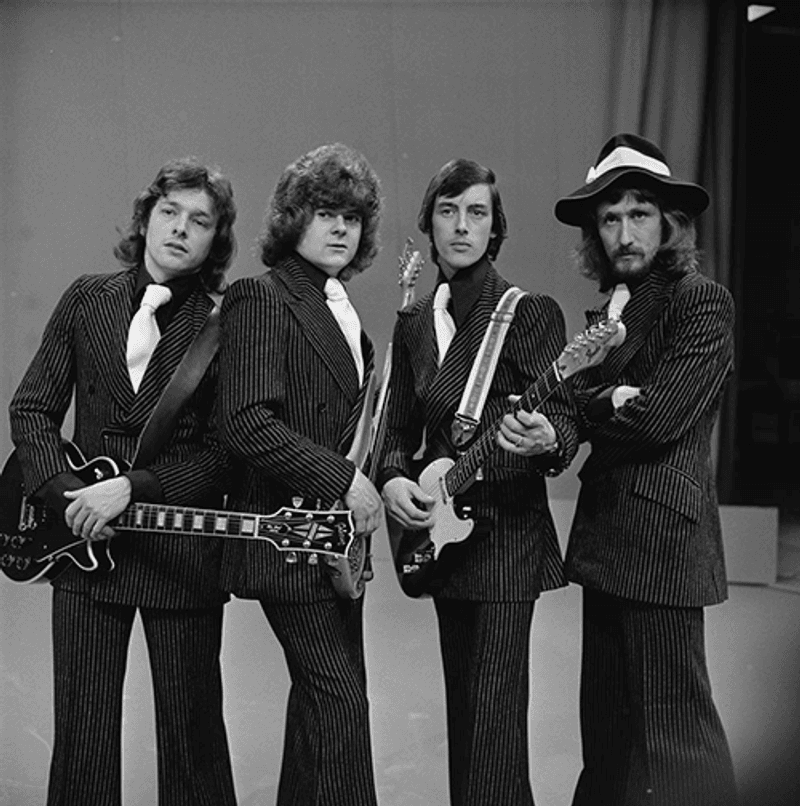
This British invasion wannabe told a Civil War story with all the historical accuracy of a cereal box.
The 1974 hit warned Billy against battlefield bravery, then ends on a hard-left turn anyway in a twist that felt both predictable and manipulative. Critics mocked the song’s simplistic narrative and saccharine delivery, calling it a poor man’s war ballad.
Yet it climbed to number one in the UK and cracked the U.S. top ten.
The band never matched that success again, forever remembered as the group who made battlefield tragedy sound like a teen soap opera.
9. Morris Albert (“Feelings”)
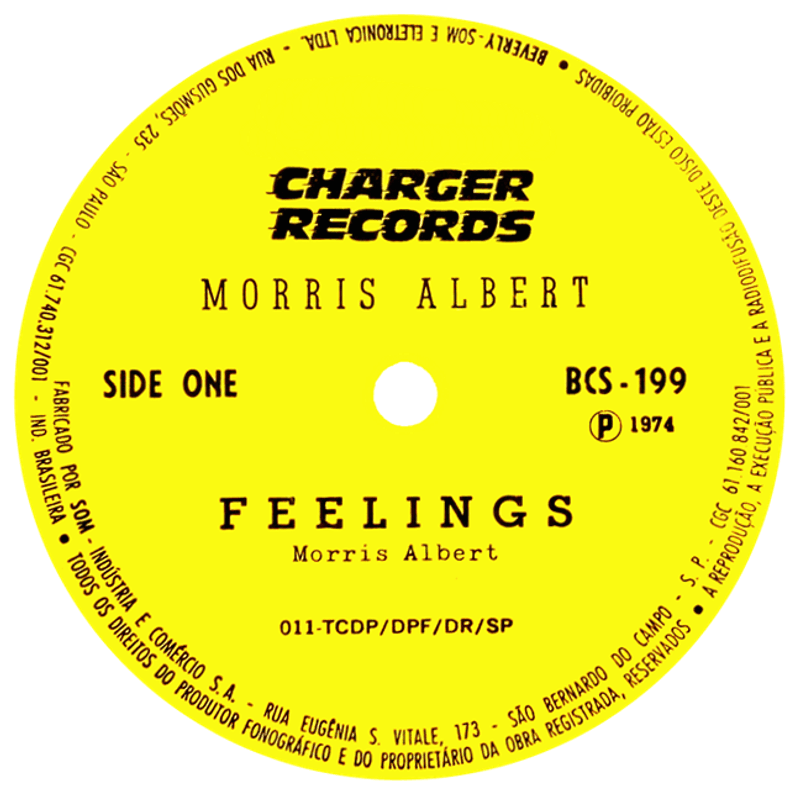
Released in 1975, Albert’s ballad repeated that single word so often it began to lose meaning, eventually turning into a punchline for anyone who had endured a particularly dull piano bar performance.
Exaggerated emotion soaked the melody so heavily that even sincere listeners sometimes found themselves giggling halfway through. Lounge singers everywhere adopted it as a closing number.
The song often gets teased as big emotion with very simple wording.
Listening today feels like discovering an aunt’s old mood ring collection gathering dust in the attic.
10. Minnie Riperton (“Lovin’ You”)
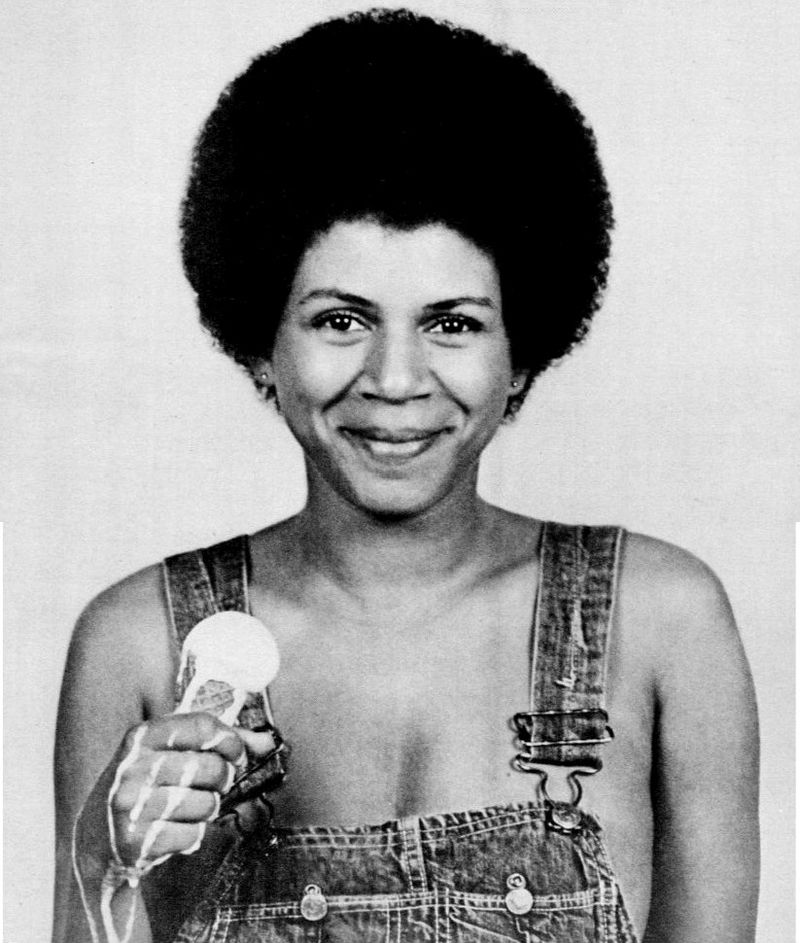
Five-octave vocal range like hers deserved more than a love song with chirping birds in the background.
A 1975 hit had an incredible whistling register. While some listeners appreciate the song’s tenderness, others wish the lyrics were more forceful.
Maya, Maya, Maya echoed through the verses as a tender nod to her daughter, even if many listeners found the moment slightly awkward. Music purists brushed the track aside as fluffy nonsense.
Genuine vocal brilliance still shone through production so soft it could pass for a lullaby meant to calm anxious hamsters.
11. John Travolta (“Let Her In”)
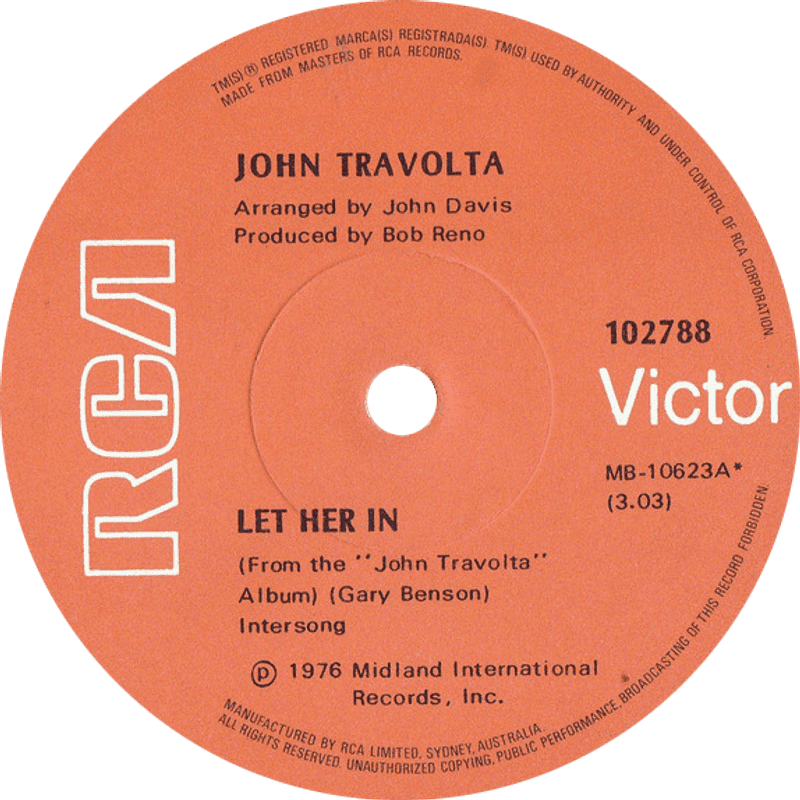
Long before owning the dance floor in Saturday Night Fever, Travolta experimented with a singing career.
The whole thing played more like a curiosity than a must-hear single for a lot of listeners. Acting charisma failed to fully translate into vocal credibility, leaving the song feeling closer to a television star vanity project than a serious musical effort.
Fans bought it anyway, proving star power often trumps talent.
Eventually, the track settled into footnote status within Travolta’s career, resurfacing mostly when trivia enthusiasts try to impress party guests during a late-night trivia spiral.
12. Cher (“Half-Breed”)
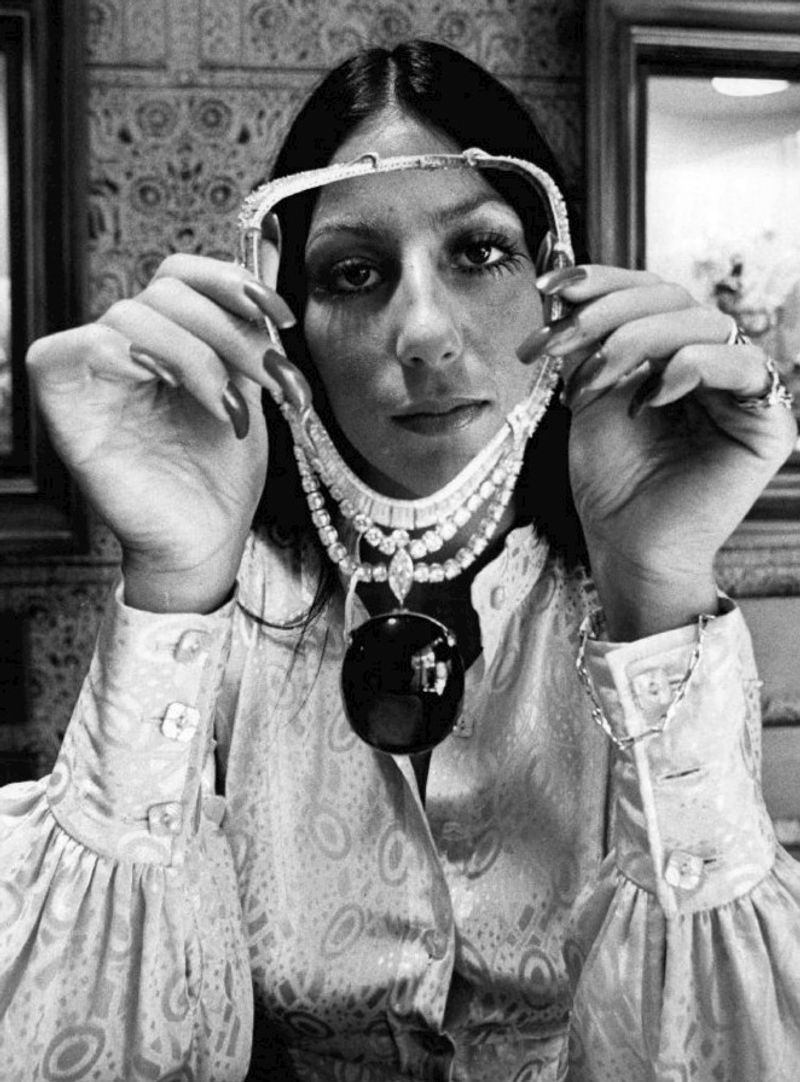
Cher tackled identity and prejudice with a 1973 song that lands very differently now than it did on release.
The lyrics described being caught between two cultures, but the delivery and production felt exploitative rather than empowering. Her costume in performances featured a feathered headdress that would likely draw uncomfortable conversation today.
The song topped charts anyway, becoming one of her biggest hits.
Looking back, it feels like a time capsule of good intentions wrapped in questionable execution, the kind of thing that makes you cringe while flipping through old yearbook photos.
13. Ray Stevens (“The Streak”)
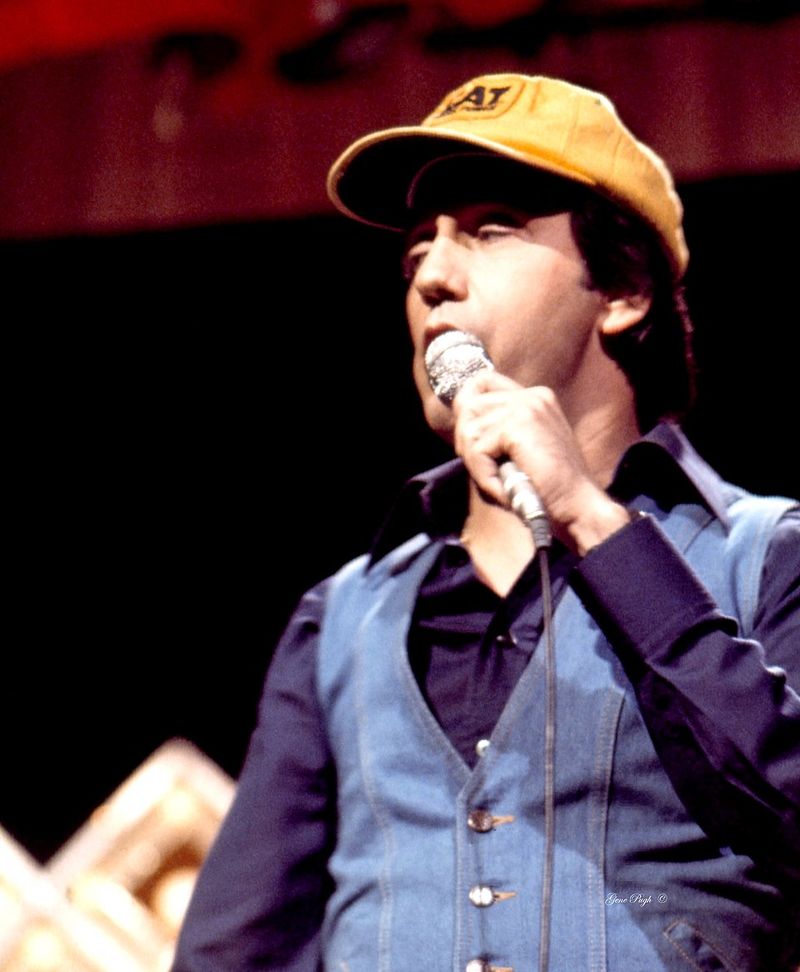
During the streaking craze of 1974, Stevens captured the moment with a novelty song that already felt dated by the time the vinyl cooled. Across the track, a frantic narrator chases his wife as she keeps spotting unclothed pranksters sprinting through public spaces, complete with sound effects and exaggerated voices.
Critics dismissed it as lowest-common-denominator humor, the musical equivalent of a knock-knock joke told by an uncle convinced bathroom-humor energy counts as high art.
For three weeks, it sat at the top of the charts.
Ultimately, the hit proved that sometimes America simply wants to laugh at naked people running past bingo halls, with no deeper meaning required or expected by anyone involved.
14. Chuck Berry (“My Ding-A-Ling”)
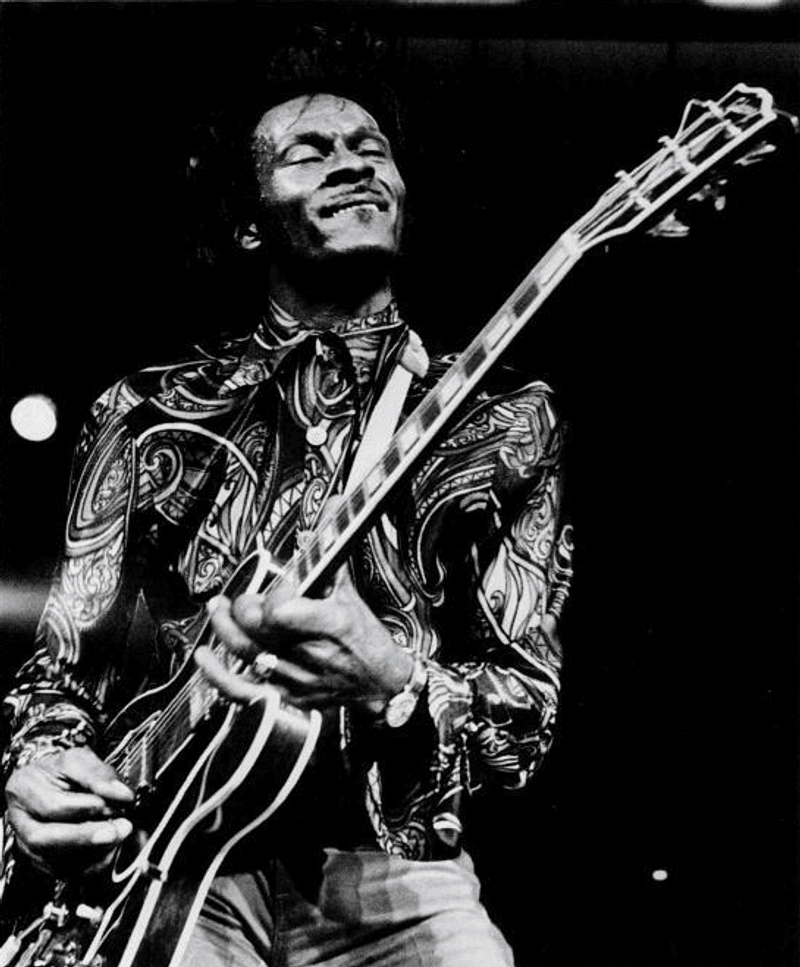
Rock and roll pioneer found himself singing about a ding-a-ling instead of the innovations that built his legacy. Chuck Berry’s 1972 live recording became his only number-one hit, a twist that felt like a cosmic joke to fans devoted to his earlier groundbreaking work.
Audience participation and playful double entendre turned the novelty track into a giggle-filled performance that recast one of music’s most influential figures as a playground storyteller.
Commercial success overshadowed decades of genuine innovation, resembling an artist winning an Oscar for bathroom-humor punchline after directing masterpieces.




.JPG)


