Things You May Not Have Known About Young Frankenstein
Young Frankenstein already feels like a comedy classic the second it starts, but part of the fun is realizing how much brilliance sits behind all that chaos.
Beneath the thunder, the laboratory panic, and the immortal jokes sits a production full of smart choices, unlikely details, and stories that make the film even better once you know them.
For longtime fans, these facts add fresh appreciation to something already beloved. For everyone else, they help explain why Young Frankenstein has never felt like just another spoof.
It remains sharp, strange, affectionate, and so carefully made that even the silliest moment feels touched by genius.
1. Gene Wilder Started The Whole Thing
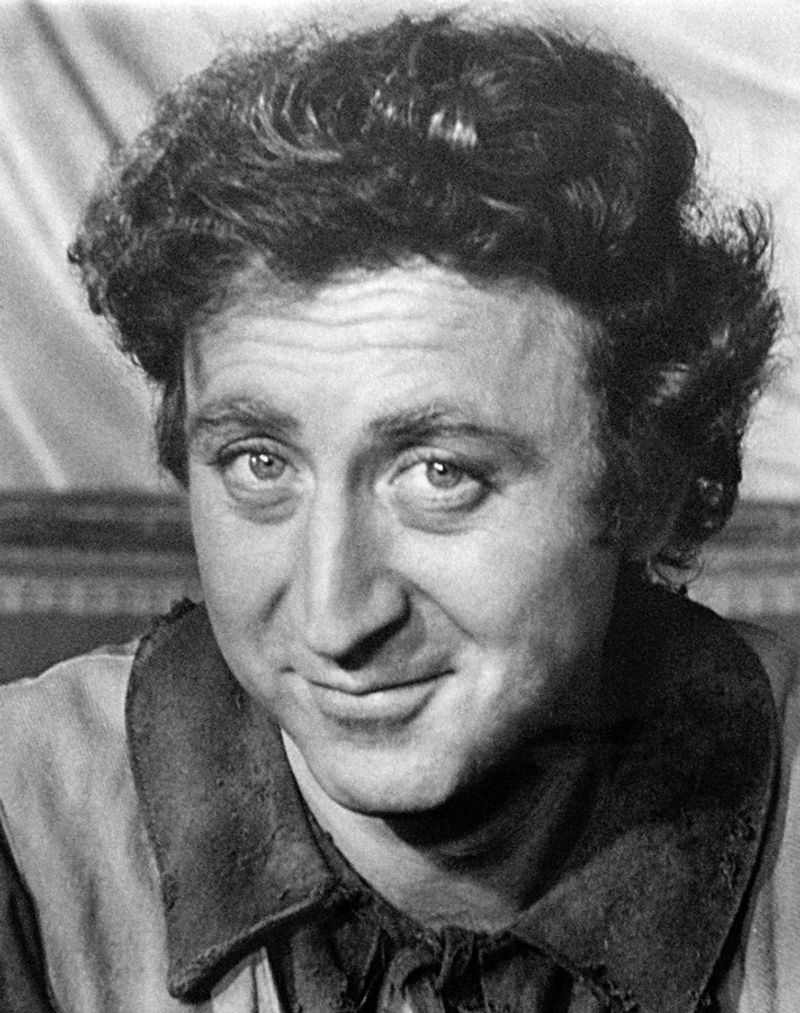
Before Mel Brooks was even in the picture, Gene Wilder had already cooked up the idea on his own.
According to the American Film Institute, Wilder wrote an outline he personally titled Young Frankenstein, planting the seed for everything that followed. Pretty bold move for an actor, right?
Wilder was not just a funny face waiting for a director to hand him a script.
He was the creative engine behind this whole wild ride from the very start. That kind of initiative is rare and seriously impressive.
2. Columbia Pictures Was The First Stop
Not every great movie finds its home on the first try.
AFI notes that Columbia Pictures was involved during the script development phase, but the project eventually moved to Twentieth Century-Fox after budget disagreements caused things to fall apart.
Columbia later had to watch from the sidelines as the film became a smash hit.
Fox executive Alan Ladd Jr. agreed to Brooks’s demands, including the black-and-white format. Columbia’s loss was absolutely Fox’s gain, and the rest, as they say, is comedy history.
3. The Screenplay Was Written In About Six Weeks
Six weeks. That is roughly how long it took Gene Wilder and Mel Brooks to write one of the funniest screenplays in Hollywood history.
AFI cites Wilder himself saying the script came together in about six weeks, with occasional breaks for other work along the way.
When creative chemistry is that strong, the words just flow.
Both men brought completely different comic sensibilities to the table, and somehow that combination produced something truly magical.
4. Black and White Was A Bold Artistic Choice
Shooting in black and white in 1974 was about as trendy as showing up to a disco in a top hat.
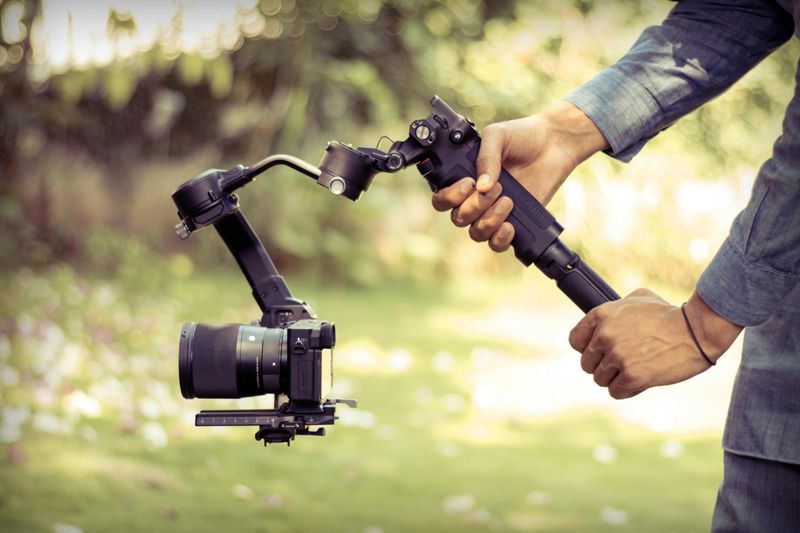
AFI calls it an unusual decision for that era, but cinematographer Gerald Hirschfeld insisted the look was a perfect match for the film’s story and spooky mood.
Brooks wanted every frame to feel like it belonged in the 1930s.
Color would have completely ruined the vibe. Black and white gave the film a timeless, eerie quality that made every joke land even harder against that classic horror backdrop.
5. Fox Tried Hard to Force a Color Version
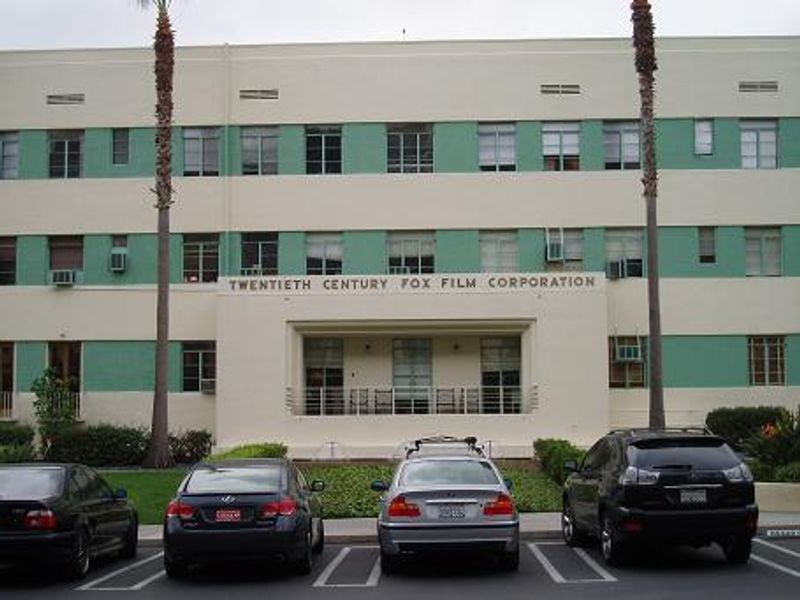
Twentieth Century-Fox was not exactly thrilled about the black-and-white plan.
According to AFI, the studio worried the format would seriously hurt television broadcast sales and European distribution deals, which were huge revenue streams at the time.
They pushed back hard, but Brooks refused to budge even slightly.
Standing firm against studio pressure takes serious backbone, especially when millions of dollars are on the line.
6. Madeline Kahn First Wanted The Other Role
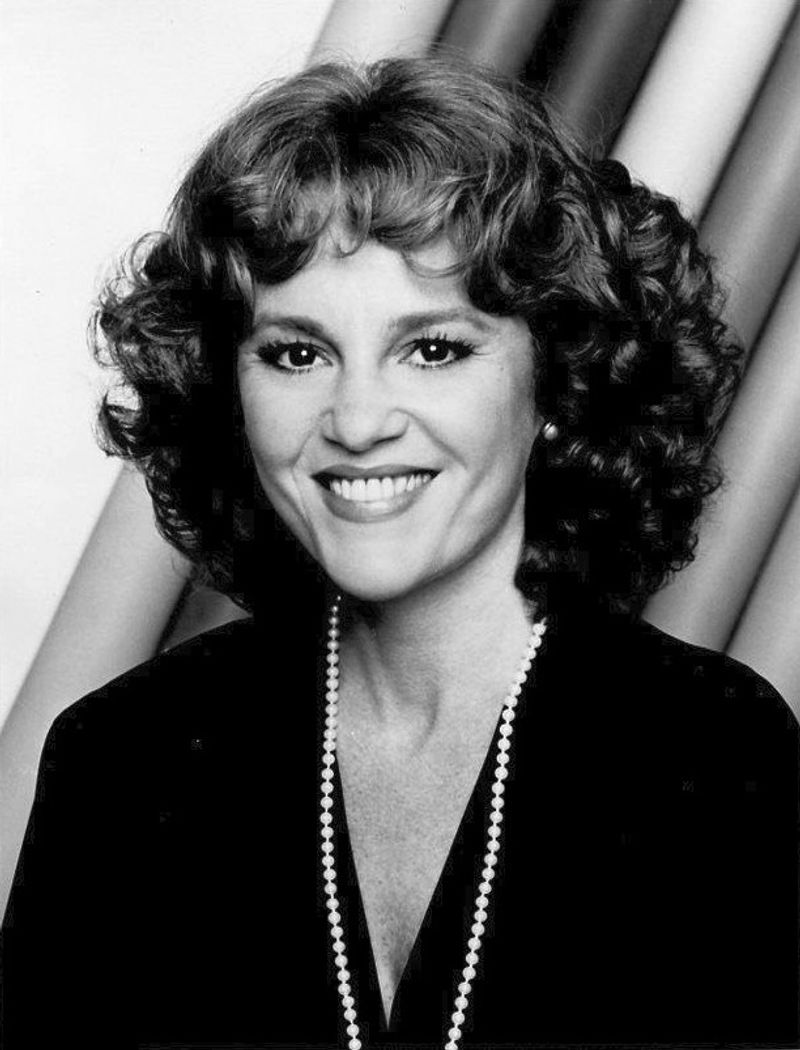
Plot twist: Madeline Kahn did not originally want to play the snooty fiancee Elizabeth at all.
According to TCM, she first turned down the Elizabeth role because she had her eye on the more playful Inga character instead.
By the time she changed her mind, Teri Garr had already been cast as Inga and was not going anywhere.
Kahn ended up taking Elizabeth anyway, and she absolutely owned the part. Her comedic timing and dramatic flair turned Elizabeth into one of the most memorable characters in the whole film.
7. Gene Hackman’s Cameo Is A Total Shocker
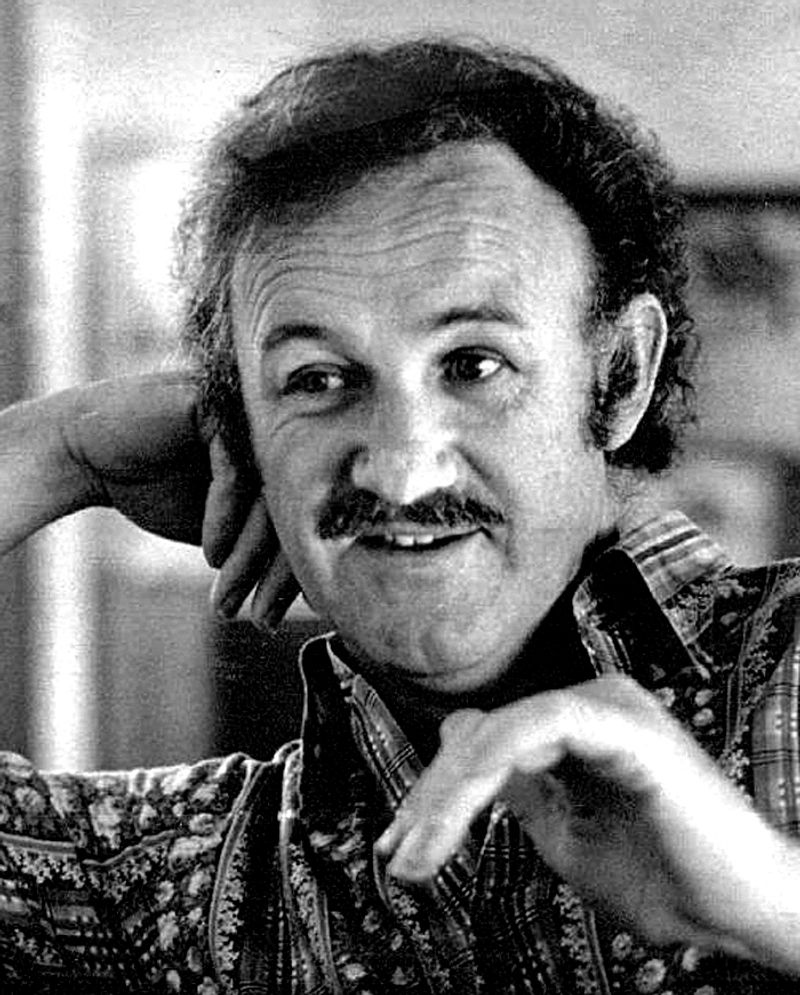
Seeing a serious Oscar-winning actor suddenly pop up in a Mel Brooks comedy is genuinely startling in the best possible way.
TCM specifically highlights Gene Hackman’s uncredited appearance as the blind hermit as one of the film’s greatest surprises.
Hackman reportedly sought out the role himself because he wanted to try his hand at comedy.
His commitment to playing the scene completely straight while chaos erupted around him is what makes it so hysterical.
8. Mel Brooks Hid Himself In The Film As A Gargoyle
Directors love sneaking themselves into their own movies, but Brooks took that tradition to a wonderfully weird level.
According to TCM, a gargoyle appearing in the film was modeled directly after Mel Brooks himself. That means his face was literally part of the gothic castle scenery without most viewers ever realizing it.
Next time you watch the film, keep your eyes peeled for that stony surprise. It is the kind of cheeky hidden detail that rewards careful viewers.
9. The Film Earned Two Academy Award Nominations
Comedy films rarely get serious Oscar attention, which makes this achievement extra special.
The Academy of Motion Picture Arts and Sciences recognized Young Frankenstein with nominations for Best Sound and Best Adapted Screenplay, the latter going to Gene Wilder and Mel Brooks.
Getting nominated for Adapted Screenplay confirmed what audiences already knew: this script was genuinely brilliant.
Winning awards was never the point of the film, but the nominations proved that Hollywood’s most respected voices acknowledged the craft behind the laughs.
10. The Box Office Numbers Were Absolutely Staggering
Here is a number that will make your jaw drop: according to Box Office Mojo, Young Frankenstein was made on a budget of just $2.8 million and went on to earn more than $86 million domestically.
That is an absolutely massive return on investment by any standard, in any era of filmmaking.
For perspective, that kind of profit margin is basically superhero-movie territory for the 1970s.
The film clearly connected with audiences in a huge way, proving that smart, well-crafted comedy does not need a giant budget to conquer the box office completely.
11. AFI Ranked It Among The Funniest Films Ever Made
Landing on a prestigious best-of list is one thing.
Landing at number 13 on the American Film Institute’s 100 Years…100 Laughs countdown of the funniest American films ever made is a whole different level of recognition.
That ranking puts Young Frankenstein in seriously elite company among Hollywood’s greatest comedies.
AFI does not hand out those spots lightly. The list represents the collective judgment of thousands of film professionals, critics, and historians.
12. The Library Of Congress Preserved It For Eternity
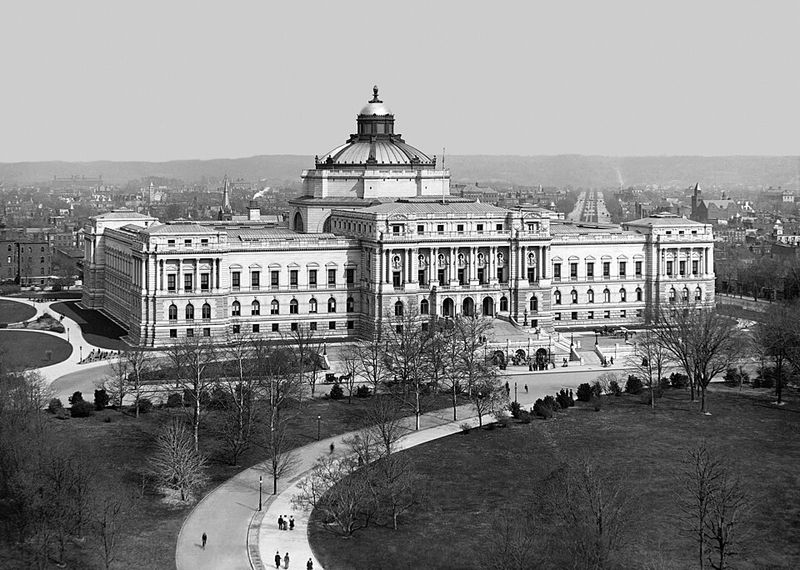
In 2003, the Library of Congress selected Young Frankenstein for preservation in the National Film Registry.
The registry only accepts films deemed culturally, historically, or aesthetically significant to American life.
Getting picked means this comedy is officially considered part of the nation’s permanent cultural heritage. How cool is that?
It just goes to show that genuine creativity and brilliant comedy deserve the exact same respect as any serious cinematic achievement. Frankly, it could not have happened to a better film.