10 Actresses Who Publicly Reject DEI Culture In Hollywood
Hollywood has always been a place where opinions clash and voices rise above the noise. Recently, some actresses have stepped forward to question the current push for Diversity, Equity, and Inclusion initiatives in the entertainment world.
Whether you agree with them or not, their perspectives offer a fascinating glimpse into the ongoing debate about creativity, freedom, and the future of storytelling.
1. Gina Carano
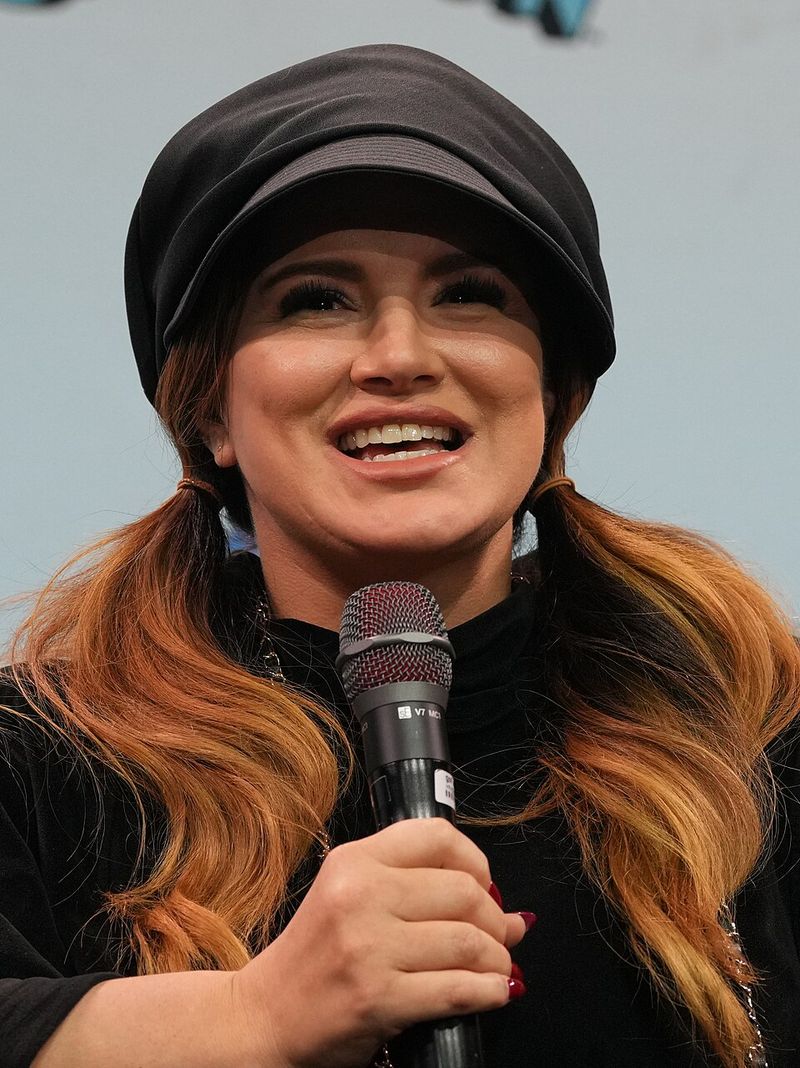
Best known for her tough-as-nails role in “The Mandalorian,” Gina Carano has never been one to shy away from controversy. She’s criticized Hollywood’s pressure to conform to specific pronouns and social justice mandates, arguing that great storytelling gets lost when politics take the driver’s seat.
Carano believes character development should come first, not agendas. Her outspoken views eventually led to her departure from the hit Star Wars series, sparking massive debates across social media.
Love her or disagree with her, she’s definitely made her voice heard loud and clear.
2. Candace Cameron Bure
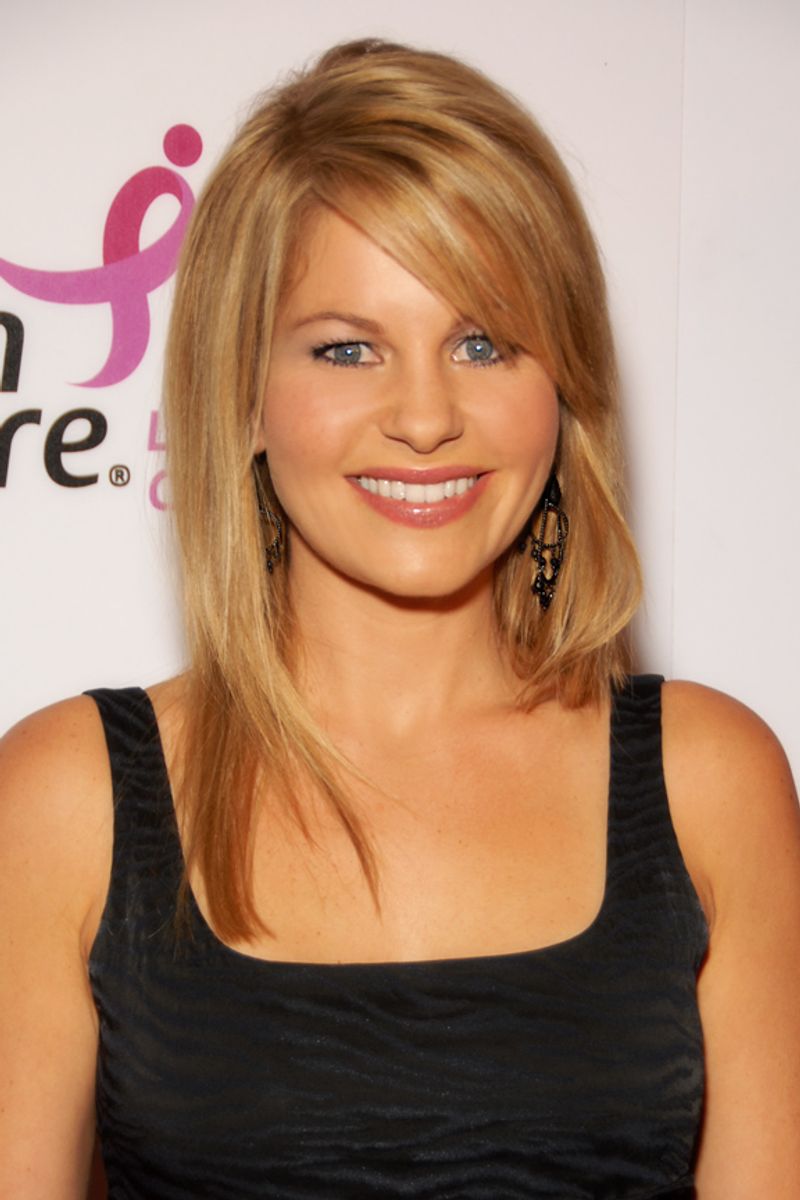
Remember D.J. Tanner from “Full House”?
Candace Cameron Bure has grown up to become one of Hollywood’s most vocal Christian conservatives. She openly discusses her belief in traditional marriage roles and has even written about taking a submissive role in her own marriage.
Bure prioritizes her religious convictions over secular gender ideologies, which puts her at odds with modern feminist teachings. She’s unafraid to stand by biblical leadership principles, even when it means facing criticism from mainstream media.
3. Patricia Heaton
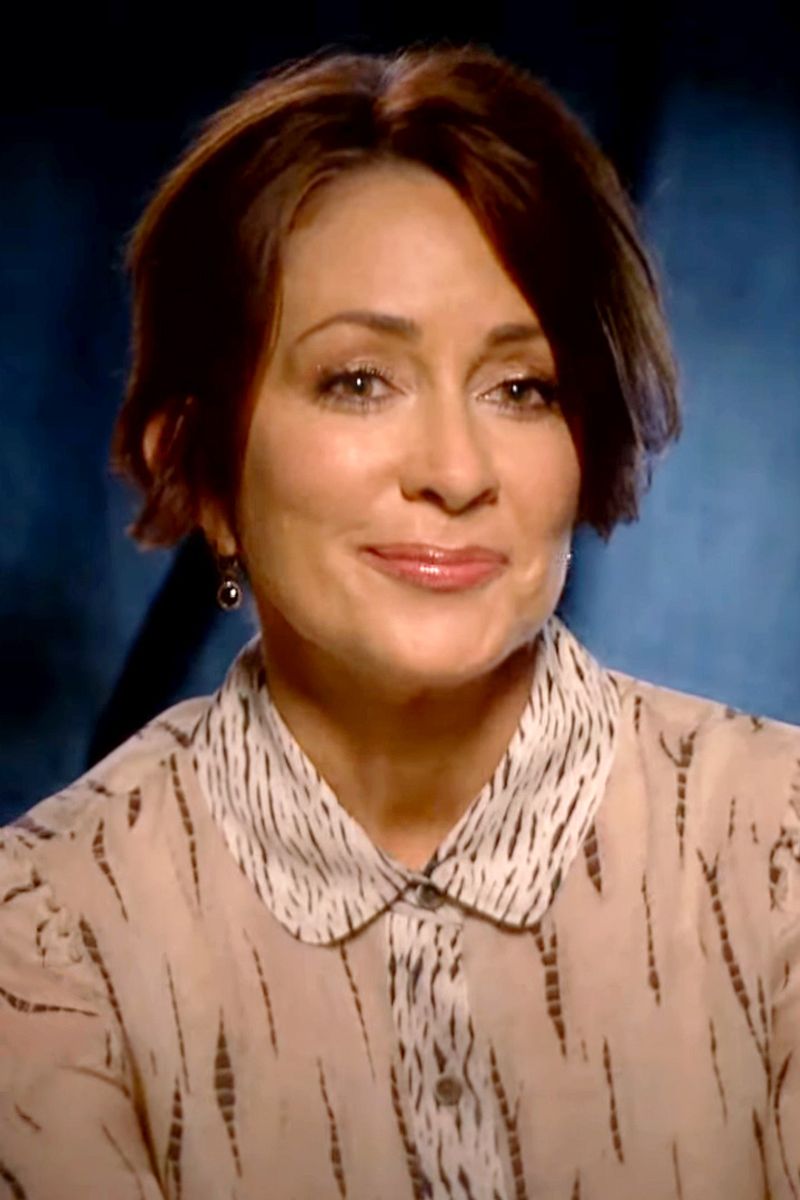
Patricia Heaton, the beloved star of “Everybody Loves Raymond,” calls herself a feminist in the original sense but rejects the modern liberal version. As a pro-life conservative, she feels today’s movement excludes women who hold traditional views.
Heaton has spoken out against feminist marches that don’t welcome pro-life women, focusing instead on the dignity of life and family. She believes feminism should unite all women, not just those who agree with one political perspective.
4. Roseanne Barr
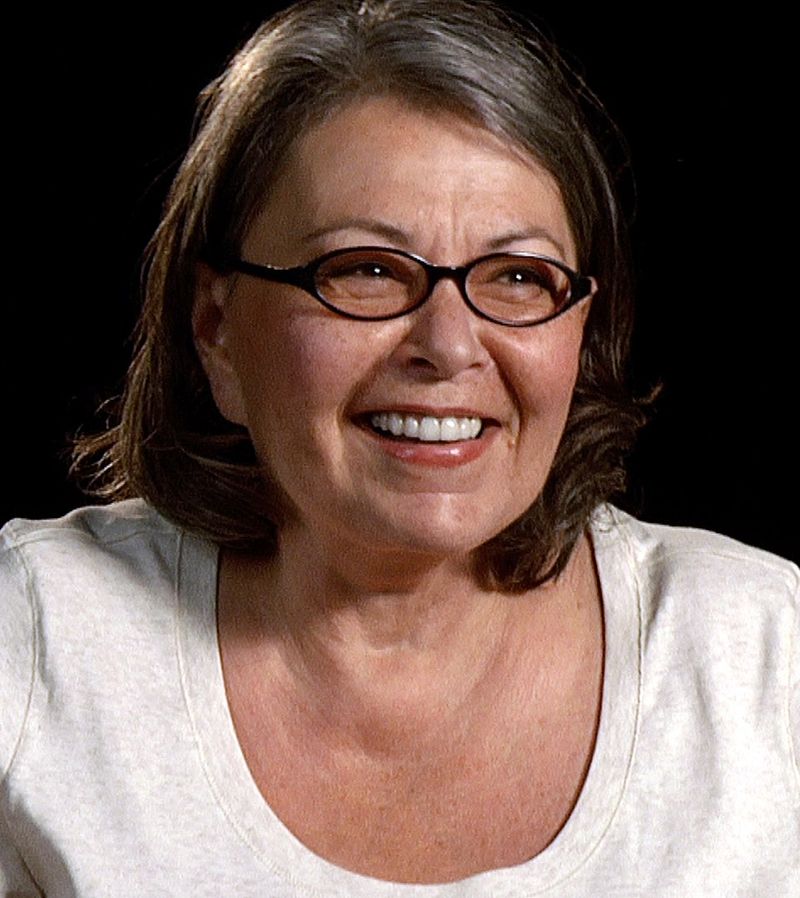
Once a feminist icon, Roseanne Barr has completely turned against what she calls the third wave. The creator and star of “Roseanne” now describes modern feminism as a tool for controlling men rather than liberating women.
Barr believes the movement has been hijacked by elitist thinking and has shifted her allegiance to more conservative and populist viewpoints. Her transformation from liberal hero to conservative voice shocked many fans but reflects her belief that feminism lost its way.
5. Eva Green
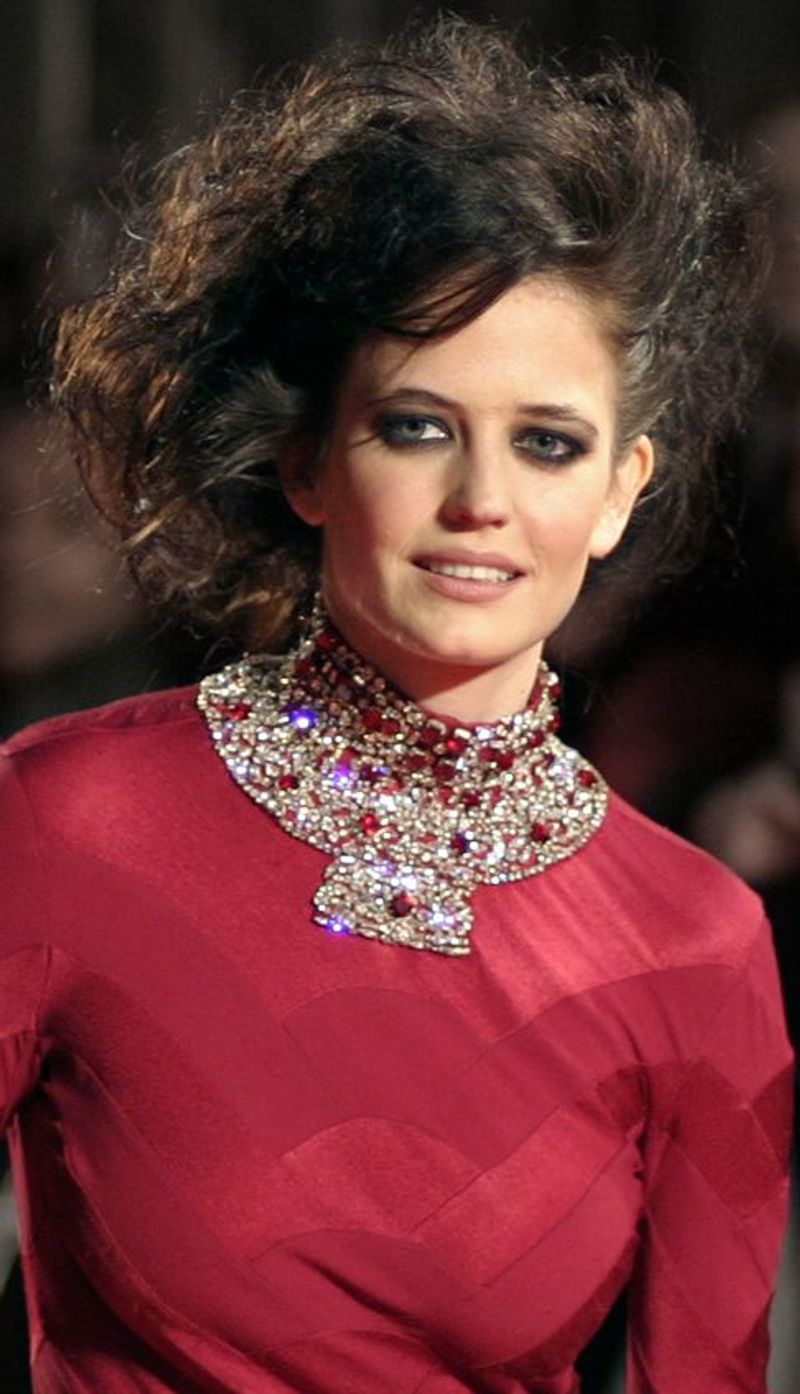
Did you know Eva Green, the stunning Bond girl from “Casino Royale,” has strong opinions about keeping James Bond male? She insisted that Bond should remain a man to honor the character’s original identity and history.
Green argued that making 007 a woman would undermine decades of storytelling and character development. She views this particular diversity push as unnecessary and unfaithful to the source material that fans have loved for generations.
Her stance sparked conversations about whether respecting legacy characters matters more than modern representation efforts in cinema.
6. Catherine Deneuve
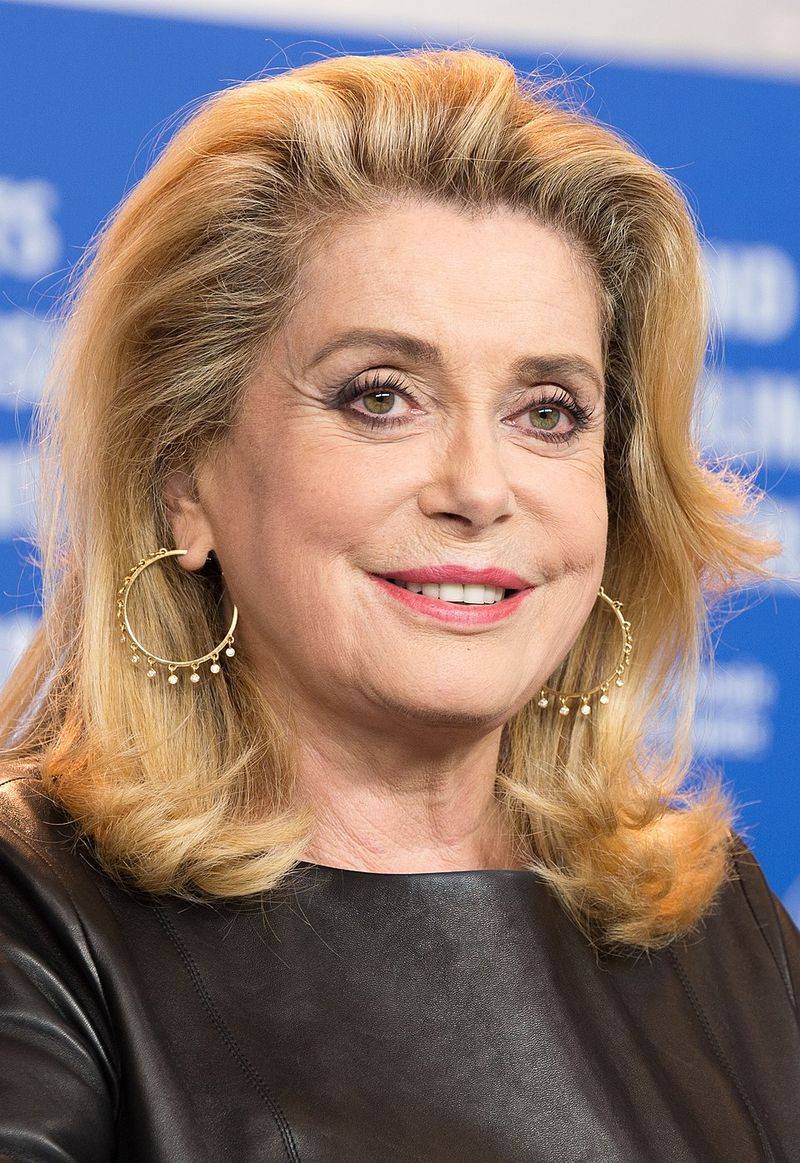
French cinema legend Catherine Deneuve made international headlines when she signed a public letter denouncing the #MeToo movement. She characterized it as a puritanical witch hunt that threatened sexual freedom and went too far in villainizing men.
While #MeToo aimed to create safer environments for women, Deneuve defended men’s right to flirt and criticized what she felt was censorship. Her bold stance divided opinions across Europe and America, with some praising her courage and others condemning her views.
At nearly 80, she remains unapologetic about challenging modern social movements.
7. Brigitte Bardot
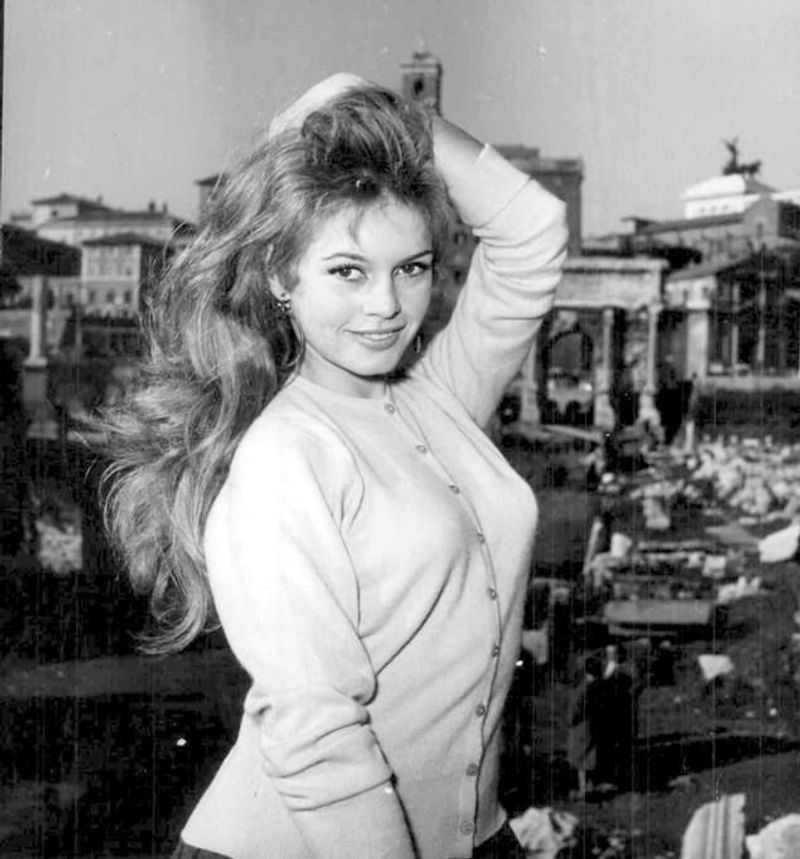
Brigitte Bardot, the legendary French actress and symbol of 1960s glamour, has frequently criticized both #MeToo and modern diversity initiatives. She claimed many actresses complain about harassment simply to generate publicity and called the movement hypocritical.
Bardot has also expressed disdain for what she views as forced diversity in French media and society. Her controversial statements have made her a polarizing figure, celebrated by some for speaking freely and condemned by others for dismissing serious issues.
Though retired from acting, her voice continues to stir debate across generations and borders.
8. Helena Bonham Carter
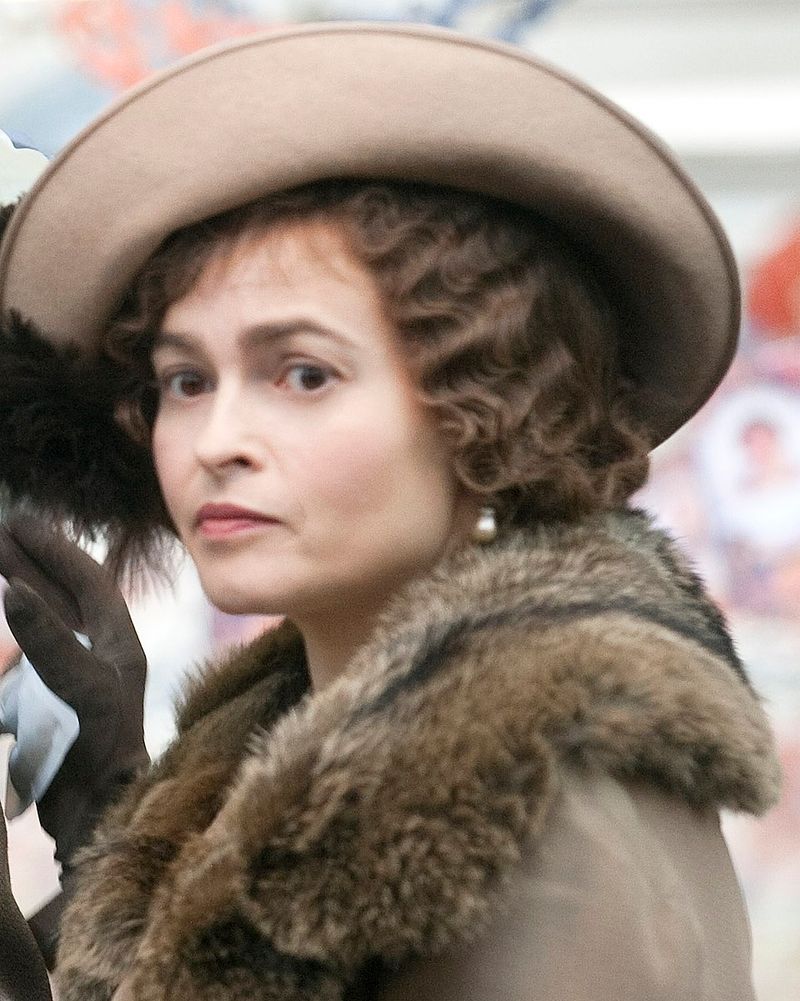
Helena Bonham Carter, known for her quirky roles in Tim Burton films, has criticized the “witch hunt” atmosphere surrounding #MeToo in Hollywood. She believes the pendulum has swung too far and people are being judged without proper due process.
Bonham Carter argues that personal lives shouldn’t automatically dictate professional opportunities. She defends the right of artists to work regardless of current social controversies, emphasizing separation between art and personal conduct.
Her nuanced perspective reflects concerns about fairness and justice in an era of rapid social change and accountability movements.
9. Kristy Swanson
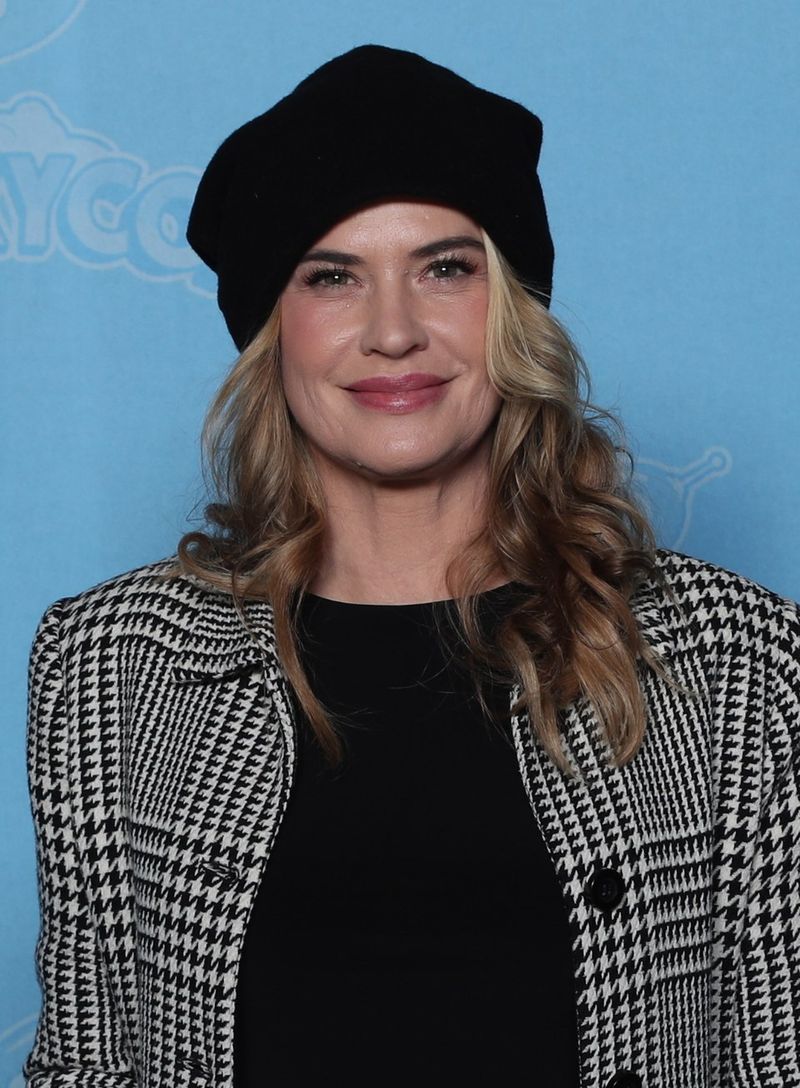
Remember the original “Buffy the Vampire Slayer” movie? Kristy Swanson, who played Buffy before Sarah Michelle Gellar, is now a vocal conservative critic of cancel culture.
She argues Hollywood punishes anyone who doesn’t conform to progressive views on diversity and social issues.
Swanson frequently challenges narratives around systemic racism and gender identity that dominate current industry initiatives. Her social media presence has become a platform for conservative viewpoints, often sparking heated debates with fans and critics alike.
She remains committed to speaking her truth, consequences be darned.
10. Janine Turner
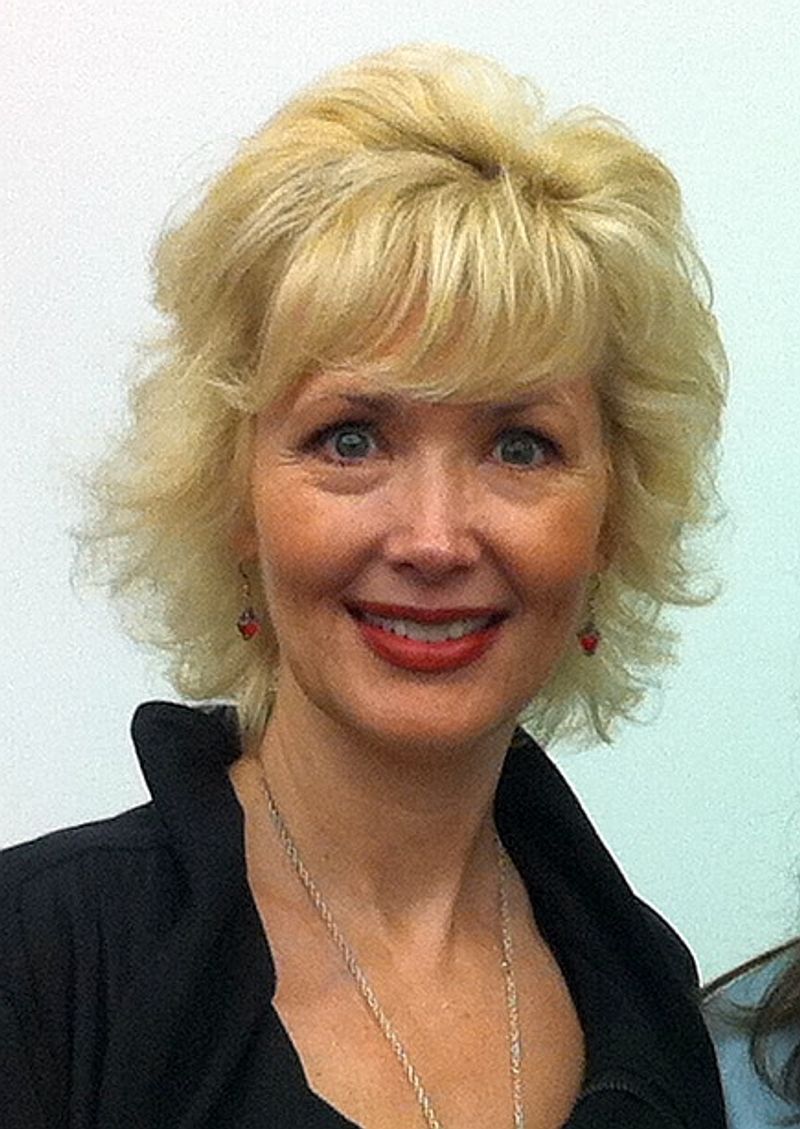
If you watched “Northern Exposure” in the 90s, you know Janine Turner. Today, she’s a conservative activist who founded an organization dedicated to educating Americans about the Constitution.
Turner has been vocal about liberal bias in Hollywood and mainstream media.
She argues the entertainment industry suppresses conservative voices and promotes one-sided political narratives. Turner frequently speaks at political events, encouraging citizens to understand their constitutional rights and liberties.
Her transition from actress to constitutional educator shows how some stars use their platforms for causes beyond entertainment and red carpets.