
11 Adaptations That Brought Wuthering Heights To Film
Since 1847, Wuthering Heights has trapped readers on the moors with Heathcliff’s vengeance, Catherine’s chaos, and enough emotional turbulence to outdo the weather itself. Filmmakers keep returning, bravely attempting to capture a love story where doors slam, the haunting lingers, and nobody makes calm life choices.
Every adaptation wrestles with the same gloomy magic, proving some romances refuse to behave politely or stay buried.
1. Wuthering Heights (1939)
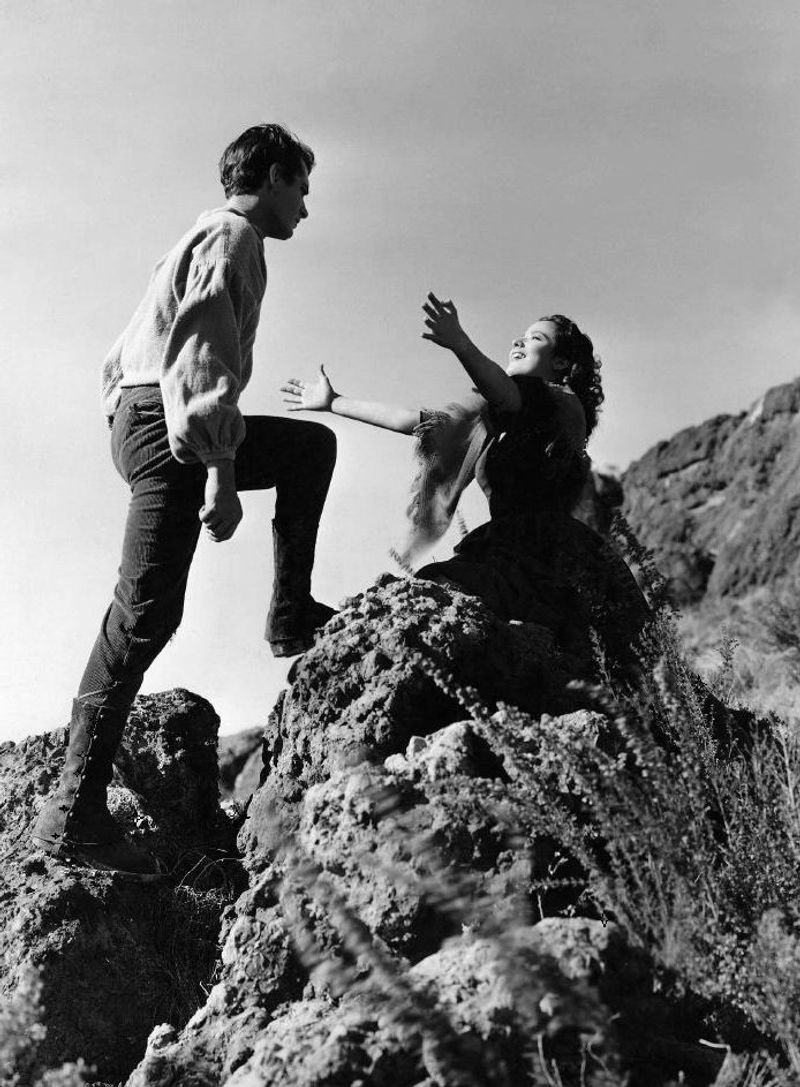
Laurence Olivier broods across the moors in the adaptation that helped define Wuthering Heights on screen. William Wyler’s film earned eight Oscar nominations and helped cement Heathcliff as a screen icon.
Focus stays firmly on the first tragic romance, skipping the novel’s second generation to heighten emotional impact.
Consider it a streamlined version of the story with cinematic polish and sweeping atmosphere. Victorian heartbreak proved box-office worthy, even with half the novel left behind.
Rainy Sundays pair perfectly with drama delivered alongside swelling violins.
2. Arzoo (1950)
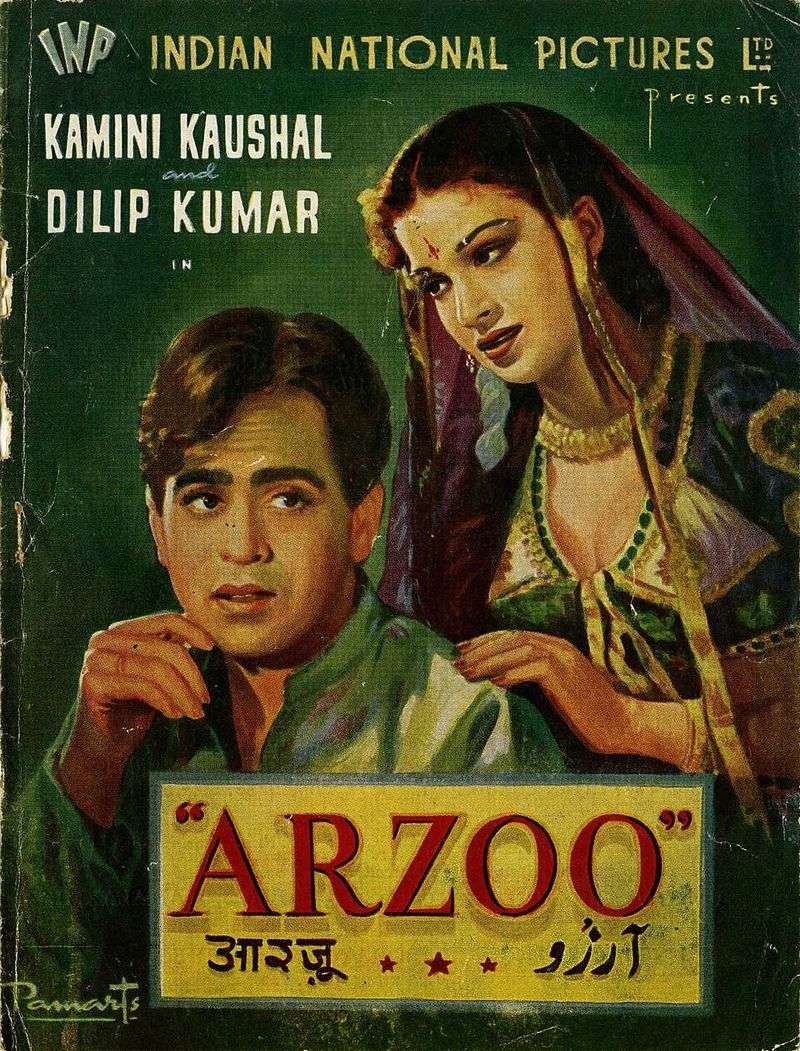
Hindi cinema spotted Brontë’s potential long before most Western studios circled back for a second look. Director Shaheed Latif transplanted the moors to India, swapping Catherine and Heathcliff for new names but keeping that signature ache.
The songs add emotional weight the novel could only hint at.
Watching it feels like finding your grandmother’s secret diary, except it’s set to a tabla beat. This adaptation reminds us that obsessive love translates across every border and time zone.
3. Hulchul (1951)
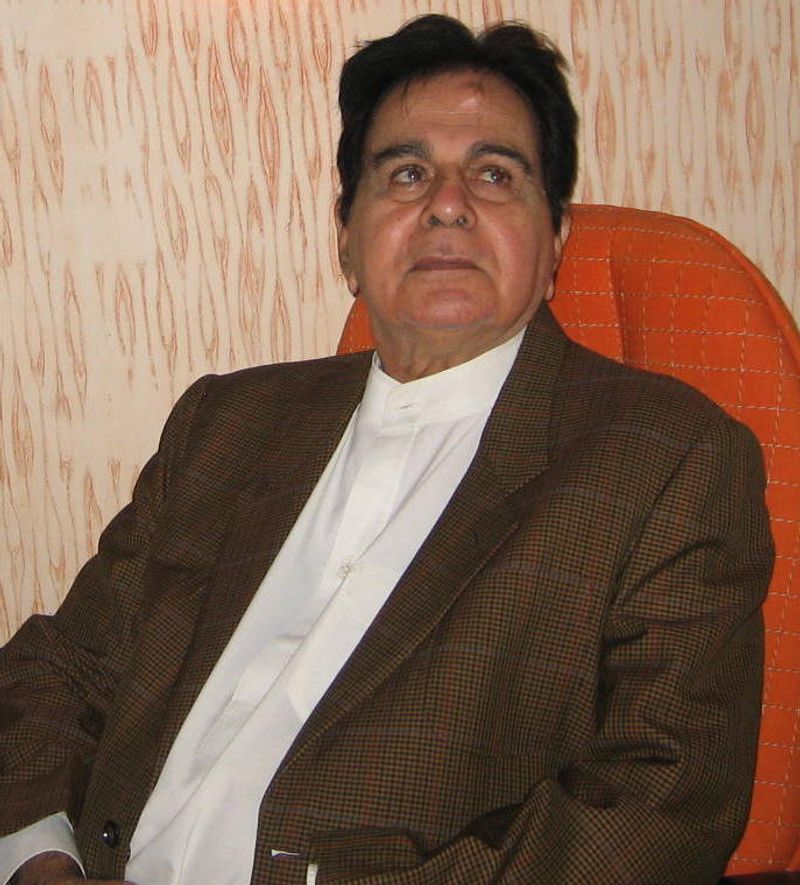
Melodrama surges as Hulchul pushes every emotion to full intensity, making outside distractions easy to ignore. Brontë’s story remains at the core while saris, spectacle, and musical numbers reshape the mood entirely.
Revenge and longing take on new energy under director S.S. Vasan, who understood how powerfully music could amplify emotion.
Scenes unfold like a vivid fever dream where feelings stay close to the surface. Characters finally say exactly what they mean, then sing about it for emphasis.
4. Abismos De Pasión (1954)
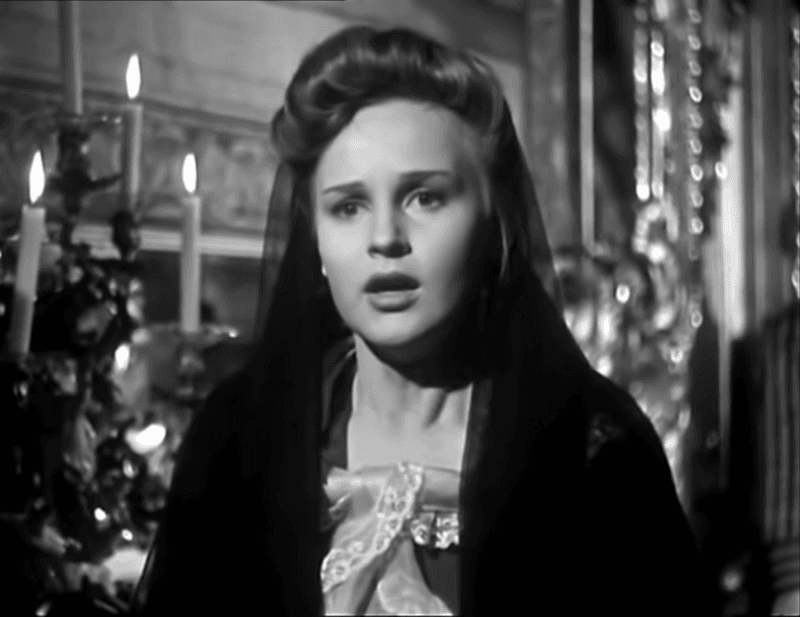
Surrealism takes center stage as Luis Buñuel reshapes Brontë’s novel through his unmistakably strange perspective.
Obsession remains intact in his Mexican adaptation, while dream logic collides with Victorian restraint in ways only Buñuel would attempt.
Mexican countryside replaces the moors, giving Heathcliff’s fury an even more unsteady edge. Viewing the film feels like staring into a carnival mirror where everything looks familiar yet subtly distorted.
Gothic romance proves adaptable to any landscape, especially when filtered through such a peculiar creative lens.
5. Dil Diya Dard Liya (1966)
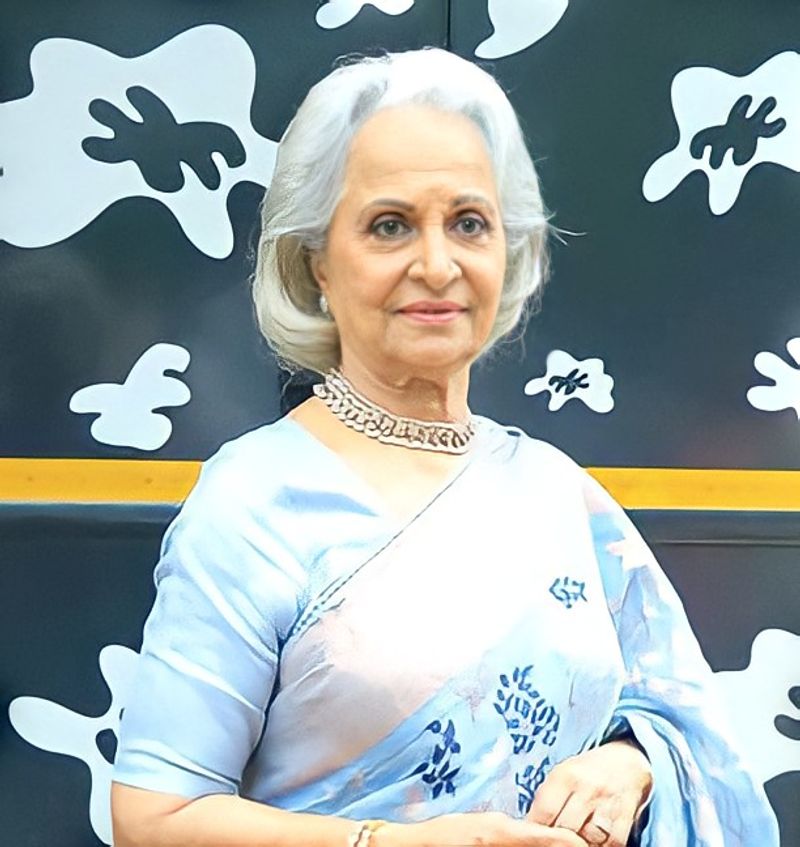
Dilip Kumar brings Heathcliff to life as a man whose heartbreak could power a small city.
This Bollywood version stretches Brontë’s tale across three hours, adding enough songs to fill a wedding playlist. Every emotion gets its own musical number, and somehow that makes the tragedy hit harder.
Your coffee goes cold while you’re glued to the screen, watching love curdle into something darker.
The film understands that some stories need room to breathe, even if breathing hurts.
6. Wuthering Heights (1970)
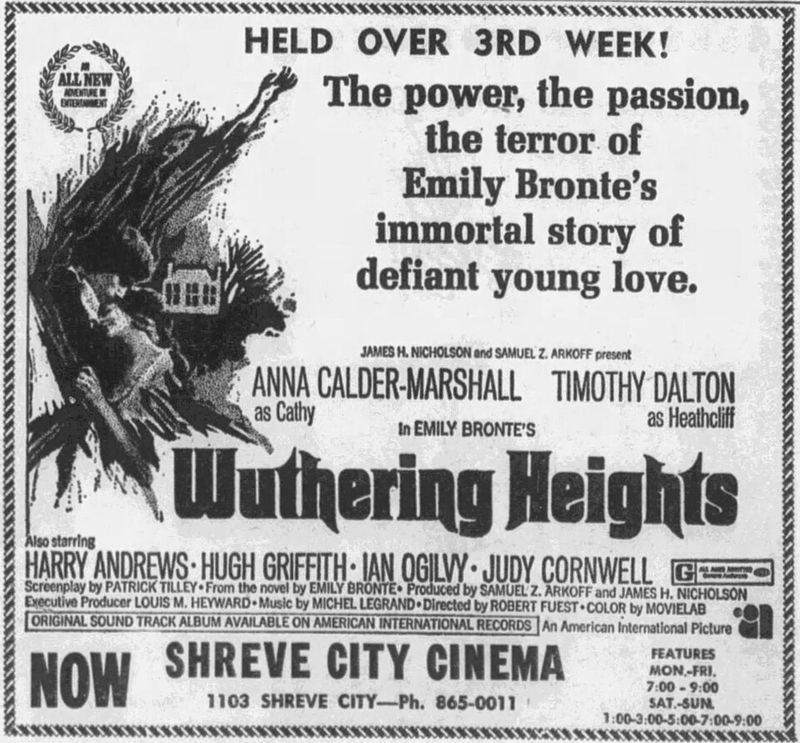
Intensity radiates from Timothy Dalton’s Heathcliff, carrying a simmering energy that nearly feels combustible. Anna Calder-Marshall meets him moment for moment, creating one of the most psychologically raw interpretations of the story.
Ugliness remains fully visible in an adaptation unwilling to soften its edges.
Moors appear harsh enough to sting, while every character seems confined by personal impulses they cannot escape. Brontë’s world unfolds without a safety net, showing how powerful an adaptation can be when it refuses to look away.
7. Hurlevent (1985)
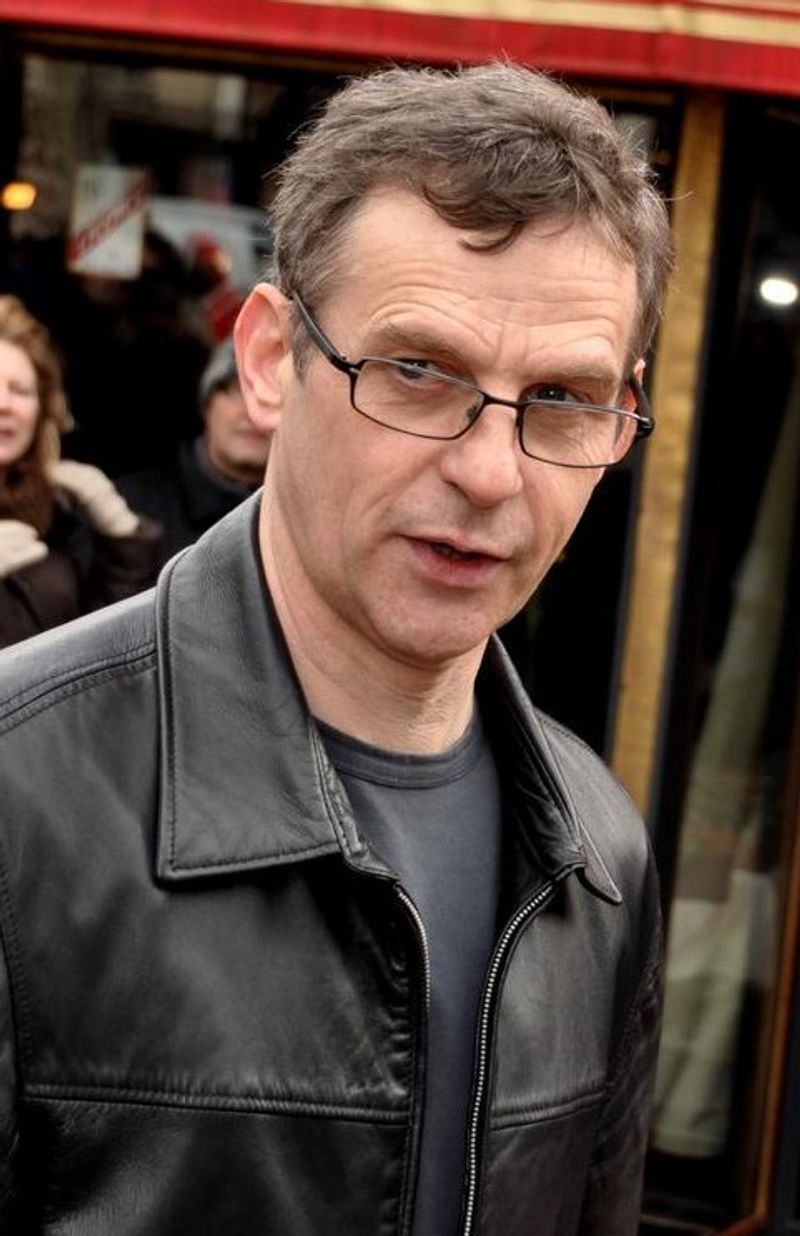
Jacques Rivette picked up Brontë’s novel and moved the whole mess to 1930s France. Suddenly Heathcliff becomes Roch, and the Yorkshire moors transform into southern French countryside that’s equally unforgiving.
The calendar reminder glare can’t pull you away from this slow-burn meditation on class and cruelty.
Rivette strips away the Gothic theatrics, leaving only the raw mechanics of how people unravel each other. It’s Wuthering Heights as arthouse cinema, where silence does more work than screaming ever could.
8. Emily Brontë’s Wuthering Heights (1992)
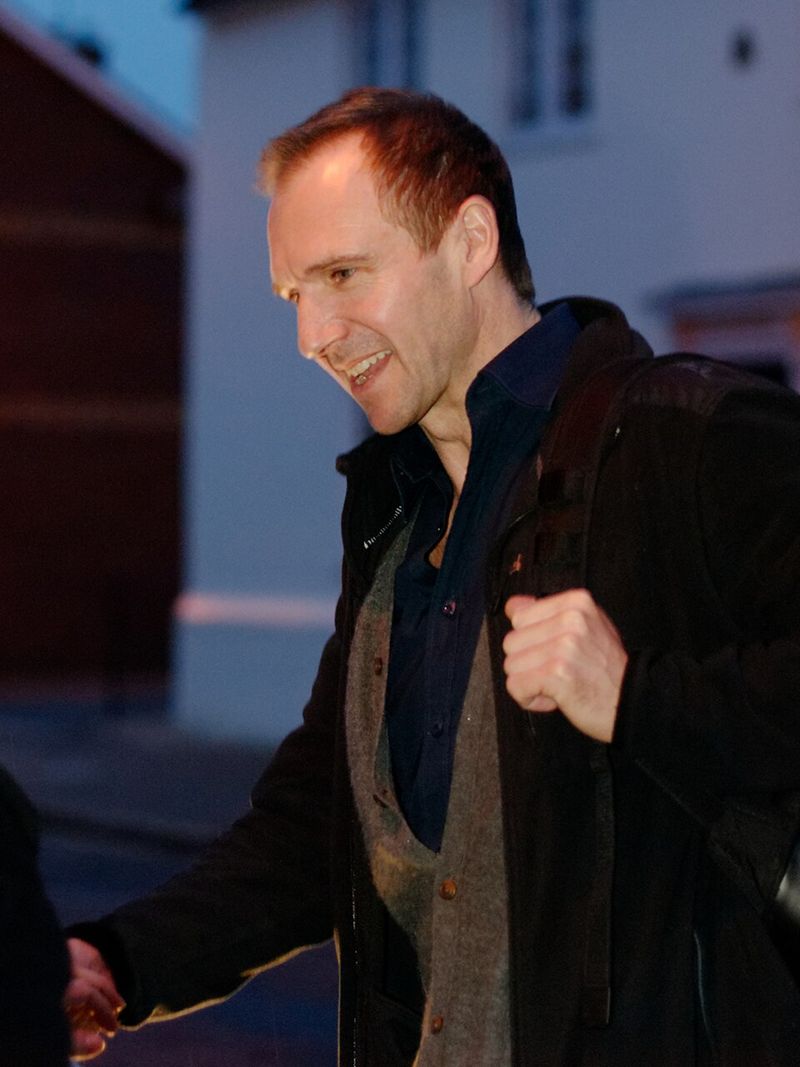
Chemistry between Ralph Fiennes and Juliette Binoche feels strong enough to ignite the moors themselves.
Peter Kosminsky’s adaptation includes the novel’s second generation, trusting Brontë’s full vision instead of trimming it away. Younger Cathy and Hareton finally receive space for redemption, suggesting some family curses can be broken.
Cold floors and unfinished chores fade into the background once the story takes hold. Dedicated readers often see it as the version that truly honors the book’s complete arc.
9. Wuthering Heights (2009)
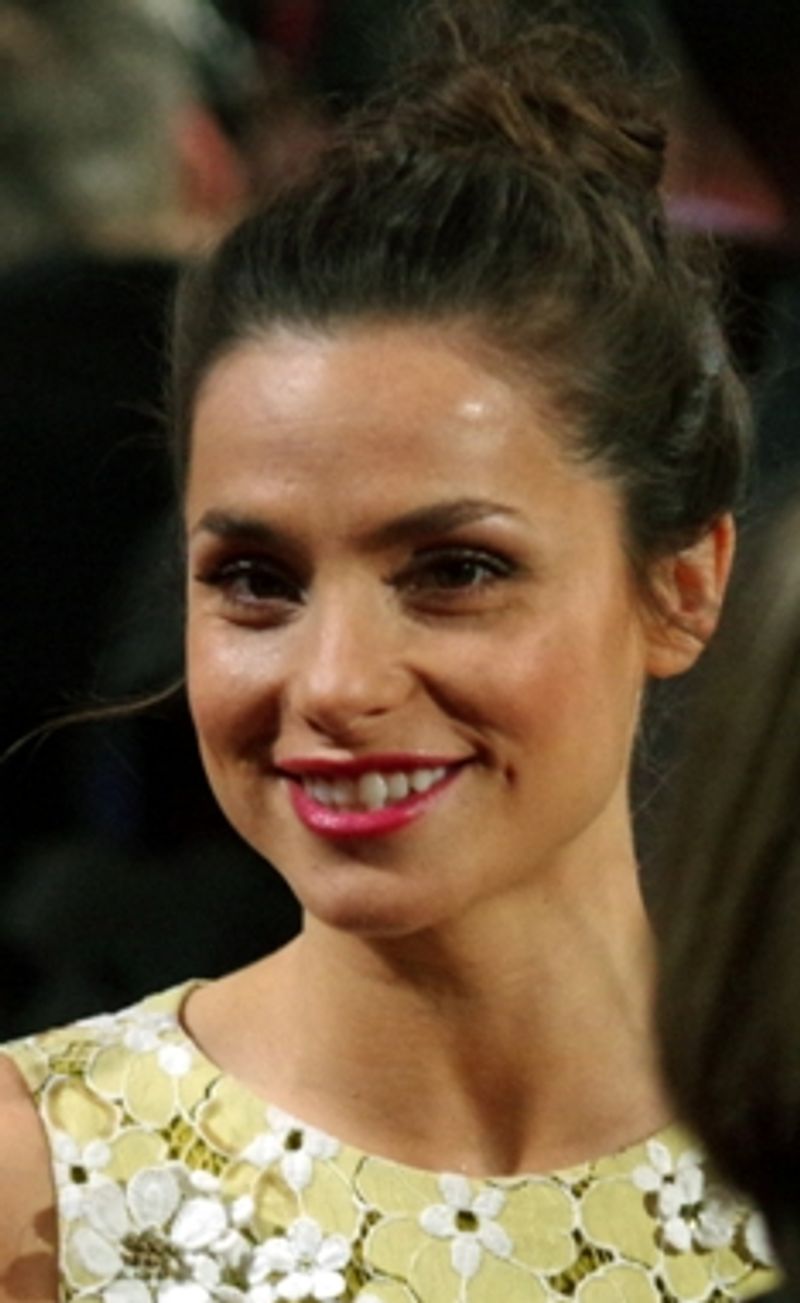
The BBC took a swing at the story with a two-part miniseries that finally had room to breathe. Tom Hardy’s Heathcliff prowls through scenes like a caged animal who’s forgotten why he wanted out in the first place.
Charlotte Riley’s Catherine matches his energy, and together they make misery look almost appealing.
Television format means no subplot gets abandoned, no character gets shortchanged. It’s Wuthering Heights for the binge-watch generation, proving that some stories need more than two hours to properly upend everyone’s plans.
10. Wuthering Heights (2011)
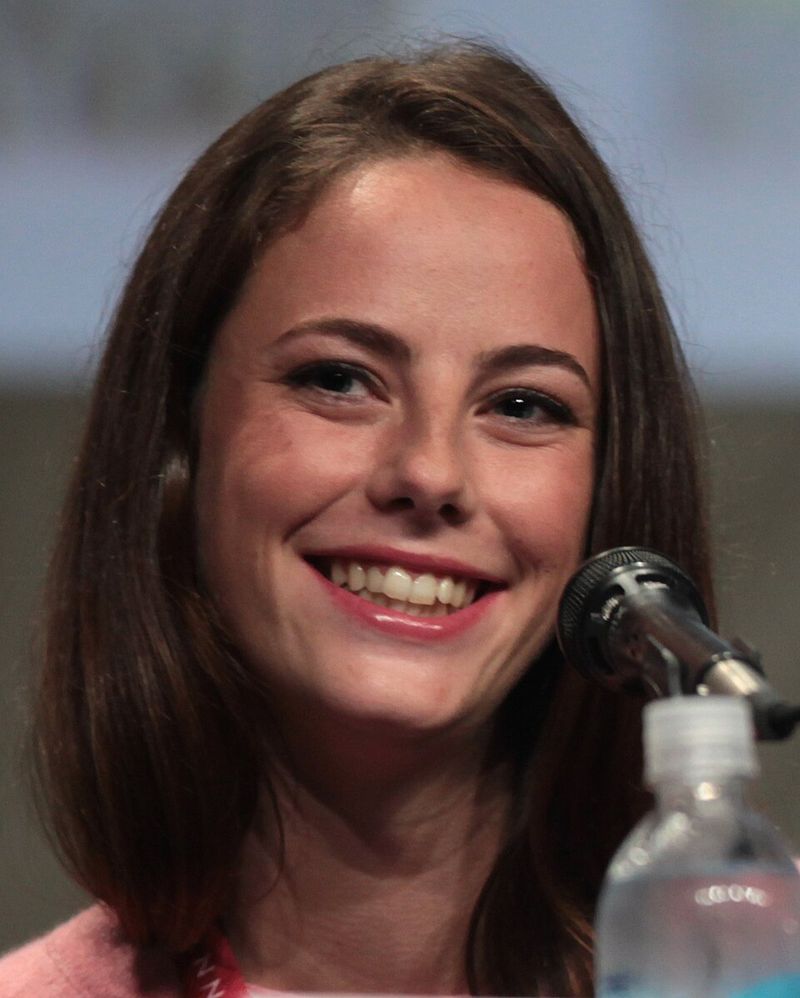
Andrea Arnold reduces Brontë’s story to its raw essentials, filming it with the stark realism of a stark, naturalistic study of human fallout.
Casting James Howson as Heathcliff reflects the novel’s original description while adding new emotional weight. Kaya Scodelario’s Catherine feels untamed, as if she belongs to the moors more than any drawing room.
Music disappears entirely, leaving wind and breath to carry the atmosphere. Every moment becomes a sensory experience where the mud and cold almost feel tangible.
11. Wuthering Heights (2026)

Anticipation surrounds Emerald Fennell’s adaptation well ahead of release, with casting and creative choices already drawing attention. Casting Margot Robbie and Jacob Elordi as Catherine and Heathcliff initially feels unexpected until her history of subversive storytelling comes to mind.
Speculation alone becomes entertainment, easily distracting from anything waiting by the door.
Questions linger about whether the film will embrace Gothic excess or uncover a completely new perspective. Brontë’s story once again proves impossible to bury, no matter how many times it returns to the screen.
Disclaimer: This article is provided for general informational and entertainment purposes. Film availability, titles, credited roles, and release plans can change over time, and some entries reflect loose or culturally adapted interpretations of the source novel rather than direct translations.



_Irasema_Dilian.png)
_enhanced.jpg)


.jpg)
_(cropped).jpg)
.png)