20 Artists Whose Careers Started Strong Then Drifted Out Of The Mainstream Spotlight
A single pop hit can change everything overnight, turning unknown performers into household names with hooks that rule the radio.
Not every rise lasts, and some artists who seemed destined for long careers quietly slipped away after their biggest moments.
These twenty musicians found massive success, then faded from the spotlight, leaving fans still wondering what happened next.
Disclaimer: This article reflects widely documented chart peaks, award records, and publicly reported career timelines, but “mainstream spotlight” is used to describe broad commercial visibility, not to suggest any artist stopped creating or performing.
The content is provided for general informational and entertainment purposes and is not legal, financial, or professional advice.
20. Natalie Imbruglia
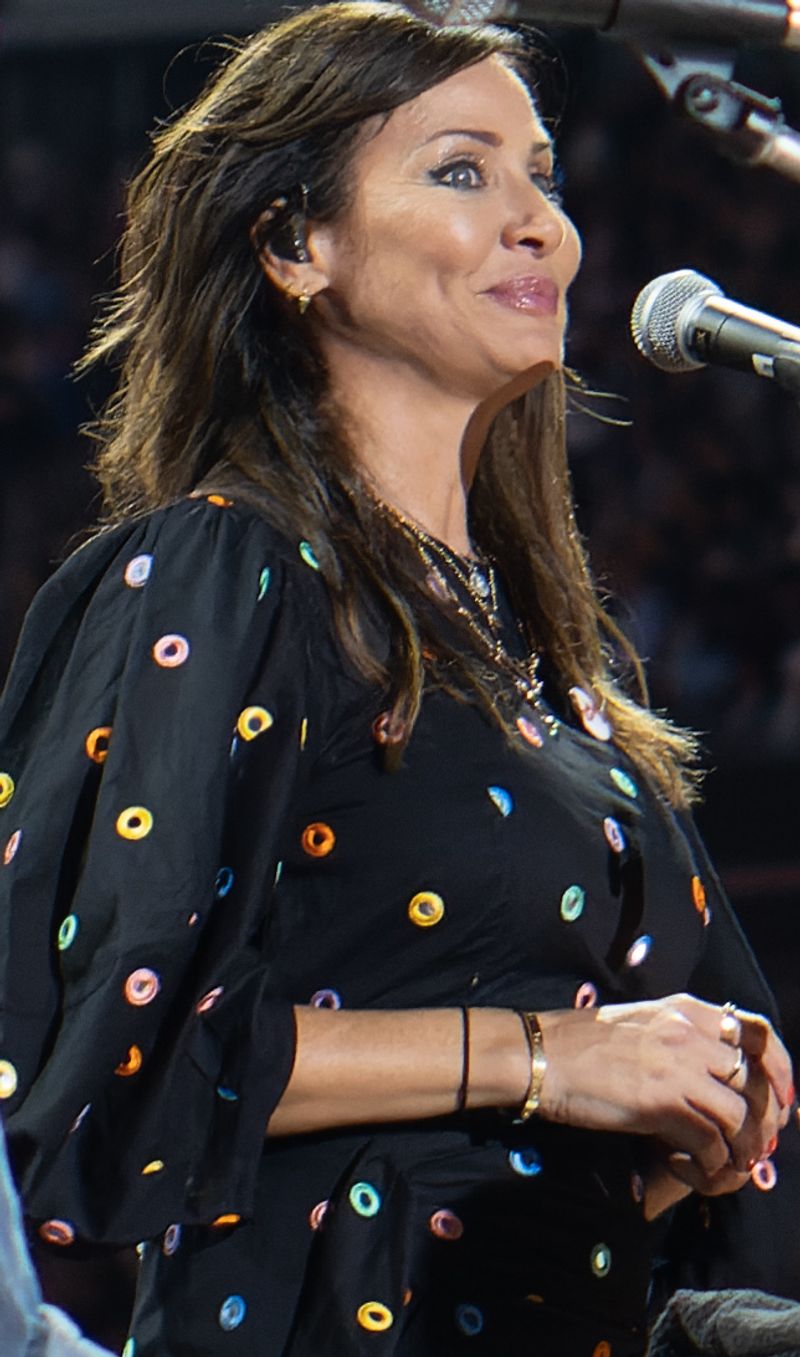
Remember when “Torn” played on every radio station in 1997?
Natalie Imbruglia captured hearts worldwide with that emotional breakup anthem, earning major nominations and broad critical attention. The Australian singer-actress seemed poised for a lengthy music career, with follow-up albums that showed real artistic growth.
However, chart success proved elusive after that first record. Imbruglia gradually shifted focus to acting and charity work, releasing albums sporadically while maintaining a much lower profile than her explosive debut suggested she would.
19. Daniel Powter

If you’ve ever had a terrible day, you probably heard Daniel Powter’s “Bad Day” echoing through your mind. That 2005 mega-hit dominated airwaves globally, becoming the first song to sell two million digital copies.
Powter seemed destined for continued success.
Yet subsequent releases failed to capture the same magic, and radio stations moved on to fresher voices. Powter continued making music in Canada but never recaptured that lightning-in-a-bottle moment that made him a household name across continents.
18. Eagle-Eye Cherry
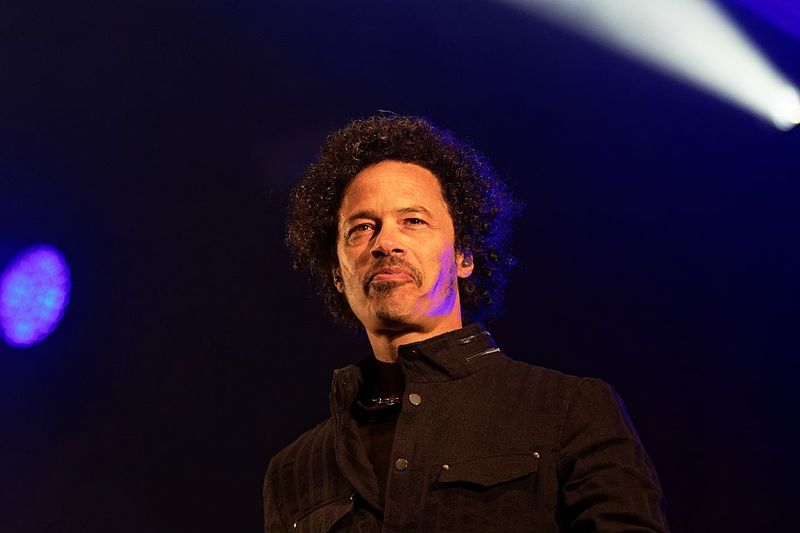
“Save Tonight” became the unofficial anthem for bittersweet farewells in 1997.
Eagle-Eye Cherry, son of jazz legend Don Cherry, delivered a smooth, folk-rock gem that climbed charts in over a dozen countries.
Multiple platinum certifications were achieved by the debut album, and critics praised a distinctive voice and songwriting talent. Despite releasing several follow-up albums, Cherry never matched that initial breakthrough.
Retreating from mainstream attention, the Swedish-American artist eventually continued creating music for a dedicated but much smaller fanbase.
17. Lou Bega
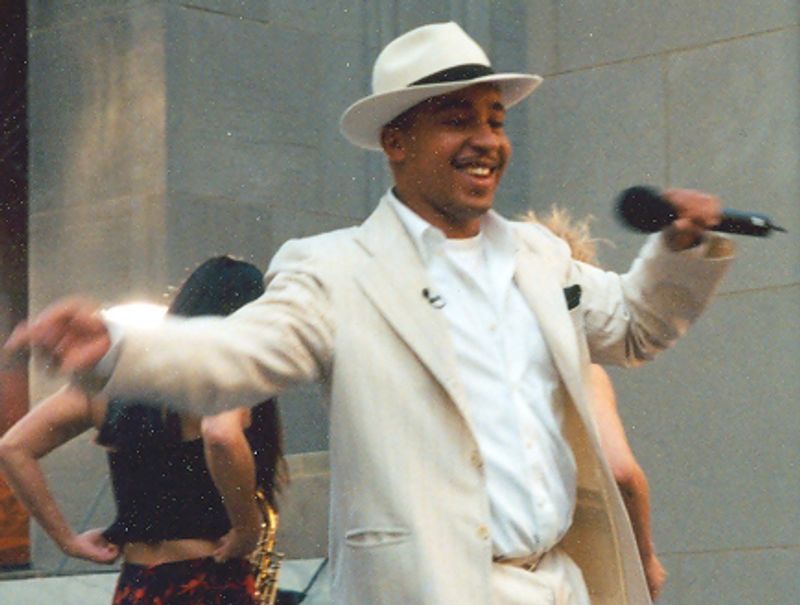
Mambo No. 5 invaded summer 1999 like a tropical storm of trumpet blasts and name-dropping. A cheeky update of a 1949 instrumental by Lou Bega became inescapable, playing at weddings, parties, and sporting events worldwide.
International fame greeted the German-Ugandan singer as the Latin-pop wave pushed the song to number one in numerous countries.
Unfortunately, Bega became the definition of a one-hit wonder, unable to produce another track with remotely similar appeal. Multiple attempts to recapture infectious energy failed to result in another hit for the artist.
16. Baha Men

Who let the dogs out? Apparently, the Baha Men did, and the world couldn’t stop asking that question in 2000.
This Bahamian group’s novelty hit became a cultural phenomenon, playing at every sporting event and children’s party imaginable. The infectious chorus embedded itself in popular consciousness, earning the group a Grammy Award and international recognition.
However, the novelty wore off quickly, and subsequent releases disappeared without trace. The band continues performing at festivals and nostalgia tours, forever defined by those four famous words.
15. Las Ketchup
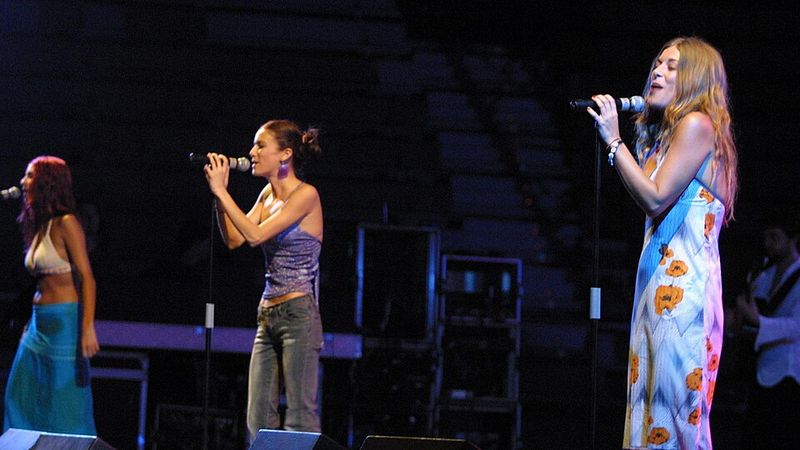
Four Spanish sisters created the ultimate dance craze with “The Ketchup Song” in 2002, complete with nonsensical lyrics and irresistible choreography.
The track conquered Europe and Latin America, spawning countless imitations and dance-floor moments. Las Ketchup seemed positioned to dominate the Latin-pop crossover market with their playful energy and catchy hooks.
Sadly, follow-up singles failed to replicate that viral magic. After their peak, releases slowed and they stepped away for stretches, but they have continued performing publicly in later years.
14. Chumbawamba

“I get knocked down, but I get up again!”
Chumbawamba’s “Tubthumping” became 1997’s ultimate resilience anthem, blasting from radios and inspiring sing-alongs everywhere. Ironically, this British anarcho-punk band had been making politically charged music for over a decade before mainstream success arrived.
Sudden commercial breakthrough felt almost accidental for a group known for anti-establishment views and experimental sounds.
After enjoying brief pop stardom, Chumbawamba returned to underground roots, eventually disbanding in 2012 after three decades together but only one massive hit.
13. Crazy Town
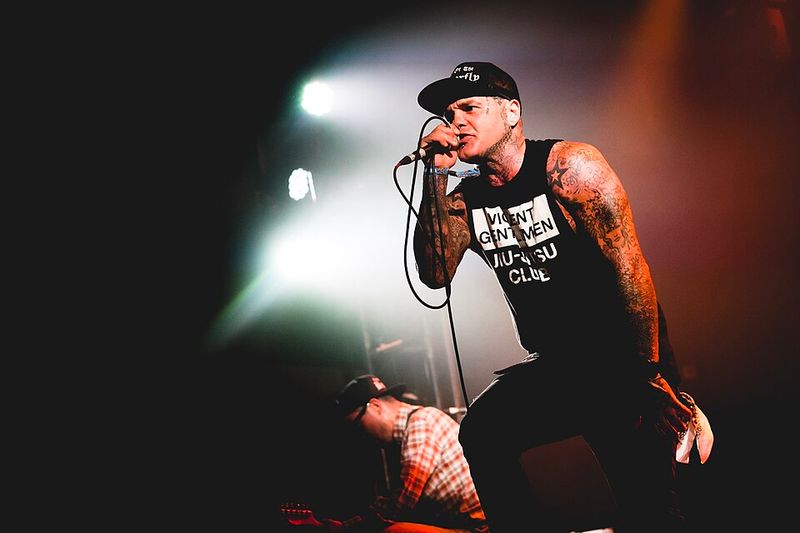
Crazy Town’s breakout single Butterfly – those opening lines transported listeners to rap-rock paradise in 2000.
Crazy Town blended hip-hop swagger with rock guitars, creating a unique sound that felt fresh during the nu-metal explosion.
“Butterfly” soared to number one on the Billboard Hot 100, making the Los Angeles group seem unstoppable. Internal conflicts, personal and internal turmoil, and changing musical tastes derailed any momentum.
A brief moment of ruling MTV and alternative radio stations nationwide was never recaptured, even after the band broke up, reformed, and broke up again.
12. The Verve Pipe

Deeply resonant emotions regarding regret and consequences allowed “The Freshmen” to hit differently in 1996 for alternative rock fans everywhere.
A breakthrough single for The Verve Pipe climbed to number five on the Billboard Hot 100, establishing the Michigan band as serious contenders in the post-grunge landscape.
Critics praised introspective lyrics and melodic sensibility while predicting sustained success for the group. Unfortunately, subsequent albums received lukewarm reception as radio moved on to newer sounds.
Music production continues for dedicated followers, but the band remains forever associated with that one powerful, haunting track.
11. Haddaway
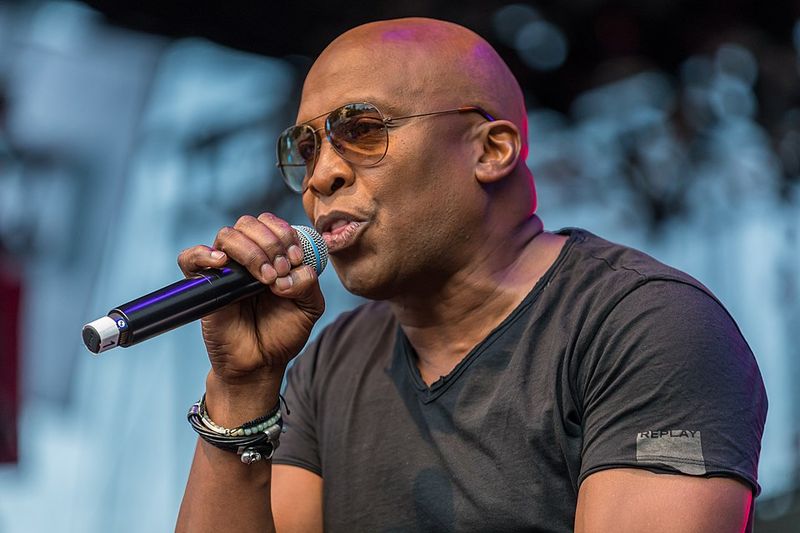
What is love? Baby, don’t hurt me, Haddaway’s 1993 Eurodance masterpiece became an instant club classic and cultural touchstone.
The Trinidad-born, German-based artist delivered soaring vocals over pulsing electronic beats, creating a sound that defined early ’90s dance music. “What Is Love” topped charts across Europe and became a staple of dance floors worldwide, with its infectious energy impossible to resist.
Despite several follow-up singles, Haddaway never matched that initial explosion. The artist continues performing at nostalgic dance events, forever celebrated for that one unforgettable question.
10. Gotye
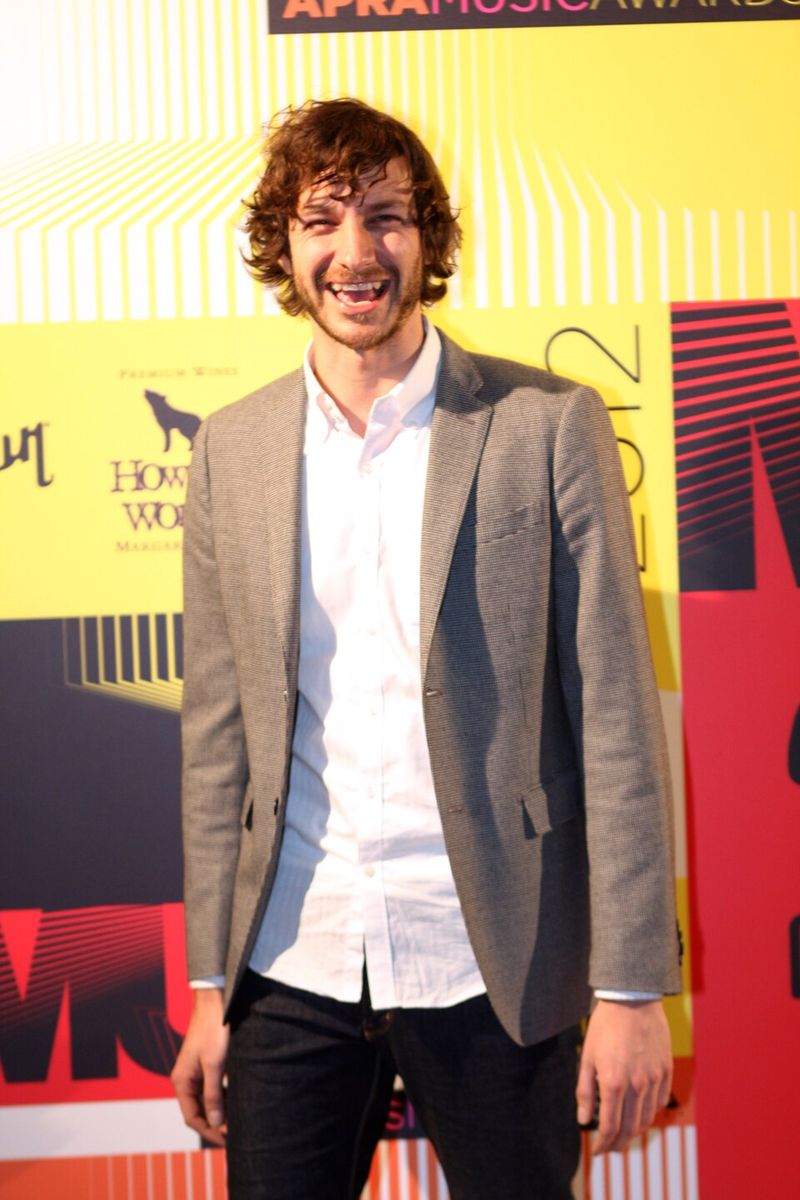
Somebody that you used to know – literally.
Gotye’s haunting 2011 duet with Kimbra became one of the decade’s biggest hits, earning three Grammy Awards and topping charts in over 30 countries. The Belgian-Australian artist’s unique sound blended indie-pop with experimental elements, creating something genuinely fresh and captivating for mainstream audiences.
Then Gotye essentially vanished from commercial music, with artist Wally De Backer choosing to pursue other creative interests rather than chase another hit. That deliberate withdrawal from fame makes the disappearance even more intriguing and unusual.
9. Vanessa Carlton

Making your way downtown, walking fast, Vanessa Carlton’s “A Thousand Miles” defined early 2000s piano-pop perfection.
That iconic piano riff became instantly recognizable, propelling the Pennsylvania singer to stardom at just 21 years old. The song earned Grammy nominations and established Carlton as a serious musician with classical training and genuine songwriting chops, not just another manufactured pop star.
Follow-up albums showcased artistic growth but failed commercially. Carlton retreated from mainstream pop, releasing independent albums for smaller audiences while maintaining artistic integrity over commercial success.
8. Tal Bachman
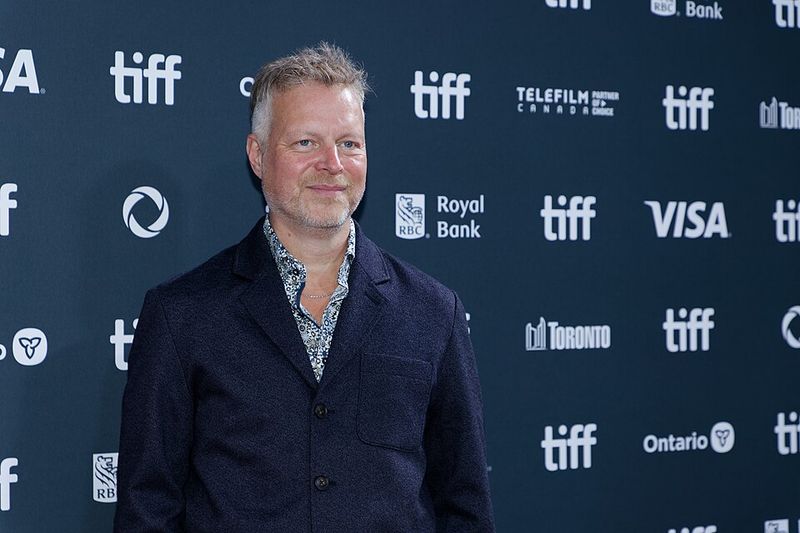
Romantic longing was captured perfectly in 1999 by the power-pop gem “She’s So High.” An irresistible melody crafted by the Canadian singer-songwriter, son of Bachman-Turner Overdrive’s Randy Bachman, dominated alternative and pop radio simultaneously.
Promising career prospects were suggested when “She’s So High” earned major airplay, chart success, and Juno recognition.
Subsequent releases failed to connect with audiences the same way, and Bachman eventually stepped away from active recording.
Music industry success was eventually abandoned by the singer, who became known for writing about philosophy and religion rather than recording new material.
7. Marc Cohn
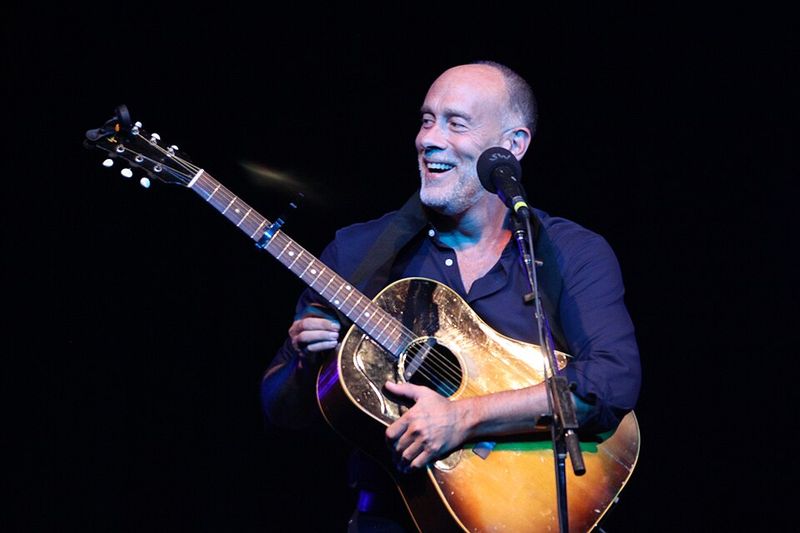
Walking in Memphis brought spiritual searching to adult contemporary radio in 1991, earning Marc Cohn a Grammy Award for Best New Artist.
The soulful singer-songwriter delivered heartfelt lyrics and piano-driven melodies that showcased genuine talent and emotional depth. Critics praised his storytelling ability and musical craftsmanship, comparing him favorably to established artists like Bruce Hornsby and Paul Simon.
Despite continued recording and touring, Cohn never achieved another mainstream hit. The artist maintains a loyal following but remains primarily recognized for that one evocative journey through Tennessee’s musical heartland.
6. Terence Trent D’Arby
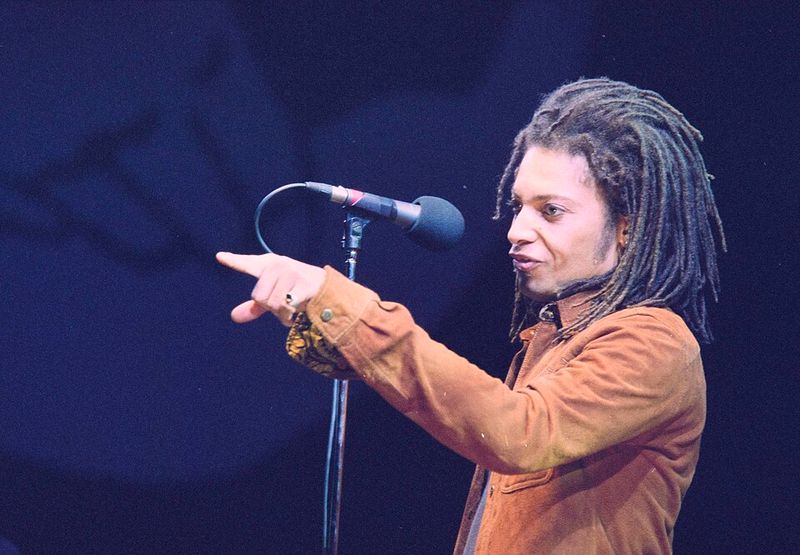
Supreme confidence and undeniable vocal talent defined the arrival of Terence Trent D’Arby on the music scene in 1987.
Comparisons to Prince and Michael Jackson arose after the debut album sold over a million copies, showcasing incredible vocal range and stage presence. Superstardom seemed destined for a performer with such a bold personality and immense musical ambition.
Creative control battles with record labels and increasingly experimental music eventually alienated mainstream audiences.
Independence became the focus after the artist legally changed names to Sananda Maitreya in 2001, allowing for new music creation while deliberately avoiding commercial pressures and mainstream attention entirely.
5. Samantha Mumba

Ireland produced a genuine pop princess when Samantha Mumba released “Gotta Tell You” in 2000 at just 17 years old.
The infectious dance-pop track climbed charts internationally, establishing Mumba as a fresh voice with style, charisma, and crossover appeal. She even landed a role in the 2002 film “The Time Machine,” suggesting a multi-faceted entertainment career ahead.
However, a difficult relationship with her record label stalled momentum, and promised albums never materialized. Mumba eventually left music behind, focusing on family and occasional acting roles rather than fighting industry battles.
4. Anna Nalick

Comfort during anxious moments arrived in 2005 through the poetic lyrics and vulnerable vocals of Anna Nalick’s breakthrough. The California singer-songwriter’s “Breathe (2 AM)” resonated deeply with listeners navigating uncertainty and life transitions, becoming a therapeutic anthem for countless fans.
Nalick seemed positioned for sustained success as a thoughtful, introspective artist. Label disputes and creative differences delayed follow-up albums for years, causing momentum to evaporate completely.
Independent music releases eventually followed, but that initial connection with mainstream audiences was never recaptured, leaving this artist a beloved memory for those who found solace in breathing.
3. Kiesza

Hideaway burst onto dance floors in 2014 with irresistible energy and a one-take music video that showcased Kiesza’s impressive dancing and vocal abilities simultaneously.
The Canadian singer’s debut single topped charts across Europe and seemed to announce a major new force in dance-pop music. Critics praised her talent, work ethic, and the refreshing authenticity she brought to electronic music.
A serious car accident in 2017 derailed career momentum, causing neurological issues that temporarily ended performing. Though Kiesza has since recovered and released new music, recapturing that initial breakthrough moment has proven elusive.
2. Sisqó
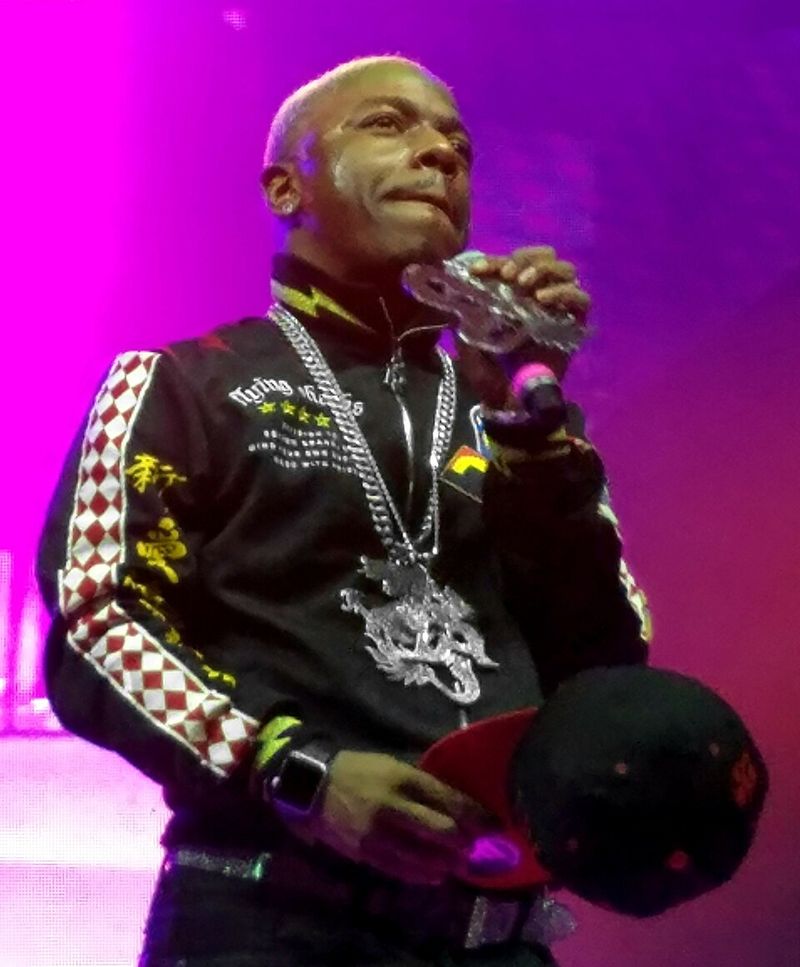
Silver hair and dragon energy defined Sisqó’s early-2000s breakout single which became 2000’s most playful and controversial hit by celebrating summertime fun with unabashed enthusiasm. Solo success launched spectacularly for the former Dru Hill member as “Incomplete” also reached number one, showcasing genuine vocal talent beyond novelty lyrics.
Charisma, style, and crossover appeal made Sisqó seem destined to dominate early 2000s R&B in a way few artists possessed.
Commercial disappointment met follow-up albums, and changing musical trends eventually left a flashy aesthetic behind.
Performances continue today, but the artist remains primarily celebrated for those two unforgettable hits.
1. M2M

Two Norwegian teenagers named Marit and Marion created perfect pop confections as M2M, delivering “Don’t Say You Love Me” to the world in 1999. The duo’s fresh-faced charm and catchy melodies captured adolescent emotions authentically, earning them international success and a devoted fanbase.
Their music appeared in “Pokémon” movies and soundtracks, expanding reach to younger audiences globally.
Despite initial promise, M2M disbanded in 2002 after just two albums, with members pursuing separate musical paths. Marion Raven achieved moderate solo success, while both artists eventually stepped back from the intense spotlight they experienced as teenagers.