Baffling Reasons Some TV Shows Were Cancelled
Television history is full of cancellations that still feel strange in hindsight.
Some shows survived creative slumps for years, while stronger, better-reviewed projects got cut loose after a single season. The logic can look baffling on the surface, but the decision rarely comes down to one simple factor.
Behind the scenes, renewal calls get shaped by shifting schedules, budget increases, rights issues, cast availability, and the business goals of a network or streaming platform.
Ratings can drop in key demographics even while overall viewership looks healthy. Marketing can miss its target.
A corporate merger can change priorities overnight.
These cancellation stories reveal how messy the industry can be when art meets spreadsheets.
1. The Rural Purge: Green Acres, Beverly Hillbillies, and More
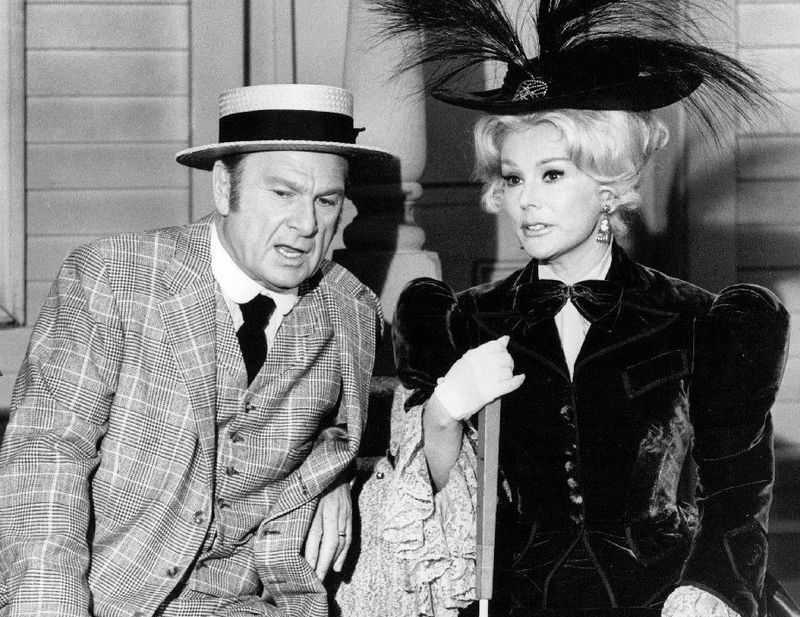
CBS pulled off one of television’s most shocking moves in the early 1970s when they canceled multiple hit shows all at once.
Green Acres, The Beverly Hillbillies, Hee Haw, and Mayberry R.F.D. were all bringing in solid ratings, but network executives decided those viewers weren’t the right kind.
Advertisers wanted younger, urban audiences instead of the rural crowds tuning in.
The decision became known as the Rural Purge, and it changed TV forever.
2. Police Squad!: Too Clever for Casual Viewers
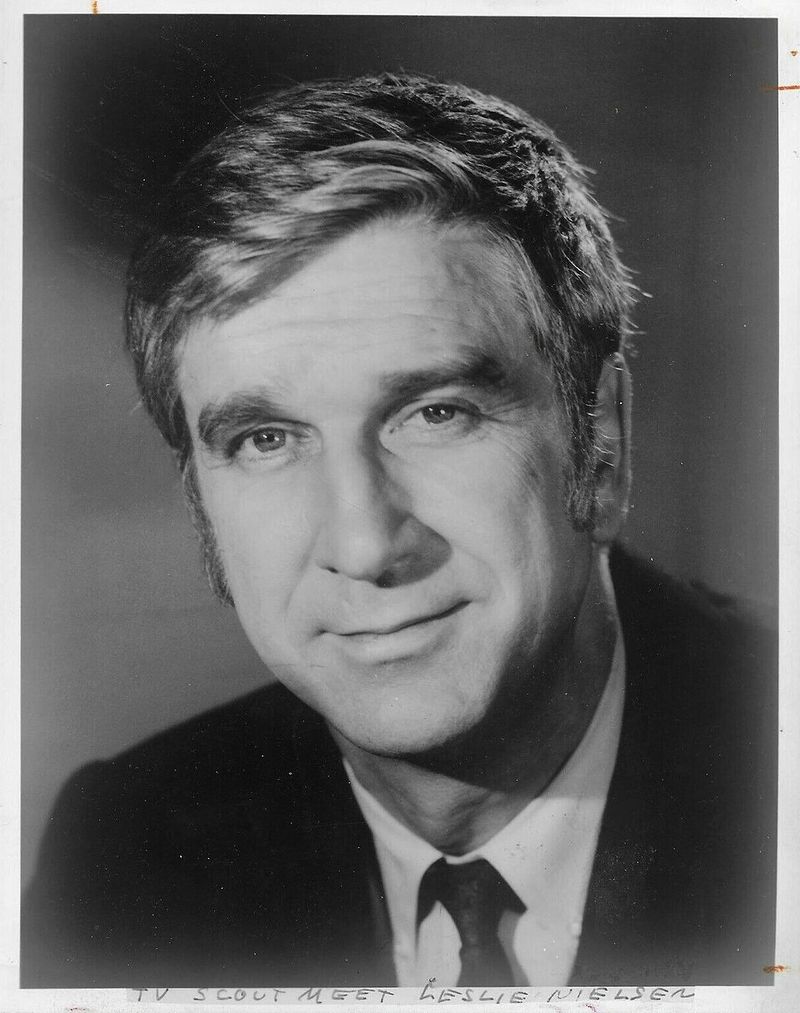
ABC’s entertainment president actually admitted why this show got canceled, and the reason sounds absolutely ridiculous.
Police Squad! was axed because viewers had to actually watch it to get the jokes. Seriously, that was the official explanation!
The show packed so many visual gags and clever wordplay into every scene that channel surfers couldn’t just glance at it and laugh. Networks wanted shows people could enjoy while folding laundry or making dinner.
Being too smart became this comedy’s fatal flaw, proving that sometimes quality works against you.
3. Firefly: Airing Episodes Out of Order

This beloved space western never stood a fighting chance thanks to Fox’s scheduling decisions.
The network aired episodes completely out of order and even skipped the pilot episode that explained the entire premise.
Imagine trying to follow a story when Chapter 3 comes before Chapter 1!
The show also landed in the Friday night slot, where series go to disappear.
New viewers tuned in confused and lost, unable to connect with characters or understand the plot.
4. Sense8: Expensive Globe-Trotting Production
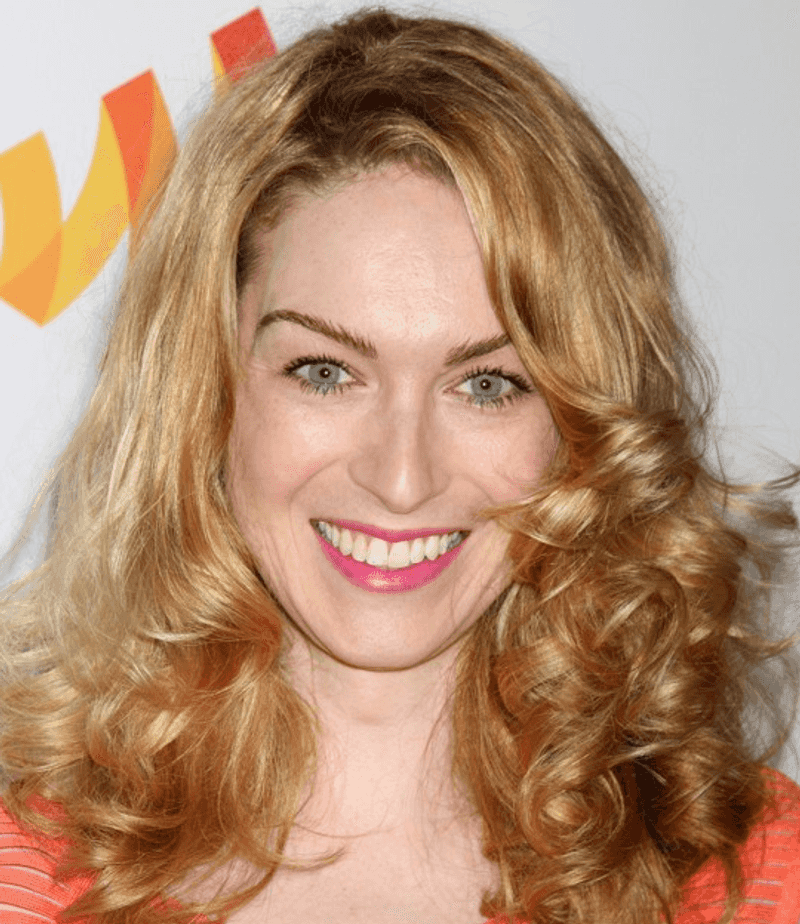
An ambitious sci-fi drama filmed across multiple continents with a massive cast, sounds good right? But add to that creating production costs that made accountants sweat.
The show’s entire concept required shooting in cities around the globe, from Seoul to Nairobi to San Francisco, which meant enormous logistical expenses.
While fans adored the series, Netflix makes decisions based on viewership numbers versus production budgets.
Sense8’s beautiful, sprawling storytelling came with a price tag that didn’t match the streaming math.
5. Willow: Cancelled Then Completely Erased

Disney+ didn’t just cancel this fantasy series after one season. They went nuclear and removed it entirely from their streaming platform, like it never existed.
The move came during a massive cost-cutting campaign where Disney deleted multiple shows to avoid paying residuals and reduce expenses.
Fans couldn’t even rewatch episodes they’d already enjoyed, which felt especially harsh.
The cancellation represented a new trend where streaming services don’t just end shows but erase them from existence.
6. Westworld: Victim of Corporate Restructuring
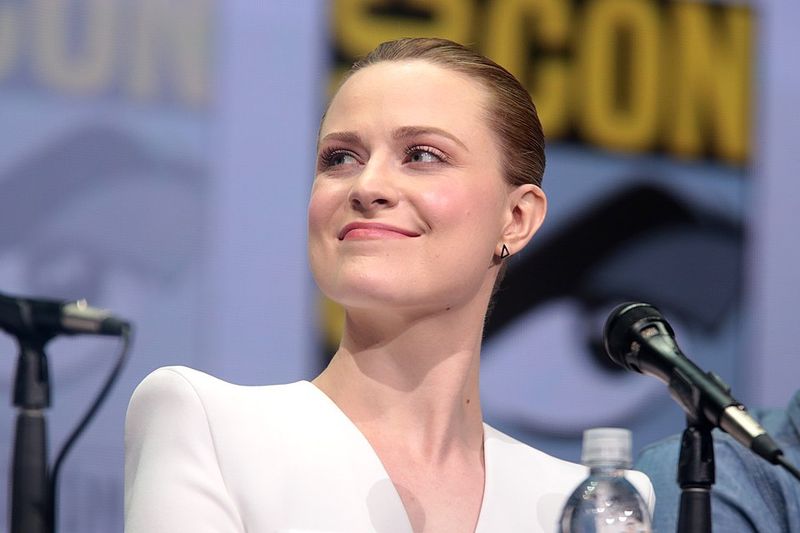
This prestige sci-fi drama was yanked from HBO Max as part of a brutal content purge.
The removal had nothing to do with quality or viewership and everything to do with corporate tax strategies and restructuring decisions after a massive merger.
Westworld joined dozens of other shows deleted from the platform to generate tax write-downs.
The cancellation proved that even critically acclaimed, award-winning series aren’t safe when business executives start playing financial games.
Art became collateral damage in a corporate chess match nobody asked for.