18 Bands That Never Went Huge But Still Defined A Generation
Not every influential band tops charts or headlines festivals.
Some shape a generation more quietly, building loyal followings through late-night radio plays, word-of-mouth praise, and albums passed hand to hand.
Even without massive sales, their style, attitude, and sound ripple outward, inspiring future artists and devoted fans alike.
These groups often become cult favorites, remembered with fierce affection by those who were there at the right moment.
Disclaimer: This list reflects editorial opinion and cultural interpretation, not definitive fact or universal consensus about which bands defined a generation without mainstream success.
1. Big Star
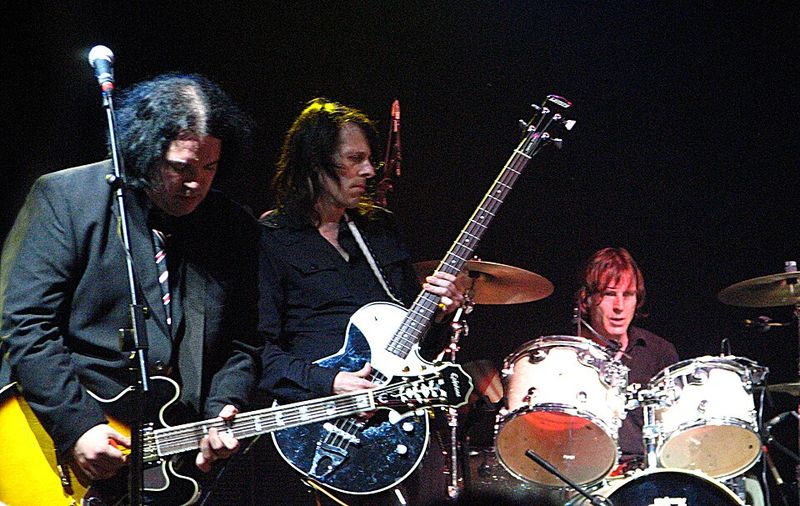
Memphis power pop at its finest came from this trio in the early 1970s.
Distribution problems kept their brilliant albums from reaching most record stores, which meant hardly anyone heard them at first.
Alex Chilton’s songwriting combined Beatles-style melodies with a raw, emotional edge that inspired R.E.M. and The Replacements.
2. Television
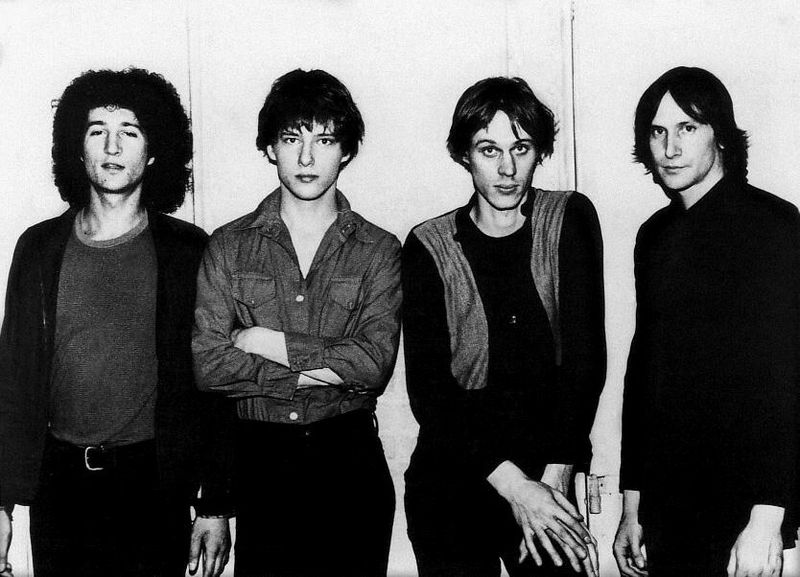
CBGB became legendary partly because of this New York quartet’s groundbreaking performances in the mid-1970s.
Tom Verlaine and Richard Lloyd created guitar conversations that felt like poetry and lightning combined.
Instead of three-chord punk, they played intricate, interweaving guitar lines that told stories. Punk rockers and art students alike worshipped their innovative approach to music.
3. The Velvet Underground
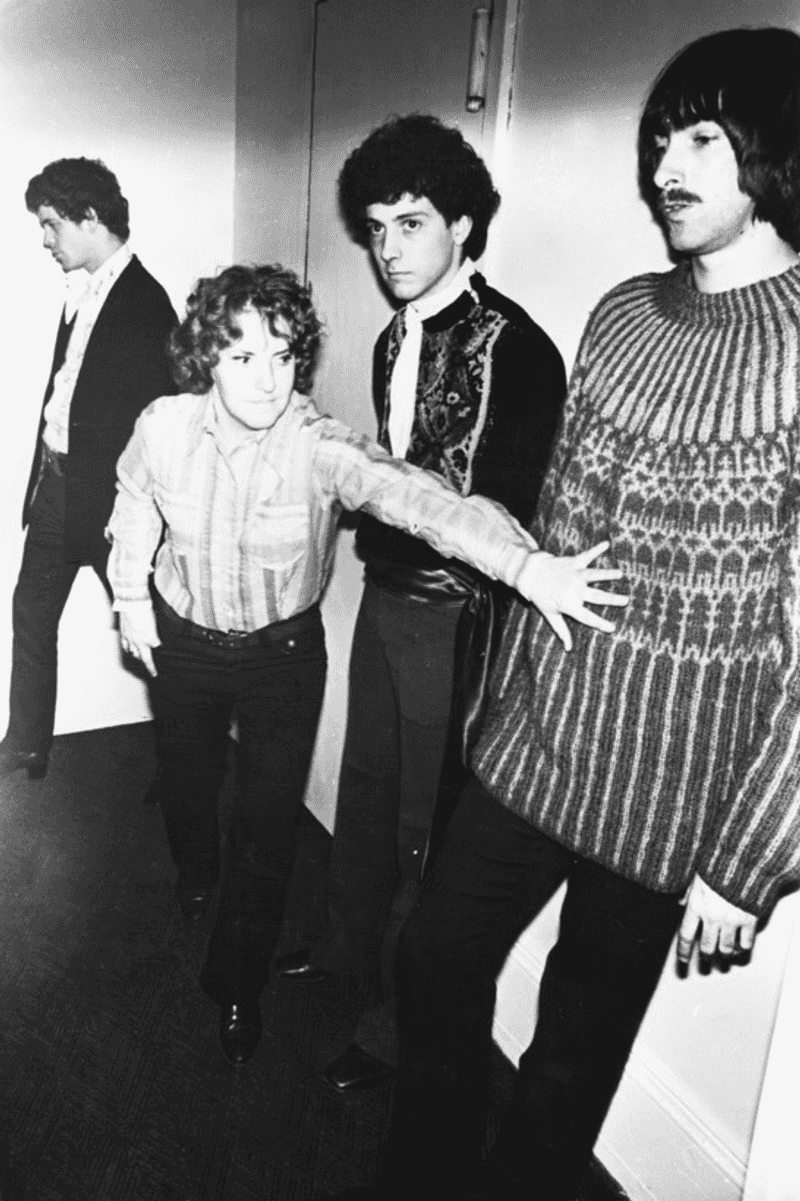
Andy Warhol managed this New York band in the 1960s, and their experimental sound was way ahead of its time.
Few people bought their albums when they first came out, but nearly everyone who did started their own band.
Their raw lyrics about city life and unusual musical choices created a blueprint for punk and alternative rock. Lou Reed’s songwriting and John Cale’s avant-garde touches made them legends.
4. The Replacements
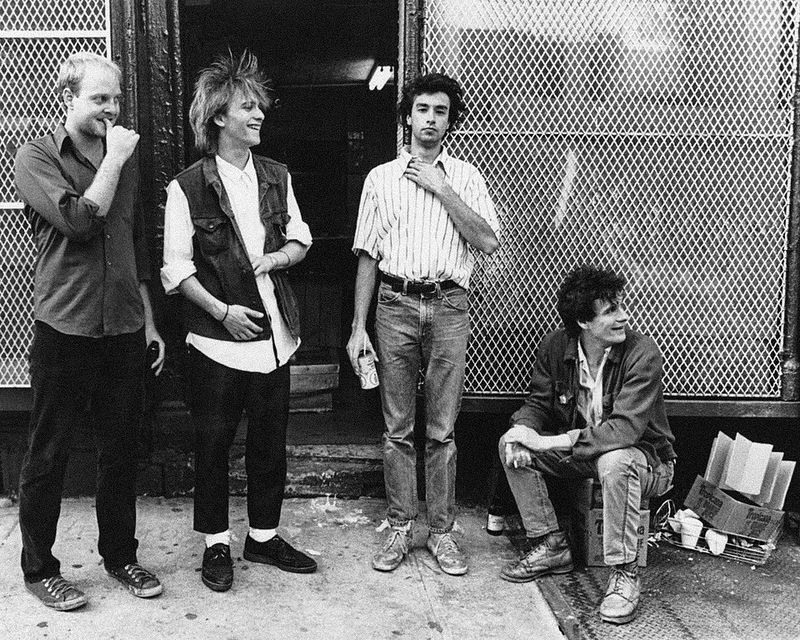
Minneapolis gave the world these messy, brilliant rockers who couldn’t decide if they wanted to be punk or write heartbreaking ballads.
Paul Westerberg wrote songs about being young, broke, and confused that felt like diary entries set to music.
Their chaotic live shows and drinking habits sabotaged their own success repeatedly. Yet bands like Nirvana and Green Day cite them as major influences.
5. Hüsker Dü
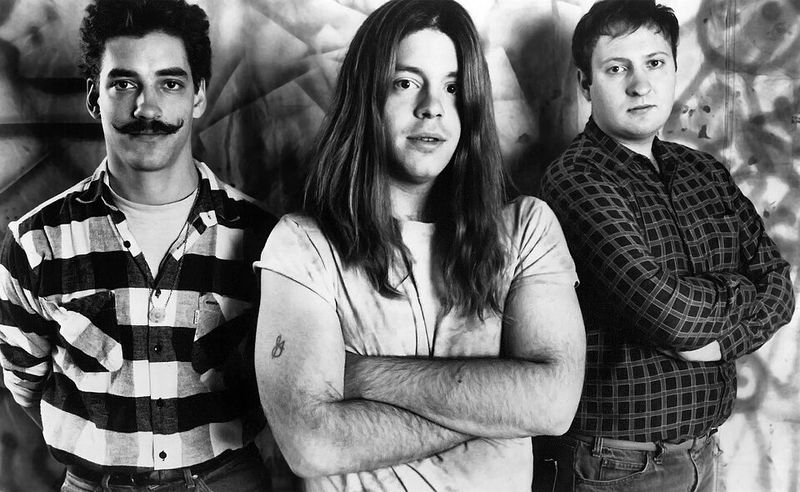
Speed, melody, and emotion collided when this Minnesota trio exploded onto the hardcore punk scene in the early 1980s.
Bob Mould and Grant Hart wrote songs that were both furious and beautiful, which confused people expecting simple punk anger.
They proved hardcore could be smart and emotional without losing its edge. Major labels noticed, but the band broke up before mainstream success arrived.
6. Sonic Youth
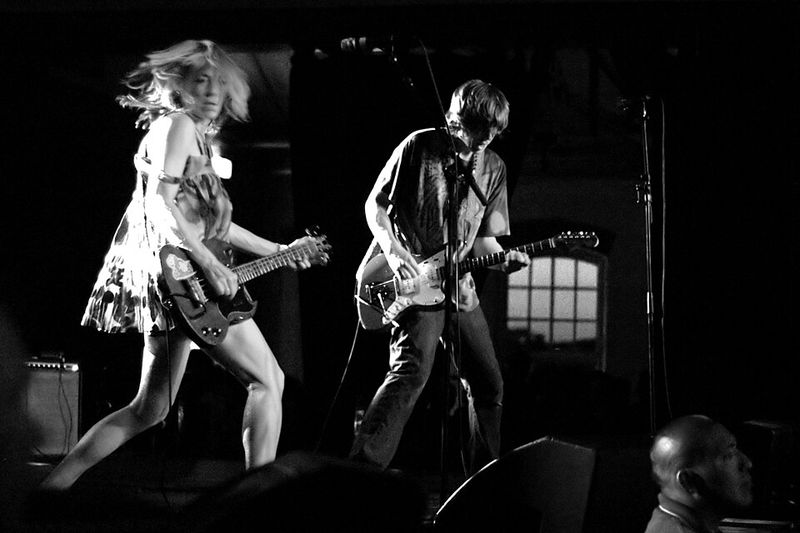
Guitars that sounded like they were from another planet became this New York band’s signature throughout the 1980s and beyond.
Thurston Moore and Kim Gordon used alternate tunings and prepared guitars to create sounds nobody had heard before.
Art students and skate punks both loved their experimental noise-rock approach. They signed to a major label eventually but never compromised their weird, wonderful vision.
7. Pixies
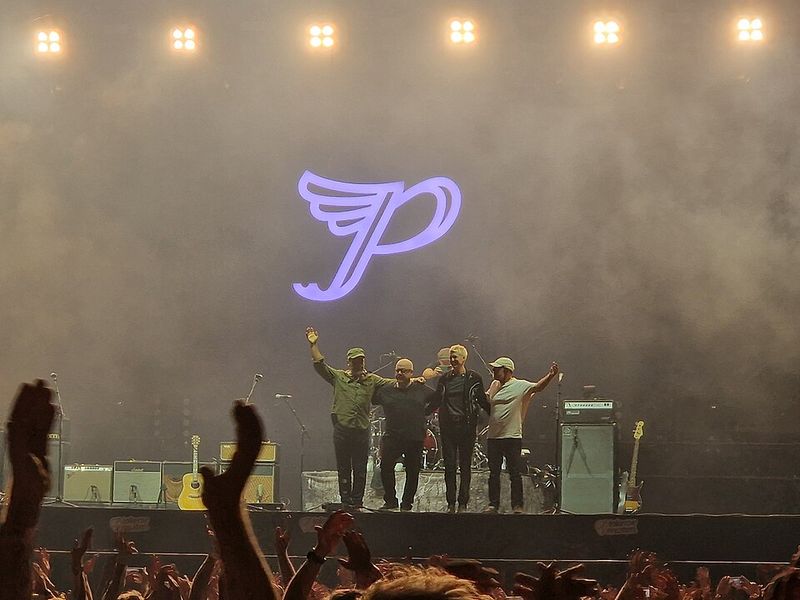
Boston’s loudest whisper came from this quartet who invented the quiet-verse-loud-chorus formula that defined 1990s alternative rock.
Black Francis screamed in Spanish and English while Joey Santiago’s guitar sliced through the mix like a buzzsaw.
Kurt Cobain admitted he was trying to copy their formula when writing Smells Like Teen Spirit. College radio loved them, but mainstream audiences didn’t catch on until after they broke up.
8. Fugazi
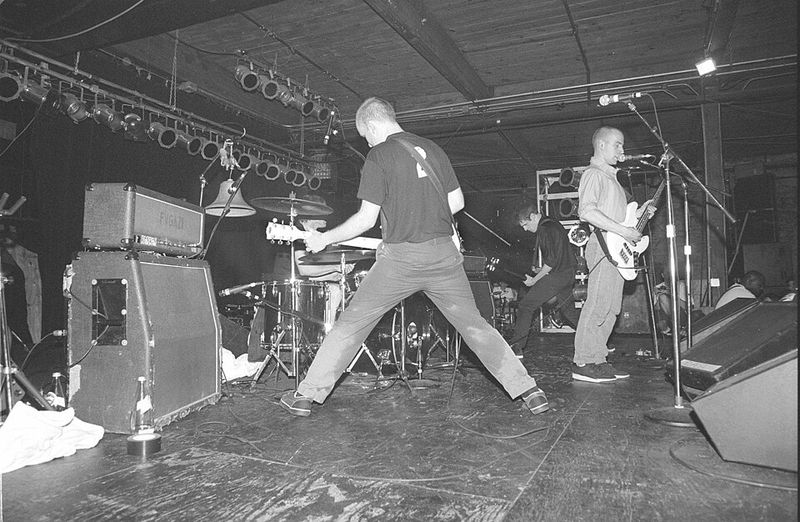
Washington D.C. post-hardcore reached its peak when Ian MacKaye and Guy Picciotto formed this legendary band in 1987.
Five-dollar concert tickets and a strict DIY ethic made them heroes to punk kids everywhere who were tired of corporate rock.
They refused to sell merchandise or sign to major labels, which limited their reach but preserved their integrity. Their angular, intense music influenced emo and indie rock profoundly.
9. Slint
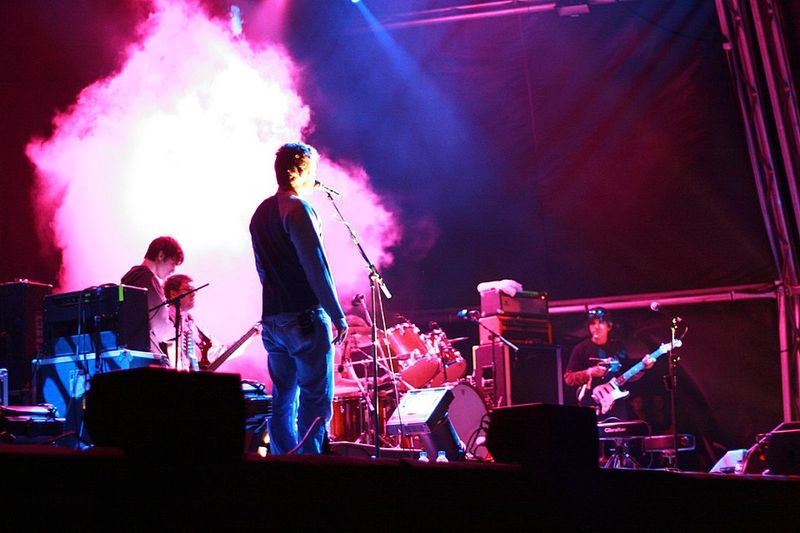
The quietest storm from Kentucky arrived when this band released Spiderland in 1991, an album that basically invented post-rock.
Whispered vocals and building tension replaced traditional song structures, creating something that felt more like a suspense movie than rock music.
They broke up right after recording it, leaving behind just two albums that influenced Mogwai, Explosions in the Sky, and countless others.
10. My Bloody Valentine
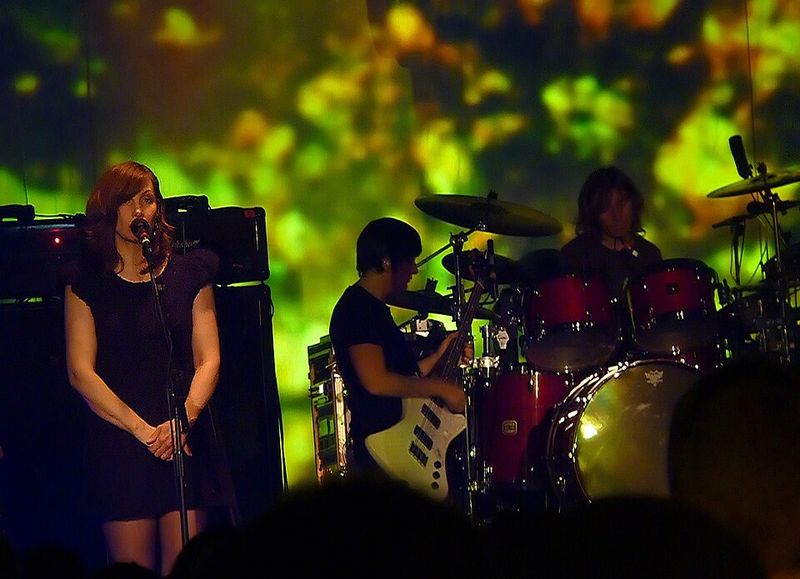
Kevin Shields spent years crafting guitar sounds that felt like beautiful avalanches of noise.
Their 1991 album Loveless reportedly bankrupted their record label because of endless studio perfectionism.
Shoegaze music owes everything to their wall-of-sound approach and dreamy vocals buried in distortion.
11. Cocteau Twins
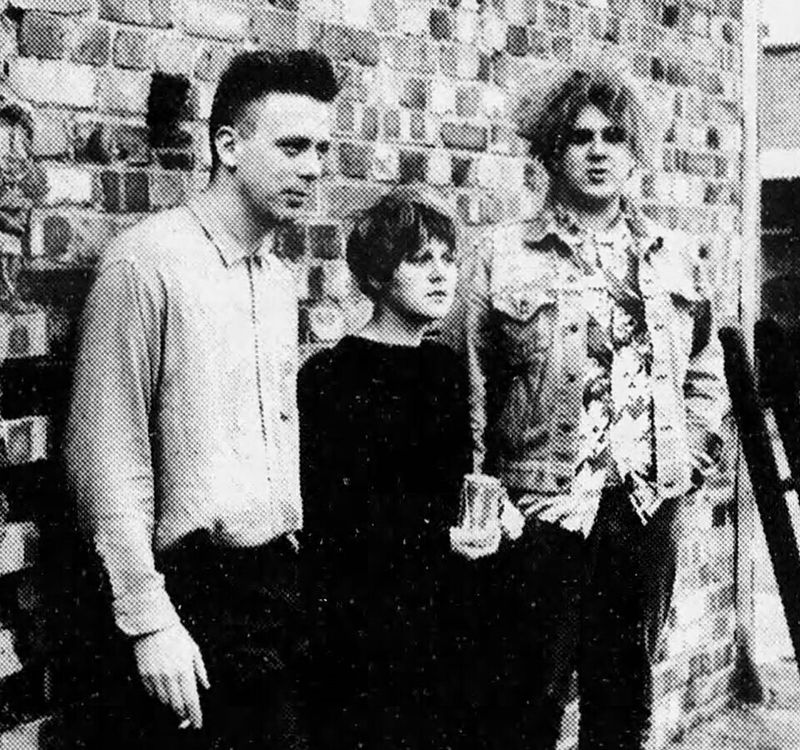
Scotland produced this ethereal trio whose music sounded like it came from another dimension entirely.
Elizabeth Fraser sang in a language that seemed to exist only in her imagination, creating wordless emotions that hit harder than any lyrics.
Their atmospheric soundscapes felt otherworldly yet deeply emotional.
MTV occasionally played their videos, but their music was too strange and beautiful for mainstream radio acceptance.
12. The Jesus and Mary Chain
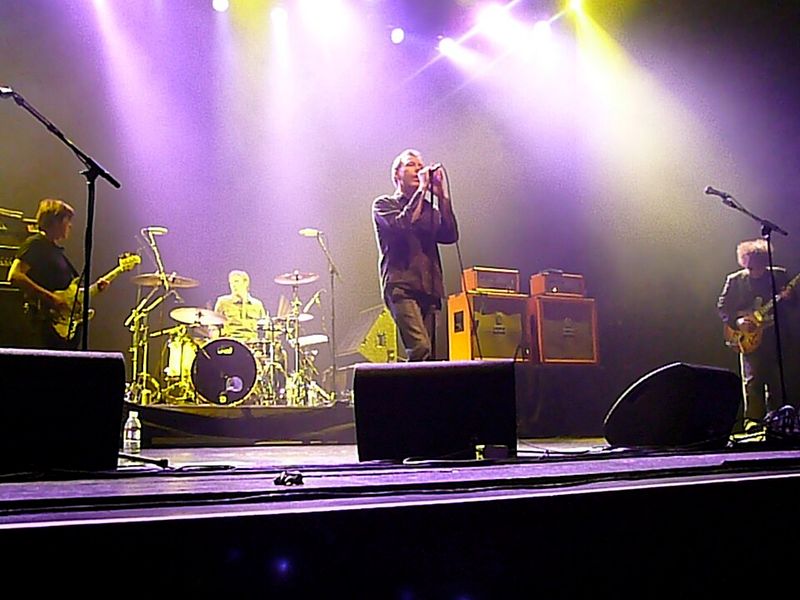
Brothers Jim and William Reid combined Beach Boys melodies with feedback that could peel paint off walls. Their debut album Psychocandy in 1985 lasted only half an hour but changed indie rock forever.
Early concerts often ended in riots because they played so loud and short that audiences felt cheated. Yet their influence on shoegaze, noise pop, and alternative rock proved enormous.
Sweet pop hooks drowning in distortion became their trademark that thousands of bands later copied shamelessly.
13. Pavement
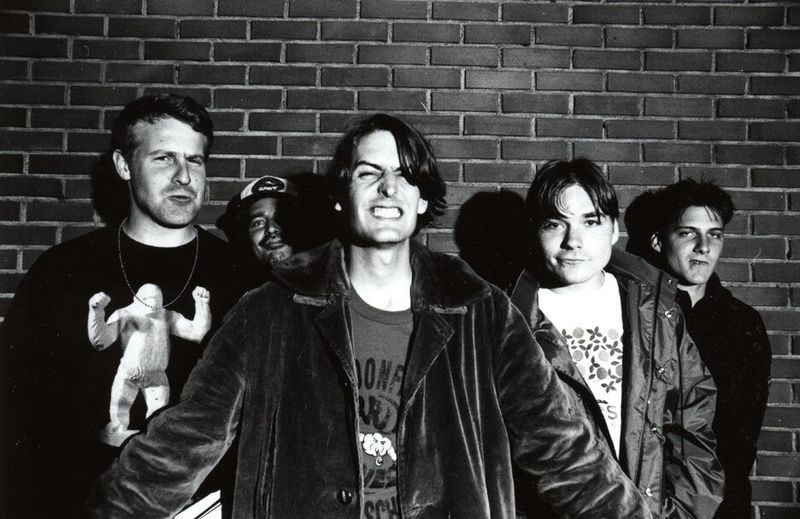
The ultimate lo-fi indie rock template was created in California in the early 1990s.
Stephen Malkmus wrote cryptic, witty lyrics over deliberately messy guitar work that made perfectionist rock bands seem ridiculous by comparison.
College radio stations played them constantly while mainstream outlets ignored their intentionally rough recordings.
14. Guided by Voices
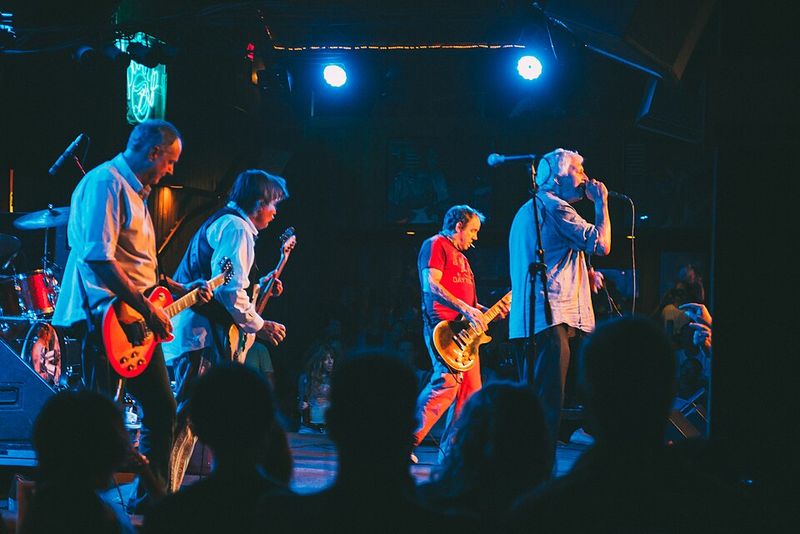
School teacher Robert Pollard recorded hundreds of songs in his basement, creating a massive catalog of brilliant lo-fi rock.
Most tracks lasted under two minutes, packing more ideas into brief bursts than most bands managed in entire albums.
Their prolific output and DIY recording approach inspired countless indie bands to just start making music without fancy studios.
15. Dinosaur Jr.
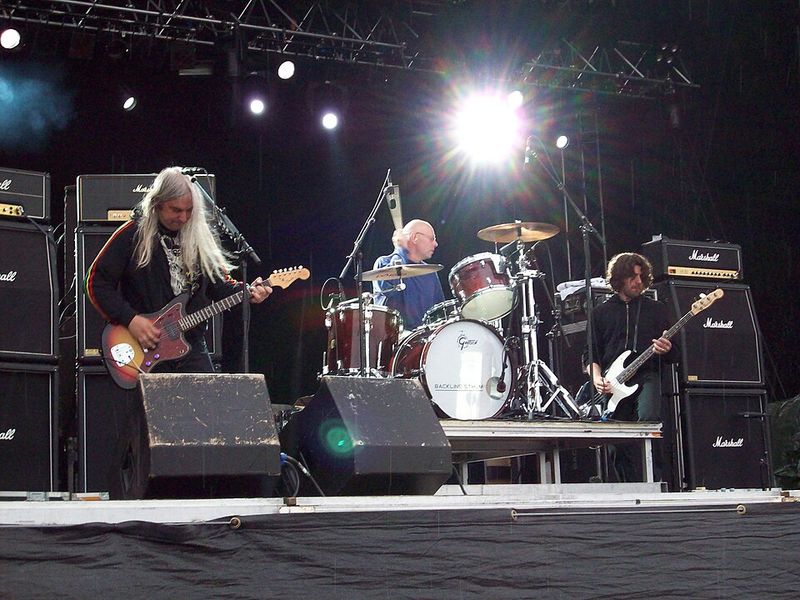
Massachusetts gave us J Mascis, whose guitar solos could wake the dead and whose mumbled vocals barely rose above a whisper.
Their loud-quiet-loud dynamics and emotional depth helped create the alternative rock blueprint in the late 1980s.
Despite critical acclaim and college radio support, mainstream success remained frustratingly out of reach. Their reunion albums years later finally brought them the wider recognition they always deserved.
16. Built to Spill
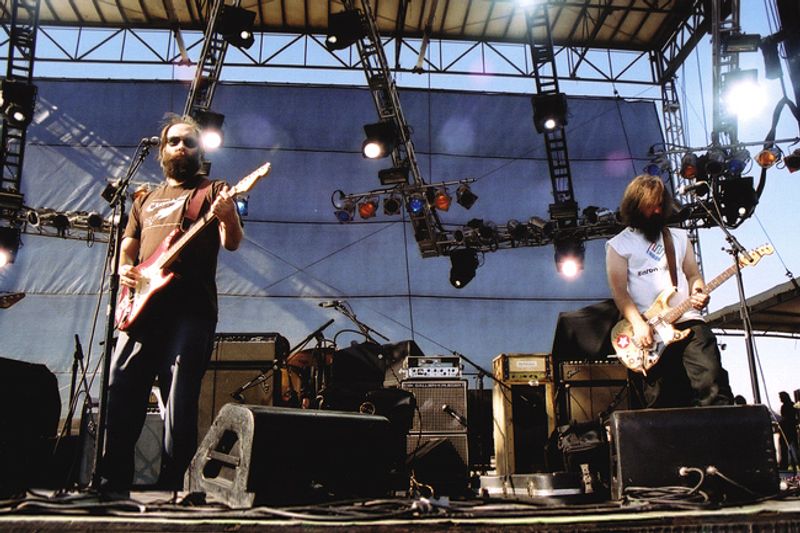
Doug Martsch created sprawling, beautiful guitar epics that felt like road trips through the American West.
His band’s approach to indie rock emphasized extended instrumental passages and deeply thoughtful lyrics that rewarded repeated listening.
Perfect From Now On became an indie rock touchstone despite zero radio play. Guitar solos that actually meant something emotionally became their calling card.
17. Sleater-Kinney

Riot grrrl scene produced this powerhouse trio whose interlocking guitars and passionate vocals redefined punk rock in the mid-1990s.
Corin Tucker and Carrie Brownstein created a wall of sound without needing a bass player at all.
Their feminist lyrics and raw energy inspired a generation of women to pick up guitars and start bands.
Critics called them America’s best rock band, though radio ignored them completely.
Decades later, their influence on punk and indie rock remains powerful, and reunion albums proved their brilliance endures.
18. Yo La Tengo
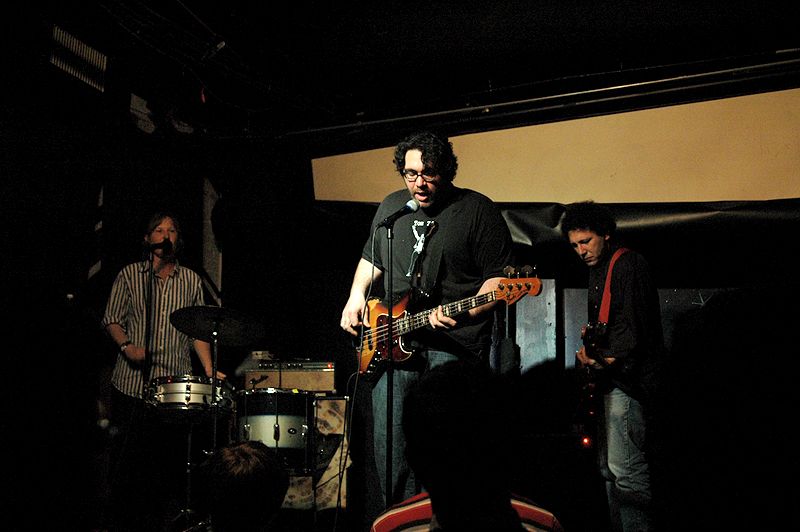
New Jersey’s most versatile band has spent decades exploring every corner of indie rock, from quiet folk to ear-splitting noise.
Ira Kaplan and Georgia Hubley’s husband-wife partnership created a band that refuses to repeat itself or chase trends.
Their Hanukkah shows where they cover any requested song became legendary among fans. Though they never had a hit single, their consistency and willingness to experiment earned deep respect.