10 Bart Simpson Fan Theories That Surprisingly Hold Up
Ever wonder if there’s more to Bart Simpson than meets the eye?
Fans of The Simpsons have spent decades analyzing every prank, every joke, and every moment of chaos that Springfield’s most famous troublemaker has caused.
Some of these theories are so clever and well-supported that they actually make you rethink everything you thought you knew about the spiky-haired rebel.
1. Fear Of Outgrowing His Family
Bart loves his family, even when they drive him crazy.
A compelling theory suggests he sabotages his own success because deep down, he fears becoming too different from them.
If he excels too much, will he still belong?
This explains why he pulls back right when things start going well.
Staying the underachiever keeps him connected to Homer and the rest of the Simpson clan.
2. Rivalries Reflect Possible Futures
Nelson, Martin, and Sideshow Bob aren’t just enemies – they’re mirrors of Bart’s potential futures.
Nelson represents the path of aggression and failure.
Martin shows what happens if Bart embraces his intellect.
Sideshow Bob embodies what occurs when intelligence mixes with bitterness.
Each rivalry is a warning or a possibility for who Bart could become.
3. Secretly Smart But Playing Dumb
What if Bart’s bad grades aren’t because he’s dumb, but because he’s avoiding the spotlight?
Some fans believe he’s actually a genius who plays the fool to dodge expectations.
After all, he’s shown flashes of brilliance when he wants to, like mastering languages or outsmarting adults.
Maybe he just wants to be a kid without the weight of being labeled a prodigy.
Playing dumb keeps life simple and fun, which is very Bart.
4. Future Chief Justice Still Possible
Remember in “Lisa’s Wedding” when Lisa mentioned Bart became Chief Justice?
Most fans laughed it off as a joke, but maybe it’s actually plausible.
If Bart truly is hiding his intelligence, he could channel it later in life.
Stranger transformations have happened.
His natural charisma and street smarts could translate into courtroom brilliance if he ever gets serious.
5. Misbehavior As A Cry for Attention
In a family where Lisa’s the genius and Maggie’s the baby, where does Bart fit in?
His constant misbehavior might just be his way of saying, “Hey, notice me!”
Homer and Marge often overlook him unless he’s in trouble.
Acting out guarantees attention, even if it’s negative.
For Bart, being seen as the troublemaker is better than being invisible.
6. Bart And Milhouse Mirror Adult Relationships
Their friendship has more ups and downs than most adult romances!
Fans have noticed that Bart and Milhouse’s “breakups” follow classic relationship tropes: jealousy, misunderstandings, dramatic reconciliations.
It’s almost like the writers are parodying grown-up dynamics through two fourth-graders.
This intentional mirroring adds humor while subtly commenting on how complicated all relationships can be.
7. Originally Meant To Be The Main Character
When The Simpsons first launched, Bart was the breakout star.
His rebellious attitude and catchphrases dominated merchandise and media attention.
However, Homer’s lovable stupidity eventually stole the spotlight.
Some believe the show’s original vision centered on Bart’s adventures, but audience preference shifted the focus.
Either way, Bart’s legacy as the original icon remains strong.
8. Krusty Shares Bart’s Face Design
Ever notice Bart and Krusty have almost identical faces?
This isn’t accidental.
Some fans theorize it symbolizes Bart idolizing a distorted, corrupted version of himself.
Krusty represents what happens when talent and charisma get twisted by fame and cynicism.
Bart looks up to him, but maybe he’s really looking into a possible dark future.
9. Wants Homer To Be A Better Father
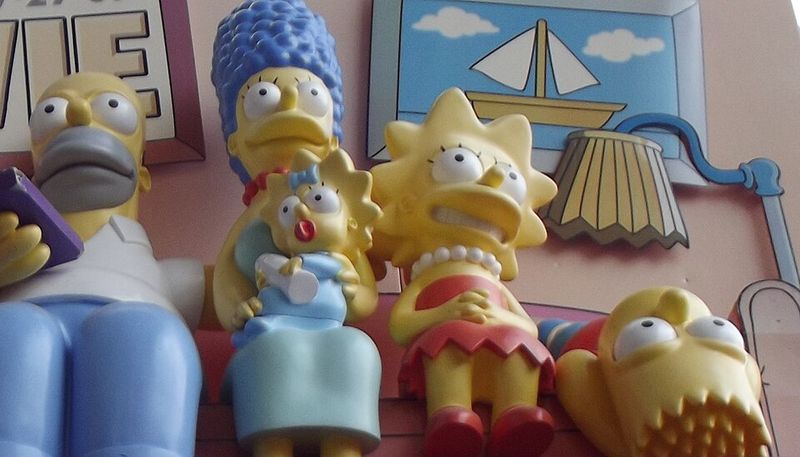
Despite their conflicts, Bart craves a deeper connection with Homer.
Many bonding episodes show Bart trying to inspire Homer to step up as a dad.
Whether it’s through sports, adventures, or heart-to-hearts, Bart subconsciously pushes Homer toward growth.
It’s touching and sad – a son hoping his father will finally become the hero he deserves.
10. Semi-Autobiographical Character For Matt Groening

Matt Groening has admitted Bart reflects parts of his own childhood.
From pulling pranks to questioning authority, Bart embodies the rebellious spirit Groening experienced growing up.
Even the name “Bart” is an anagram of “brat,” which feels very intentional.
This personal connection makes Bart feel authentic and grounded, despite the cartoon chaos surrounding him.