
16 Black Comedians Who Changed The Comedy Landscape
Ohhhhhh, listen up, folks! Comedy ain’t no quiet little whisper, and Black comedians have been shouting, dancing, and cracking us up for over a century, yep, that long!
Strap in, because you’re about to meet sixteen comedians who shook the comedy world so hard it’s still wobbling.
1. Richard Pryor
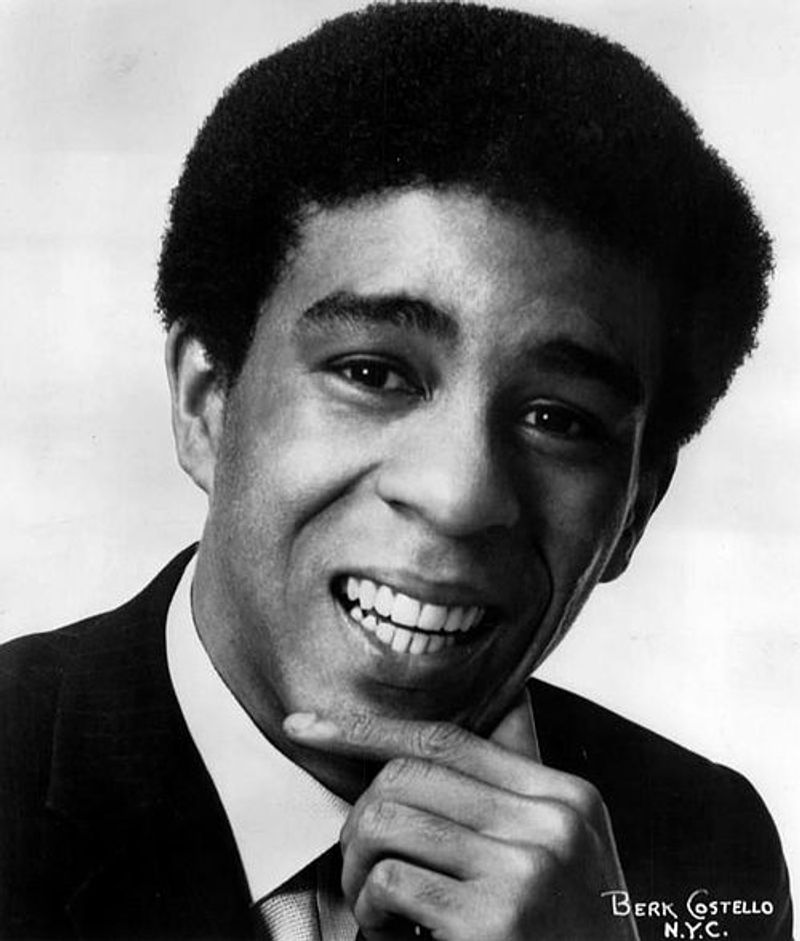
Every comedian working today owes something to Richard Pryor.
Pryor turned personal experience and racial identity into raw, electric stand-up that nobody had ever heard before. Audiences sat forward in their seats because the truth hit that hard.
Call it confessional comedy with a live wire running through it. He did not just change the game; he redesigned the entire board.
2. Moms Mabley
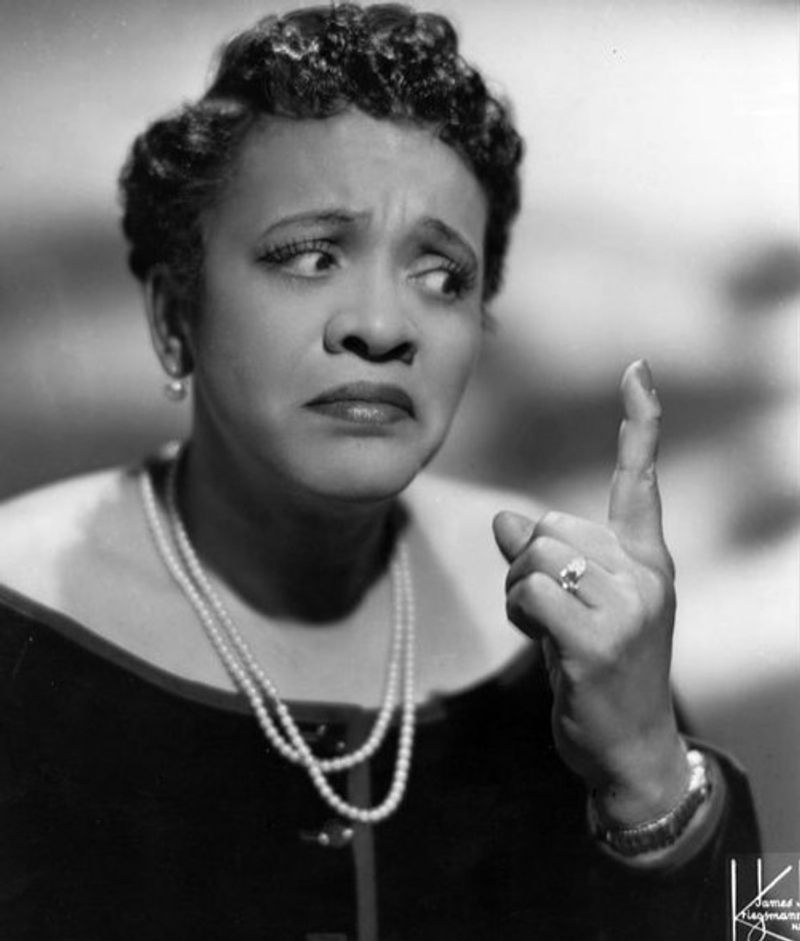
Long before stand-up comedy developed any sort of rulebook, Moms Mabley was already breaking boundaries that had not even been written yet.
Across decades on the Chitlin Circuit, she performed in a signature housedress with that famous gap-toothed grin, turning both into unmistakable trademarks. Recordings, films, and television appearances followed as her reputation grew.
Very few performers could hold a room the way a grandmotherly figure delivering a perfectly timed slow-burn punchline could.
3. Dick Gregory
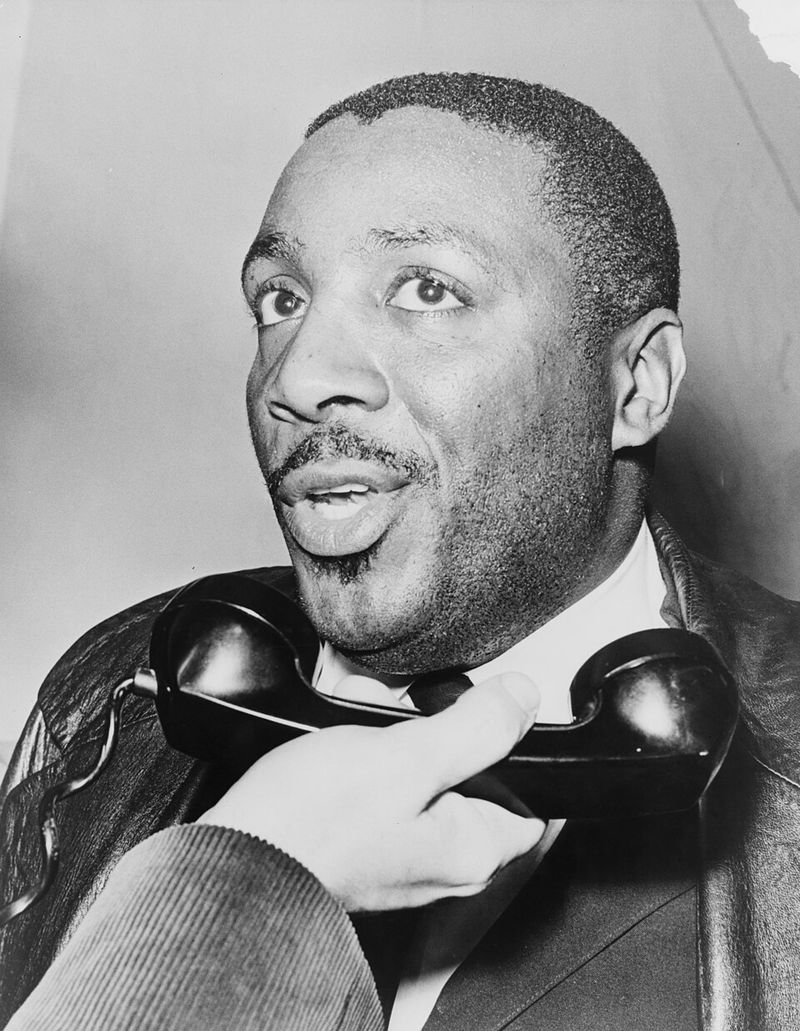
Mainstream comedy stages changed the moment Dick Gregory walked into them carrying civil rights politics in one hand and razor-sharp satire in the other.
Mainstream audiences suddenly found themselves laughing at injustices many had ignored for years, a radical idea delivered through a punchline. Stand-up as social critique found one of its earliest masters in Gregory.
4. Redd Foxx
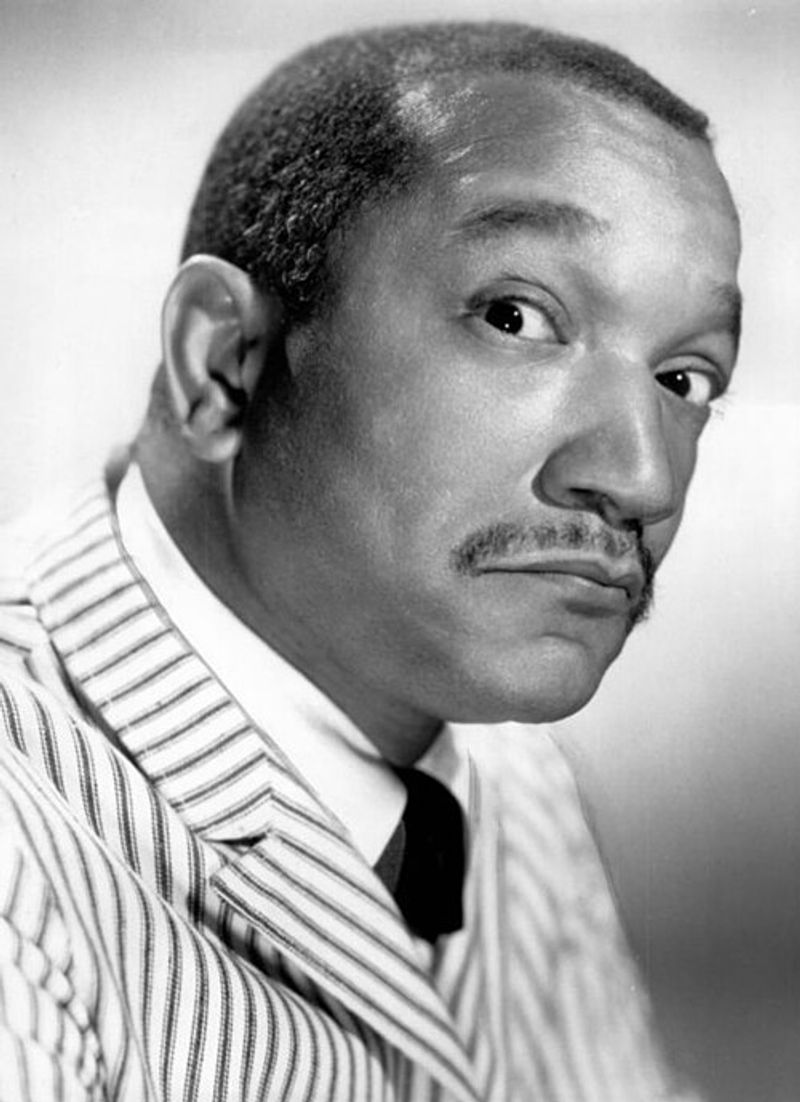
Television audiences knew him as Fred Sanford, yet Redd Foxx had already become a legend in Black nightclubs long before Sanford and Son arrived. Smoky rooms across the country built his reputation, with party records circulating hand to hand and growing a fiercely loyal underground following.
Success on the club circuit eventually carried his comedy straight into America’s living rooms.
5. Flip Wilson
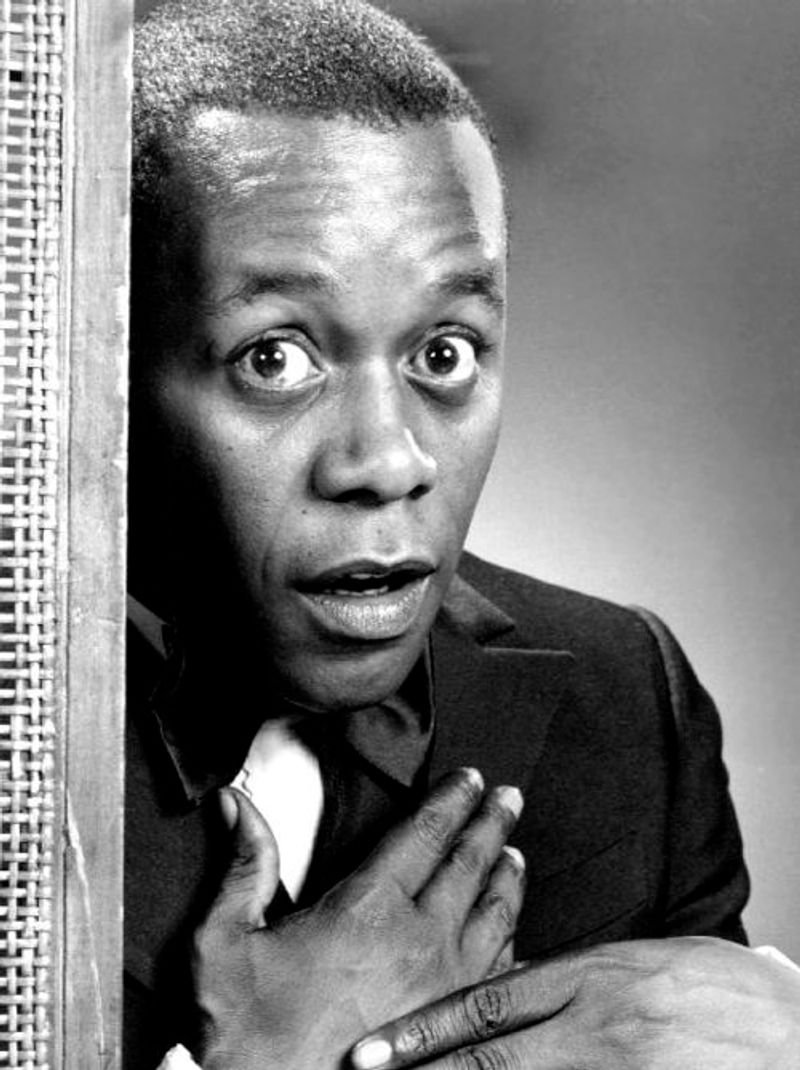
Hosting a network variety show once seemed impossible for a Black performer, yet Flip Wilson turned that breakthrough into one of the biggest programs on television.
Characters such as Geraldine Jones quickly became household names across America.
Every Thursday night carried the feeling of a national event. That moment held the door open, and comedy walked right through it.
6. Whoopi Goldberg
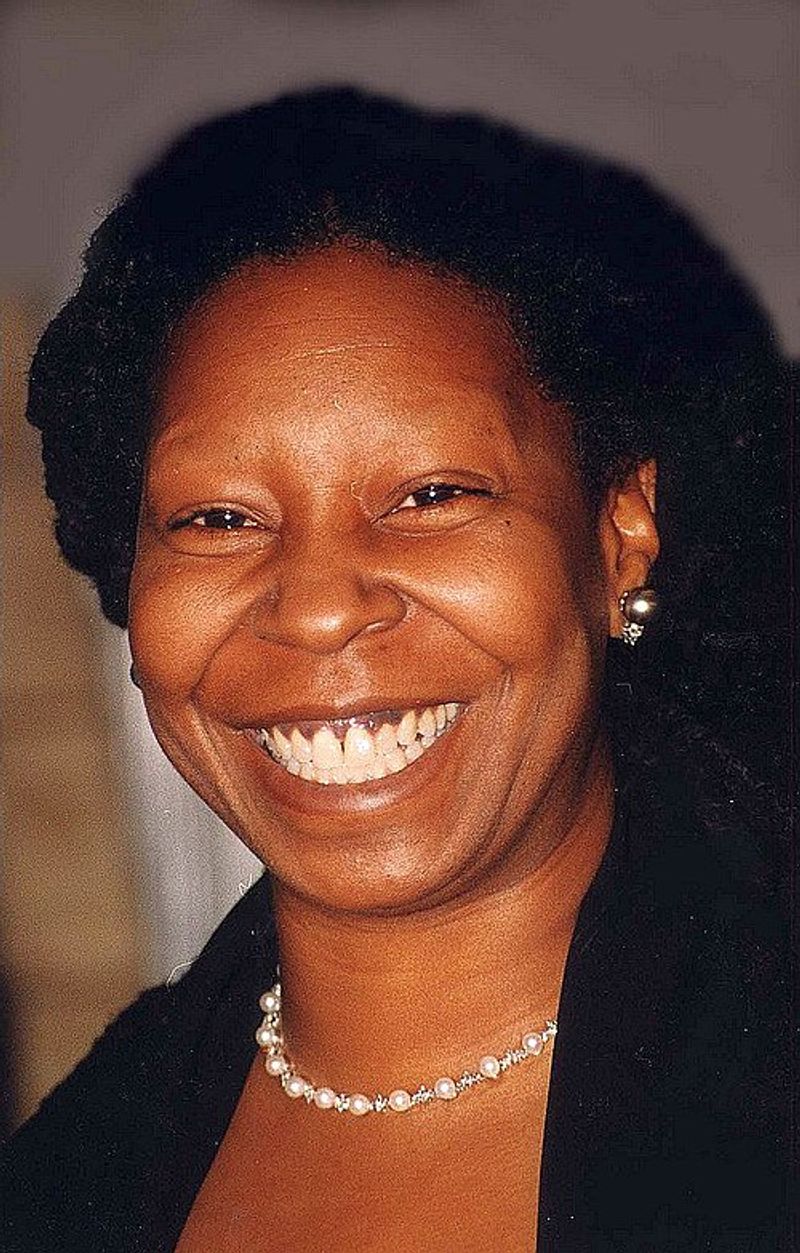
Few careers have stretched as wide or as long as Whoopi Goldberg’s.
She started with a groundbreaking one-woman show, sharpened a stand-up voice that cut through noise, and eventually collected an Emmy, Grammy, Oscar, and Tony to make the EGOT official.
Comedy, film, theater, and daytime TV all have her fingerprints somewhere on the wall.
7. Eddie Murphy
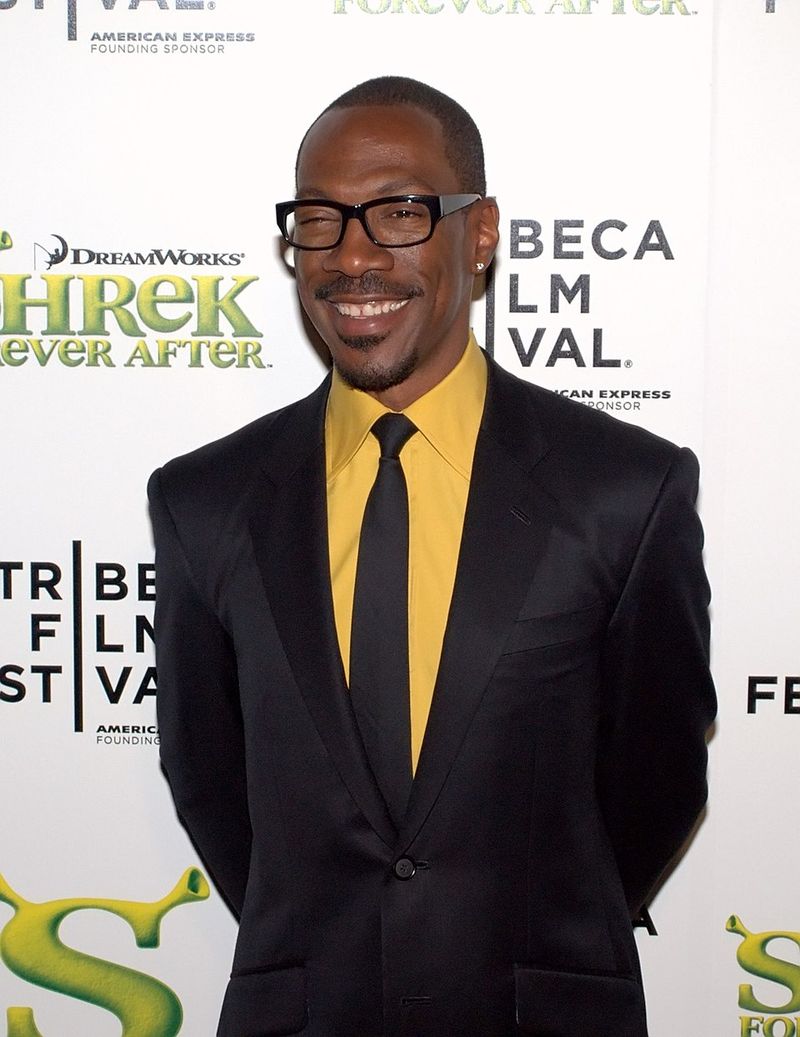
Bright red leather under the stage lights quickly turned into a cultural symbol.
Momentum from an explosive SNL run pushed Eddie Murphy into one of the fastest rises comedy has ever seen, while the stand-up specials Delirious and Raw became defining events in modern stand-up.
Calling him a crossover superstar almost undersells the scale of what Murphy became, yet it remains a fair place to begin.
8. Chris Rock
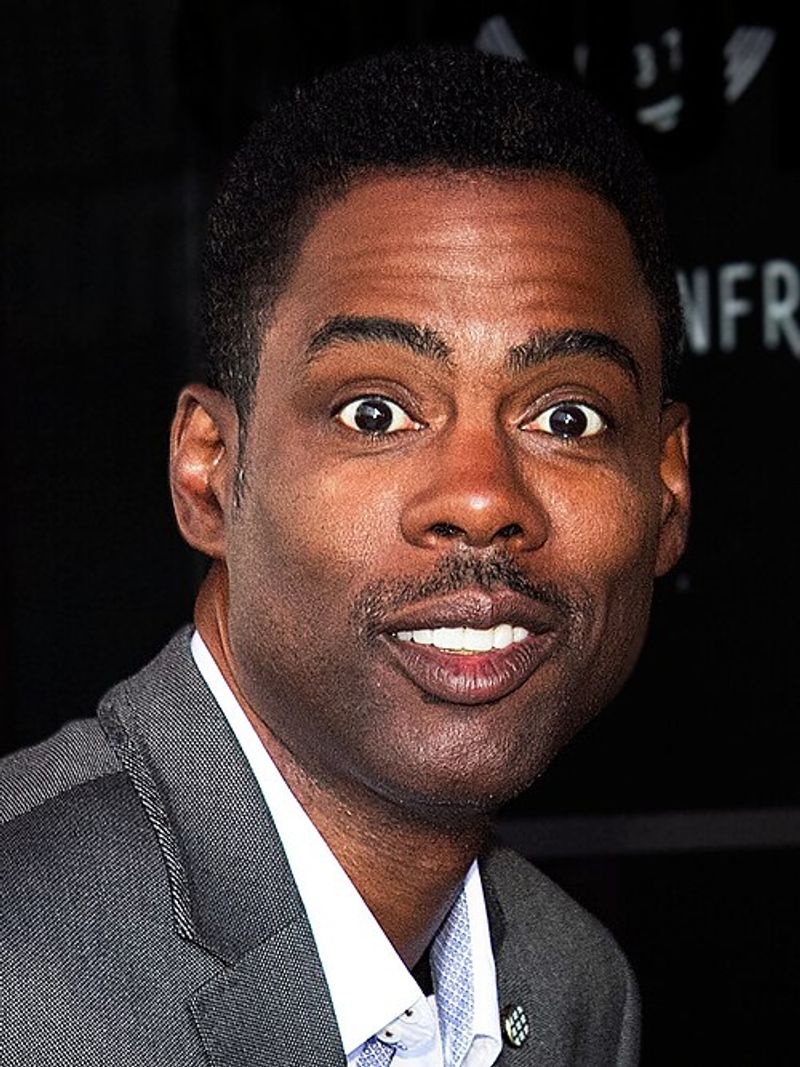
Arrival of Chris Rock in the 1990s instantly pushed socially observant comedy to a sharper level.
His special Bring the Pain landed with enormous cultural force, and Bring the Pain itself won two Emmys that matched the buzz on the street.
Sharp, funny, and uncomfortably accurate defined his voice.
Comedy suddenly felt like the most honest journalism in the room.
9. Dave Chappelle
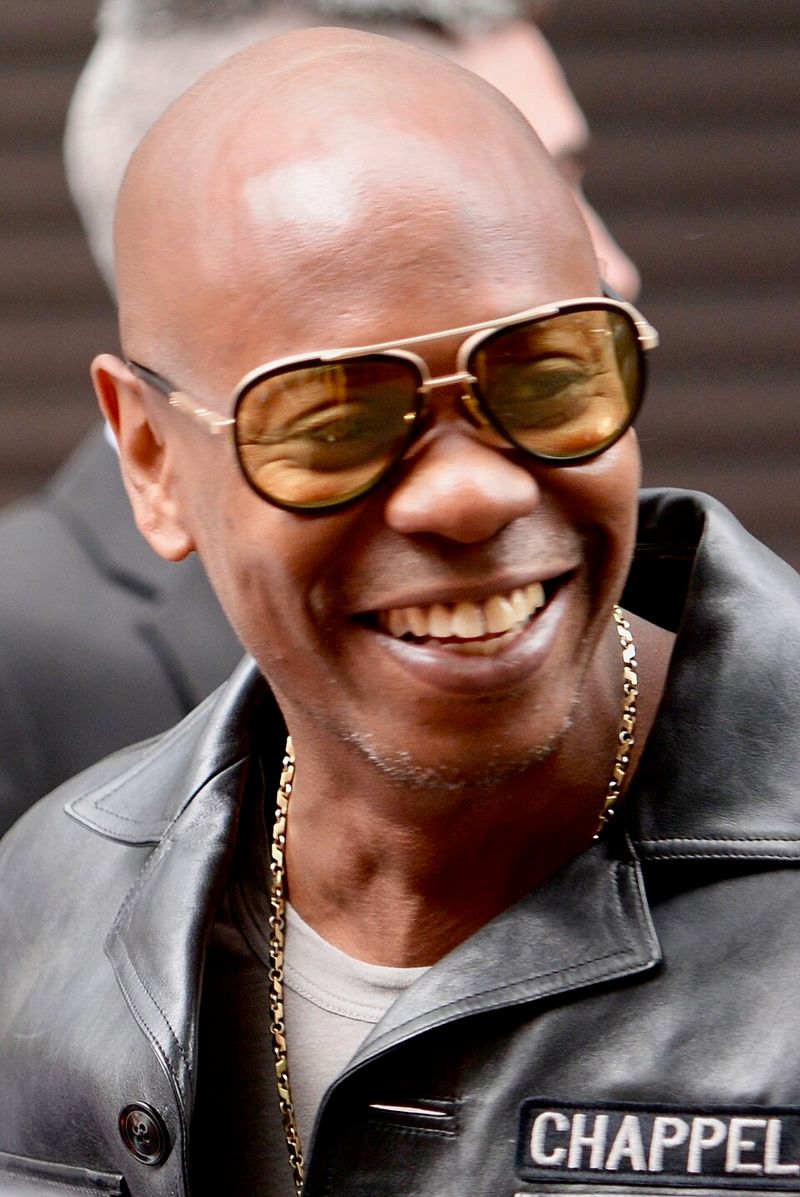
Cable television shifted overnight when Chappelle’s Show premiered in 2003 and expanded what sketch comedy could look like. Fearless writing, unforgettable characters, and sharp cultural commentary kept the conversation going far beyond the show’s relatively short run.
Walking away at the peak of fame only added another layer to the legend.
Years later, Dave Chappelle’s stand-up continued pushing those conversations long after the credits had rolled.
10. Wanda Sykes
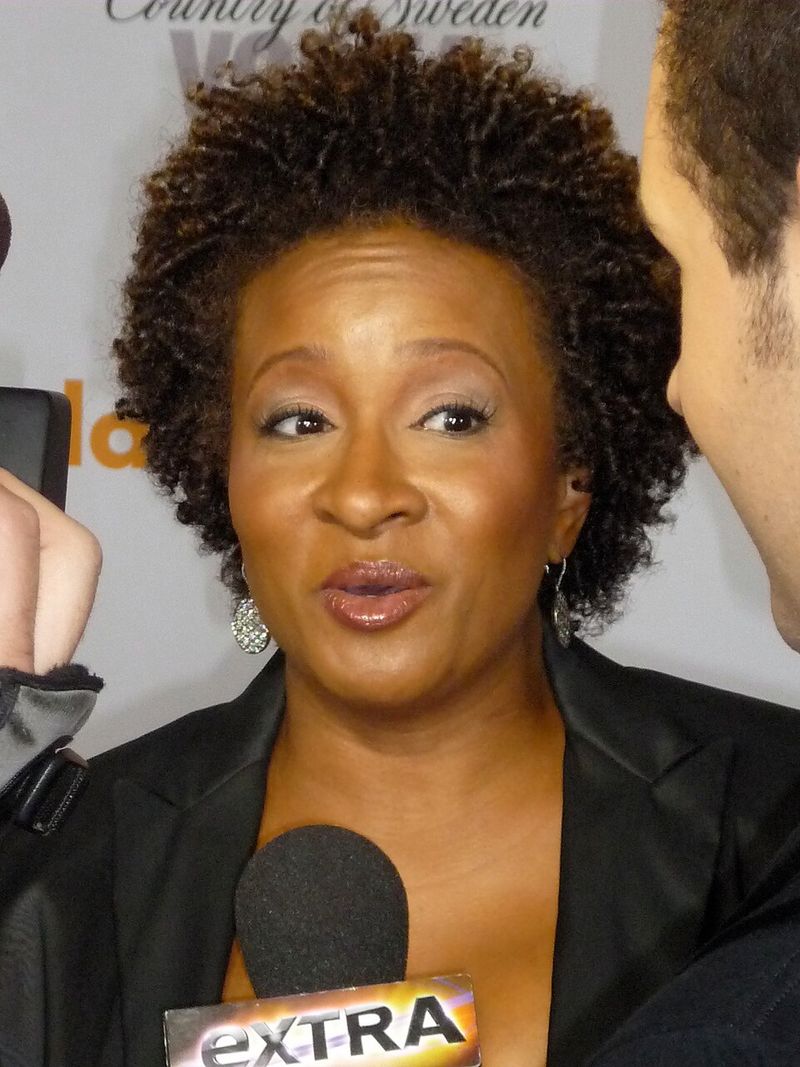
Career momentum for Wanda Sykes moved in two directions at once, with sharp political jokes written for The Chris Rock Show alongside a stand-up voice powerful enough to fill any room.
Recognition arrived with an Emmy for her writing, confirming what live audiences already knew. Sykes carved out a modern political-comedy lane that was unmistakably hers, and she has been speeding down it ever since.
11. Bernie Mac
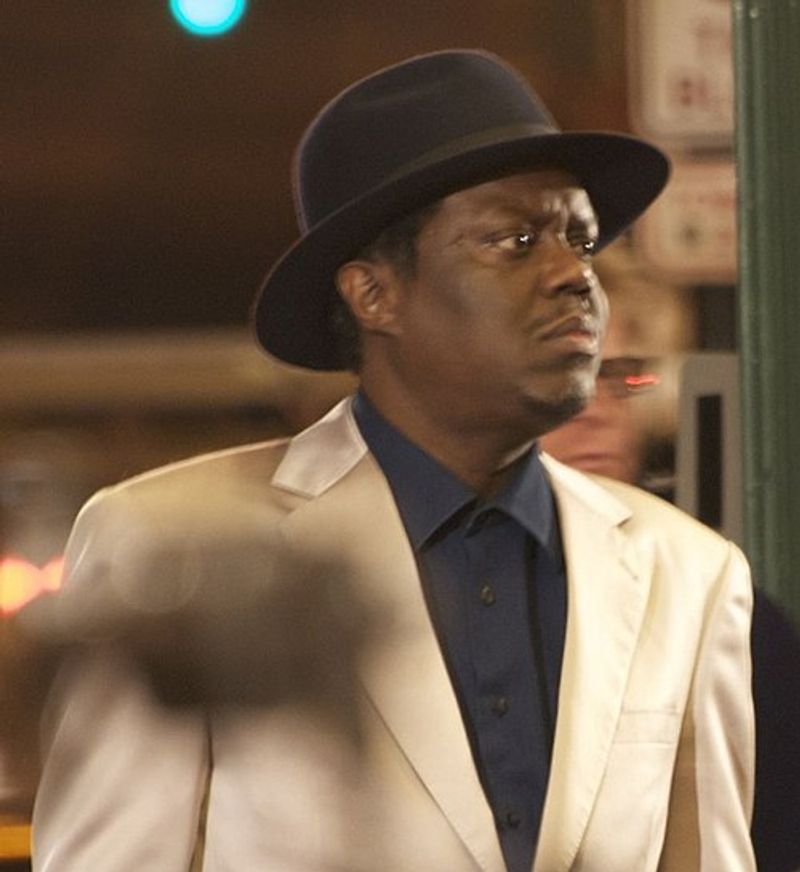
Energy shifted the moment Bernie Mac stepped onto the Def Comedy Jam stage, instantly turning the room into something that felt like his own living room. A booming voice and fearless storytelling carried jokes about family life, daily frustrations, and moments of pure joy.
The Original Kings of Comedy tour sealed his place among comedy’s greats, and fans who watched it live still describe that night with the excitement usually reserved for a major sporting event.
12. Martin Lawrence
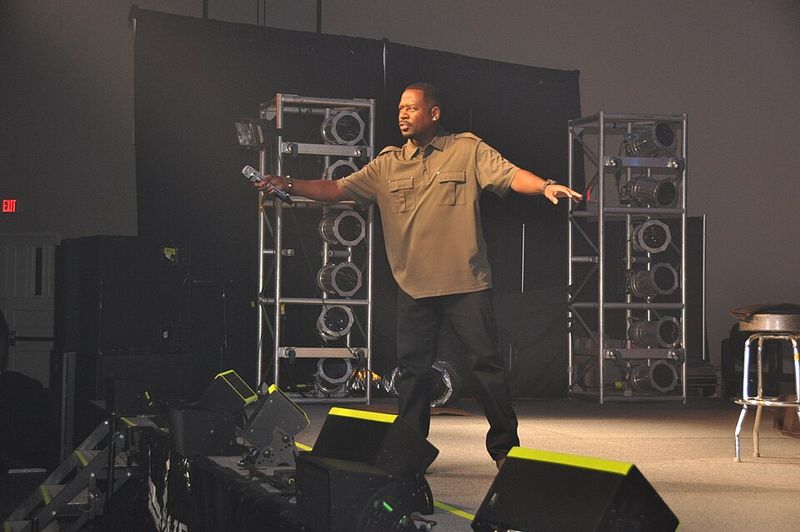
Stage lights on Def Comedy Jam got noticeably louder the moment Martin Lawrence grabbed the microphone and pushed the energy all the way up.
Five seasons of the sitcom Martin helped shape 1990s Black pop culture, filling living rooms with catchphrases that people still repeat decades later. Stand-up, sketch comedy, and sitcom instincts all collided in one place.
Entire stretch of the 1990s often felt like it belonged to his brand of comedy.
13. Steve Harvey
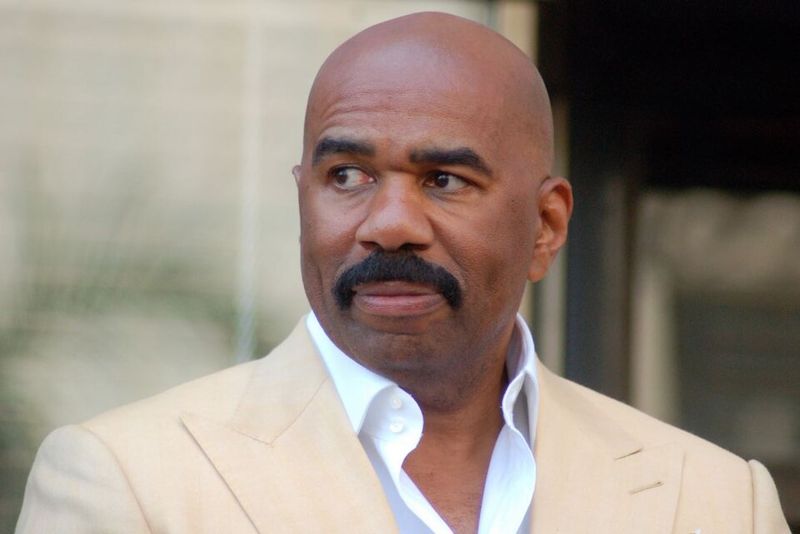
Steve Harvey’s stand-up persona was like a tailored suit: sharp, confident, and impossible to ignore.
His place in the Kings of Comedy alongside Bernie Mac, Cedric the Entertainer, and D.L. Hughley made the tour one of the highest-grossing comedy events of its time.
From stage to morning radio to game-show hosting, Harvey kept expanding the map of what a comedian could do.
14. Mo’Nique
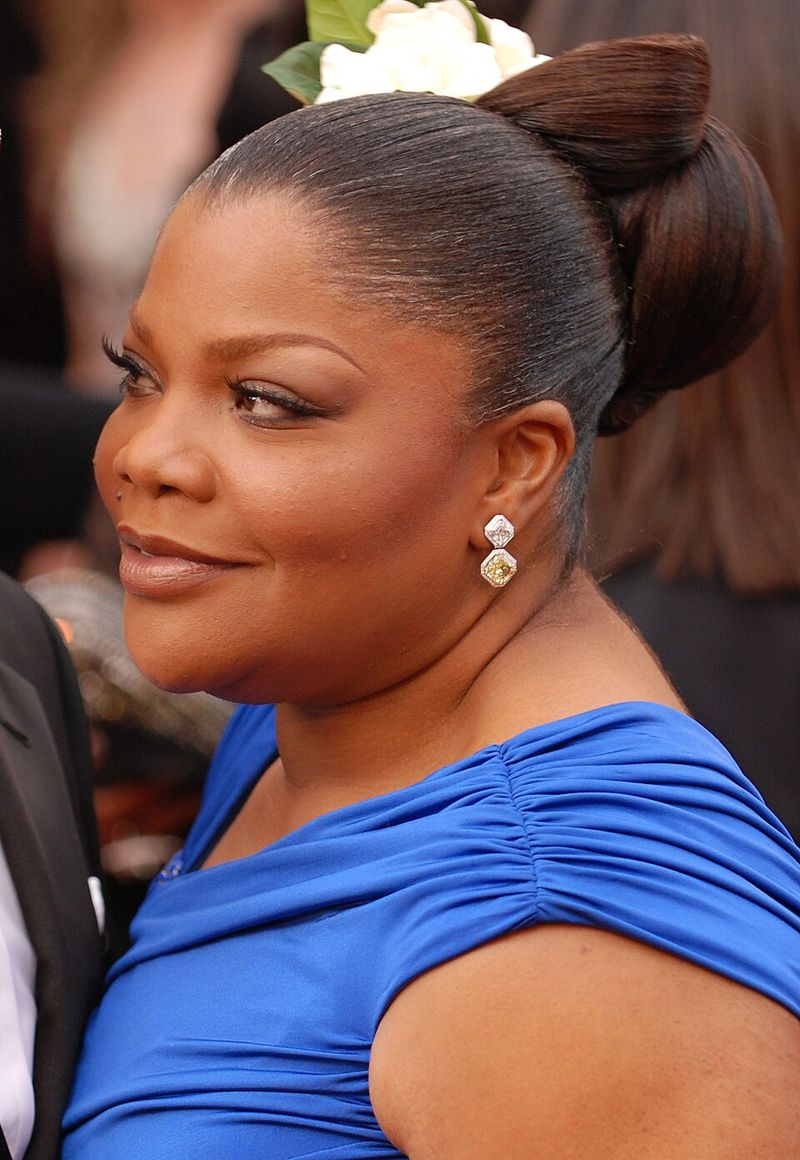
National attention arrived with Queens of Comedy, and Mo’Nique filled every inch of that stage. Her stand-up centered Black women in ways audiences had not seen nearly enough.
Audiences responded with sold-out shows and lasting loyalty.
Mo’Nique proved that representation on a comedy stage is not a small thing; it echoes for years.
15. Tiffany Haddish
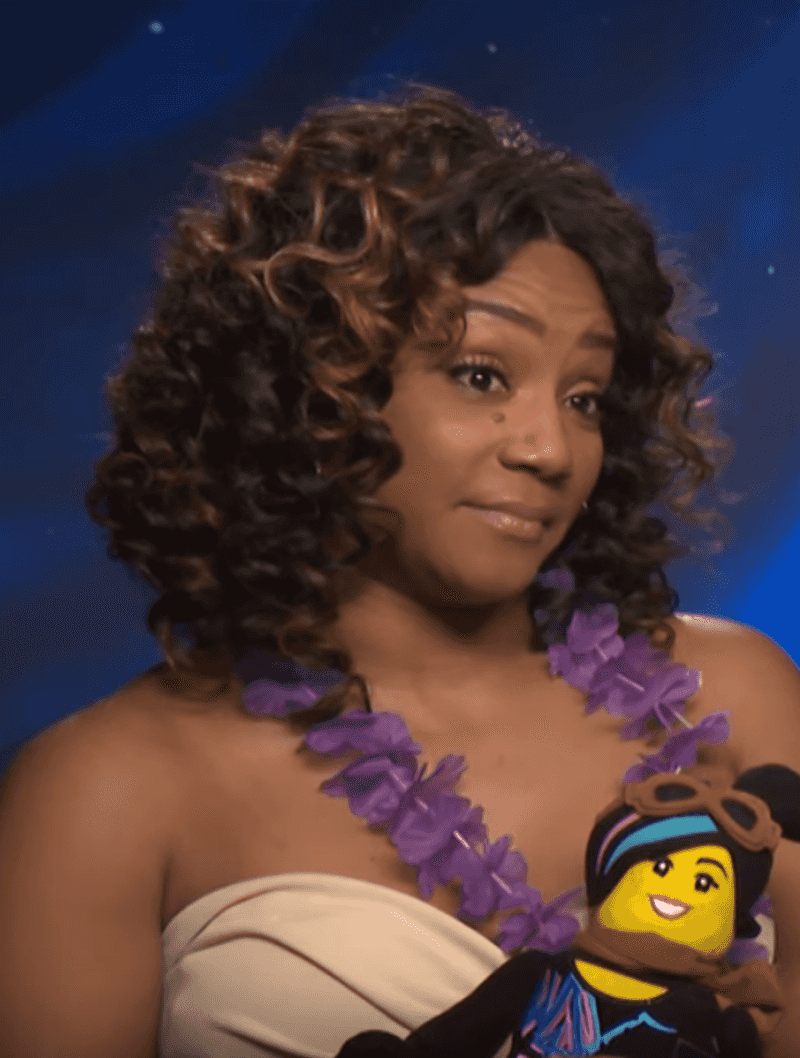
Release of Girls Trip in 2017 pushed Tiffany Haddish into household-name territory almost overnight. Raw autobiographical energy powers her special Tiffany Haddish: She Ready!
From the Hood to Hollywood.
Echoes of the fearless storytelling style Richard Pryor helped pioneer decades earlier run through the performance, now adapted for a social-media-saturated era.
Momentum from that success made the path between stand-up stages and movie screens feel electric again.
16. Keegan-Michael Key
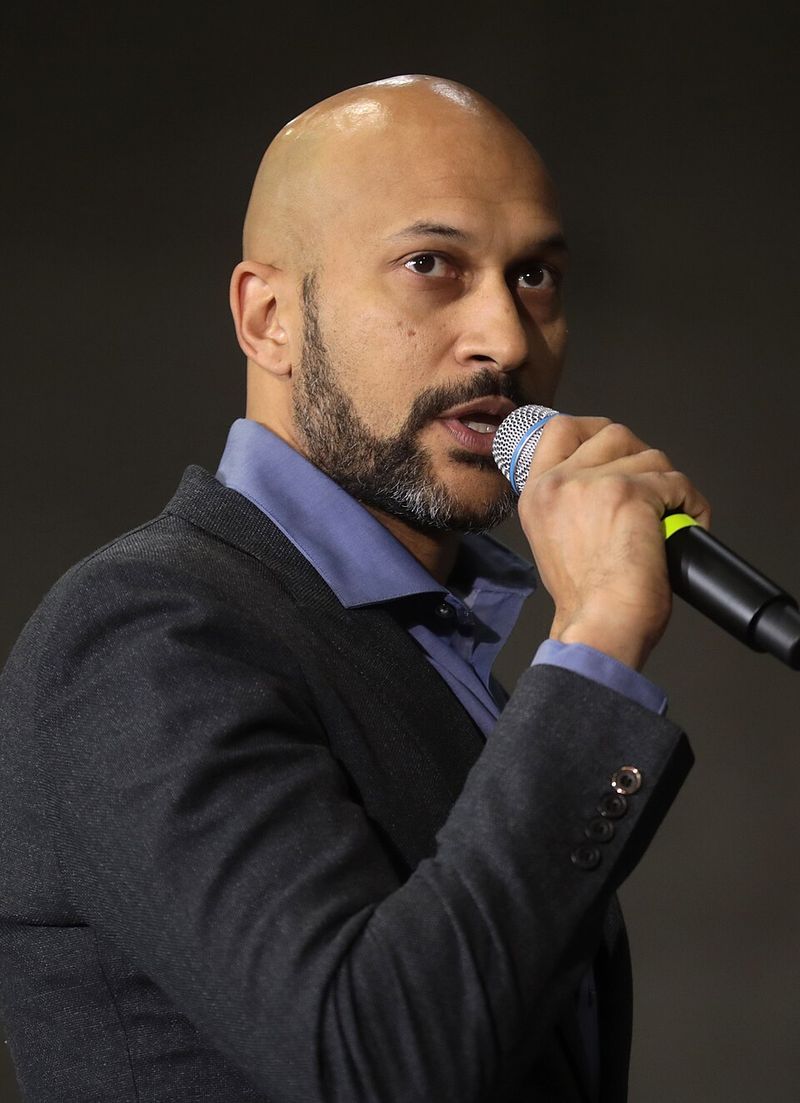
Key and Peele debuted in 2012 and immediately became the sketch show everyone shared on their phones the next morning.
Keegan-Michael Key brought a theater-trained precision to comedy that made each sketch feel both polished and spontaneous. The digital-sharing era gave the show a reach that traditional TV ratings could not fully measure.
Modern sketch comedy found a new blueprint, and Key helped write it.
Important: This article is based on widely documented career histories, television and stand-up milestones, awards records, and the cultural influence of major Black comedians across multiple eras.
Judgments about who most changed the comedy landscape are editorial in nature and reflect a mix of historical significance, audience impact, and lasting influence on stand-up, television, and film.


_(cropped).jpg)


_(cropped).jpg)