22 Books Everyone Will Love, No Matter Their Taste
Finding a good read that resonates across generations sounds impossible, right?
Well, certain stories break barriers and touch hearts no matter who opens the first page.
Epic journeys, intimate portraits of human connection, bold ideas, tender moments — each title on this list earns a spot for one simple reason: universal appeal that transcends age, background, and personal taste.
1. To Kill a Mockingbird by Harper Lee
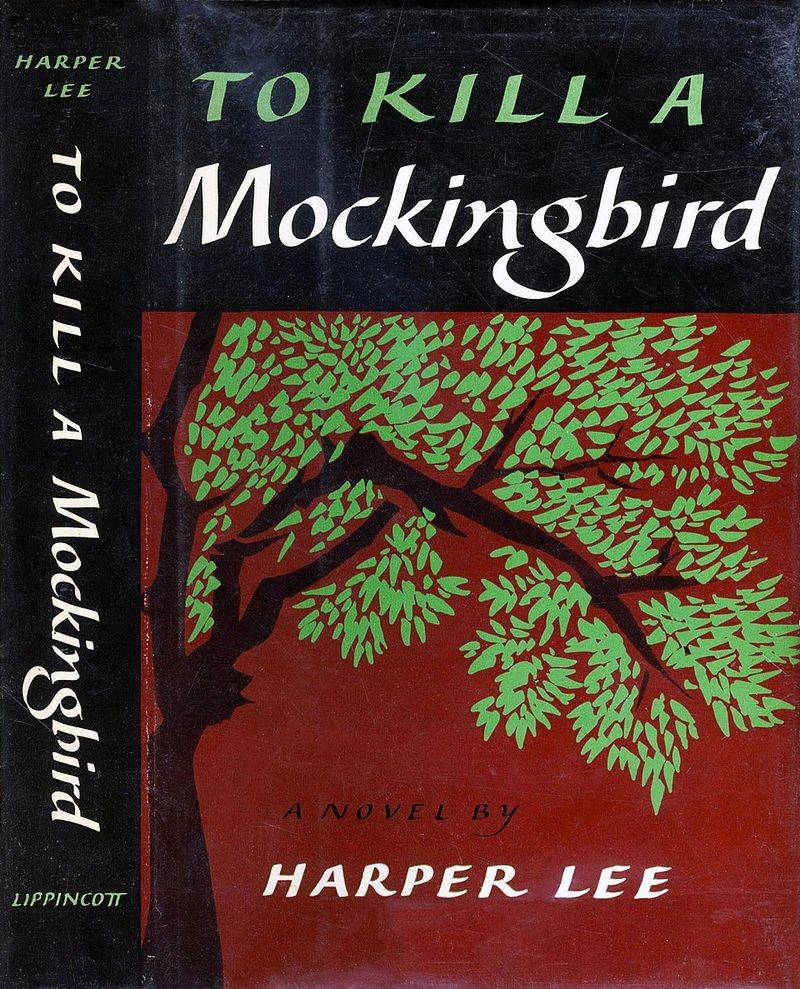
Scout Finch guides us through childhood innocence meeting racial injustice in 1930s Alabama.
Her father Atticus Lawyer becomes a timeless symbol of moral courage when he defends a Black man falsely accused.
Humor, heartbreak, and humanity blend seamlessly in sentences that feel like Southern sunshine.
Whether you’re twelve or seventy, this story reminds us that standing up for what’s right never goes out of style.
Plus, Boo Radley remains literature’s most mysterious neighbor!
2. The Kite Runner by Khaled Hosseini

Friendship, betrayal, and redemption collide in Kabul before war changes everything.
Amir’s journey from privileged boy to guilt-ridden man spans decades and continents.
Afghanistan’s beauty and tragedy unfold through prose that feels like poetry.
Prepare tissues because Hassan’s loyalty will absolutely wreck your heart in the best way possible.
This tale proves forgiveness can travel across oceans and years to find you when you least expect it.
3. Pride and Prejudice by Jane Austen
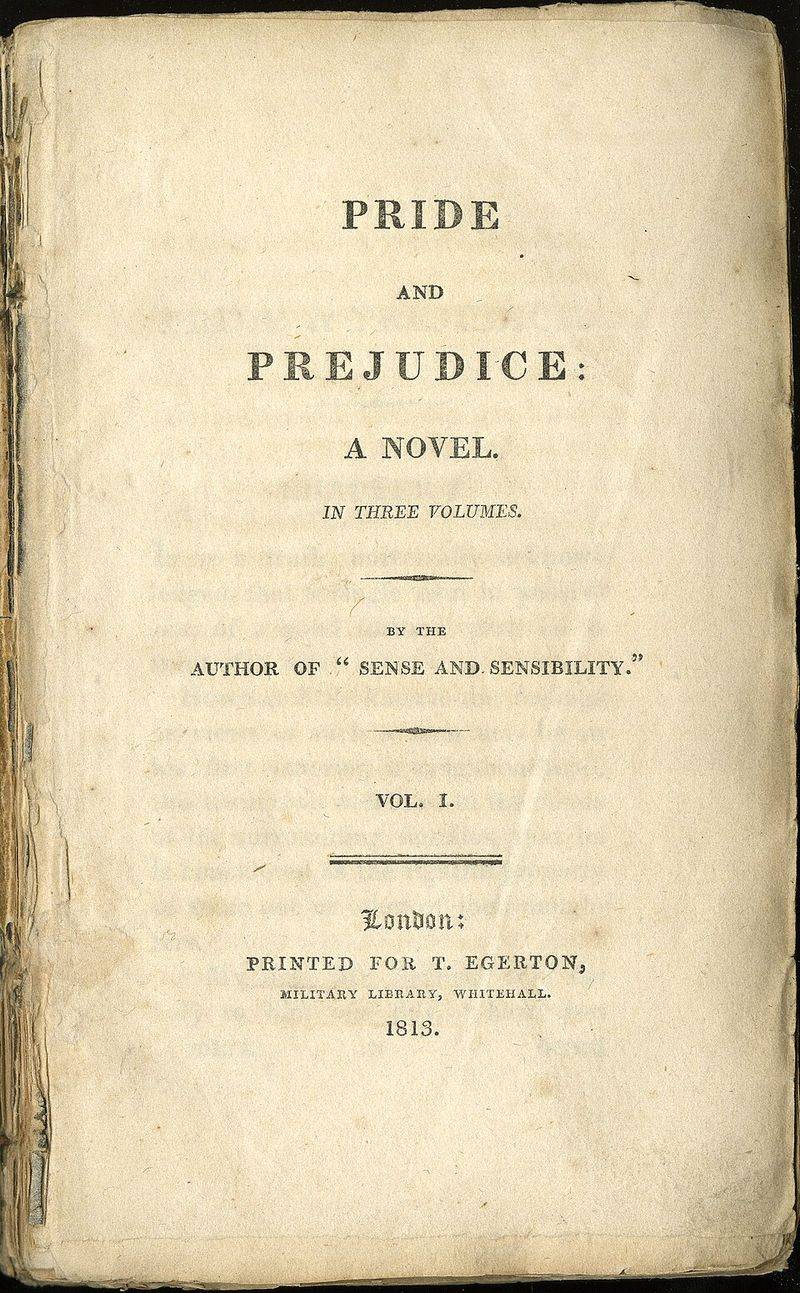
Elizabeth Bennet and Mr. Darcy basically invented the enemies-to-lovers trope before it was cool.
Set in Regency England, this romance sparkles with wit sharper than any modern rom-com.
Austen’s observations about class, marriage, and judging people too quickly remain surprisingly relevant today.
Every character feels real, from meddling Mrs. Bennet to awkward Mr. Collins.
Honestly, if you don’t swoon at least once, check your pulse!
4. The Alchemist by Paulo Coelho
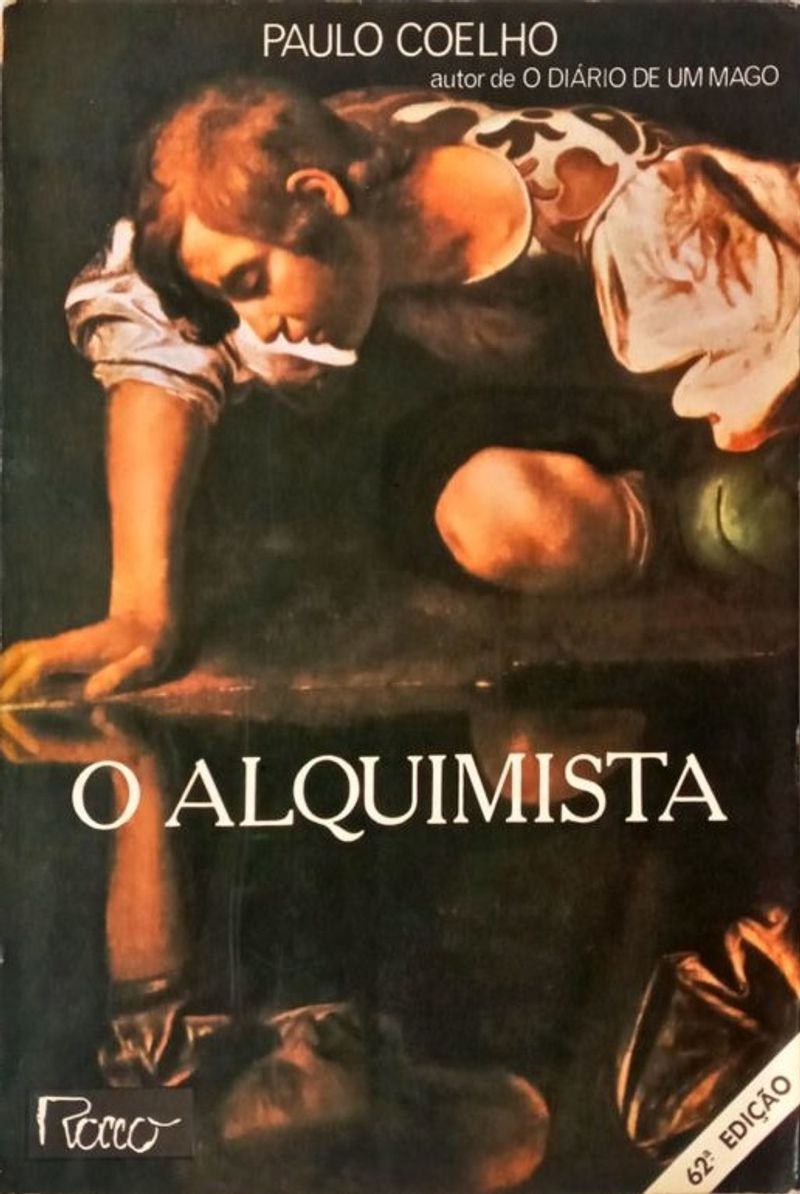
Santiago, a shepherd boy, dreams of treasure buried near Egyptian pyramids.
His quest becomes a meditation on destiny, listening to your heart, and recognizing omens.
Though simple in language, the wisdom hits differently depending on your life stage.
Coelho’s storytelling feels like sitting around a campfire hearing ancient secrets.
Whether you’re fifteen or fifty, you’ll discover something new about pursuing your Personal Legend each time you read it.
5. Harry Potter and the Sorcerer’s Stone by J.K. Rowling

A boy living under the stairs discovers he’s famous in a world he never knew existed.
Hogwarts School of Witchcraft and Wizardry becomes the home Harry Potter never had.
Magic, friendship, and battling evil wizards make for the ultimate comfort read.
Fun fact: millions of adults reread this series annually because it feels like visiting old friends.
Whether you’re Team Gryffindor or secretly love Slytherin, this book launched a phenomenon for good reason!
6. 1984 by George Orwell
Big Brother watches Winston Smith in a totalitarian nightmare that feels uncomfortably familiar.
Orwell’s dystopia explores surveillance, propaganda, and the terrifying power of controlling language itself.
Written in 1949, its warnings about truth and freedom remain chillingly relevant.
Though dark, this book sparks crucial conversations about government overreach and individual liberty.
Just saying, “Orwellian” entered our vocabulary for a reason, and reading the source material hits different!
7. The Catcher in the Rye by J.D. Salinger
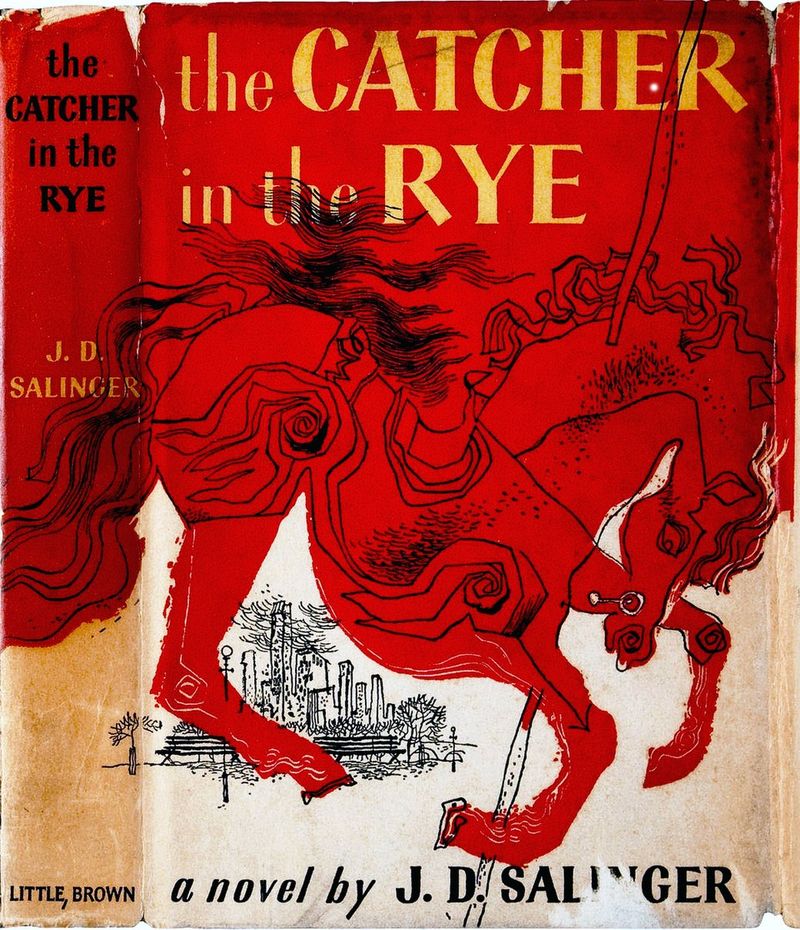
Holden Caulfield wanders New York City after getting expelled, calling everyone phony.
His teenage angst and confusion about growing up resonates across generations.
Some readers find him whiny; others see their younger selves reflected perfectly.
Salinger captures that weird space between childhood and adulthood where nothing makes sense.
However you feel about Holden, his voice stays with you long after the final page, guaranteed!
8. The Great Gatsby by F. Scott Fitzgerald
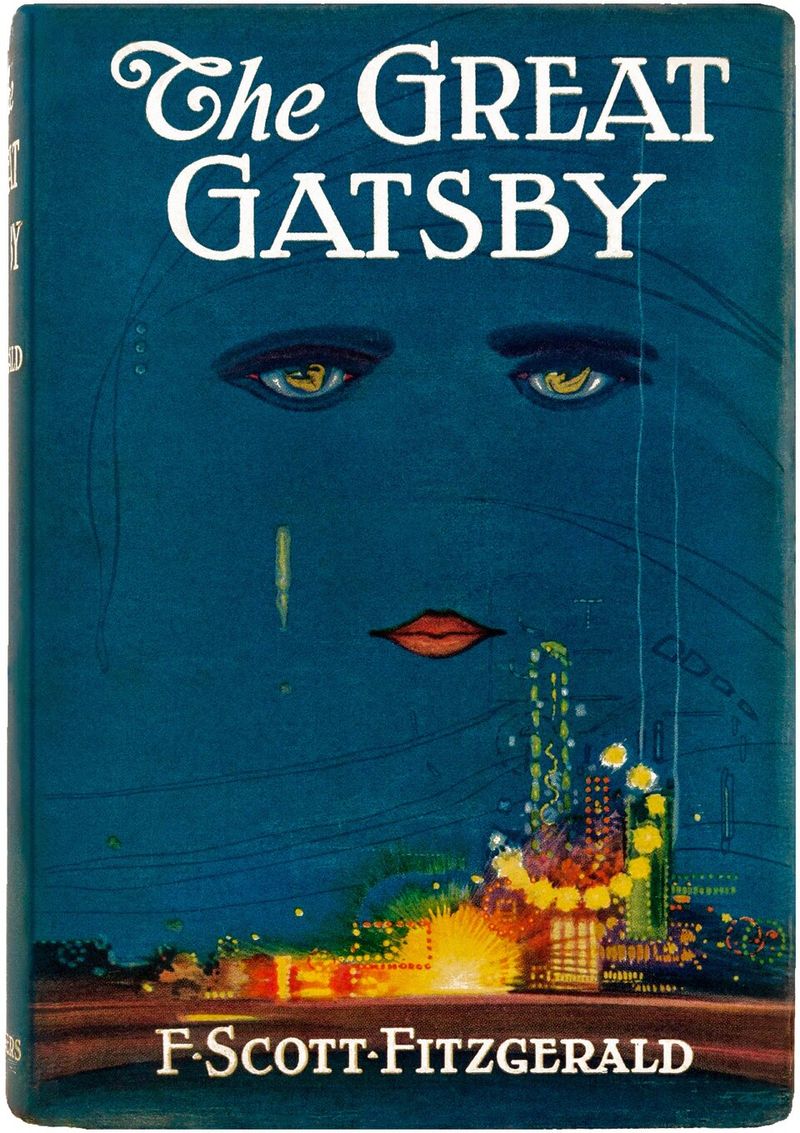
Jay Gatsby throws legendary parties hoping to win back his lost love, Daisy Buchanan.
Set in the Roaring Twenties, this slim novel packs massive commentary on the American Dream.
Fitzgerald’s prose shimmers like champagne bubbles, beautiful yet somehow sad.
That green light at the end of Daisy’s dock symbolizes hope, longing, and impossible dreams.
Whether you read it in high school or pick it up later, Gatsby’s tragedy hits harder with age.
9. Beloved by Toni Morrison
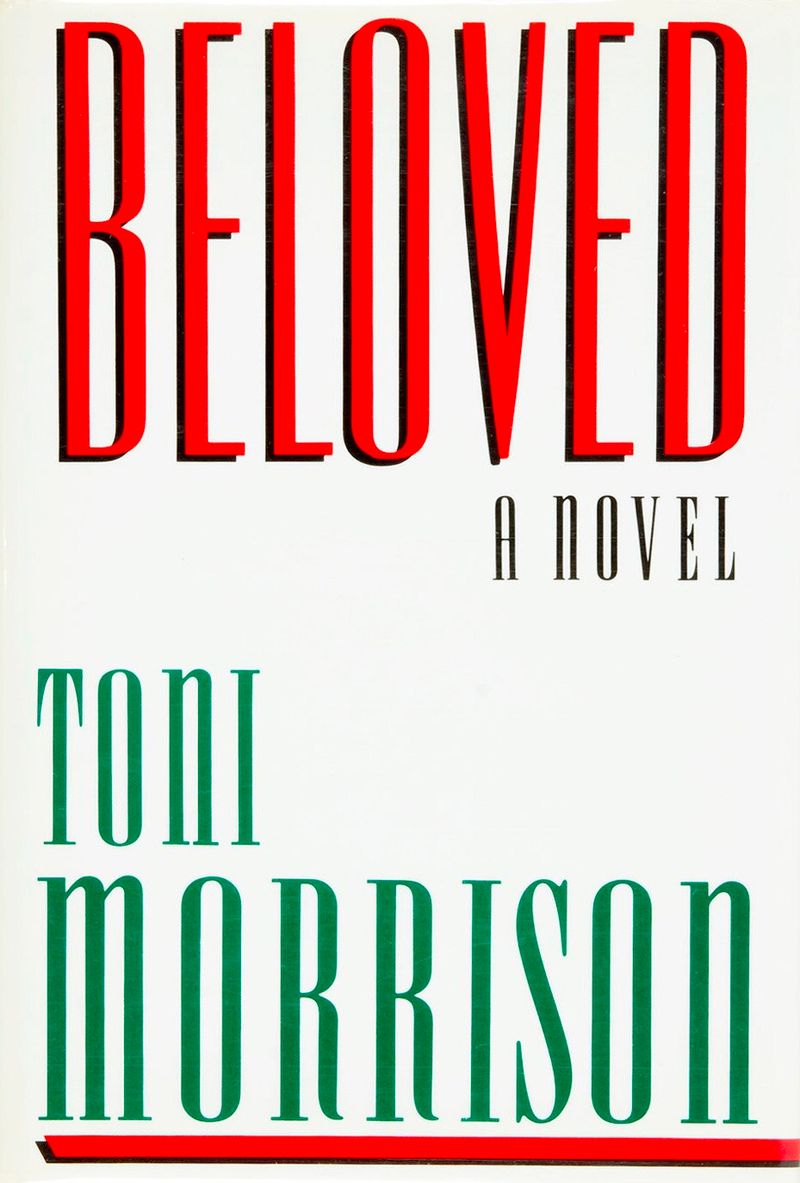
Sethe escaped slavery but the past literally haunts her Ohio home in supernatural ways.
Morrison’s masterpiece confronts the unspeakable trauma of slavery with raw, poetic power.
This isn’t an easy read, but its importance cannot be overstated.
The ghost story framework makes historical horror accessible while respecting its weight.
Prepare for prose that demands your full attention and rewards it with unforgettable, heartbreaking beauty that changes how you see American history.
10. The Lord of the Rings by J.R.R. Tolkien

Frodo Baggins must destroy a magic ring before evil Sauron conquers Middle-earth.
Tolkien created entire languages, histories, and cultures for this epic fantasy trilogy.
Though long, the adventure captivates readers who love world-building and heroic quests.
From hobbits to elves to wizards, every character feels fully realized and memorable.
Whether you prefer books or movies, experiencing this story is basically required for any fantasy fan, period!
11. One Hundred Years of Solitude by Gabriel García Márquez
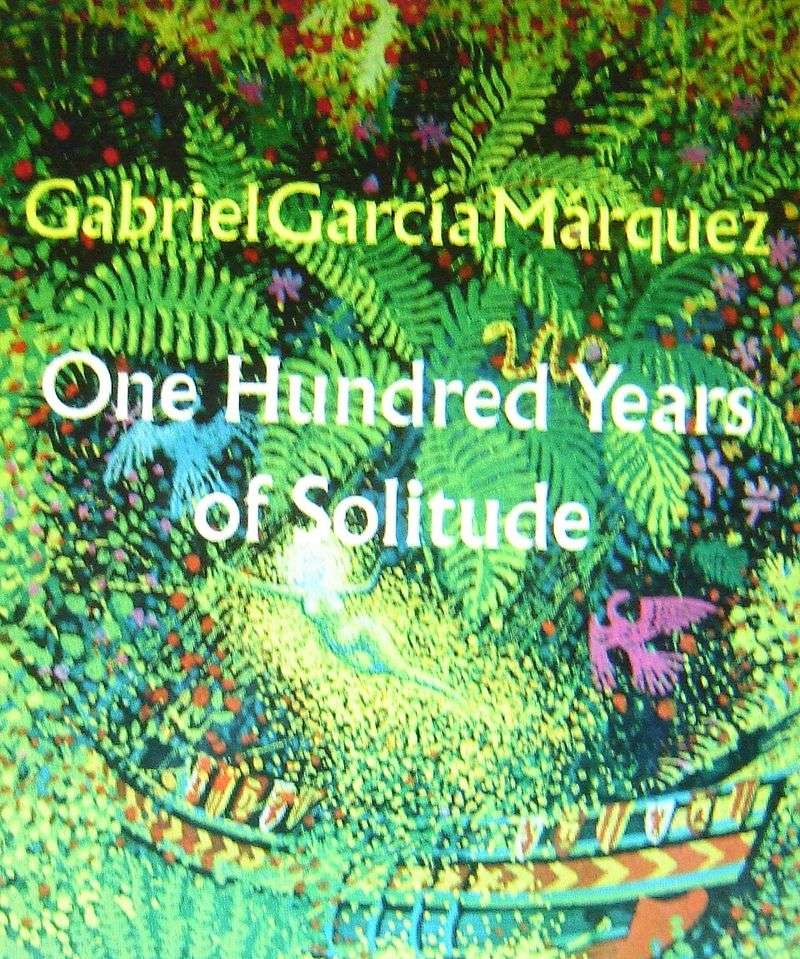
The Buendía family’s saga unfolds across generations in the magical town of Macondo.
Márquez blends reality and fantasy so seamlessly you’ll accept flying carpets as normal.
This Colombian masterpiece defined magical realism and influenced countless writers worldwide.
Though keeping track of characters named Aureliano gets tricky, the journey is absolutely worth it.
Prepare for prose that feels like fever dreams and family drama that spans an entire century!
12. The Handmaid’s Tale by Margaret Atwood
Offred lives in Gilead, a totalitarian theocracy where women have lost all rights.
Atwood’s dystopia feels terrifyingly plausible, exploring reproductive control and religious extremism.
Published in 1985, its relevance only seems to increase over time.
Though bleak, the story offers quiet resistance and hope in unexpected places.
Whether you discovered it through the TV show or read it first, this novel sparks vital conversations about power and autonomy.
13. The Chronicles of Narnia by C.S. Lewis

Four siblings discover a magical wardrobe that transports them to a land of talking animals and eternal winter.
Lewis created a fantasy world filled with adventure, allegory, and unforgettable characters like Aslan the lion.
Though written for children, adults find deeper layers of meaning with each reread.
Turkish Delight never sounded so tempting, thanks to Edmund’s betrayal!
Whether you read one book or all seven, Narnia offers timeless escapism and moral lessons without feeling preachy.
14. The Diary of a Young Girl by Anne Frank
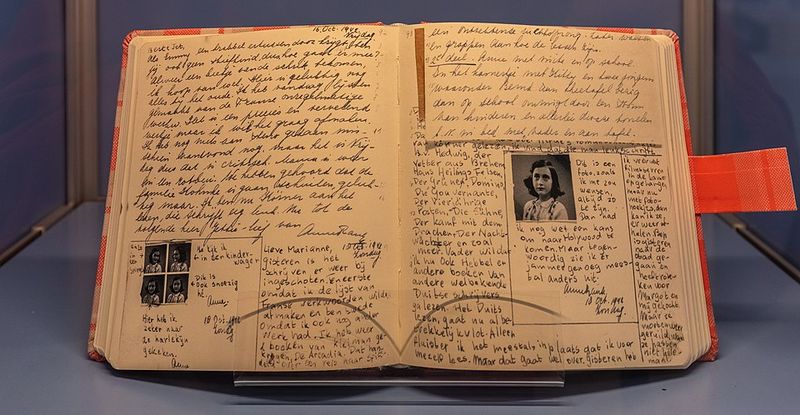
Anne Frank documented her life hiding from Nazis in an Amsterdam attic during World War II.
Her diary transforms historical tragedy into intimate, relatable teenage observations.
Despite unimaginable circumstances, Anne’s hope and humor shine through every entry.
Reading her words knowing her fate makes this one of the most heartbreaking books ever published.
Yet it remains essential reading, reminding us why we must never forget the Holocaust’s victims and survivors.
15. Jane Eyre by Charlotte Brontë
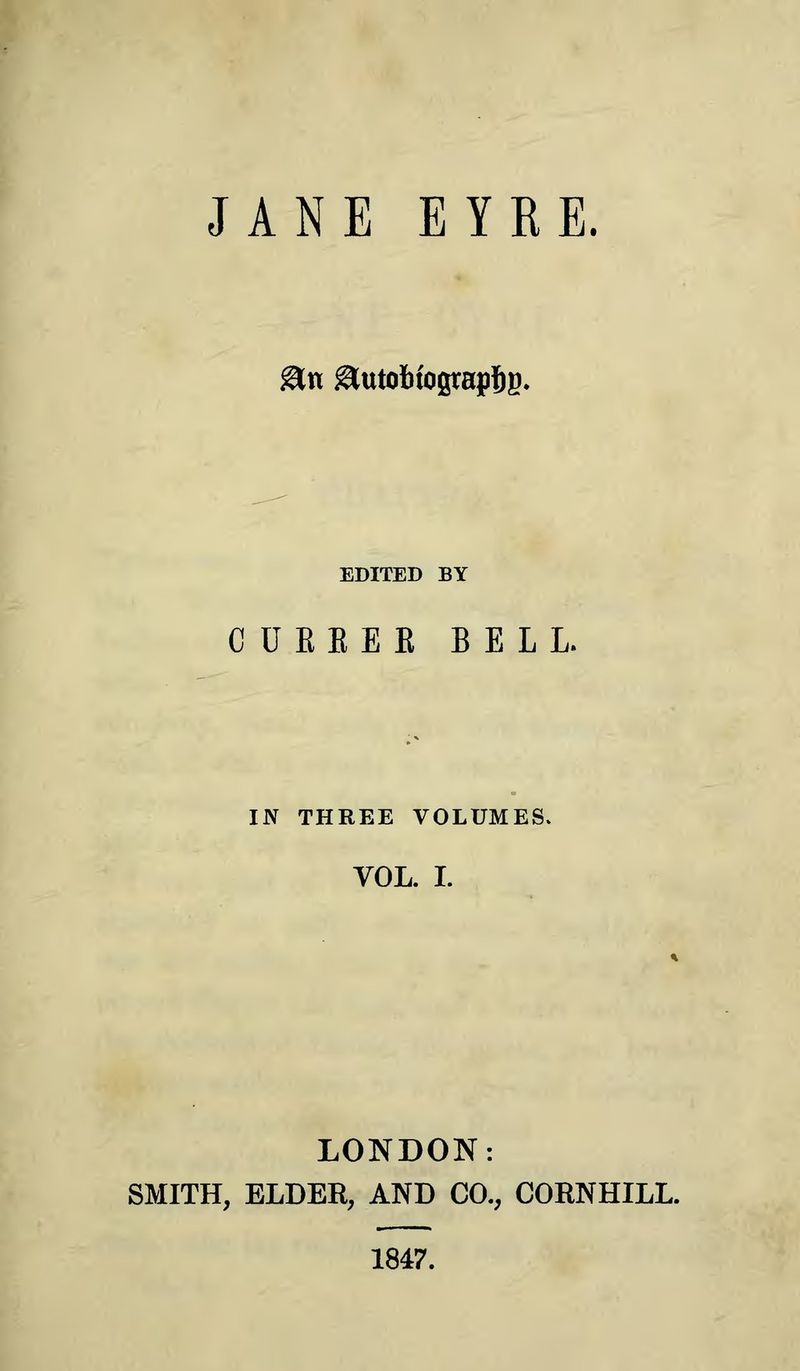
Jane, an orphaned governess, falls for her brooding employer Mr. Rochester despite mysterious secrets.
Brontë created one of literature’s first truly independent female protagonists way back in 1847.
Gothic atmosphere, romance, and feminist themes blend into Victorian perfection.
That attic secret, though—no spoilers, but wow, the drama!
Whether you love period pieces or strong heroines who refuse to compromise their values, Jane Eyre delivers on every level.
16. The Little Prince by Antoine de Saint-Exupéry
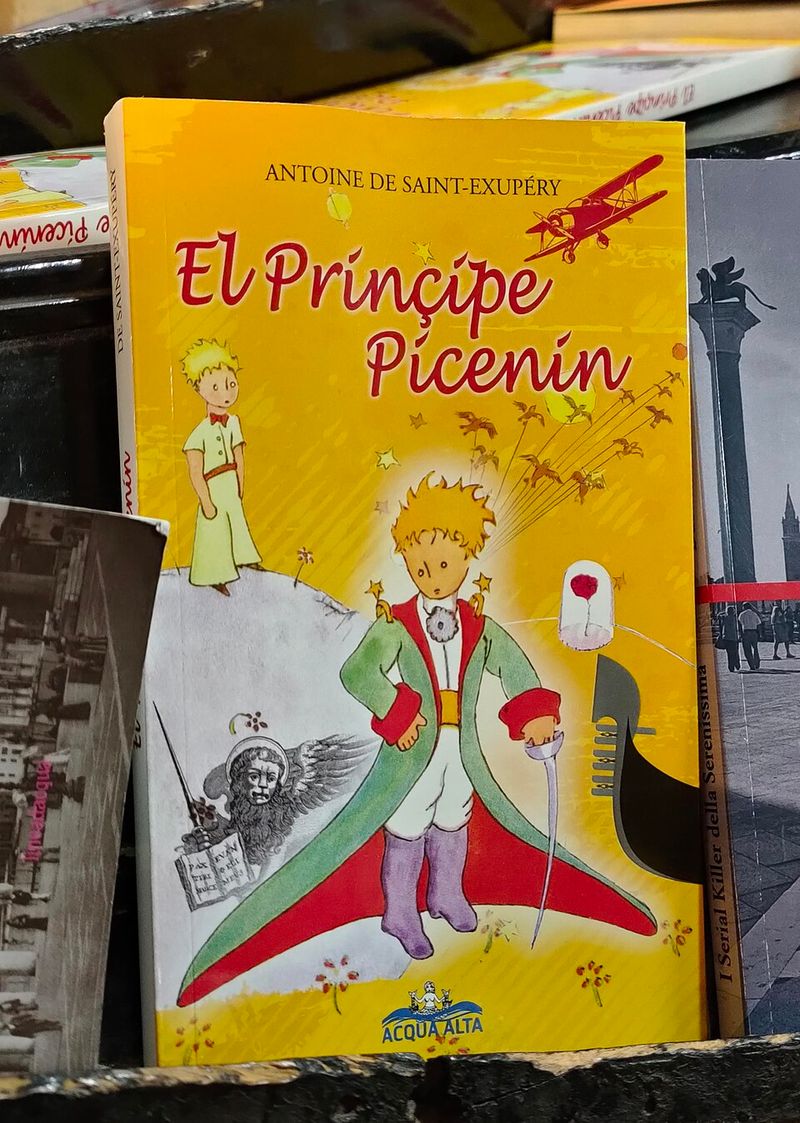
A pilot stranded in the Sahara meets a young prince from a tiny asteroid.
Saint-Exupéry’s illustrated tale offers profound wisdom disguised as a children’s story.
Quotes like “What is essential is invisible to the eye” stick with readers forever.
Though short, this book packs more philosophy than texts ten times its length.
Adults often find it more meaningful than kids do, discovering new layers about love, loss, and seeing with the heart.
17. Sapiens by Yuval Noah Harari
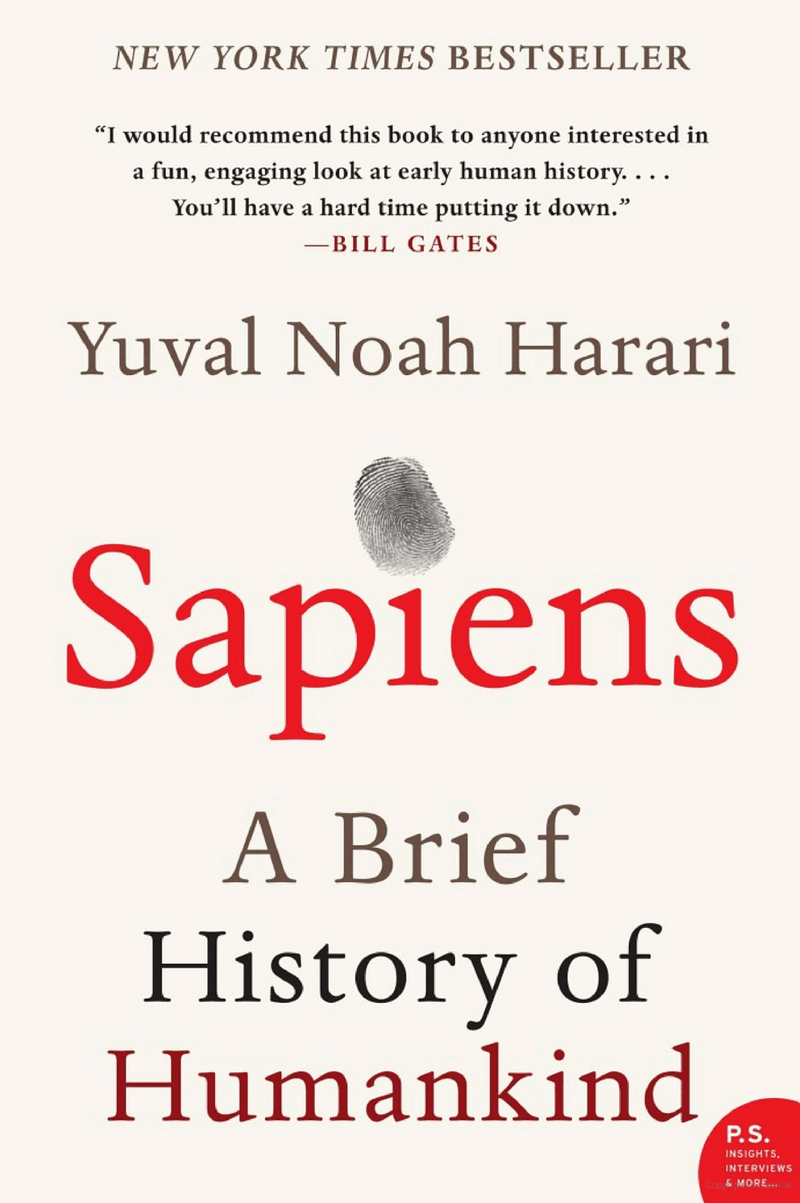
Harari traces human history from Stone Age to smartphone age in one ambitious sweep.
Complex ideas about agriculture, religion, and capitalism become surprisingly accessible and entertaining.
This nonfiction bestseller makes you question assumptions about progress and civilization.
Whether you agree with all his conclusions or not, the perspectives offered spark fascinating dinner conversations.
History books aren’t usually page-turners, but Sapiens breaks that rule spectacularly with storytelling that rivals any novel!
18. The Hobbit by J.R.R. Tolkien
Bilbo Baggins, a comfort-loving hobbit, gets dragged into an unexpected adventure with dwarves and a wizard.
Tolkien wrote this as a bedtime story for his children before creating Middle-earth’s full mythology.
Dragons, riddles, and a certain magic ring make this fantasy adventure absolutely delightful.
Unlike its epic sequel, The Hobbit maintains a lighter, more whimsical tone throughout.
Perfect for readers who want adventure without committing to a thousand-page trilogy right away, honestly!
19. The Color Purple by Alice Walker
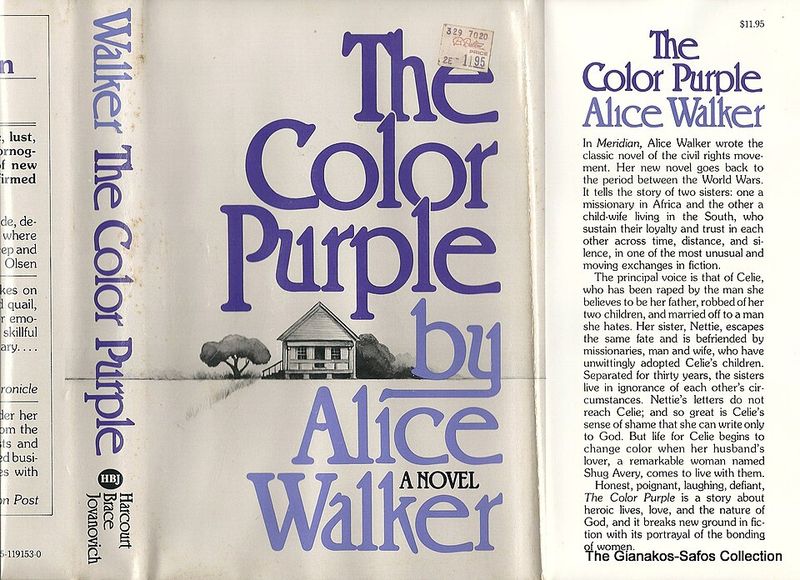
Celie writes letters to God from rural Georgia, documenting abuse, survival, and eventual empowerment.
Walker’s Pulitzer Prize winner explores Black women’s lives in the early 1900s with unflinching honesty.
Though the subject matter is heavy, moments of joy and sisterhood shine through.
Celie’s voice grows stronger with each letter, making her transformation incredibly powerful.
This novel celebrates resilience and the healing power of love in all its forms, leaving readers forever changed.
20. Slaughterhouse-Five by Kurt Vonnegut
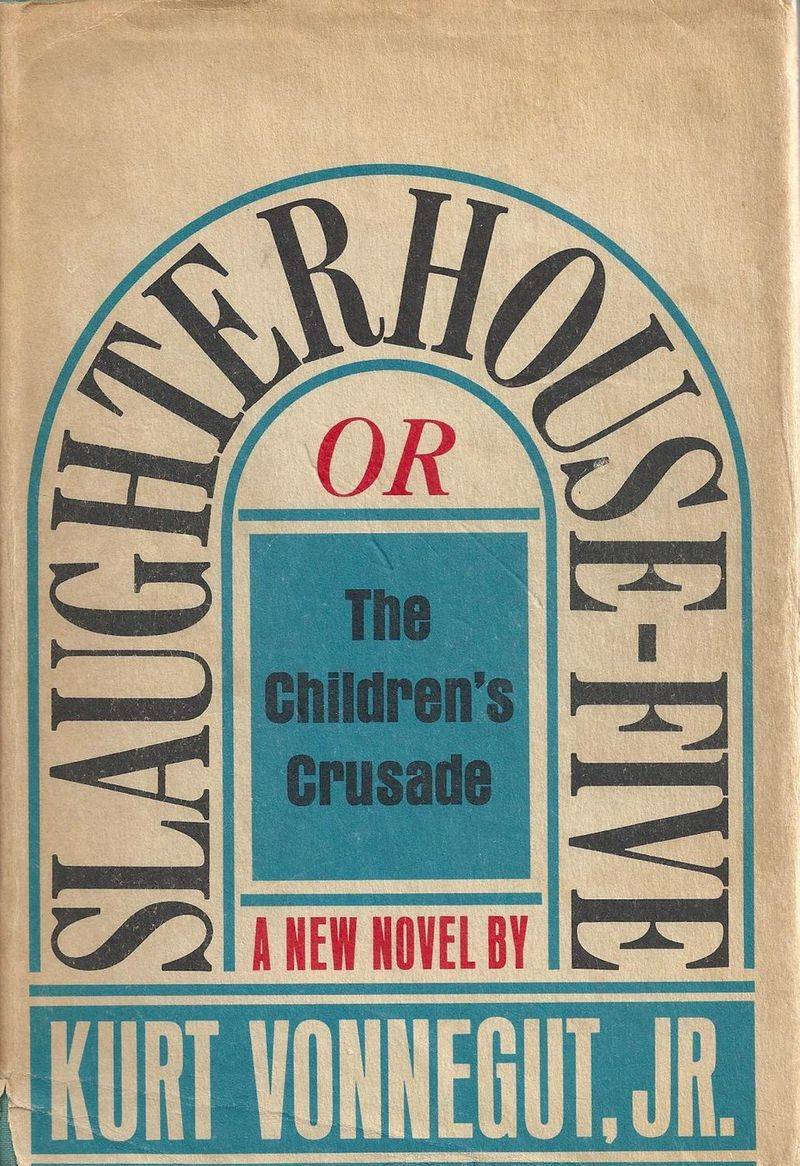
Billy Pilgrim becomes unstuck in time, experiencing World War II and alien abduction simultaneously.
Vonnegut’s anti-war novel blends science fiction, dark humor, and autobiographical elements.
The phrase “So it goes” follows every death, creating a haunting rhythm throughout.
Though weird and nonlinear, the story captures war’s absurdity better than straightforward narratives could.
Whether you love experimental fiction or just want something completely different, Vonnegut’s masterpiece delivers unforgettable strangeness and profound truth.
21. Brave New World by Aldous Huxley
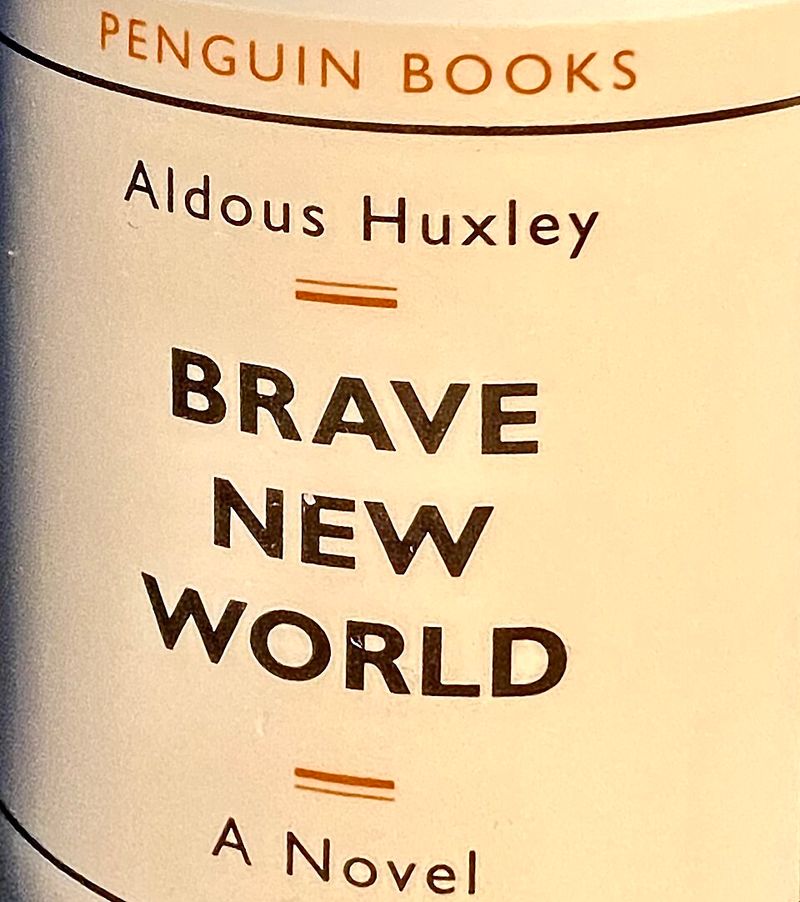
In a future where happiness is engineered and individuality eliminated, one man questions the system.
Huxley’s 1932 dystopia predicted test-tube babies, recreational drugs, and entertainment as social control.
Unlike Orwell’s oppressive regime, this world controls through pleasure rather than pain.
Which approach is more terrifying remains hotly debated among readers.
Whether you’re into science fiction or social commentary, this classic offers chillingly prescient observations about technology and human nature.
22. Where the Crawdads Sing by Delia Owens
Kya, the Marsh Girl, grows up alone in North Carolina’s wetlands, becoming a murder suspect years later.
Owens blends coming-of-age story, murder mystery, and nature writing into one bestselling phenomenon.
The marsh itself becomes a character, beautifully described and integral to Kya’s survival.
Though controversial for various reasons, millions of readers connected with this isolated girl’s journey.
Whether you prefer the romance, mystery, or nature elements, this book offers something for everyone, basically!