15 Celebrities Who Don’t Fit The Typical Feminist Label
Not every powerful woman in Hollywood embraces the label of feminist, and the reasons behind that choice can be more layered than expected. Language carries weight, and for some public figures, a single word can feel too narrow for a wide range of beliefs, experiences, and values.
Instead of labels, many choose to focus on actions, using their platforms to support equality in ways that feel authentic and personal. Some voices in the spotlight lean toward terms like humanist or equalist, while others prefer to let their work speak without attaching a specific identity to it.
The conversation around feminism often sparks strong opinions, revealing how complex and personal the idea of equality can be. Saying no to a label does not erase a commitment to fairness or progress.
Each perspective adds a different angle to the ongoing discussion about gender, identity, and expression. These viewpoints highlight how conversations around empowerment continue to evolve, shaped by culture, history, and individual belief.
Curious to see which celebrities have spoken up, what they said, and how their words shaped the conversation around modern feminism?
1. Shailene Woodley
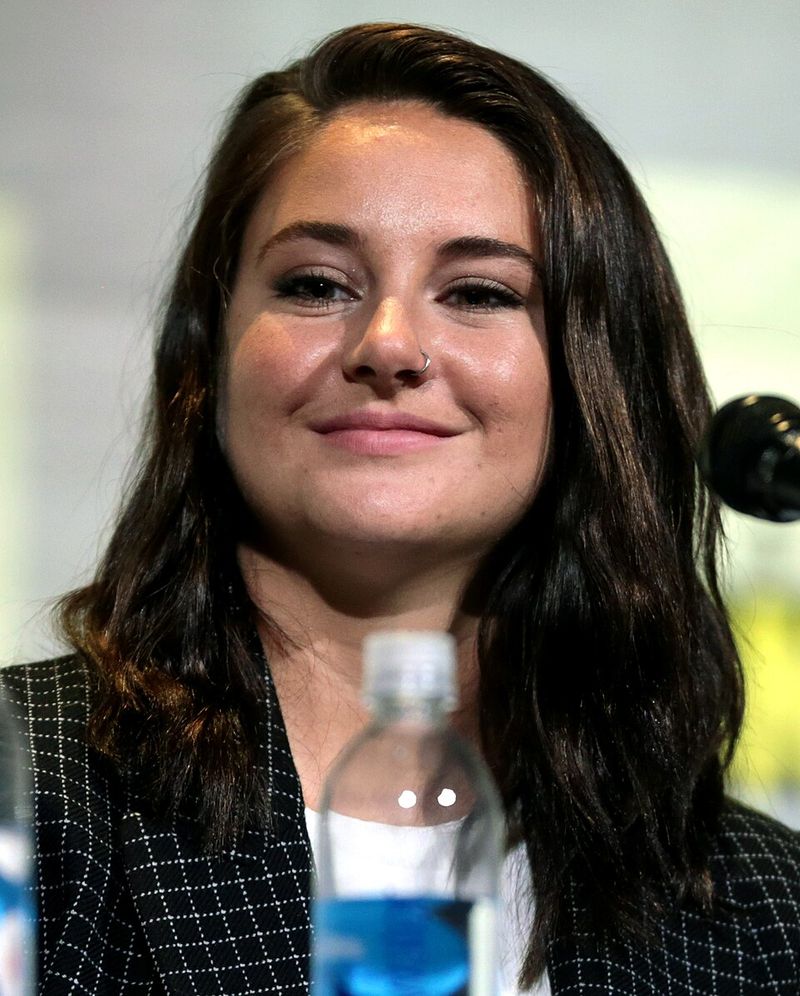
Balance over battle, that seems to be Shailene Woodley’s personal motto. The actress behind Divergent once said she doesn’t identify as a feminist because she believes in equal power between men and women, not a swap of dominance.
Her exact words? “You need balance.” Simple, direct, and a little surprising coming from someone so outspoken on environmental issues.
Woodley isn’t anti-woman by any stretch. She just believes lifting one group shouldn’t mean pushing another down.
For a young actress willing to speak candidly in Hollywood, that takes a certain kind of quiet courage most people don’t expect.
2. Katy Perry
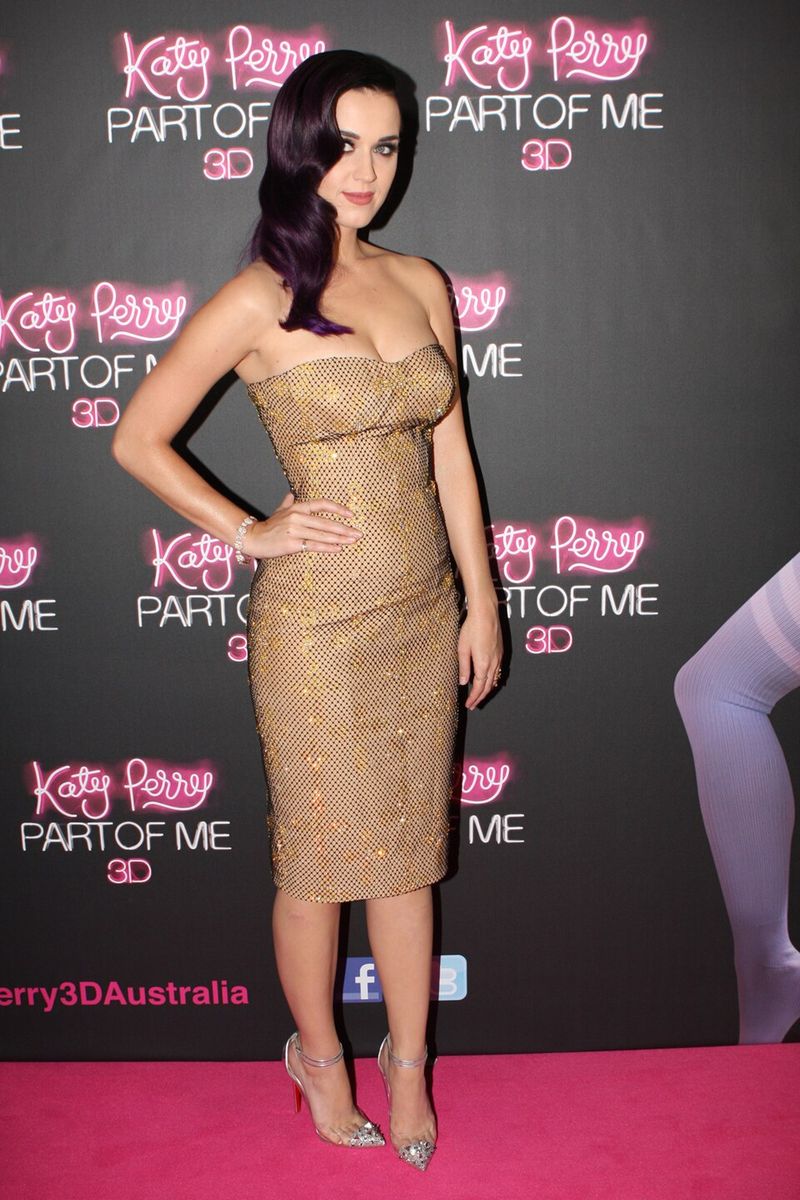
Katy Perry once dropped a statement that had the internet buzzing for days. Back in 2012, she said she was not a feminist but quickly added that she absolutely believes in the power of women.
Confusing? A little.
Perry later softened her stance and acknowledged supporting women’s rights, but the label still made her uncomfortable at the time. She seemed more focused on empowerment as a feeling rather than a movement.
How someone can champion girl power while dodging the F-word is a whole debate on its own. Perry’s evolution on the subject is actually worth following closely.
3. Kelly Clarkson
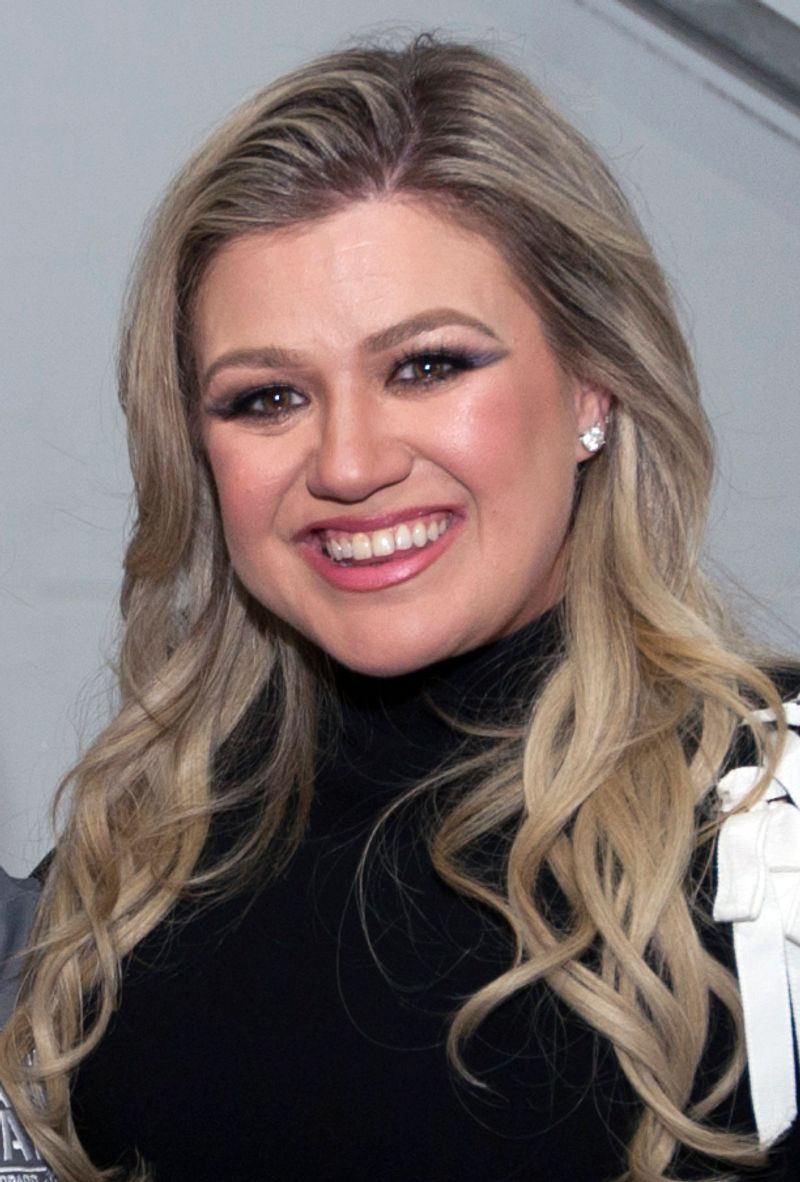
“Miss Independent” herself drew some eyebrows when she said feminism felt “too strong” as a label. Kelly Clarkson explained that when people hear the word feminist, it sounds like someone shouting “Get out of my way!” and she didn’t want that energy attached to her name.
Clarkson has always celebrated self-sufficiency and strength in her music, so the pushback was unexpected for many fans.
However, her point touches on something real: word associations matter. Many people hear “feminist” and picture conflict rather than cooperation.
Clarkson seems to prefer a message of strength without the sharp edges some associate with the term.
4. Sarah Jessica Parker
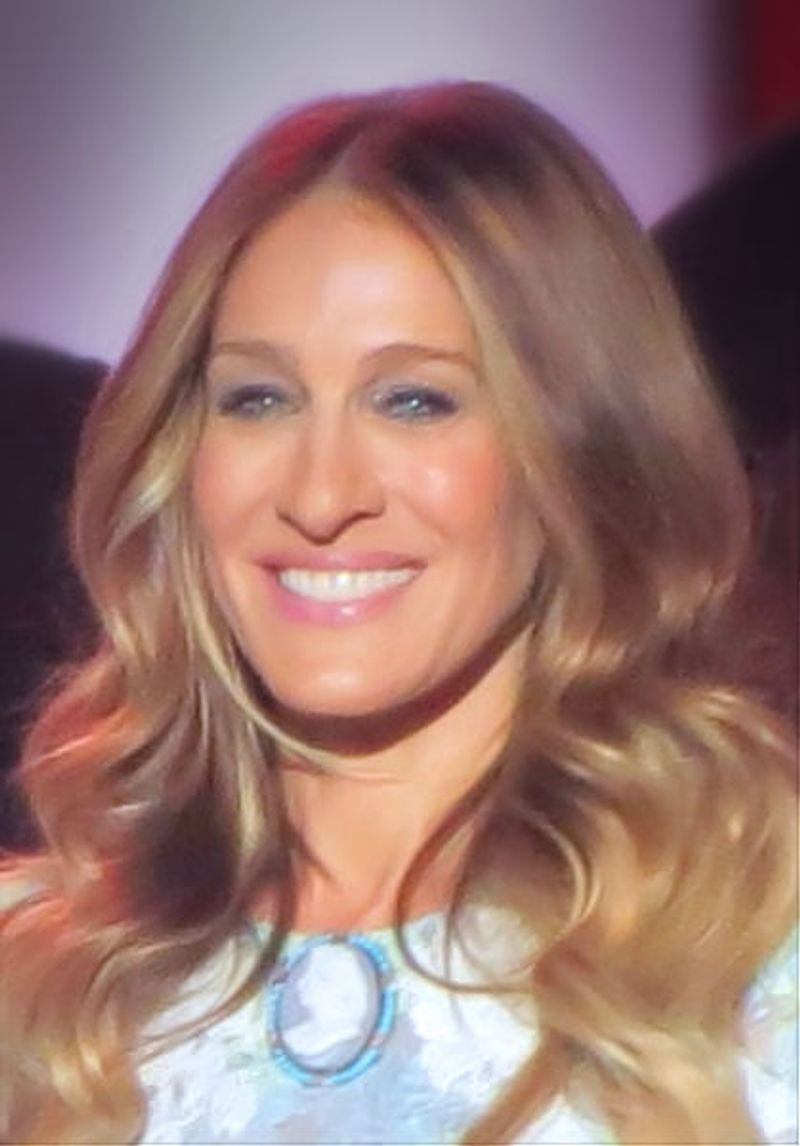
Carrie Bradshaw may have spent years navigating New York as a fiercely independent woman, but Sarah Jessica Parker prefers a different label off-screen. Parker borrowed a line from playwright Wendy Wasserstein, proudly declaring herself a humanist instead of a feminist.
Humanism focuses on all people equally, without centering one gender, and Parker found that framing more honest for how she actually lives and thinks.
It’s a thoughtful distinction, not a dismissal of women’s rights. Parker has consistently supported causes that uplift women, just under a broader umbrella.
Choosing “humanist” feels less like avoiding a label and more like carefully selecting the right one.
5. Carrie Underwood
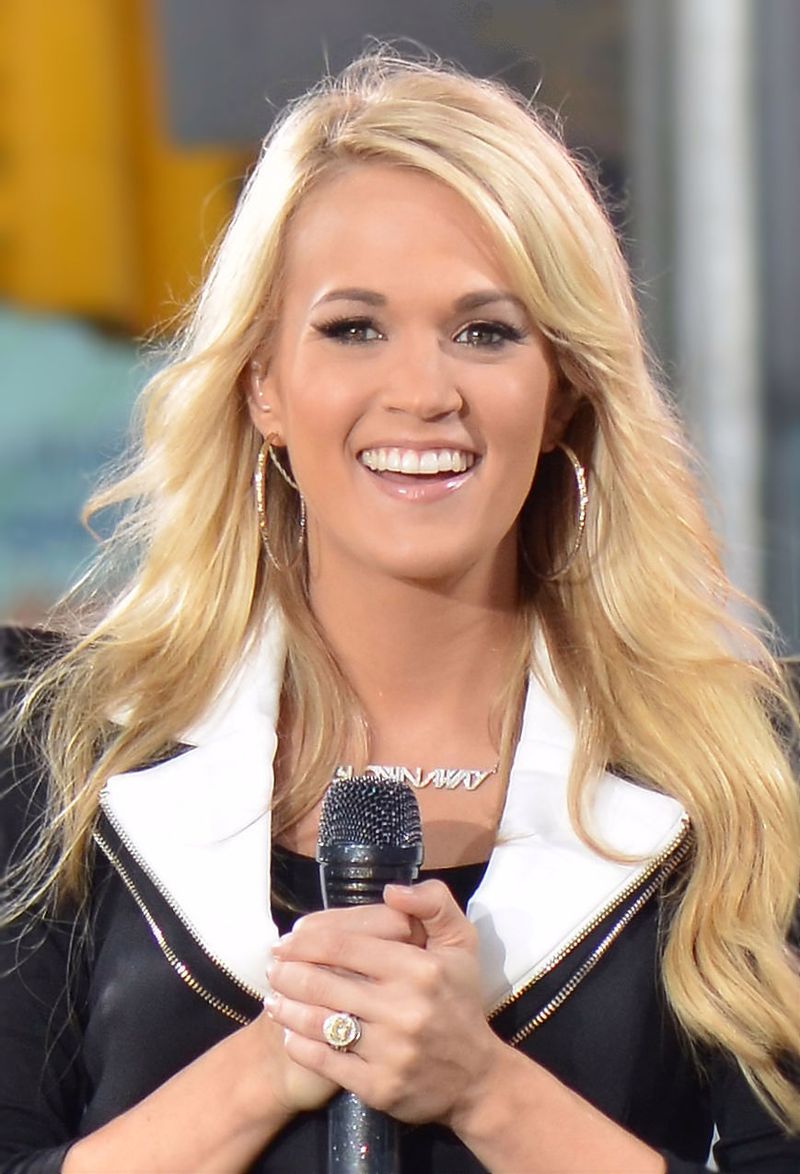
Strong female energy radiates off every Carrie Underwood performance, so her hesitation around the feminist label genuinely caught fans off guard. Underwood said she wouldn’t go as far as calling herself a feminist because the word carries a negative connotation for her.
Instead, she described herself simply as a “strong female,” which honestly sounds pretty powerful on its own.
Country music has its own complicated relationship with gender roles, and Underwood navigates that world carefully. Rather than embracing a politically loaded term, she lets her music, her career, and her choices do the heavy lifting.
Actions, as always, speak volumes louder than labels ever could.
6. Madonna
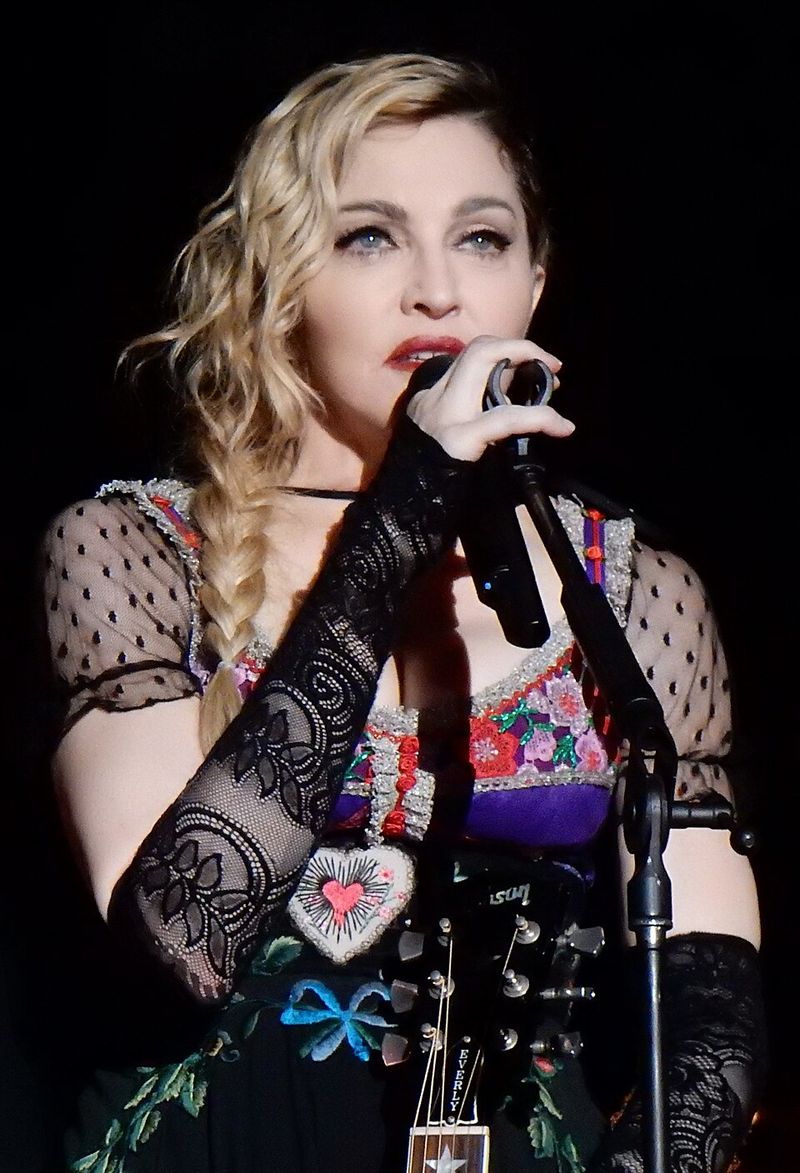
Few artists have pushed boundaries for women in music the way Madonna has. Provocative, fearless, and boundary-smashing since the 1980s, she practically rewrote the rulebook on female pop stardom.
Yet despite decades of advocacy for women’s freedom and self-expression, Madonna has rejected the feminist label outright. No detailed explanation, just a firm no.
Maybe living as a constant rule-breaker makes any label feel like a cage. Madonna has never been one to fit neatly into categories, so refusing even a seemingly obvious one is very on-brand.
If anyone earned the right to define herself on her own terms, it’s absolutely her.
7. Demi Moore
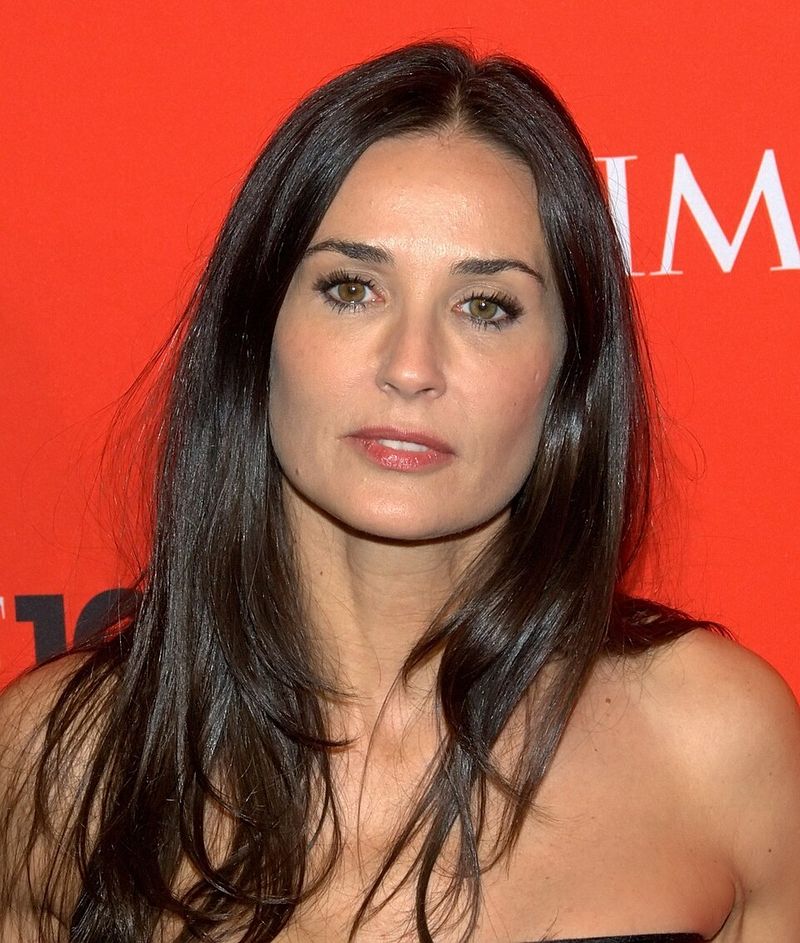
Demi Moore had one of the most talked-about careers of the 1990s, breaking box office records and challenging Hollywood norms in remarkable ways. Off-screen, however, she prefers to be called a humanist rather than a feminist.
Like Sarah Jessica Parker, Moore gravitates toward language that feels inclusive of all people rather than centered on one group’s advancement over another.
Humanist values emphasize dignity, compassion, and equality across the board, which apparently resonates more deeply for Moore. Choosing a broader identity isn’t about rejecting women’s issues.
Sometimes it reflects a genuine belief that lifting everyone up together creates stronger, more lasting change for the whole world.
8. Lily Allen
Lily Allen did not mince words. She called feminism a word she hates, arguing that if everyone is already equal, the conversation shouldn’t even need to happen.
Bold statement, very Lily Allen.
Her frustration seems rooted in a wish for a world where equality is simply assumed, not negotiated. Critics quickly pointed out that wishing inequality away doesn’t actually make it disappear.
Still, Allen’s bluntness is part of what makes her fascinating. She’s never been shy about controversial opinions, and her take on feminism is no exception.
Love it or debate it, she definitely got people talking, which is kind of her superpower anyway.
9. Bjork
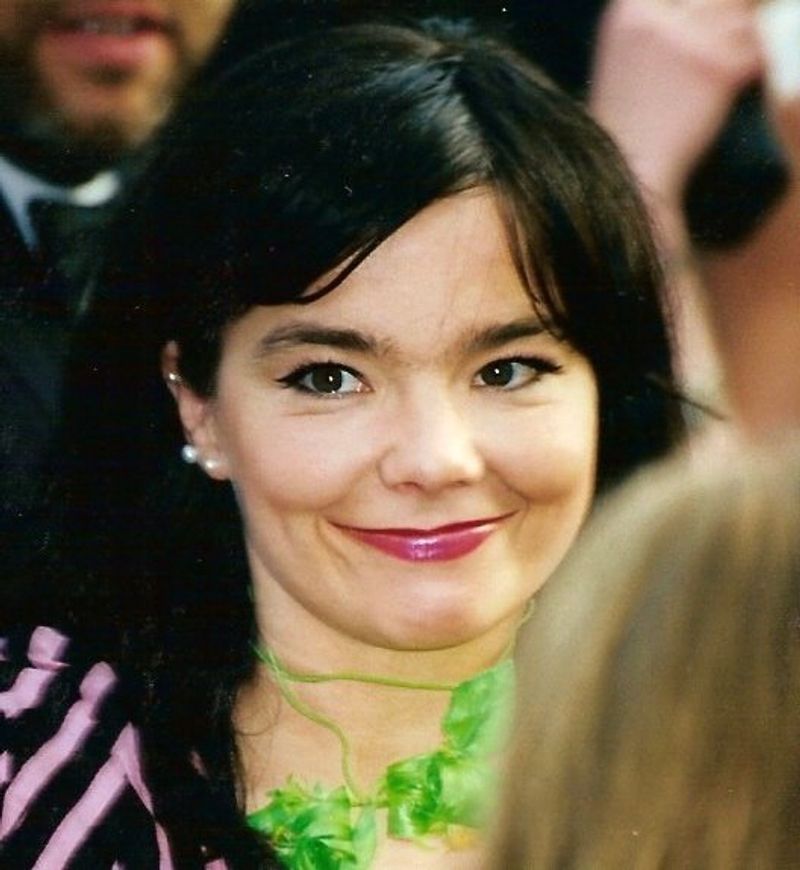
Bjork operates in a creative universe entirely her own, so perhaps it’s no surprise she approaches feminism differently too. Rather than aligning with movements or labels, the Icelandic music legend prefers to take direct positive action instead of focusing on complaints about inequality.
As she claims, doing is more powerful than declaring. Creating art, building platforms, and pushing creative limits feels more authentic to her than wearing any political badge.
If actions create change faster than speeches, Bjork’s entire career might be her strongest feminist statement ever, even if she’d never call it that. Sometimes the most powerful voices refuse every microphone handed to them.
10. Lana Del Rey
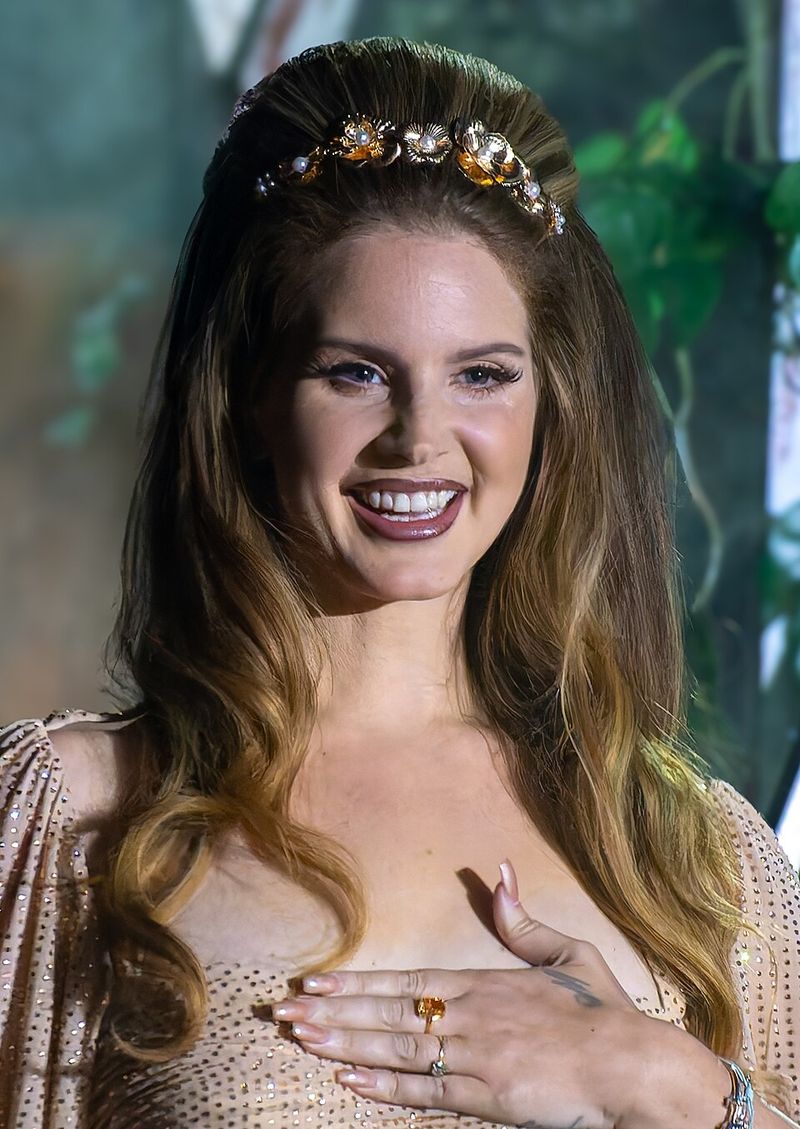
Space travel over gender politics? Lana Del Rey made headlines when she said she was far more interested in scientific advancements like exploring space than in debates about feminism.
Not exactly the response anyone expected.
Del Rey has always been a bit of a puzzle wrapped in a cinematic mystery, so her dismissal of the feminist conversation fits her unpredictable brand perfectly.
Whether it’s a genuine philosophical stance or classic Lana mystique is hard to say. However, her comment sparked real debate about whether celebrities even need to engage publicly with social movements.
Maybe staring at the stars really is her version of a political statement.
11. Evangeline Lilly
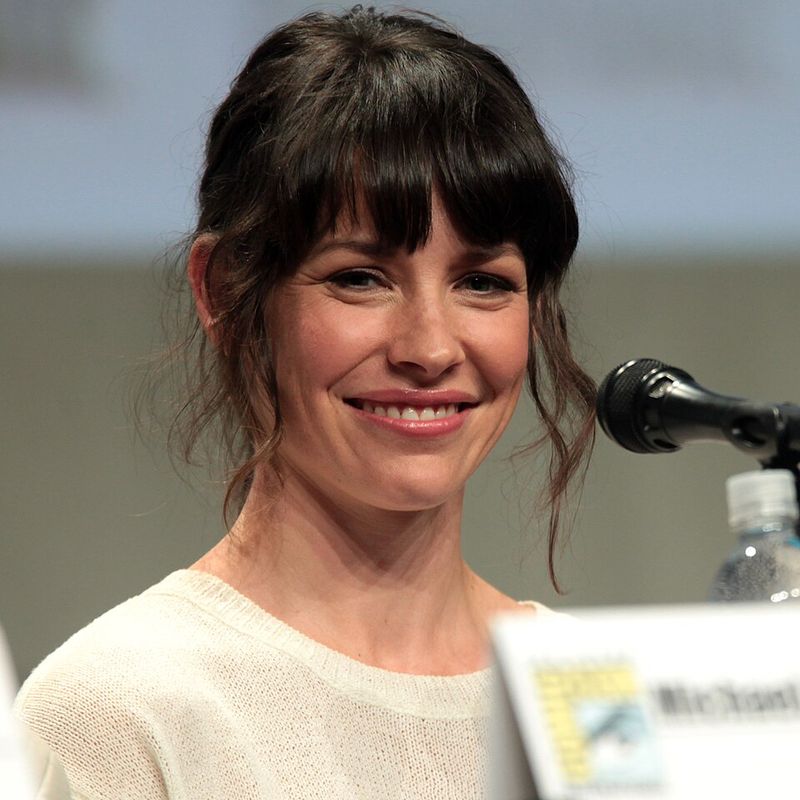
Evangeline Lilly, best recognized for her roles in Lost and the Marvel universe, has a very specific reason for disliking the feminist label. She associates it with women trying to act like men rather than celebrating what makes women uniquely powerful.
For Lilly, true female strength doesn’t come from mimicking masculinity. It comes from owning distinctly feminine qualities and treating them as assets, not liabilities.
Her perspective challenges the idea that equality means sameness. If feminism is about freedom, shouldn’t that include the freedom to define womanhood differently?
Lilly raises a question worth sitting with, even if her framing ruffled a few feathers along the way.
12. Carla Bruni
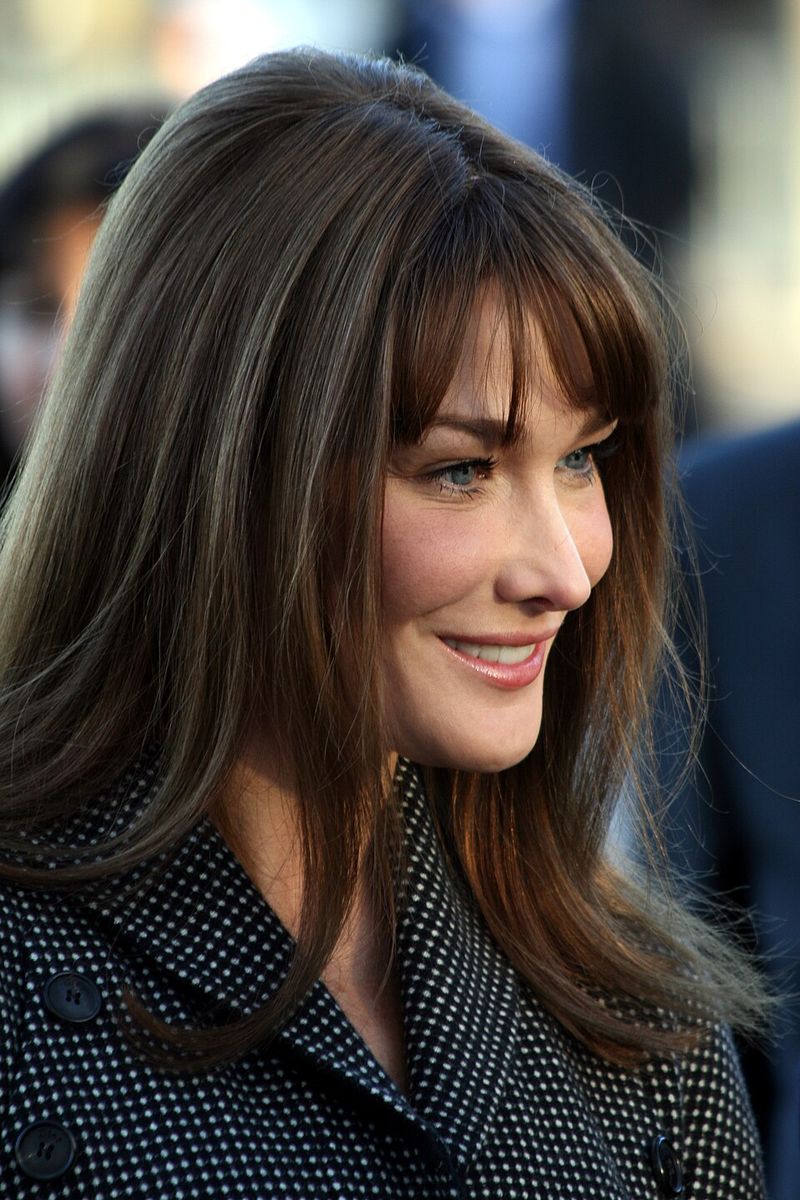
Carla Bruni, former First Lady of France and internationally recognized model, made a bold claim: her generation simply doesn’t need feminism anymore. According to Bruni, the rights her generation enjoys were largely already established, making the movement feel outdated to her personally.
Critics pushed back hard, pointing out that equality gaps still exist worldwide in wages, safety, and representation.
However, Bruni’s perspective reflects a common generational gap in how women experience and define progress. Growing up surrounded by privilege and opportunity can genuinely shift how someone perceives ongoing struggles.
Her viewpoint is controversial, sure, but it also opens up important conversations about whose reality shapes our understanding of equality.
13. Joni Mitchell
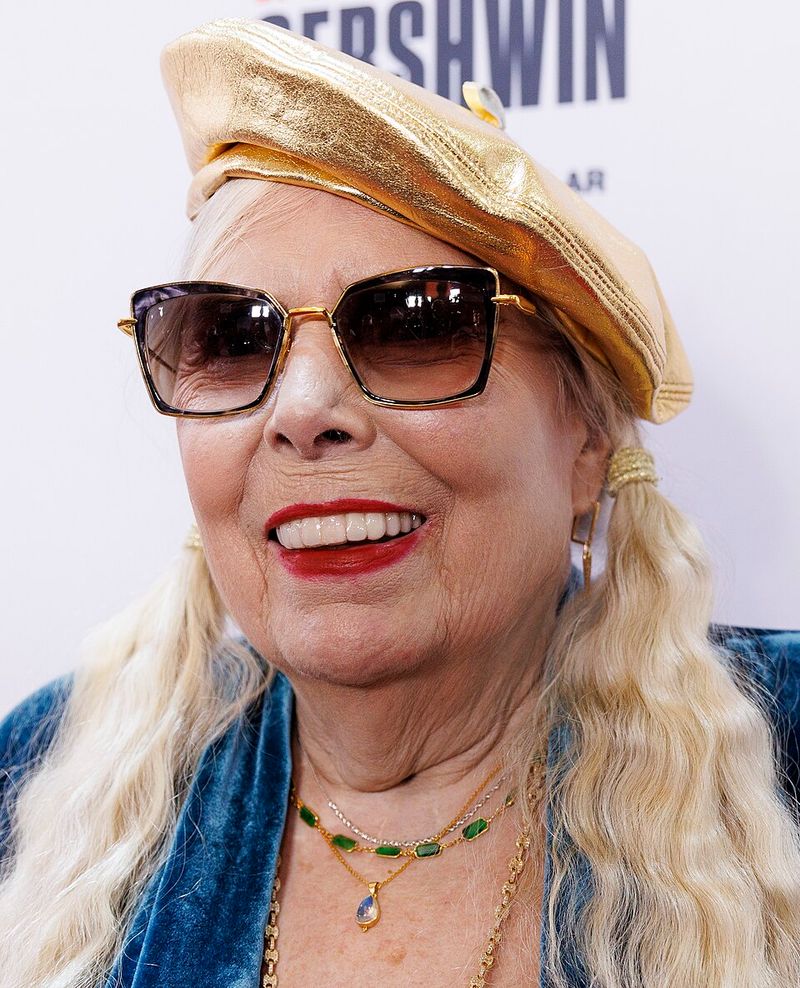
Folk music legend Joni Mitchell didn’t just sidestep the feminist label, she fired back at the movement itself. Mitchell famously called feminism “masculinism in disguise,” arguing that the movement was pushing women to adopt male values rather than celebrating a truly different kind of strength.
Coming from someone who built an entire career on emotional honesty and artistic independence, the critique carries real weight.
Mitchell has always marched to her own rhythm, so rejecting a mainstream movement isn’t surprising. Her critique echoes Evangeline Lilly’s concern but goes further, suggesting the movement itself needed rethinking.
Whether you agree or not, Joni Mitchell has never once played it safe.
14. Lisa Vanderpump
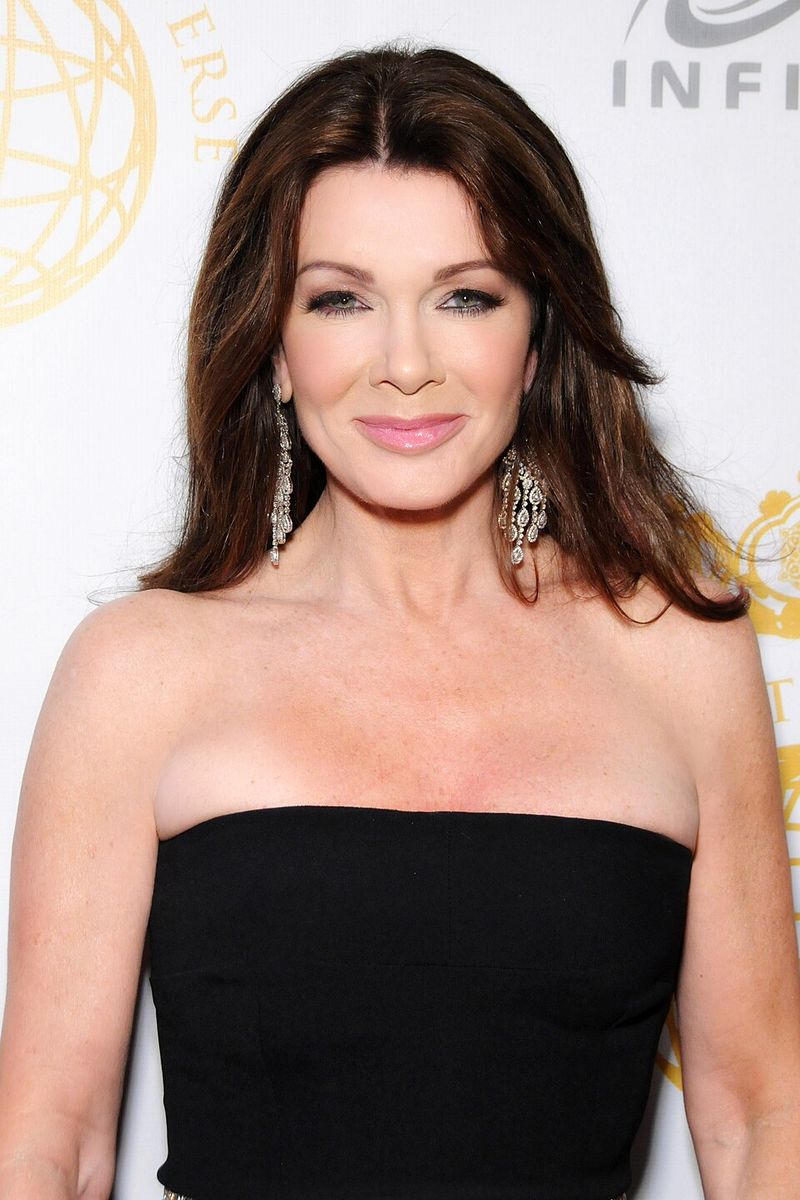
Reality television star and restaurateur Lisa Vanderpump prefers the word “equalist” over feminist, and she’s pretty clear about why. Equality, in her view, means no single gender gets a spotlight at the expense of another.
Simple math, really.
Vanderpump believes men and women are equal partners and sees no reason to use a label that sounds like it prioritizes women over men, even if that’s not always the intent.
Her stance is shared by plenty of people who support equal rights but feel uneasy about language that sounds one-sided. Equalism as an identity is gaining traction beyond just celebrities, and Vanderpump is one of its most vocal, sparkly advocates.
15. Kim Kardashian
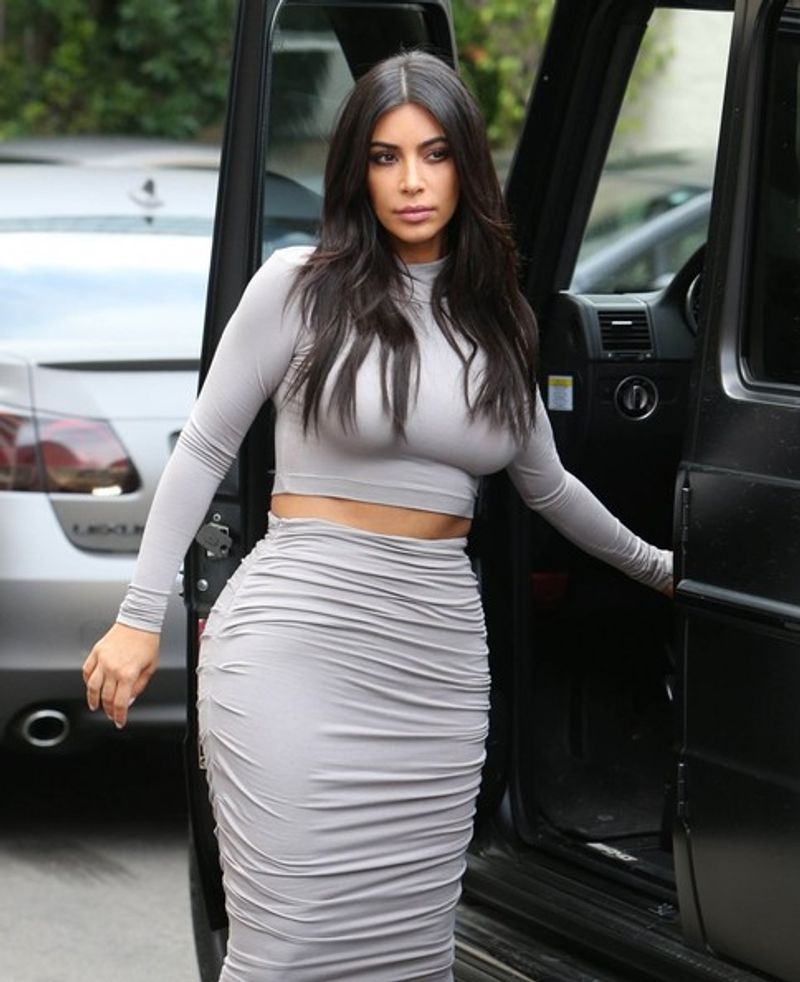
Labels in general make Kim Kardashian uncomfortable, and feminism is no exception. Kardashian has said she doesn’t identify as a feminist because she prefers to focus on doing what makes her happy and supporting women without needing a specific title to define it.
For someone who built a billion-dollar brand largely on her own terms, the anti-label stance makes a certain kind of sense.
Supporting women through action, business opportunities, and public platforms is something Kardashian does regularly. Whether a label is necessary to validate that support is a genuinely interesting question.
Sometimes the most powerful statement is simply refusing to let anyone else hand you your identity.