Celebrities Who Are Also Medical Professionals
Hollywood auditions usually do not ask for a stethoscope, yet a few stars showed up with one anyway.
Before red carpets and punchlines, some celebrities were memorizing anatomy charts, pulling all-nighters in labs, and actually earning the right to say, “Trust me, I’m a doctor.” Fame came later, but the degrees stayed real.
These stories prove that saving lives and stealing scenes are not mutually exclusive, and that career plans can take some truly wild detours.
1. Ken Jeong
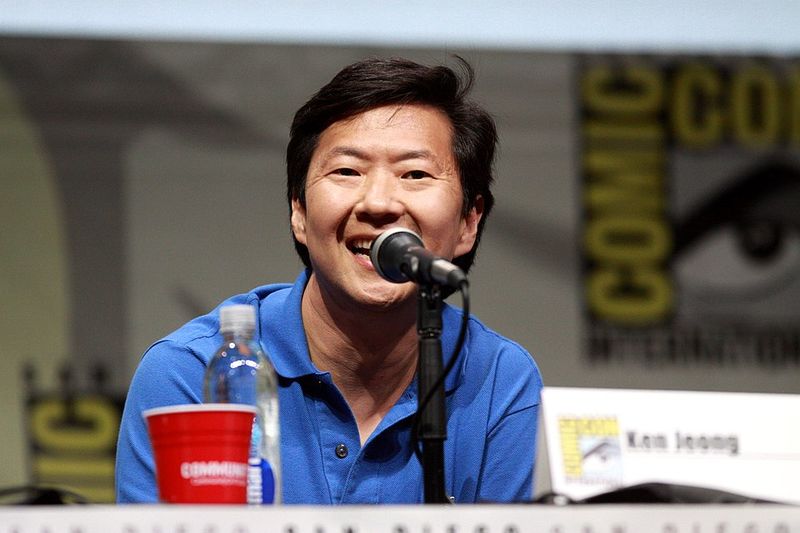
Hospital scrubs came off just in time for stand-up sets under club lights later that same night. For years, Ken Jeong balanced medicine and comedy long before Hollywood noticed.
Medical training included an M.D. from the University of North Carolina at Chapel Hill and completing a residency in internal medicine.
Daytime hours belonged to patients, while after-hours energy went into comedy routines shaped by exhaustion and adrenaline.
Everything shifted once a breakout role in The Hangover landed, even as medical experience continued to influence timing, perspective, and nerve.
2. Dr. Mehmet Oz
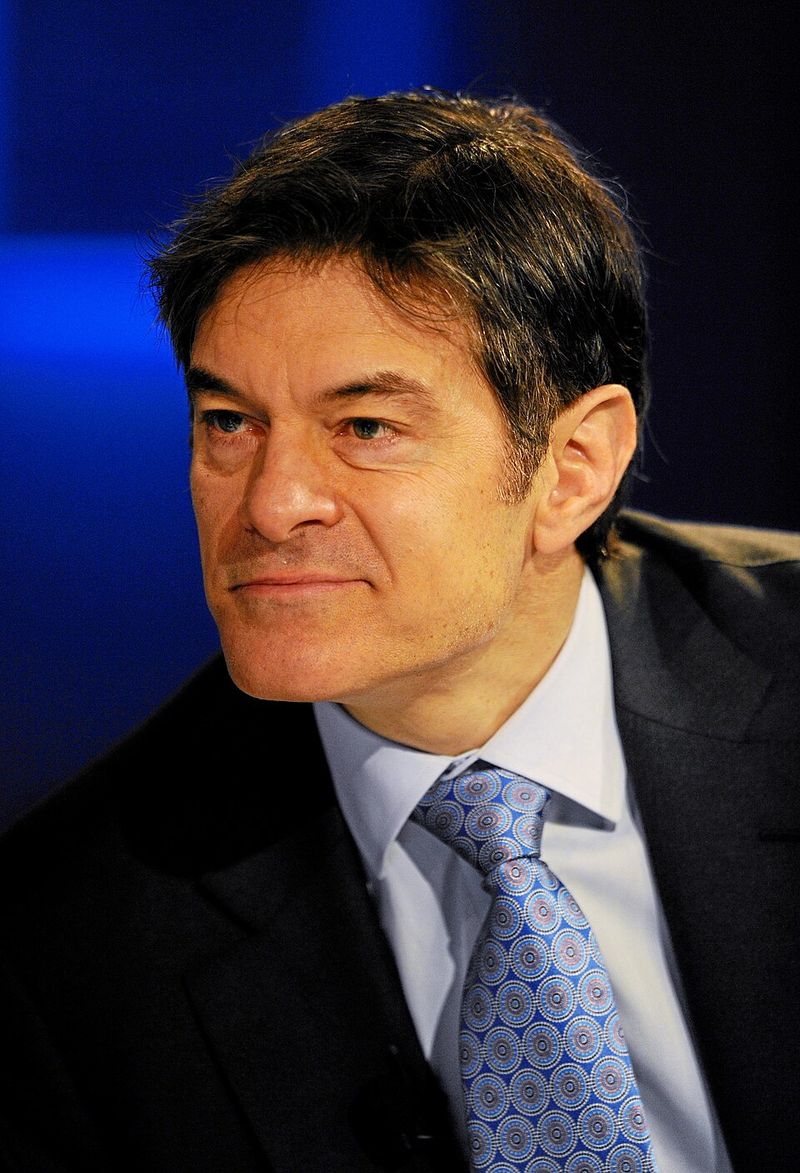
Morning coffee often pairs with a familiar face offering medical advice on television. Long before daytime fame, Mehmet Oz built credibility as a respected cardiothoracic surgeon.
A long career in cardiothoracic surgery and academic medicine came well before cameras entered the operating room.
Living rooms across America later became classrooms, as medical topics shifted into everyday conversation.
Complex health ideas felt approachable through casual explanations, turning discussions of diet trends and surgical advances into must-see television.
3. Dr. Sanjay Gupta
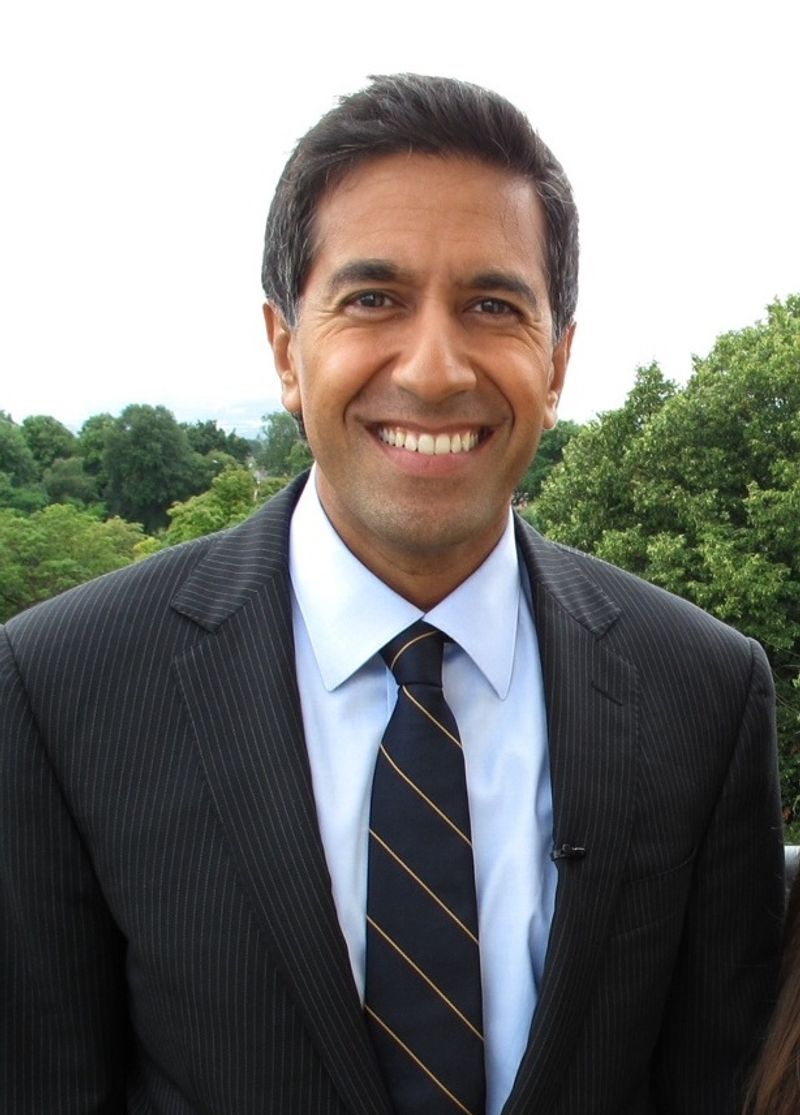
One day involves delicate brain surgery, the next brings live reporting on breaking health news. That unusual balance defines the work of Sanjay Gupta, who serves as chief medical correspondent for CNN while continuing to practice neurosurgery.
His reporting has included conflict zones and disaster sites, and he has described providing emergency medical assistance during assignments.
During major health crises, clear explanations reached millions, helping complex situations feel understandable rather than overwhelming. Handling a scalpel and a microphone demands rare focus, and both roles come across with remarkable ease.
4. Dr. Drew Pinsky
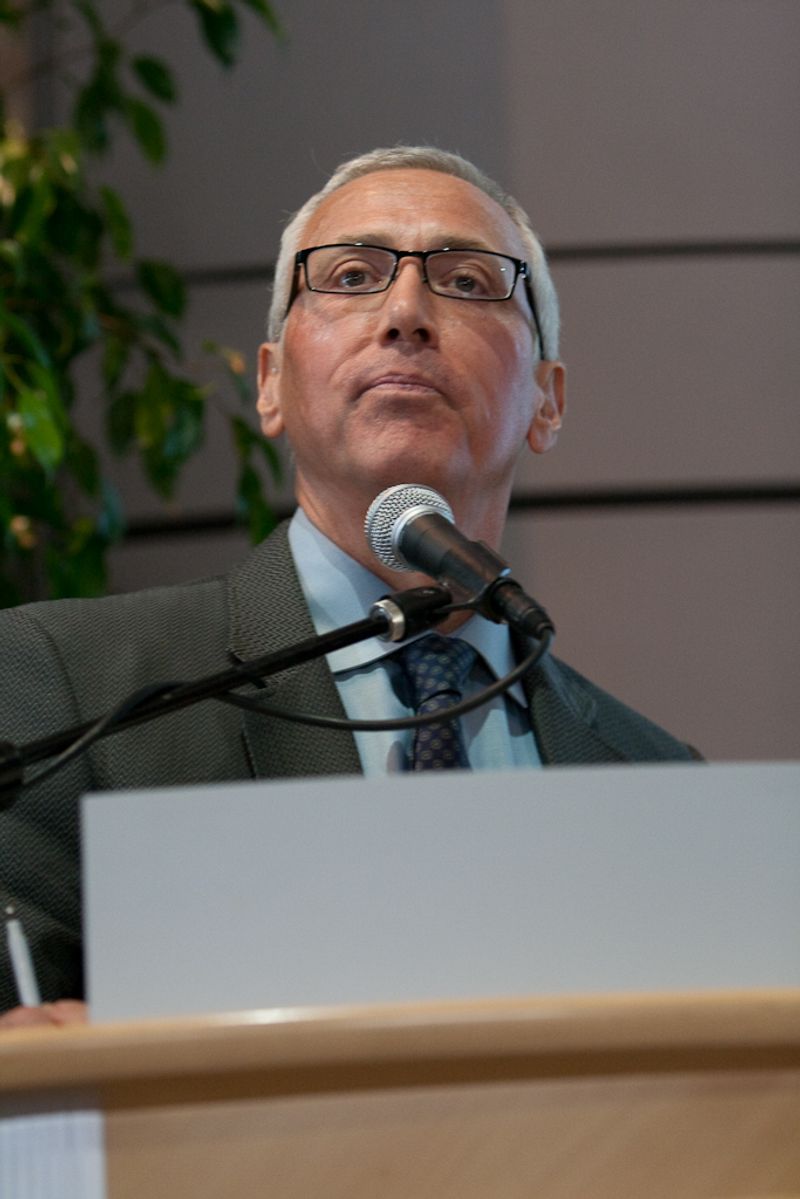
Late-night radio once buzzed with teenagers calling in for advice.
Dr. Drew Pinsky answered those calls while working as a board-certified internist and addiction medicine specialist.
His radio show “Loveline” became legendary for mixing medical facts with real talk about tough topics. He turned awkward health questions into teachable moments, reaching young people who might never visit a doctor’s office.
His warm, nonjudgmental approach made medicine feel accessible and human.
5. Deepak Chopra
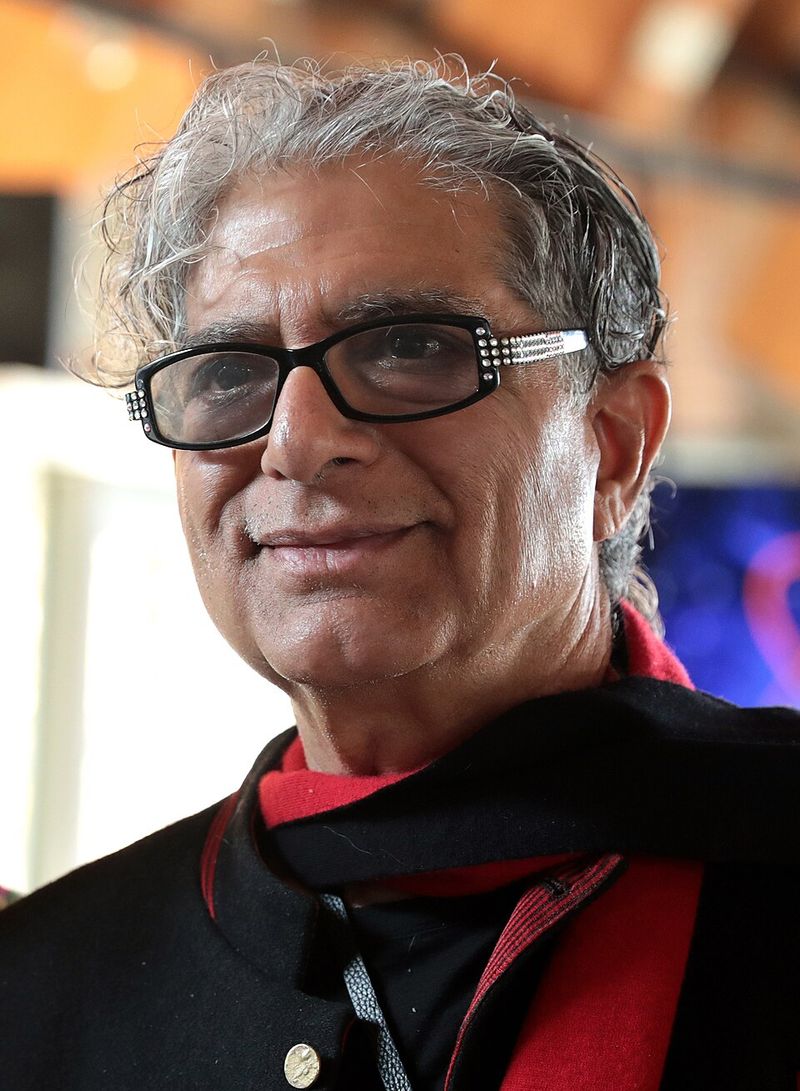
Bedside stacks often reveal an interest in mind–body wellness and self-reflection.
Before global fame arrived, Deepak Chopra earned a medical degree and built a career grounded in conventional practice.
Training as an endocrinologist came first, followed by years spent working within Western medicine.
Curiosity eventually pushed that foundation toward a blend of modern science and ancient healing traditions. Agreement varies widely, yet a clinical background adds undeniable context to the philosophy he promotes.
6. Doctor Mike (Mikhail Varshavski)
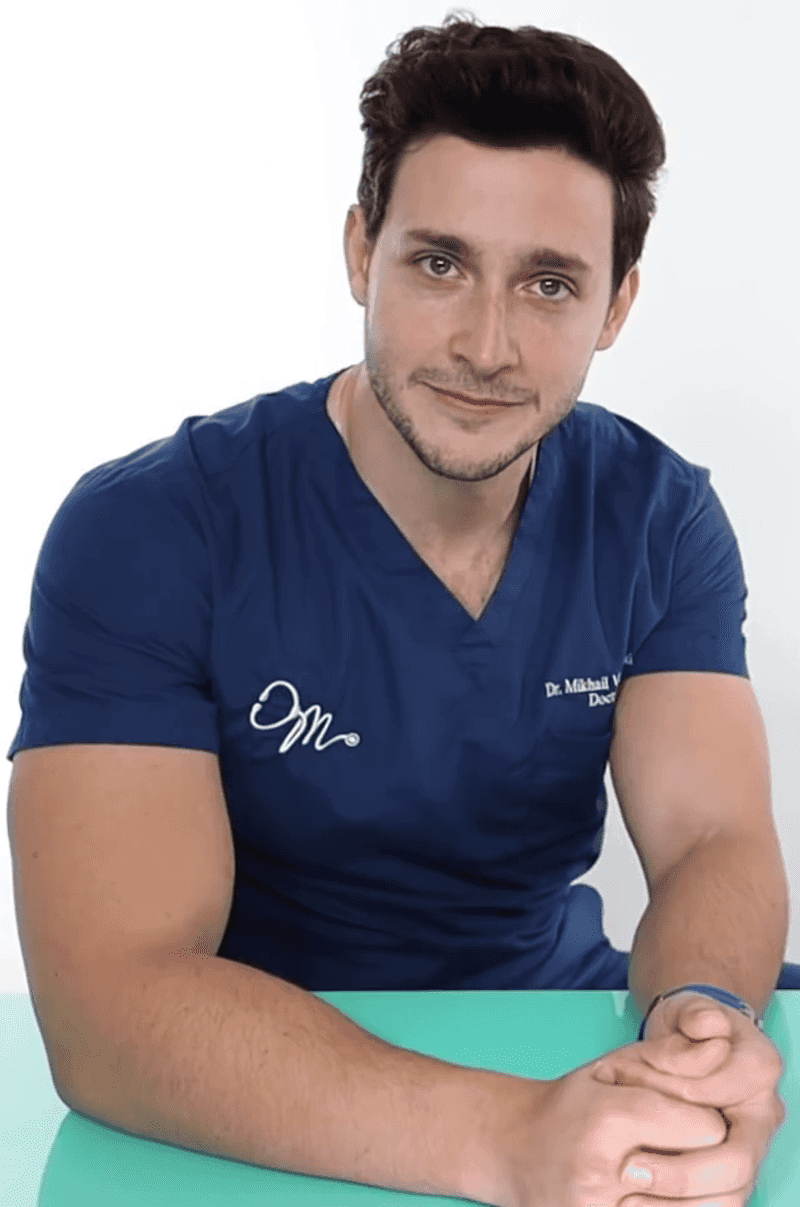
Social media feeds occasionally pause on a doctor breaking down health myths with a husky lounging nearby. Behind that viral presence sits Doctor Mike, who built an online following while continuing work as a board-certified family medicine physician.
Clear explanations turn complex medical topics into content that feels approachable rather than intimidating. Debunking wellness fads and walking viewers through routine checkups share equal screen time.
Millions stick around because the advice lands like guidance from a well-informed friend who happens to hold a medical degree.
7. Bassem Youssef
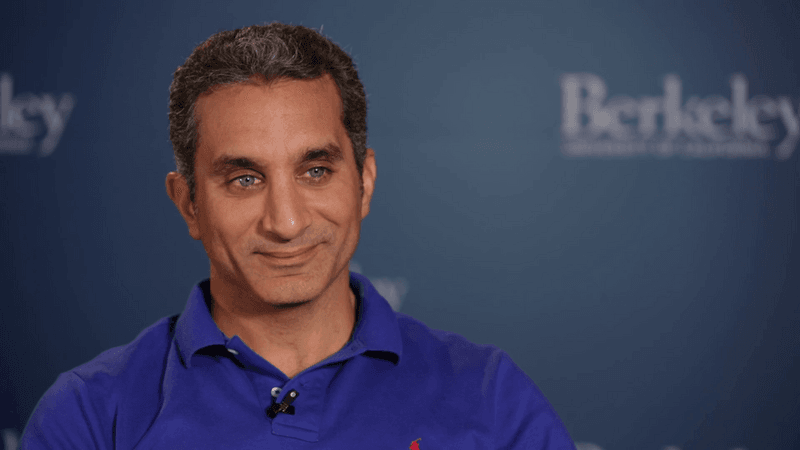
Political satire rarely feels connected to an operating room. Long before television fame, Bassem Youssef trained in cardiothoracic surgery in Egypt.
Heart surgeries filled his days until the Arab Spring reshaped circumstances and redirected his path.
That turning point led to a groundbreaking satirical show that earned him comparisons to Jon Stewart across the Middle East.
Medical training carried over in unexpected ways, sharpening precision and critical thinking used to dissect politics with surgical accuracy.
8. Harry Hill (Matthew Hall)
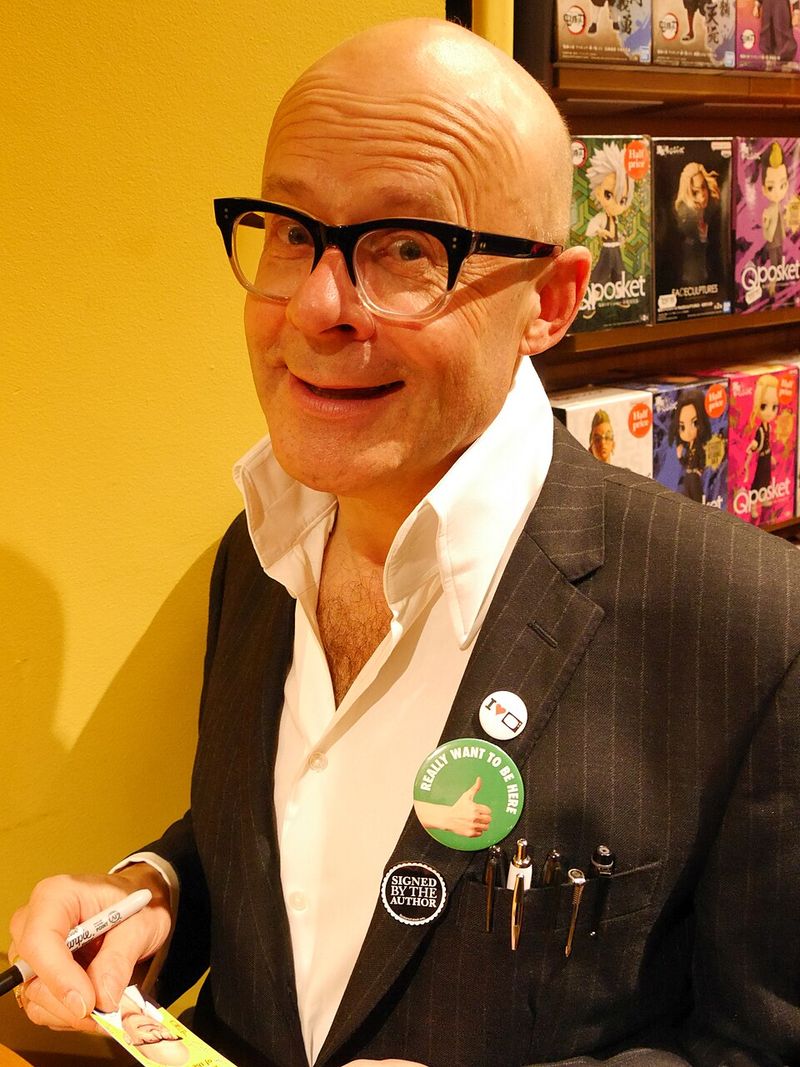
Oversized glasses and absurdist timing signal a familiar presence to British comedy fans. Years before stage lights took over, Harry Hill qualified as a medical doctor and worked as a doctor for several years before switching full-time into comedy.
Several years passed inside hospitals before comedy ultimately claimed priority.
That background sneaks into sketches in unexpected ways, lending a peculiar edge to his humor.
Moving from examining patients to examining life’s absurdities shows how day jobs and dream jobs can pull in entirely different directions.
9. Patch Adams (Hunter “Patch” Adams)
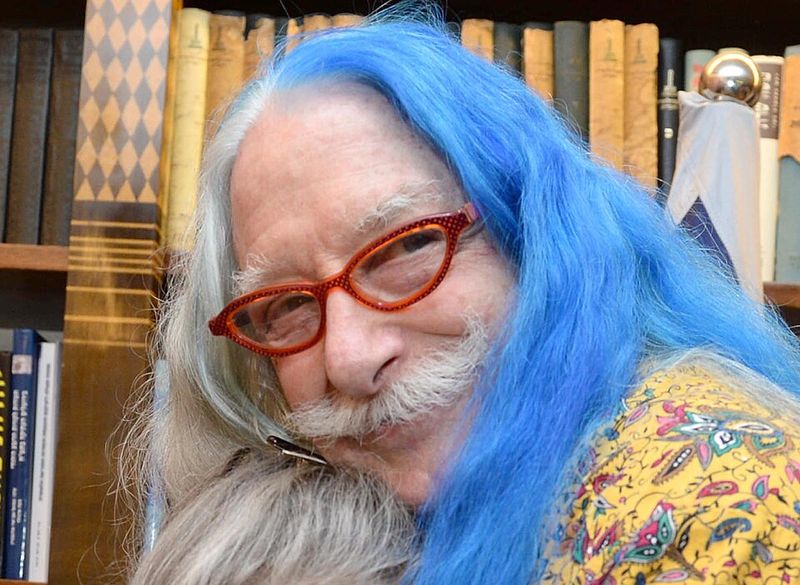
Red clown noses inside hospital rooms tend to stop people in their tracks.
That unexpected image became closely tied to Patch Adams, who reshaped ideas about medical care by blending humor with compassion.
Treating patients as whole people rather than a list of symptoms sat at the heart of his philosophy.
That outlook inspired a well-known film starring Robin Williams and later led to the founding of a free hospital rooted in joy, friendship, and love. Challenging tradition came naturally, pushing the medical establishment to remember why healing mattered in the first place.
10. Michael Crichton
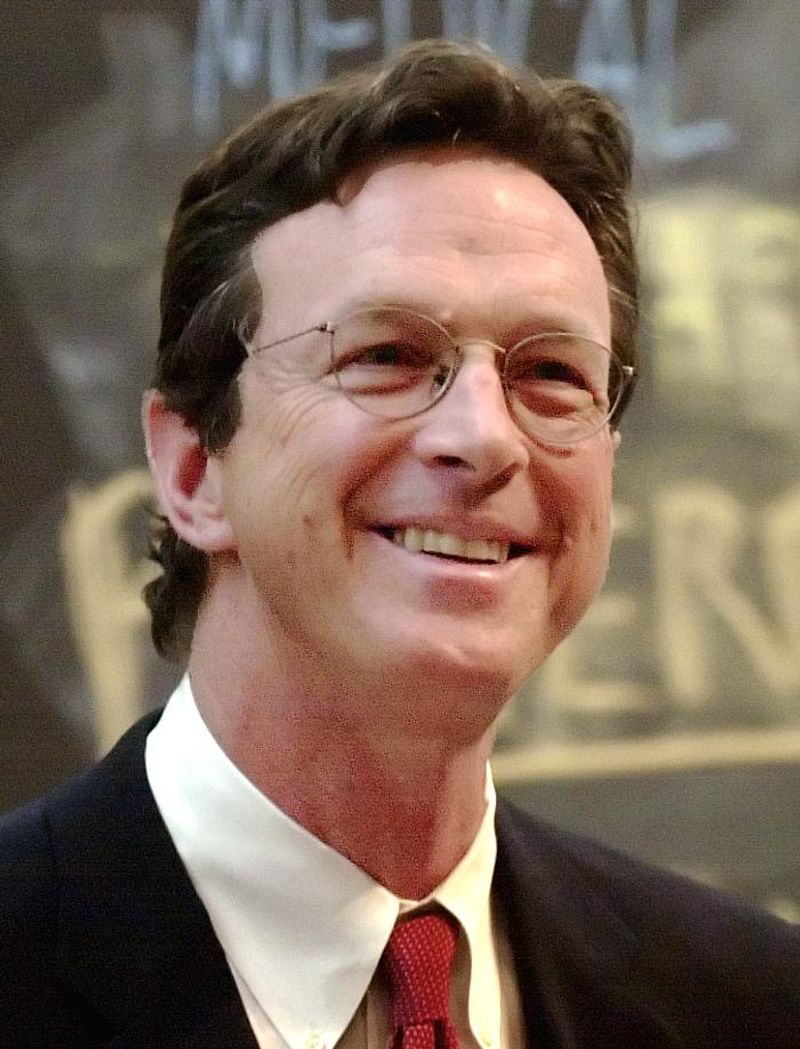
Dinosaurs running wild through a theme park came from the mind of a Harvard-trained physician. Michael Crichton earned his medical degree but chose writing and filmmaking over practicing medicine.
His medical knowledge infused his thrillers with scientific credibility that made impossible scenarios feel terrifyingly real.
From “Jurassic Park” to creating the TV series “ER,” his medical background shaped his storytelling. He proved that a doctor’s understanding of science and human nature creates unforgettable fiction.
11. Graham Chapman
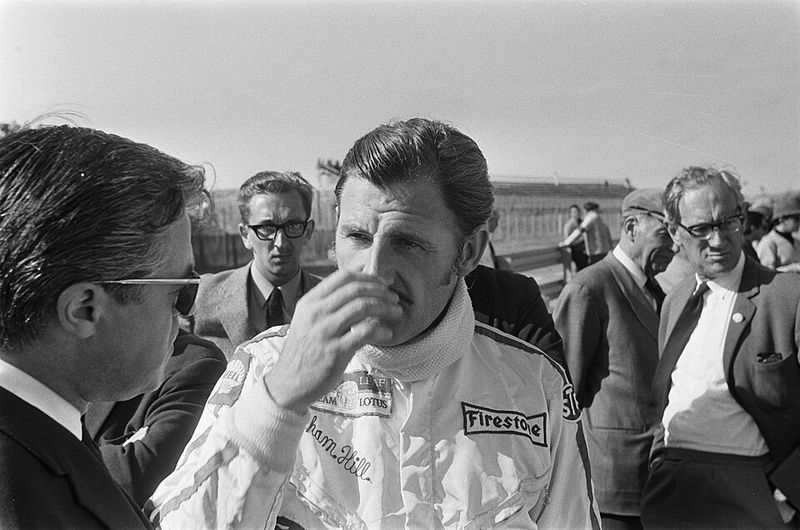
Absurdist sketches from Monty Python feel galaxies away from medical school corridors. Long before comedy took over, Graham Chapman studied medicine, completed his studies at St Bartholomew’s, and became professionally registered as a doctor before choosing comedy.
Medical training occasionally slipped into Python material, sharpening jokes with an extra edge of intelligent nonsense.
Credentials in healthcare coexisted with writing some of television’s most influential comedy.
Movement from hospital wards to “The Ministry of Silly Walks” proves serious training can lead to outcomes that are seriously funny.
12. Dr. Ranj Singh
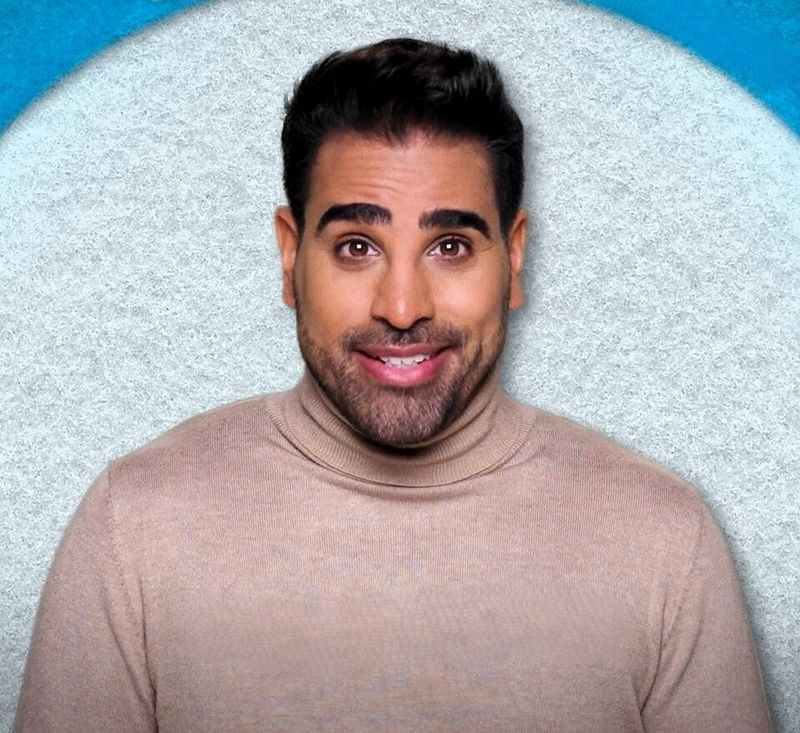
Morning television across Britain often features a doctor who makes pediatric emergency care feel calm and accessible.
Alongside those appearances, Ranj Singh continues working as a pediatric emergency medicine specialist.
Colorful energy and plainspoken advice help parents understand childhood health concerns without tipping into panic. Hospital shifts treating children flow directly into studio time spent explaining common issues to millions of viewers.
That dual role shows how medical skill and media presence can work together to make healthcare feel less frightening for families everywhere.
Note: This article is provided for general informational and entertainment purposes and summarizes publicly available biographical details about well-known figures with medical training or professional medical credentials.