Critically Acclaimed Feature Films Under 90 Minutes
Great storytelling doesn’t always need a marathon runtime to hit hard.
Some of the most unforgettable films wrap up in under 90 minutes, proving tight pacing can pack just as much emotional and cinematic punch.
Silent-era gems, bold indies, and powerful documentaries alike show that short and impactful can go hand in hand.
Disclaimer: This article is for general informational and entertainment purposes.
16. City Lights (1931, 87 Minutes)
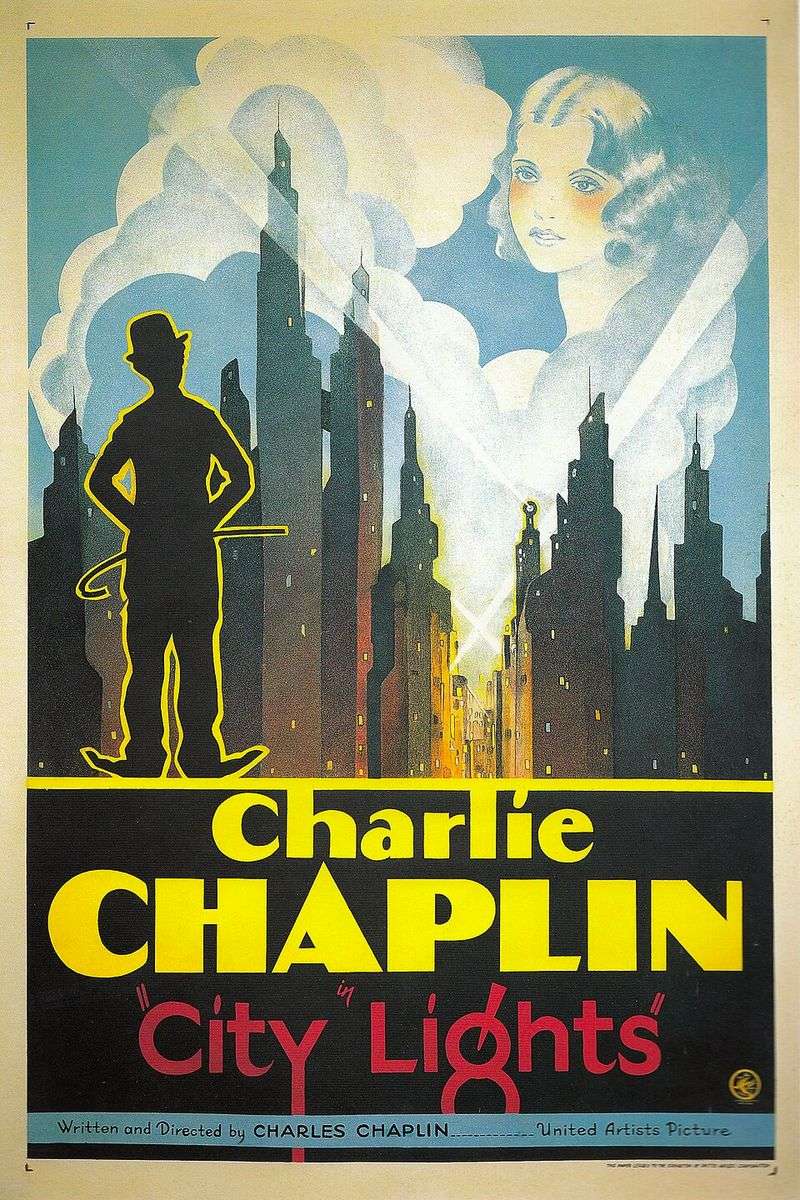
Few films tug at the heartstrings quite like this silent masterpiece.
Story follows the lovable Tramp as he falls for a blind flower seller and befriends a millionaire with a serious memory problem. Slapstick comedy blends with genuine emotion, delivering moments that make you laugh and cry within seconds.
An iconic final scene stands among cinema’s most moving moments, showing that words are not always needed to express deep feeling. Anyone who loves classic Hollywood needs this gem in their viewing history.
15. Modern Times (1936, 87 Minutes)
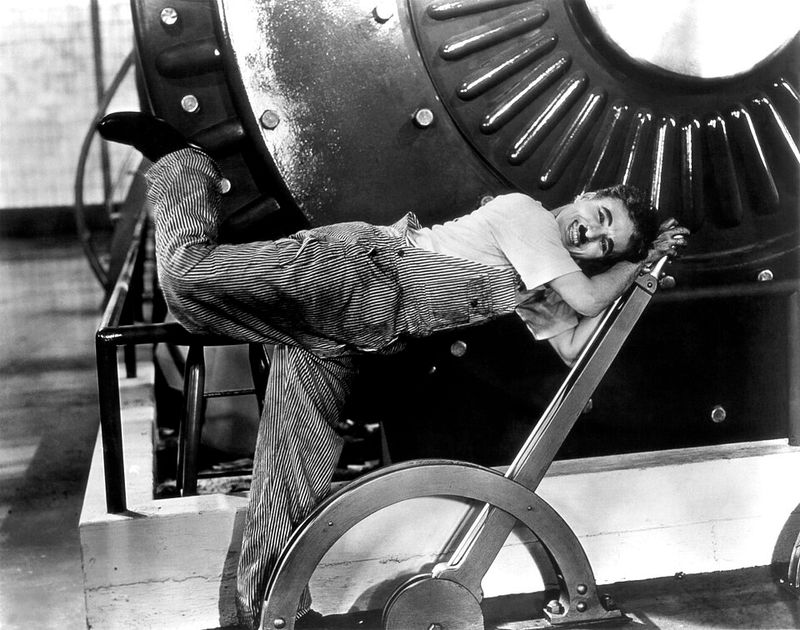
Chaplin strikes again with a hilarious commentary on industrial society and factory life. The Tramp struggles to survive in a mechanized world where humans become cogs in massive machines.
Watch him get literally swallowed by factory gears in one of the most memorable sequences ever filmed.
Released during the Great Depression, the film resonated deeply with audiences facing economic hardship. Chaplin’s physical comedy shines throughout, especially during the assembly line scenes that still feel relevant when your own workday gets overwhelming.
14. The Kid (1921, 68 Minutes)
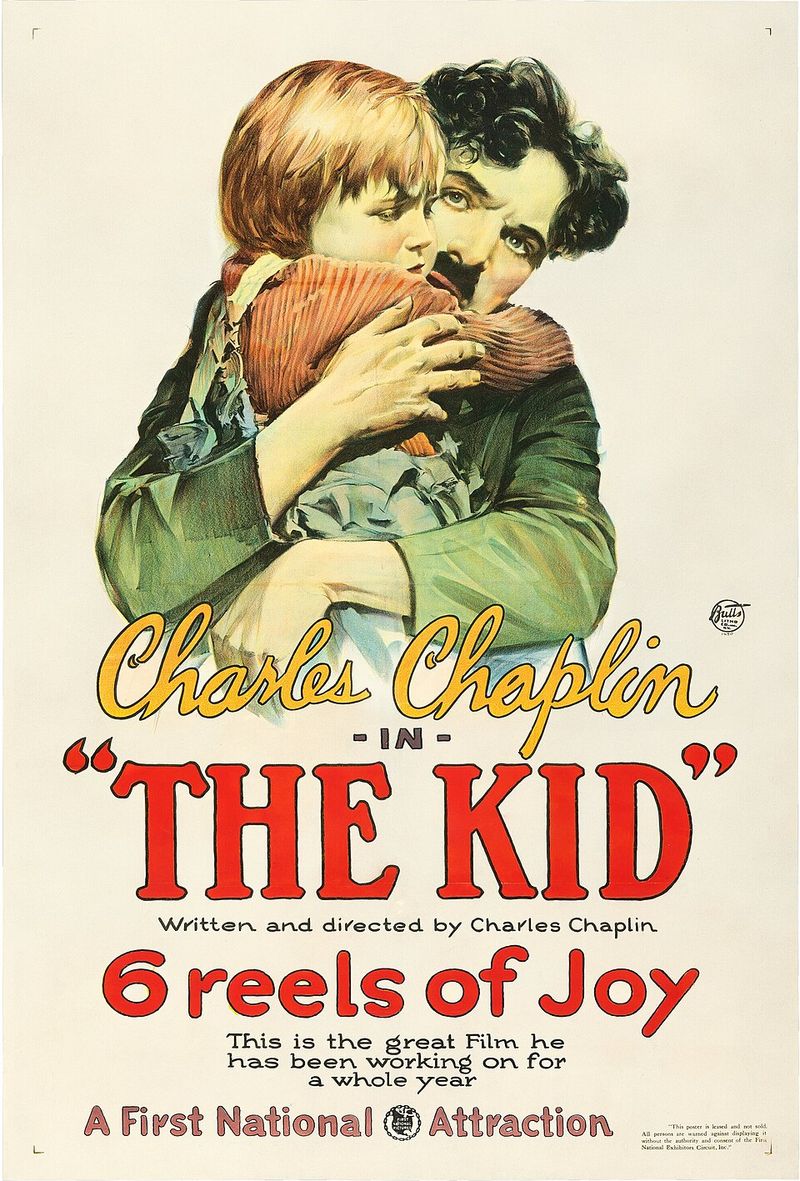
What happens when a tramp discovers an abandoned baby?
Chaplin explores that premise in his first feature-length film, blending comedy with moments of genuine heartbreak.
The Tramp raises a foundling child for five years, building an unlikely yet deeply moving father-son bond. Young Jackie Coogan gives a performance so strong it stands shoulder to shoulder with Chaplin’s.
Emotional weight hits hardest in scenes where separation threatens to tear them apart, making their connection feel tender, real, and unforgettable.
13. Sherlock Jr. (1924, 45 Minutes)
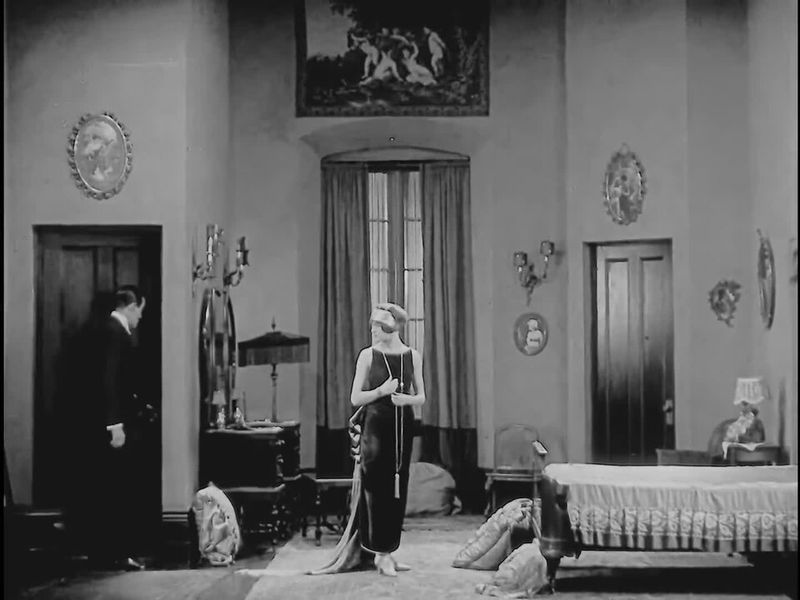
Buster Keaton performs jaw-dropping stunts that seem impossible even by today’s standards.
A movie projectionist dreams himself into the film he’s showing, creating mind-bending scenes where reality and cinema blur together.
Keaton jumps through a movie screen and navigates constantly changing backgrounds in sequences that influenced filmmakers for generations. The famous motorcycle scene, where Keaton rides handlebars without realizing the driver fell off, showcases his fearless commitment to comedy.
12. The General (1926, 79 Minutes)
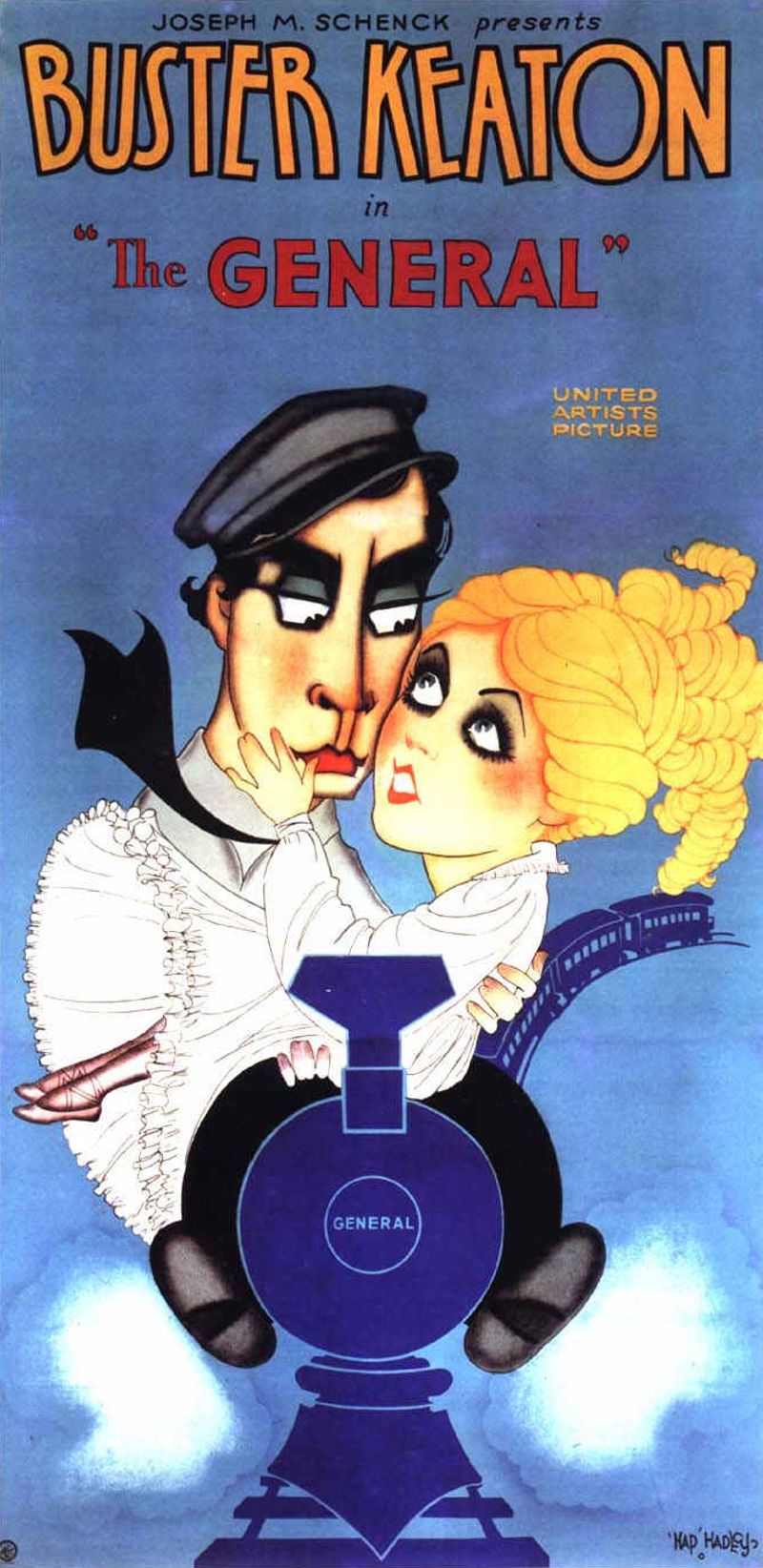
Keaton outdoes himself with a Civil War comedy packed with real trains and sweeping action. A determined Confederate train engineer races to rescue both his stolen locomotive and his girlfriend from Union soldiers.
One of silent cinema’s most expensive shots appears here, featuring a real train crashing through a burning bridge into a river.
Early critics brushed it aside, yet modern audiences recognize the film’s brilliance. Chase sequences still feel exhilarating, blending physical comedy with real suspense that keeps every moment unpredictable.
11. Battleship Potemkin (1925, About 72–75 Minutes)
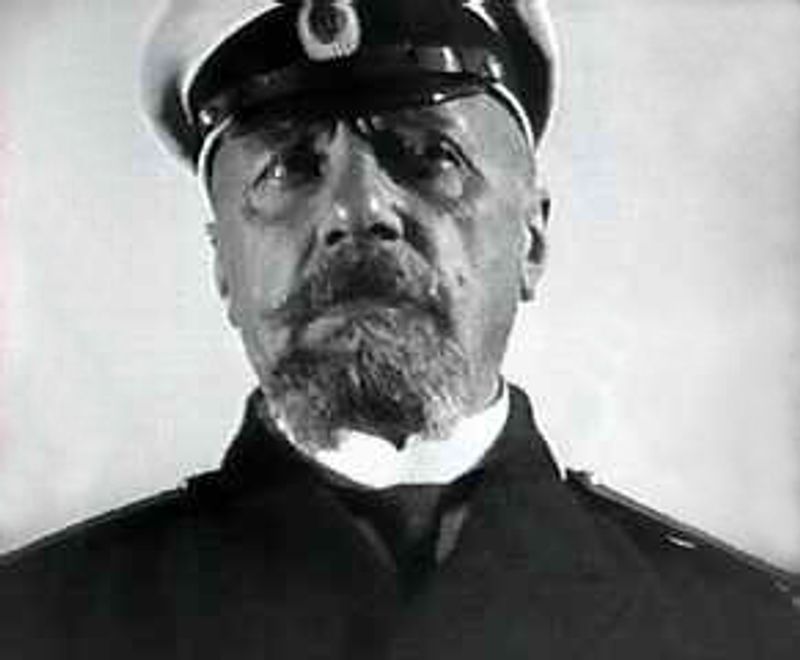
Eisenstein changed film editing forever with this Soviet masterpiece centered on a naval mutiny.
One sequence on the Odessa Steps became among the most imitated moments in cinema history.
Soldiers march down what feels like endless stairs while civilians run in terror, building unbearable tension through rapid cuts and striking camera angles. Film schools still analyze montage techniques introduced here, methods that reshaped how stories unfold on screen.
Originally created as propaganda, artistic achievement rose above politics and continues to inspire directors around the world.
10. The Cabinet Of Dr. Caligari (1920, About 74–81 Minutes)
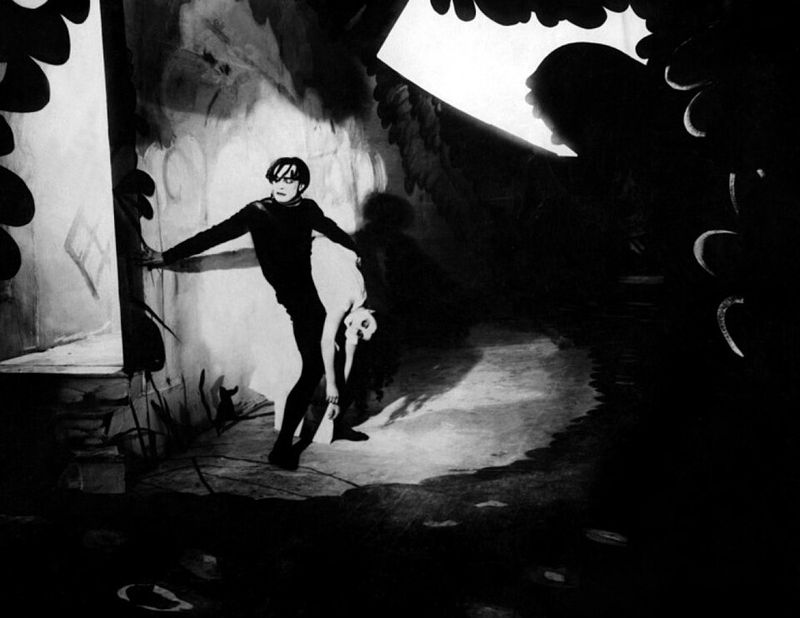
German Expressionism gets wonderfully weird in this horror landmark with twisted sets and painted shadows. A mysterious hypnotist uses a sleepwalker to commit murders in a small town, but nothing is quite what it seems.
The distorted architecture and sharp angles create an unsettling dreamlike atmosphere.
Directors from Tim Burton to Guillermo del Toro cite its influence on their visual styles. The shocking twist ending pioneered narrative techniques that countless thrillers would later borrow for their own stories.
9. The Passion Of Joan Of Arc (1928, 82 Minutes)
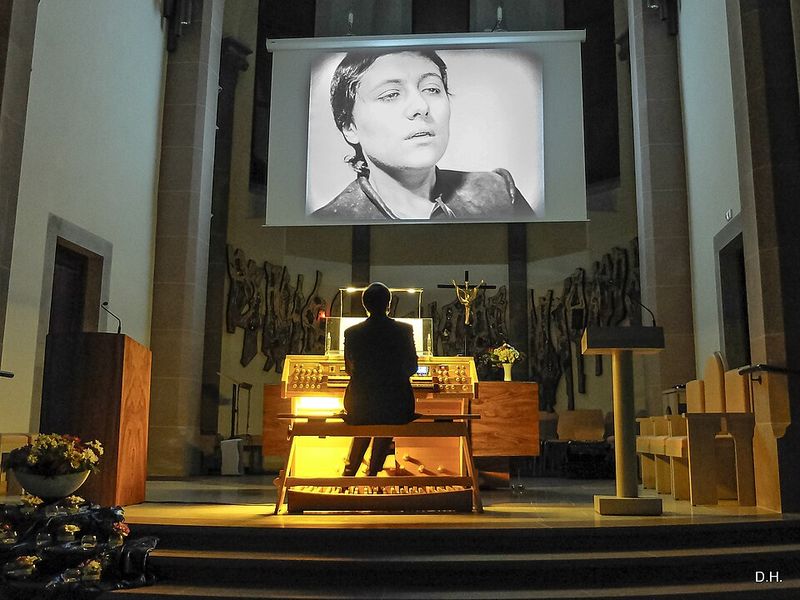
Falconetti delivers what many consider the most powerful performance ever captured in silent cinema.
Director Carl Theodor Dreyer filmed almost entirely in extreme close-ups, forcing viewers to witness Joan’s trial and execution with intense, almost uncomfortable intimacy. Every subtle movement of Falconetti’s face conveys anguish, faith, and defiance without a single spoken word.
Original print was destroyed in a fire, yet a complete version turned up decades later in the closet of a Norwegian mental institution. That extraordinary discovery helped restore one of film history’s true masterpieces.
8. Man With A Movie Camera (1929, 68 Minutes)
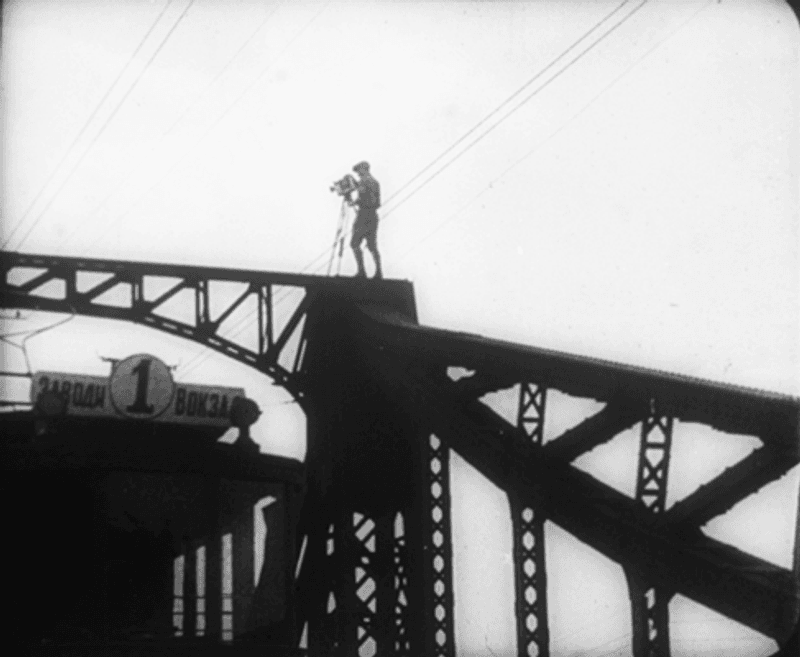
Few experimental documentaries feel as modern as this groundbreaking work from the silent era.
No actors, no script, no intertitles, just pure cinema observing a day in Soviet city life with restless energy and curiosity.
The camera turns into the true star, splitting screens, speeding up, slowing down, and pulling off visual tricks that highlight the full range of filmmaking possibilities. A goal to create a universal cinematic language drove Vertov’s approach, pushing beyond traditional storytelling.
Musicians and DJs still craft new soundtracks for this endlessly fascinating visual symphony, proving its influence never really faded.
7. Freaks (1932, 64 Minutes)
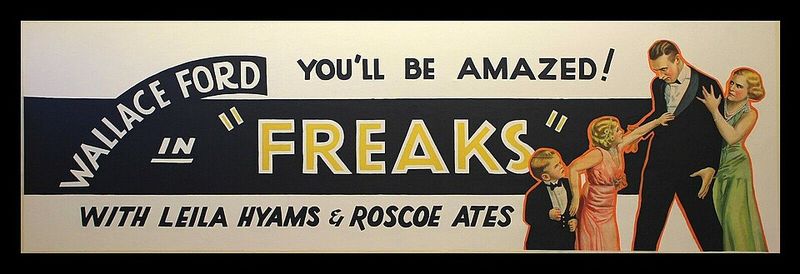
Tod Browning’s controversial circus drama employed real sideshow performers, creating an authentic but deeply unsettling experience. A beautiful trapeze artist plots to murder a little person for his inheritance, but the circus community protects its own.
The film was heavily cut after early reactions, and it faced bans and restrictions in some places, including a long UK ban that lasted until 1963.
Modern viewers appreciate how it humanizes people society marginalized while delivering genuine horror. The chilling “one of us” chant became a cultural touchstone referenced throughout pop culture.
6. Duck Soup (1933, About 68–70 Minutes)
The Marx Brothers unleash anarchic comedy gold in their sharpest political satire.
Groucho plays Rufus T. Firefly, the newly appointed leader of Freedonia, who accidentally starts a war with neighboring Sylvania.
The famous mirror scene, where Groucho and Harpo pretend to be reflections, showcases physical comedy at its finest.
Their rapid-fire wordplay and slapstick chaos influenced everyone from Monty Python to The Simpsons.
Perfect viewing when you need a good laugh after a tough day at school or work.
5. Rashomon (1950, 88 Minutes)
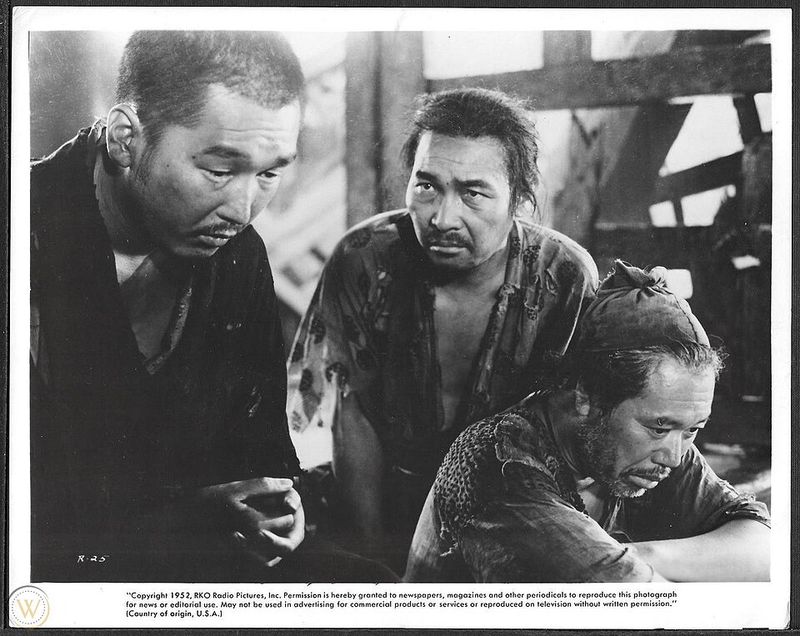
A bold storytelling experiment changed cinema by presenting the same murder from four conflicting perspectives, each one contradicting the last. Investigation into a samurai’s death unfolds through wildly different accounts, and every witness reshapes events to look more favorable.
Which version can be trusted?
Kurosawa uses that uncertainty to suggest truth itself may be impossible to pin down, an idea that went on to influence countless films and television series. “Rashomon effect” even became a common phrase for situations where people remember the same event in completely different ways based on personal bias.
4. Bicycle Thieves (1948, 89 Minutes)
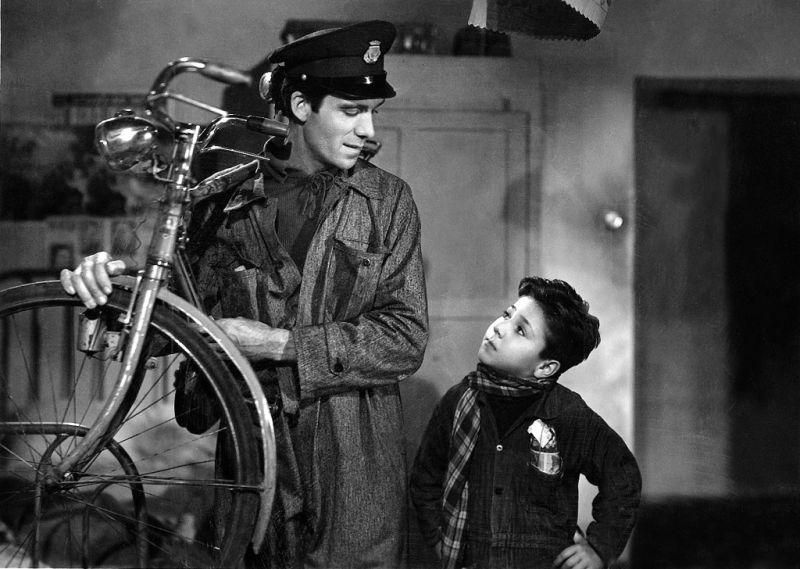
A neorealist masterpiece follows a desperate father searching post-war Rome for a stolen bicycle.
Without that bike, keeping a new job posting movie posters becomes impossible.
De Sica used non-professional actors to capture documentary-like authenticity, making every moment feel painfully real. Bond between father and son deepens as the search grows more frantic and increasingly hopeless.
Critics around the world still rank it among cinema’s greatest achievements, showing how a simple story told honestly can hit with devastating emotional force.
3. Safety Last! (1923, 73 Minutes)
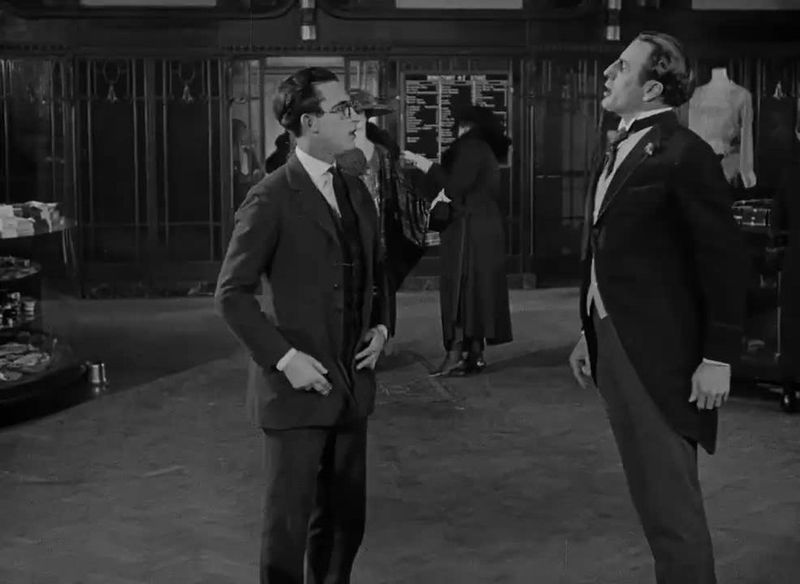
High above Los Angeles, Harold Lloyd dangles from a clock face in one of cinema’s most iconic images of daredevil comedy.
Small-town boy moves to the big city and pretends to be successful to impress his girlfriend, leading to increasingly ridiculous situations. Lloyd performed his own stunts despite missing two fingers from a previous accident, adding real risk to every laugh.
Vertigo still kicks in during the building-climb finale nearly a century later, a testament to fearless commitment to entertainment. Anyone afraid of heights might want to pick a different movie night choice.
2. Nanook Of The North (1922, 79 Minutes)
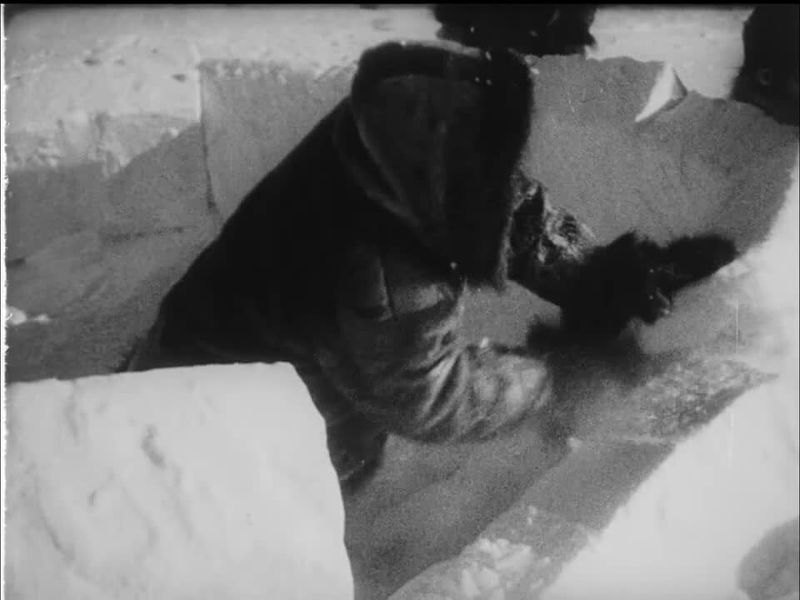
Robert Flaherty pioneered documentary filmmaking with this portrait of Inuit life in the Canadian Arctic. Nanook and his family hunt, build igloos, and survive harsh conditions that would challenge even the toughest modern adventurers.
Flaherty staged some scenes for dramatic effect, while also documenting real techniques and daily life as he understood it at the time.
Watching Nanook’s resourcefulness and humor makes you appreciate how different communities adapt to their environments in remarkable ways.
1. The Adventures Of Prince Achmed (1926, 65 Minutes)
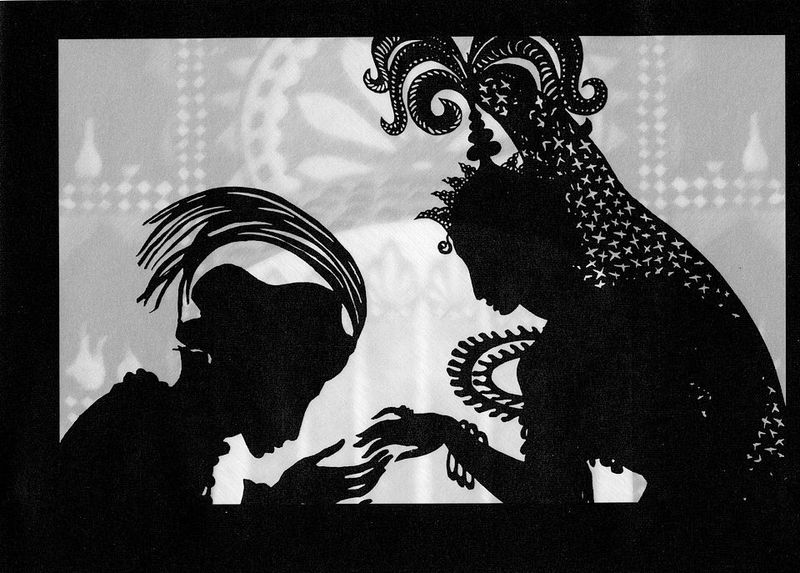
Lotte Reiniger created the oldest surviving animated feature using intricate silhouette cutouts inspired by Arabian Nights tales.
Prince Achmed battles sorcerers, rescues princesses, and flies on magical horses in a visually stunning fantasy adventure. Reiniger spent three years cutting and photographing thousands of cardboard figures frame by frame.
The technique creates an enchanting shadow-puppet aesthetic that distinguishes it from all other animation.
Its silhouette-cutout animation still looks unlike anything else from the era, and its place in animation history remains secure.