6 Dining Habits That Truly Support Restaurant Staff
Ever wonder why your server gave you that look when you snapped your fingers for the check?
Dining out should be fun for everyone, including the people bringing you your food.
Waitstaff work hard to make your meal memorable, and a little consideration goes a long way.
Follow these six simple rules and you’ll be every server’s favorite customer.
These guidelines aren’t about being perfect, they’re about making the experience smoother for everyone involved.
A little awareness can turn an ordinary meal into a genuinely pleasant outing for both diners and staff.
Disclaimer: These dining suggestions are based on common industry etiquette and general courtesy practices shared by hospitality workers.
Experiences may vary depending on restaurant type, cultural norms, and individual staff preferences.
The goal is simply to encourage respectful, enjoyable interactions for all.
1. Show Up On Time For Your Reservation
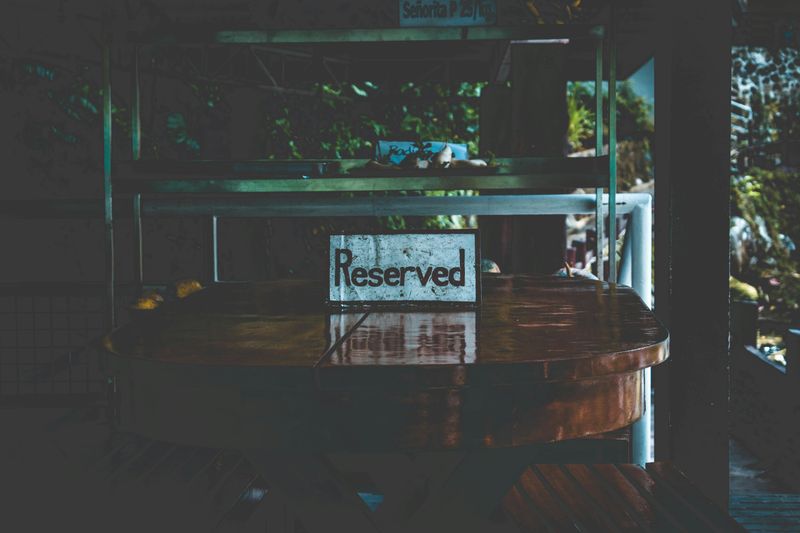
Picture this: a restaurant has planned their entire evening around your 7 PM reservation.
Tables are prepped, ingredients are ready, and your server has mentally mapped out their night.
Then you stroll in at 7:45 without a phone call. Oops.
Being late throws off the whole system like a domino effect in slow motion.
Other guests are waiting, kitchen staff are confused, and your table might have been given away.
If you made a reservation, treat it like a promise.
Life happens, and sometimes you really can’t help running behind. That’s totally okay!
Just pick up your phone and give the restaurant a quick heads up.
A simple call takes thirty seconds and saves everyone a headache.
Most places will happily hold your table if they know you’re coming.
Think of it like showing up to a friend’s house for dinner.
You wouldn’t leave them hanging without a text, right?
The same courtesy applies at restaurants.
Punctuality shows respect for the staff’s time and effort.
Plus, arriving on time means you get to enjoy your meal without feeling rushed.
Win-win for everyone involved!
2. Keep Special Requests Reasonable
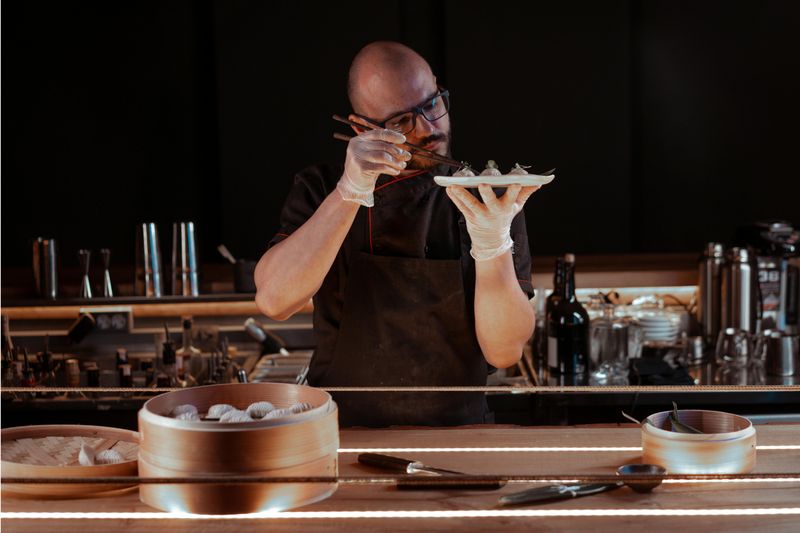
Chefs spend hours, sometimes years, perfecting their recipes.
Each dish on the menu represents their creative vision and expertise.
So when you ask to completely rebuild a meal, it’s like asking Michelangelo to repaint the Sistine Chapel in neon colors.
Allergies and dietary restrictions are absolutely valid, and good restaurants will accommodate them.
That’s different from demanding seventeen modifications because you saw something on a cooking show once.
Swapping fries for a salad? Totally fine.
Asking for sauce on the side? No problem at all.
But requesting a burger without the bun, the meat, the toppings, and instead adding pasta with seventeen substitutions?
That’s a whole different recipe.
Complicated requests slow down the kitchen and stress out the entire staff.
Your server has to relay your novel-length order, the chef has to decode it, and everyone else’s food gets delayed.
If you have genuine dietary needs, communicate them clearly and politely.
Most restaurants are happy to help.
But if nothing on the menu works for you without major surgery, maybe that restaurant isn’t the right fit.
Respecting the menu shows you value the chef’s work.
And trust me, your food will taste better when it’s prepared the way it was meant to be!
3. Learn The Secret Language Of Silverware
Here’s a superpower you probably didn’t know you had: talking to your server without saying a word. Sounds like telepathy, right?
It’s actually just silverware placement, and it’s pure magic for waitstaff.
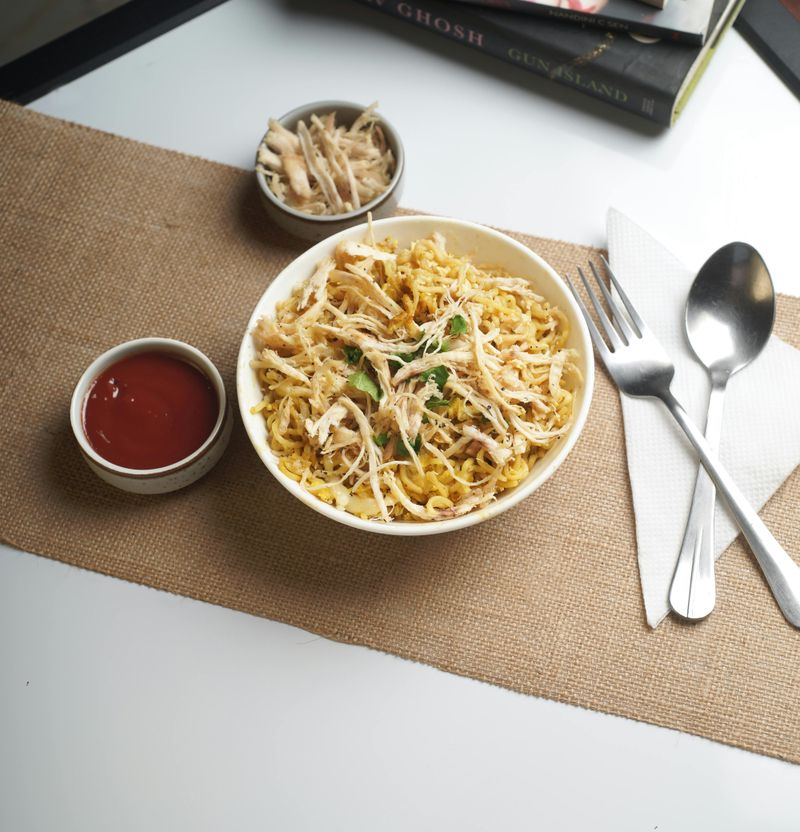
When you’re done eating, place your fork and knife parallel to each other on your plate with the handles pointing to four o’clock.
This simple gesture tells your server you’re finished and ready for the plate to be cleared.
No awkward hovering, no interrupting your conversation to ask if you’re done.
It’s like a secret code that makes everything smoother.
On the flip side, if you’re still eating but taking a break, cross your utensils on the plate or rest them on opposite sides.
This signals you’re not finished yet.
Your server won’t swoop in and grab your plate mid-bite.
Fun fact: this tradition comes from fancy European dining etiquette that’s been around for centuries.
Pretty cool that something so old-school still works today!
Learning this tiny trick shows you’re thoughtful and aware.
Servers absolutely notice and appreciate it.
Plus, it makes you look like a dining pro who knows their stuff.
Next time you finish your meal, try it out.
Watch how smoothly your server clears your plate without even asking a question!
4. Put Your Phone Away Already

Your phone is basically glued to your hand these days. We get it.
But dinner time deserves a break from the digital world.
When you’re scrolling through memes while your server is trying to describe the specials, it’s awkward for everyone.
They’re standing there like a statue, waiting for you to look up.
Nobody wins in that situation.
Keeping your phone on the table sends a message that whatever’s on that screen matters more than the people around you.
Your dining companions might feel ignored, and your server definitely notices.
Plus, you’re missing out on the whole point of eating out: connecting with people and enjoying the moment.
Social media will still be there after dessert.
That viral video can wait thirty minutes.
If you absolutely must check your phone for something urgent, excuse yourself and step away from the table.
Quick and considerate beats sitting there scrolling for twenty minutes straight.
Think about it like this: would you want to perform for someone who’s staring at their phone the whole time?
Servers are people too, and they appreciate basic attention and respect.
When you put the phone down, meals become more memorable.
Conversations flow better, food tastes better, and everyone leaves happier. Give it a try!
5. Use Your Manners Like A Superhero Uses Their Powers
Remember when your parents taught you to say please and thank you?
Turns out they were preparing you for real-life superhero training.
Politeness is your superpower in restaurants, and servers really, really appreciate it.
Snapping your fingers, waving your arms like you’re directing traffic, or yelling across the room is not the move.
Would you do that to a friend helping you out? Probably not.
Servers are humans doing a tough job, not robots programmed to respond to snaps.
A simple nod, eye contact, or a polite hand raise works perfectly when you need something.
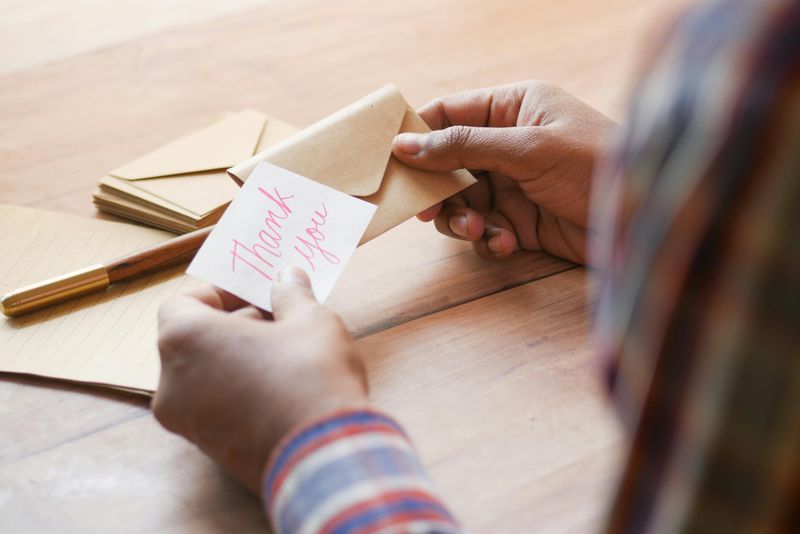
Say please when you order and thank you when your food arrives.
These tiny words make a massive difference in how you’re perceived.
You’d be amazed how many people forget basic manners the moment they sit down at a restaurant. Don’t be that person.
If something’s wrong with your order, explain it kindly instead of getting upset.
Mistakes happen, and servers usually fix them fast when you’re respectful about it.
Being rude doesn’t make your food come faster or taste better.
It just makes everyone uncomfortable and ruins the vibe.
Kindness costs nothing and pays back in better service and good karma.
Treat your server like you’d want to be treated.
Golden rule for the win!
6. Tip Like You Actually Appreciate The Service

Here’s the deal: in the United States, servers rely on tips to actually make a living.
Their base pay is often shockingly low, sometimes just a few dollars per hour.
Tips aren’t just a nice bonus; they’re essential income that pays rent and buys groceries.
The standard tip is around twenty percent of your total bill before tax.
Yes, even if the service wasn’t absolutely perfect.
Unless something was truly terrible and unfixable, tipping fairly is the right thing to do.
Servers are juggling multiple tables, dealing with kitchen delays they can’t control, and trying their best to make everyone happy.
One bad moment doesn’t erase all their hard work.
If your service was genuinely exceptional, consider tipping more.
A few extra dollars can make someone’s entire day brighter.
On the flip side, skipping the tip or leaving spare change is basically saying their work meant nothing to you. That’s harsh and unfair.
Some people argue that restaurants should just pay servers more so tipping isn’t necessary.
That’s a fair point for a different conversation.
But right now, in this system, your server is counting on that tip.
Budget for it when you decide to eat out.
If you can’t afford to tip, maybe save dining out for another time.
Being generous shows character and makes the world a little kinder!