
15 Facts About Elvis Presley, One Of Rock’s First Icons
Ladies and gentlemen, welcome the King of Rock and Roll before pop even learned how to moonwalk, Elvis Presley has officially entered the building. One swing of the hips turned polite 1950s living rooms into panic zones and made rock and roll public enemy number one for worried parents everywhere.
These fifteen facts tune the spotlight onto the legend who proved a little rhythm could shake the whole world.
Disclaimer: Content is for general informational and entertainment purposes only and is not legal, financial, medical, or professional advice.
1. Born In Tupelo, Mississippi
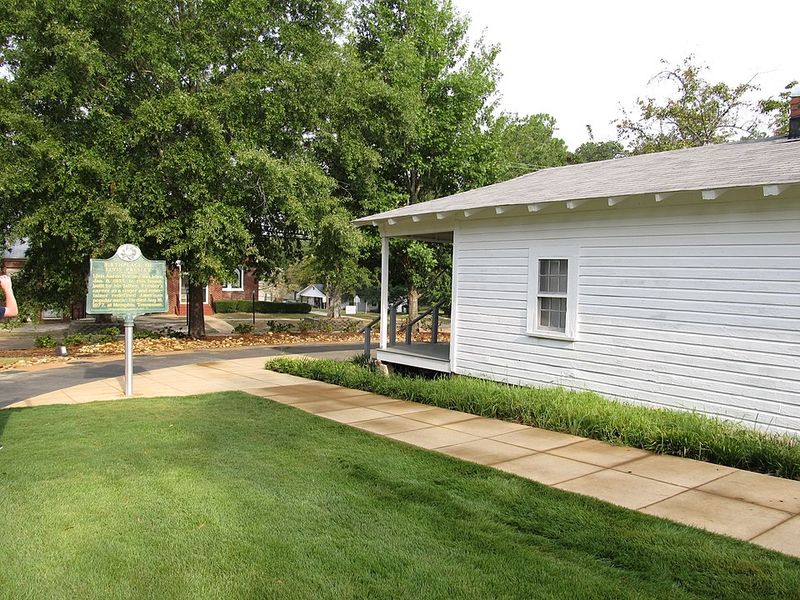
In early 1935, a baby boy arrived who would shake up the world. Elvis Aaron Presley came into life in a two-room house his father built by hand.
Hardship defined daily living, with little money and paycheck-to-paycheck stress in the poorest part of town.
Today, that tiny Tupelo home stands as a museum, reminding visitors that greatness can bloom anywhere.
That same morning brought another life event, as twin brother Jesse Garon did not survive birth, a loss that shaped Elvis throughout his life.
2. Moved To Memphis As A Teen
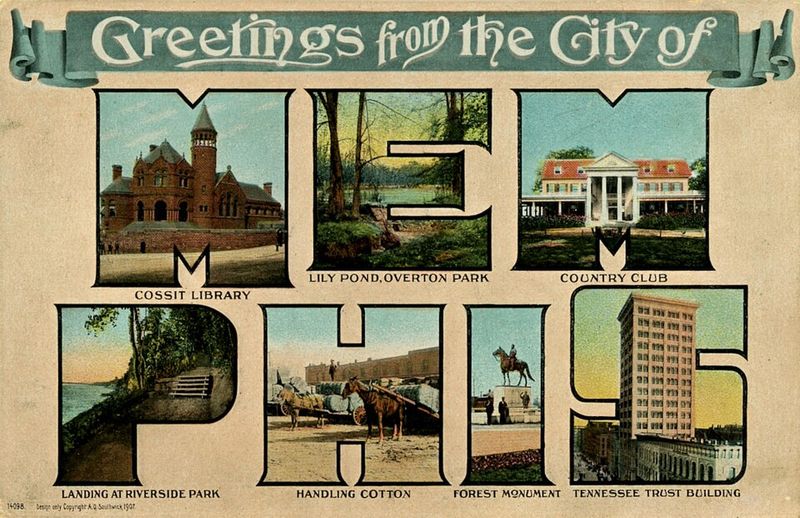
A major life change arrived in 1948 when the Presley family packed their belongings and moved north in search of opportunity. Memphis promised factory work and a fresh beginning after years of hardship in the South.
Life in public housing introduced young Elvis to a city overflowing with musical influence.
Sounds from Beale Street blues clubs and nearby gospel churches shaped an education far beyond any classroom. Graduation from Humes High School in 1953 came with dreams already fixed on a microphone and a stage of his own.
3. First Recording At Sun Records
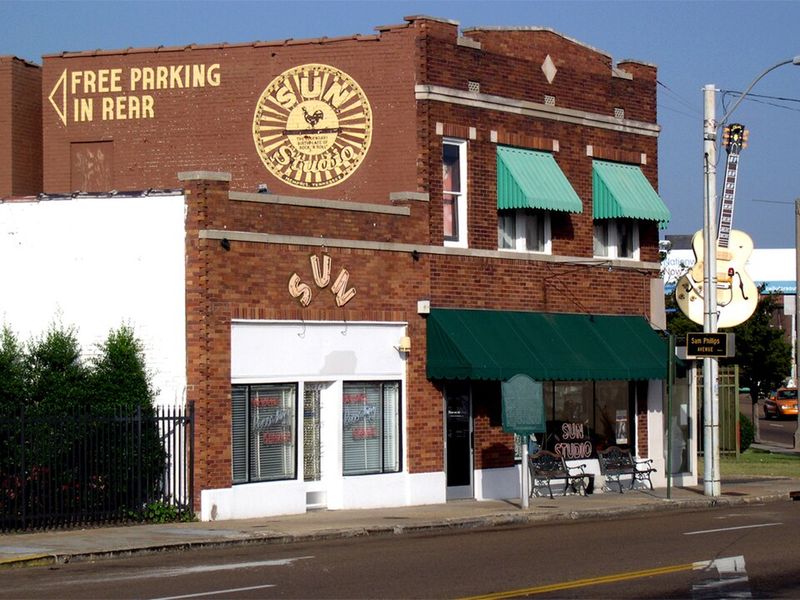
Walking into Sun Studio in 1954 felt like stepping through a magic door.
Producer Sam Phillips heard something raw and electric in the young truck driver’s voice. That summer session birthed “That’s All Right,” a song that rewrote the rulebook overnight.
The rockabilly sound mixing Black and white musical traditions sent shockwaves through radio stations. Phillips knew immediately he’d found the artist who could bring rhythm and blues to everyone.
4. Breakthrough With Heartbreak Hotel
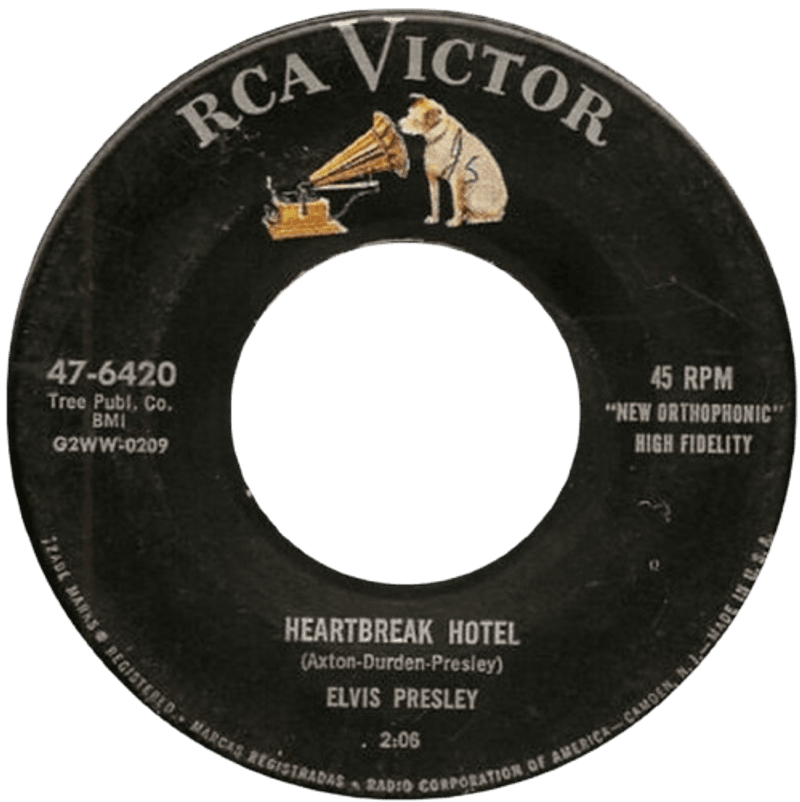
Radio stations kept the record in constant rotation after its January 1956 release.
“Heartbreak Hotel” surged to number one and introduced a brand-new superstar to the nation.
Lonely echoes and a haunting atmosphere set the song apart from everything else dominating the charts at the time. Teenagers rushed to buy the single, quickly wearing down the grooves on their record players.
Concerned parents criticized the hip-swiveling newcomer, a reaction that only fueled his growing popularity with young fans.
5. National TV Debut On Stage Show
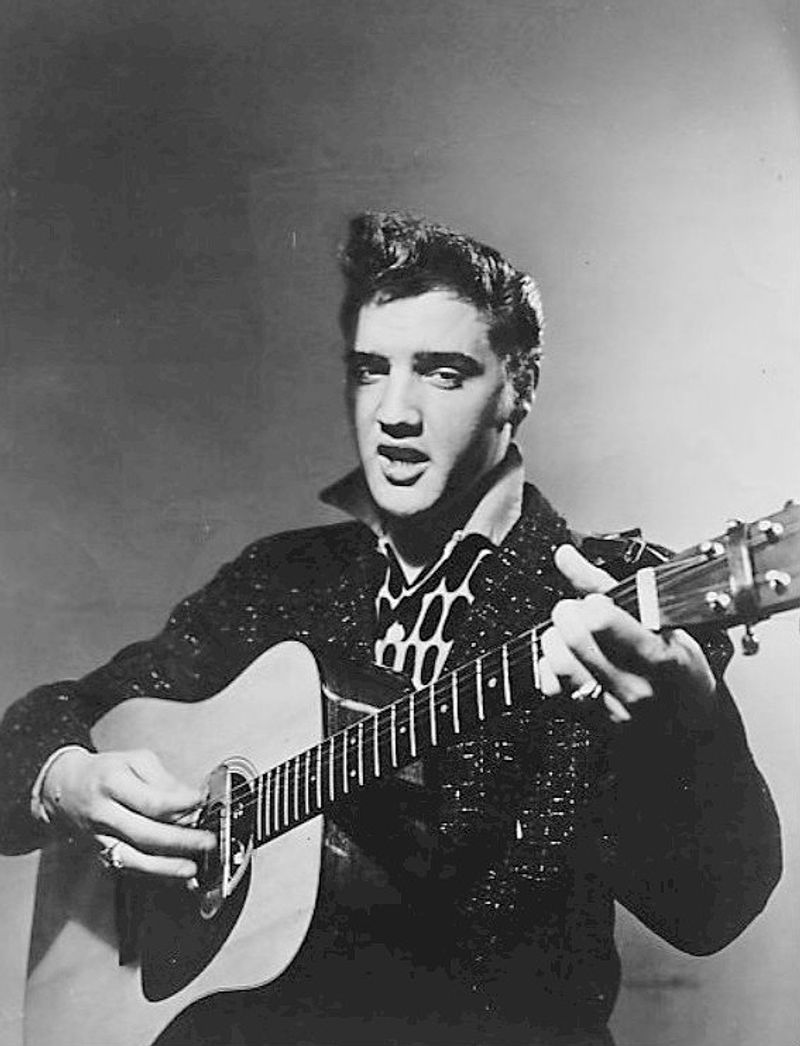
CBS cameras captured lightning in a bottle on January 28, 1956.
Stage Show gave millions their first look at the phenomenon everyone kept talking about.
His performance style shocked living rooms across America, with moves nobody had seen on family television before. Network executives fielded angry phone calls from viewers the next morning, but ratings told the real story.
More appearances followed quickly, each one cementing his status as television gold.
6. Hollywood Came Calling
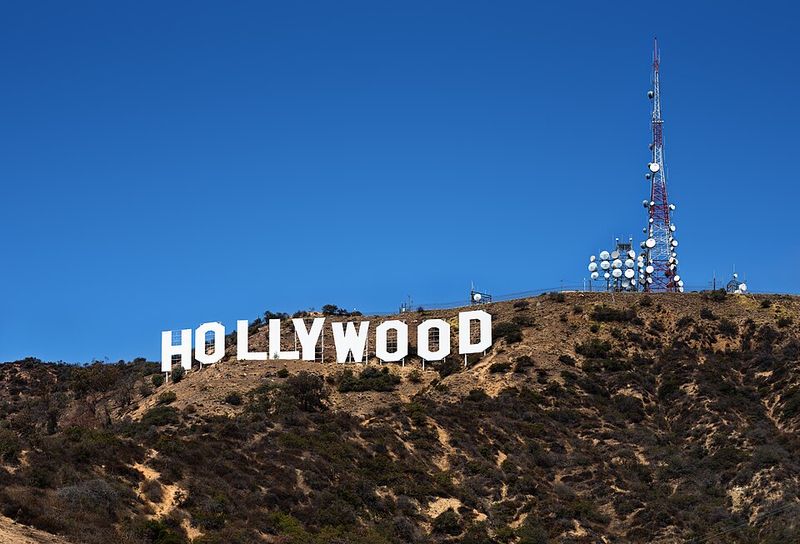
Hollywood studios quickly saw profit potential and lined up with contracts in hand.
Elvis starred in 31 feature films between 1956 and 1969, becoming a box office draw beyond his music career.
“Love Me Tender” launched his acting journey, even when critics were not always kind. Fans paid little attention to reviews when an opportunity appeared to watch an idol on the big screen.
Plenty of films highlighted his charisma even when scripts failed to shine, while soundtracks continued flying off store shelves.
7. Army Service Interrupted Stardom
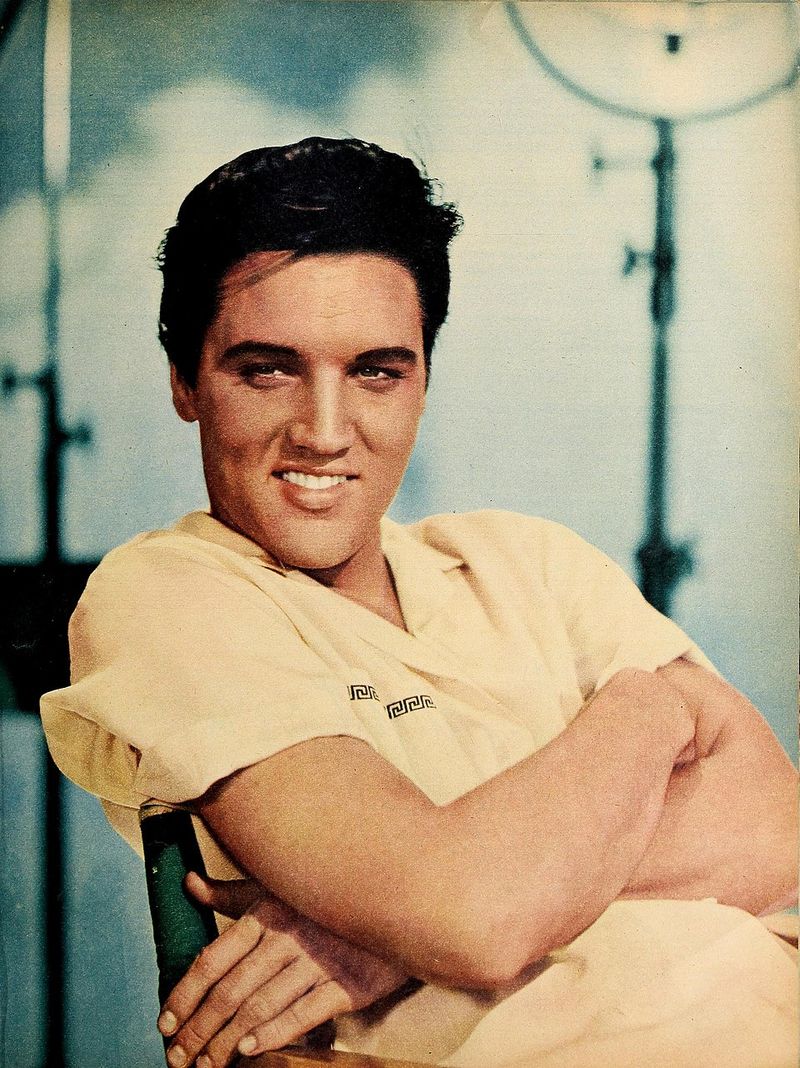
Uncle Sam showed up with a surprise plot twist in early 1958. Duty replaced spotlights as Elvis stepped forward like countless young American men, trading a guitar for a rifle.
Two years in Germany followed, where special treatment was quietly refused and respect was earned as a regular soldier.
Back home, anxious fans wondered if the world would move on without him. Public admiration only grew stronger, because his willingness to serve proved he was far more than a rebel without a cause.
8. Post-Army Chart Comeback
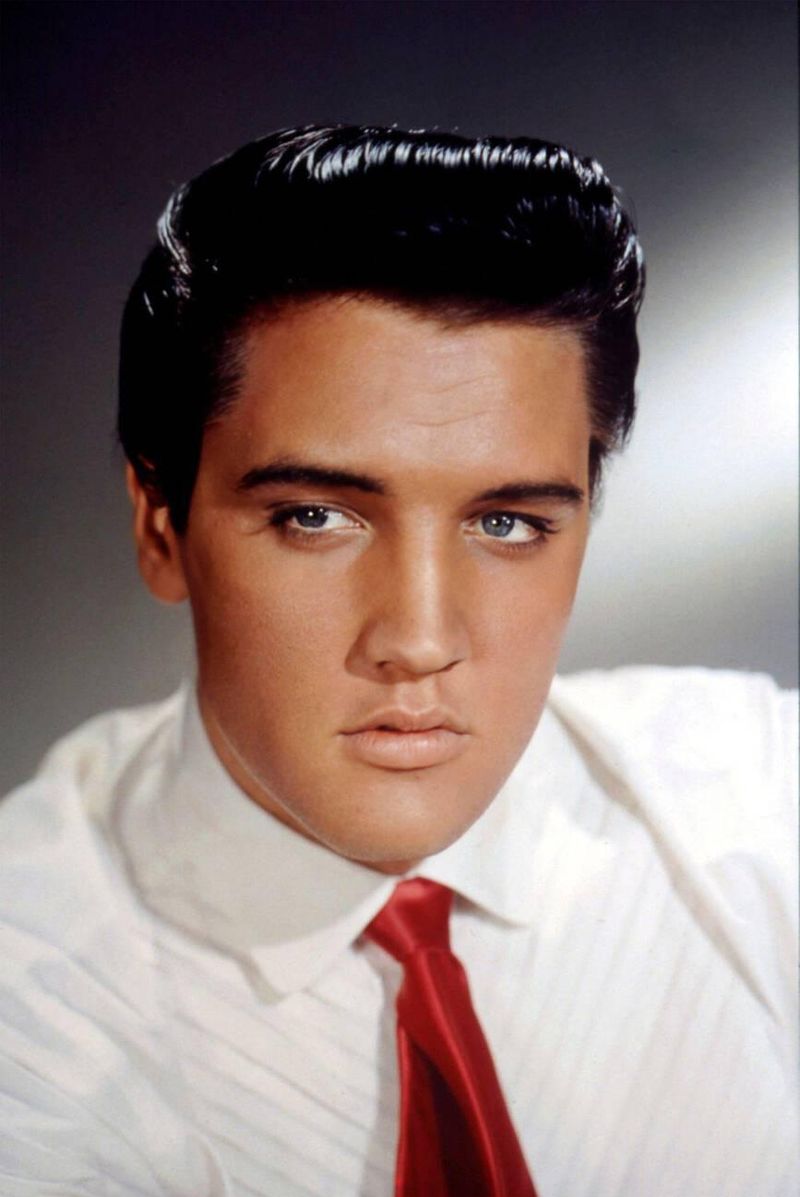
“Stuck on You” shot straight to the top of the charts in 1960, silencing any doubters. Civilian life welcomed him back with open arms and screaming fans at every appearance.
The two-year break hadn’t dimmed his star power one bit.
If anything, absence made hearts grow fonder, and record sales proved it. Radio programmers scrambled to add his new material to rotation, knowing listeners couldn’t get enough of their returning hero.
9. The ’68 Comeback Special
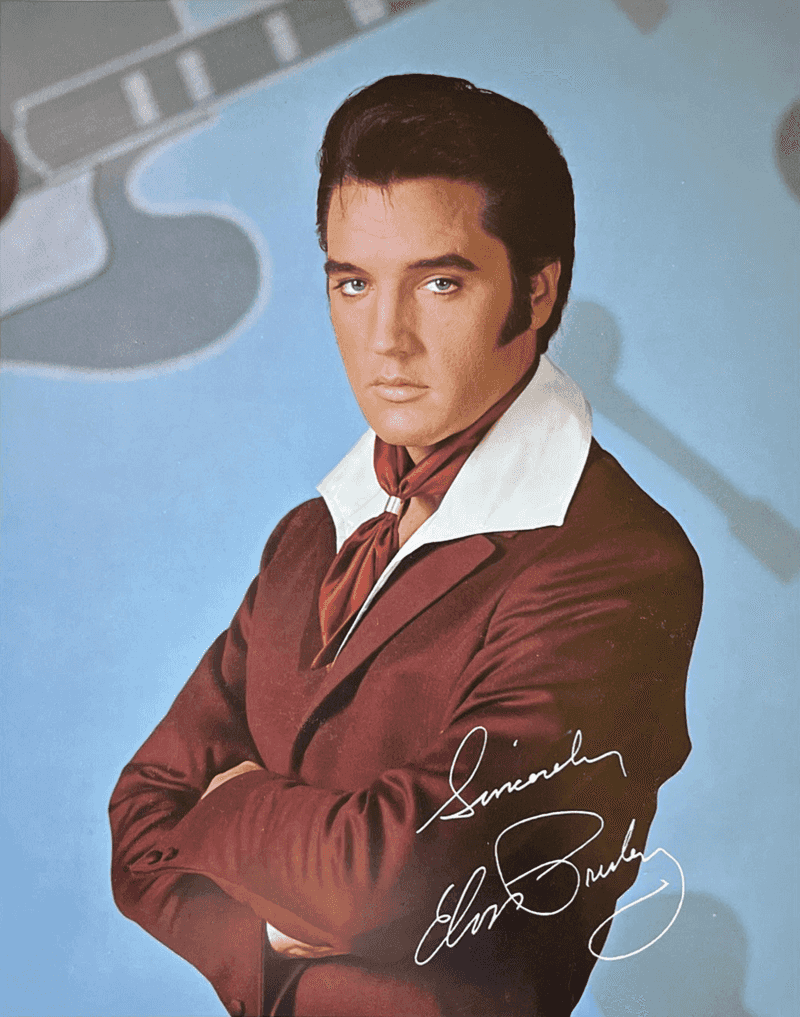
Electric energy filled living rooms, reminding audiences why he mattered in the first place.
NBC’s comeback special revealed a leather-clad performer reclaiming his throne with raw, live-wire intensity.
Years of formulaic movies had dulled his edge, yet that performance restored a sense of danger and excitement.
Surrounded by musicians on a small stage, genuine happiness showed as making music finally felt alive again. Across reviews and fan reactions alike, agreement formed that the King had returned to his rightful place.
10. Vegas Residency Reignited Live Shows
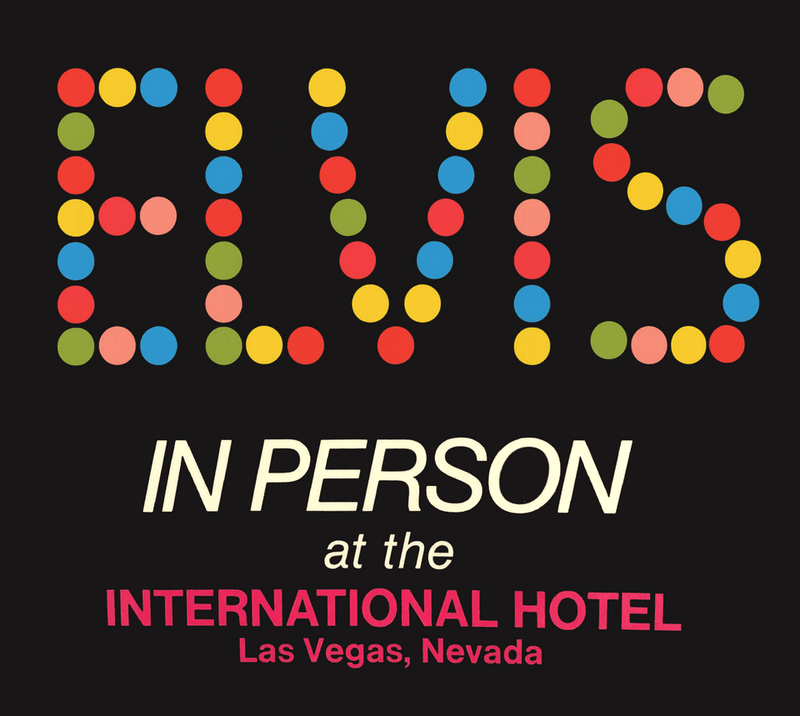
Triumphant energy filled the air when Elvis returned to live performing at the International Hotel in 1969. Las Vegas audiences witnessed something entirely new, as concerts sold out instantly and attendance records quickly fell.
An intimate television special had already reignited his appetite for performing in front of real crowds again. Night after night, standing ovations became routine while he delivered two shows fueled by pure audience energy.
That legendary Vegas engagement opened a bold new chapter, proving he could still command a stage like nobody else.
11. Aloha From Hawaii Broadcast
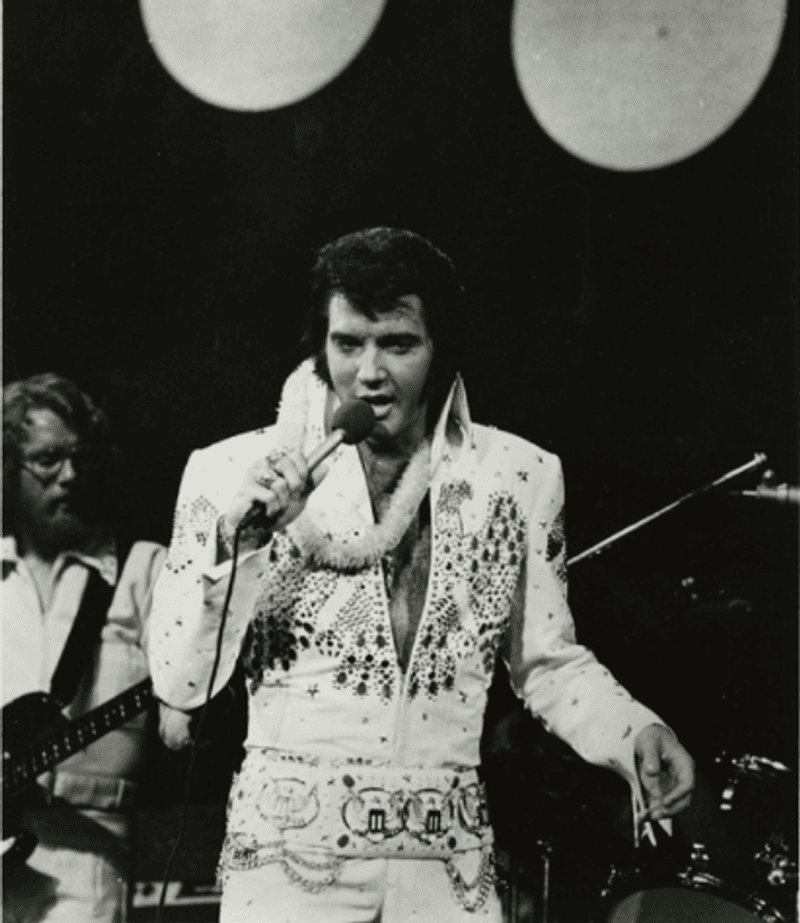
Global television history shifted when a live concert was promoted with very large global audience estimates, though exact totals vary by source.
Broadcast by satellite, “Aloha from Hawaii” reached audiences across multiple continents and stood as a technological marvel for its time. Dressed in a jeweled white jumpsuit and cape, he performed for charity with full showmanship on display.
Proceeds from the concert supported cancer research while further cementing his status as an international phenomenon.
Never before had another artist commanded such a massive simultaneous audience.
12. White House Meeting With Nixon
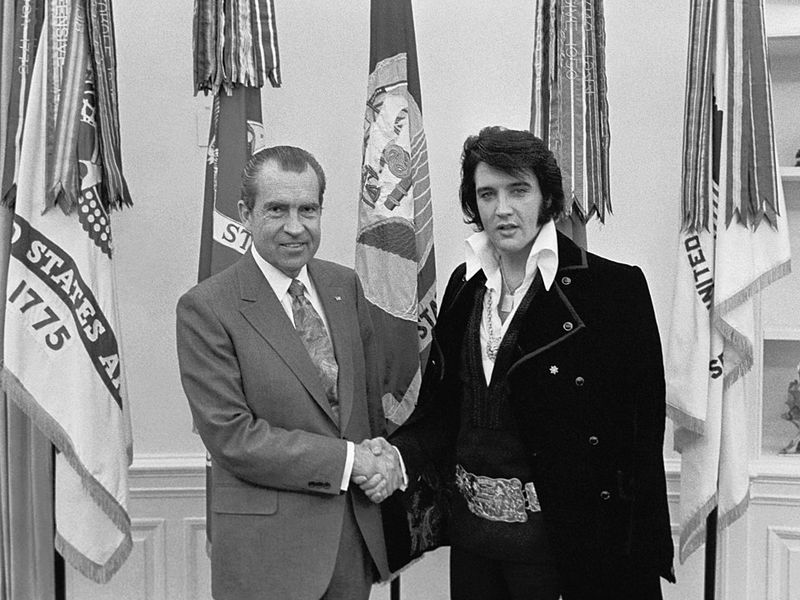
December 21, 1970, produced one of the most requested photographs in National Archives history.
Elvis showed up at the White House gates asking to meet the President, and somehow it actually happened. The surreal encounter saw him offering to help address substance misuse, despite his own struggles with prescription medications.
Nixon presented him with a Bureau of Narcotics badge, fulfilling a collector’s dream.
The image of these two American icons shaking hands still fascinates people decades later.
13. Gospel Music GRAMMY Success
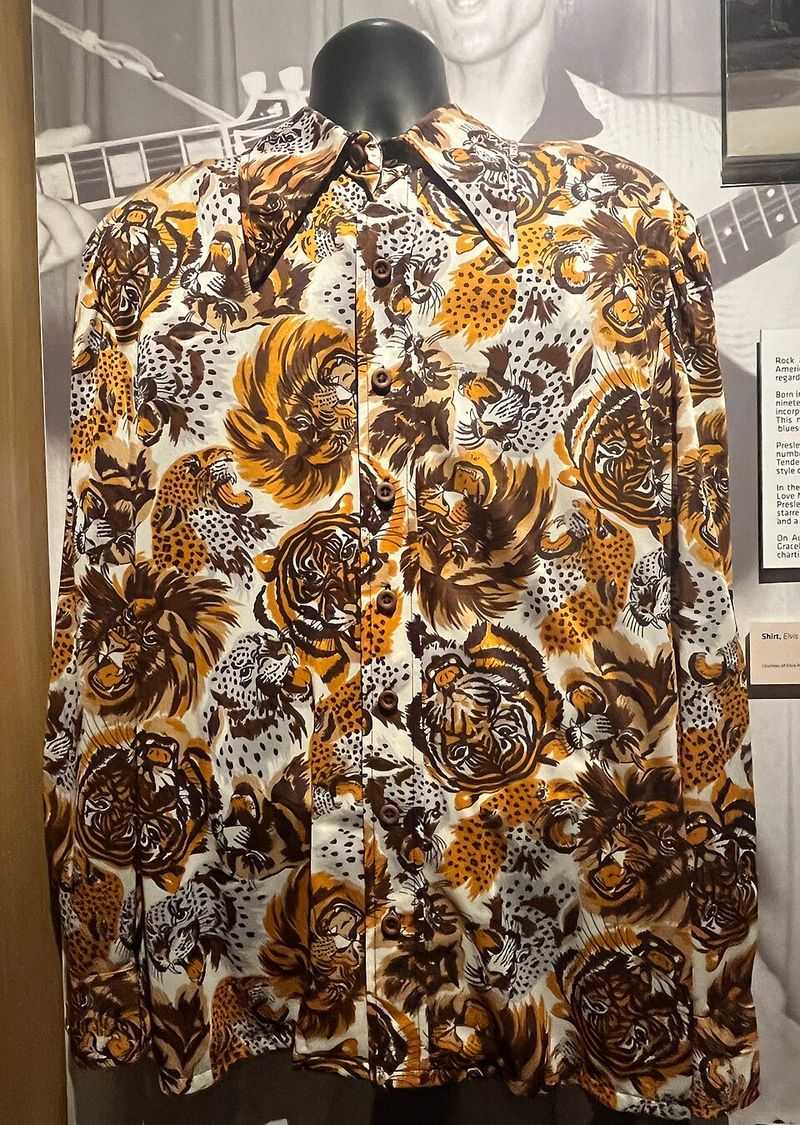
Gospel music remained deeply rooted in his heart, shaped by long hours spent in childhood church services. Sacred recordings brought him three competitive GRAMMY wins, all earned in gospel categories rather than rock or pop.
His fourteen nominations over his career demonstrated his exceptional adaptability in a variety of musical genres.
Recognition reached another level when the Recording Academy presented a Lifetime Achievement Award in 1971, honoring his enormous cultural impact. Through those gospel albums, he reconnected with spiritual roots while revealing a quieter and deeply personal side of his talent.
14. Graceland Became His Sanctuary
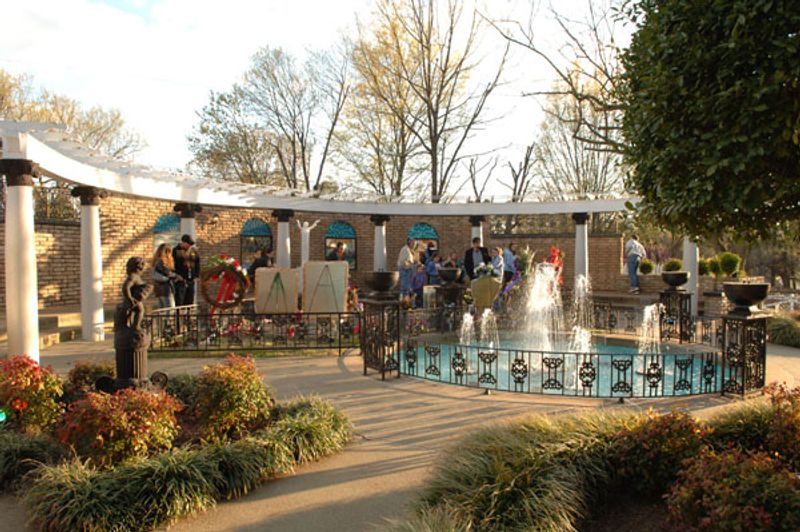
At just 22 years old, he purchased the grand Memphis mansion for $102,500 in 1957.
Graceland offered privacy away from fans camping outside hotels and restaurants everywhere he went.
The estate became his personal retreat, decorated according to his own unique taste with no expense spared. Family and friends gathered there for holidays, movie nights in his personal theater, and meals around the table.
Today it stands as a National Historic Landmark, visited by hundreds of thousands annually.
15. Legacy Lives On After 1977
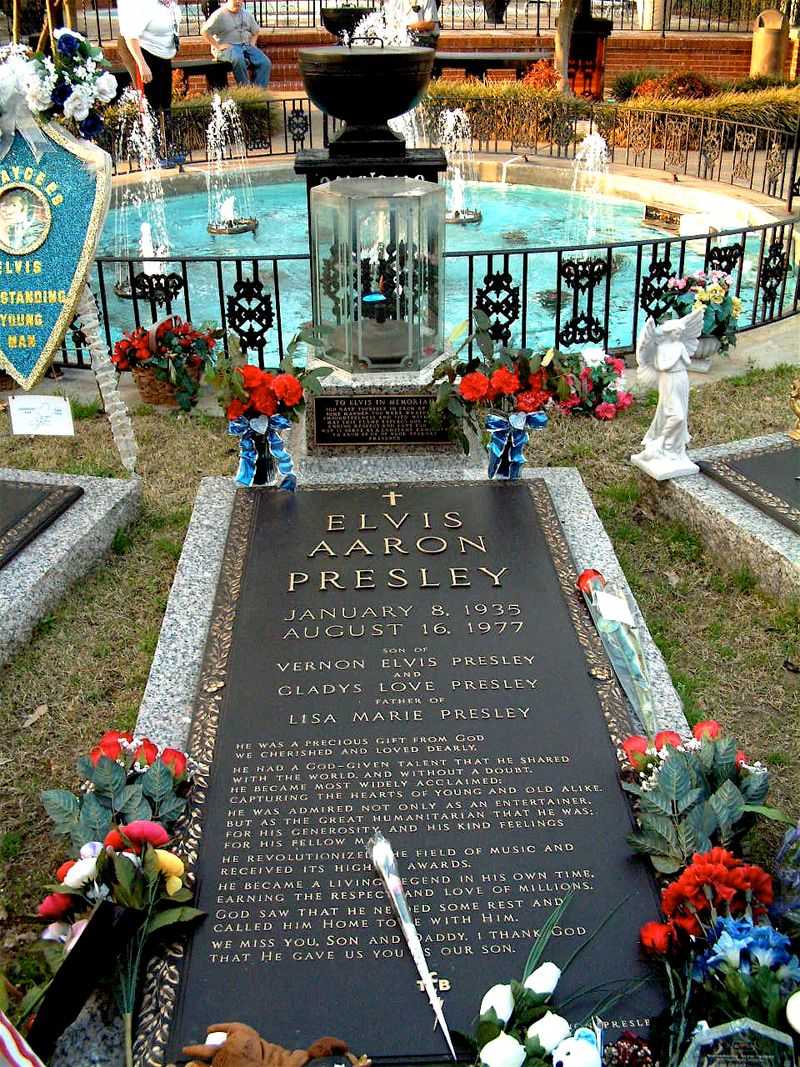
Devastating news spread around the world within hours, leaving fans stunned everywhere. Elvis passed away at Graceland at age 42, placing millions of admirers into shock and mourning.
Thousands gathered in Memphis for his funeral, lining the streets to say goodbye to the King of Rock and Roll.
Decades later, his music still sells, his movies still play, and new generations continue discovering his magic. Enduring legacy proves some stars never truly fade and instead become part of forever.
.jpg)
.jpg)


.jpg)
.JPG)

