16 Family Bands That Turned Bloodlines Into Backlines
Some bands rehearse for chemistry. Others just share a last name.
When your lead singer also borrowed your clothes in high school, harmonies hit different. Family bands have turned sibling rivalry, cousin chaos, and dinner-table debates into chart-topping hooks for decades.
Turns out growing up together is the ultimate band boot camp.
1. Bee Gees
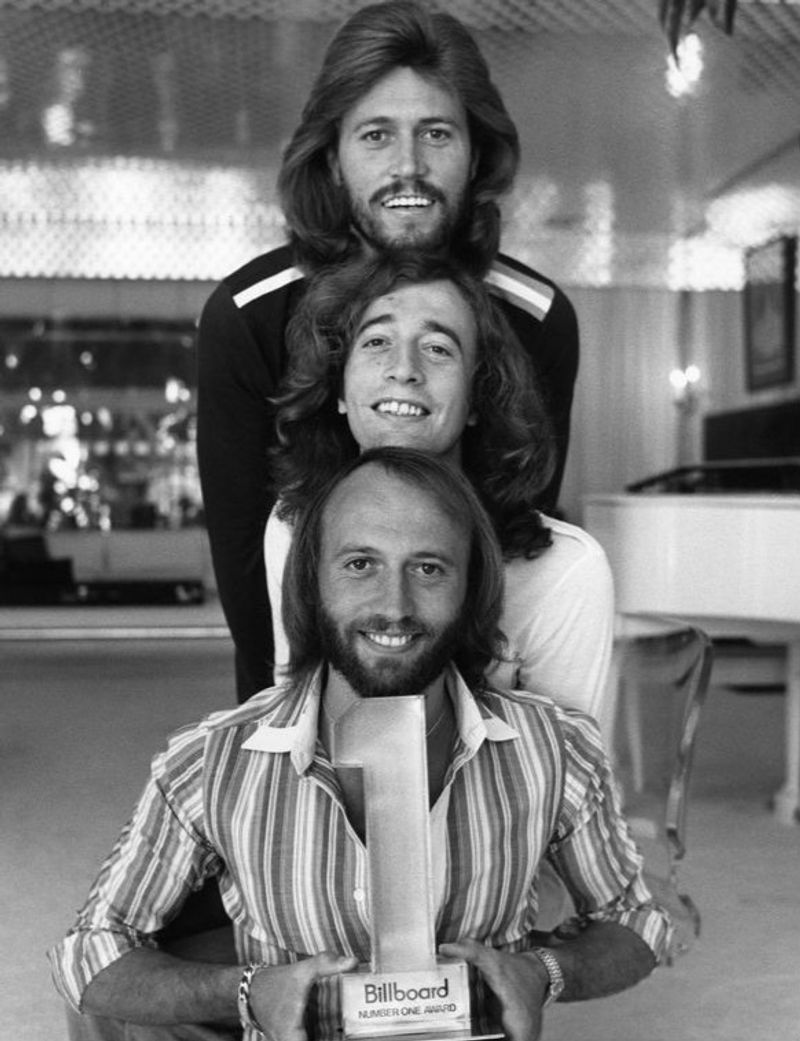
Saturday nights carried a different pulse once the Gibb brothers found their signature sound.
Barry, Robin, and Maurice shaped a falsetto-driven style that became inseparable from the height of the disco era. After moving from the United Kingdom to Australia, they honed their harmonies with extraordinary accuracy and harmony over years of singing together, starting in childhood.
Genetic blend within their voices powered songs like “Stayin’ Alive,” turning even routine errands into something that felt cinematic. Songwriting for other performers further demonstrated that their influence extended well beyond their own stage presence.
2. The Jackson 5
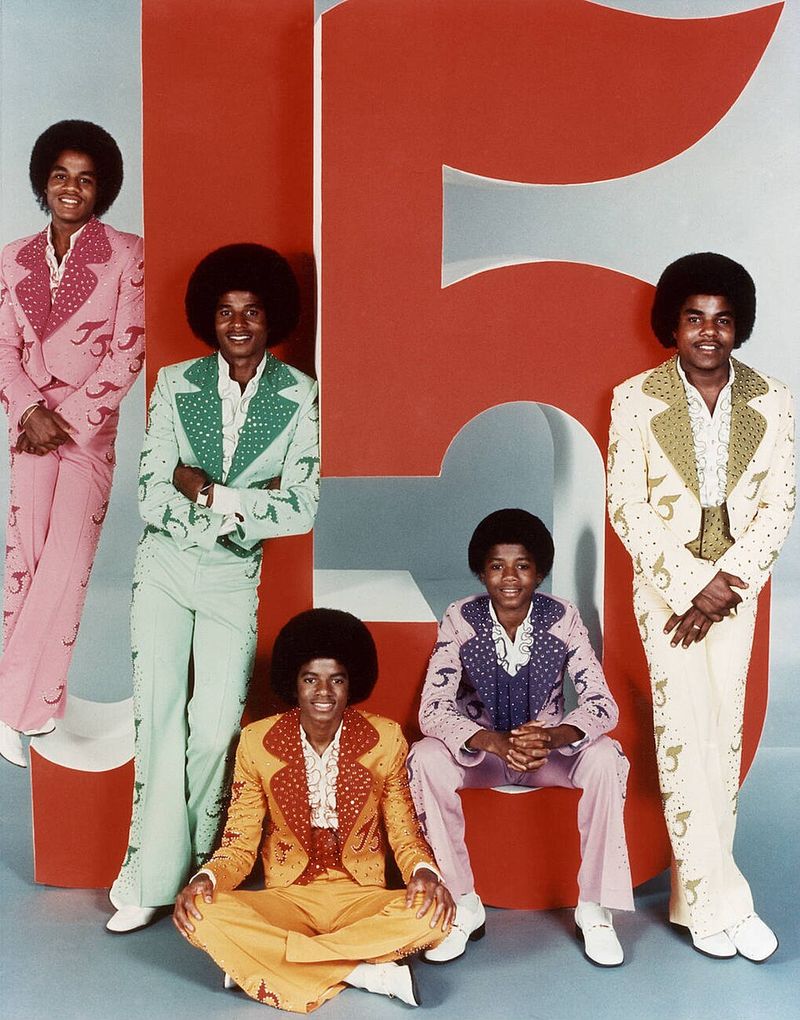
Five brothers from Gary, Indiana turned a living room into a launch pad for Motown history. Their father saw something special in Jackie, Tito, Jermaine, Marlon, and Michael, drilling them until their moves were razor-sharp.
By 1969, they were unstoppable.
“ABC” and “I Want You Back” weren’t just hits; they were a masterclass in youthful energy meeting serious talent. Little Michael’s voice could melt hearts before he hit double digits, and together they rewrote what a boy band could be.
3. Jonas Brothers
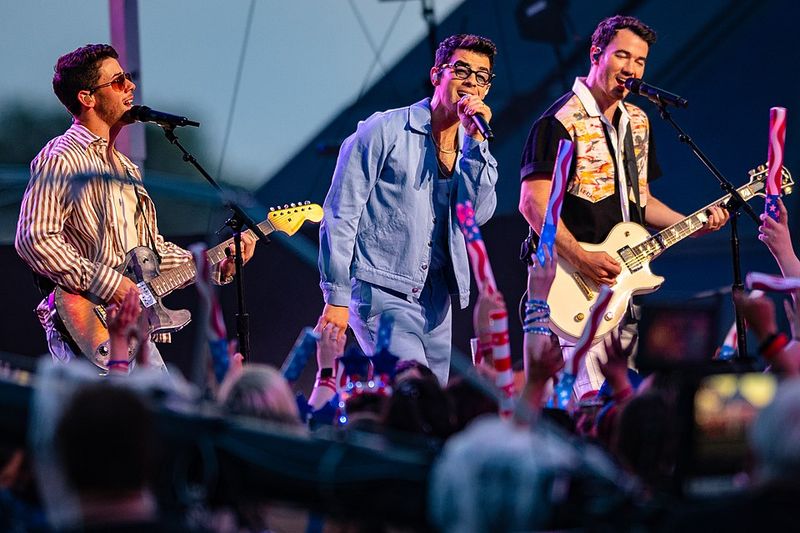
Growing up in New Jersey, Kevin, Joe, and Nick Jonas spent their early years strumming guitars and aiming for something bigger.
Exposure through the Disney Channel launched them into global visibility, yet consistent songwriting helped sustain their relevance beyond the initial teen-pop surge.
Tensions and shifting priorities eventually led to a hiatus that many assumed was permanent. Return in 2019 with “Sucker” signaled renewed chemistry and creative growth.
Arena tours followed, often alongside their spouses, illustrating that a sibling band can endure public evolution and reemerge with greater stability.
4. The Osmonds
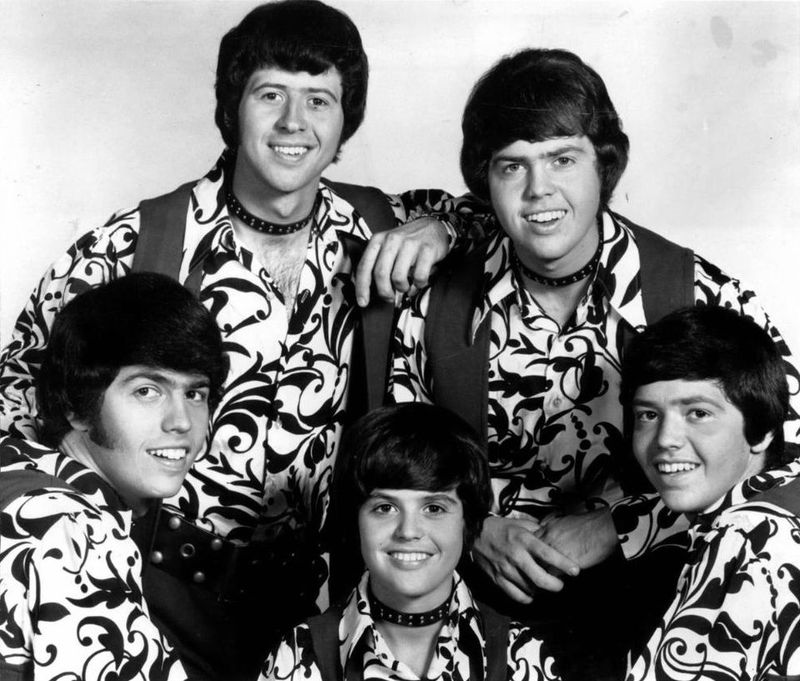
Utah gave the world more than stunning red rocks.
It gave us the Osmond brothers, whose squeaky-clean image and tight harmonies made them America’s sweethearts in the early ’70s.
Alan, Wayne, Merrill, Jay, and Donny (plus little Jimmy) could sing, dance, and charm their way through any variety show. “One Bad Apple” topped the charts, and suddenly everyone wanted a piece of their wholesome, infectious energy.
They were proof that nice guys don’t always finish last, especially when they’ve got vocal genetics on their side.
5. The Everly Brothers
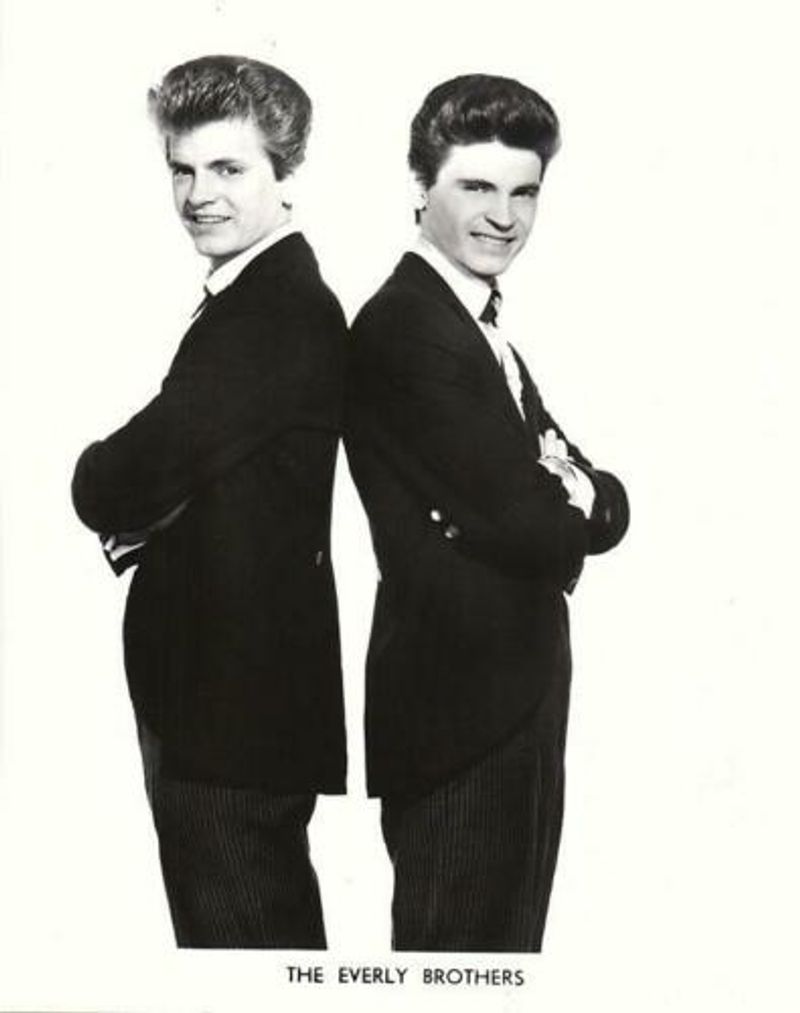
Vocal harmony may not have been created by Don and Phil Everly, but few musicians improved it as much as they did. Seamless blend between their voices turned “Bye Bye Love” and “All I Have to Do Is Dream” into templates for countless duos that followed.
Raised in a musical household, they were performing long before they could drive, polishing a partnership that sounded effortless.
Admiration from groups such as The Beatles and Simon & Garfunkel underscored the depth of their impact. Level of unity they achieved together set a standard that made comparisons feel almost unfair.
6. Carpenters
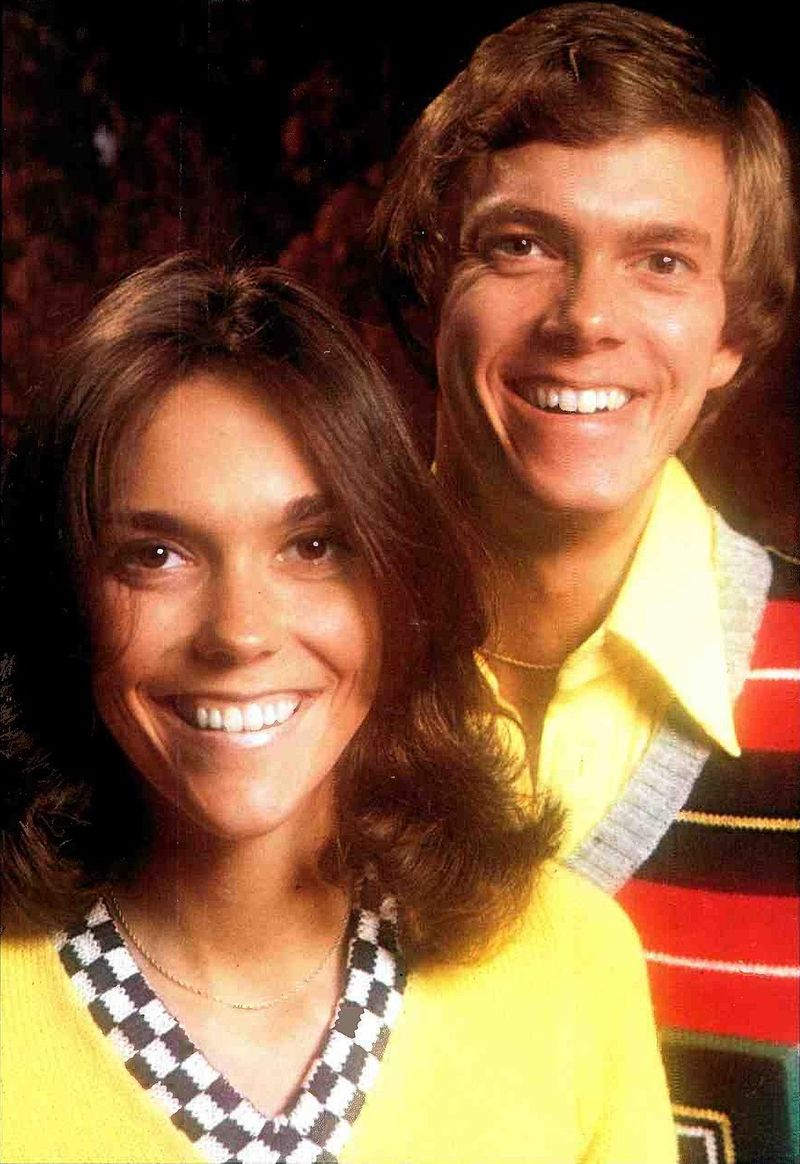
Karen’s voice could stop time, and Richard’s arrangements gave it the perfect frame.
The Carpenter siblings from Downey, California turned soft rock into an art form with songs like “Close to You” and “We’ve Only Just Begun.” While other bands cranked up distortion, they leaned into lush melodies and Karen’s warm, unmistakable alto.
Richard crafted every note with precision, proving that subtlety can be just as powerful as volume. Together, they made music that still soundtracks weddings and rainy Sunday mornings decades later.
7. The Corrs

Four siblings from Ireland brought fiddles and tin whistles into the pop charts, and somehow it worked beautifully. Andrea, Sharon, Caroline, and Jim Corr blended traditional Celtic sounds with radio-ready melodies, creating something fresh yet timeless.
“Breathless” became an international hit, proving that folk-pop fusion wasn’t just a gimmick.
Their family chemistry was undeniable on stage, each sibling adding a distinct flavor to the mix. When you grow up making music together in Dundalk, you either nail the blend or drive each other crazy; they chose the former.
8. Hanson
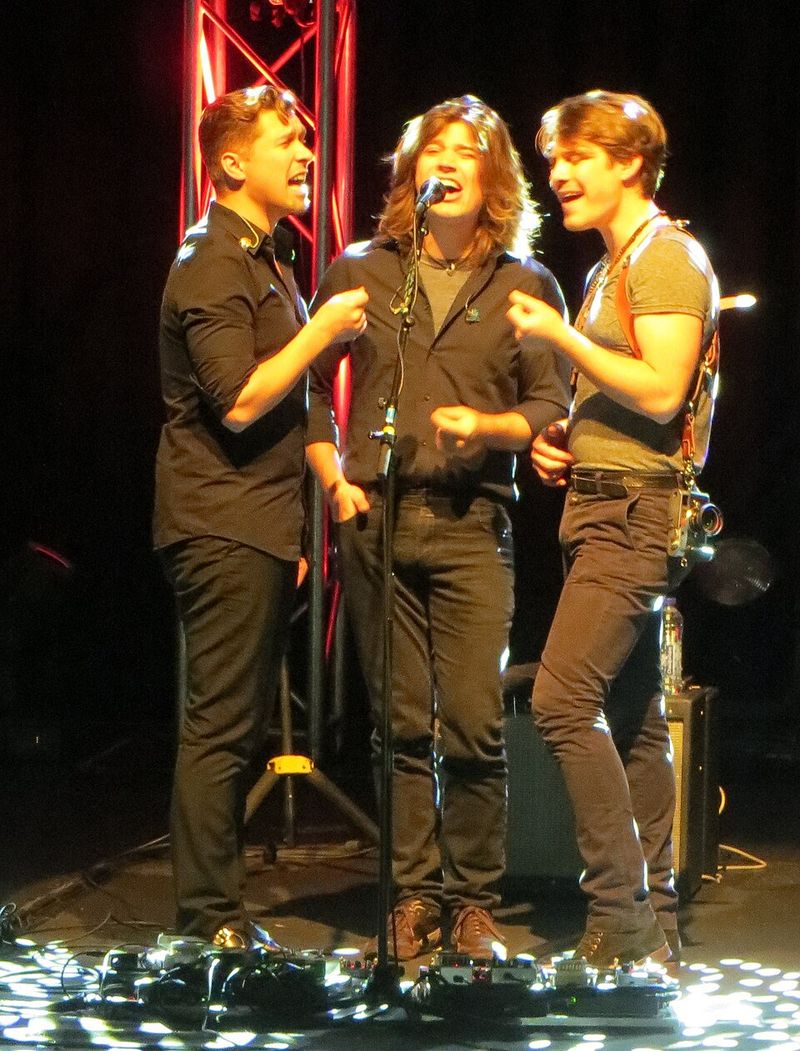
With the debut of “MMMBop,” three Tulsa brothers swiftly transformed a series of words into a global earworm. When the single brought Isaac, Taylor, and Zac Hanson to the attention of the world in 1997, they were still in their teens.
Early criticism labeled them a fleeting pop act, yet the trio continued writing, recording, and touring long after initial hype cooled.
Independence followed, including launching their own record label and later expanded into side projects outside the album-tour cycle.
Blend of their harmonies remains instantly recognizable, even as time has reshaped their image.
9. Kings Of Leon

When the Followill brothers and their cousin founded Kings of Leon, Southern rock gained a contemporary edge.
Caleb, Nathan, and Jared were influenced by church life and frequent travel while growing up on the road between Oklahoma and the South with their cousin Matthew. The song “Use Somebody” launched them into arena-rock territory, but their early albums were rough and unpolished.
They have maintained that family-forged zeal while navigating the difficult balancing act between independent integrity and commercial success. You learn how to lead a crowd at a young age because your father was a Pentecostal preacher.
10. Sister Sledge
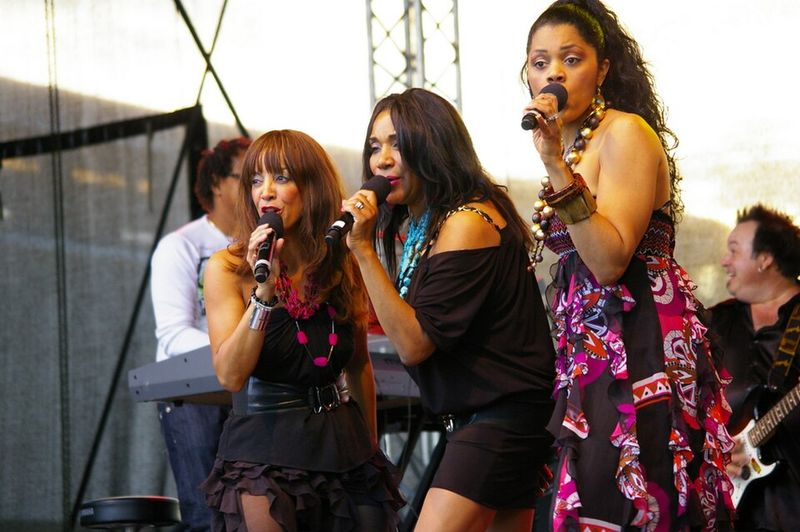
“We Are Family” became a dance-floor anthem powered by four sisters from Philadelphia. Each of Debbie, Joni, Kim, and Kathy Sledge contributed their own unique shine, and their impact grew with Chic’s Bernard Edwards and Nile Rodgers behind We Are Family.
Disco’s mainstream dominance faded, yet their signature songs retained enduring appeal.
“He’s the Greatest Dancer” and “Lost in Music” remain staples because authentic joy radiates through their harmonies. Years of singing together from childhood forged chemistry that no studio session alone could manufacture.
11. The Isley Brothers
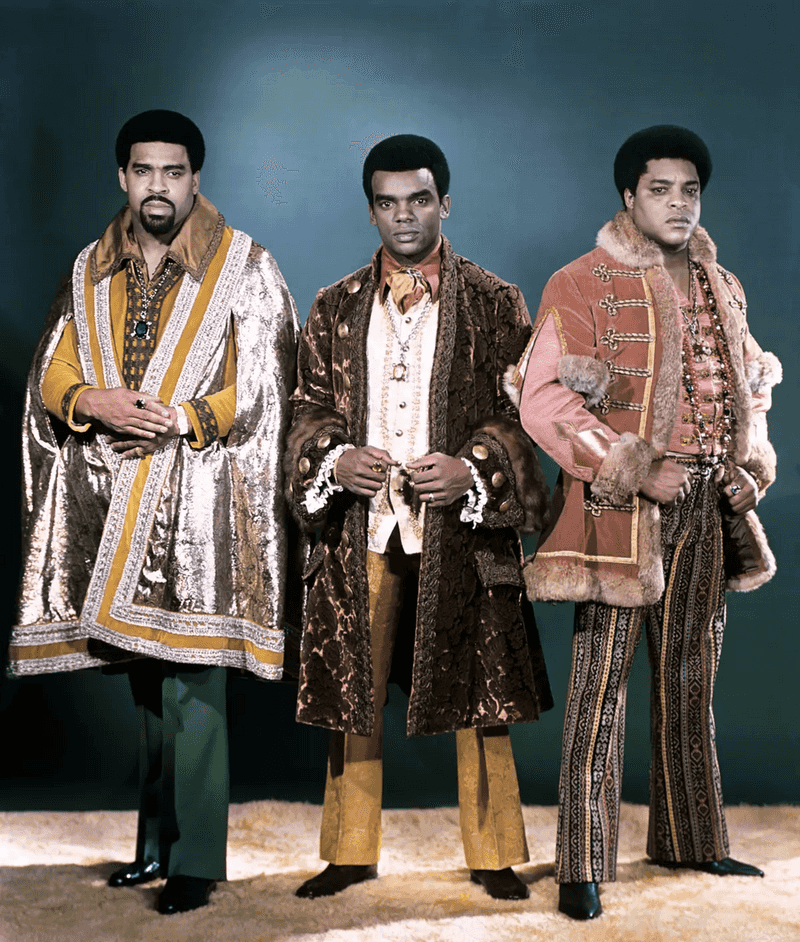
Before directing their skills toward secular stages, O’Kelly, Ronald, and Rudolph Isley started out in the gospel.
In 1959, “Shout” became a party favorite, starting a career that changed with the times. From doo-wop roots to funk grooves and polished R&B, evolution remained constant without sacrificing identity.
Addition of younger brothers Ernie and Marvin expanded the lineup and enriched the group’s sonic palette.
Few family acts sustain relevance across five decades, a testament to ability that extends well beyond passing trends.
12. The Pointer Sisters
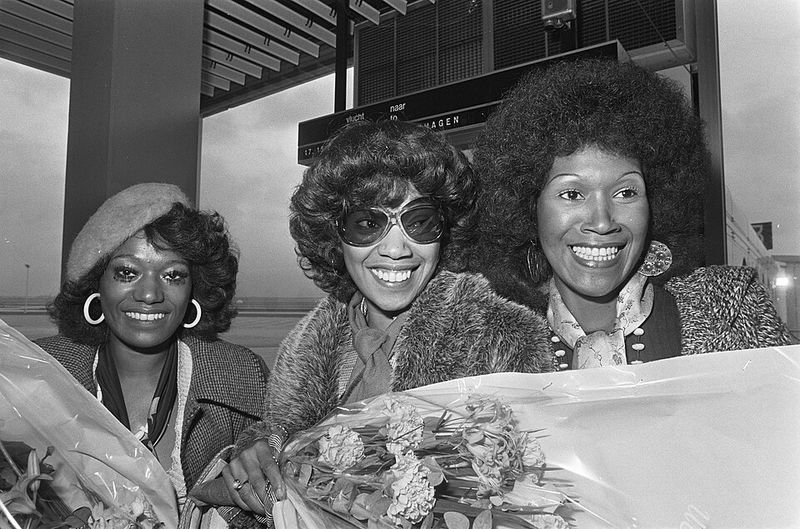
Ruth, Anita, Bonnie, and June Pointer could sing anything, and they proved it by hopping genres like stepping stones.
They started with retro jazz and doo-wop, won a country Grammy, then dominated pop and R&B charts in the ’80s. “I’m So Excited” and “Jump (For My Love)” were pure energy, fueled by sibling harmonies that felt both polished and spontaneous.
Their versatility was their superpower, showing that family chemistry works in any style. When your voices blend that naturally, genre labels become irrelevant.
13. The Staple Singers
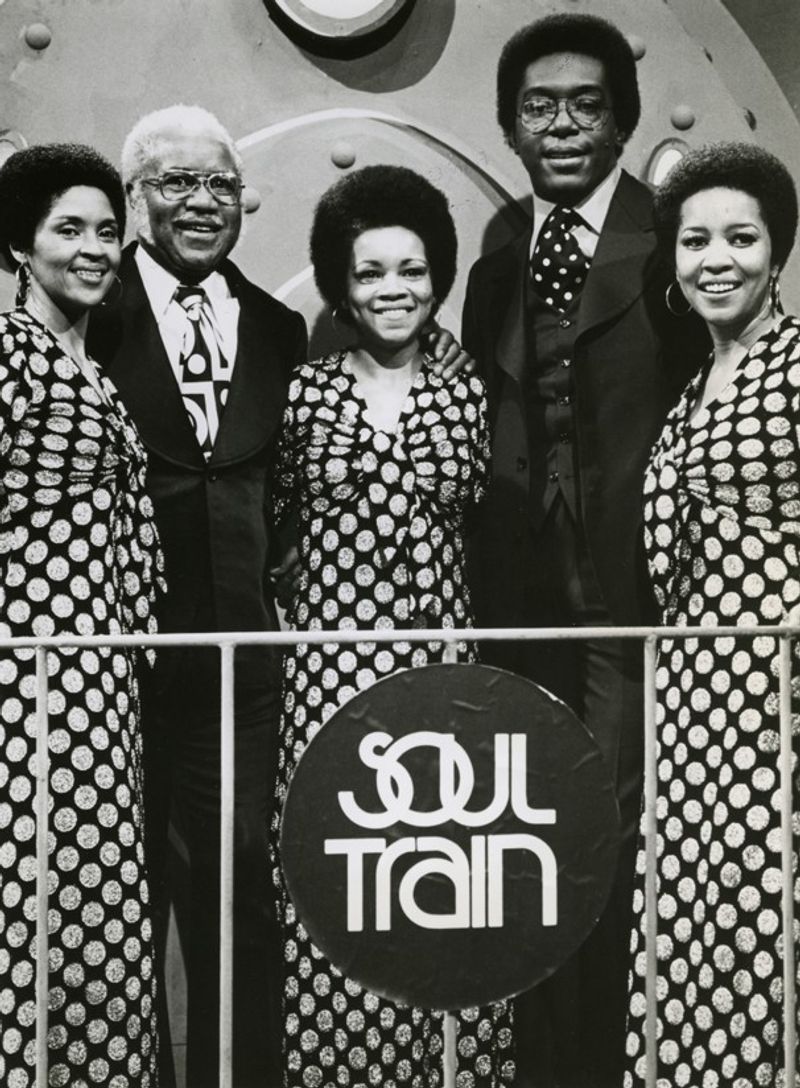
With the help of his kids, Roebuck “Pops” Staples turned gospel music into a vehicle for social change.
Pervis, Yvonne, Cleotha, and Mavis started singing at church, but their message quickly spread far beyond the pews.
Soul and funk rhythms were combined with spiritual underpinnings to create the civil rights landmarks “I’ll Take You There” and “Respect Yourself.” Rich warmth in Mavis’s voice paired with Pops’ textured guitar lines created a blend of conviction and groove.
Through commercial success and cultural impact, they showed that a family ensemble could carry both meaning and momentum.
14. The Neville Brothers

New Orleans funk flows in the Neville family bloodstream.
Art, Aaron, Charles, and Cyril each had solo success before joining forces, bringing Mardi Gras rhythms and soulful grit to every performance. Aaron’s voice on “Tell It Like It Is” was already legendary, but together they created something richer and more textured.
Their sound was pure NOLA: swampy, joyful, and impossible to pin down.
When brothers who’ve each mastered their craft unite, the result is a musical gumbo that satisfies every craving.
15. DeBarge

Silky R&B elegance defined the DeBarge siblings’ rise during the 1980s. El, Mark, James, Randy, and Bunny delivered polished tracks such as “Rhythm of the Night” and “Time Will Reveal,” balancing romance with dance-floor appeal.
Harmonies flowed with effortless smoothness, and melodic hooks lingered long after the final chorus.
Childhood in a large musical household in Grand Rapids, Michigan shaped their instinct for blending voices and sharing attention.
Even as personal challenges later affected the group, those recordings continue to stand as lasting markers of the decade’s soul sound.
16. The Band Perry
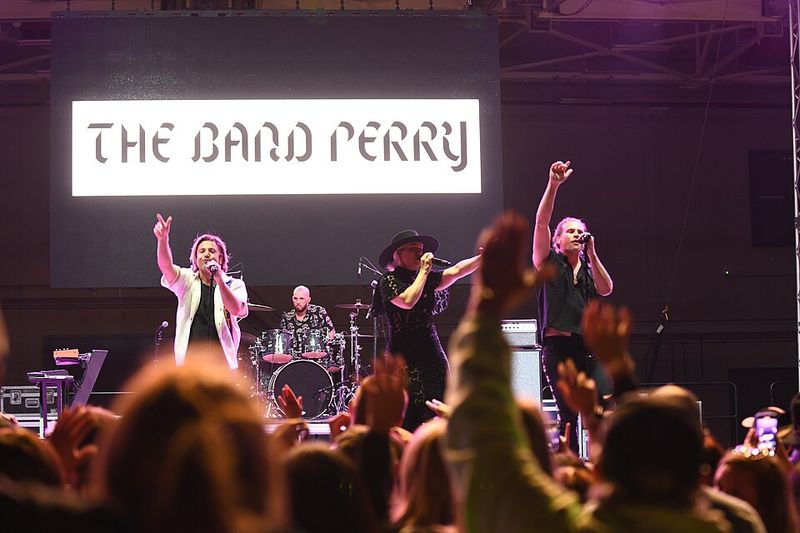
Kimberly, Reid, and Neil Perry took country music by storm with “If I Die Young,” a haunting ballad that showcased Kimberly’s crystalline voice.
The siblings from Alabama blended country roots with pop sensibilities, creating crossover hits that dominated both charts. Their sibling dynamic was playful on stage, but their musical instincts were sharp and professional.
Later, they pivoted toward pop, proving they weren’t afraid to evolve beyond Nashville’s expectations. When family members trust each other enough to take risks, the music stays fresh and fearless.
Disclaimer: This article highlights notable family-based music groups using widely reported lineup information and general career context. Details such as “origin” or hometown can vary across sources depending on whether they refer to birthplace, upbringing, or where a band officially formed.