20 Famous “Historical” Quotes That Were Never Actually Said
History has a soft spot for catchy lines that feel too perfect to question, yet plenty of famous quotes never passed the lips of the legends tied to them.
Royal scandals, classic films, and world leaders all picked up phrases that grew bigger than the truth, fooling millions without anyone noticing.
Get ready to unravel the myths behind these legendary lines and see how they slipped into popular culture with surprising ease.
Disclaimer:
This article provides general historical context for informational and entertainment purposes.
Attribution details for well-known quotations can vary by source, and assessments reflect publicly available research at the time of writing.
Readers should note that interpretations of historical events and figures may differ among scholars.
1. “Let Them Eat Cake.” – Marie Antoinette

Picture this: a queen so out of touch she suggests starving peasants munch on fancy desserts instead of bread.
Sounds pretty dramatic, right?
Well, historians have searched high and low, and there’s zero proof Marie Antoinette ever uttered these infamous words.
Jean-Jacques Rousseau mentioned a “great princess” saying something similar years before Marie even became queen.
The quote stuck to her like glue anyway, becoming one of history’s most persistent misattributed quotes.
2. “Be The Change You Wish To See In The World.” – Mahatma Gandhi
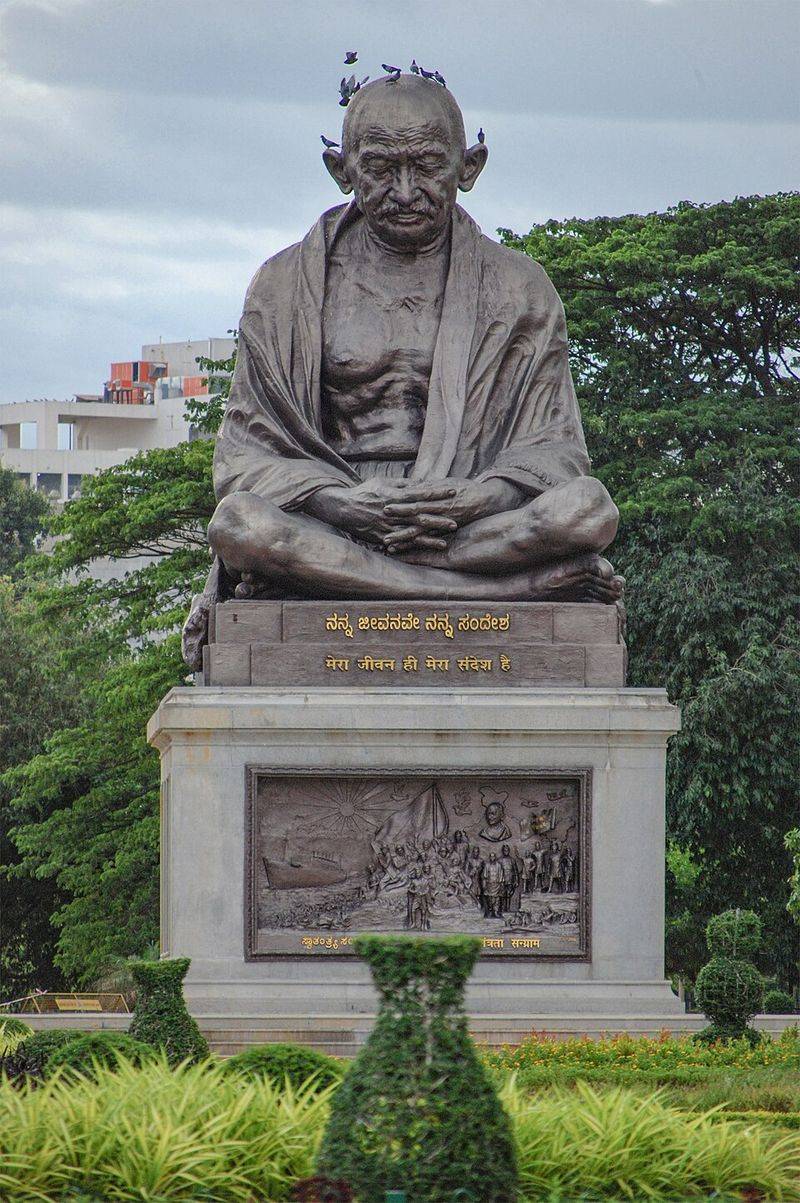
If you’ve ever seen this quote on a motivational poster or bumper sticker, you’ve witnessed a beautiful misunderstanding in action.
Gandhi definitely believed in personal transformation leading to social change, no doubt about that.
However, he never packaged his philosophy into this tidy little soundbite.
What he actually said was way longer and more complex, talking about how changing ourselves influences the world around us.
Someone later condensed his ideas into bumper-sticker gold, and the rest is misquoted history!
3. “Insanity Is Doing The Same Thing Over And Over And Expecting Different Results.” – Albert Einstein

Einstein gets credit for a lot of brilliant things, but this particular gem isn’t one of them.
Quote detectives have traced this line back to a Narcotics Anonymous pamphlet and Rita Mae Brown’s 1983 novel “Sudden Death.”
Nowhere in Einstein’s massive collection of writings or speeches does this phrase appear.
People probably started attributing it to him because it sounds smart and scientific, and Einstein’s name adds instant credibility.
Just saying, even geniuses don’t get credit for everything wise-sounding!
4. “Elementary, My Dear Watson.” – Sherlock Holmes / Arthur Conan Doyle
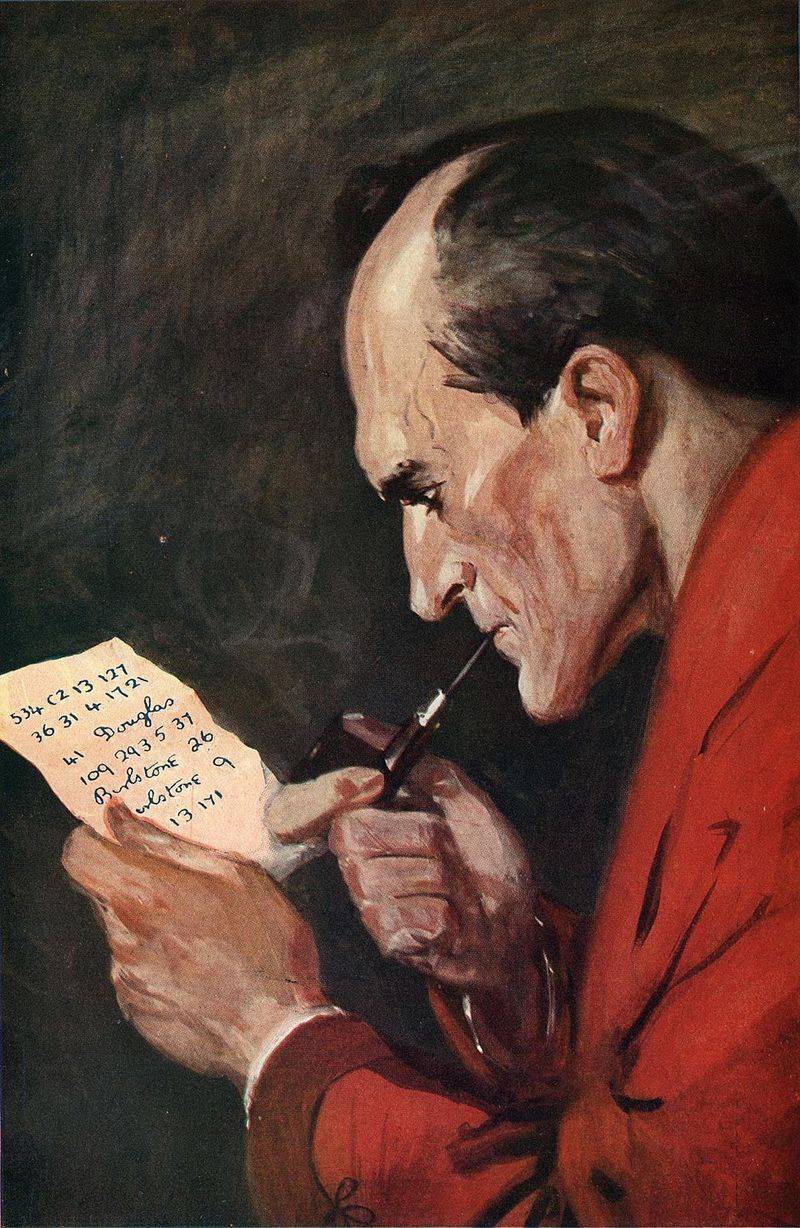
If you think Sherlock Holmes dropped this iconic catchphrase while solving mysteries, think again.
Arthur Conan Doyle never wrote this exact line in any of his original stories, even though Holmes does say “elementary” and “my dear Watson” separately at times.
The famous pairing came later through film adaptations and pop culture, where screenwriters combined the two phrases into one unforgettable zinger.
Now it’s so famous that most people would bet money Holmes said it, but they’d lose that bet every single time!
5. “If You Can’t Handle Me At My Worst, Then You Sure As Hell Don’t Deserve Me At My Best.” – Marilyn Monroe
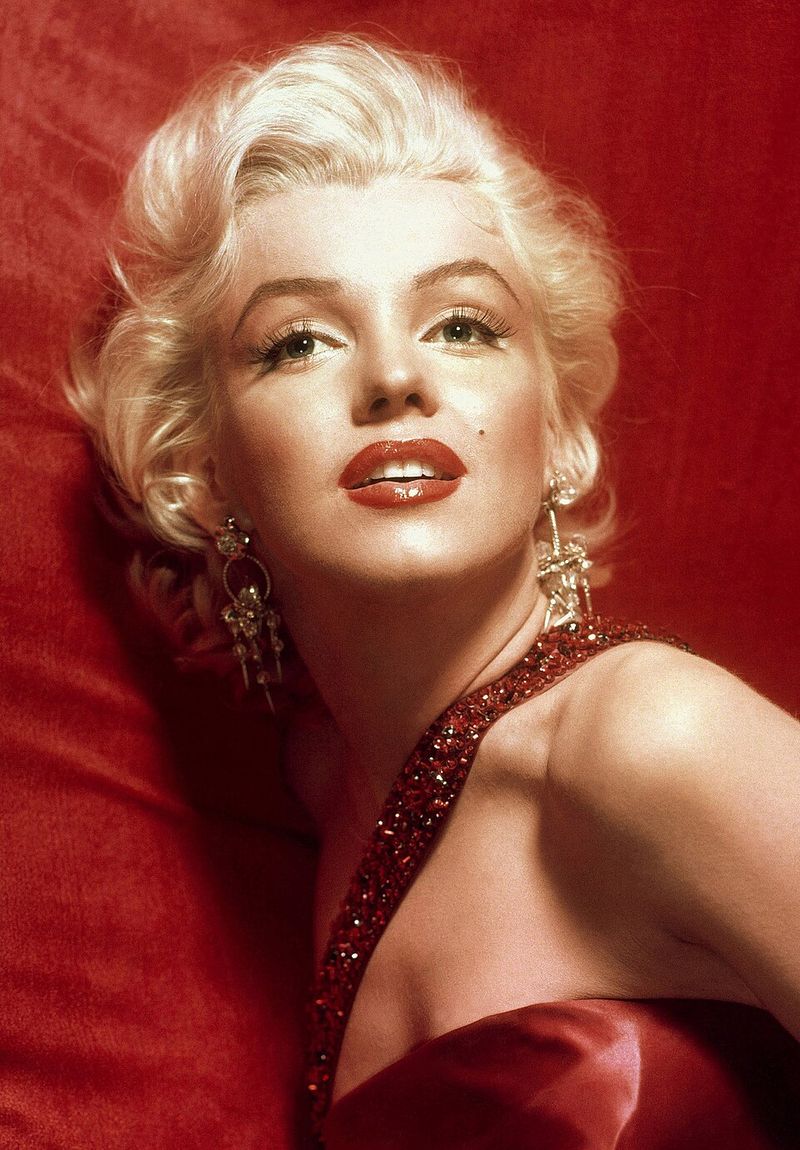
This quote shows up everywhere on social media, usually alongside a glamorous photo of Marilyn Monroe looking fabulous.
There’s just one tiny problem: nobody can find any proof she actually said or wrote these words.
Researchers have labeled it “attributed-no-source,” which is fancy talk for “we have no idea where this came from.”
Monroe said plenty of insightful things during her lifetime, but this particular relationship advice wasn’t one of them, despite what your friend’s Instagram bio might claim!
6. “Well-Behaved Women Rarely Make History.” – Marilyn Monroe
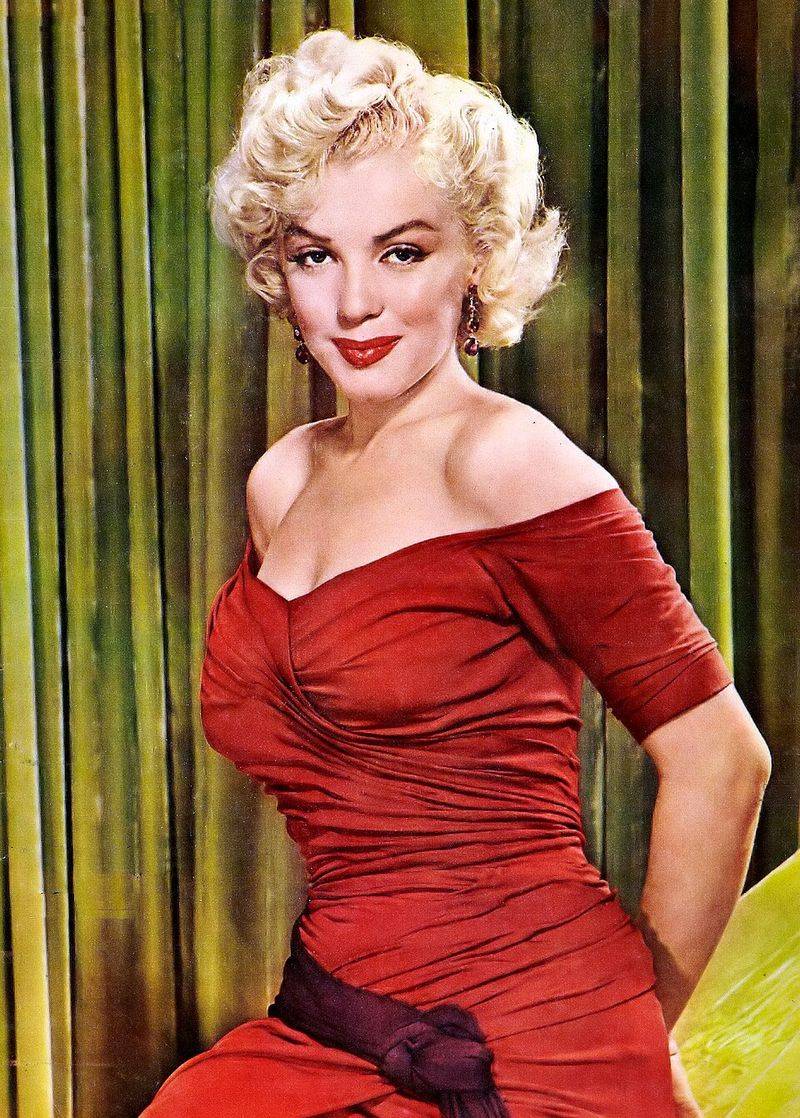
Here’s a fun twist: this empowering quote gets misattributed to Marilyn Monroe and Eleanor Roosevelt all the time, but neither of them said it.
The real author is historian Laurel Thatcher Ulrich, who wrote it in a 1976 academic article about Puritan funeral services.
Talk about a quote taking on a life of its own!
Ulrich’s scholarly observation about how history remembers bold women got transformed into a feminist rallying cry, which is pretty cool even if people keep forgetting who actually wrote it!
7. “I Disapprove Of What You Say, But I Will Defend To The Death Your Right To Say It.” – Voltaire
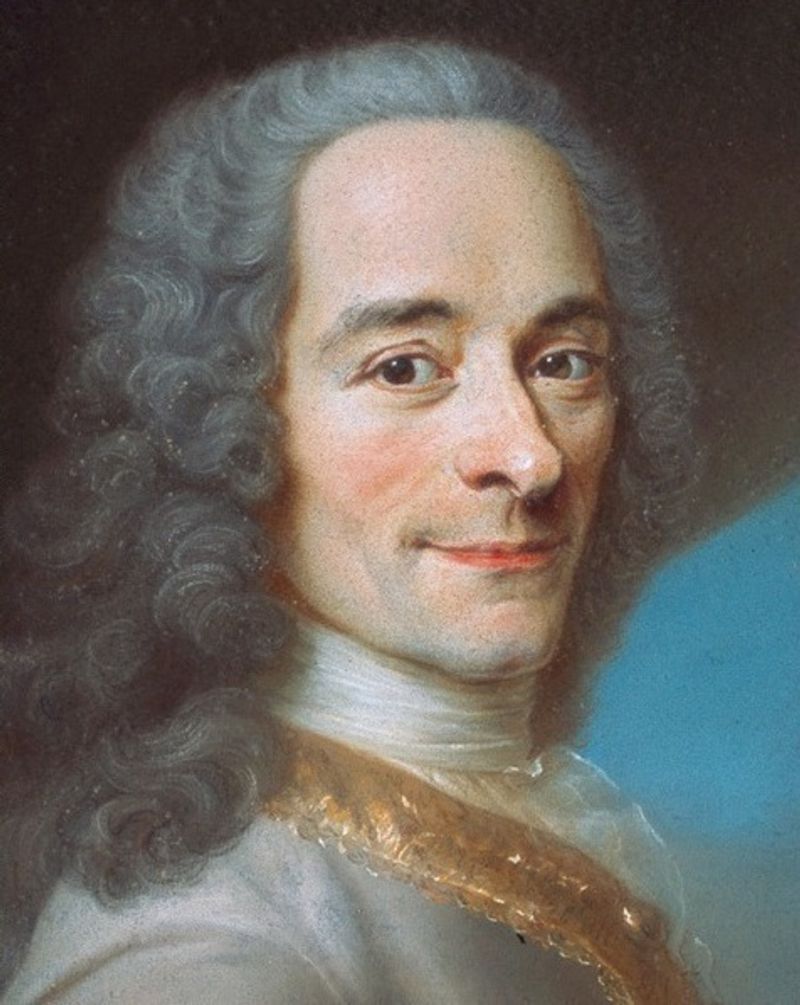
Voltaire was definitely a champion of free speech and tolerance, making this quote sound totally legit.
Plot twist: he never actually wrote or said these exact words.
Evelyn Beatrice Hall penned this line in 1906 as her interpretation of Voltaire’s beliefs, kind of like writing a really good paraphrase in an essay.
Her summary was so perfect and quotable that people assumed it came straight from Voltaire himself.
Sometimes the best way to capture someone’s spirit is to put words in their mouth, apparently!
8. “The Only Thing Necessary For The Triumph Of Evil Is For Good Men To Do Nothing.” – Edmund Burke
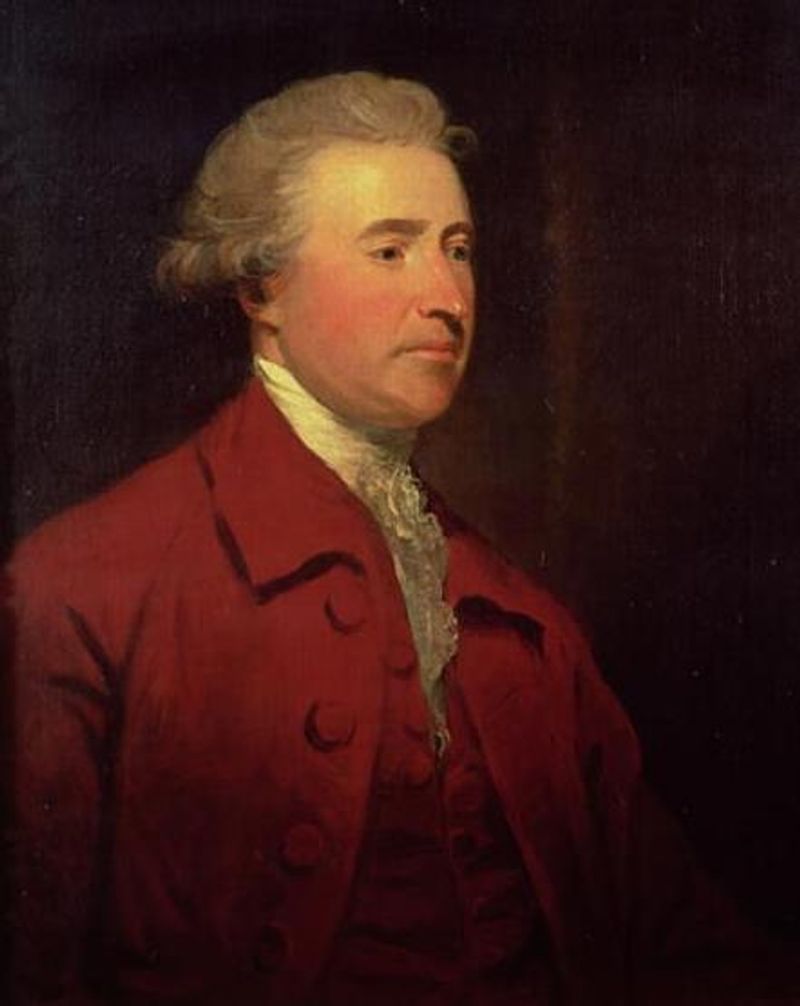
Powerful as the warning is, the sentiment fits Edmund Burke’s political outlook so well that many people assume it belongs to him.
Researchers have dug through Burke’s speeches, letters, and published works, and the result is unmistakable: the quote is nowhere to be found.
Notably, a few thematically similar ideas appear much later in John Stuart Mill’s writing, though none match the famous line word-for-word.
Quotes that align so neatly with a historical figure’s reputation often get adopted by collective memory, accuracy optional.
9. “Houston, We Have A Problem.” – Apollo 13 Astronauts
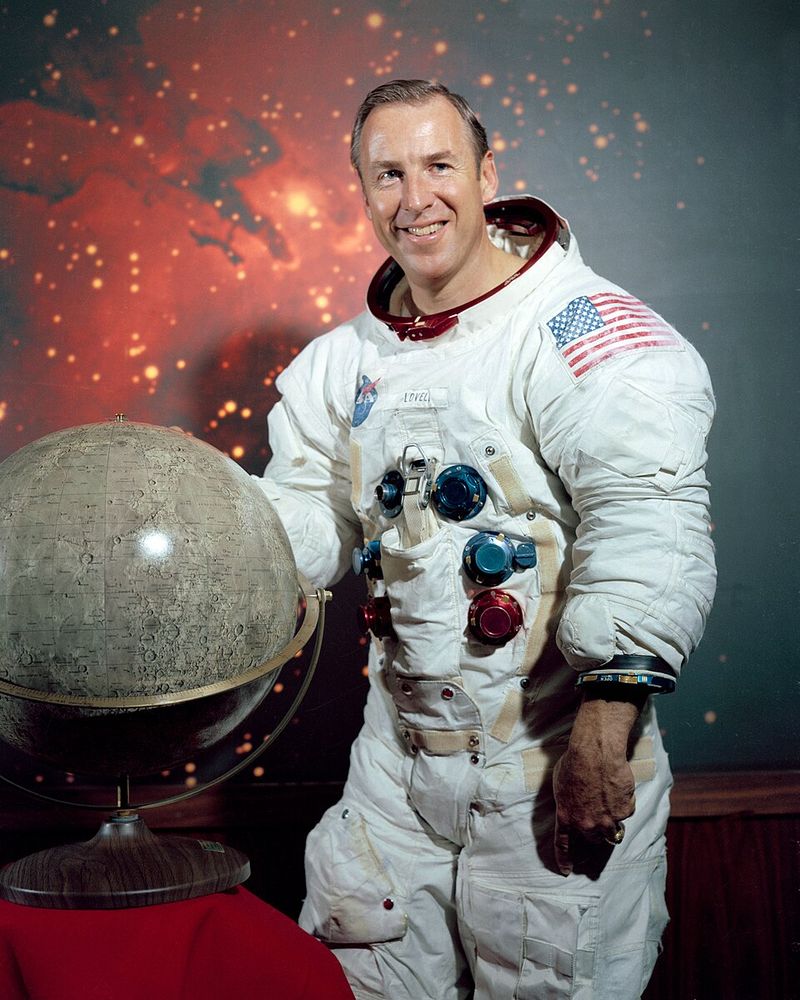
When disaster struck Apollo 13, astronaut Jack Swigert actually said, “Houston, we’ve had a problem here,” followed by Jim Lovell repeating, “Houston, we’ve had a problem.”
Notice the past tense?
That’s because they were reporting something that had already happened, not something currently unfolding.
The 1995 movie “Apollo 13” changed it to present tense for dramatic effect, and now everyone remembers the Hollywood version instead of the real transmission.
Hollywood strikes again, rewriting history one blockbuster at a time!
10. “Beam Me Up, Scotty.” – Captain Kirk, Star Trek
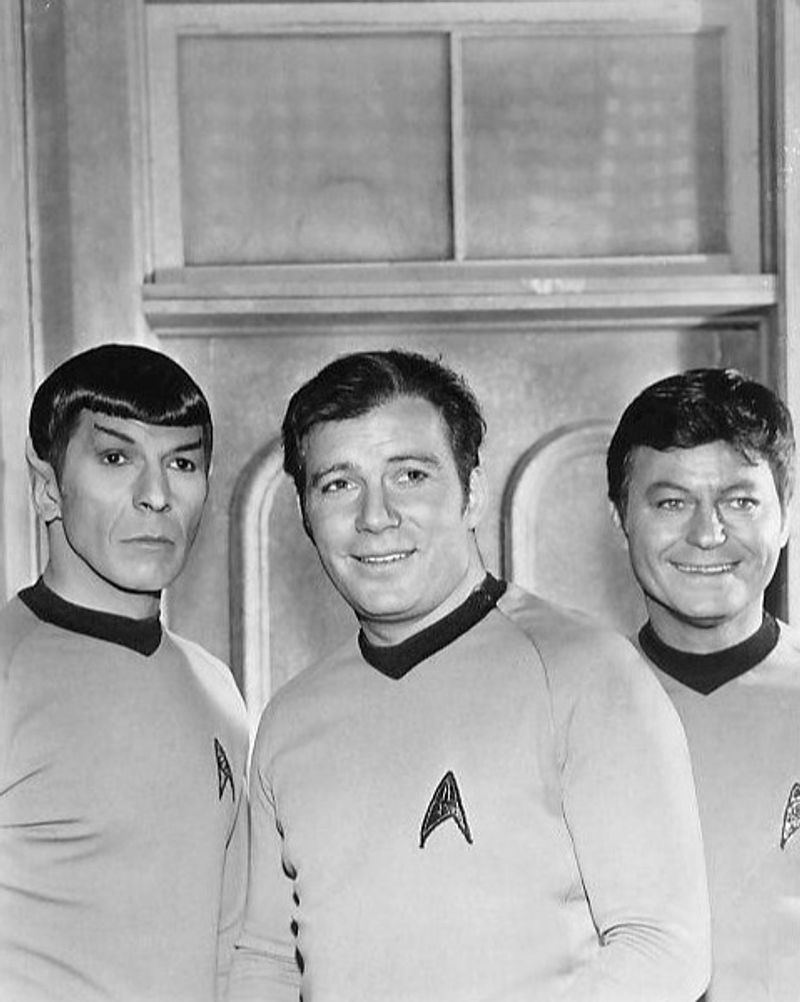
Trekkies everywhere recognize this catchphrase instantly, yet the funny truth is that it never appears in any original Star Trek episode or film.
Captain Kirk uses similar commands – things like “Beam us up, Mr. Scott” – but the exact wording fans quote simply doesn’t exist.
Pop culture embraced the phrase so strongly that collective memory stitched it into the franchise as if it were canon.
Repeated references across decades helped cement a line that feels authentic even though it never appeared verbatim on screen.
11. “Play It Again, Sam.” – Casablanca
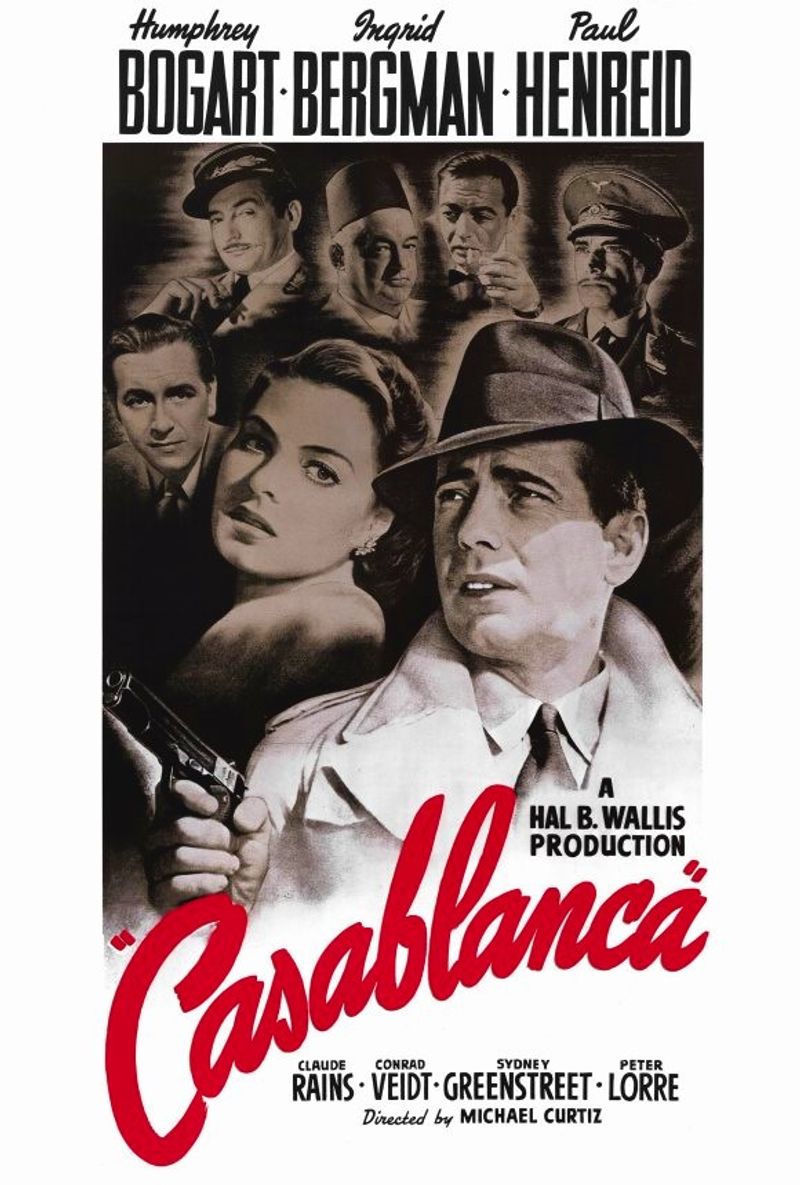
Casablanca is packed with memorable lines, but this famous phrase isn’t actually one of them, surprisingly enough.
Ilsa says “Play it once, Sam” while Rick later says “If she can stand it, I can. Play it.”
Somehow these got mashed together in everyone’s collective memory into “Play it again, Sam,” which sounds way catchier anyway.
The misquote became so famous that Woody Allen even named a play after it, cementing the fake version in pop culture forever!
12. “Luke, I Am Your Father.” – Darth Vader
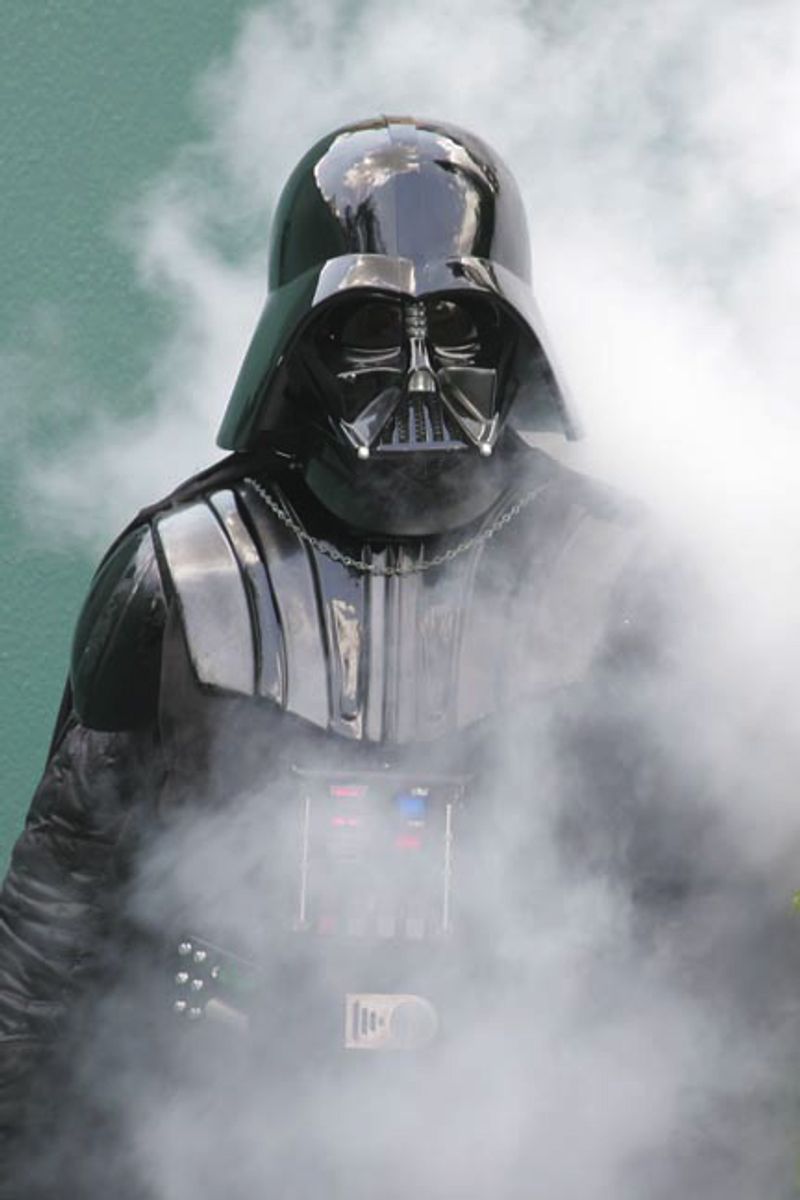
This misquote might hold the crown for the most infamous movie line mix-up ever, and it absolutely sends Star Wars fans into orbit.
During The Empire Strikes Back, Darth Vader responds to Luke’s accusation by saying, “No, I am your father,” with zero mention of Luke’s name.
Quoters added “Luke” later to give the line context, and that little tweak eventually overwrote the real dialogue in everyone’s memory.
Pop culture spread the incorrect version so widely that even people who’ve never watched a single Star Wars movie can recite it – a triumph of familiarity and a tragedy for accuracy.
13. “Sometimes A Cigar Is Just A Cigar.” – Sigmund Freud
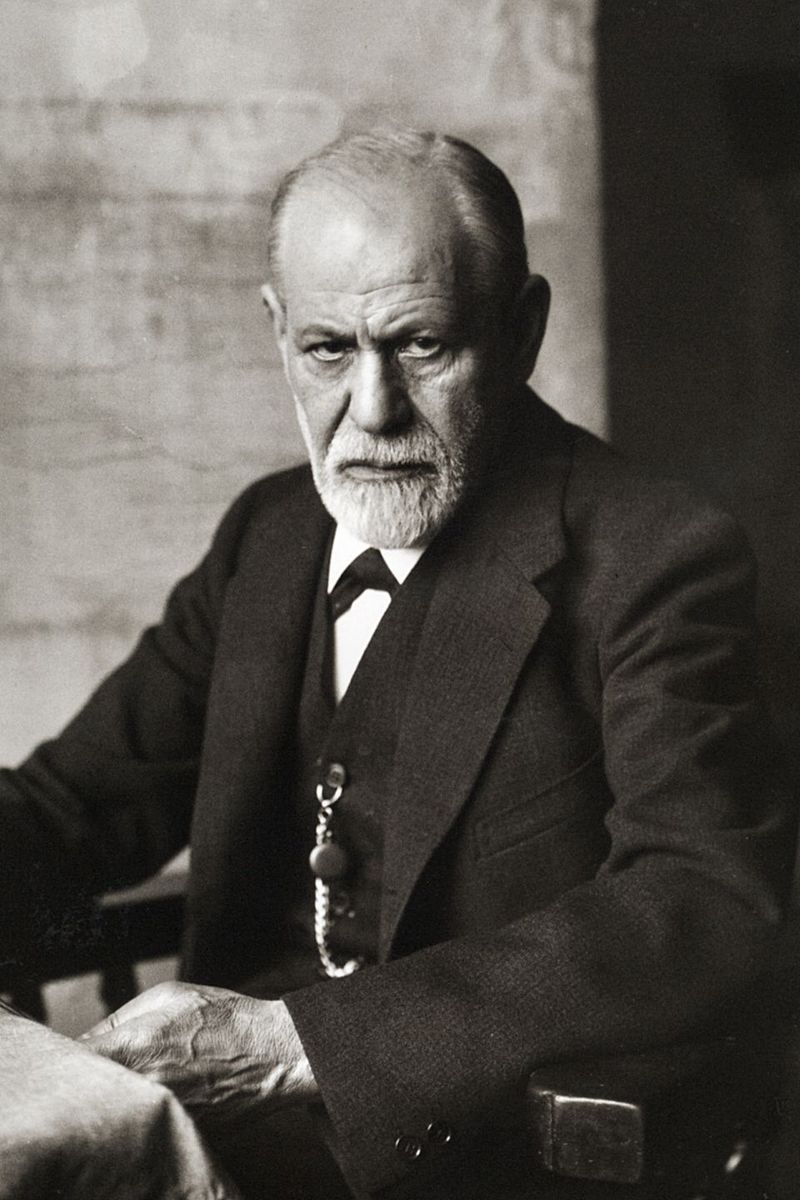
Given Freud’s reputation for finding hidden meanings in absolutely everything, this quote seems hilariously ironic and totally in character.
There’s just one problem: Freud scholars have searched his entire published work and personal correspondence without finding this line anywhere.
It’s possible someone made it up as a joke about Freud’s analytical style, and it stuck because it’s genuinely funny.
Sometimes the best quotes are the ones that perfectly capture someone’s personality, even if they never actually said them in the first place!
14. “First They Ignore You, Then They Laugh At You, Then They Fight You, Then You Win.” – Mahatma Gandhi
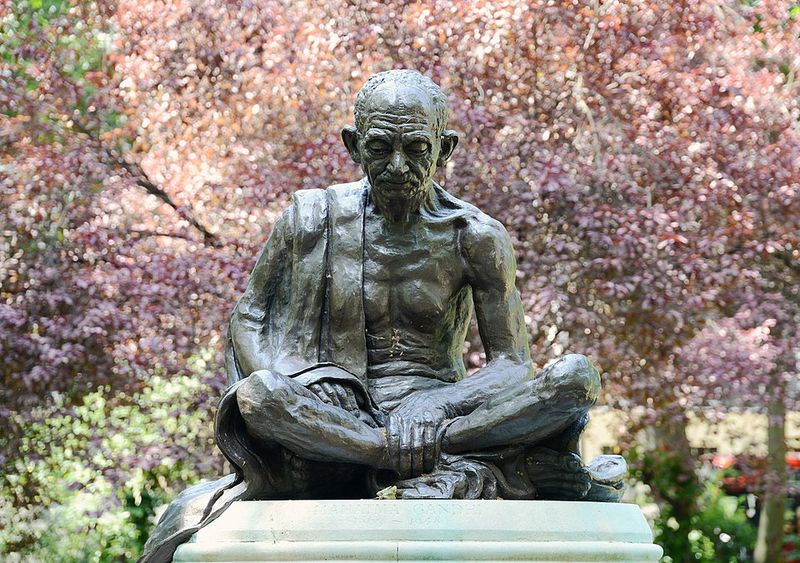
This inspiring progression about perseverance sounds exactly like something Gandhi would say during India’s independence struggle.
However, fact-checkers and historians agree Gandhi never spoke or wrote these words, despite them being plastered everywhere with his name attached.
A similar idea appears in a 1918 speech by American labor organizer Nicholas Klein, who probably deserves the credit here.
Gandhi said plenty of genuinely inspiring things, so maybe we should stick to quoting those instead of making up new ones!
15. “A Lie Can Travel Halfway Around The World While The Truth Is Putting On Its Shoes.” – Mark Twain
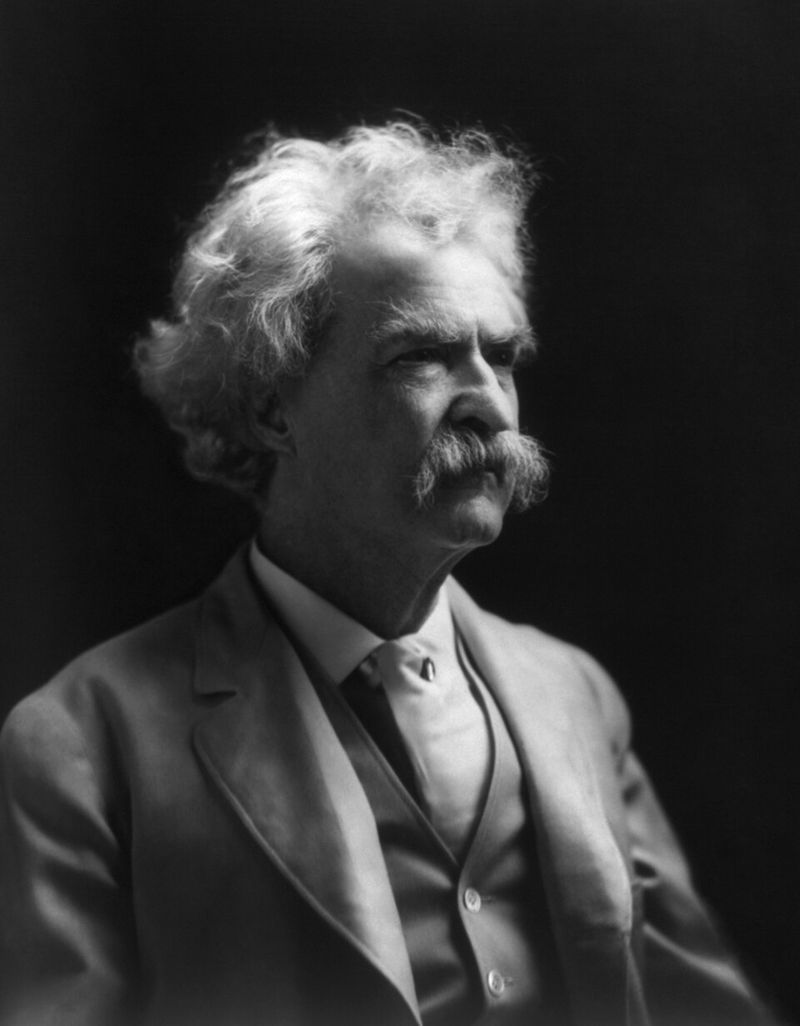
Mark Twain gets credit for about half the witty quotes on the internet, but this one doesn’t belong to him either.
The sentiment actually echoes Jonathan Swift, who wrote about falsehood flying while truth limps along behind.
Researchers have traced similar versions through history, but none of them lead back to Twain.
The irony is delicious: a quote about lies spreading faster than truth is itself a lie that spread faster than the truth about its origin!
16. “The Ends Justify The Means.” – Niccolò Machiavelli
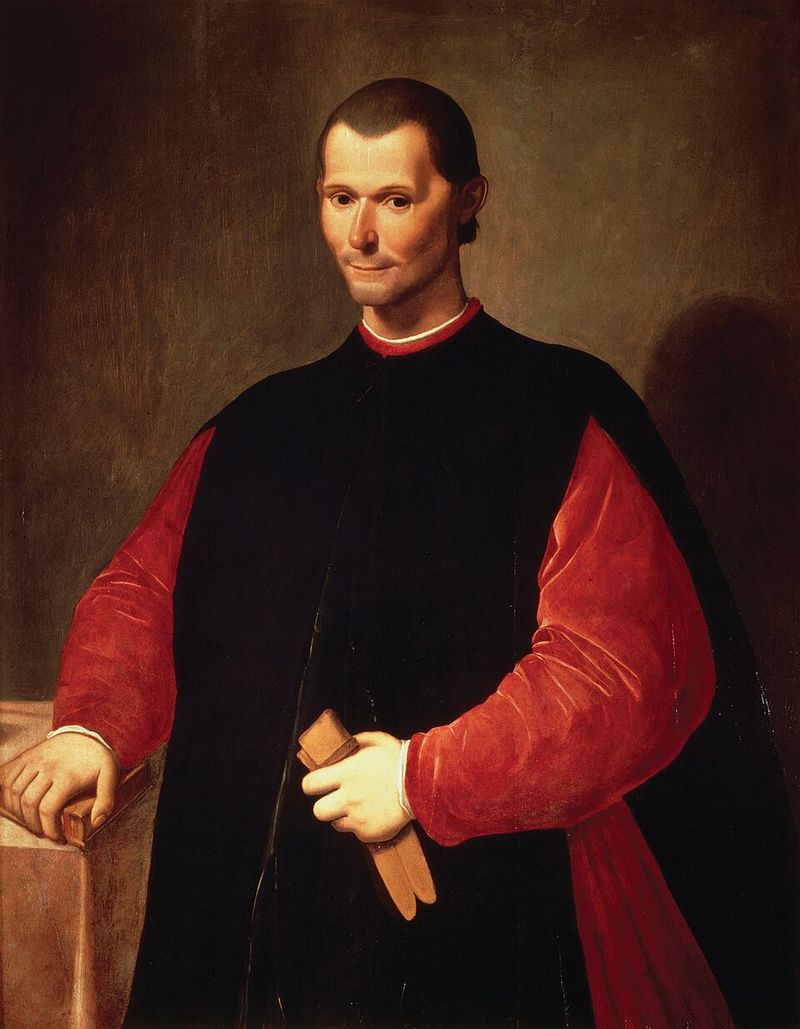
Machiavelli’s name has become synonymous with ruthless political cunning, so this quote seems like a perfect fit for him.
Truth bomb: this exact phrase never appears in “The Prince” or any of his other writings.
What Machiavelli actually wrote was much more nuanced, discussing how rulers sometimes face impossible moral choices when preserving stability.
Later readers simplified his complex political philosophy into this snappy slogan, which is kind of ironic considering he wrote about the importance of understanding nuance in politics!
17. “Preach The Gospel At All Times. Use Words If Necessary.” – St. Francis Of Assisi
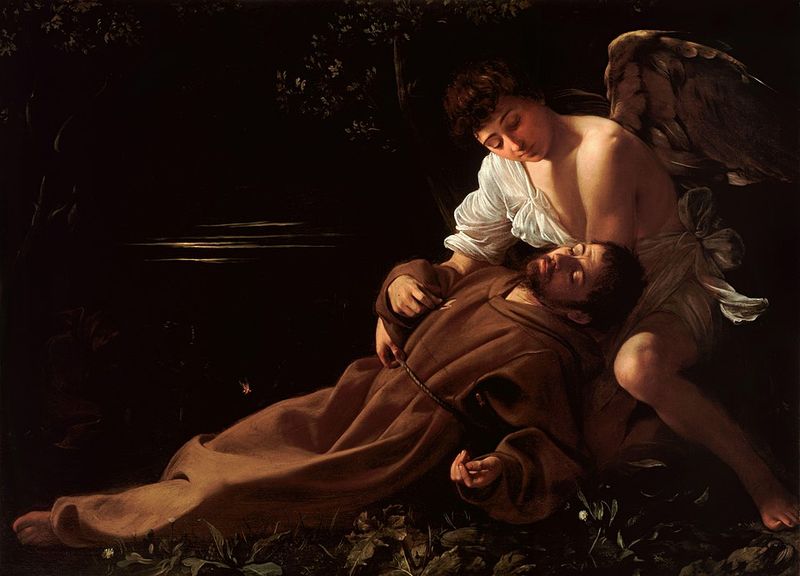
Beautiful as the sentiment may be, the idea of expressing faith through action certainly matches the humility people associate with St. Francis.
Church historians and Franciscan scholars have sifted through every surviving text and still haven’t found a single source that attributes the line to him.
Most evidence suggests the wording emerged centuries later as a neatly packaged summary of his life’s example.
Francis truly emphasized compassion in daily practice, yet giving him a quote he never said adds an ironic twist to a message meant to value deeds over words.
18. “I Fear All We Have Done Is To Awaken A Sleeping Giant And Fill Him With A Terrible Resolve.” – Admiral Isoroku Yamamoto
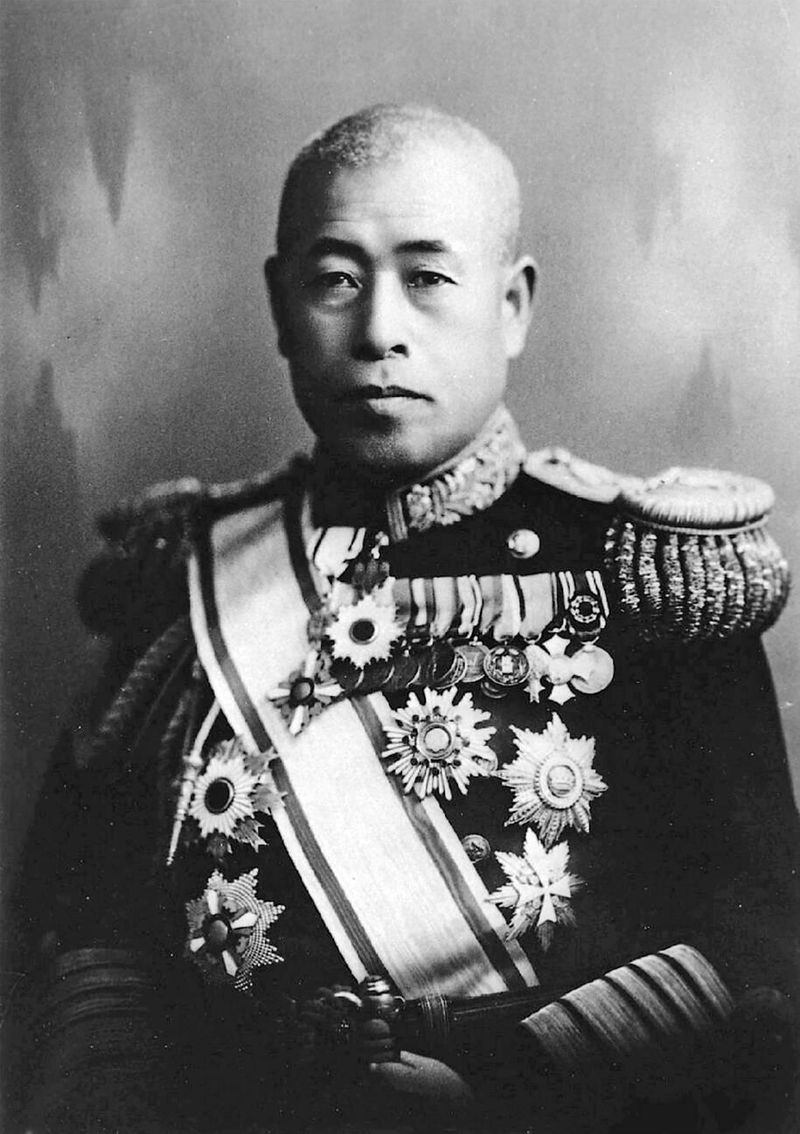
After Pearl Harbor, this dramatic line supposedly showed Yamamoto’s regret about attacking America, making him seem almost prophetic.
Here’s the reality check: historians have found no reliable Japanese source showing Yamamoto ever wrote or spoke these words.
The line appears in the 1970 film “Tora! Tora! Tora!” as dramatic Hollywood dialogue.
While Yamamoto did express concerns about America’s industrial might, screenwriters apparently decided to punch up his actual thoughts into something more quotable for the big screen!
19. “I Can See Russia From My House.” – Sarah Palin
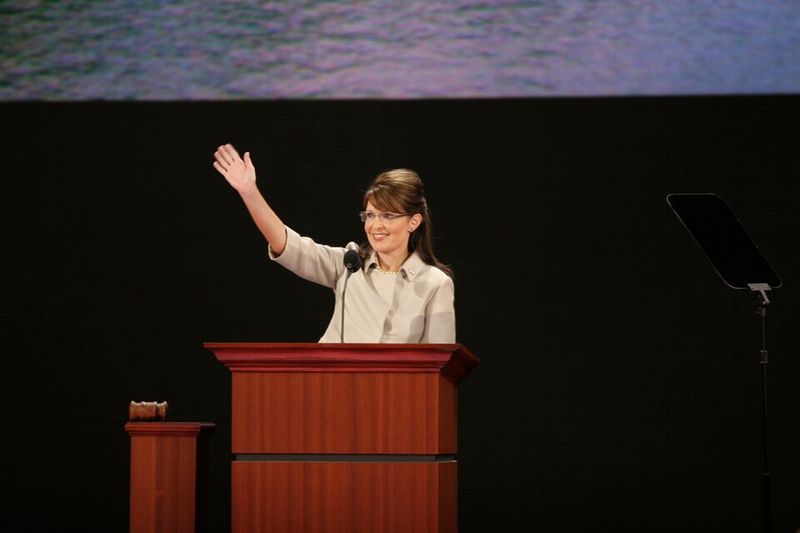
During the 2008 election, this quote became infamous as supposed proof of Sarah Palin’s foreign policy credentials.
Plot twist: Palin never actually said this in real life.
Tina Fey delivered this line while brilliantly impersonating Palin on Saturday Night Live, and the parody was so spot-on that millions of people thought it was real.
Palin did mention you can see Russia from parts of Alaska, which is technically true, but Fey’s comedic version is what everyone remembers now!
20. “If You Have To Ask How Much It Costs, You Can’t Afford It.” – J. P. Morgan
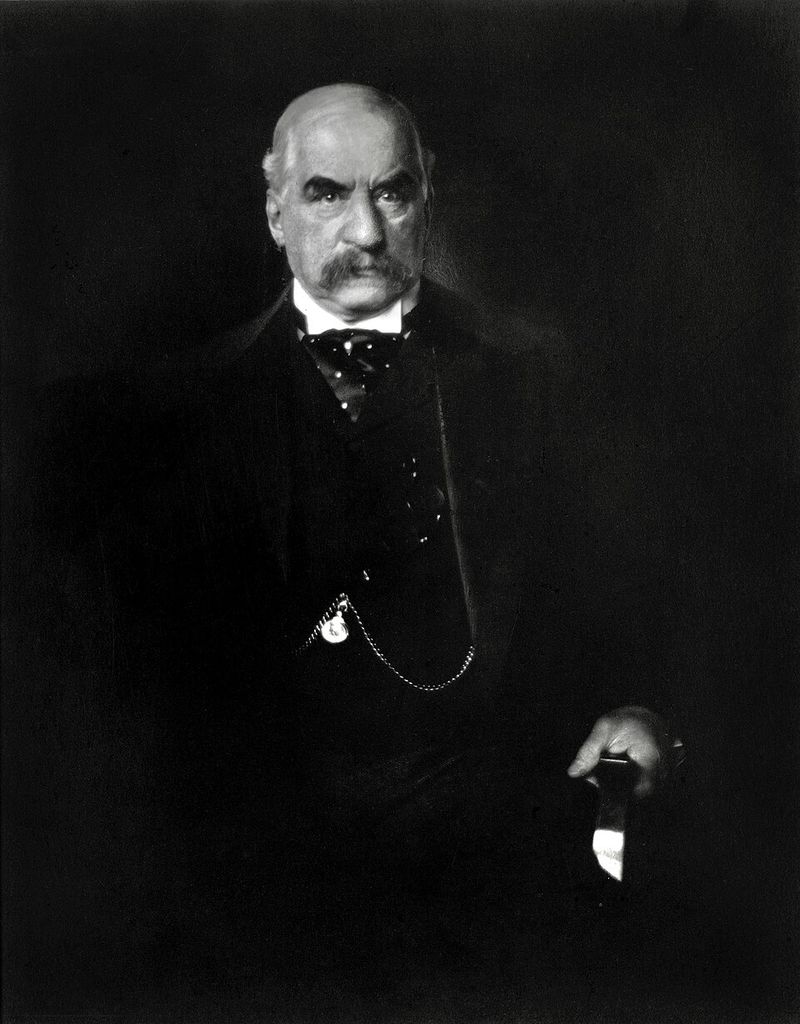
This quote screams old-money attitude, making it a perfect fit for legendary banker J.P. Morgan’s reputation for extreme wealth.
Unfortunately, this line appears in print only after Morgan’s death, and historians treat it as a doubtful attribution at best.
Someone probably invented it later to capture the essence of Morgan’s financial status and attitude toward money.
Whether he said it or not, the quote has become part of his legacy, proving that sometimes our myths about historical figures become more powerful than the actual facts!