
17 Fictional Employees Who Would Not Make It Past Week One
Certain characters shine gloriously in novels, yet would unravel spectacularly under fluorescent lighting.
Give them a swivel chair, a company email, and a 9 a.m. meeting invite, and the chaos would begin before the printer even warms up.
By mid-morning, HR would be clutching a folder labeled “urgent,” and the break room would never be the same again.
1. Ebenezer Scrooge
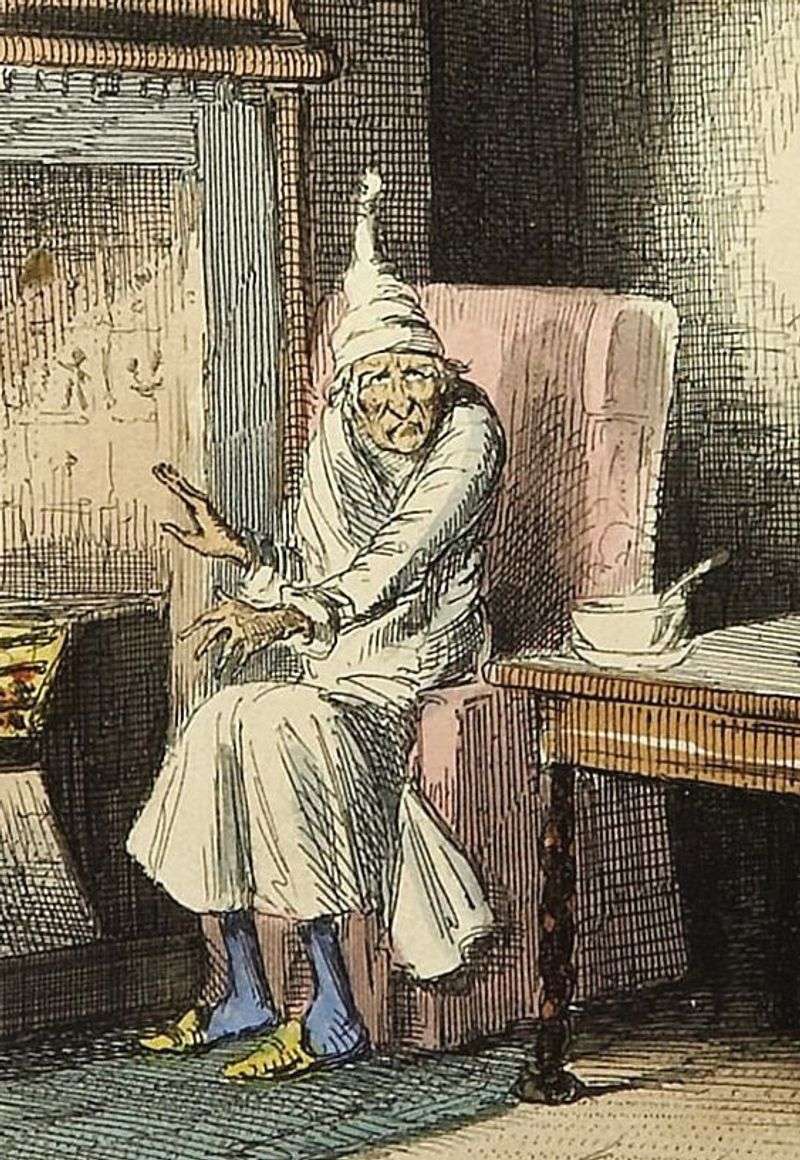
Office tyrant who tracks every pencil and frowns at every bathroom break feels all too familiar.
In spirit, that mindset mirrors Ebenezer Scrooge, forever pinching pennies and guarding the thermostat like treasure. Time off for a funeral would meet resistance, and payday might arrive with more lecture than gratitude.
Long-suffering clerk Bob Cratchit endured the treatment in A Christmas Carol, yet modern labor standards would likely cut that arrangement short before the week was out.
2. Bob Cratchit
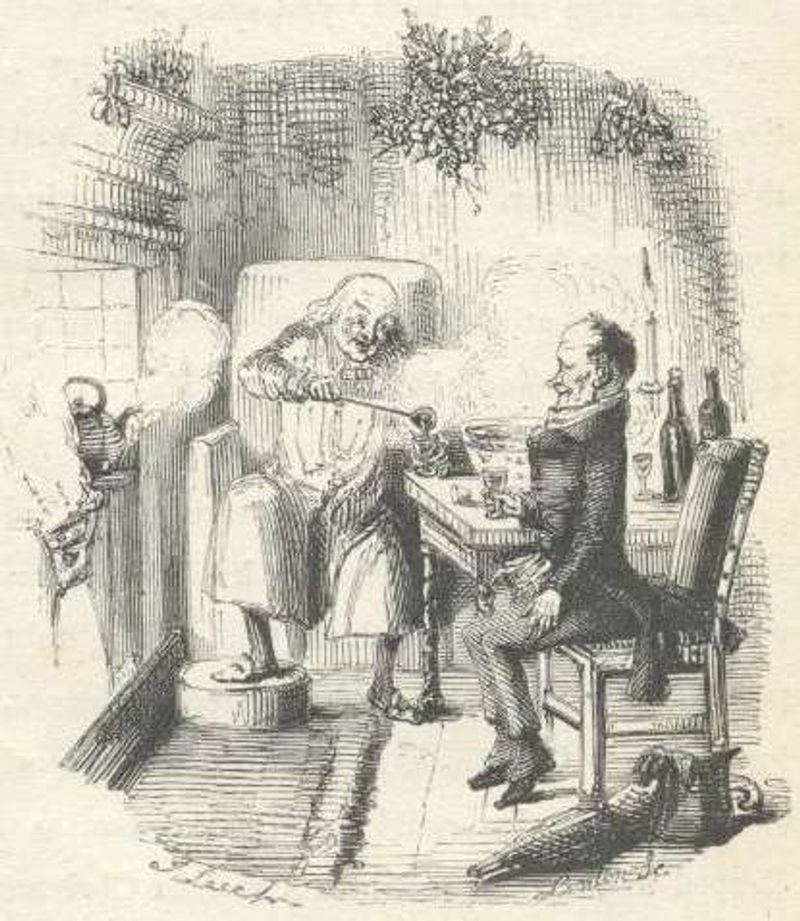
Excessive loyalty defines Bob, the kind of employee who clocks in sick, skips lunch, and swallows every complaint. Admiration might follow for a few days, yet soon missed deadlines, fatigue-driven mistakes, and simmering resentment would stack up like unpaid invoices.
Management tends to celebrate devotion until exhaustion begins to erode performance. Underneath that dutiful exterior sits a burnout cycle ready to unfold.
Better boundaries would serve him well, because quiet frustration rarely stays invisible for long.
3. Ichabod Crane
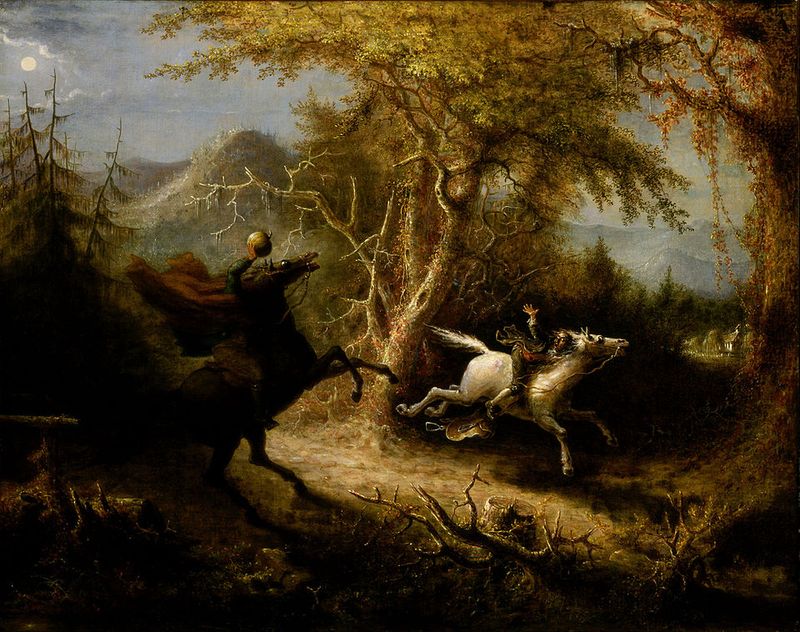
Jumpy doesn’t begin to cover it.
Every notification ping sends Ichabod into a minor panic spiral.
He misses deadlines because he got spooked by the printer, spends meetings scanning the room for threats, and somehow turns every project into a personal ghost story. Collaboration is impossible when your coworker flinches at staplers.
Charming in small doses, but the workplace needs steady hands, not skittish ones.
4. Sherlock Holmes
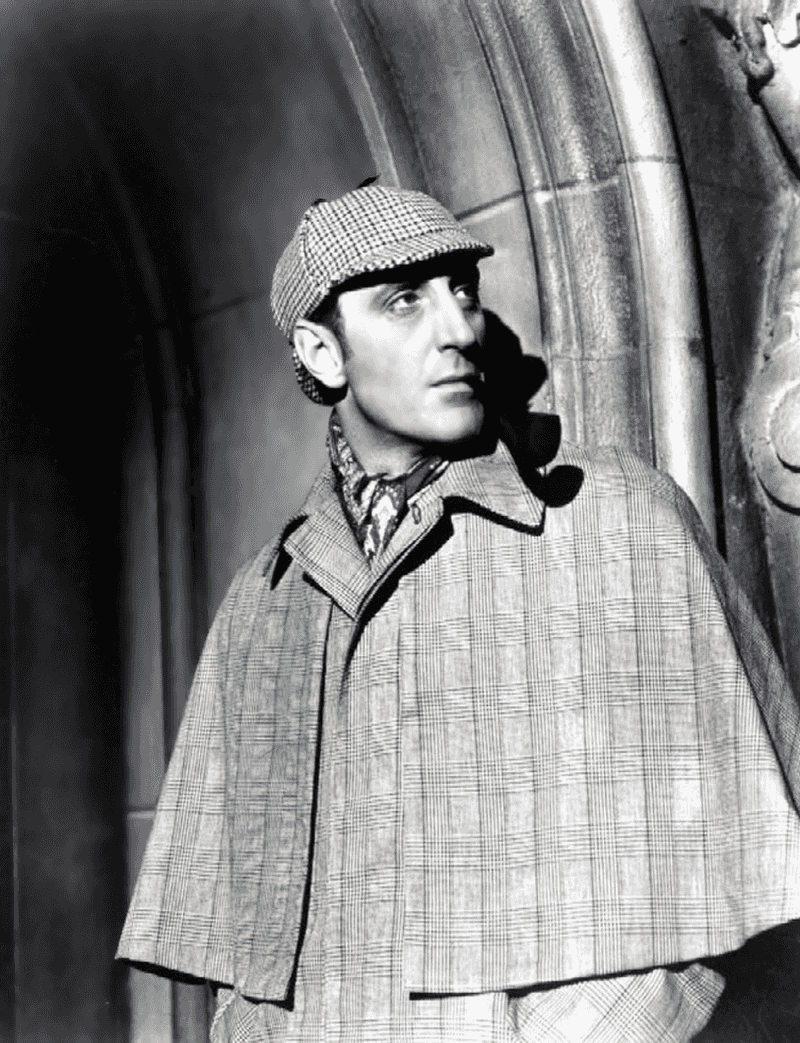
Brilliance rarely causes debate. In an office setting, Sherlock Holmes would likely sidestep procedures, overhaul workflows mid-project, and treat company policy as an affront to his intellect.
True collaboration requires listening, not delivering sharp critiques while solving problems no one assigned.
Raw genius has limits when the rest of the department quietly updates their résumés.
5. Dr. John H. Watson
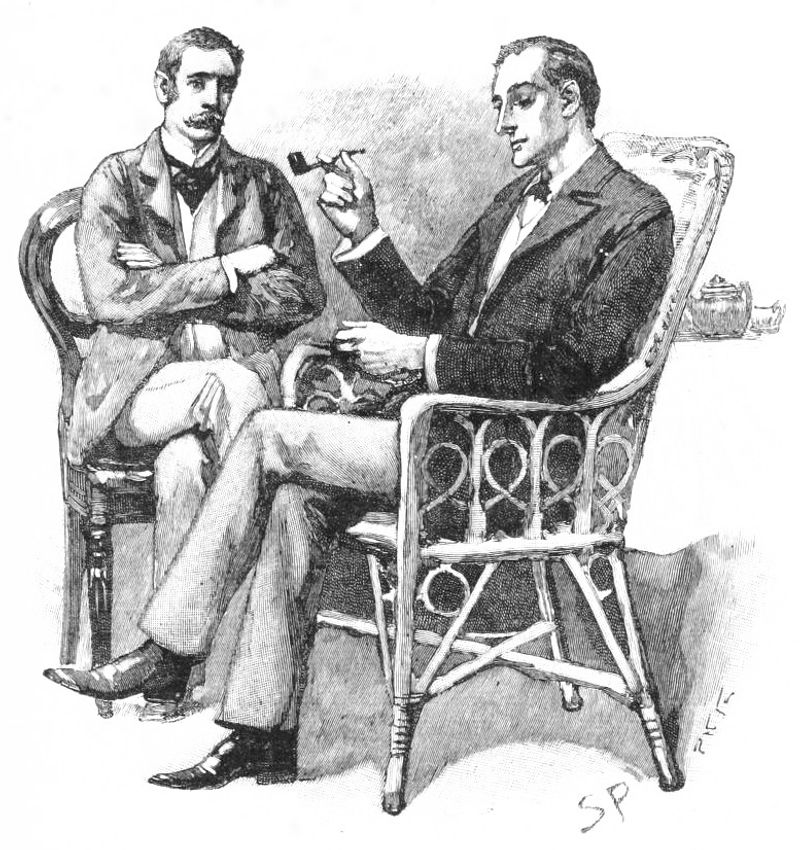
Competence defines Watson, and that already sets him ahead of much of the company. Trouble begins elsewhere, not in ability but in habit.
Repeatedly stepping in to cover for Sherlock, smoothing over crises and excusing conduct that would earn anyone else swift dismissal, creates a different kind of liability.
Sooner or later, human resources connects the dots, and shielding chaos rarely strengthens a performance review.
6. Professor Moriarty
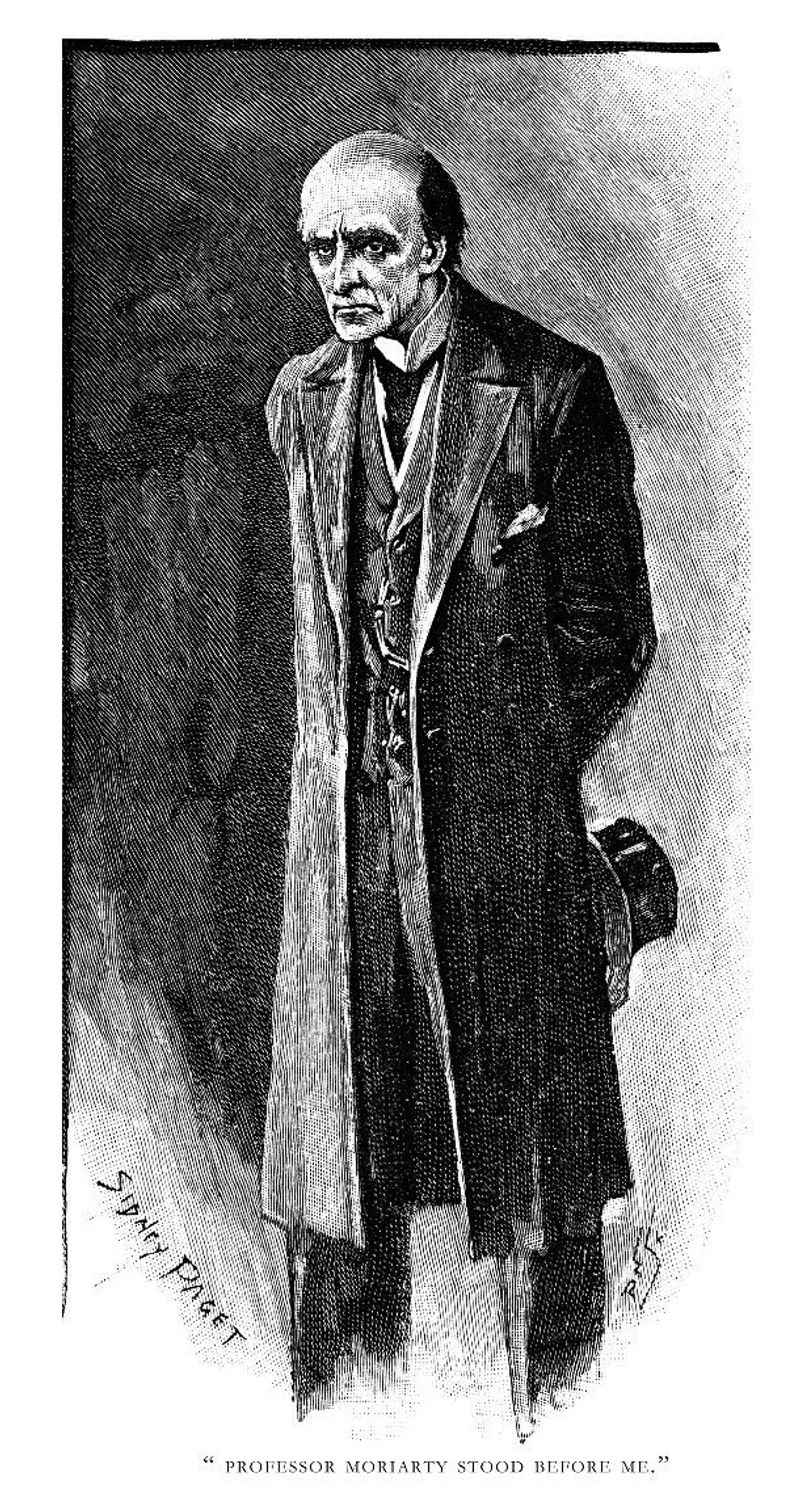
Moriarty would ace the interview, charm the hiring manager, and have a side scheme running by Wednesday.
Every policy has a loophole he will exploit. Every rule exists to be bent just enough to avoid detection.
Sure, he is smart, but intelligence without ethics is just expensive liability waiting to backfire, and no company wants that kind of headline.
7. Inspector Javert
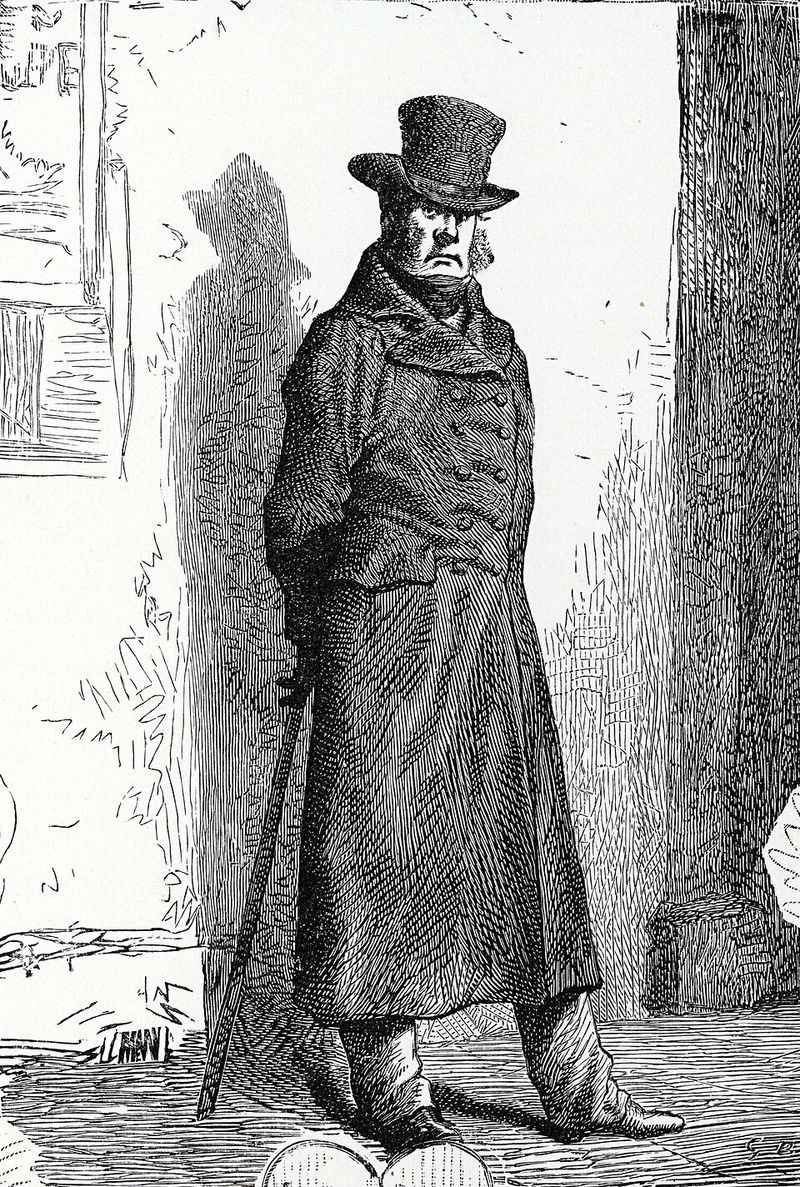
Rules matter, sure, but Javert takes it to a level that makes everyone uncomfortable.
He would report a coworker for clocking in two minutes late, escalate every minor mistake to management, and treat the break room like a courtroom. Context means nothing to him.
Flexibility is not weakness, but try telling that to someone who sees the world in black, white, and written policy.
8. Captain Ahab
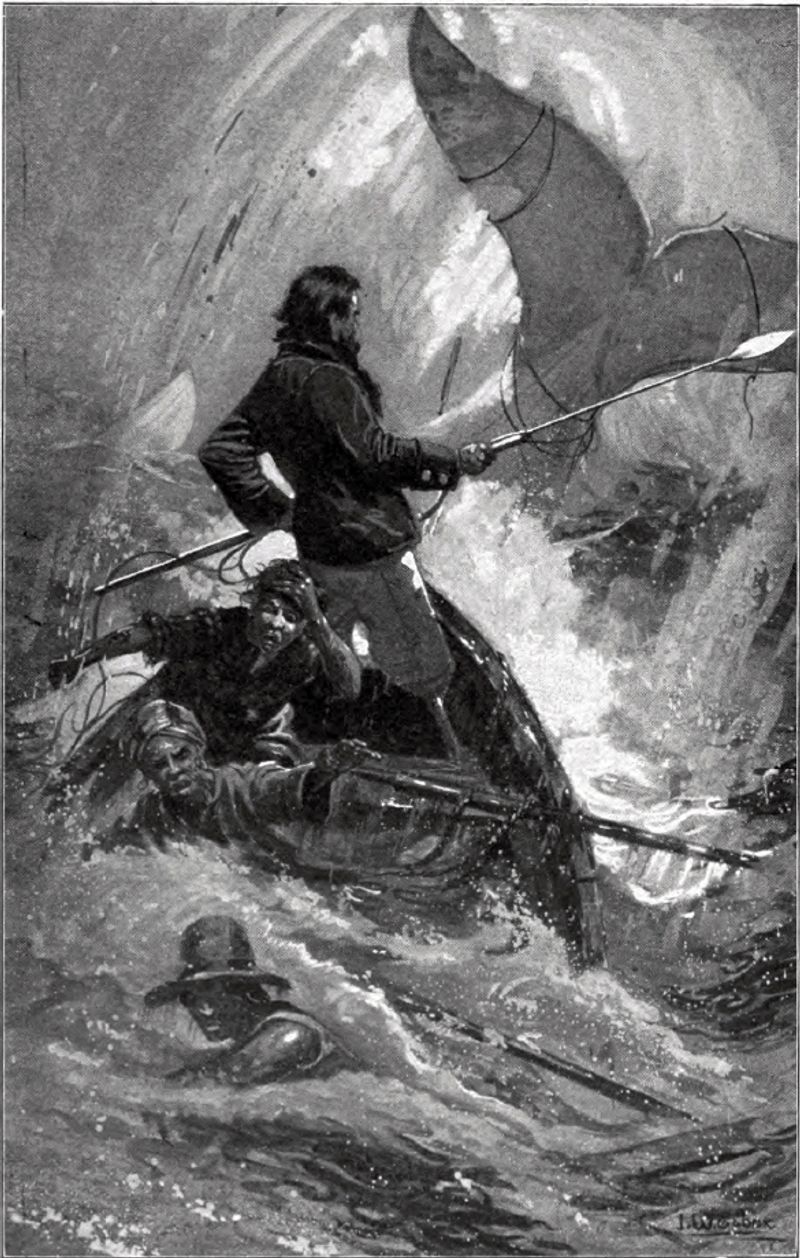
Quarterly plans would not stand a chance once Captain Ahab decided a single target mattered more than anything else. Obsession would override strategy, pulling the entire team into a relentless chase and branding any dissent as weakness.
Meetings would drift into speeches about revenge, deadlines would slide, and safety would take a back seat to fixation.
Effective leadership depends on steady focus rather than fanatic drive, and in Moby-Dick, Ahab never learned that distinction.
9. Don Quixote
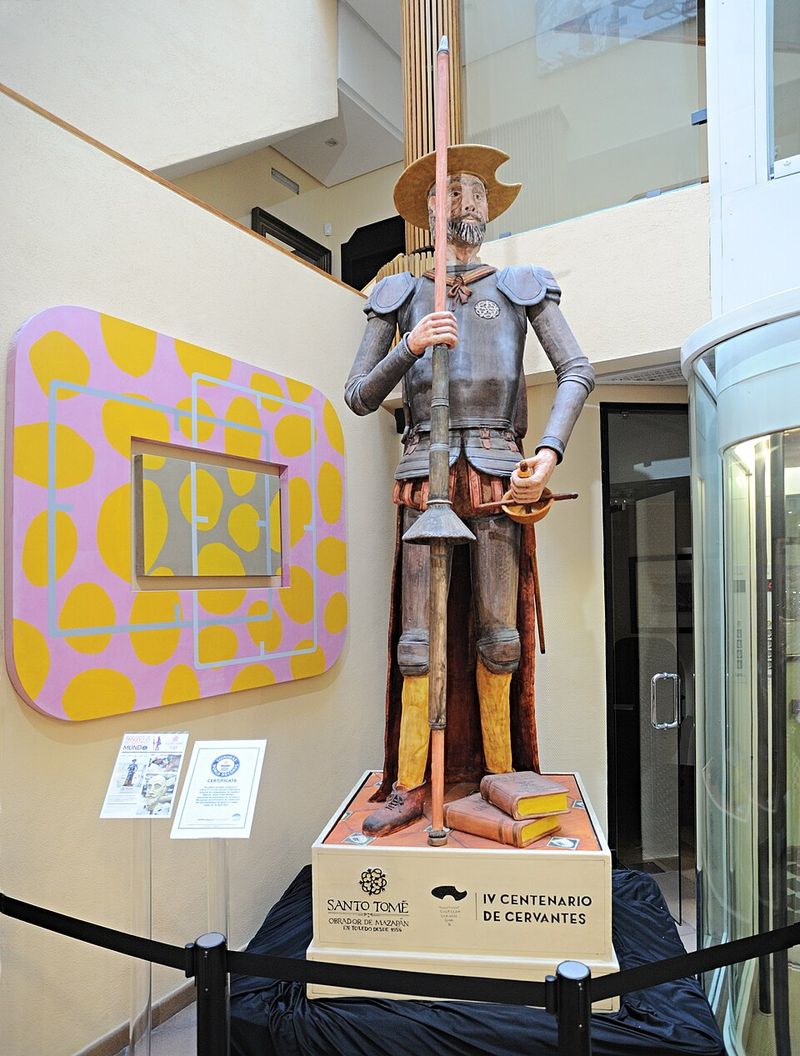
Confidence serves well only while it remains tethered to reality.
At work, Don Quixote would misinterpret everyday circumstances, charge into fictitious emergencies, and turn ordinary paperwork into a valiant crusade.
Enthusiasm radiates from him and intentions stay sincere, yet optimism cannot compensate for faulty judgment. By Thursday, an injury has occurred, equipment lies damaged, and confusion fills the room over how events unraveled so quickly.
10. Count Dracula
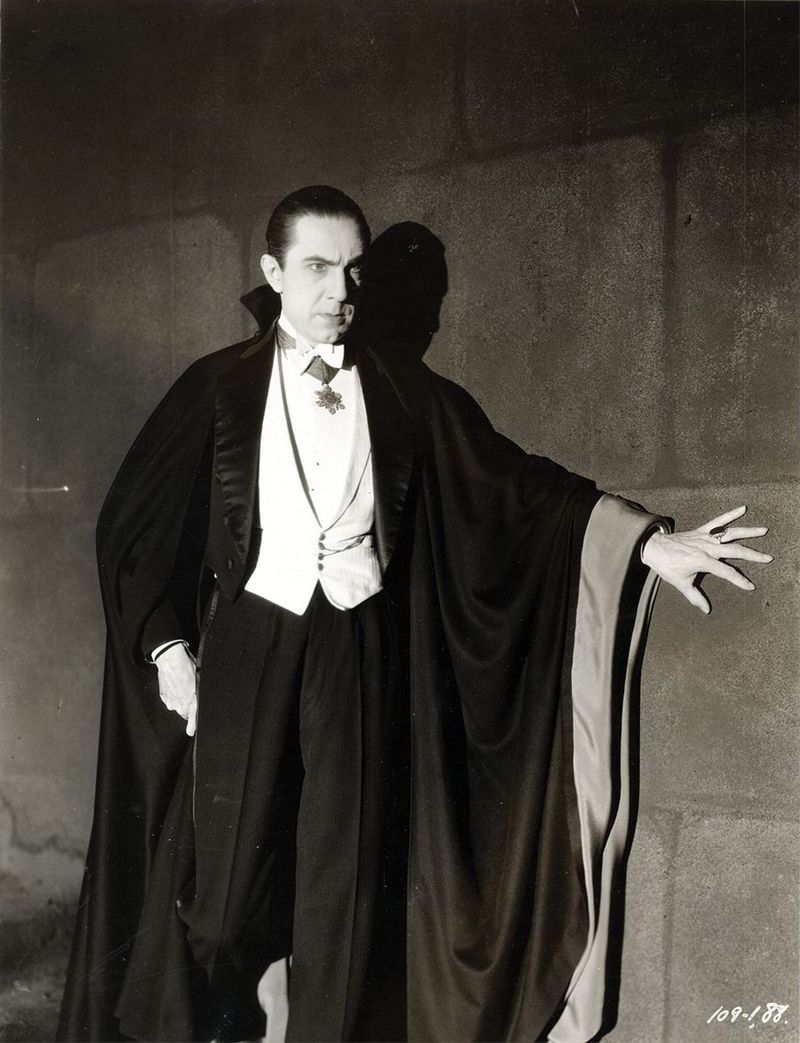
Dracula would nail the first impression with that old-world charm and unsettling intensity.
Then the red flags start piling up. He only works nights, avoids team lunches, and makes everyone deeply uncomfortable without breaking a single rule.
Nobody can prove anything, but the vibe is wrong, the energy is off, and HR starts getting anonymous complaints before the week ends.
11. Frankenstein’s Creature
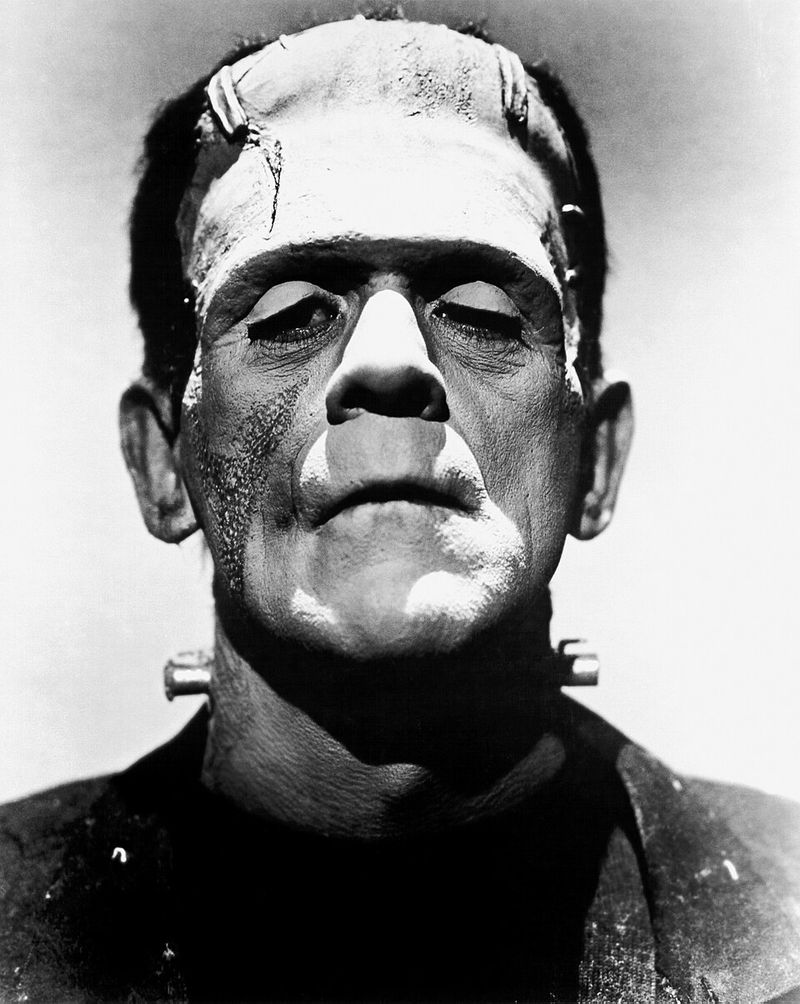
Nobody means harm, but intentions do not erase impact.
The Creature would struggle with communication, misinterpret social cues, and accidentally cause chaos trying to help. Coworkers would feel uneasy, incidents would pile up, and despite genuine effort, things would keep going wrong.
Sympathy only stretches so far when the workplace feels unsafe, even if the danger is unintentional.
12. Dr. Jekyll
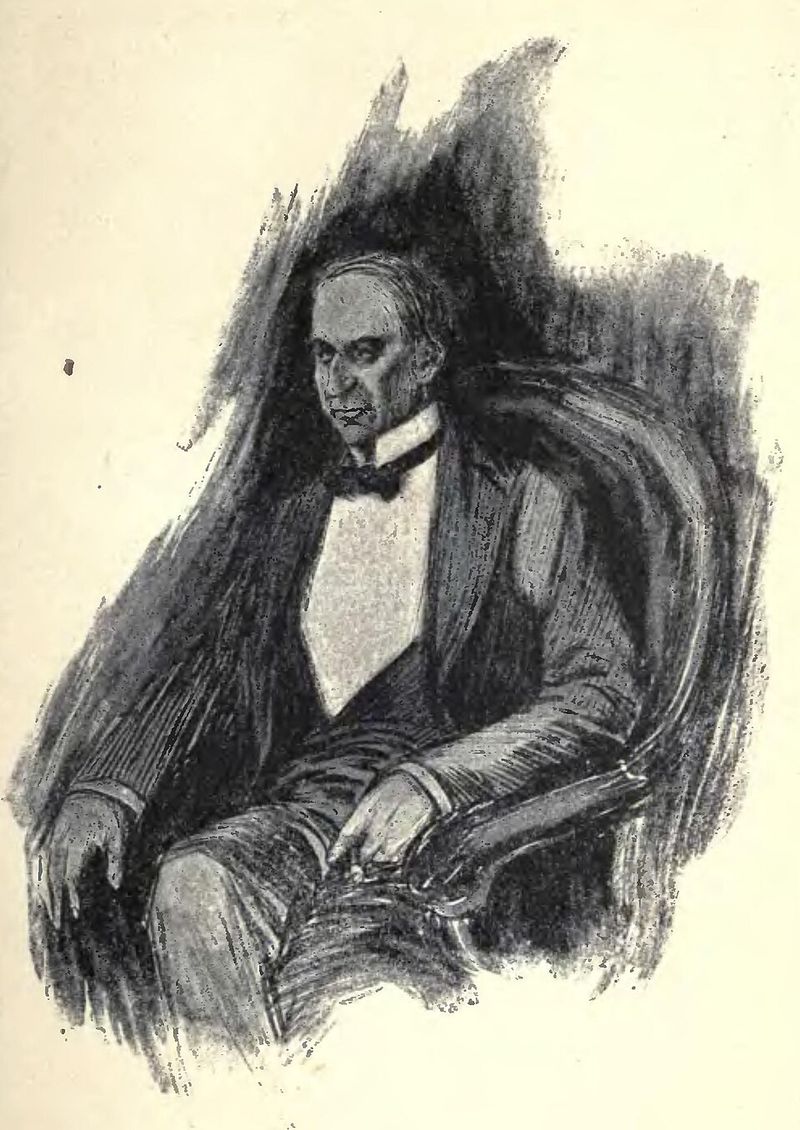
Résumé would impress any hiring manager when it lists education, manners, and polished professionalism tied to Dr. Henry Jekyll. Reality tells a different story once boundaries begin to dissolve in unsettling ways.
Experiments with work-life balance take on a literal edge, odd hours become routine, and mood swings stop looking like harmless quirks.
Sooner or later, someone would connect the dots and recognize that the issue runs deeper than stress, echoing the split identity revealed in Strange Case of Dr Jekyll and Mr Hyde.
13. Mr. Hyde
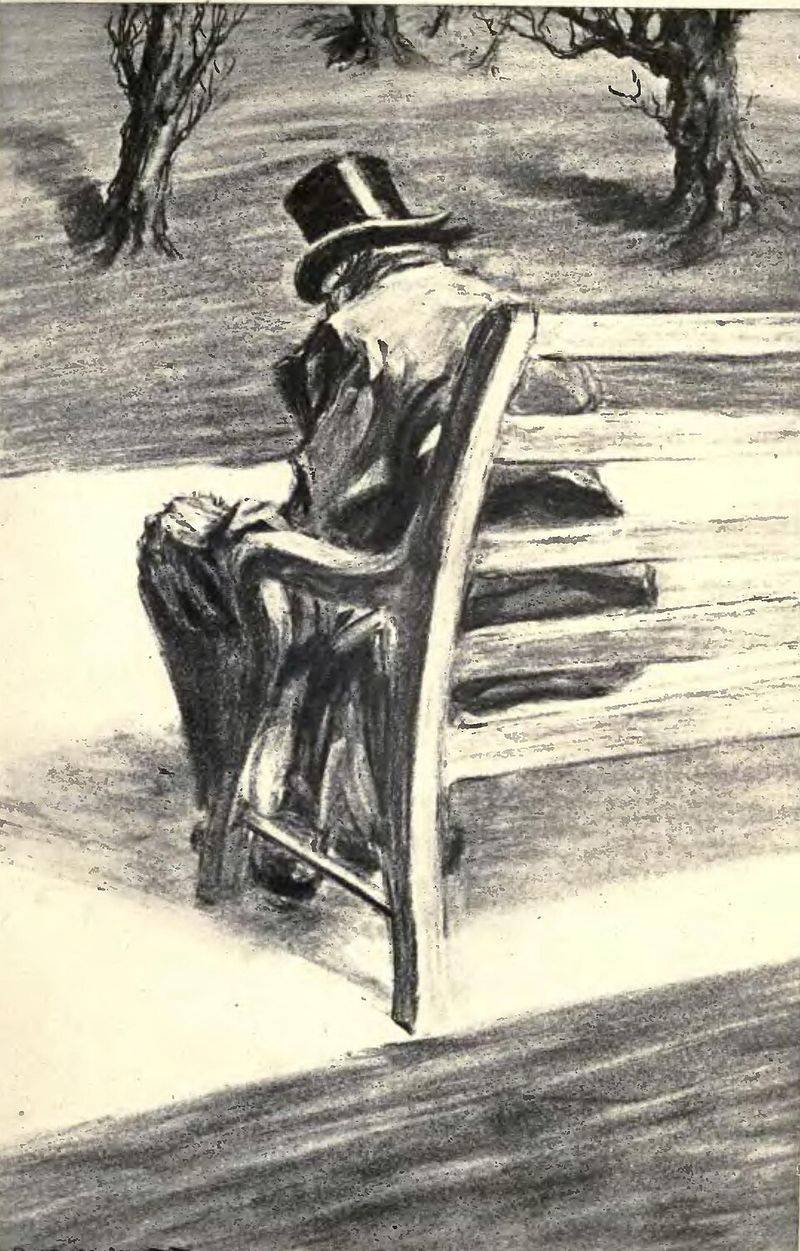
From the first appearance, security would already be on alert.
Hyde embodies every workplace fear rolled into one: aggression, volatility, and complete absence of accountability. Coaching plans would not apply, and a probation period would never enter the conversation.
Once that presence is confirmed, termination paperwork moves forward and building access gets revoked before further harm can occur.
14. Captain Nemo
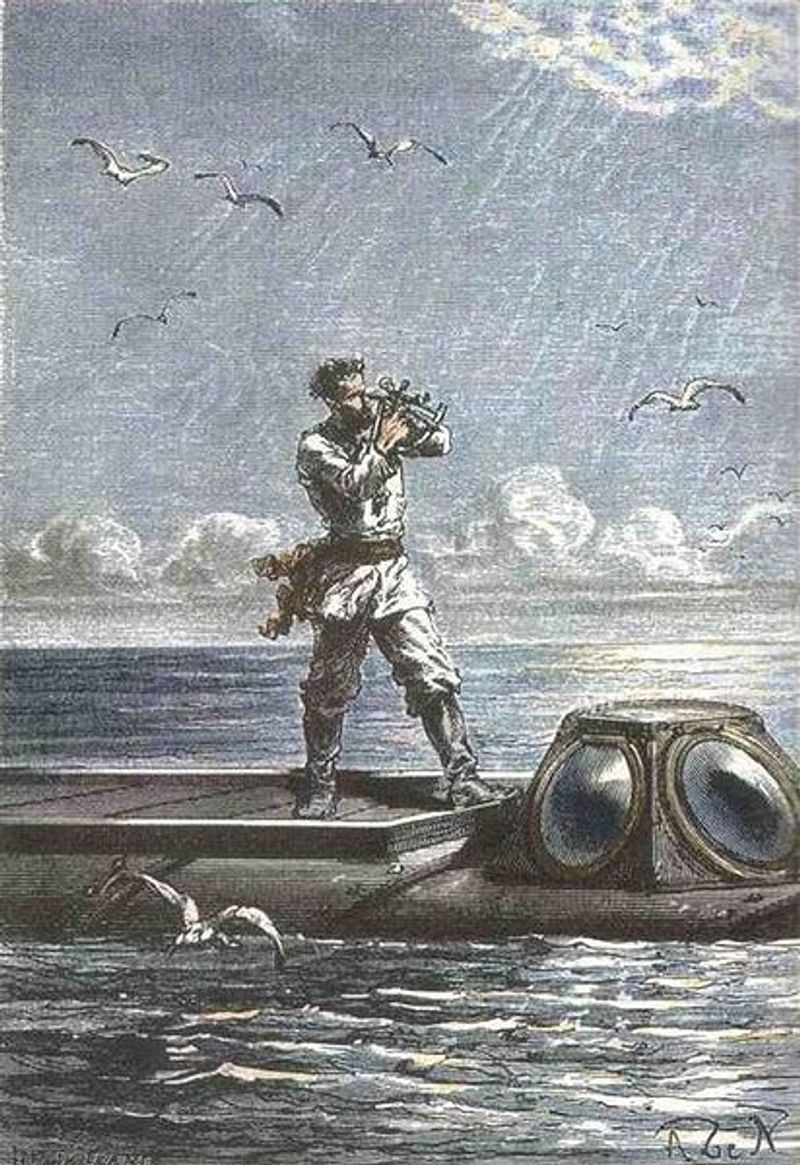
Strategic vision and rare expertise define Captain Nemo, along with resources most companies would envy.
Authority, however, ranks low on his list of priorities, since rules rarely extend beyond his own command.
Corporate strategy collapses when a top performer operates like a sovereign state, rejects oversight, and treats collaboration as weakness. Talent without alignment turns into costly turbulence, much like the isolation that drives events in Twenty Thousand Leagues Under the Seas.
15. Phileas Fogg
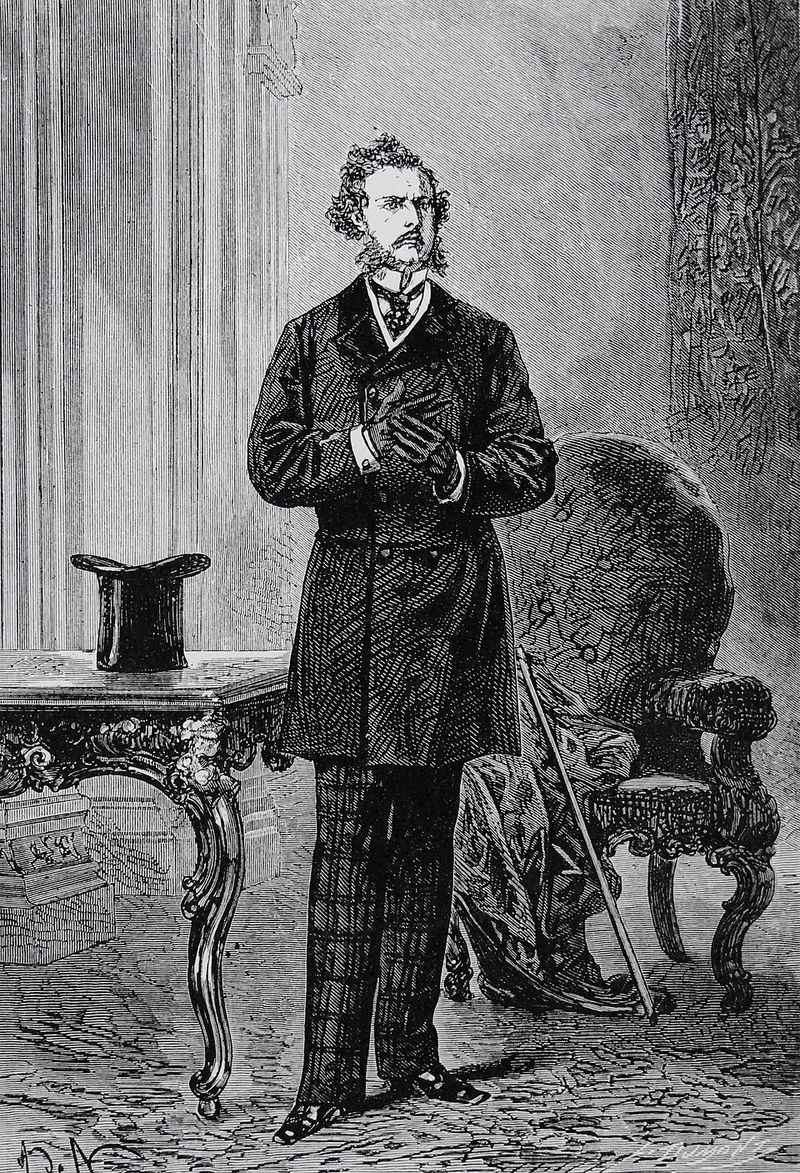
Punctuality is a virtue until it turns into rigid fixation.
Fogg would schedule bathroom breaks, time conversations to the second, and treat human beings like train schedules. Flexibility does not exist in his world.
Empathy gets no space on the timetable. Eventually someone cracks under the pressure, and management realizes efficiency without humanity starts to feel punishing fast.
16. Passepartout
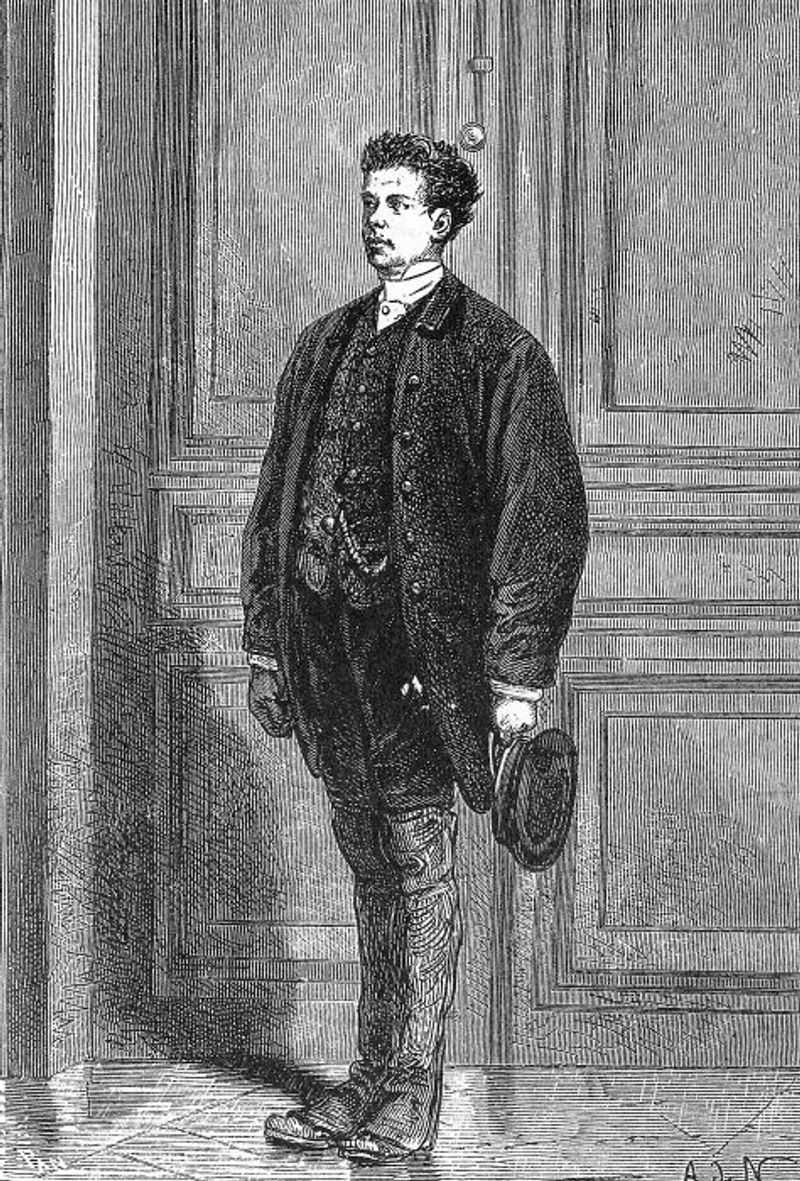
Enthusiasm earns applause right up until something costly ends up damaged. Hard work and genuine care define Passepartout, yet his energy often outruns his judgment in risky ways.
Routine assignments morph into grand adventures, minor setbacks invite improvisation, and quick fixes teeter close to disaster.
Come Friday, repair logs speak louder than good intentions, and leadership faces an unavoidable decision.
17. Dorian Gray

Dorian would charm his way through the interview, impress everyone at the welcome lunch, and seem absolutely perfect for about seventy-two hours.
Then the cracks start showing: the lies, the manipulation, the way he throws people under the bus without blinking. Beauty and charisma only mask so much before the uglier truth underneath becomes impossible to ignore.
Important: This article discusses fictional characters and workplace behavior through humor and literary references.
Interpretations are subjective and meant to reflect storytelling tropes rather than real-world diagnoses, employment guidance, or professional evaluation standards.






.jpg)


.jpg)


