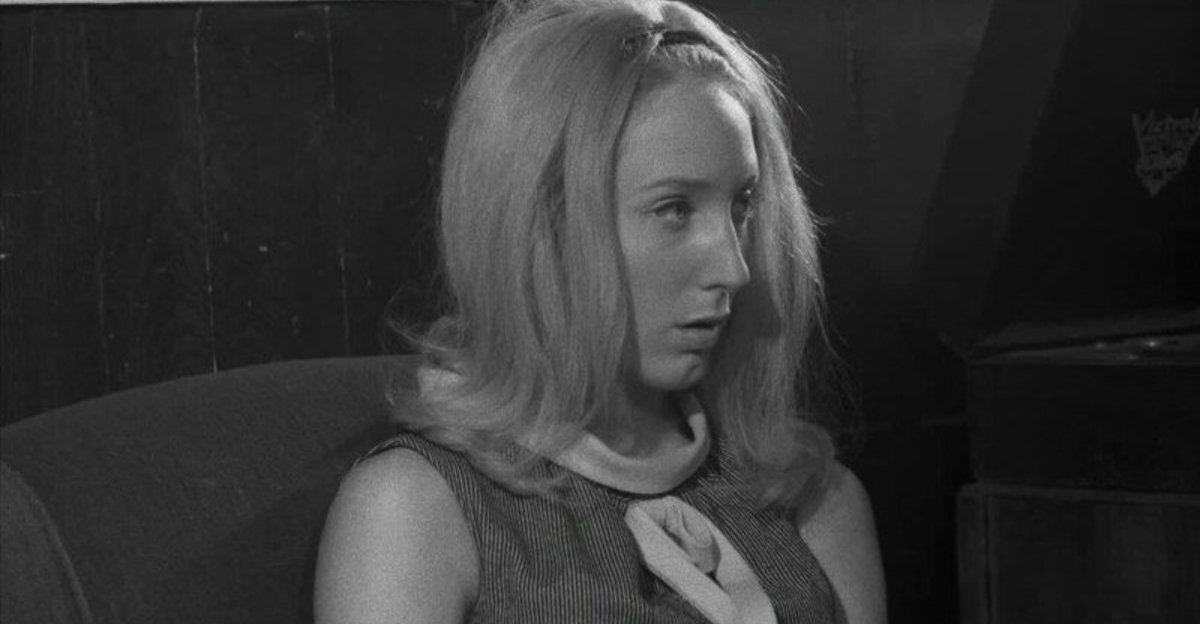
Film Villains Who Were Not As Bad As They Seemed
Darkness rarely arrives with a neat little label that says “villain,” no matter how dramatic the entrance.
Sharp words, grand gestures, a bit of flair… all very impressive, but even the most feared figures usually have a story they would prefer not be examined too closely.
Look a little deeper, and the character often begins to feel more understandable than expected, which is inconvenient, dramatic, and just a touch embarrassing for everyone who rushed to judge.
1. Magneto – X-Men Film Series
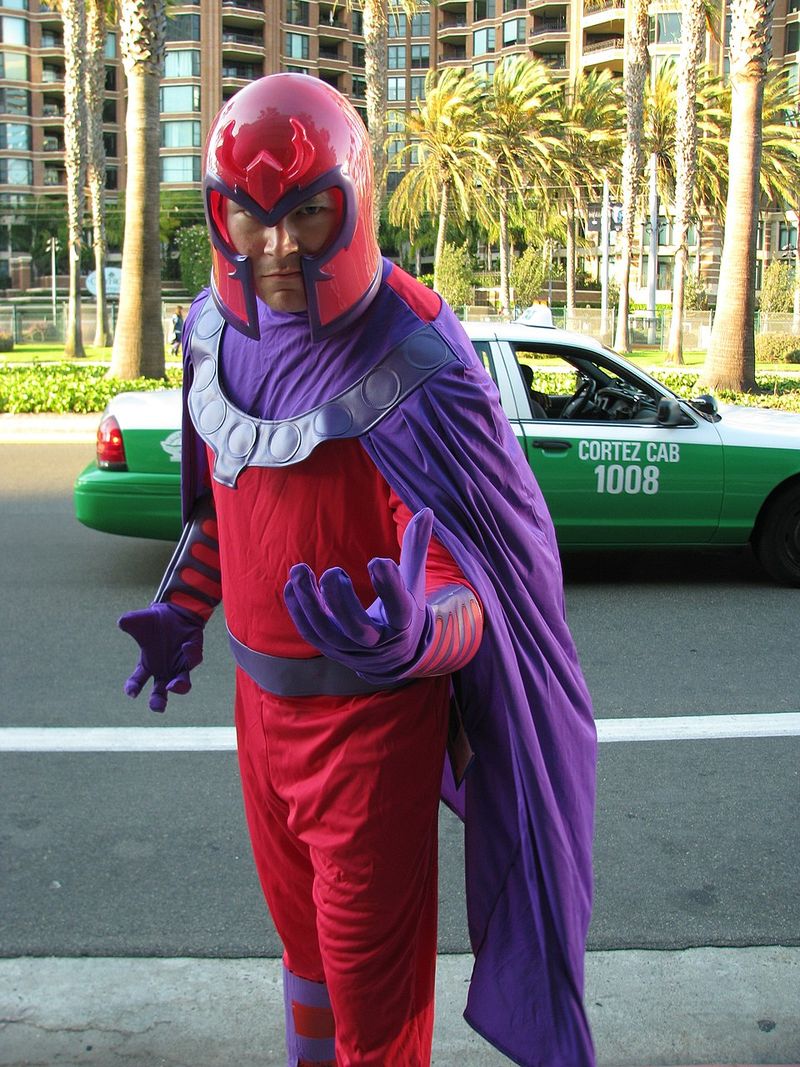
Surviving the Holocaust as a child changes a person in ways most of us will never fully understand.
Childhood marked by loss and persecution shaped Erik Lehnsherr, leaving him convinced that protecting mutantkind is the only way to prevent history from repeating itself. Fear does not excuse every terrible choice, but it helps explain the fire behind them.
Over time, Magneto reads less like a straightforward antagonist and more like a warning about what unchecked trauma can build inside a person over decades.
2. Roy Batty – Blade Runner (1982)
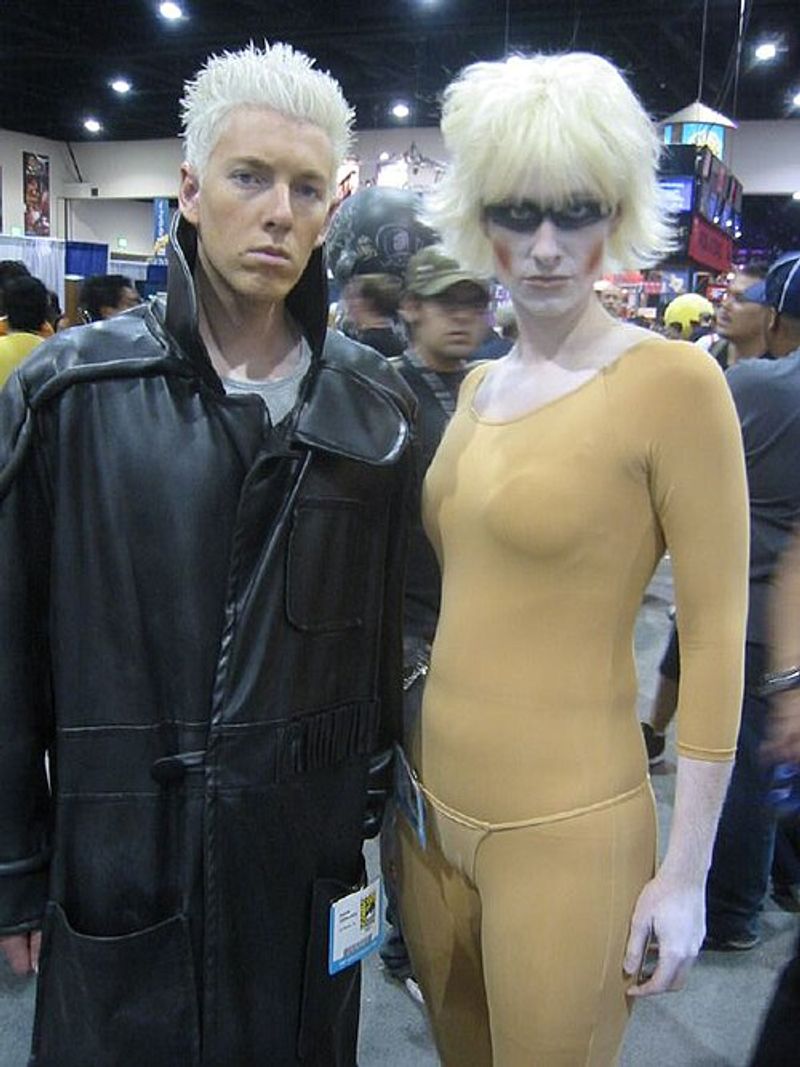
Few final speeches in cinema history land with the same weight as those quiet words delivered in the pouring rain.
Engineered for a short life, denied even the basic right to keep existing, that entire arc builds toward something far more human than expected.
His actions read less like simple cruelty and more like a desperate attempt to hold onto time that was never guaranteed.
“All those moments will be lost in time, like tears in rain” does not play as a villain’s exit line. A eulogy is exactly what it becomes.
3. Erik Killmonger – Black Panther (2018)
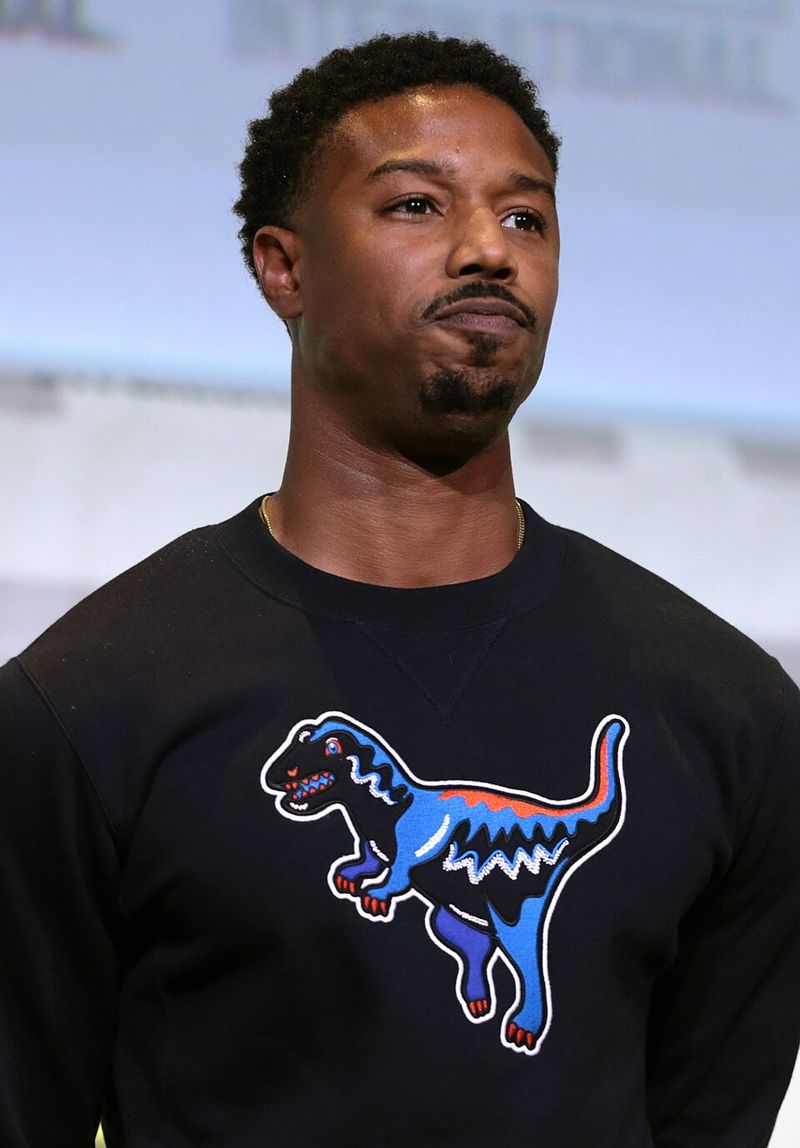
Growing up in Oakland after being left behind by Wakanda gave Killmonger a grievance that feels hard to ignore.
Life shaped by that imbalance drives Killmonger’s anger, and while his methods turn extreme, the inequality fueling it remains real.
Questions he raises press directly on issues Wakanda had avoided for generations, and no one seems to have a clean answer. Villains become most unsettling when at least part of their argument holds truth.
4. General Francis X. Hummel – The Rock (1996)
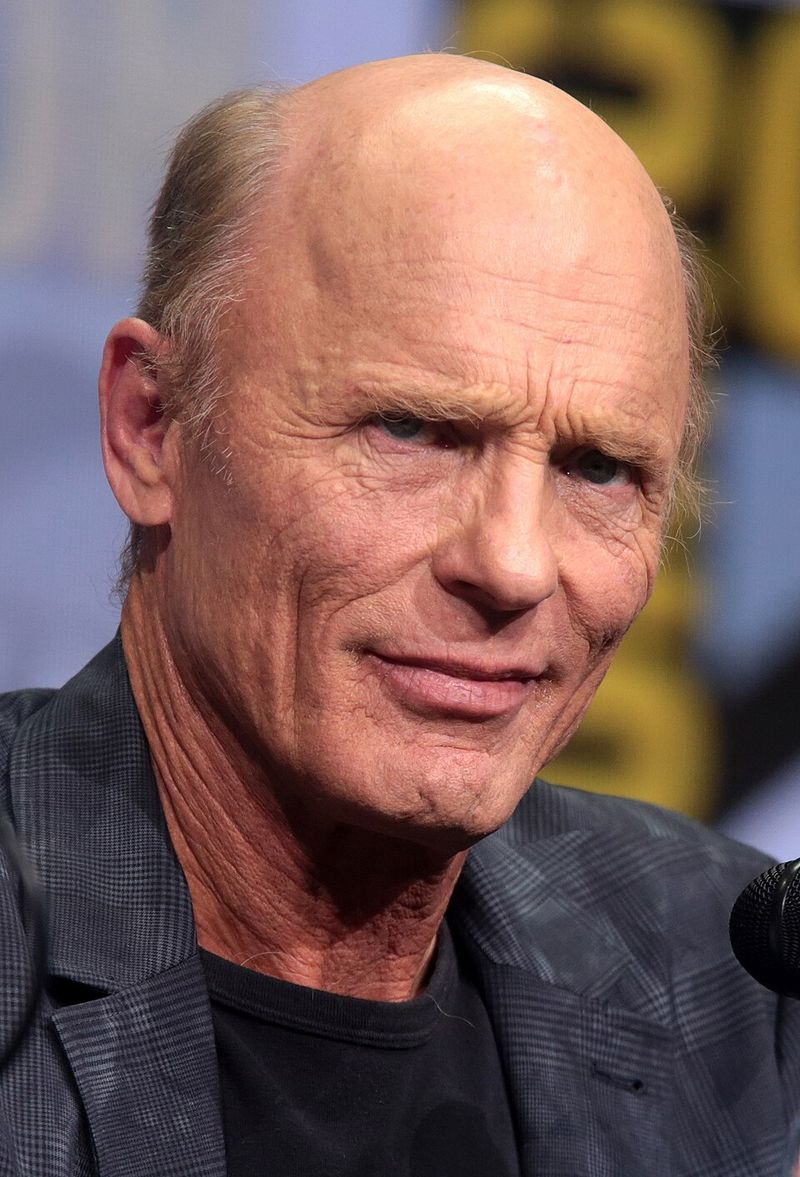
Decorated war hero does not wake up one morning and decide to threaten San Francisco for fun.
Years of watching the government abandon soldiers and silence their families built into something that finally broke under the weight of that injustice. Reckless plan still came from a place rooted in real people and real losses.
When the moment arrived, he could not go through with it.
5. Loki – Thor (2011) / The Avengers (2012)
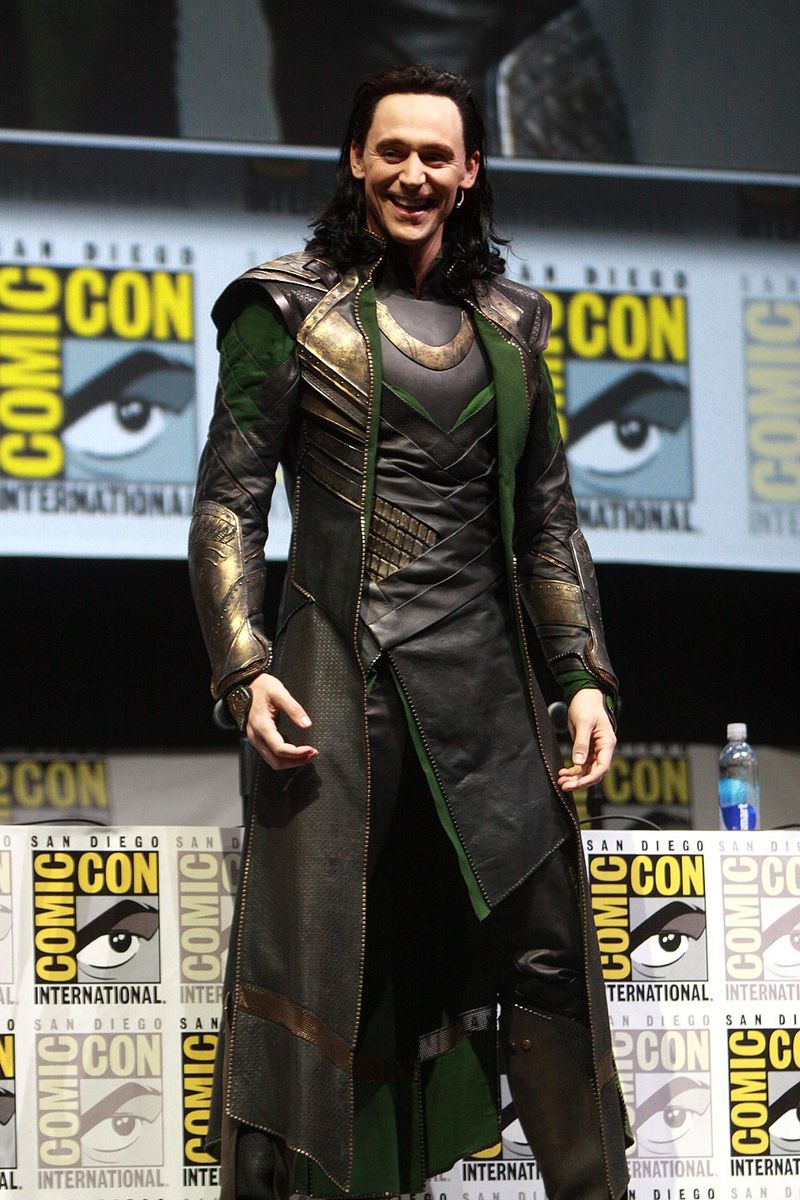
Imagine discovering on a random Tuesday that your entire identity was built on a lie.
Loki discovered that he was a Frost Giant adopted and raised in Asgard, and that revelation helps explain much of the emotional collapse that followed. Chaos was his coping mechanism, and honestly, sibling rivalry has fueled worse breakdowns.
Beneath every sly grin was a younger brother desperately craving the same love Thor received without even trying.
6. Bane – The Dark Knight Rises (2012)
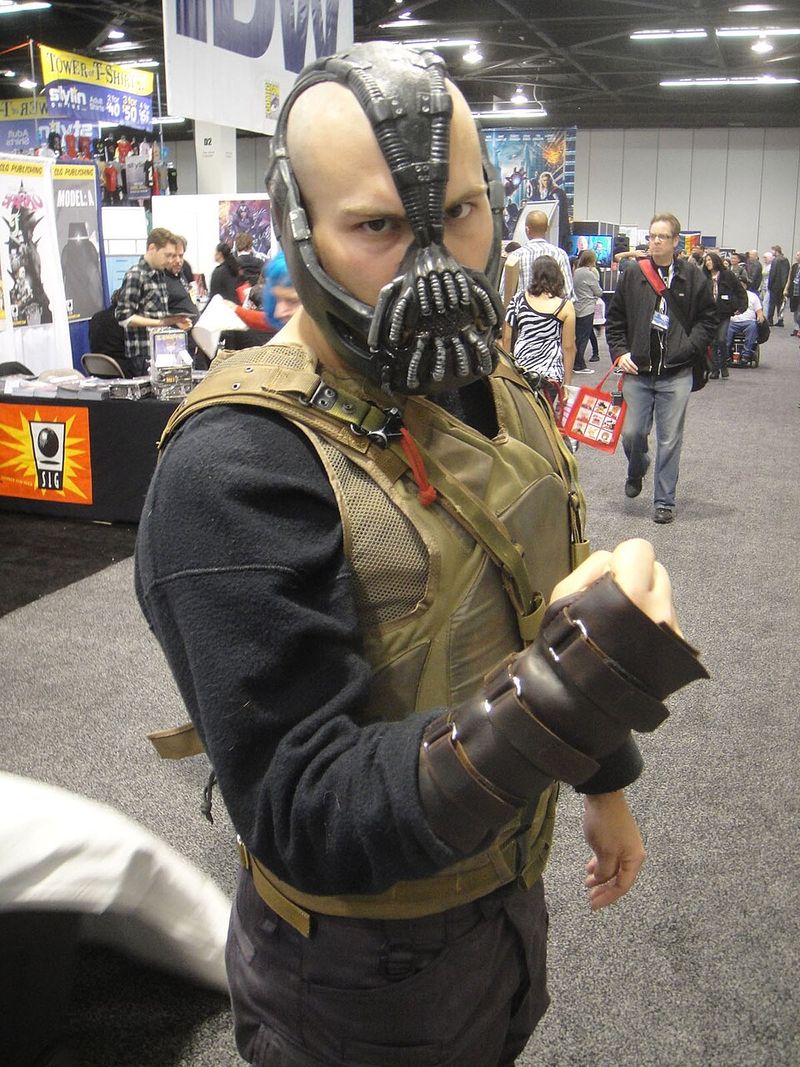
In the film, Bane is shaped by imprisonment, pain, and absolute loyalty to Talia al Ghul, rather than being the child born and raised in the pit.
His devotion to Talia and his twisted sense of justice for Gotham’s forgotten underclass reveal someone shaped entirely by suffering. The mask is not just theatrical flair.
It is a daily reminder of pain he endures just to breathe.
7. Doctor Octopus – Spider-Man 2 (2004)
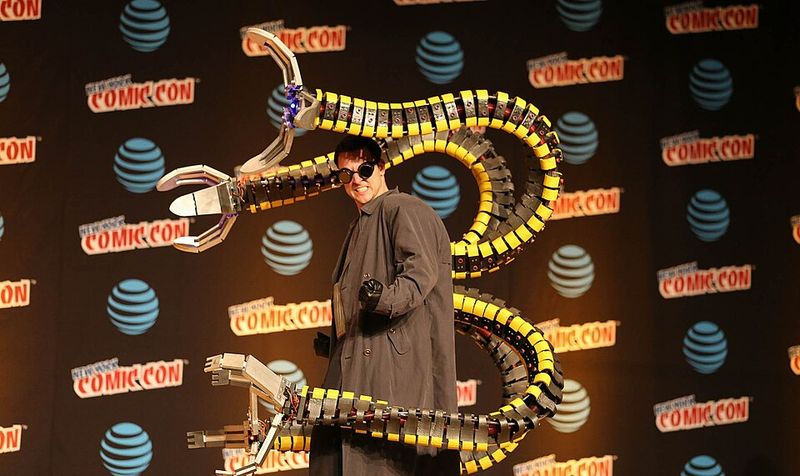
Before the tentacles took over, a kind and brilliant scientist stood out as someone who genuinely inspired Peter Parker.
Life unraveled after a lab accident took his wife’s life and fused a malfunctioning AI directly to his nervous system, turning the “villain” into someone influenced by a machine whispering in his ear.
In the end, resistance broke through, leading to a sacrifice that helped undo the damage. That final act of courage reveals the real Otto, not the version shaped by the arms.
8. Sandman – Spider-Man 3 (2007)
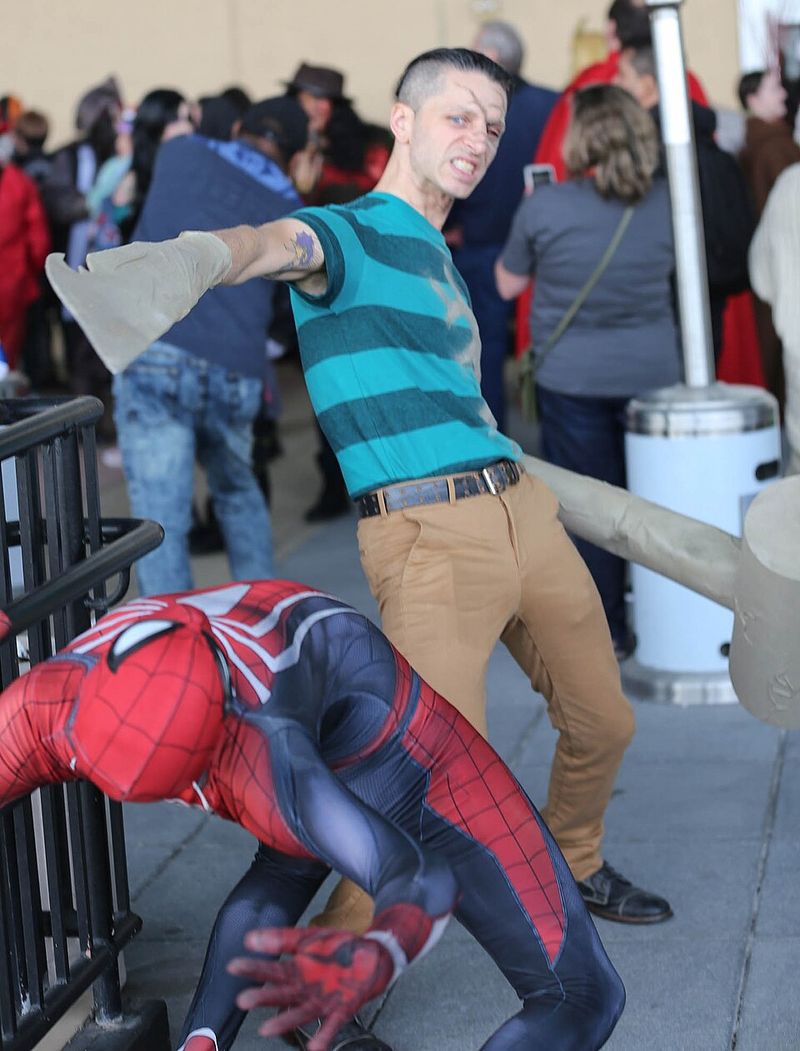
Flint Marko robbed a man, and a chain of accidents ended in tragedy, with that guilt following him like sand in a shoe every single day.
Desperation defined him more than any grand scheme, as a father tried to pay for his sick daughter’s treatment while one catastrophic mistake led to another.
Career supervillain status never really fit, and world domination was never the goal. Spider-Man chose to forgive him. Maybe the audience should too.
9. Severus Snape – Harry Potter Film Series
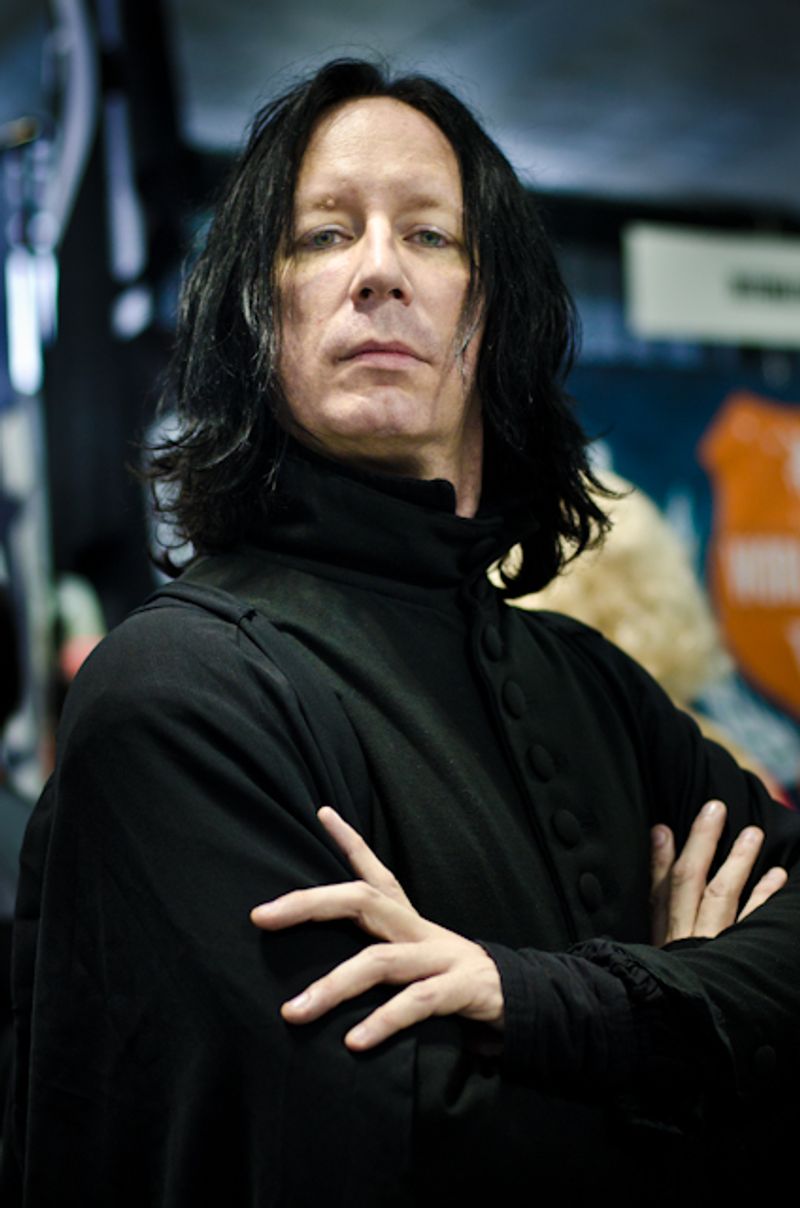
Cold. Cruel. Impossible to read. Snape spent an entire film series being the character audiences loved to distrust.
Then the Pensieve scenes arrived, and the whole picture flipped. Every cutting remark, every suspicious glare, every moment of apparent cruelty was the cover story of a man running the longest, loneliest double-agent operation in wizarding history.
“Always” remains one of the series’ most emotionally charged single words.
10. Darth Vader – Star Wars Film Series
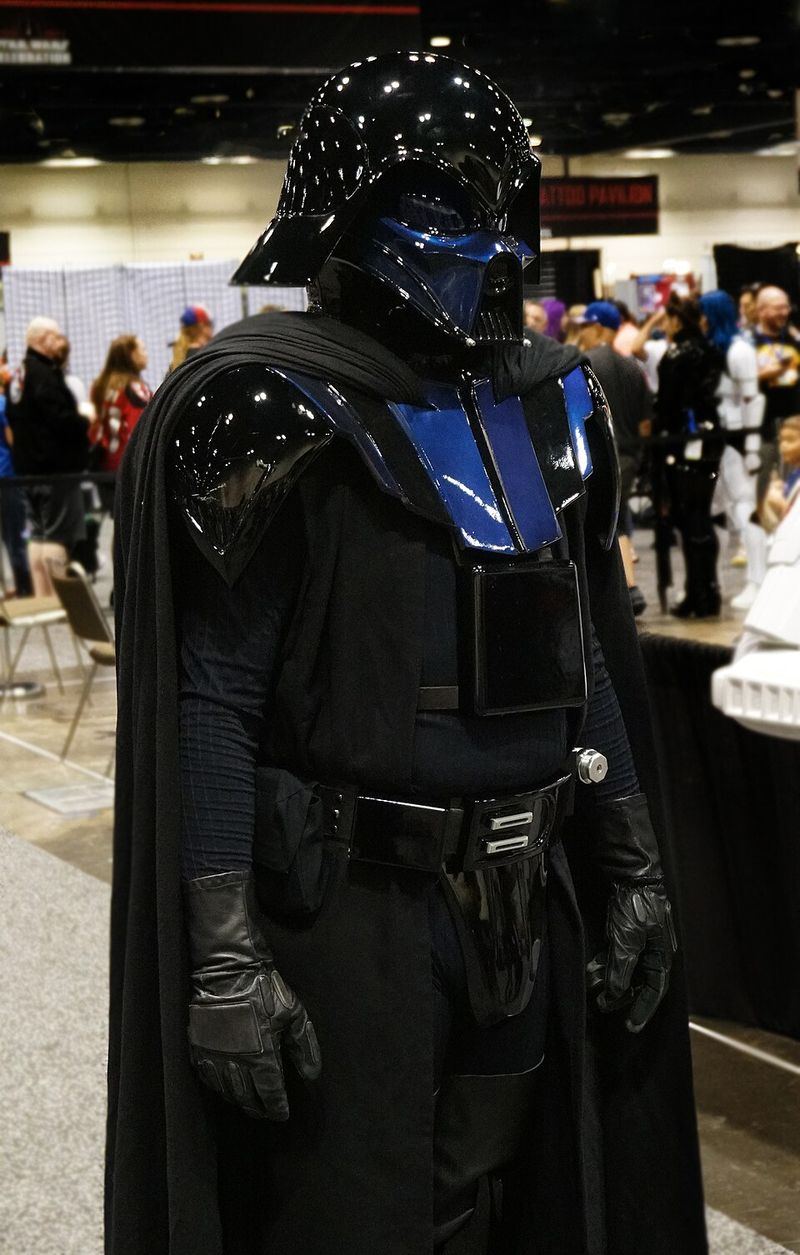
Heavy breathing alone was enough to make an entire generation sleep with the lights on. Life began on a desert planet as a scared little boy, and fear of loss slowly did what no Sith training manual ever could.
Prequel films reframed every menacing scene, turning dread into something closer to grief.
Carrying Luke to the shuttle becomes the whole arc in one quiet, heartbreaking walk.
11. Maleficent – Maleficent (2014)
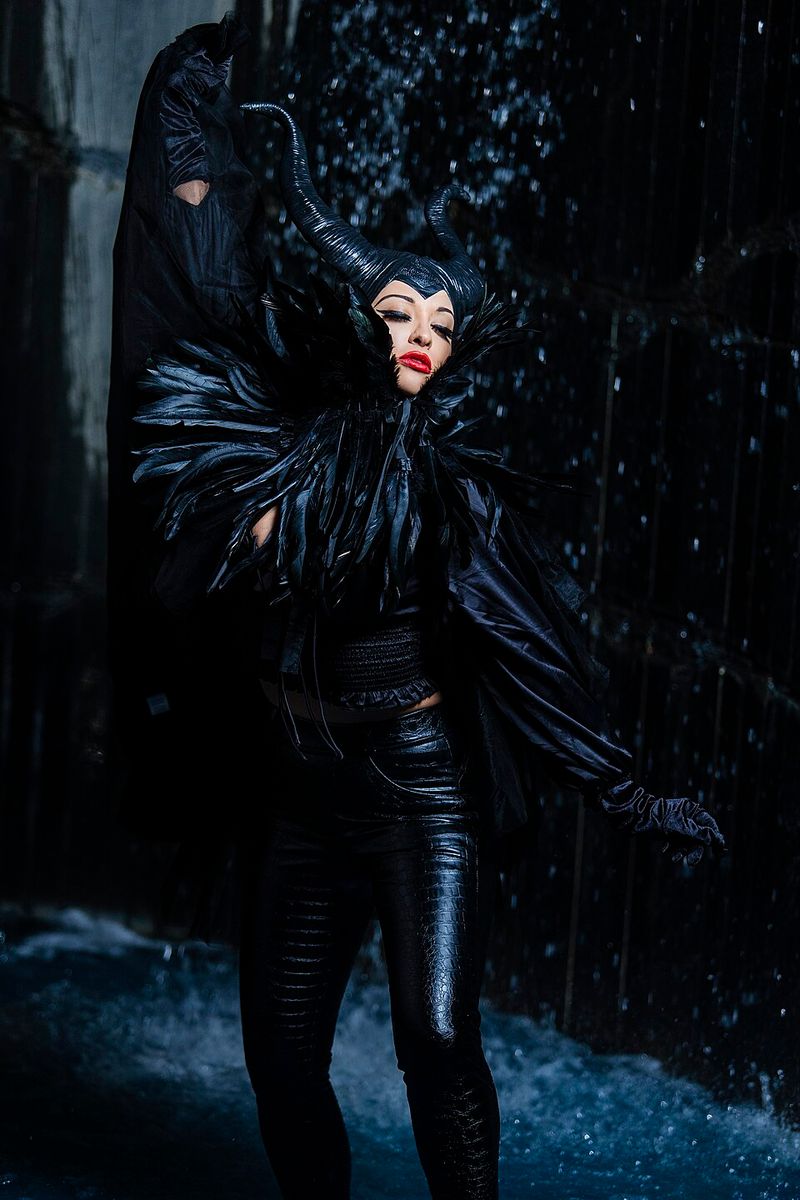
Original Sleeping Beauty offered Maleficent exactly zero reasons for her behavior, so the 2014 film chose to address that oversight in a much bigger way.
Betrayal by someone she trusted, along with the betrayal that led to the loss of her wings, hardened joy into armor.
Rage spoke through the curse placed on Aurora before grief had the chance to find the right words. Watching that shift into becoming Aurora’s protector turns into the film’s quiet, steady heartbeat.
12. Javert – Les Misérables (2012)
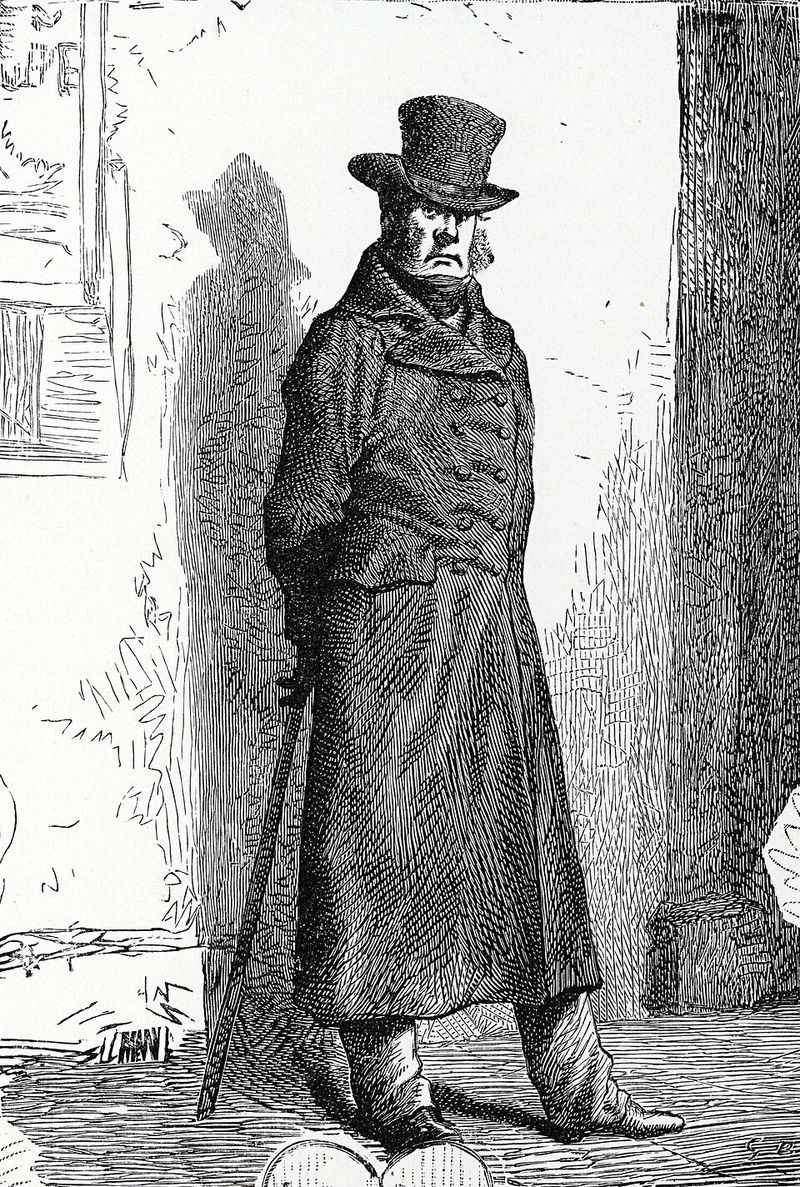
Rigid, relentless, and completely convinced that law and justice are the same thing, Javert becomes a villain who almost earns admiration. Cruelty or greed never drove him.
Every pursuit of Jean Valjean came from a genuine belief that order was the only thing standing between society and chaos.
Mercy finally cracks that worldview open, and the contradiction becomes more than he can absorb. The result plays less like evil and more like tragedy.
Disclaimer: This article reflects interpretation of well-known film characters based on events, motivations, and arcs presented in their respective movies and franchises.
Because characters such as Magneto, Loki, Snape, and Darth Vader are discussed through adaptation, backstory, and audience interpretation, some points reflect critical reading rather than a single official moral judgment.