15 Foods Once Considered Healthy For Children Under Modern Nutritional Guidelines
Remember when Mom said you had to finish your juice box because it was packed with vitamins?
Or when Dad loaded up your cereal bowl, claiming it was the breakfast of champions?
Turns out, a lot of those so-called nutritious meals from our childhood were secretly loaded with sugar, sodium, and ingredients we can barely pronounce.
Time to take a nostalgic (and slightly shocking) trip down memory lane and uncover the truth behind those dishes our parents swore were good for us.
And while our parents meant well, the marketing of the era did them zero favors, slapping “healthy” labels on anything with a cartoon mascot.
Looking back now, it’s amazing we survived on neon-colored snacks and sugar bombs disguised as balanced meals.
Disclaimer: The information in this article is for entertainment and nostalgic reflection only and is not intended as nutritional, medical, or health advice.
Childhood foods vary widely by brand, recipe, and region, and this list is based on general trends, not definitive assessments of any specific product.
1. Fruit Juice Boxes

Parents handed these out like they were liquid gold, convinced that anything with fruit on the label must be nutritious.
The reality? Most juice boxes contain as much sugar as a can of soda, sometimes even more.
We’re talking about 20 to 30 grams of sugar squeezed into a tiny container that takes about three gulps to finish.
Even the ones labeled 100% juice lack the fiber that whole fruits provide, meaning your body absorbs all that sugar way too quickly.
Your blood sugar spikes faster than a rocket launch, then crashes harder than a video game villain.
Plus, many brands sneak in extra sweeteners and artificial flavors to make them taste more appealing to kids.
The vitamin C they advertise? You’d get way more from eating an actual orange.
Dentists weren’t fans either, since all that sugar bathes your teeth in cavity-causing sweetness.
Looking back, it’s wild how we thought sipping on concentrated sugar water was somehow better than eating an apple.
Just saying, our parents might have been tricked by clever marketing.
2. Sugary Breakfast Cereals
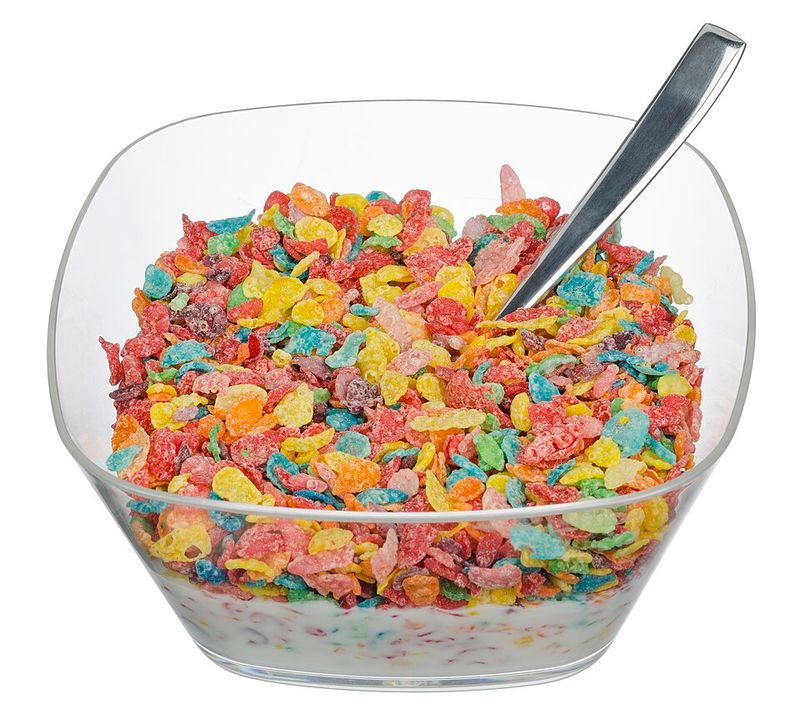
Saturday mornings meant pouring a mountain of rainbow-colored loops into a bowl and calling it breakfast.
Our parents saw whole grains listed on the box and figured it must be a solid start to the day.
But here’s the kicker: some of these cereals packed more sugar per serving than a glazed donut.
We’re talking about cereals that were basically cookies pretending to be health food.
The first ingredient was often sugar, corn syrup, or some fancy-sounding sweetener that meant the same thing.
Those vitamin fortifications? They were added because the processing stripped away most of the natural nutrients.
It’s like putting a Band-Aid on a broken leg and calling it healed.
The milk turned into a sugary soup by the end, and we’d drink every last drop like it was a reward.
Energy levels would spike for about twenty minutes, then we’d crash harder than a bumper car at the fair.
Teachers probably noticed the sugar rush hitting classrooms around 9 AM.
Honestly, starting the day with what’s basically dessert wasn’t the nutritional win our folks thought it was.
3. Flavored Yogurt Cups

Yogurt sounds healthy, right? Calcium for strong bones, probiotics for digestion, all that good stuff.
But those little cups with cartoon characters and neon colors? Total sugar bombs in disguise.
A single serving could contain anywhere from 15 to 25 grams of added sugar, which is basically dessert territory.
The fruit on the bottom was often just sugary syrup with a few sad pieces of actual fruit floating around.
Parents saw dairy and assumed it was automatically nutritious, but the sugar content rivaled candy bars.
Plain yogurt is genuinely good for you, but the moment companies add flavoring, it becomes a different story entirely.
Some brands even threw in artificial colors and flavors to make them more appealing to kids.
We’d peel back that foil top like we were opening treasure, not realizing we were basically eating frosting with a spoon.
The probiotic benefits? Probably canceled out by all that sugar feeding the bad bacteria in our guts.
Looking back, it’s hilarious how lunchboxes across America were packed with what was essentially pudding marketed as health food.
4. Lunchables
Remember the pure joy of opening that plastic tray and seeing all those tiny compartments?
Lunchables felt like the ultimate convenience meal, and parents loved how easy they were to pack.
But nutritionally speaking, these things were a disaster wrapped in cellophane.
The processed meat was loaded with sodium and preservatives that could probably survive a nuclear winter.
We’re talking about mystery meat that barely qualified as actual turkey or ham.
The crackers were refined carbs with zero nutritional value, just empty calories that left you hungry an hour later.
That tiny square of cheese? Processed cheese product, not real cheese, filled with additives and artificial ingredients.
A single Lunchables pack could contain over 1,000 milligrams of sodium, which is way too much for a kid’s lunch.
Some versions even came with candy or cookies, turning lunch into a junk food festival.
The portion sizes were tiny, so kids were still starving by the time school let out.
Parents thought they were providing a balanced meal, but it was really just glorified snack food masquerading as lunch.
5. Canned Pasta
SpaghettiOs, Chef Boyardee, and all those canned pasta varieties were dinner heroes for busy parents.
Pop open a can, heat it up, and boom, you’ve got a meal in under five minutes.
Kids loved the fun shapes and the sweet, tomato-flavored sauce that barely resembled actual marinara.
But nutritionally? These cans were basically sodium warehouses with pasta floating in them.
One serving could pack over 800 milligrams of sodium, and let’s be honest, nobody ate just one serving.
The pasta itself was made from refined white flour with almost no fiber or nutrients left.
That sauce was loaded with added sugars and high fructose corn syrup to make it taste more appealing to kids.
Any vegetables listed on the label were processed beyond recognition, losing most of their nutritional value.
The protein content was minimal, usually coming from low-quality meat byproducts if there was any meat at all.
We’d slurp down those alphabet letters thinking we were eating a real Italian dinner.
In reality, it was more like eating sugary, salty pasta soup from a tin can.
6. Frozen Chicken Nuggets
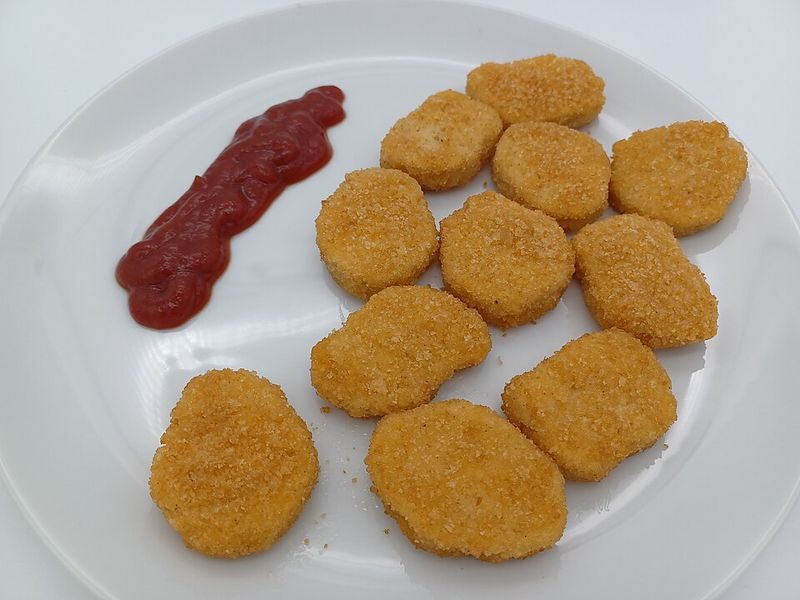
Chicken is protein, and protein is healthy, so chicken nuggets must be good for you, right? Wrong.
Those frozen nuggets from the grocery store were barely recognizable as actual chicken.
Most were made from mechanically separated chicken parts, ground up and reformed into fun shapes.
The breading was often the main ingredient, loaded with refined carbs, sodium, and artificial flavors.
Deep frying them added a ton of unhealthy fats and extra calories that nobody needed.
A serving of nuggets could contain more breading than actual chicken, making them more carb than protein.
Parents thought they were serving a balanced meal, especially when paired with a vegetable side.
But the nuggets themselves? Nutritional value somewhere between cardboard and disappointment.
The dipping sauces we drowned them in added even more sugar and sodium to the equation.
Some brands used fillers and additives to bulk up the nuggets and cut costs.
We’d gobble them down like they were gourmet cuisine, not realizing we were eating glorified fast food at home.
Honestly, calling them chicken felt generous.
7. Fruit Snacks And Gummies
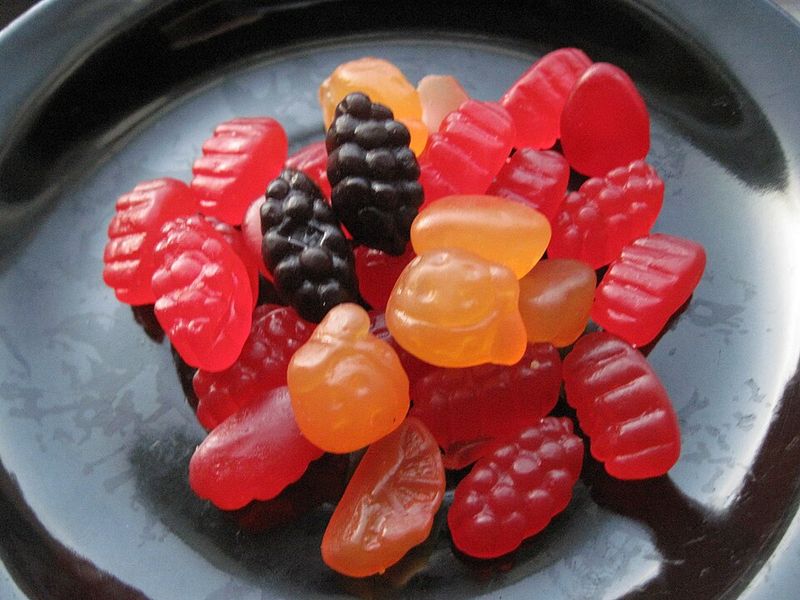
The word fruit was right there in the name, so naturally, parents assumed these were healthier than regular candy.
Spoiler alert: they were basically just candy with a marketing makeover.
Most fruit snacks contained little to no actual fruit, just fruit juice concentrate (which is basically sugar) and gelatin.
The bright colors came from artificial dyes that have been linked to hyperactivity in some kids.
Sugar was the main ingredient, sometimes listed multiple times under different sneaky names like corn syrup and dextrose.
A single pouch could contain 10 to 15 grams of sugar, which is a lot for a tiny snack.
The chewy texture meant they stuck to teeth, creating the perfect environment for cavities to form.
Any vitamins listed on the package were added artificially, not naturally occurring from real fruit.
We’d trade these at lunch like they were currency, thinking we were getting a fruity treat.
In reality, we were just eating gummy bears with better PR.
Parents meant well, but fruit snacks were definitely not the nutritious option they seemed to be.
8. Instant Oatmeal Packets
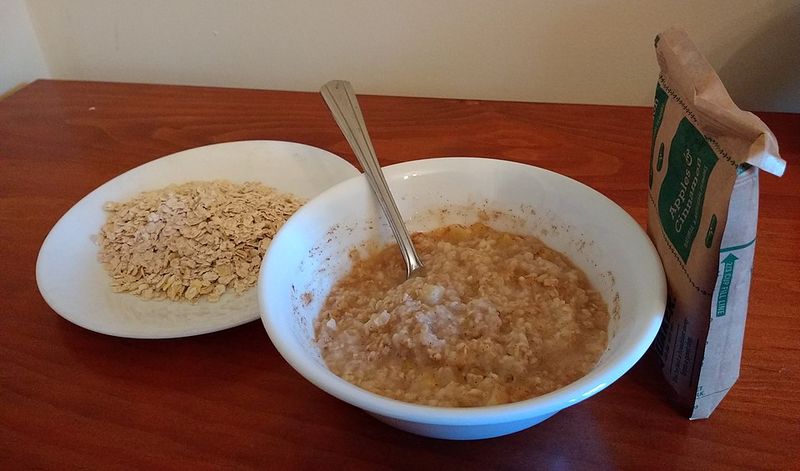
Oatmeal is a superfood, packed with fiber and nutrients that keep you full and energized.
But those instant packets with fun flavors? Not quite the same thing.
The flavored varieties were loaded with added sugars, sometimes containing 12 grams or more per packet.
That’s almost as much sugar as three chocolate chip cookies, and we’re supposed to call it breakfast.
The oats themselves were processed into tiny, quick-cooking pieces that digested faster than traditional rolled oats.
This meant the blood sugar spike was more dramatic, followed by a crash that left kids sluggish before lunch.
Artificial flavors and colors were common, especially in the fun varieties marketed to children.
Sodium levels were surprisingly high too, sometimes over 200 milligrams in a single serving.
Plain instant oatmeal is fine, but the flavored ones were basically dessert disguised as a wholesome breakfast.
We’d add even more sugar on top because the packets never seemed sweet enough.
Parents thought they were serving heart-healthy whole grains, not realizing the sugar content negated most of the benefits.
9. Granola Bars
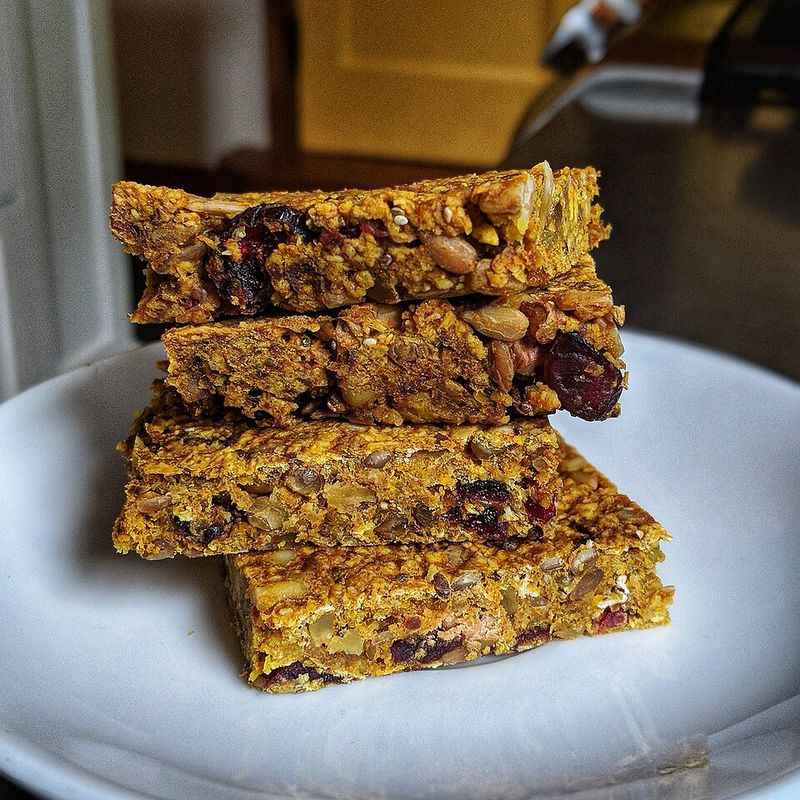
Granola sounds crunchy, wholesome, and packed with natural goodness, like something a hiker would eat on a mountain trail.
But most granola bars aimed at kids were basically candy bars trying to sneak into the health food aisle.
They were held together with corn syrup, honey, and other sweeteners that made them more dessert than snack.
Chocolate chips, yogurt coating, and sugary drizzles added even more empty calories.
A single bar could contain 10 to 15 grams of sugar, rivaling actual candy bars in sweetness.
The oats and grains were often processed and mixed with so much sugar that their nutritional value was questionable.
Some brands added artificial flavors and preservatives to extend shelf life and boost taste.
Parents tossed these into lunchboxes thinking they were providing a wholesome, energy-boosting snack.
In reality, kids were getting a sugar rush that wore off faster than recess ended.
The fiber content was minimal compared to eating actual whole grains or nuts.
We loved them because they tasted like treats, and our parents loved them because the packaging looked healthy.
Win-win, except for our nutrition.
10. Hot Dogs
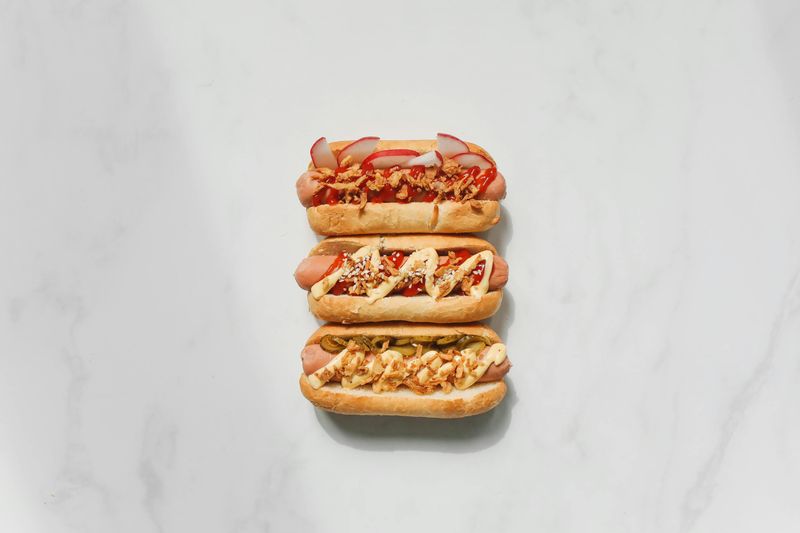
Hot dogs were the ultimate kid-friendly meal, perfect for quick dinners, barbecues, and ballgames.
Parents loved how easy they were to cook and how much kids enjoyed them.
But from a nutritional standpoint, hot dogs are basically processed meat nightmares.
They’re made from leftover meat scraps, mixed with fat, salt, and a cocktail of preservatives like nitrates and nitrites.
These preservatives have been linked to increased cancer risk when consumed regularly over time.
A single hot dog can contain over 500 milligrams of sodium, which is way too much for one small meal.
The meat itself is often low-quality, with fillers and mystery ingredients that barely qualify as food.
We’d load them up with ketchup, mustard, and relish, adding even more sodium and sugar to the mix.
The buns were made from refined white flour, offering zero nutritional value beyond empty carbs.
Parents thought they were serving a protein-packed meal, but it was really just processed junk in a tube.
Looking back, it’s kind of shocking how often hot dogs appeared on our dinner plates.
11. Peanut Butter And Jelly Sandwiches (With Sugary Spreads)
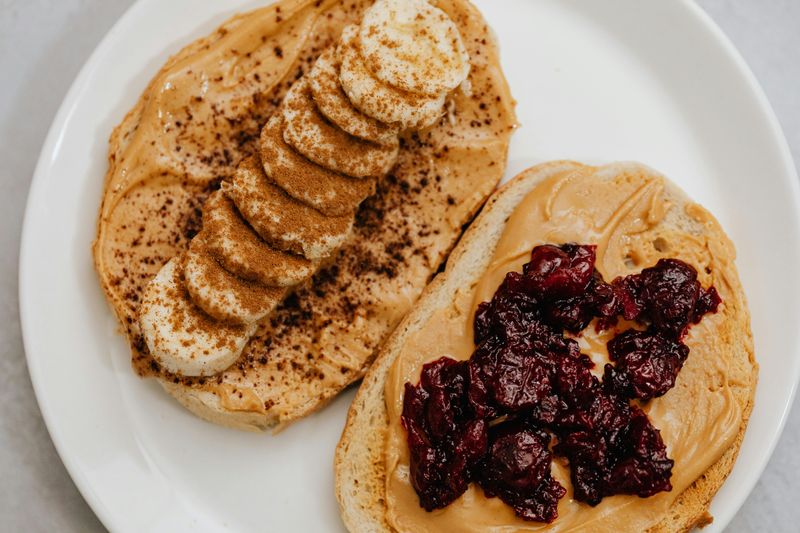
PB&J sandwiches are an American childhood classic, packed in lunchboxes across the nation for generations.
Peanut butter has protein and healthy fats, and jelly is made from fruit, so it must be nutritious, right?
Well, not exactly, especially when you’re using the sweetened versions most families bought.
Commercial peanut butter often contains added sugar, hydrogenated oils, and salt to improve taste and texture.
The jelly? Basically fruit-flavored sugar gel with minimal actual fruit content.
A typical PB&J on white bread could pack 15 to 20 grams of sugar, depending on how thick you spread the jelly.
The white bread itself was made from refined flour with almost no fiber or nutrients.
This combination caused blood sugar to spike quickly, then crash just as fast, leaving kids tired and unfocused.
Natural peanut butter and whole grain bread would’ve been a different story, but most families weren’t using those.
We’d wash it down with a juice box or flavored milk, adding even more sugar to the meal.
Parents thought they were packing a balanced lunch, but it was really just a sugar sandwich in disguise.
12. Frozen Waffles And Pancakes

Weekend breakfast felt special when Mom or Dad popped frozen waffles into the toaster.
They were quick, convenient, and kids absolutely loved them, especially when drowned in syrup.
But nutritionally, these frozen breakfast items were basically dessert masquerading as morning fuel.
Most were made from refined white flour with minimal fiber or protein to keep you full.
Added sugars were common, even before you poured on the syrup, making them extra sweet.
The syrup itself was often high fructose corn syrup with artificial maple flavoring, not real maple syrup.
A serving of waffles with syrup could easily contain 30 to 40 grams of sugar, which is absurd for breakfast.
The quick-digesting carbs meant energy levels spiked fast, then plummeted before lunch, leaving kids cranky and hungry.
Some brands added artificial colors and flavors to make them more appealing, especially the fun-shaped ones.
Parents thought they were serving a hearty breakfast, but it was really just cake for breakfast with extra steps.
We loved every bite, not realizing our blood sugar was on a roller coaster ride.
13. Boxed Macaroni And Cheese
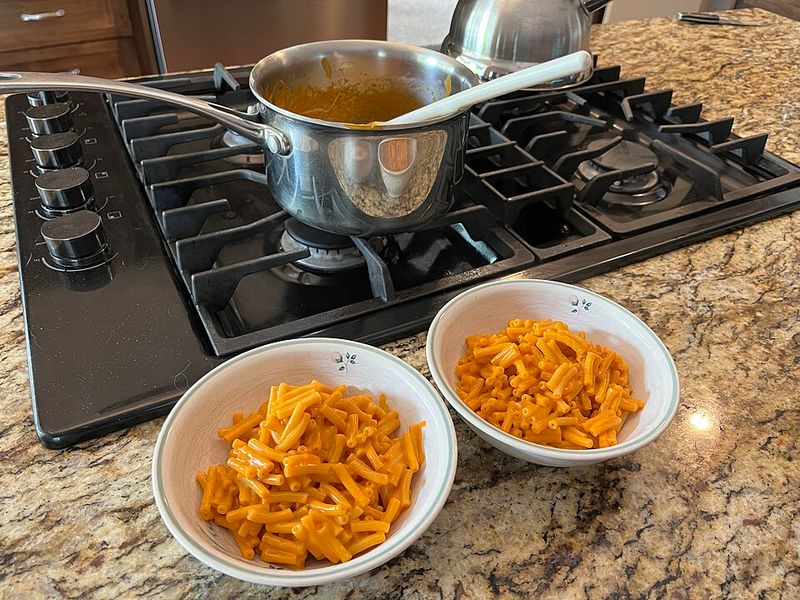
Mac and cheese from a box was comfort food in its purest form, and kids begged for it constantly.
The bright orange color and creamy texture made it irresistible, and parents loved how cheap and easy it was to make.
But that neon cheese sauce? Not exactly what you’d call nutritious.
The pasta was made from refined white flour with almost no fiber or nutrients.
The cheese powder was loaded with sodium, artificial colors, and flavor enhancers to create that unnaturally bright orange hue.
One serving could contain over 700 milligrams of sodium, and let’s be real, nobody ever ate just one serving.
The artificial colors, particularly Yellow 5 and Yellow 6, have been linked to hyperactivity in some children.
Adding butter and milk during preparation increased the fat and calorie content even more.
There was minimal protein and basically no vegetables, making it a nutritionally empty meal.
Parents often served it as a main dish, thinking it was filling and wholesome because it contained dairy.
In reality, it was just glorified processed pasta with fake cheese dust.
Delicious? Absolutely. Healthy? Not even close.
14. Fruit Roll-Ups And Fruit Leather
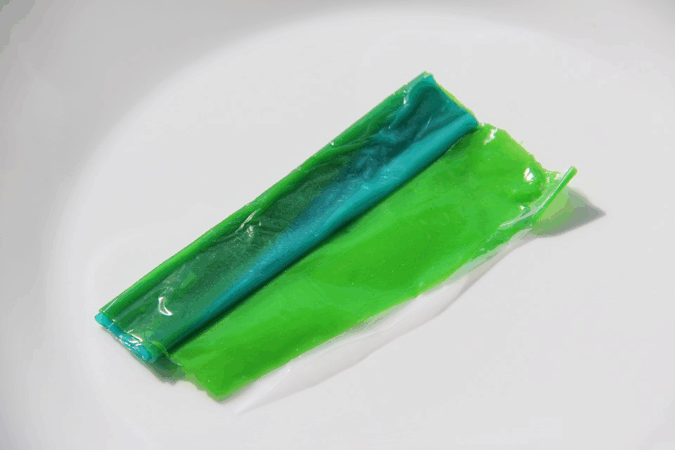
Peeling apart that plastic backing to reveal a sheet of fruity, chewy goodness felt like unwrapping a present.
Fruit Roll-Ups seemed like a fun, portable way to get kids to eat fruit, or so parents believed.
But calling these fruit was a serious stretch of the imagination.
They were made primarily from sugar, corn syrup, and concentrated fruit puree, which is just another form of sugar.
Artificial colors and flavors were added to create those wild, unnatural hues that no real fruit could produce.
A single roll could contain 7 to 10 grams of sugar, and kids often ate multiple rolls in one sitting.
The chewy texture meant they stuck to teeth, creating a sugar-coated environment perfect for cavity formation.
Any vitamins listed were added artificially, not naturally occurring from actual fruit.
Fiber content was basically nonexistent, unlike eating a real apple or banana.
We’d stick them to the roofs of our mouths and let them slowly dissolve, maximizing the sugar exposure.
Parents thought they were healthier than candy, but really, they were just candy with better marketing.
15. Chocolate Milk (Store-Bought Varieties)
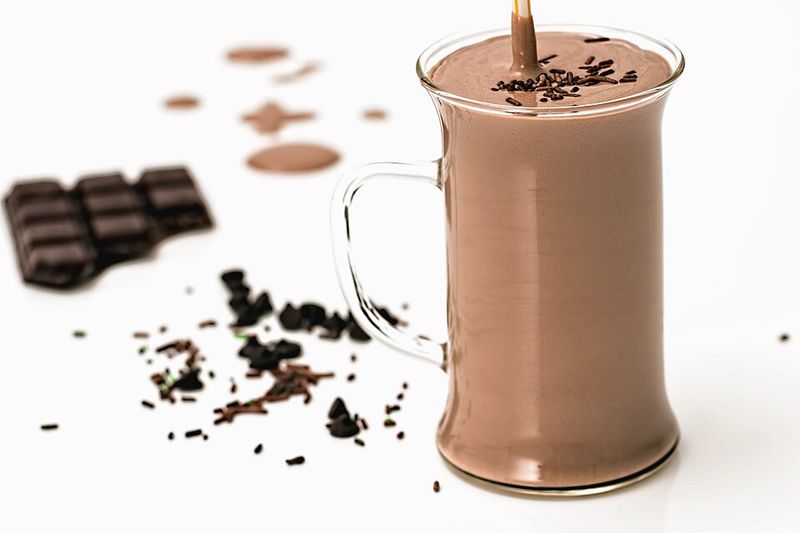
Chocolate milk was the ultimate reward for finishing dinner or the treat that made lunchtime extra special.
Parents figured it was still milk, so the calcium and protein made it a healthy choice.
But store-bought chocolate milk was basically a milkshake pretending to be nutritious.
A single serving could contain 20 to 30 grams of sugar, which is more than a glazed donut.
High fructose corn syrup and artificial chocolate flavoring were common ingredients, especially in cheaper brands.
Yes, it had calcium and protein, but the massive sugar content overshadowed any nutritional benefits.
Kids who drank chocolate milk regularly were consuming way more sugar than recommended daily limits.
The sugar caused energy spikes followed by crashes, affecting focus and behavior throughout the day.
Some schools served it daily in cafeterias, thinking they were providing a healthier alternative to soda.
In reality, the sugar content was comparable, just packaged differently.
We’d chug it down with cookies or cake, adding even more sugar to an already sweet treat.
Parents meant well, but chocolate milk was definitely more dessert than health drink.