16 Books That Ask For A More Grown-Up Reader
Not every book wants to be read quickly, casually, or at the end of a long day with half your attention drifting elsewhere. A few demand more.
They ask for patience, emotional range, sharper focus, and a reader willing to sit with ideas that do not arrive neatly packaged. That is part of what makes them so rewarding.
These are the kinds of books that meet you differently once a little life has happened, once your taste has deepened, and once easy answers start feeling less interesting than complicated truths.
Each of these books offers a richer kind of experience, the one that lingers long after the final page and makes lighter reading feel almost suspiciously easy.
1. Beloved by Toni Morrison
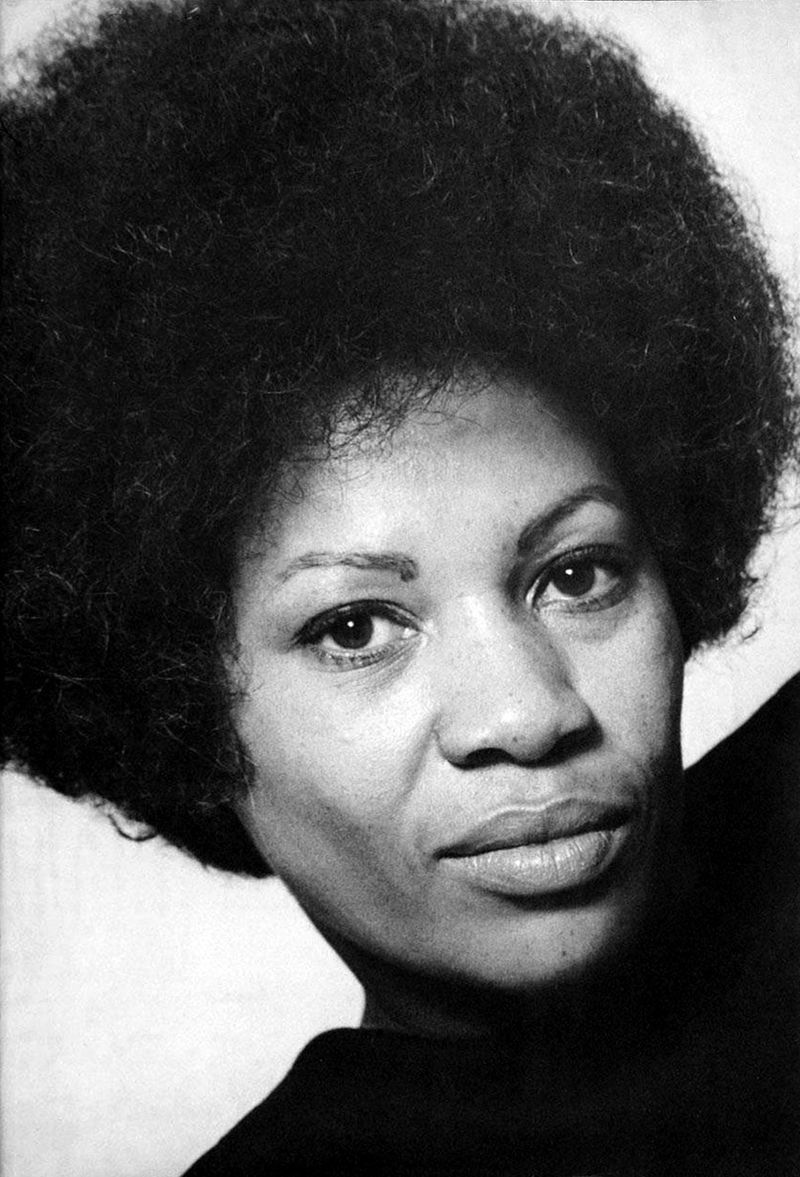
Few novels carry the emotional weight of Toni Morrison’s Pulitzer Prize-winning masterpiece.
Published in 1987, it tells the story of Sethe, an enslaved woman in post-Civil War Ohio haunted by a ghost she cannot escape. Morrison doesn’t soften history. She forces you to feel it.
The prose is poetic and layered, sometimes circling back on itself like memory does.
If you’ve ever wondered how literature can serve as both art and witness, this is your answer. Beloved is not comfortable reading. It is necessary reading.
2. The Remains of the Day by Kazuo Ishiguro

What does a life of perfect duty actually cost?
Kazuo Ishiguro’s 1989 Booker Prize winner answers that question through Stevens, a reserved English butler reflecting on decades of loyal service.
Stevens never raises his voice, never quite admits what he lost, and that restraint is exactly what makes the novel devastating.
How often do people mistake professionalism for living? This book asks that question without ever shouting it.
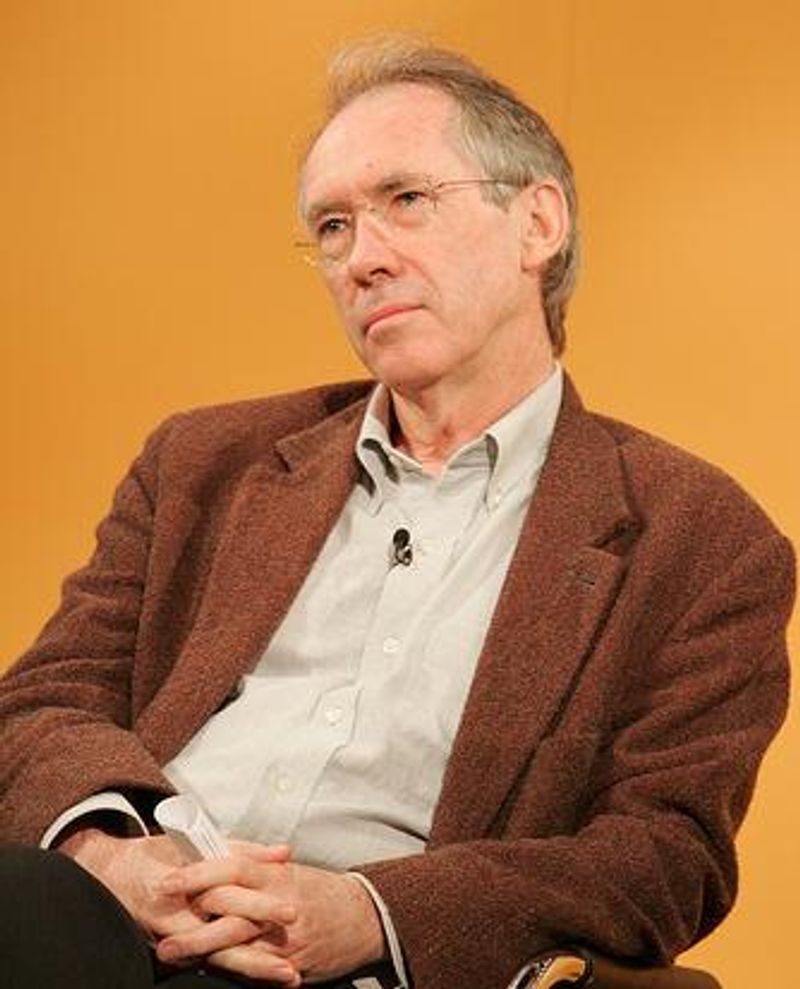
3. Atonement by Ian McEwan
One lie. Decades of consequence.
Ian McEwan’s 2001 novel opens on a sweltering English summer afternoon when thirteen-year-old Briony Tallis makes a decision that destroys lives.
The story then follows those shattered pieces across years, a war, and a hospital ward.
McEwan writes with surgical precision, and the novel’s final twist reframes everything you thought you understood about storytelling itself.
4. Never Let Me Go by Kazuo Ishiguro
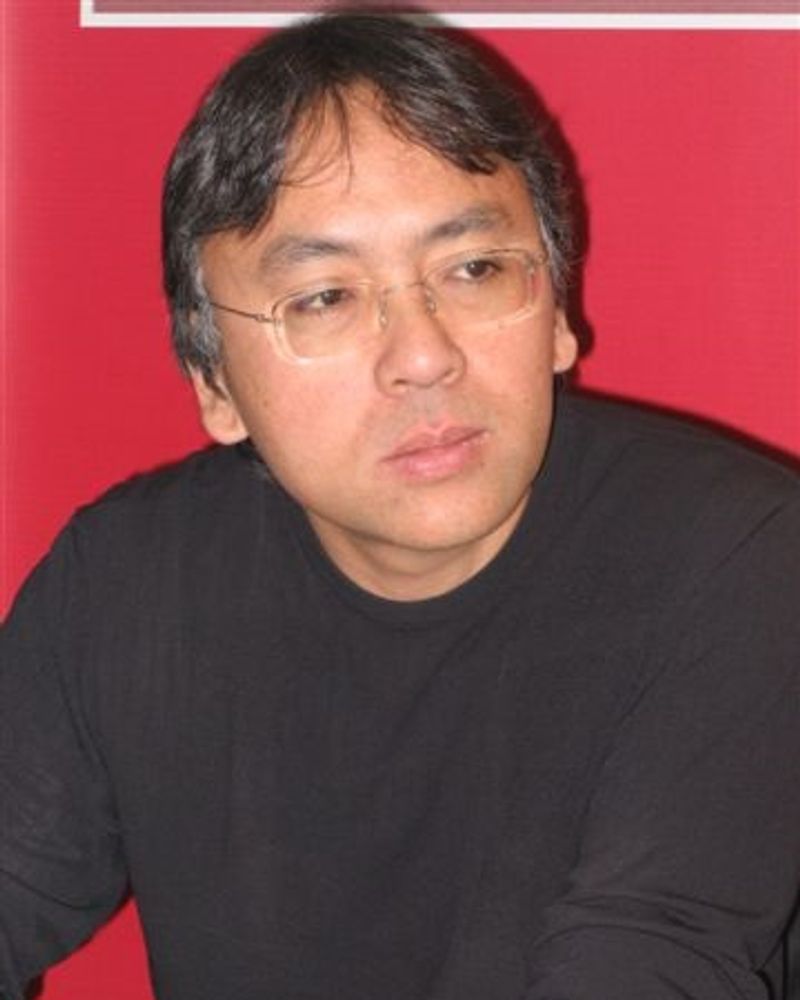
Kazuo Ishiguro appears twice on this list because he genuinely earns it twice.
Published in 2005, this quietly devastating novel follows Kathy, Tommy, and Ruth through a seemingly ordinary English boarding school childhood. The horror arrives gradually, in whispers rather than screams.
Where other dystopian stories shout their warnings, Ishiguro writes his in lowercase.
The characters accept their fate with a passivity that is somehow more chilling than rebellion.
5. The Road by Cormac McCarthy
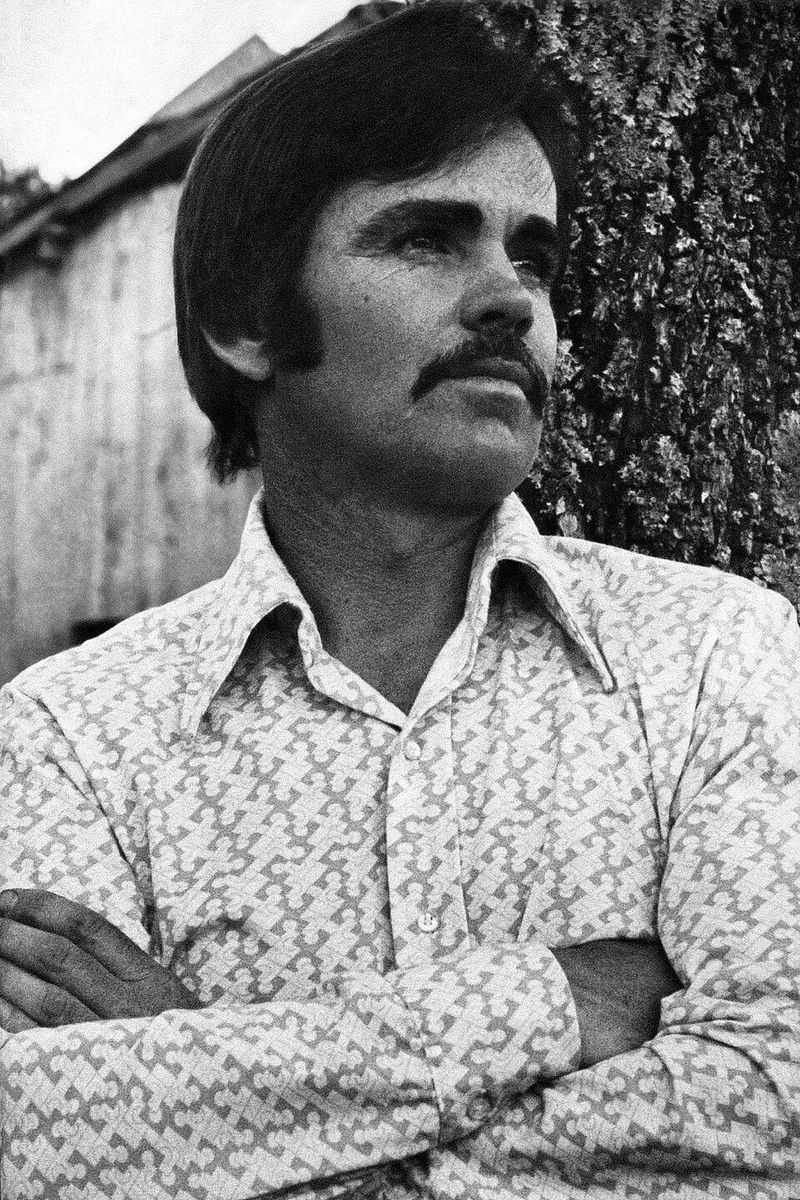
In this 2006 Pulitzer Prize winner, Cormac McCarthy stripped away punctuation, color, and comfort, and somehow made the novel even more powerful.
A father and his young son travel through a post-apocalyptic America, carrying fire and each other. Nothing about it is easy.
The writing is stark and almost biblical, full of sentences that hit like stones. Yet underneath the ash and despair beats one of fiction’s most tender examinations of parental love.
6. Disgrace by J.M. Coetzee

J.M. Coetzee’s 1999 Booker Prize winner is not designed to make you comfortable.
David Lurie, a Cape Town professor, makes a catastrophic moral failure and then retreats to his daughter’s rural farm, where history and violence arrive at the door uninvited.
Coetzee writes post-apartheid South Africa with unflinching honesty, refusing easy redemption arcs for anyone.
It won’t leave you cheerful, but it will leave you thinking for a very long time.
7. The English Patient by Michael Ondaatje
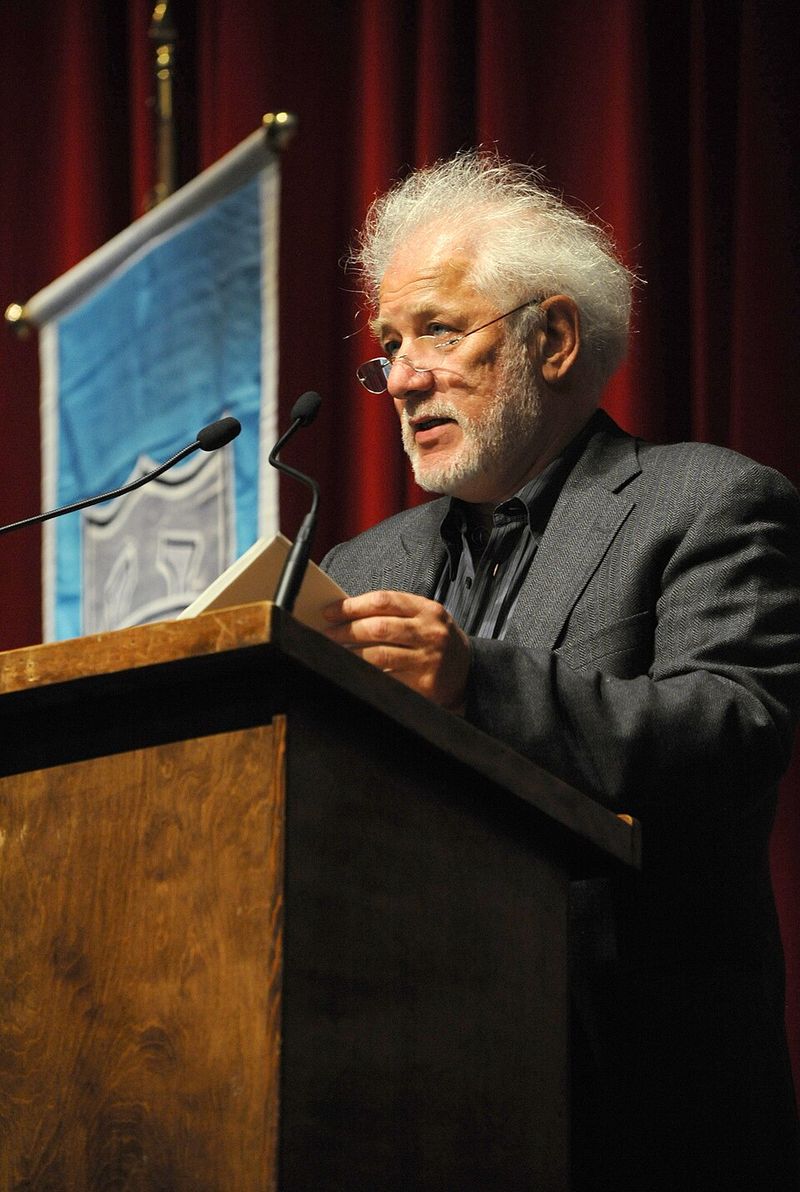
Winner of the 1992 Booker Prize, Michael Ondaatje’s novel unfolds in a crumbling Italian villa at the end of World War II.
An unidentified man is cared for by a nurse while a thief and a sapper share the ruins around them. Memory and desire blur constantly.
Ondaatje writes like a poet who somehow wandered into a novel and decided to stay. The prose is lush and non-linear, rewarding readers who surrender to its rhythm rather than fight it.
8. The Golden Notebook by Doris Lessing
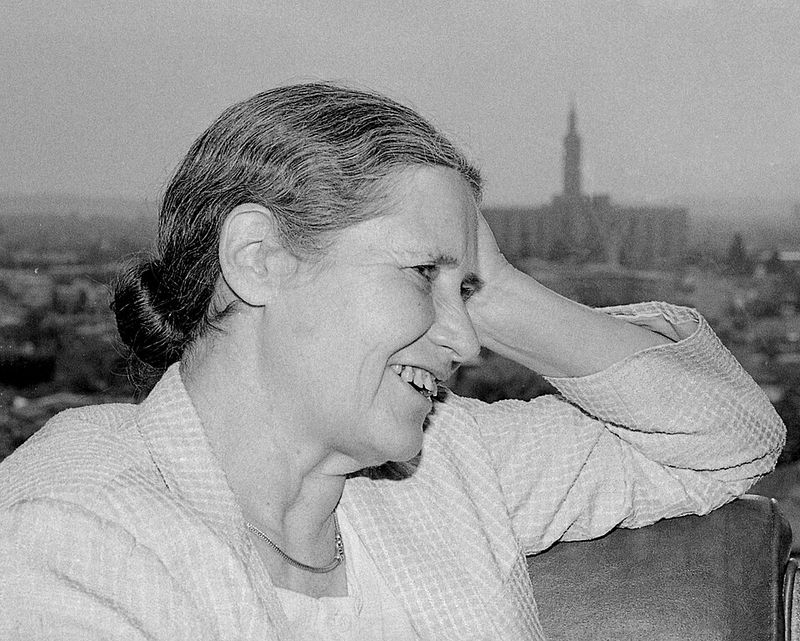
Doris Lessing published this groundbreaking novel in 1962, and feminist literary conversation hasn’t been the same since.
Writer Anna Wulf keeps four notebooks, each exploring a different aspect of her fragmented identity. The structure itself is part of the argument.
Lessing was skeptical of readers who reduced the novel to a feminist manifesto, insisting it was about the wholeness of a person, not just a gender.
9. Mrs Dalloway by Virginia Woolf
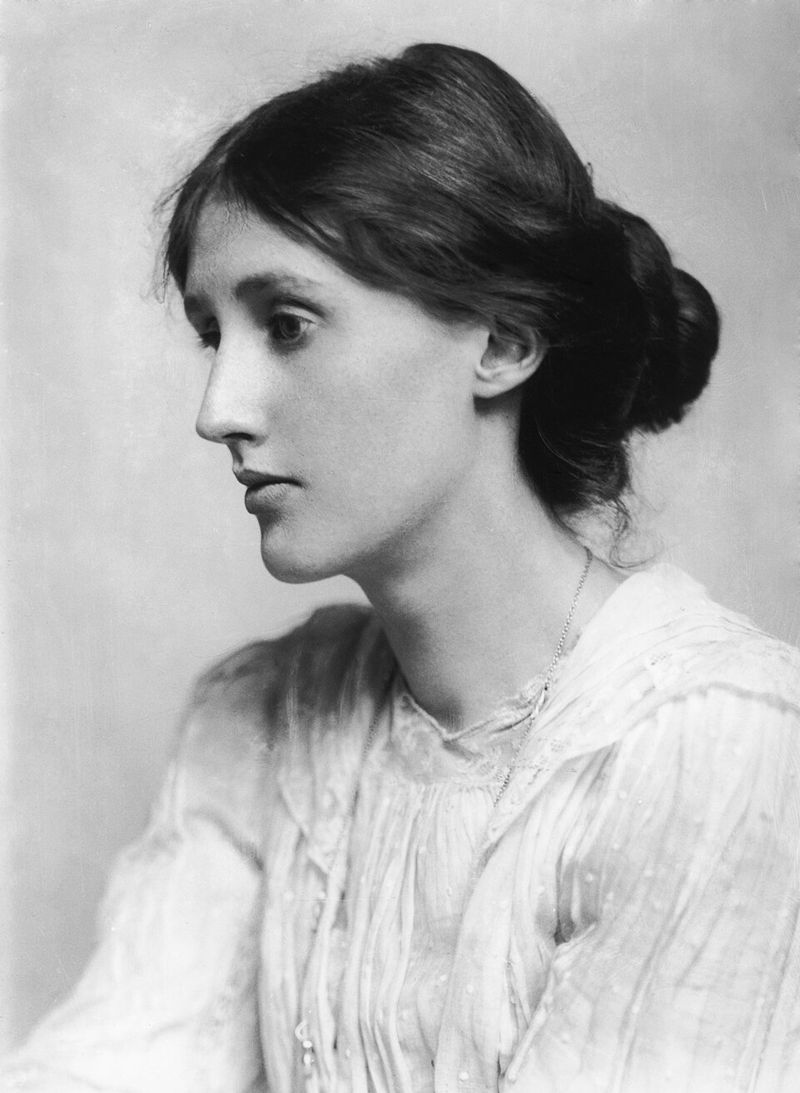
Set over the course of a single day in 1923 London, one of the most technically ambitious novels ever written came from Virginia Woolf.
Clarissa Dalloway prepares for a party while war veteran Septimus Smith spirals through trauma across town. Their lives never quite touch, but their stories rhyme.
Stream of consciousness might sound like a complicated technique, but Woolf makes it feel like the most natural way to read a mind. Published in 1925, this novel still feels startlingly modern.
10. Middlemarch by George Eliot
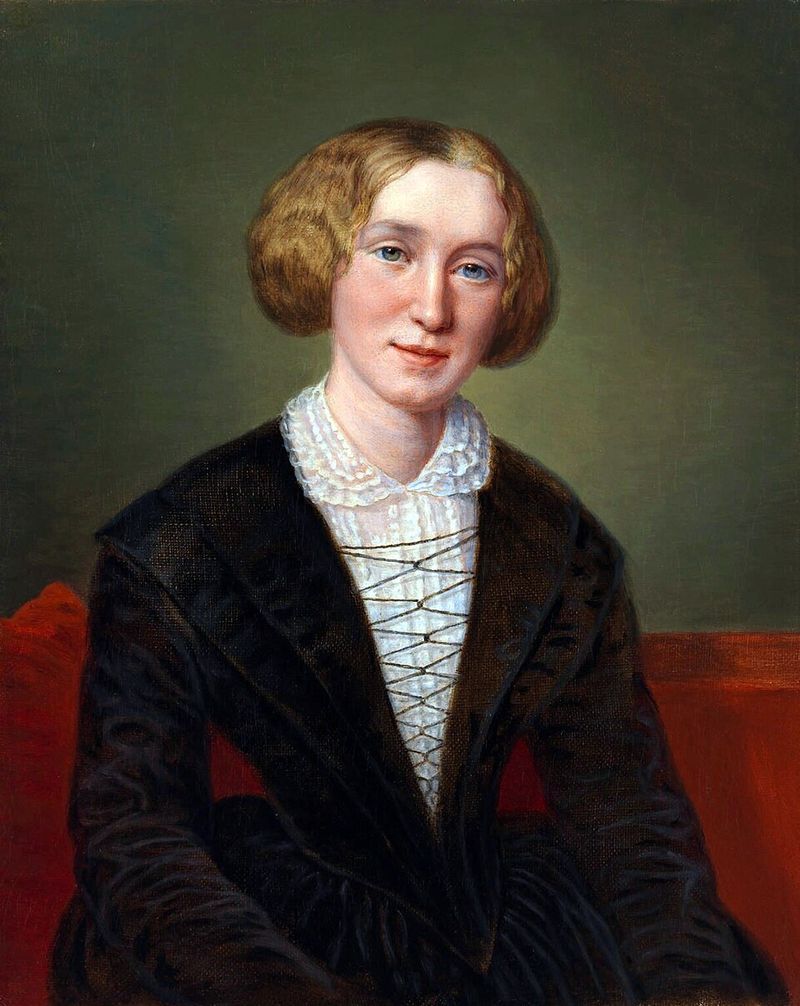
Published between 1871 and 1872, Middlemarch has been called the greatest novel in the English language by more than a few serious people, and George Eliot is a big reason why.
Dorothea Brooke wants to do something meaningful with her life in an era that offered women almost no outlet for that ambition.
Sound familiar? Written over 150 years ago, Middlemarch somehow keeps finding modern readers who recognize themselves immediately in its pages.
11. The House of Mirth by Edith Wharton
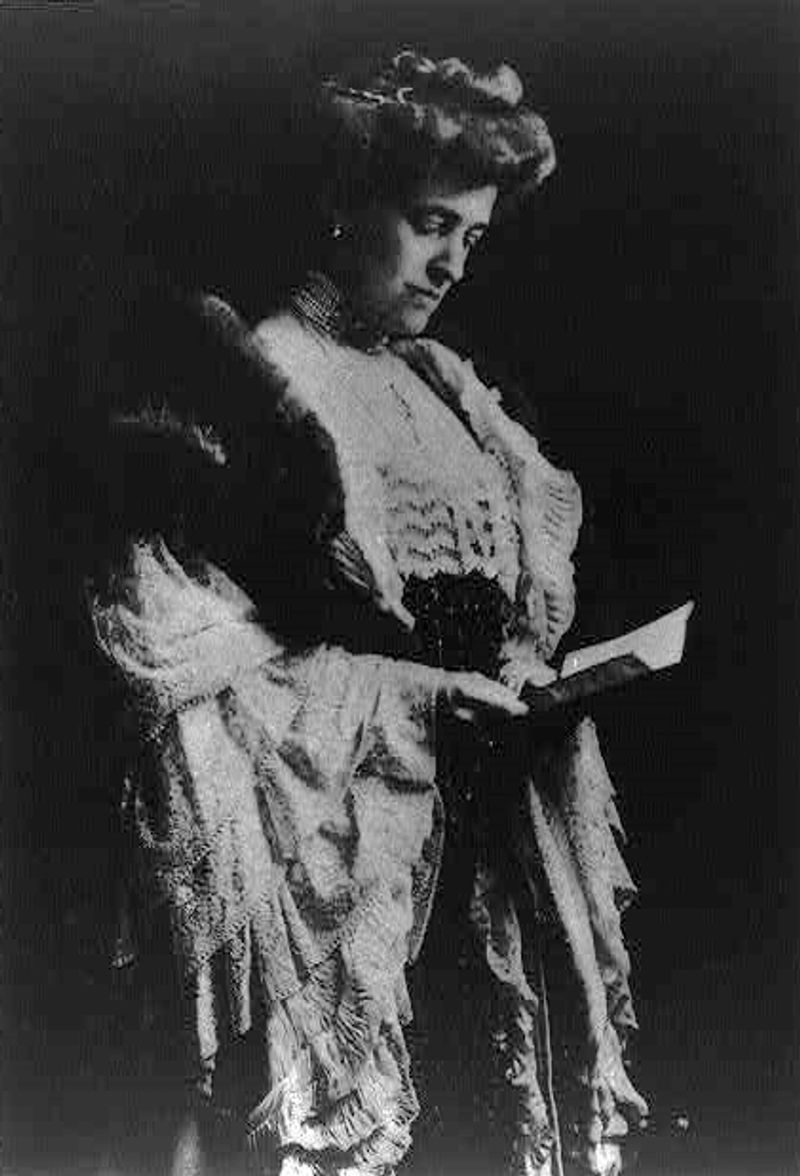
Edith Wharton published this razor-sharp novel in 1905, and it remains one of the most brutal dissections of social climbing ever written.
Lily Bart is beautiful, clever, and completely dependent on a society that will discard her the moment she steps wrong.
Wharton understood New York’s elite from the inside, which makes her portrait of it so precise it almost cuts. Few novels make you angrier at a world while also making you love the character trapped inside it this fiercely.
12. The Age of Innocence by Edith Wharton
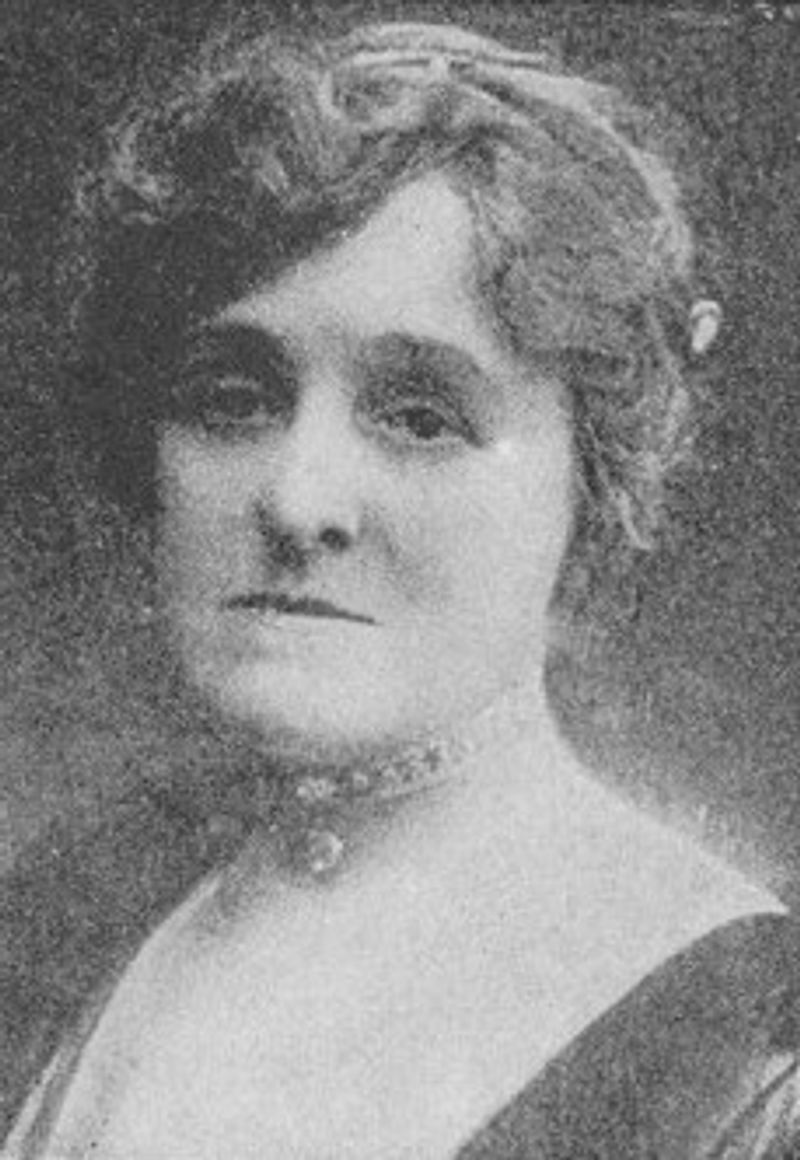
Wharton’s 1920 Pulitzer Prize winner is essentially a love story told at a glacial pace through suffocating social convention.
Newland Archer falls for Countess Ellen Olenska while already engaged to the perfectly acceptable May Welland. Society has opinions about all of this.
The genius is in what nobody says aloud. Wharton’s New York aristocracy communicates entirely through glances, seating arrangements, and carefully timed silences.
13. The Master and Margarita by Mikhail Bulgakov
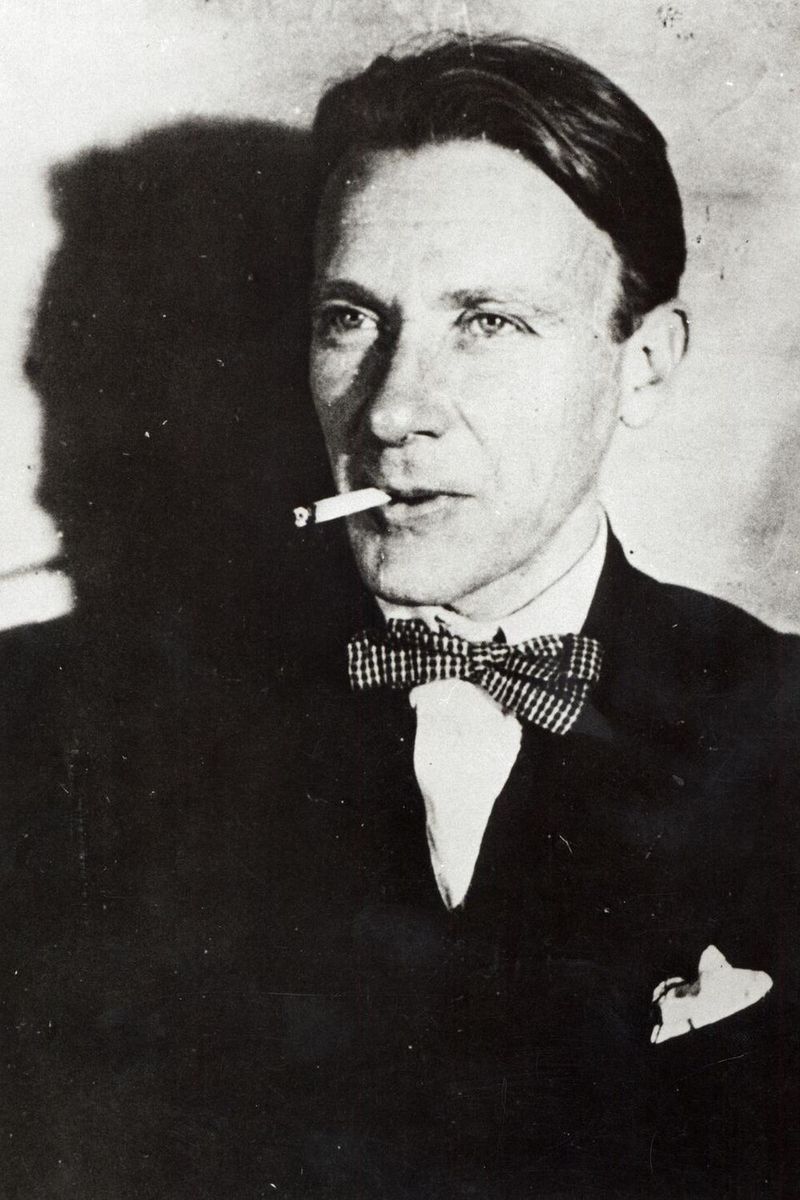
Written in secret during the Stalin era, this wild satirical masterpiece was Mikhail Bulgakov’s knowing it could never be published in his lifetime. It wasn’t.
The novel finally appeared in 1967, years after his passing, and immediately became a cult classic.
The Devil arrives in Moscow with a talking black cat and a retinue of chaos. Meanwhile, a parallel story retells Pontius Pilate’s encounter with Jesus.
The combination sounds impossible, yet Bulgakov pulls it off with dark humor and genuine philosophical depth.
14. The Unbearable Lightness of Being by Milan Kundera
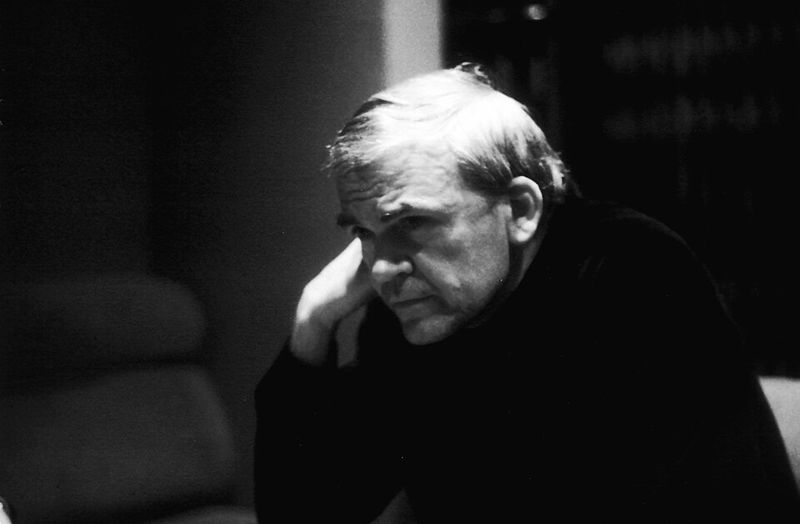
Opening with a philosophical question about whether anything matters if it happens only once, Milan Kundera’s 1984 novel wastes no time announcing its ambitions.
That question then plays out through four characters navigating love, politics, and the Soviet invasion of Czechoslovakia in 1968.
Kundera blends fiction with essay, pausing the story to philosophize directly at the reader. Some find this annoying. Others find it electrifying.
15. The Left Hand of Darkness by Ursula K. Le Guin
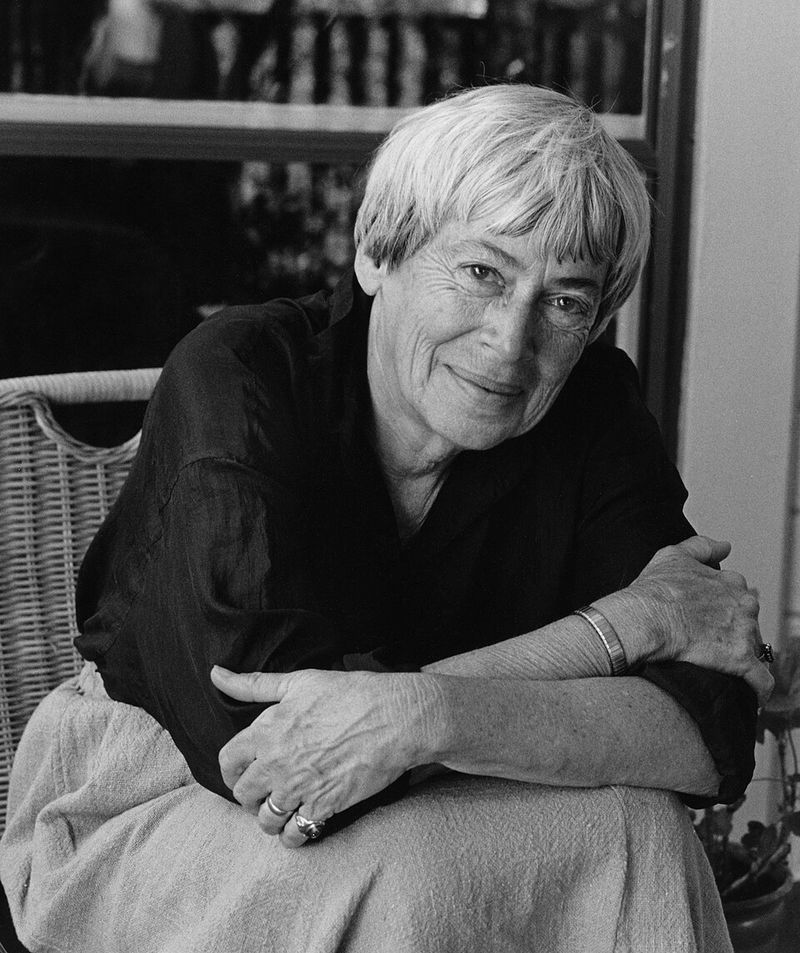
Published in 1969, this genre-defining science fiction novel by Ursula K. Le Guin won both the Hugo and Nebula awards almost immediately.
A human envoy named Genly Ai travels to a cold alien planet called Gethen, where inhabitants have no fixed biological gender.
What sounds like an intellectual exercise becomes one of the warmest, most human stories about friendship and trust ever written.
16. The Feast of the Goat by Mario Vargas Llosa
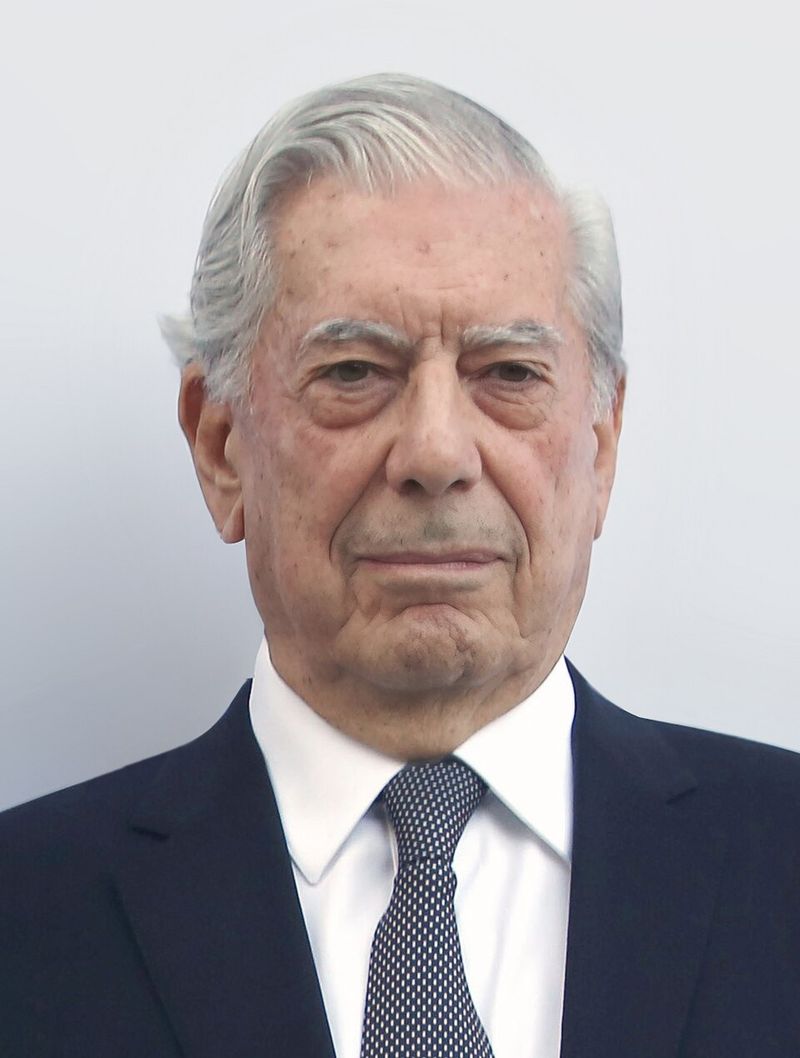
Mario Vargas Llosa’s 2000 novel reconstructs the final hours of Dominican dictator Rafael Trujillo’s regime with the precision of a thriller and the moral weight of a tragedy.
Three narrative strands weave together across different time periods, all converging on one violent night in 1961.
Vargas Llosa spent years researching Trujillo’s brutal 31-year rule, and the detail shows on every page. This is historical fiction that refuses to simplify its monsters or its victims.