9 Horror Movies That Outsmart You Without Cheap Jump Scares
Jump scares are cheap thrills that vanish as soon as the lights come on, but the best horror movies burrow into your mind and refuse to leave long after the credits roll. These terrifying films twist reality with chilling atmosphere, psychological dread, and storytelling so sharp it will make you question every shadow.
Dim the lights, hold onto your blanket, and experience twenty bone-chilling masterpieces that prove true horror doesn’t need loud noises to keep you sleepless.
1. The Babadook (2014)
Grief takes monstrous form when a widowed mother discovers a sinister pop-up book that haunts her and her young son. Instead of relying on sudden shocks, this Australian gem builds dread through emotional weight and psychological unraveling.
Every shadow feels loaded with meaning as the family’s trauma manifests into something truly terrifying. Director Jennifer Kent crafts scares that linger because they’re rooted in real human pain, making you feel every moment of despair and fear alongside the characters.
2. Get Out (2017)
Jordan Peele’s directorial debut transforms a weekend visit into a masterclass of social horror that keeps you guessing until the very end. Chris, a Black photographer, uncovers disturbing secrets at his white girlfriend’s family estate that go far beyond awkward racial tension.
Brilliant symbolism and sharp commentary elevate every scene into something deeply unsettling. Rather than jolting you with noise, the film uses microaggressions and sinister smiles to build terror that reflects real-world anxieties in jaw-dropping ways.
3. Hereditary (2018)
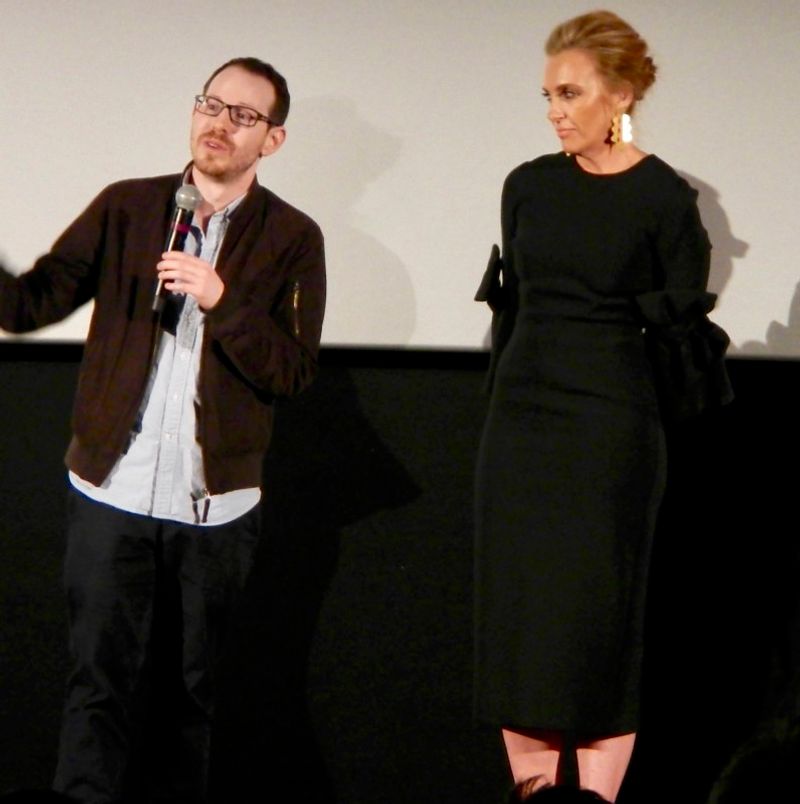
Family secrets spiral into absolute nightmare territory as a mother grapples with loss and a legacy she never wanted. Ari Aster fills every frame with meticulous detail and creeping dread that transforms ordinary spaces into sources of profound terror.
Toni Collette delivers a performance so raw it hurts to watch, anchoring supernatural horror in devastating human emotion. The film’s genius lies in making you feel trapped alongside the characters, watching helplessly as fate tightens its grip with surgical precision.
4. The Lighthouse (2019)
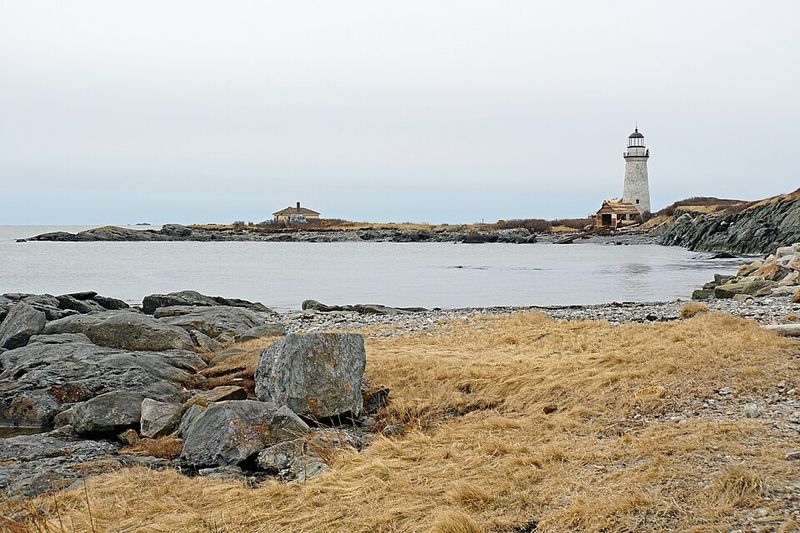
Two lighthouse keepers slowly lose their sanity on a remote island in the 1890s, trapped by storms and their own dark obsessions. Shot in black-and-white with a claustrophobic aspect ratio, Robert Eggers creates a fever dream where reality and madness blur completely.
Willem Dafoe and Robert Pattinson deliver performances so intense they feel like watching people genuinely unravel. Mythological imagery and psychological torment replace conventional scares, leaving you disoriented and disturbed in the best possible way as the film spirals toward its unforgettable climax.
5. The Sixth Sense (1999)
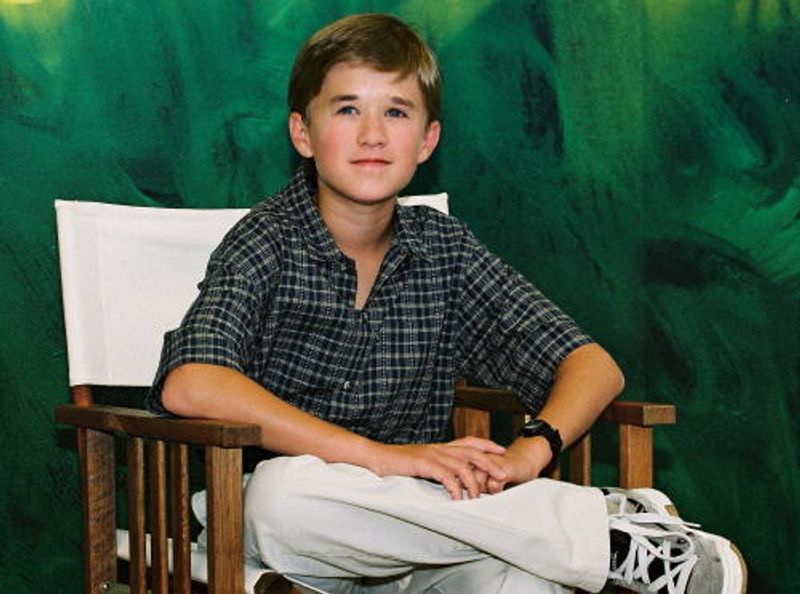
M. Night Shyamalan’s breakthrough follows a child psychologist trying to help a boy who claims to see dead people everywhere he goes.
Quiet moments and careful pacing build a mystery so well-constructed that the famous twist recontextualizes everything you just watched.
Bruce Willis and Haley Joel Osment create genuine emotional connection that makes the supernatural elements hit harder. Rather than startling you, the film earns its scares through atmosphere and reveals that reward attentive viewers, proving intelligent storytelling beats cheap tricks every single time.
6. Rosemary’s Baby (1968)
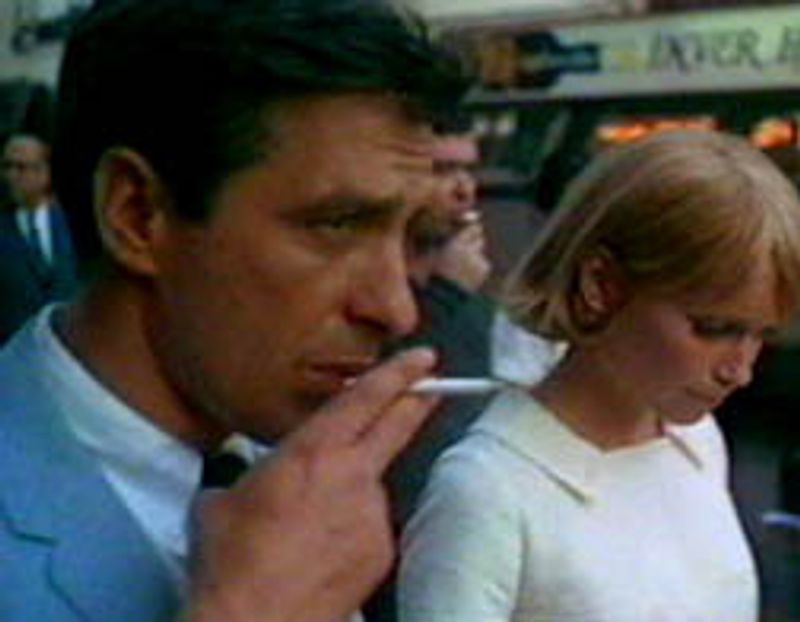
Roman Polanski’s classic follows a pregnant woman who suspects her neighbors have sinister plans for her unborn child. Set in a Gothic Manhattan apartment building, the film weaponizes paranoia and gaslighting to create terror that feels disturbingly plausible.
Mia Farrow’s performance captures vulnerability and growing horror as Rosemary’s reality becomes increasingly uncertain. The genius lies in making you question whether the conspiracy is real or imagined, building dread through suggestion and psychological manipulation rather than explicit horror imagery that would cheapen the experience.
7. The Shining (1980)
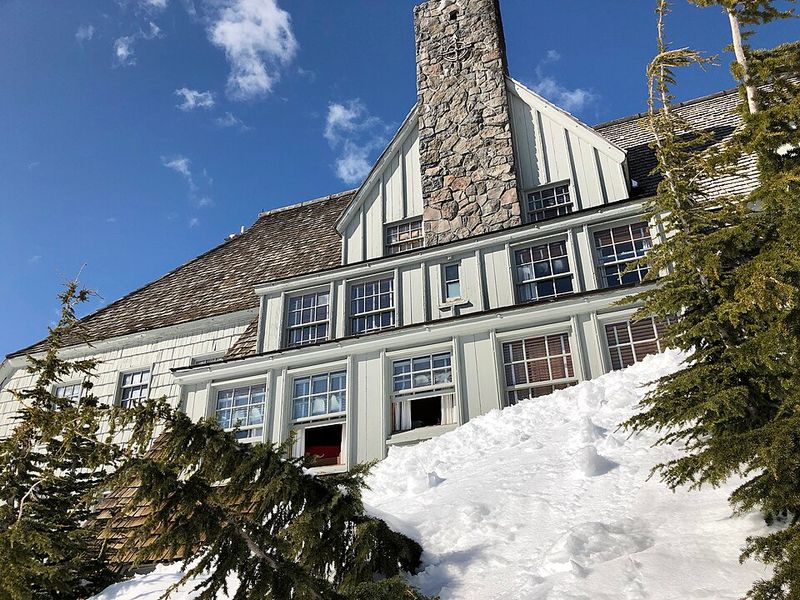
Stanley Kubrick transforms Stephen King’s novel into a meditation on isolation and madness at a snowbound Colorado hotel. Jack Nicholson’s descent into insanity unfolds with deliberate pacing that makes every scene feel loaded with menace, even during quiet moments.
Symmetrical cinematography and an unsettling score create an atmosphere of wrongness that permeates the entire Overlook Hotel. The film’s power comes from watching a family disintegrate under supernatural and psychological pressure, building tension through visual storytelling that makes your skin crawl without resorting to easy scares.
8. The Others (2001)
Grace lives with her light-sensitive children in a darkened mansion during World War II, convinced the house is haunted. Alejandro Amenábar crafts a Gothic ghost story where shadows and whispers replace loud shocks, keeping you guessing about what’s really happening.
Nicole Kidman brings fierce maternal protection to a role that demands both strength and vulnerability. The film’s brilliance lies in its atmosphere and a twist that reframes everything, proving that smart writing and patient direction create far more memorable scares than any amount of sudden noise.
9. Under the Skin (2013)
An alien entity disguised as a woman preys on lonely men in Scotland, luring them to a strange liquid void. Jonathan Glazer creates an art-house horror experience that feels genuinely otherworldly, using minimal dialogue and hypnotic visuals to unsettle rather than startle viewers.
Scarlett Johansson’s detached performance makes humanity seem foreign and strange, flipping our perspective entirely. The film’s genius lies in its patient, observational approach that makes ordinary streets feel alien and threatening, building dread through atmosphere and existential questions rather than conventional horror mechanics that would diminish its impact.