16 Lost Voices Of The ’60s Who Deserve A Comeback
The 1960s gave us some of the most unforgettable music in history, but not every talented artist from that era stayed in the spotlight. Many incredible singers and bands had their moment of glory before mysteriously fading away, leaving behind just a handful of beloved songs.
If you’re ready to rediscover the voices that time forgot, you’re in for a musical treat that’ll make you wonder why these artists ever disappeared in the first place.
1. Zager and Evans

Picture this: a song about the far-off future that becomes an instant smash hit, topping charts across the globe. That’s exactly what happened with Zager and Evans’ “In the Year 2525,” a dystopian masterpiece that painted a wild picture of humanity’s destiny.
Released in 1969, this track became one of the decade’s most thought-provoking anthems. Unfortunately, lightning never struck twice for this Nebraska duo, and they became the definition of one-hit wonders despite their undeniable talent and vision.
2. The Singing Nun
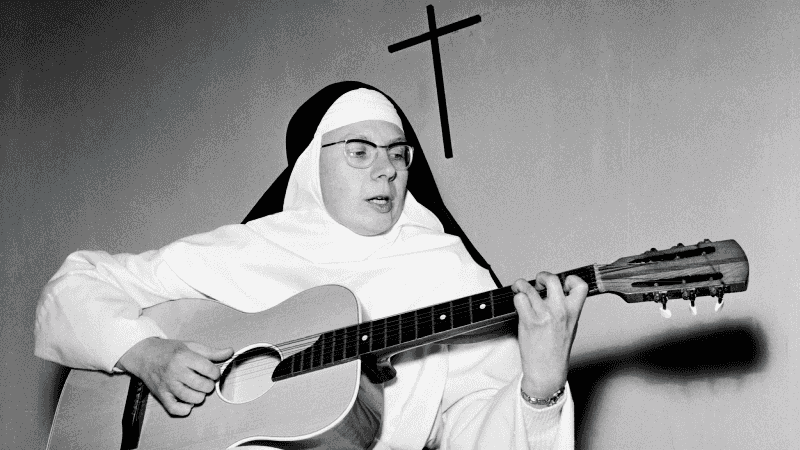
Just saying, nobody expected a Belgian nun singing entirely in French to conquer American radio in 1963! Yet Jeanine Deckers, known as The Singing Nun, did exactly that with her charming song “Dominique.”
Her sweet voice and acoustic guitar melodies won hearts worldwide, reaching number one on the Billboard Hot 100. The unexpected success was as delightful as it was brief, making her story one of the most unique and touching tales from the entire decade.
3. Bobby Hebb
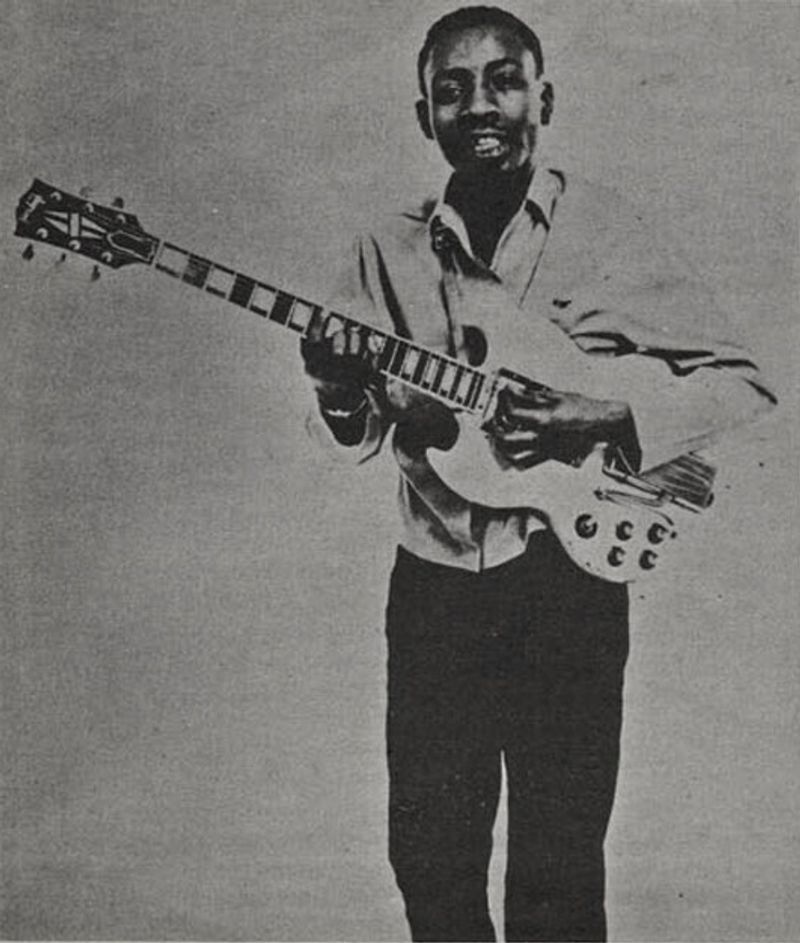
Born from tragedy yet radiating pure joy, “Sunny” became Bobby Hebb’s gift to the world in 1966. Written after losing his brother, the song transformed pain into something beautiful and uplifting that still makes people smile today.
Countless artists have covered this soul classic over the years, from Stevie Wonder to Cher. While Hebb continued making music, nothing quite matched the sunshine-filled magic of his signature tune, though his talent deserved so much more recognition than it received.
4. Janis Ian
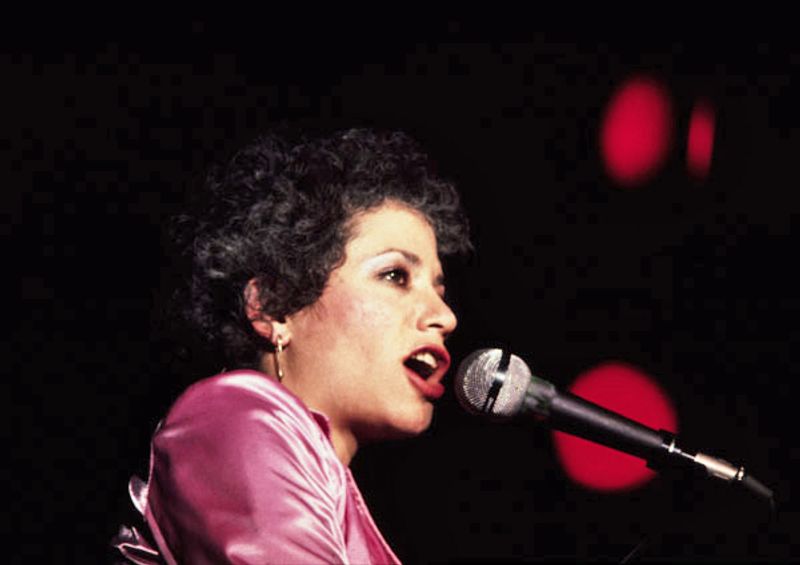
At just 15 years old, Janis Ian shook the music world with “Society’s Child,” a controversial song about interracial romance that radio stations initially refused to play. Her mature songwriting and haunting voice challenged social norms head-on during turbulent times.
Though she continued creating powerful folk music throughout her career, the teenage prodigy’s early work often gets overlooked. Her courage and artistry in the ’60s laid groundwork for decades of honest, fearless storytelling in popular music.
5. The Left Banke
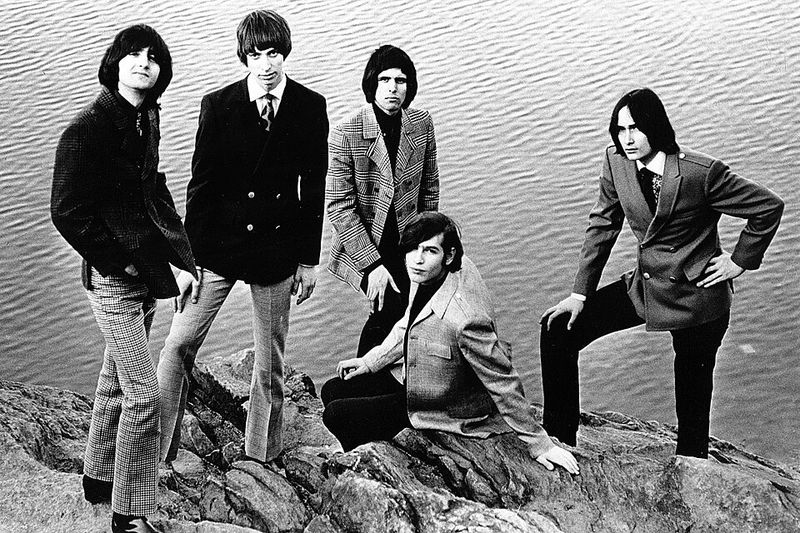
Baroque pop found its perfect champions in The Left Banke, whose 1966 masterpiece “Walk Away Renée” combined rock with classical elements like harpsichord and string arrangements. The result?
Pure musical sophistication that stood out from everything else on the radio.
Their innovative sound influenced countless bands, yet they never quite recaptured that initial glory. If you appreciate lush, orchestral pop music with heartfelt emotion, these New York pioneers absolutely deserve another listen and much more credit.
6. Spanky and Our Gang
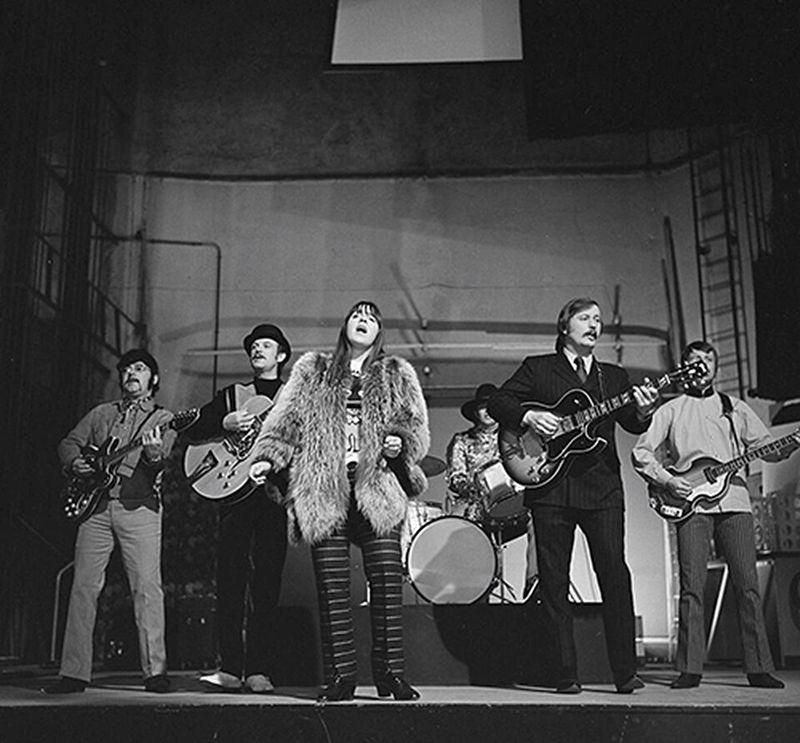
Sunshine pop never sounded sweeter than when Spanky and Our Gang harmonized their way through hits like “Sunday Will Never Be the Same” and “Lazy Day.” Their feel-good melodies and tight vocal arrangements brought smiles to millions in the late ’60s.
Led by the charismatic Elaine “Spanky” McFarlane, this Chicago group created music that was simultaneously sophisticated and accessible. However, changing musical tastes eventually pushed their optimistic sound aside, leaving them underappreciated by modern audiences who’d absolutely love their vibe.
7. The Zombies

How does a band create one of the greatest albums ever recorded yet barely see commercial success during their time? Just ask The Zombies, whose 1968 masterpiece “Odessey and Oracle” flopped initially despite containing the gorgeous hit “Time of the Season.”
Their sophisticated harmonies and jazz-influenced arrangements were ahead of their time. Decades later, musicians and critics finally recognized their genius, but these British rockers deserved their flowers while the ’60s were still blooming around them.
8. Donovan
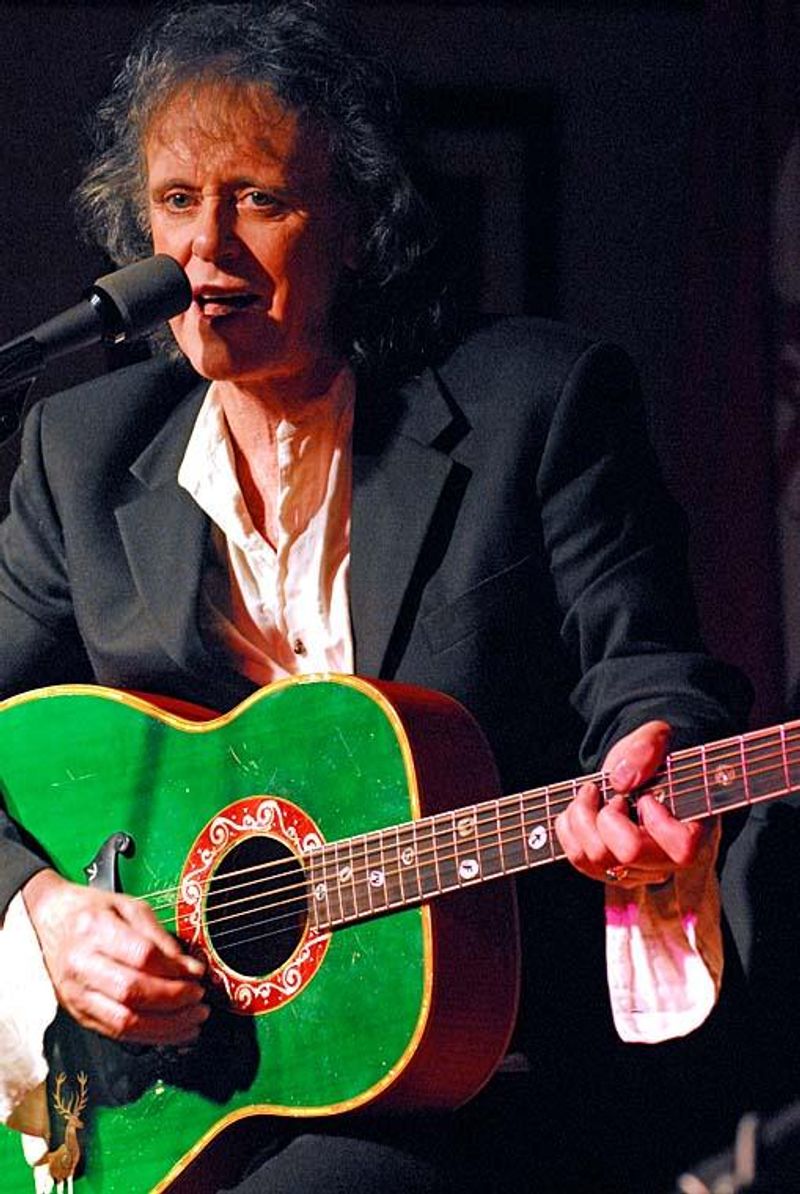
Though often called “Britain’s Bob Dylan,” Donovan carved out his own psychedelic folk path with enchanting songs like “Mellow Yellow” and “Sunshine Superman.” His whimsical lyrics and gentle melodies transported listeners to magical, colorful worlds filled with wonder.
During the late ’60s, he was genuinely huge, influencing everyone from The Beatles to Led Zeppelin. Somehow, his contributions get forgotten in conversations about the era’s greatest artists, which seems wildly unfair given his innovative spirit and lasting influence.
9. The Electric Prunes
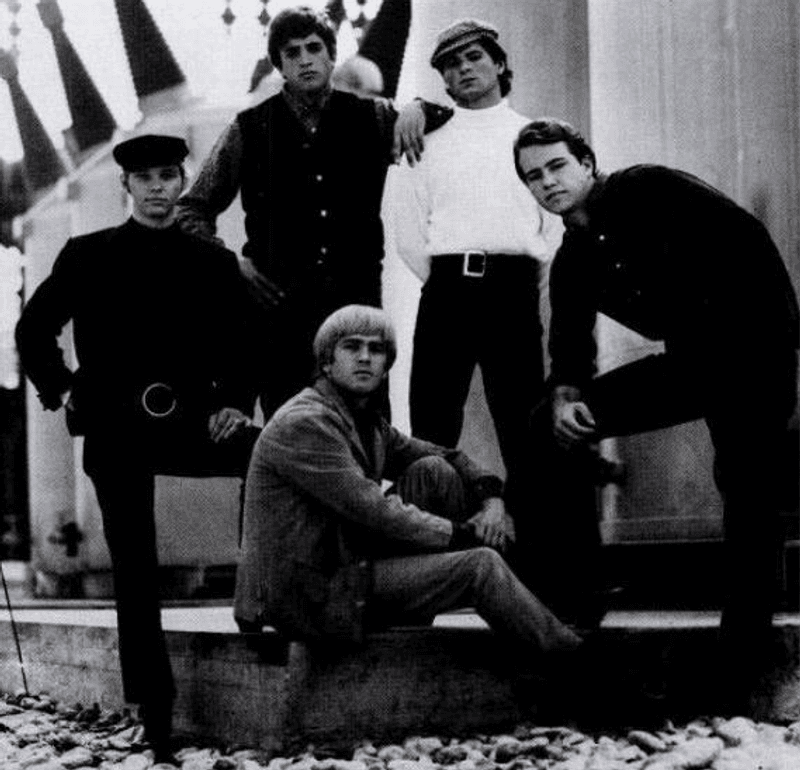
Garage psychedelia got weird and wonderful with The Electric Prunes, whose 1967 hit “I Had Too Much to Dream (Last Night)” featured fuzzy guitars and dreamy vocals that perfectly captured the era’s experimental spirit. Their sound was trippy without losing its rock and roll edge.
Record label interference eventually derailed their creative vision, leading to their quick fade from prominence. These Seattle-born pioneers helped define psychedelic rock’s sound, making them essential listening for anyone exploring the decade’s most adventurous music.
10. Bobbie Gentry
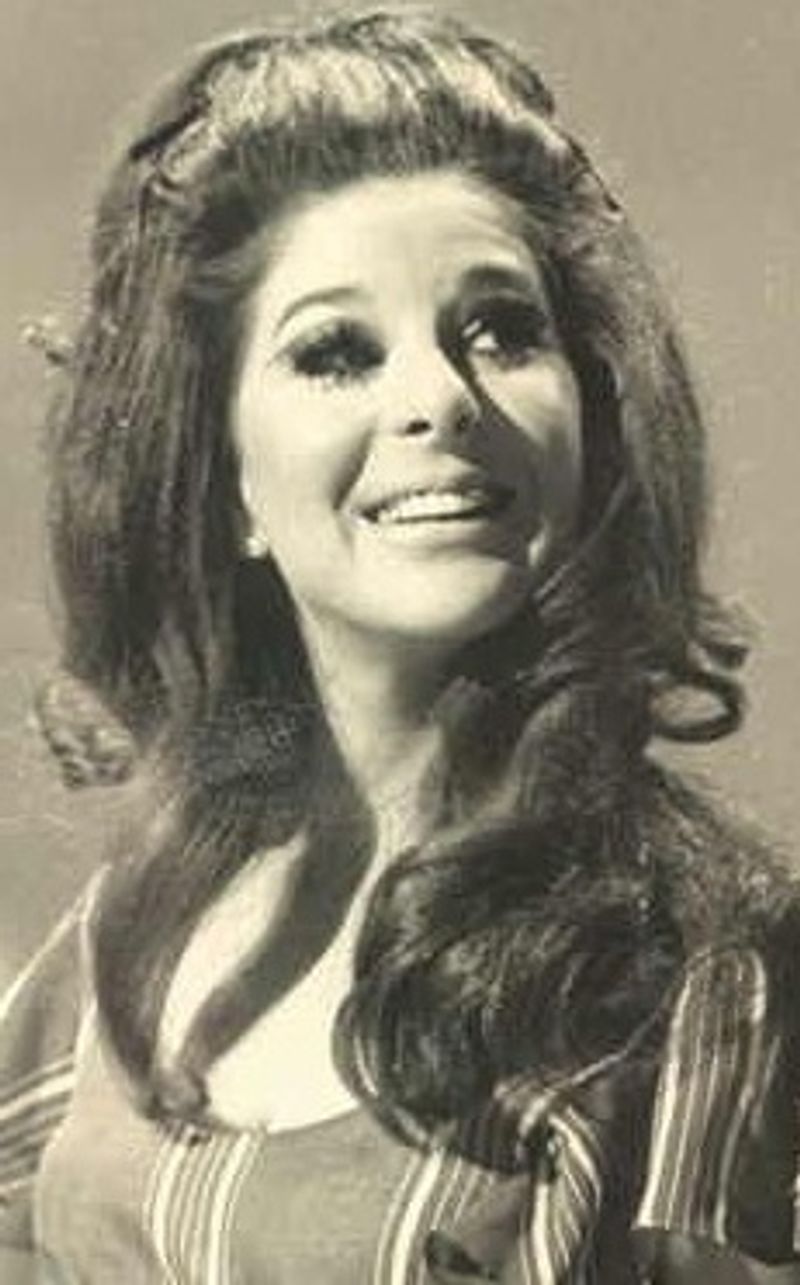
Mystery and Southern gothic atmosphere dripped from every note of Bobbie Gentry’s 1967 smash “Ode to Billie Joe,” a storytelling masterpiece that left listeners debating its meaning for decades. Her sultry voice and narrative songwriting style were absolutely captivating.
Beyond that iconic hit, Gentry wrote and produced her own material, breaking barriers for female artists in country and pop. She eventually retired from music completely, adding another layer of intrigue to her already fascinating legacy that deserves rediscovery.
11. The Turtles
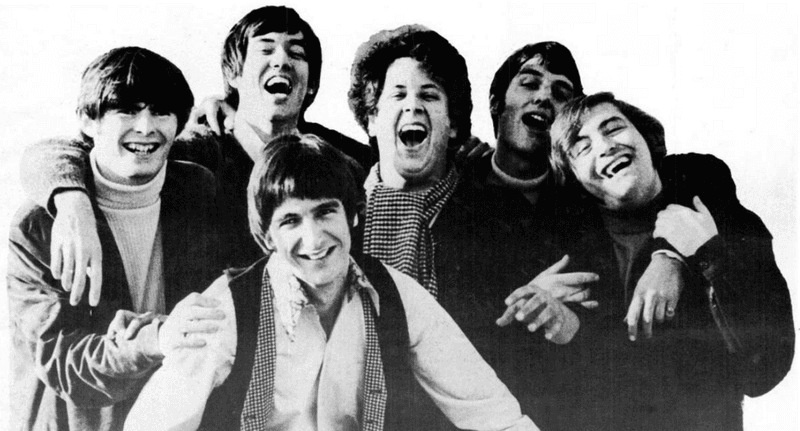
Happy vibes and perfect harmonies defined The Turtles, whose 1967 hit “Happy Together” remains one of the most joyful love songs ever recorded. Their ability to craft irresistibly catchy pop tunes while maintaining musical credibility made them stand out among their peers.
Despite numerous chart successes, they’re often dismissed as just another ’60s pop group. However, their vocal arrangements and musicianship were top-notch, and their catalog contains far more gems than most people realize, making them worthy of serious reevaluation.
12. The Mamas and the Papas
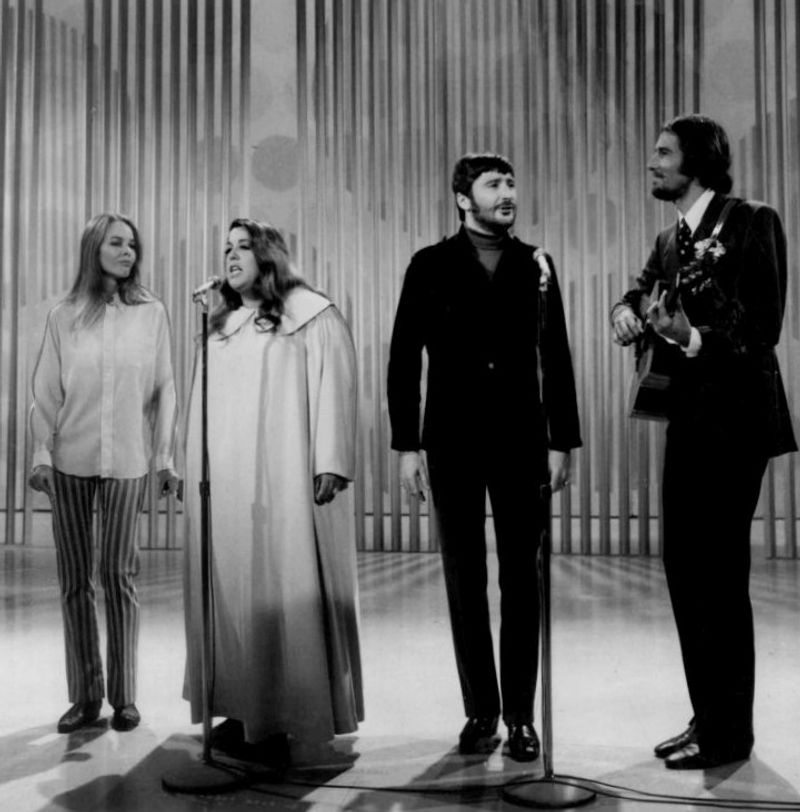
Four-part harmonies never sounded more heavenly than when The Mamas and the Papas blended their voices on classics like “California Dreamin'” and “Monday, Monday.” Their folk-pop sound defined an entire generation’s soundtrack during the mid-’60s.
Internal drama and personal conflicts led to their early breakup, cutting short what could have been an even more legendary career. Though remembered by many, their full artistic contribution and innovative vocal arrangements deserve deeper appreciation from today’s music lovers seeking inspiration.
13. Procol Harum
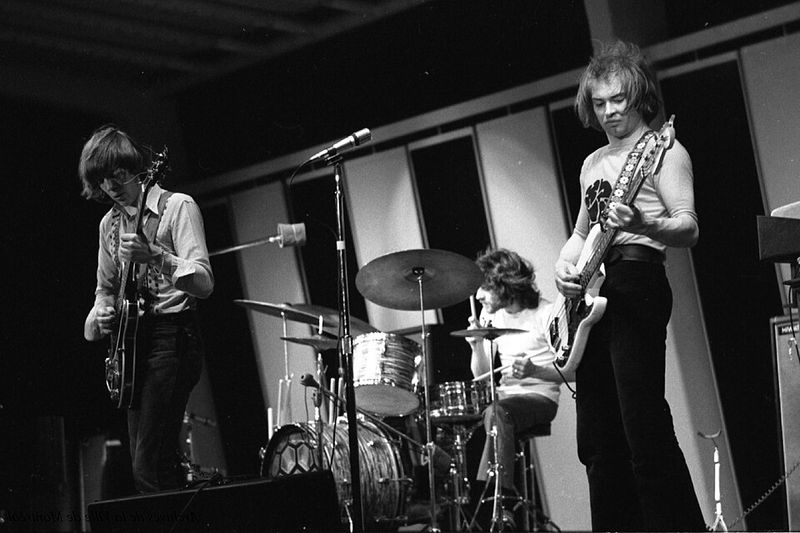
Classical music crashed into rock and roll when Procol Harum released “A Whiter Shade of Pale” in 1967, creating one of the decade’s most mysterious and beautiful songs. That haunting organ melody borrowed from Bach became instantly recognizable worldwide.
While that single achieved immortality, their subsequent albums full of progressive rock brilliance never received equivalent attention. These British innovators helped birth progressive rock, making their overlooked catalog a treasure trove waiting to be explored by adventurous listeners today.
14. The Lovin’ Spoonful
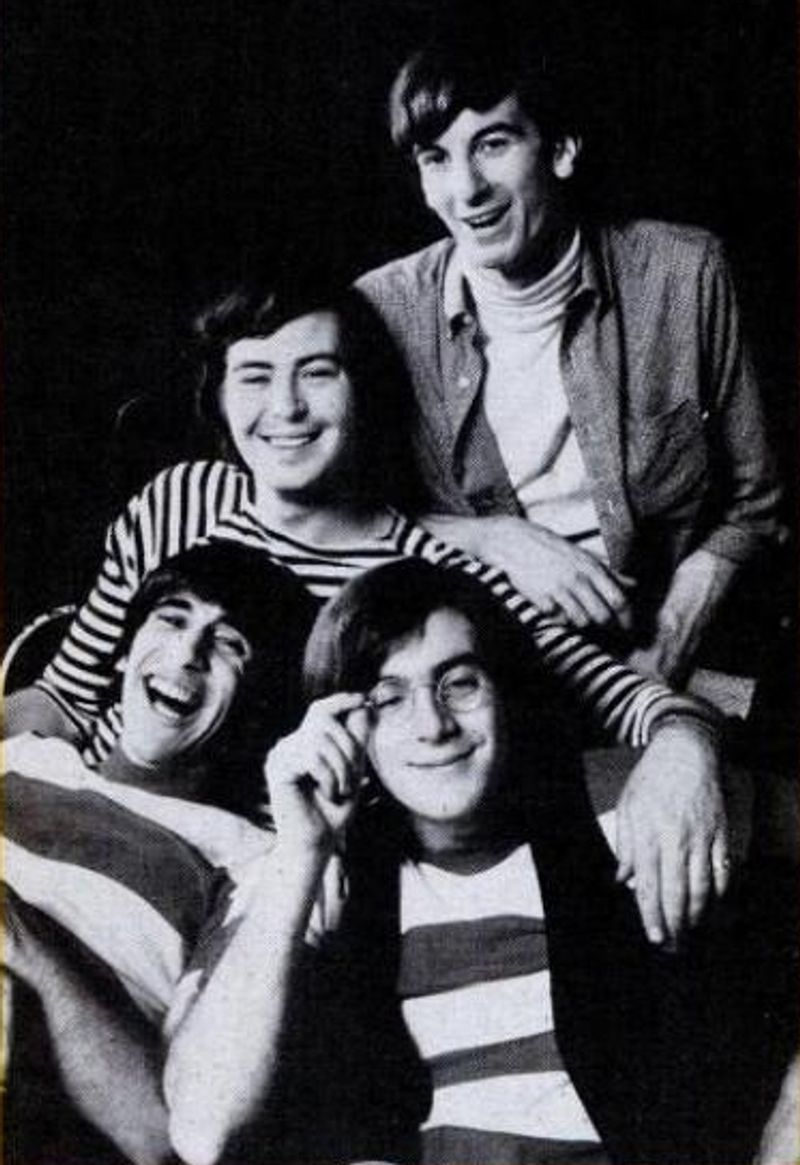
Good-time jug band rock met folk-pop perfection with The Lovin’ Spoonful, whose string of hits like “Summer in the City” and “Do You Believe in Magic” captured pure joy and youthful energy. Their music felt like sunshine bottled up in three-minute packages.
Led by John Sebastian’s warm vocals and clever songwriting, they scored seven consecutive top-ten hits. Drug arrests and lineup changes derailed their momentum, but their influence on American pop-rock remains significant and definitely warrants more recognition than nostalgia radio provides.
15. Dusty Springfield
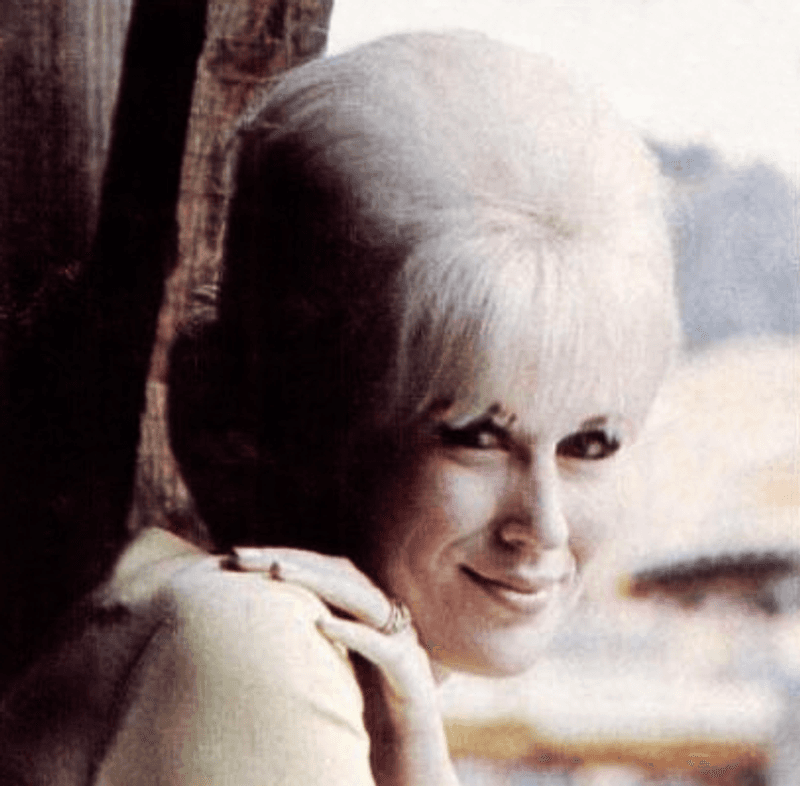
Soul music found an unlikely champion in Dusty Springfield, a British blonde with a voice that could rival any Motown legend. Her 1969 album “Dusty in Memphis” stands as one of the greatest soul records ever made, period.
Hits like “Son of a Preacher Man” showcased her incredible vocal control and emotional depth. Though respected by fellow musicians, mainstream audiences today often overlook her massive contributions to soul and pop music, which seems like a tragedy that needs correcting immediately.
16. Gene Pitney
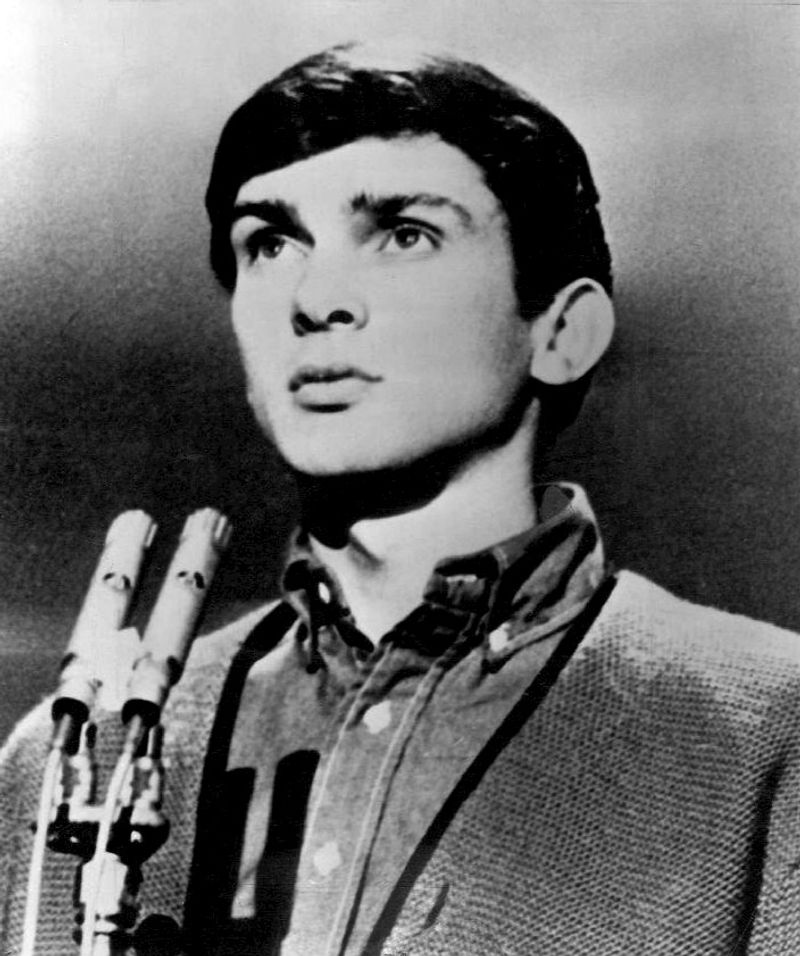
Dramatic, orchestral pop found its perfect voice in Gene Pitney, whose soaring vocals and emotionally charged performances made hits like “Town Without Pity” and “Only Love Can Break a Heart” absolutely unforgettable. His theatrical delivery influenced countless artists who followed.
Though hugely popular during the early ’60s, his name rarely appears in discussions about the era’s greatest singers. With a four-octave range and impeccable phrasing, Pitney’s artistry and influence deserve way more respect than modern music history typically grants him.