15 Movies Considered Among The Best Of The 21st Century
Modern cinema has reinvented itself again and again since 2000, delivering movies that don’t just entertain, they shift how viewers think and feel.
Bold filmmakers have pushed boundaries with mind-twisting mysteries, raw emotional dramas, and visuals that linger long after the credits roll.
Loved by critics and embraced by audiences around the world, these films have become essential viewing for anyone drawn to the power of storytelling on screen.
Note: This movie list reflects a subjective selection shaped by broad critical consensus and cultural impact, and it is not meant to be exhaustive.
Plot descriptions are summarized for general information, and readers should check official studio materials or reputable film archives for full credits, release details, and any updates related to licensing or imagery.
15. Parasite (2019)

Class division is explored with razor-sharp precision in this dark comedy centered on a struggle for survival within a modern metropolis.
A destitute family skillfully infiltrates a wealthy household, yet their success triggers a series of consequences that no one could have predicted.
History was made when this narrative became the first non-English language film to claim the Oscar for Best Picture.
Every meticulously framed shot bursts with symbolism, inviting the audience to spot hidden depths within a structure they thought they understood.
14. Mulholland Drive (2001)

David Lynch crafted a surreal puzzle box that continues to baffle and mesmerize viewers decades later.
Two women in Los Angeles become entangled in a mystery involving amnesia, Hollywood dreams, and shifting realities.
Critics initially struggled to decode its meaning, but now recognize it as a brilliant examination of identity and desire.
Watching this feels like trying to remember a vivid dream the moment you wake up, beautiful yet impossible to fully grasp.
13. There Will Be Blood (2007)

Acting with primal intensity, a silver-screen legend portrays Daniel Plainview, a silver miner turned oilman whose soul is slowly devoured by avarice during California’s oil boom.
Driven by this singular obsession, the narrative unfolds as a brutal critique of American capitalism at its most predatory and unforgiving.
Fueling that relentless atmosphere, a dissonant and haunting score heightens the sense of impending doom as the protagonist loses his humanity.
Ultimately, the entire masterpiece serves as a grim reminder of how unbridled ambition can contaminate a life just as surely as crude oil ruins the earth.
12. In The Mood For Love (2000)

Set in 1962 Hong Kong, this romantic masterpiece centers on two neighbors who gradually uncover their spouses’ shared infidelity.
Rather than succumbing to bitterness or seeking revenge, the pair develops a profound emotional bond while strictly maintaining a distance that borders on the sacred.
Every meticulously composed frame resembles a painting, utilizing vibrant colors and cramped architecture to make ordinary apartment hallways feel enchanted.
Ultimately, the narrative captures the essence of unrequited longing with such precision that watching it feels like holding one’s breath before submerged in deep water.
11. Moonlight (2016)

Tracing the life of a young man named Chiron through three distinct eras, this narrative explores the complexities of growing up Black and gay in Miami.
Deeply rooted in these personal struggles, tender interactions between characters reveal profound truths about identity, masculinity, and the search for acceptance.
Enhancing that emotional depth, the cinematography bathes the city in vibrant blues and purples to transform familiar neighborhoods into dreamlike, intimate spaces.
Reflecting the power of such a vision, the film’s eventual Best Picture win proved that quiet, personal stories deserve the same celebration as massive spectacles.
10. No Country For Old Men (2007)
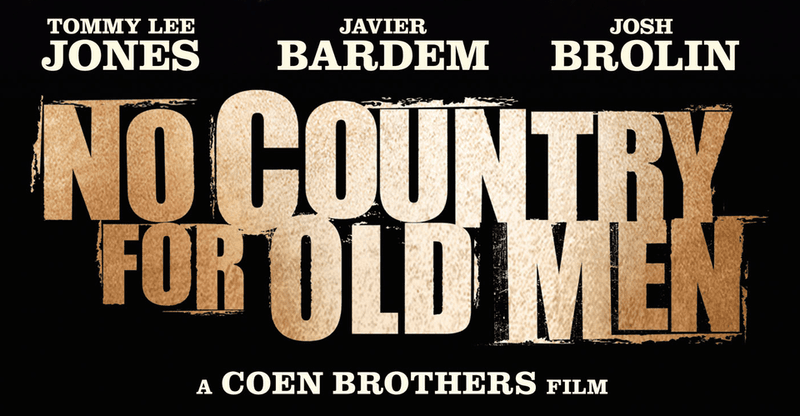
The Coen Brothers adapted Cormac McCarthy’s novel into a relentless thriller about a hunter who finds a briefcase of cash and the killer pursuing him.
Javier Bardem’s Anton Chigurh became one of cinema’s most terrifying villains, armed with a cattle gun and twisted philosophy.
Tommy Lee Jones plays a weary sheriff watching the world grow more violent and incomprehensible.
Violence erupts without warning or music, making every scene feel dangerous, like walking through a thunderstorm without knowing when lightning will strike.
9. Get Out (2017)
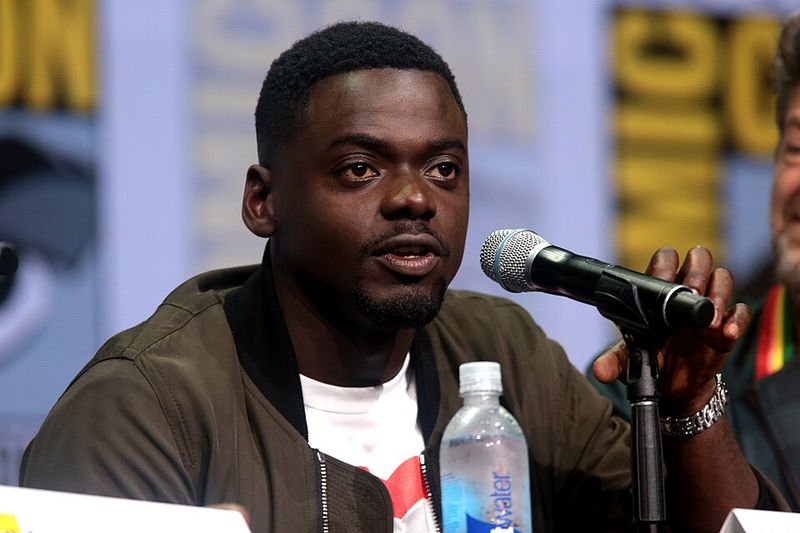
Redefining the horror genre, this directorial debut uses a terrifying weekend visit to a secluded estate to confront the reality of systemic racism.
Growing tensions within these awkward social interactions soon escalate into a psychological nightmare involving mind control and physical theft.
Fueled by these chilling revelations, the narrative sparked nationwide dialogue regarding microaggressions and the exploitation of Black bodies.
Ultimately, this success proved that scary movies could tackle complex social issues with more depth than simple jump scares.
8. The Social Network (2010)

David Fincher transformed the founding of Facebook into a gripping drama about ambition, betrayal, and the price of success.
Aaron Sorkin’s rapid-fire dialogue crackles with intelligence as Mark Zuckerberg alienates friends while building his empire.
The film captured how technology was reshaping human connection, even as the creator struggled with basic relationships.
Watching it now feels prophetic, like reading a warning label after the damage has already been done.
7. Mad Max: Fury Road (2015)

Returning to a scorched, post-apocalyptic wasteland, this high-octane epic utilizes a relentless two-hour chase to redefine the limits of action cinema.
Leading this desperate escape, a fierce warrior played by Charlize Theron guides enslaved women away from the clutches of a tyrannical warlord.
Supporting that frantic journey, practical stunts and vibrant colors create a visceral excitement that digital effects could never truly replicate.
Ultimately, this masterpiece proved that a summer blockbuster could function as a profound feminist fable wrapped in a shell of chrome and fire.
6. The Zone Of Interest (2023)
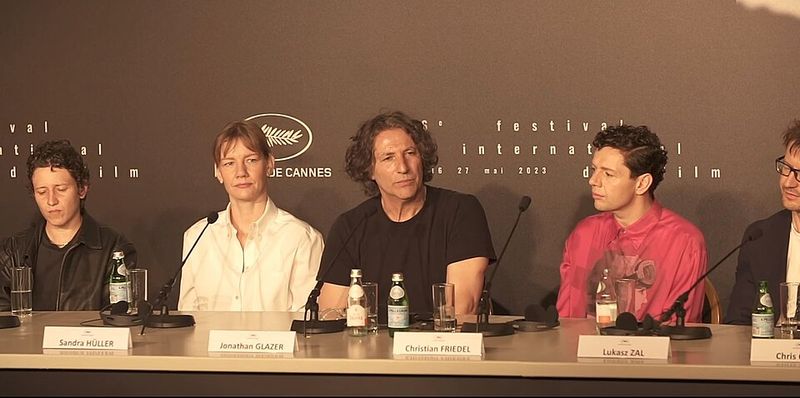
A chilling vision of domesticity unfolds as a Nazi commandant and his family reside in comfort just beyond the garden walls of the Auschwitz concentration camp.
While the camera never depicts the atrocities directly, the haunting soundscape from across the fence generates a sense of unbearable psychological tension.
The focus remains fixed on the banal routines of these perpetrators, illustrating the terrifying ease with which ordinary individuals can coexist with absolute evil.
Through this unique lens, the audience is forced to confront the reality of complicity in a way that traditional historical dramas rarely attempt.
5. City Of God (2002)

Fernando Meirelles brought the violent reality of Rio de Janeiro’s favelas to international attention through this explosive crime drama.
Following multiple characters across decades, the film shows how poverty and violence trap generations in cycles of destruction.
Kinetic editing and vibrant cinematography create a visual style that influenced countless films afterward.
Despite the brutality, moments of humanity shine through, reminding viewers that these stories represent real lives, not just entertainment.
4. Inglourious Basterds (2009)

World War II history undergoes a radical transformation in this revenge fantasy centered on a Jewish-American squad hunting Nazis in occupied France.
Within this brutal landscape, the multilingual Hans Landa emerges as a terrifying antagonist who weaponizes polite conversation to dominate his victims.
The legendary opening farmhouse sequence highlights a mastery of cinematic tension, extending a single interrogation into twenty minutes of pure suspense.
While the narrative departs from historical facts, it provides a deeply satisfying catharsis by allowing the oppressed to finally dictate their own conclusion.
3. Children Of Men (2006)

Alfonso Cuarón imagined a future where humanity faces extinction after women mysteriously lose the ability to conceive children.
Clive Owen plays a disillusioned bureaucrat tasked with protecting the first pregnant woman in 18 years.
Long, unbroken takes immerse viewers in chaotic action sequences that feel documentary-real rather than Hollywood-polished.
The film’s bleak vision of societal collapse feels uncomfortably relevant, like watching tomorrow’s news today instead of science fiction.
2. Spirited Away (2001)

In a shimmering realm of spirits and sorcery, a young girl discovers that her parents have been transformed into swine within a mysterious, abandoned theme park.
This enchanted bathhouse setting comes to life through breathtaking hand-drawn animation, featuring noble dragons and soot sprites that defy ordinary imagination.
Throughout the ordeal, the protagonist evolves from a frightened child into a courageous hero, a transformation that resonates with anyone facing the unknown.
Her eventual triumph on the global stage, including an Oscar for Best Animated Feature, finally introduced Western audiences to the profound storytelling potential of Japanese anime.
1. Eternal Sunshine Of The Spotless Mind (2004)

Michel Gondry and Charlie Kaufman created a heartbreaking romance about erasing painful memories of a failed relationship.
Jim Carrey and Kate Winslet play lovers who undergo a procedure to forget each other, only to realize what they’re losing.
The film jumps through fragmented memories as they dissolve, creating a visual style that feels like consciousness itself.
Anyone who’s experienced heartbreak recognizes the fantasy of forgetting, even while knowing those memories make us who we are.