10 Oscar-Winning Movies You Probably Can’t Remember
Every year, the Academy Awards crown a Best Picture winner and the world celebrates. Confetti flies, speeches get emotional, and everyone promises to remember the moment forever.
Yet some of those golden-statue champions have quietly disappeared from movie-night conversations. Ask a room full of film fans, and blank stares are common.
How can a movie win Hollywood’s biggest prize and then fade into obscurity? It happens more often than expected.
Some films win big but fail to secure a lasting place in cultural memory. Award season excitement disappears, streaming libraries shuffle titles, and suddenly even a nine-time Oscar winner is no longer recommended at lunch tables.
These movies remind us that accolades do not guarantee longevity. Viewers move on, trends shift, and public attention drifts elsewhere.
Exploring these ten forgotten Oscar winners offers a fascinating look at how recognition at the moment does not always equal lasting impact.
1. The English Patient (1996)
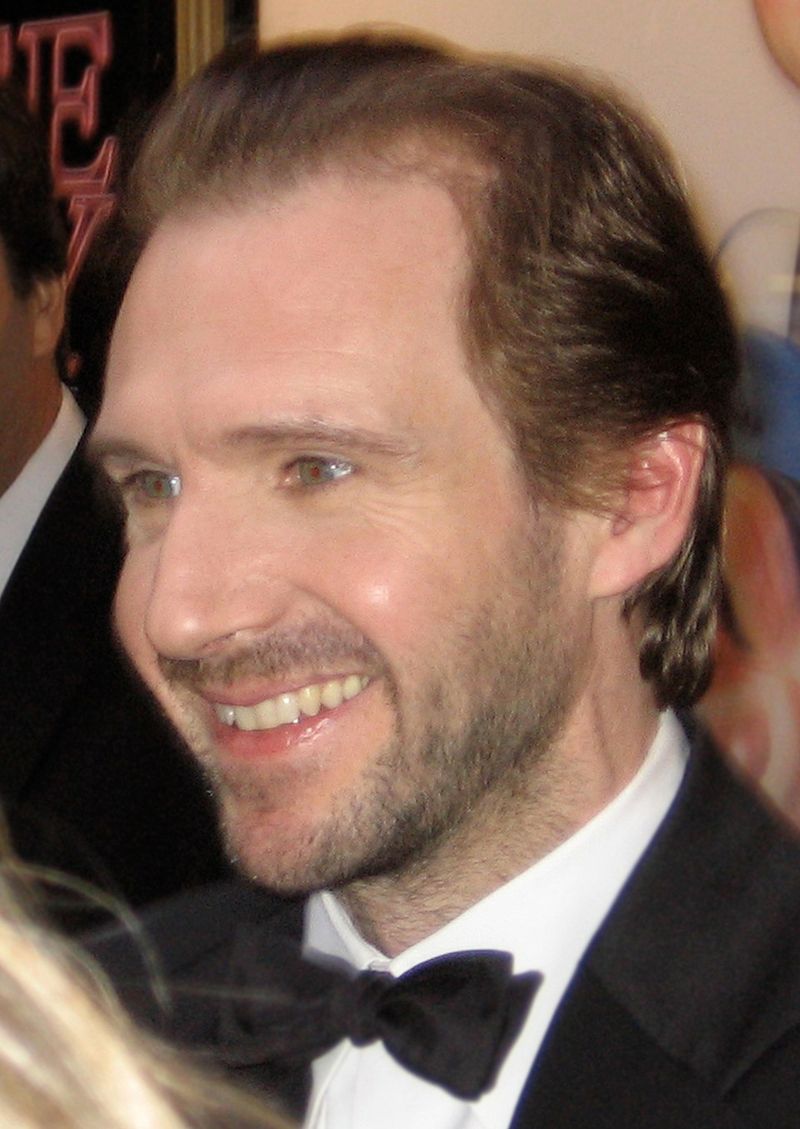
Nine Oscars. Nine!
Yet ask most people under 40 about The English Patient and you’ll likely get a puzzled shrug. Winning Best Picture at the 1997 Academy Awards, Ralph Fiennes starred as a mysterious burn victim whose tragic love story unfolds through flashbacks in war-torn North Africa and Italy.
Critics absolutely adored it. The cinematography was breathtaking, the score hauntingly beautiful.
However, audiences today rarely revisit it, possibly because the slow-burn pacing feels more like a history lecture than a popcorn thriller.
Fun fact: the TV show Seinfeld actually made fun of it, with Elaine famously declaring she hated it. Pop culture giveth, and pop culture taketh away!
2. Around the World in 80 Days (1956)
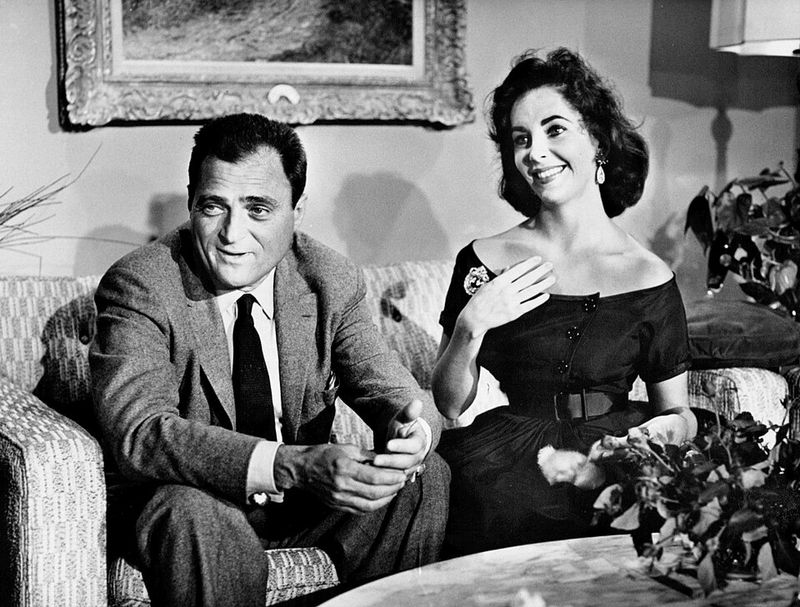
Winning Best Picture in 1957 sounds impressive until you realize most modern moviegoers associate this title more with a forgettable 2004 Jackie Chan comedy remake. The original starred David Niven as the famously punctual Phileas Fogg, racing around the globe in a charming, globe-trotting adventure.
Visually spectacular for its era, the film boasted nearly 50 celebrity cameos, which was considered jaw-dropping at the time.
It reportedly cost a fortune to make and earned back every penny, yet somehow nobody quotes it at dinner parties anymore.
3. Gentleman’s Agreement (1947)
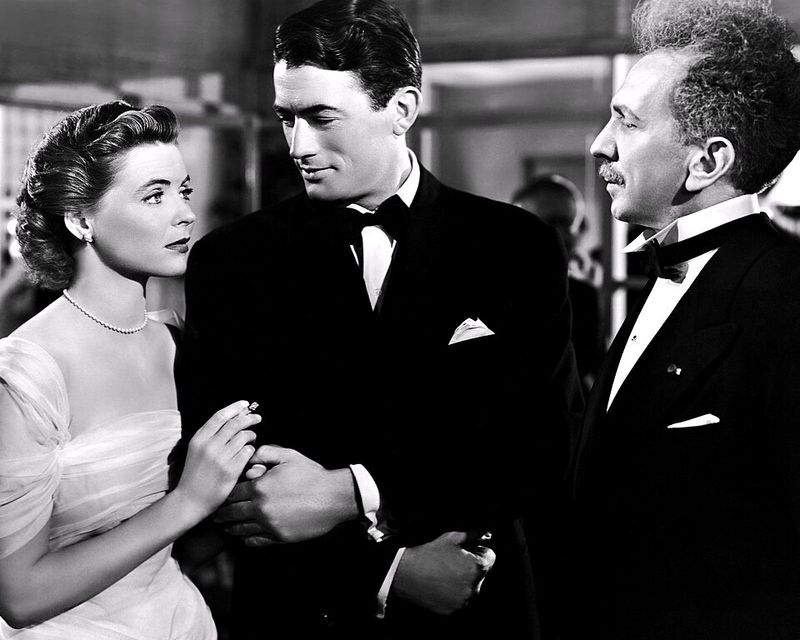
Bold, uncomfortable, and ahead of its time, Gentleman’s Agreement tackled antisemitism in postwar America head-on. Gregory Peck played a journalist who pretends to be Jewish to expose hidden prejudice, and the film won Best Picture at the 1948 Oscars.
For its era, the subject matter was genuinely brave. Hollywood rarely touched topics like discrimination so directly, making the win feel earned and significant.
Worth watching for historical context? Absolutely.
Worth rewatching on a Friday night for fun? Probably not on most people’s lists, just saying.
4. How Green Was My Valley (1941)
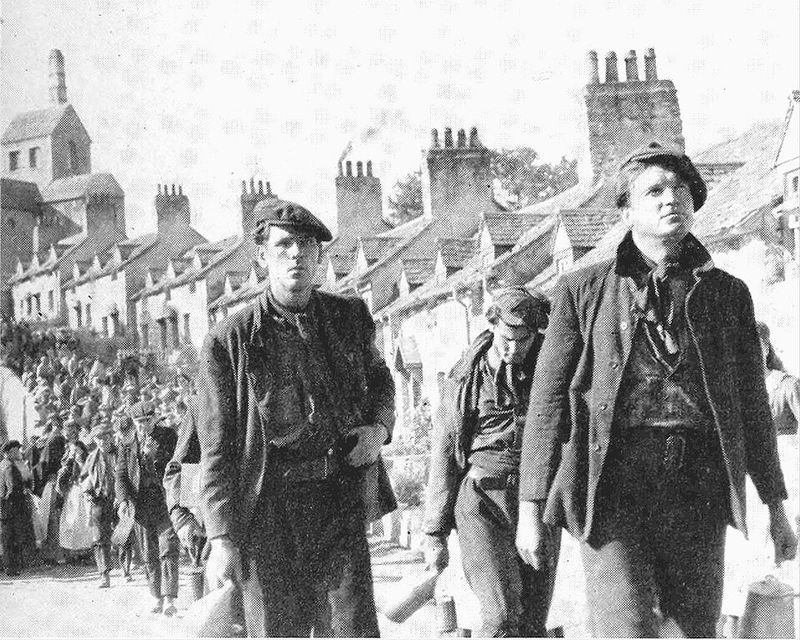
Poor How Green Was My Valley. Forever haunted by one enormous footnote: it beat Citizen Kane for Best Picture.
Film historians still debate whether that was one of the biggest upsets in Oscar history, and honestly, it might be.
John Ford directed a deeply emotional story about a Welsh mining family facing hardship and change. It’s beautifully crafted and genuinely moving, filled with stunning black-and-white photography.
Yet again, the film is almost never remembered on its own terms. If Citizen Kane is the cool kid everyone talks about, How Green Was My Valley is the kid who accidentally sat in the cool kid’s chair.
Historically significant, emotionally rich, and criminally overlooked.
5. Dances With Wolves (1990)
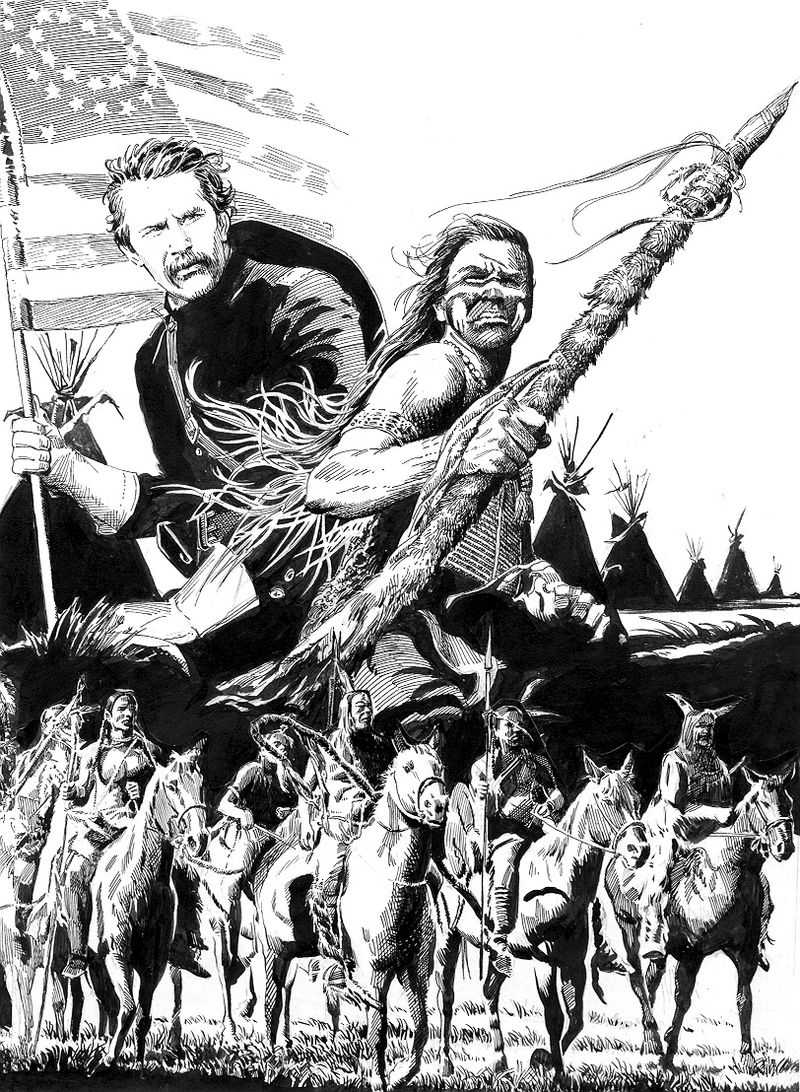
Beating Goodfellas for Best Picture is the kind of move that still sparks heated arguments in film school hallways. Kevin Costner directed and starred in Dances With Wolves, a sweeping three-hour Western about a Union soldier who bonds deeply with a Lakota Sioux community.
At the time, it felt revolutionary. A Hollywood epic actually trying to honor Native American culture rather than caricature it?
Audiences were stunned and moved. Seven Oscars followed.
Over time, some critics have raised valid questions about its perspective and storytelling choices. Goodfellas has aged like fine coffee, while Dances With Wolves sits quietly on the shelf, respected but rarely rewatched.
6. Cavalcade (1933)
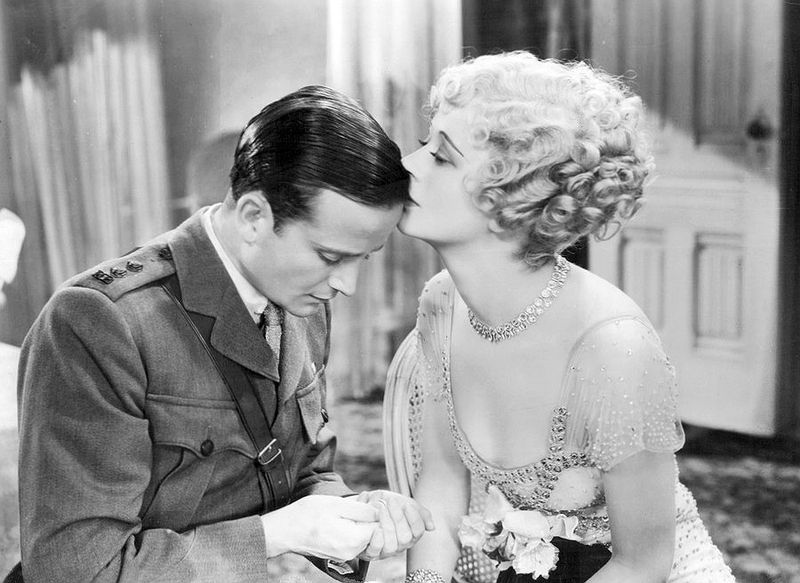
Ask someone to name a 1933 Best Picture winner and watch their brain short-circuit like a confused robot. Cavalcade, based on a Noel Coward play, follows a British family across three decades of history, covering events like the Boer War, the Titanic sinking, and World War One.
It was a massive production, ambitious in scope and emotional in delivery. Critics of the era found it deeply patriotic and moving.
Fox Film Corporation won its first Best Picture with this one, a genuine milestone.
Still, nobody streams Cavalcade for movie night. It exists mainly in film history textbooks, quietly collecting dust next to other well-intentioned relics of early Hollywood.
7. The Greatest Show on Earth (1952)
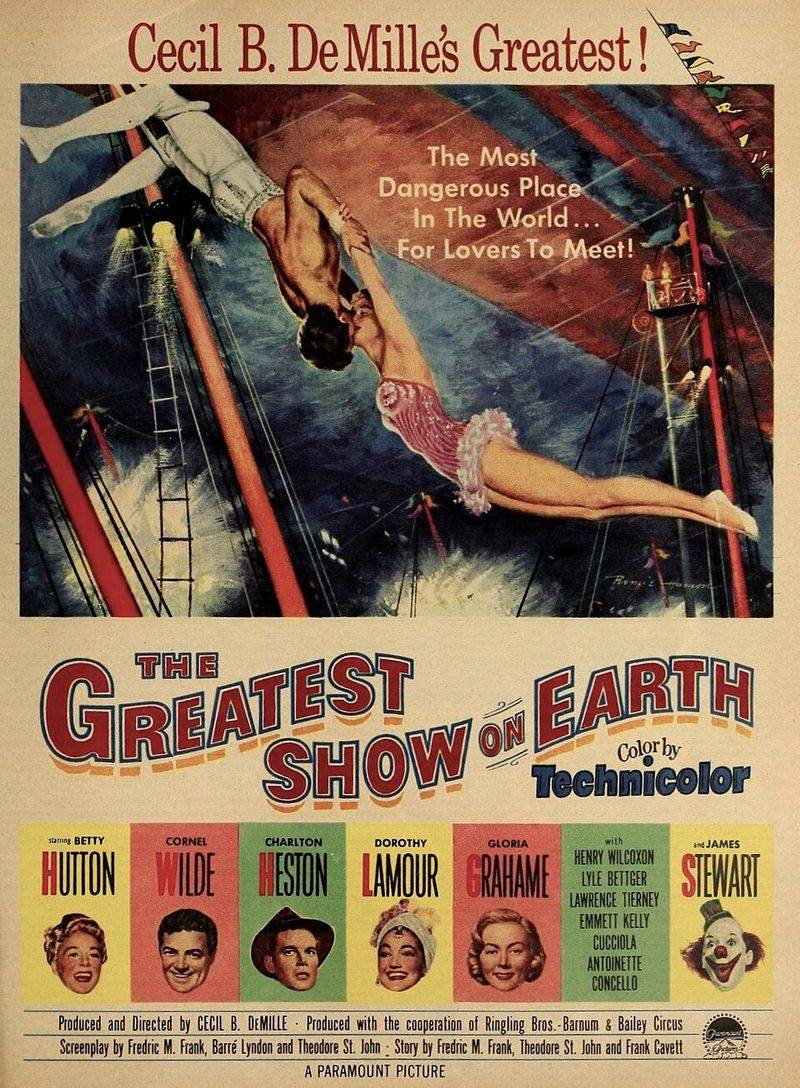
Cecil B. DeMille’s circus epic winning Best Picture over High Noon is considered by many film critics as one of the most controversial Oscar decisions ever made.
The Greatest Show on Earth is exactly what the title promises: a big, loud, colorful circus spectacle starring Charlton Heston and Betty Hutton.
Audiences at the time ate it up. Circus culture was enormously popular in 1950s America, and DeMille knew how to deliver pure entertainment on a massive scale.
Modern viewers tend to find it more exhausting than exhilarating. High Noon has become a timeless classic.
The Greatest Show on Earth? More of a trivia question than a treasured memory.
8. Cimarron (1931)
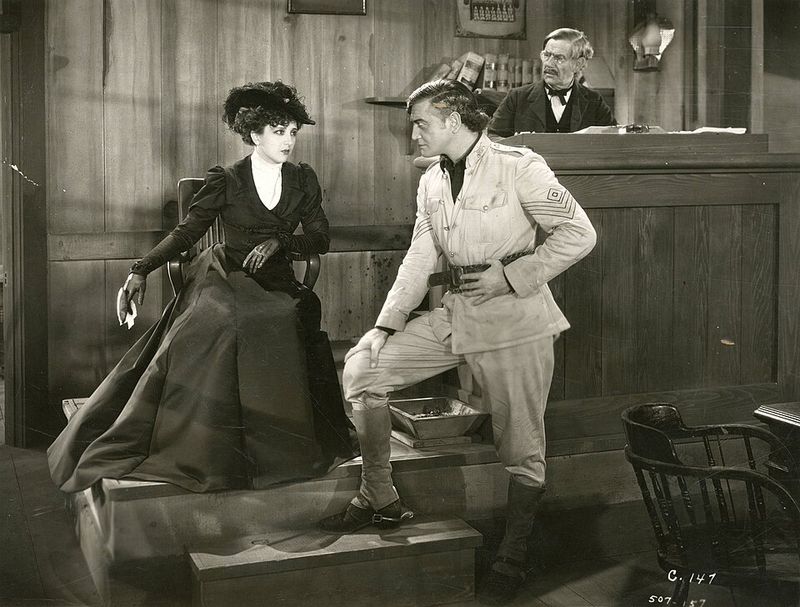
Hold on, Cimarron won Best Picture? Yep, back in 1931, RKO’s sprawling Western saga about the Oklahoma Land Rush of 1889 claimed Hollywood’s top honor.
Richard Dix and Irene Dunne starred in a story spanning decades of frontier life, ambition, and family drama.
For early sound-era Hollywood, it was genuinely impressive filmmaking. The land rush sequence alone reportedly used hundreds of extras and was considered technically groundbreaking.
Oddly enough, Cimarron also holds a less flattering record: it was the first Western to win Best Picture and remained the only one for decades. Impressive history, forgotten legacy.
A movie that paved roads nobody drives on anymore.
9. Marty (1955)
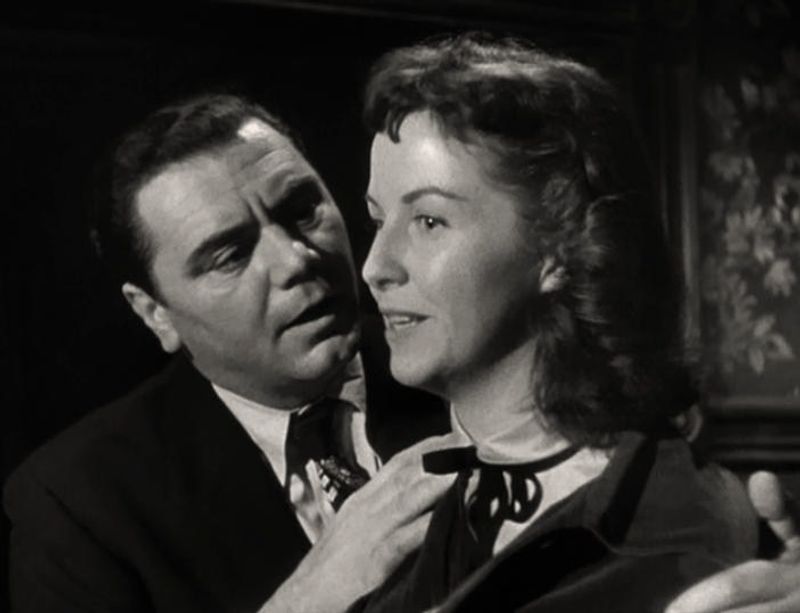
Short, simple, and surprisingly human, Marty is one of the few Best Picture winners that feels like a quiet miracle rather than a Hollywood blockbuster. Ernest Borgnine won Best Actor playing Marty Piletti, a lonely Bronx butcher in his mid-thirties who just wants to find love and stop hearing the question, “What do you want to do tonight?”
Running under 90 minutes, it was practically a short film by Oscar standards. Critics adored its raw, unpolished honesty.
No explosions, no epic romance, just real people being wonderfully imperfect.
How a film so genuinely moving faded from mainstream memory is almost as sad as Marty’s loneliness itself. Revisit it.
Seriously, you’ll thank yourself.
10. Wings (1927)
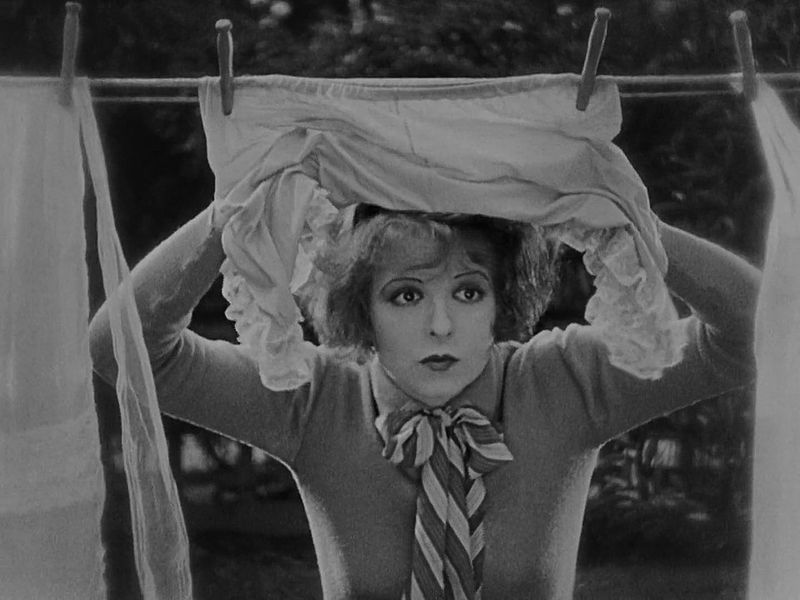
Wings holds a record no other film can claim: it won the very first Academy Award for Best Picture back in 1929, covering the 1927 film year. Clara Bow and Buddy Rogers starred in a silent World War One aviation epic filled with jaw-dropping aerial stunts that were genuinely dangerous to film.
No CGI, no safety nets, just real pilots doing real stunts for the camera. The film reportedly caused actual accidents during production.
That’s commitment to cinema you simply cannot fake.
Silent films rarely get revisited in a world of streaming blockbusters, which is a shame. Wings is stunning, thrilling, and historically monumental.
Every film fan owes it at least one watch.