10 Pink Floyd Masterpieces That Define Musical Genius
When you think about bands that changed rock music forever, Pink Floyd sits right at the top. Their sound broke every rule in the book, mixing psychedelic experiments with deep lyrics that made people think differently about life, society, and the universe itself.
From haunting guitar solos to mind-bending studio effects, these British legends created songs that feel more like journeys than just tracks on an album.
1. Echoes
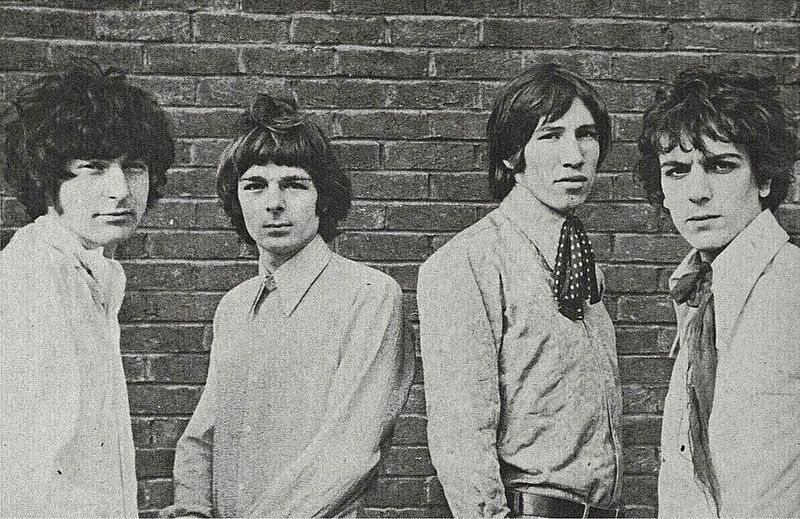
Imagine a song so long it takes up an entire album side, yet never feels boring for even a second. Clocking in at 23 minutes, this 1971 masterpiece from Meddle takes listeners on a sonic adventure through ambient soundscapes, bluesy guitar licks, and keyboard wizardry.
The band recorded whale sounds and experimental effects that sound like you’re floating through outer space. David Gilmour’s guitar work soars while Richard Wright’s keyboards create an otherworldly atmosphere that feels both peaceful and slightly unsettling at the same time.
2. Time
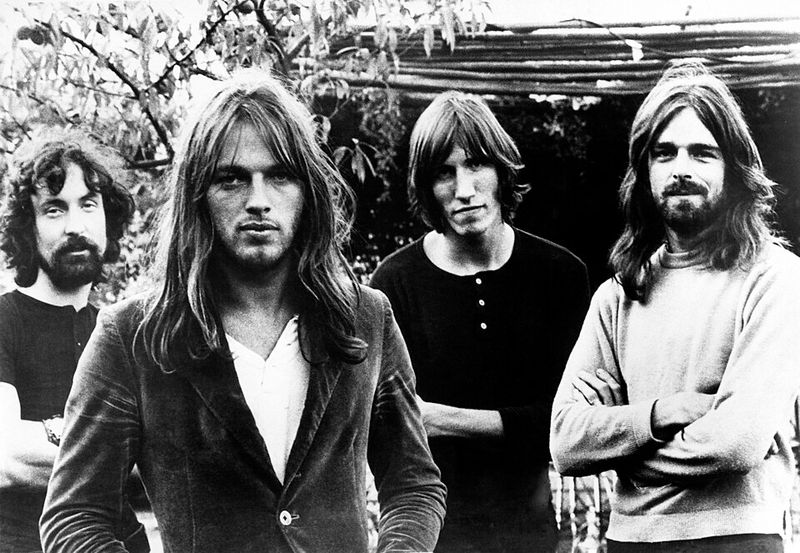
Alarm clocks exploding in your ears kick off this existential wake-up call about how life slips away when you’re not paying attention. Featured on 1973’s The Dark Side of the Moon, the song captures that universal panic we all feel when we realize we’ve been wasting precious moments.
Gilmour’s guitar solo practically weeps with emotion, while the lyrics hit like a punch to the gut. Roger Waters wrote words that generations of teenagers would scribble in notebooks, warning that time catches up faster than you think.
3. Money

Cash registers, coins clinking, and paper ripping create the opening rhythm for this biting takedown of greed and capitalism. Written in an unusual 7/4 time signature that somehow still grooves, the track became Pink Floyd’s biggest commercial hit, which is pretty ironic considering its anti-money message!
The saxophone solo brings unexpected jazz flavor to the progressive rock sound. Waters’ cynical lyrics about getting rich and buying expensive things captured the materialistic spirit of the 1970s while mocking it at the same time.
4. The Great Gig in the Sky

Clare Torry walked into the studio with almost no instructions and delivered one of rock’s most powerful vocal performances without singing a single actual word. Her improvised wailing and soaring voice captures every human emotion from fear to acceptance, supposedly representing the stages of dying.
However, the band initially paid her just thirty pounds for the session! Years later, she successfully sued for songwriting credit because her contribution was so essential to the track’s identity and emotional impact on millions of listeners worldwide.
5. Us and Them
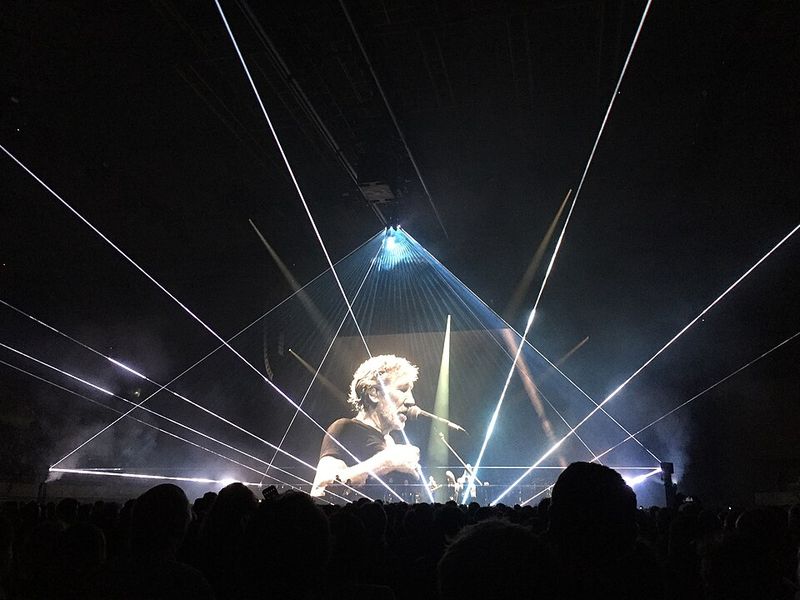
Smooth jazz-influenced keyboards blend with lyrics about war and social division in this hauntingly beautiful meditation on conflict. Originally composed as music for a film scene showing different-colored liquids, Wright’s gentle piano work creates an almost lullaby-like atmosphere despite the heavy subject matter.
The song explores how ordinary people get caught in battles created by leaders who never face consequences themselves. Dick Parry’s saxophone adds melancholy depth while female backing vocals float like ghosts, making the whole thing feel dreamlike yet deeply unsettling simultaneously.
6. Shine On You Crazy Diamond

Few tribute songs hit as hard as this nine-part epic dedicated to Syd Barrett, Pink Floyd’s original genius who left the band after mental health struggles. The opening four notes, played on synthesizer, became instantly recognizable and set the mood for 26 minutes of pure emotion.
Creepily, Barrett actually showed up at the recording session, overweight and with shaved eyebrows, and nobody recognized him at first. Gilmour’s guitar literally seems to cry throughout the track, expressing the band’s grief over losing their friend to the darkness that once fueled his creativity.
7. Wish You Were Here
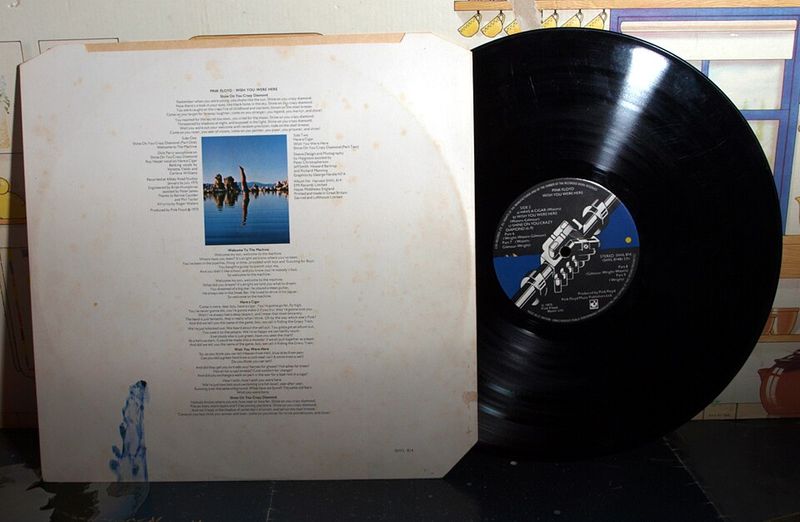
Starting with a radio-like quality before bursting into crystal-clear acoustic guitar, this title track captures longing better than almost any song ever written. Waters penned it about Barrett but also about the music industry’s phoniness, creating layers of meaning that reveal themselves with repeated listens.
The simple chord progression feels intimate, like a conversation between old friends. Gilmour’s vocals carry genuine warmth and sadness that makes you think of someone you miss, even if you’ve never experienced the specific situation the song describes at all.
8. Another Brick in the Wall (Part 2)

When school kids sang the rebellious chorus, they probably didn’t realize they were participating in rock history! This critique of rigid education systems became Pink Floyd’s only number-one single in America, with its disco-influenced beat making the protest message dangerously catchy and radio-friendly.
Some countries actually banned the song for being too anti-authority. The iconic music video showed creepy identical children marching into a meat grinder, which gave plenty of kids nightmares but perfectly illustrated Waters’ point about schools crushing individuality and creativity.
9. Comfortably Numb
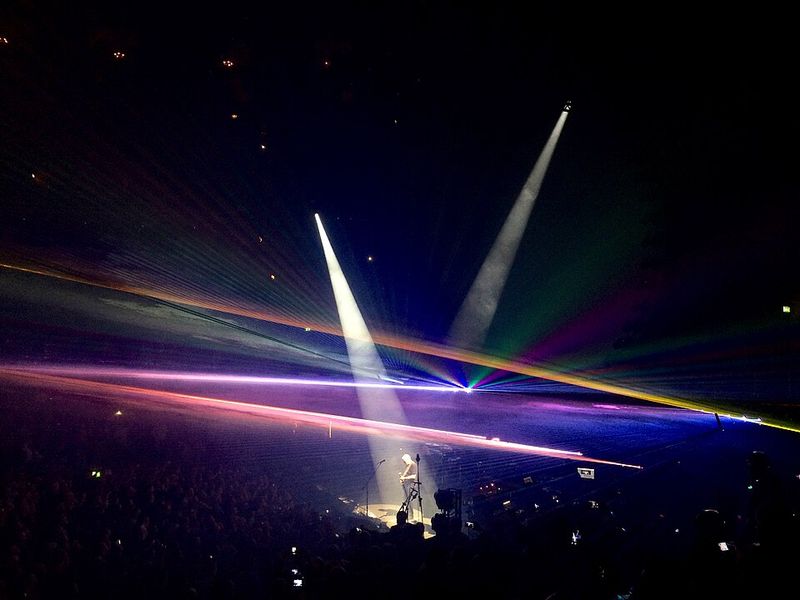
Gilmour’s two guitar solos in this song regularly top lists of the greatest solos ever recorded, and honestly, it’s hard to argue with that assessment. The contrast between Waters’ detached verses and Gilmour’s soaring choruses creates tension that mirrors the song’s theme of emotional disconnection and isolation.
Legend says Gilmour had a terrible fever when recording those legendary solos, which somehow made his playing even more emotional. The final solo builds and builds until it feels like your heart might explode from the sheer beauty and power of those sustained notes.
10. Brain Damage and Eclipse

These final tracks from The Dark Side of the Moon work as one continuous piece, wrapping up the album’s exploration of madness and human experience. Brain Damage references Barrett again while examining the fine line between genius and insanity that fascinated Waters throughout his career.
Eclipse then brings everything together with its message that all human experiences connect us, listing opposites that ultimately form parts of the same whole. The heartbeat sound returns at the end, bookending the album perfectly and leaving listeners feeling like they’ve completed an actual journey through the human condition.