11 Powerful Books Set In The American South
The American South is a land of breathtaking contradictions, where moss-draped oak trees shade stories of heartbreak, courage, and survival. Its literature carries the weight of history while giving voice to everyday people whose lives refuse to be forgotten.
Sun-scorched Georgia fields, misty Blue Ridge Mountains, and buzzing Southern towns come alive on the page, bringing unforgettable characters and sweeping tales to life. Pour yourself a glass of sweet tea, dive into the pages, and explore 11 books that capture the heart, heat, and soul of the South.
Which story will pull you in first?
1. The Color Purple by Alice Walker
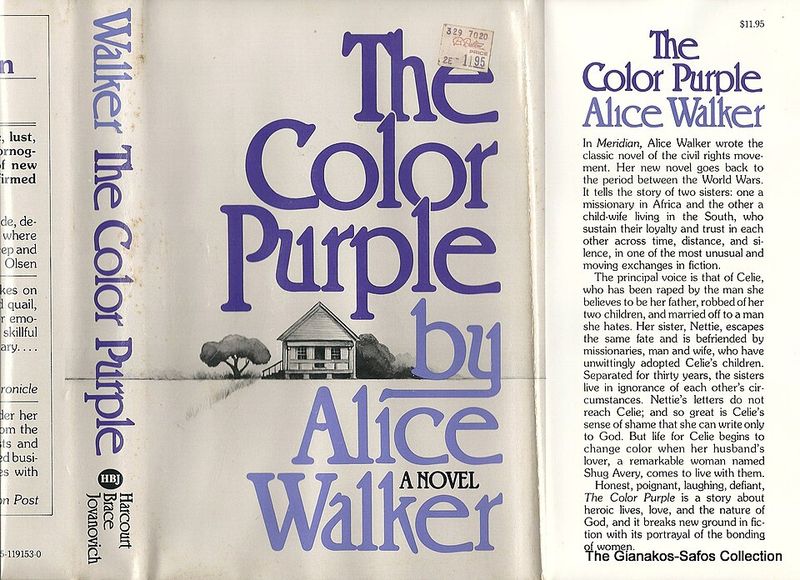
Alice Walker wrote this extraordinary novel in the early 1980s, and it hit shelves like a thunderclap. Through letters written by Celie, a young Black woman surviving unimaginable hardship in early 20th-century Georgia, the story becomes a testament to resilience and sisterhood.
Walker won both the Pulitzer Prize and the National Book Award for this work. How a story so heartbreaking can also feel so triumphant is honestly one of literature’s greatest magic tricks.
2. The Secret Life of Bees by Sue Monk Kidd
Fourteen-year-old Lily Owens is running from grief and running toward truth in this sun-warmed gem set in 1964 South Carolina. After fleeing her troubled home, she finds unexpected shelter with three remarkable beekeeping sisters who change her life completely.
Sue Monk Kidd wraps themes of race, loss, and belonging inside a story that feels like honey, warm and slow and impossibly sweet. Readers who loved this book often say it felt like coming home to a place they’d never been.
3. Midnight in the Garden of Good and Evil by John Berendt
Savannah, Georgia, might be the real star of this true-crime classic. John Berendt moved there in the 1980s and stumbled into one of the most bizarre and fascinating passing away cases the South had ever seen.
Part journalism, part Southern gothic fairy tale, this book introduced millions of readers to Savannah’s eccentric, magnolia-scented world. The Bird Girl statue on its cover became so famous it had to be moved from Bonaventure Cemetery because of tourist crowds.
Wild, right?
4. Gone with the Wind by Margaret Mitchell
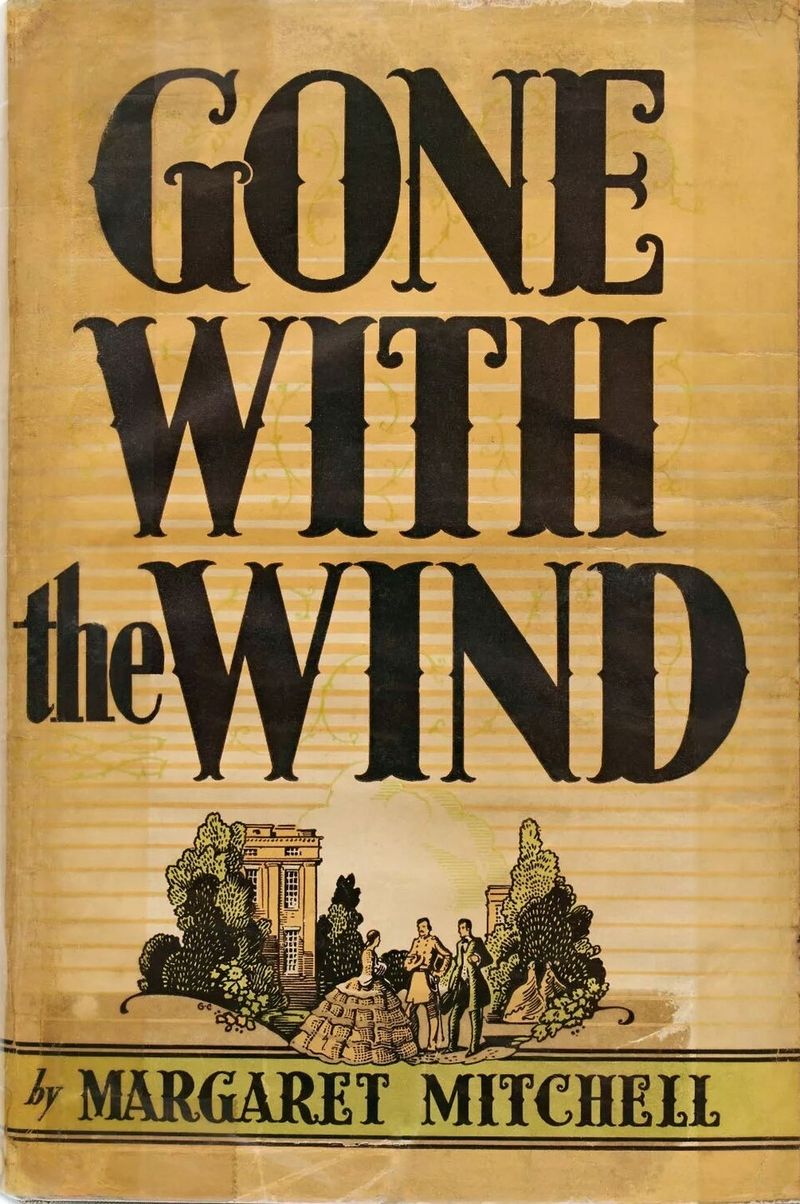
Love it or debate it, Gone with the Wind remains one of the most widely read American novels ever published. Margaret Mitchell spent a decade writing this Civil War epic set in Georgia, and it won the Pulitzer Prize in 1937, just one year after its release.
Scarlett O’Hara is one of fiction’s most complicated heroines. However, modern readers are rightly encouraged to engage critically with the book’s romanticized portrayal of the antebellum South.
It’s a literary landmark wrapped in serious moral complexity.
5. The Nickel Boys by Colson Whitehead

Based on the real-life horrors of the Dozier School for Boys in Florida, this Pulitzer Prize-winning novel is not easy to read but absolutely essential. Colson Whitehead follows Elwood Curtis, a bright young Black teenager wrongly sent to a brutal reform school during the Jim Crow era.
Where some books shout their message, this one whispers it, and somehow that makes it hit harder. Whitehead’s restrained, precise prose turns a devastating true story into unforgettable literature.
6. Bastard Out of Carolina by Dorothy Allison

Dorothy Allison drew from her own painful childhood to write this searing semi-autobiographical novel set in 1950s South Carolina. Young Bone Boatwright navigates poverty, shame, and abuse with a fierce inner life that readers will never forget.
This book was a National Book Award finalist in 1992 and sparked real conversations about class, gender, and survival in the rural South. Allison writes with unflinching honesty, but also with tremendous compassion for the people her story portrays.
7. The Underground Railroad by Colson Whitehead
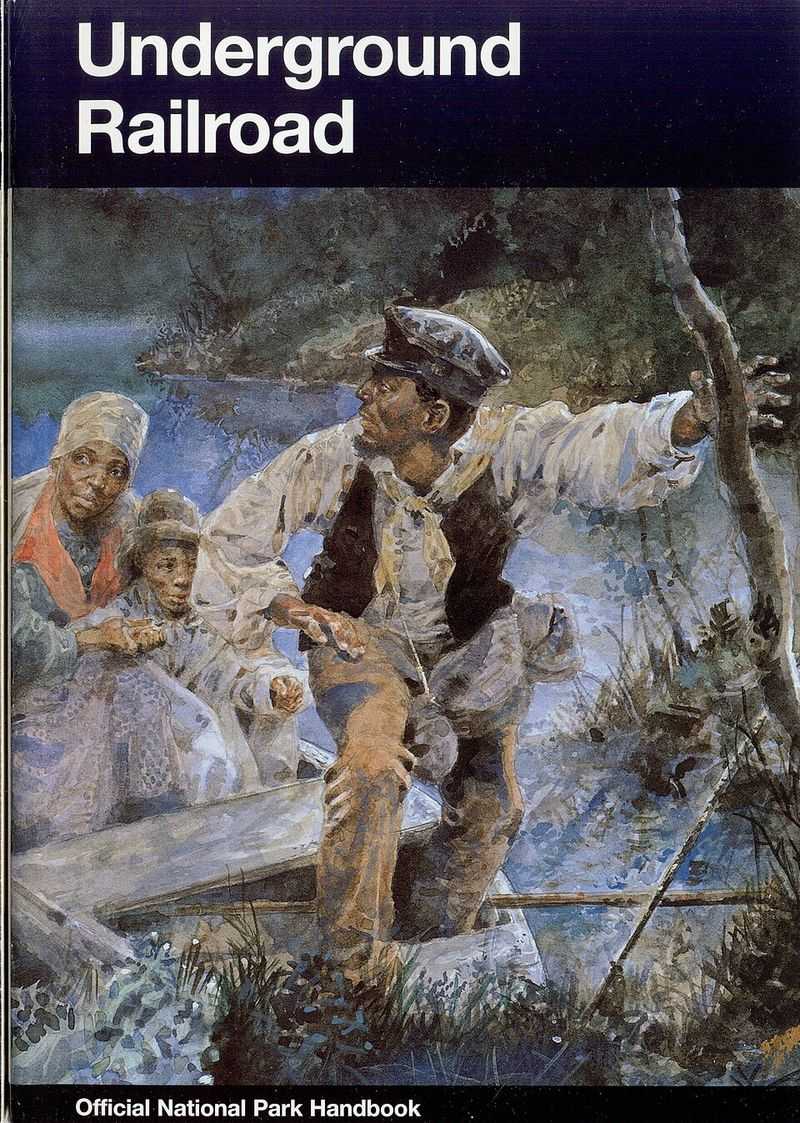
Colson Whitehead’s second appearance on this list is completely earned. This Pulitzer Prize and National Book Award winner imagines the Underground Railroad as an actual network of trains and tunnels beneath the antebellum South.
Cora, a young enslaved woman on a Georgia plantation, makes a terrifying run for freedom.
Each state Cora passes through represents a different version of American racism, which is a brilliant structural choice. This novel is bold, inventive, and absolutely unforgettable.
8. The Little Friend by Donna Tartt

Twelve-year-old Harriet Cleve has spent her whole life haunted by the unsolved departure of her older brother Robin, found hanging from a tree in their Mississippi backyard when she was a baby. Determined to find answers, she launches her own investigation with fierce, fearless energy.
Donna Tartt fills this novel with the heavy heat and slow rhythms of Southern summers. The mystery is gripping, but honestly the portrait of a grieving Southern family is what truly stays with you.
9. The Help by Kathryn Stockett

Three women, two Black maids named Aibileen and Minny, and a young white aspiring writer named Skeeter, team up in 1960s Jackson, Mississippi, to tell stories the town desperately wants kept quiet. Kathryn Stockett’s debut novel spent over 100 weeks on the New York Times bestseller list.
Though the book has faced thoughtful criticism about whose perspective centers the narrative, it sparked widespread conversations about race and domestic work in the South. The 2011 film adaptation also earned major award recognition.
10. All the King’s Men by Robert Penn Warren
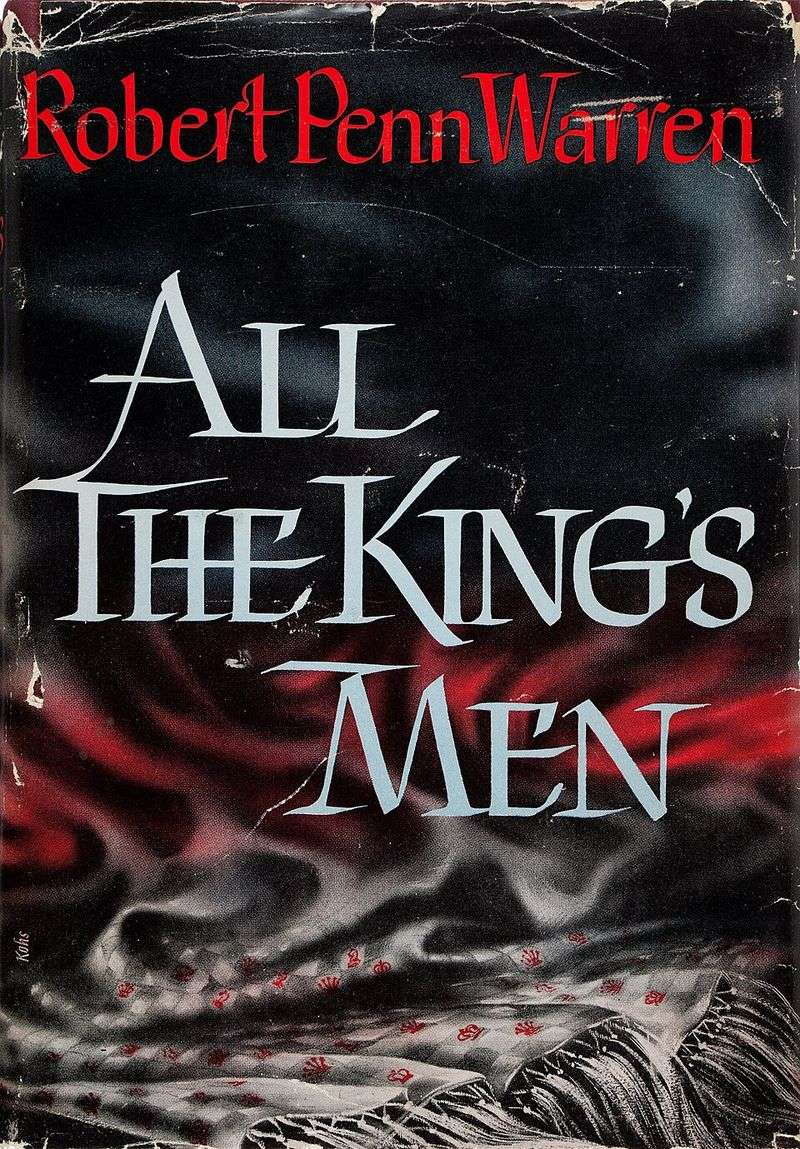
Robert Penn Warren based this Pulitzer Prize-winning political drama loosely on the rise and fall of Louisiana Governor Huey Long. Willie Stark starts as an idealistic small-town politician and transforms into something far more dangerous as power reshapes him from the inside out.
How does a good man become a corrupt one? Warren explores that question with brilliant, unsettling precision.
Published in 1946, this novel still feels shockingly relevant to modern politics, which is either impressive or a little depressing, depending on your mood.
11. The Sound and the Fury by William Faulkner
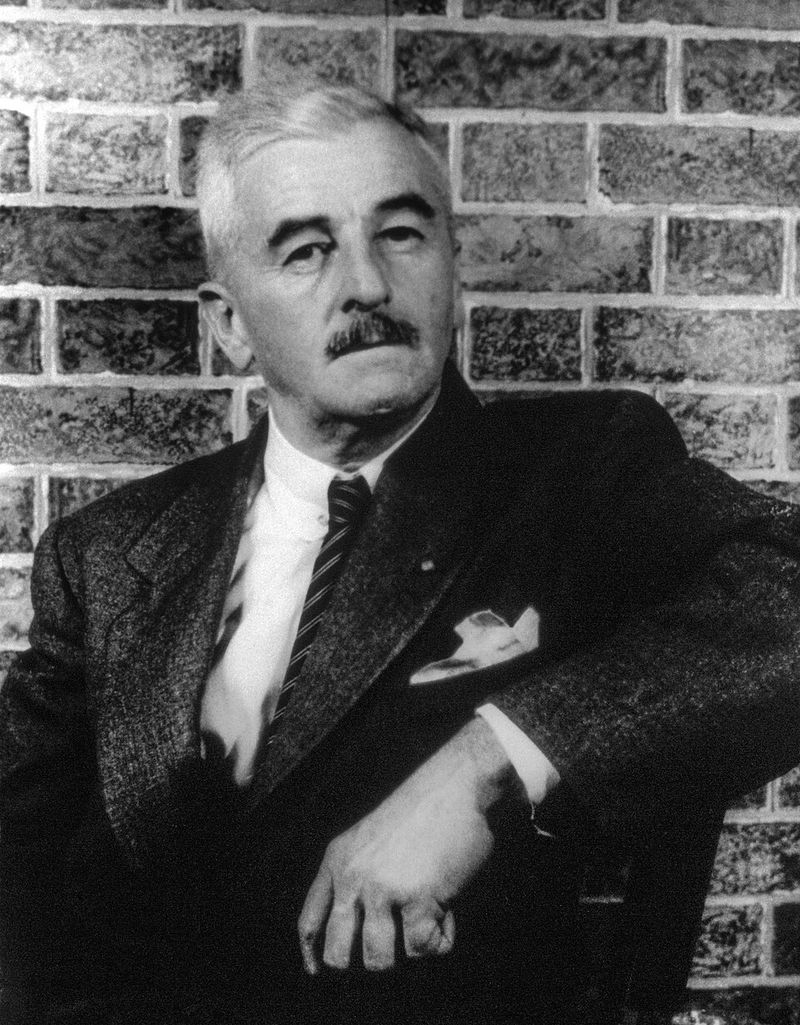
William Faulkner’s second entry on this list is arguably his masterpiece, which is saying something given his extraordinary body of work. The Compson family of Jefferson, Mississippi, falls apart across four sections told from completely different points of view, including one narrated by a man with a cognitive disability.
Published in 1929, this novel broke every rule of storytelling and invented new ones. Time jumps, stream-of-consciousness writing, and unreliable narrators all collide into something genuinely unlike anything else in American literature.