16 Classic 1960s Slogans That Define A Generation’s Memory
Ideas flew fast and loud during a decade that refused to sit still, with words carrying as much power as music, marches, and movements.
Short phrases painted billboards, fueled protests, and slipped into everyday conversation, capturing bold optimism, rebellion, and a hunger for change.
Advertising and activism shared a surprising common ground, turning slogans into symbols that defined attitudes, identities, and national conversations.
Long after the posters faded and the campaigns ended, those unforgettable lines continue to echo, inviting a fresh look back at the slogans that captured the spirit of a revolutionary era.
Note: Historical slogans can shift in meaning depending on region, audience, and the specific year a phrase surged in popularity.
Selection reflects editorial judgment, not a definitive or complete record of every major slogan tied to the 1960s.
Advertising examples appear for cultural context only, and no endorsement of tobacco use or any product marketing is intended.
Dates and origin notes aim for accuracy, yet primary archives and period sources remain the best reference for publication-grade verification.
1. Make Love, Not War
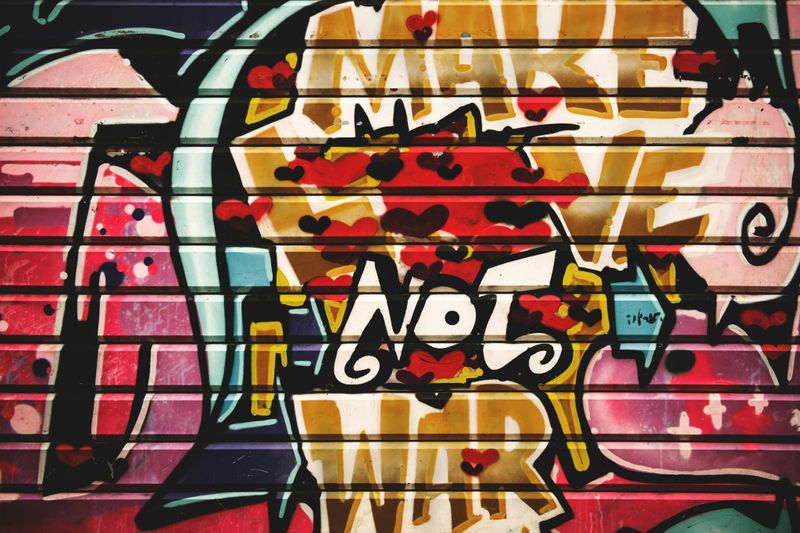
Anti-war sentiment reached its peak when this phrase became the anthem of a generation tired of conflict.
Protesters spray-painted it on walls, stitched it onto banners, and chanted it at rallies from coast to coast.
The slogan captured a longing for peace while challenging traditional military values with disarming simplicity.
It reminded everyone that choosing compassion over violence was always an option, no matter what politicians claimed.
Even today, the phrase pops up whenever people seek alternatives to aggression.
2. Flower Power

Hippies turned flowers into symbols of nonviolent protest, sometimes placing them in soldiers’ rifle barrels during demonstrations.
Visual statements like this declared that beauty and gentleness could stand firm against intimidation and force.
Flower Power became shorthand for nonviolent protest, blending idealism with a touch of whimsy that felt refreshingly hopeful.
People wore flowers in their hair, painted them on vans, and used them as calling cards for a kinder world.
Petals of soft flowers proved they could carry powerful messages!
3. Ban The Bomb

Nuclear anxiety gripped the world as missiles multiplied and tensions escalated between superpowers.
Activists rallied under this urgent call, demanding an end to atomic testing and the threat of total annihilation.
The slogan united people across nations who feared for their children’s futures and the planet’s survival.
Marches filled city streets with concerned citizens waving banners, their voices rising in unison for disarmament.
This phrase reminded leaders that ordinary folks refused to accept nuclear weapons as inevitable.
4. Black Is Beautiful
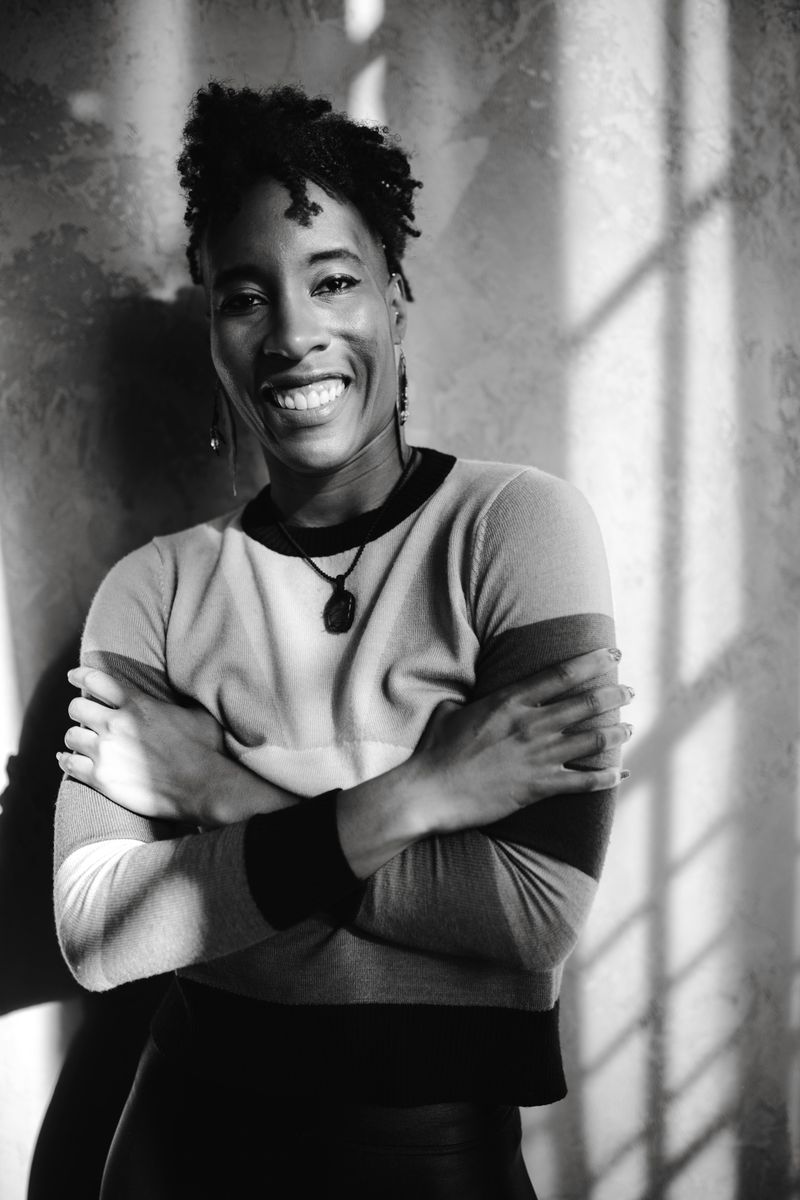
Mainstream culture pushed narrow beauty standards for decades that excluded people of color!
Empowering declarations like this flipped the script, celebrating natural hair, rich skin tones, and African heritage with pride.
Rallying cries during the Civil Rights Movement used the phrase to boost self-esteem and challenge racist ideals.
Individuals felt encouraged to embrace their authentic selves rather than conform to oppressive expectations.
Confidence still draws strength from the phrase today, continuing conversations about representation and worth.
5. Power To The People
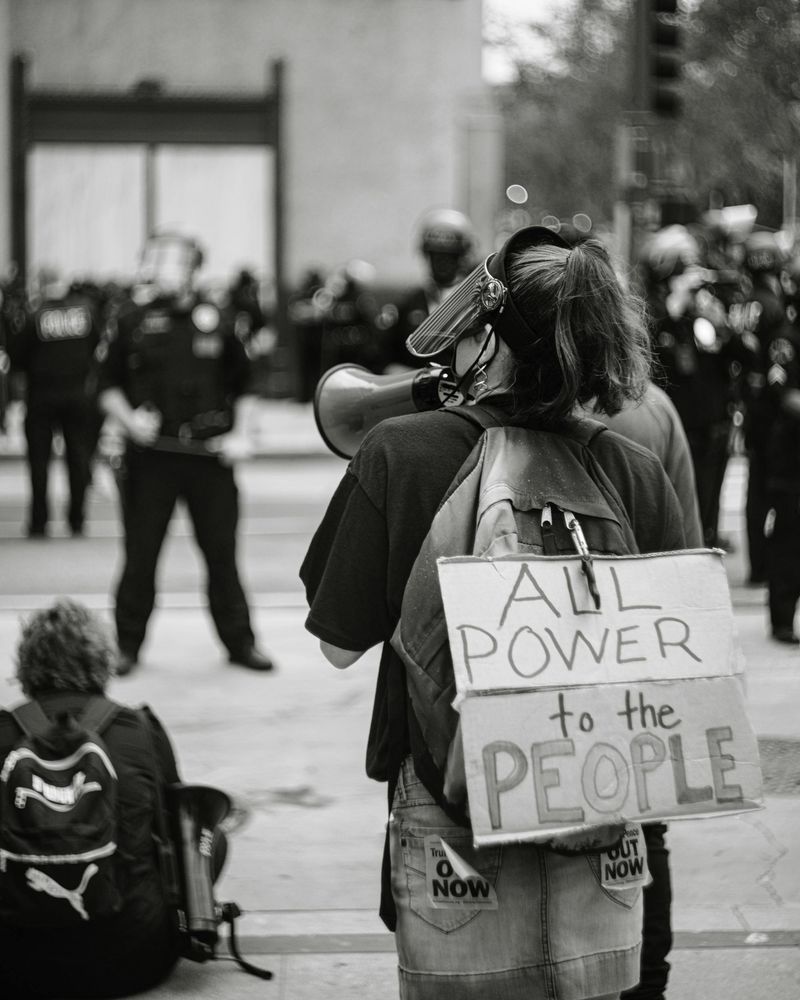
Ordinary citizens grew tired of watching decisions made in boardrooms and government halls without their input!
Rallying cries like this demanded that everyday folks reclaim control over policies affecting their lives and communities.
Activists shouted it at demonstrations, printed it on posters, and used it to unite movements fighting for justice.
Revolutionary spirits captured by the phrase valued grassroots organizing over elite authority and distant politicians.
Real change starts when communities stand together and speak up, as these words reminded everyone!
6. The Whole World Is Watching

During the chaotic 1968 Democratic Convention in Chicago, protesters chanted these words as police clashed with demonstrators!
Television cameras broadcast the confrontation live, turning a local event into a global spectacle that shocked viewers.
Media’s new power to expose injustice and hold authorities accountable in real time was acknowledged by this powerful slogan.
Officials were warned that their actions would face scrutiny from millions watching from living rooms worldwide.
Televised images of conflict shaped public opinion, marking a turning point with this iconic phrase!
7. You’ve Come A Long Way, Baby
Virginia Slims launched this slogan in 1968, positioning the brand alongside themes linked to women’s liberation.
The slogan tied empowerment messaging to tobacco marketing, a pairing that later drew criticism because it glamorized smoking.
Real conversations about gender equality were captured by the campaign, though linking smoking to empowerment remained controversial.
Redefining traditional roles in dramatic fashion, women entered workplaces and demanded equal rights.
Acknowledging how far society had evolved regarding women’s opportunities, the phrase became cultural shorthand!
8. We Try Harder
Avis faced stiff competition from market leader Hertz and needed a fresh approach to win customers.
Instead of pretending to be number one, they embraced second place and promised superior effort and service.
This honest, self-deprecating strategy resonated with consumers who appreciated humility over empty boasting.
The campaign showed that admitting limitations while emphasizing dedication could build trust and loyalty effectively.
It proved that being the underdog sometimes creates more connection than claiming unearned superiority.
9. Put A Tiger In Your Tank

Esso wanted drivers to associate their gasoline with raw power, energy, and unstoppable performance!
Billboards, commercials, and even plush toys at service stations featured the tiger, which became an unforgettable mascot.
Filling up with Esso fuel would transform any ordinary vehicle into a roaring beast, or so this playful metaphor suggested.
Parents appreciated the promise of reliable, high-quality petroleum products while kids absolutely loved the cartoon character.
Mundane chores were turned into exciting rituals that felt almost adventurous by this iconic campaign!
10. Keep On Truckin’
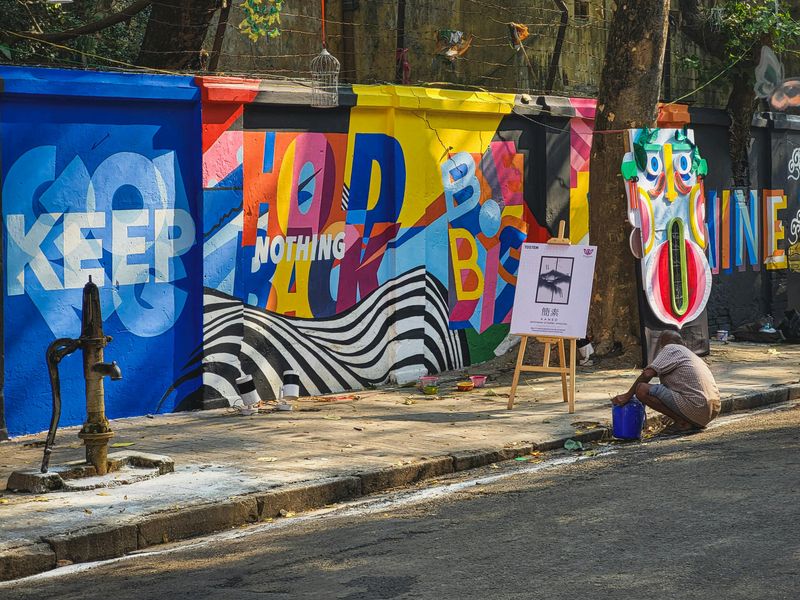
Cartoonist Robert Crumb popularized the phrase with his oversized-feet character taking giant, determined steps forward.
Counterculture philosophies of perseverance were captured by the image and phrase, despite obstacles and societal pressure.
Maintaining momentum and staying positive encouraged people to keep moving toward their goals no matter what.
Ubiquitous symbols of resilience were born when the slogan appeared on everything from t-shirts to bumper stickers.
Pushing through tough times felt less heavy and more like a groovy journey thanks to the lighthearted vibe!
11. The Pepsi Generation
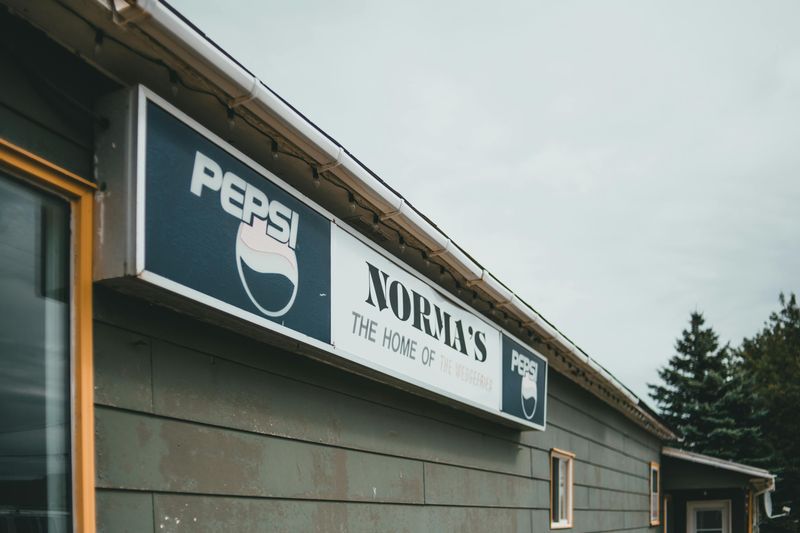
Introduced in 1963, the campaign positioned Pepsi as a youth-focused brand set apart from older, traditional choices.
The campaign aligned the brand with youth culture, rock music, and the exciting changes sweeping through society.
Commercials featured teens dancing, laughing, and living life to the fullest with Pepsi bottles in hand.
This strategy transformed a beverage into a lifestyle statement that separated generations and defined identity.
It showed how marketing could tap into cultural shifts and make products feel like essential social accessories.
12. Give Peace A Chance
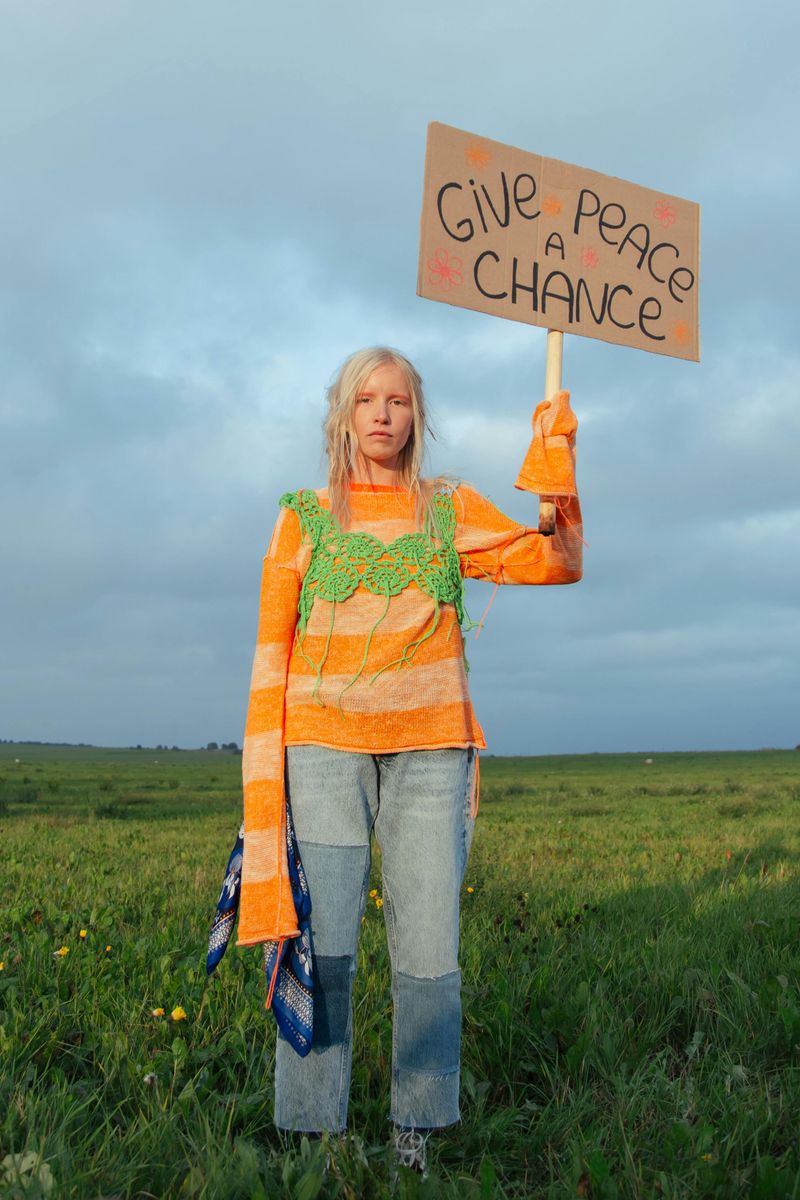
John Lennon penned this anthem during his famous bed-in protest with Yoko Ono in Montreal!
Crowds at demonstrations worldwide found it easy to sing along thanks to the simple, repetitive lyrics.
Peace movements adopted it as their soundtrack, offering a hopeful alternative to endless conflict and division.
Choosing peace required courage and a willingness to try something different from violence, as suggested by the song.
Harmony in troubled times is still sought today as people continue to hum this melody decades later!
13. All You Need Is Love
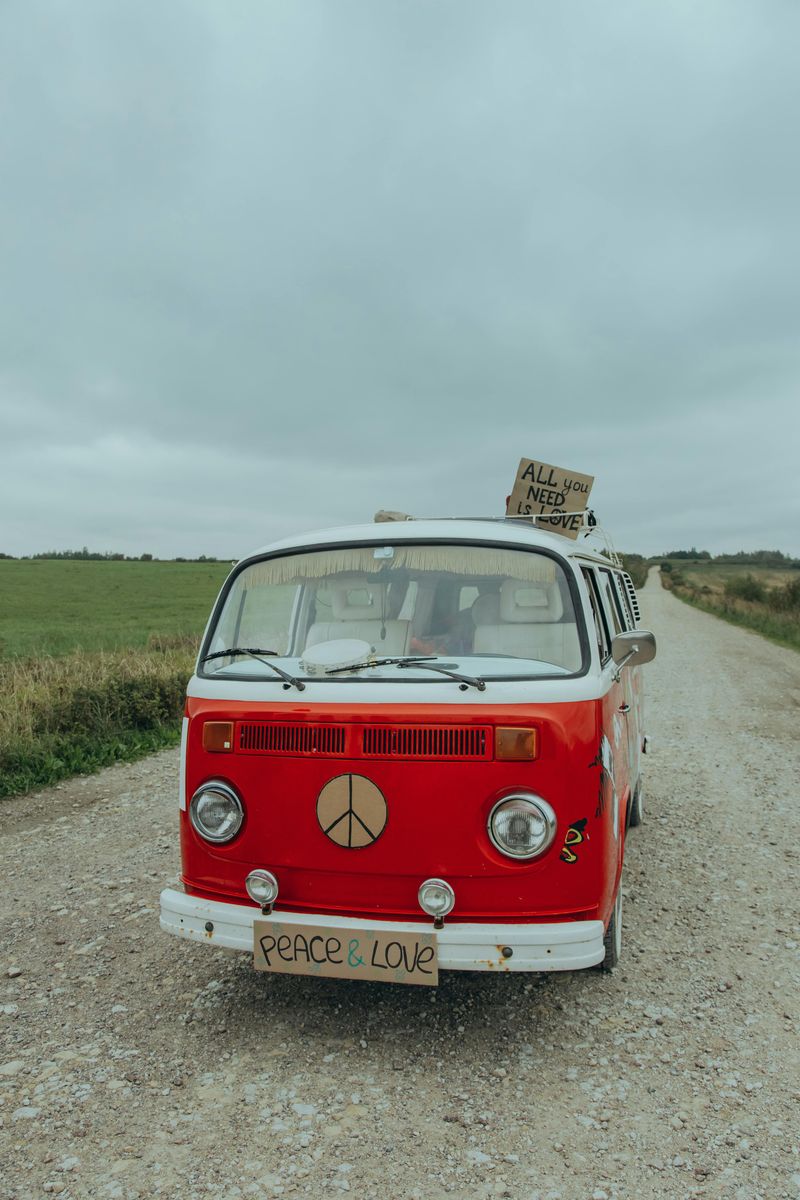
The Beatles debuted this song during the first global satellite television broadcast, reaching millions simultaneously!
Love trumps everything else when it comes to happiness and fulfillment, a message that couldn’t have been simpler.
Anthems that felt both intimate and universal were created as the tune blended orchestral grandeur with rock energy.
Optimistic philosophy was embraced by people during turbulent times filled with war, protests, and rapid social change.
Connection and compassion matter more than material possessions, as this song remains a constant reminder!
14. Question Authority
Traditional institutions demanded obedience without explanation, expecting citizens to follow orders blindly.
This slogan challenged that model, urging people to think critically and demand accountability from leaders.
It became a cornerstone of counterculture philosophy, encouraging skepticism toward government, corporations, and established norms.
Students, activists, and free thinkers wore it proudly, signaling their refusal to accept information without examination.
The phrase reminded everyone that healthy democracy requires citizens who ask tough questions fearlessly.
15. Sock It To Me

Rowan and Martin’s Laugh-In turned this phrase into a national obsession with rapid-fire comedy sketches!
Doused with water or hit with props, cast members would say it before being subjected to other silly surprises.
Playful ways to invite challenges or embrace bold experiences emerged as the expression entered everyday conversation.
Widespread cultural penetration was proven when even presidential candidate Richard Nixon appeared on the show to say it!
Irreverence, spontaneity, and a willingness to laugh at absurdity defined the decade’s spirit, which this phrase captured perfectly.
16. The Medium Is The Message

Media theorist Marshall McLuhan argued that how we receive information shapes society more than the content itself.
Television, radio, and print each created different mental patterns and social structures in profound ways.
His provocative phrase challenged people to think about technology’s impact on human consciousness and culture.
Intellectuals debated its meaning while everyday folks noticed how TV was indeed changing family life dramatically.
The slogan remains eerily relevant as digital platforms continue reshaping how we think and communicate.