18 Stranger Things Secrets Revealed, From Production Choices To Hidden Details
Have you ever wondered what goes on behind the cameras of your favorite show?
Stranger Things has become a cultural phenomenon, blending spooky mysteries with heartfelt friendships and radical 80s vibes.
But hidden beneath the surface are fascinating production secrets, creative decisions, and surprising details that shaped the series into what we know and love today.
1. Setting The Show In The 1980s Avoided Modern Technology Problems
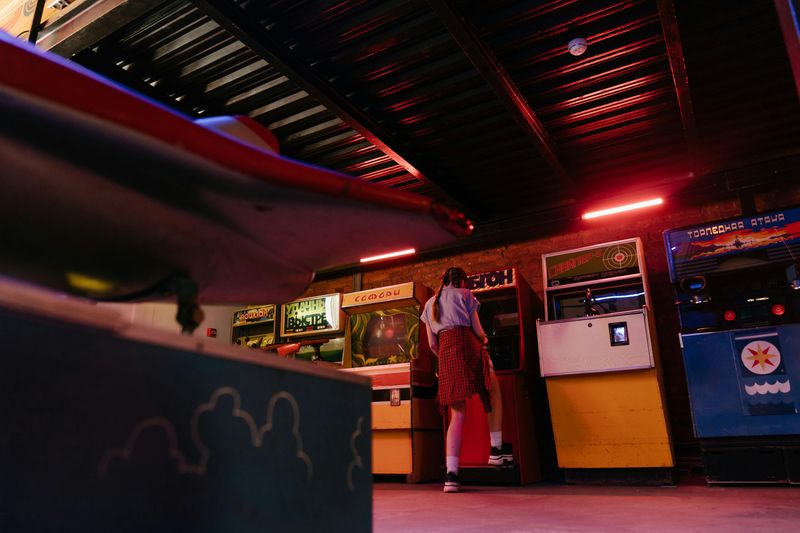
Imagine trying to create suspense when everyone has a smartphone in their pocket.
By placing Stranger Things in the 1980s, the Duffer Brothers cleverly sidestepped modern tech like cell phones and GPS that would have completely changed the story.
Without instant communication, characters face real danger and isolation.
Plus, the retro setting adds nostalgic charm that feels both fresh and familiar to audiences everywhere.
2. Eleven Started As A Male Character In Early Drafts
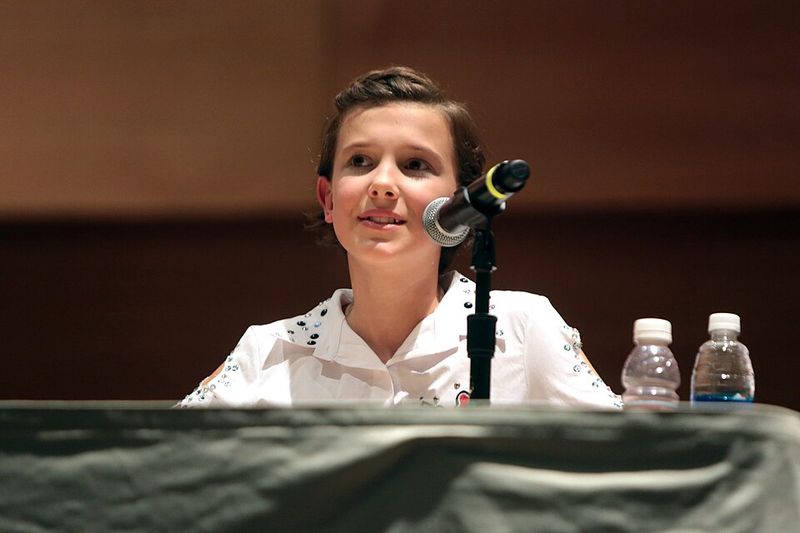
Before Millie Bobby Brown brought Eleven to life, the character was originally written as a boy.
During early script development, the Duffer Brothers reimagined the role as female, which completely transformed the emotional core of the show.
This creative pivot gave us one of television’s most iconic heroes.
3. An Internal Mythology Guide Kept The Upside Down Consistent

Creating a parallel dimension sounds complicated, and honestly, it totally is.
To keep everything straight, the production team developed a detailed mythology guide outlining rules, physics, and logic for the Upside Down.
This internal document ensured writers, designers, and directors stayed on the same page throughout multiple seasons.
Consistency matters when building believable fantasy worlds that audiences can fully invest in.
4. Hawkins Blends Midwestern Inspiration With Georgia Filming Locations
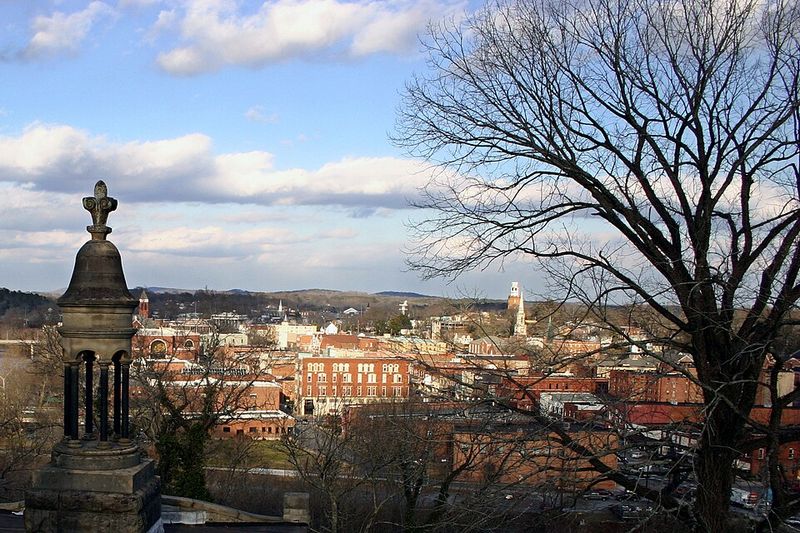
Though Hawkins feels like classic small-town Indiana, most scenes were actually filmed in Georgia.
The creators drew inspiration from authentic Midwestern communities but used practical Southern locations for shooting.
This blend creates a believable setting that captures heartland America’s spirit without logistical headaches.
Location scouts worked magic finding spots that perfectly matched the show’s vision while staying budget-friendly.
5. Steve Harrington Was Originally Supposed To Die In Season 1

Can you imagine Stranger Things without Steve’s glorious hair and character growth?
Originally, Steve was meant to be killed off during the first season as a typical jerk character.
However, Joe Keery’s charismatic performance convinced creators to spare him, leading to one of the show’s best redemption arcs.
Now Steve’s basically everyone’s favorite babysitter and an absolute fan-favorite legend.
6. The Kids’ Bikes Were Chosen For Accuracy And Practicality Over Branding
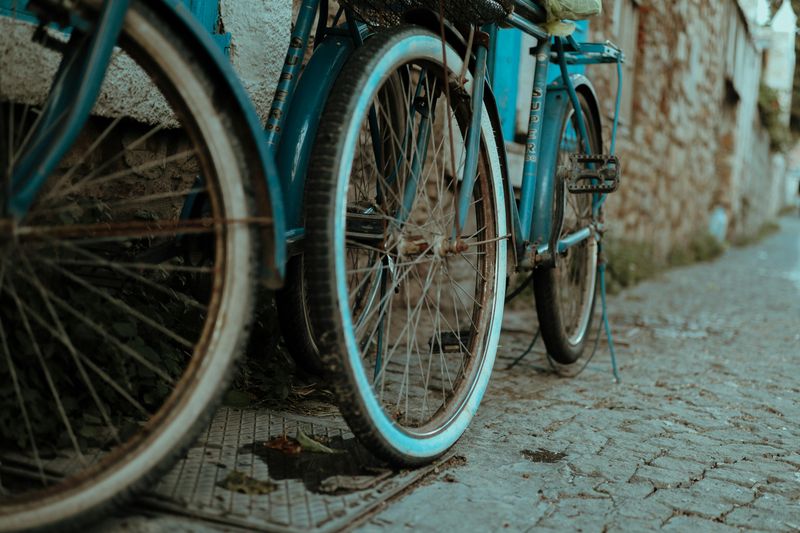
Those iconic bikes weren’t selected for product placement or flashy logos.
Instead, the production team prioritized period accuracy, durability for filming, and actual availability when choosing bicycles.
Authenticity mattered more than corporate partnerships, which helped maintain the show’s genuine 1980s feel.
7. Millie Bobby Brown Voluntarily Shaved Her Head For Eleven’s Emotional Arc
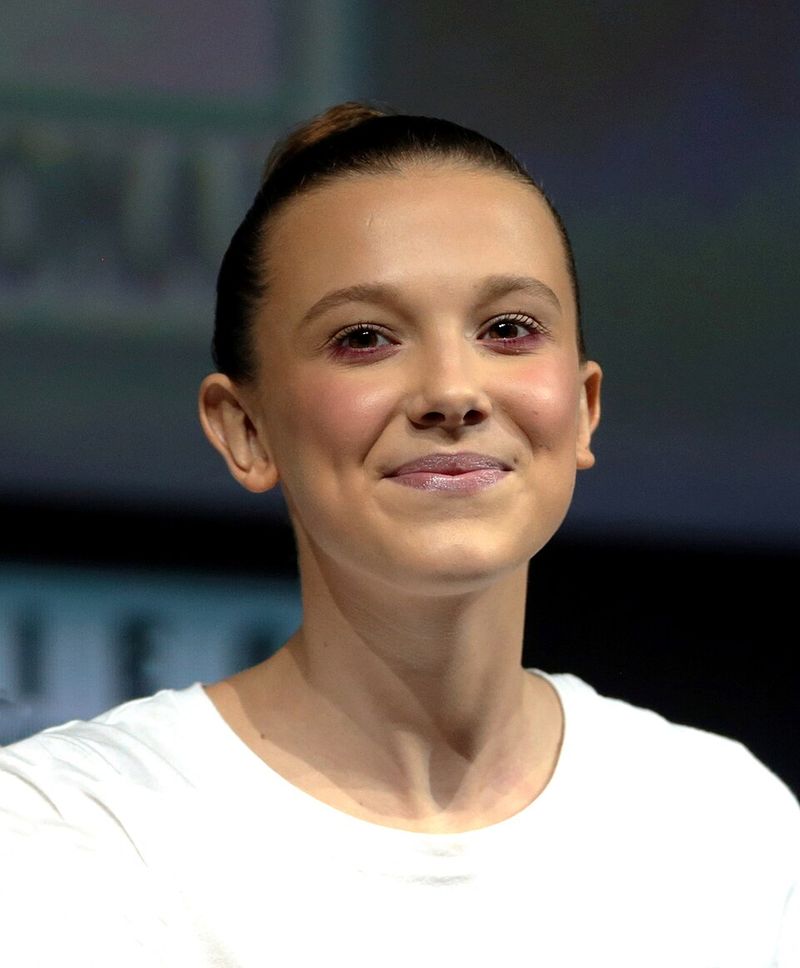
At just twelve years old, Millie made the bold choice to actually shave her head for the role.
After discussing Eleven’s emotional journey with creators, she understood the character’s vulnerability and transformation required authenticity.
Rather than wearing a bald cap, she embraced the dramatic change.
8. Barb’s Death Became More Important After Fan Reaction
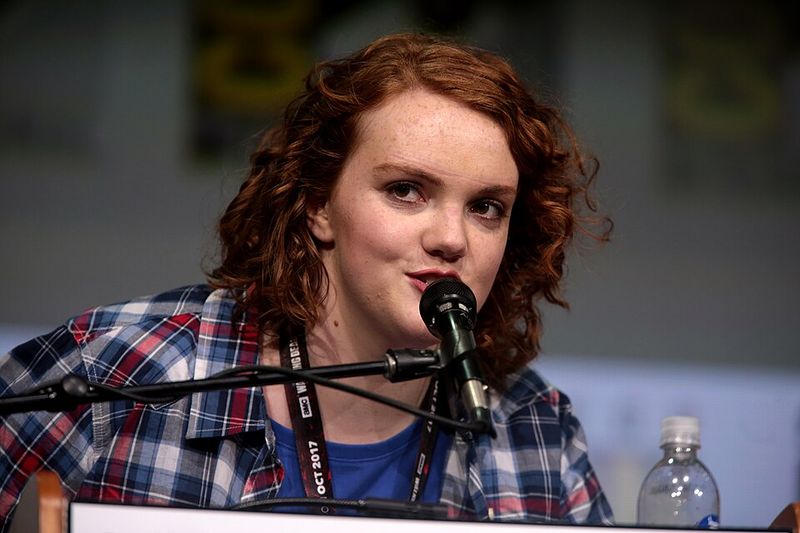
Initially, Barb was meant to be a minor casualty, quickly forgotten by the narrative.
But audiences connected deeply with her character, sparking the legendary Justice for Barb movement across social media.
Creators responded by giving her death greater emotional weight in later seasons.
Fan passion literally changed the story, proving that viewer voices can genuinely influence storytelling decisions.
9. The Title Font Drew Inspiration From Stephen King Paperback Covers
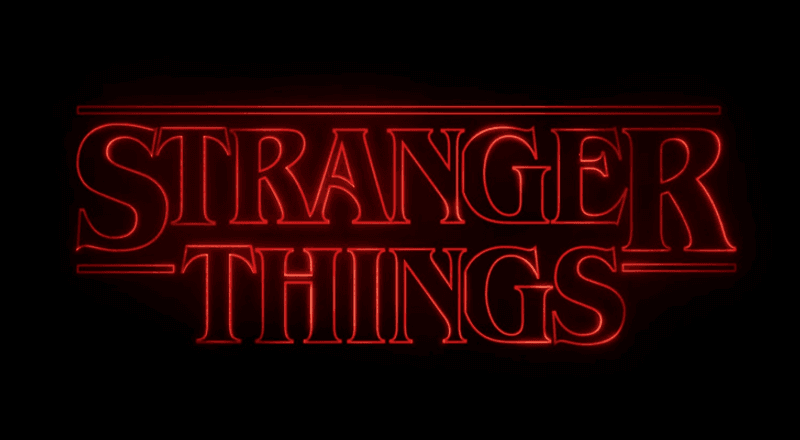
That distinctive red title font instantly screams 1980s horror nostalgia.
Designers specifically referenced Stephen King paperback covers from the late 70s and early 80s when creating the show’s logo.
This deliberate choice immediately signals the show’s genre and era to viewers.
Before watching a single scene, the title alone promises supernatural thrills wrapped in retro packaging.
10. Hopper’s Backstory Existed Early But David Harbour Deepened Its Impact

Chief Hopper’s tragic past was always part of the character blueprint.
However, David Harbour’s nuanced, powerful performance brought emotional layers creators hadn’t fully anticipated.
His portrayal transformed Hopper from a standard gruff cop into a complex, heartbreaking father figure.
11. The Mind Flayer Design Pulled From Lovecraft And John Carpenter
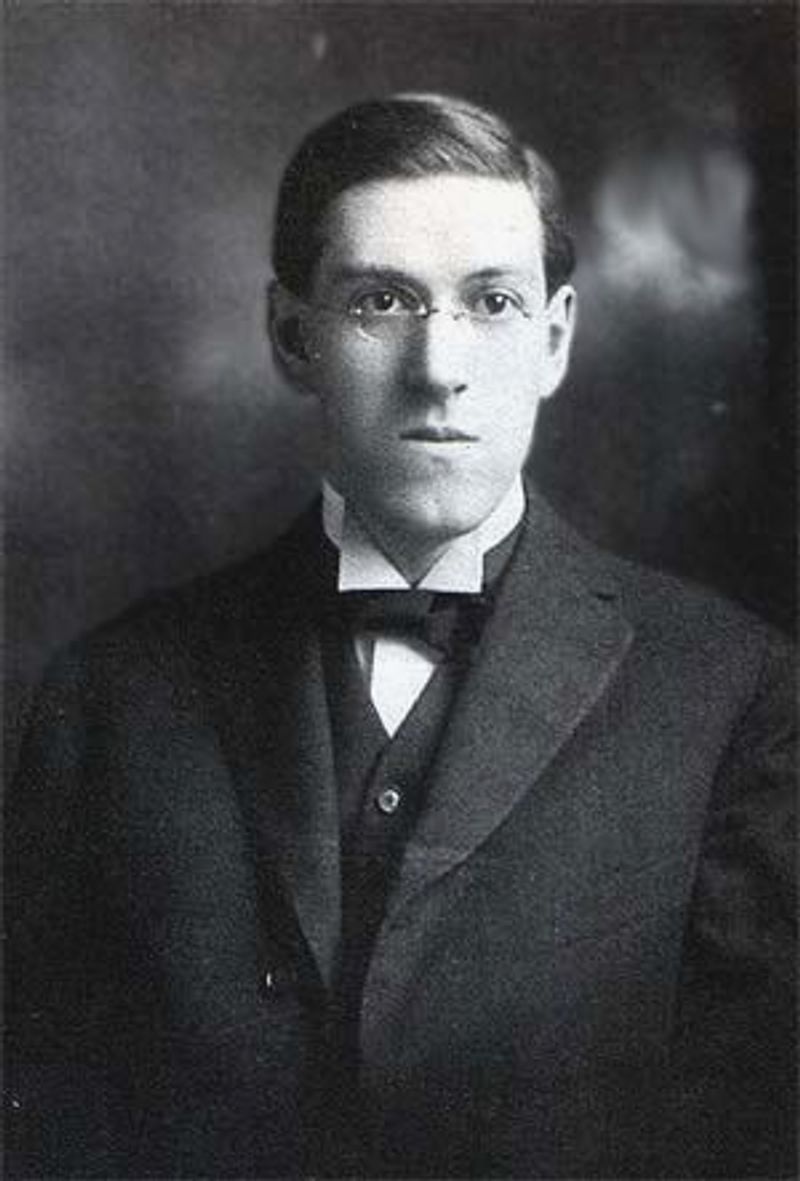
That massive shadow monster hovering over Hawkins draws heavily from cosmic horror traditions.
Designers specifically referenced H.P. Lovecraft’s incomprehensible entities and John Carpenter’s paranoid atmosphere when creating the Mind Flayer.
This blend produces something genuinely alien and terrifying rather than just another generic monster.
12. School Interiors Mixed Soundstage Sets With Real Location Shooting
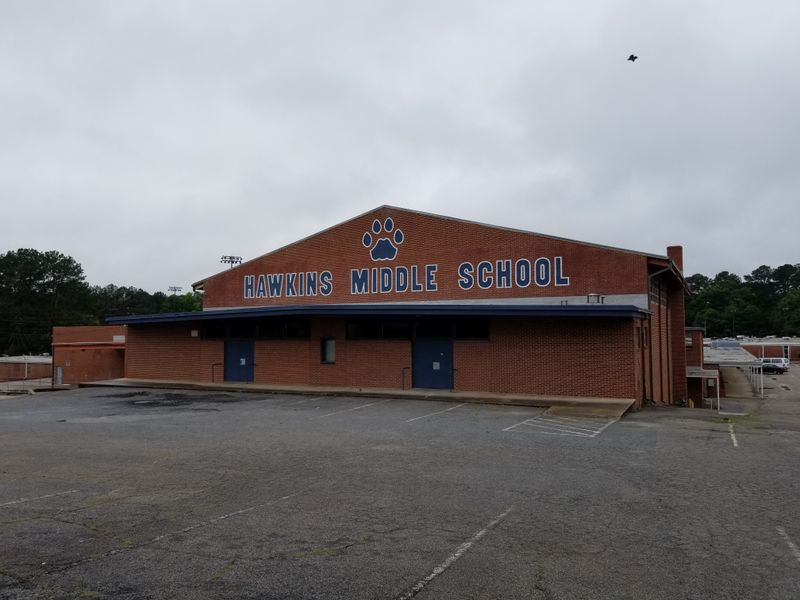
Hawkins Middle and High School scenes weren’t filmed entirely in actual schools.
Many interior classrooms and hallways were meticulously constructed on soundstages, giving filmmakers complete creative control.
Real schools appeared selectively for specific shots requiring authentic architecture.
This strategic combination maximizes both visual authenticity and practical filming efficiency without compromising either quality or schedule.
13. Max Was Introduced To Disrupt The Group’s Emotional Balance
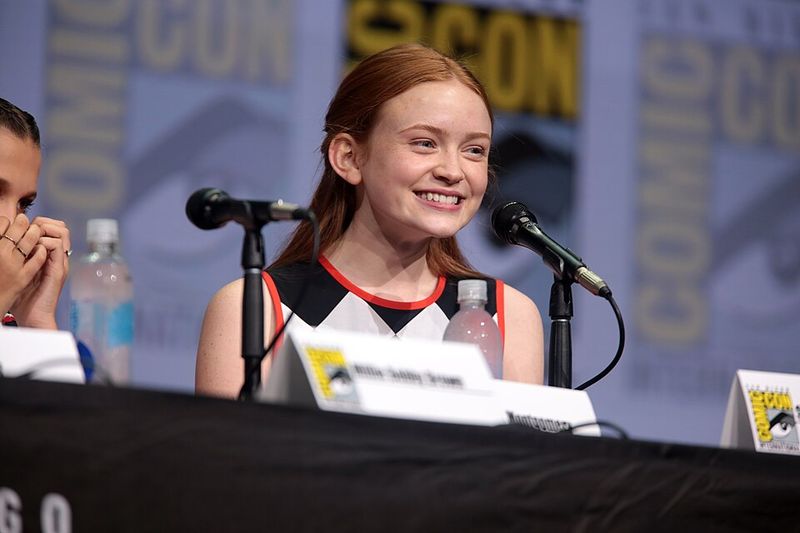
When Max skateboarded into Season 2, she wasn’t bringing new supernatural powers.
Instead, creators intentionally designed her to shake up established friendships and create emotional tension within the group.
This character choice kept relationships fresh and realistic as kids naturally evolve and change.
14. Starcourt Mall Was Filmed In A Real Abandoned Shopping Center
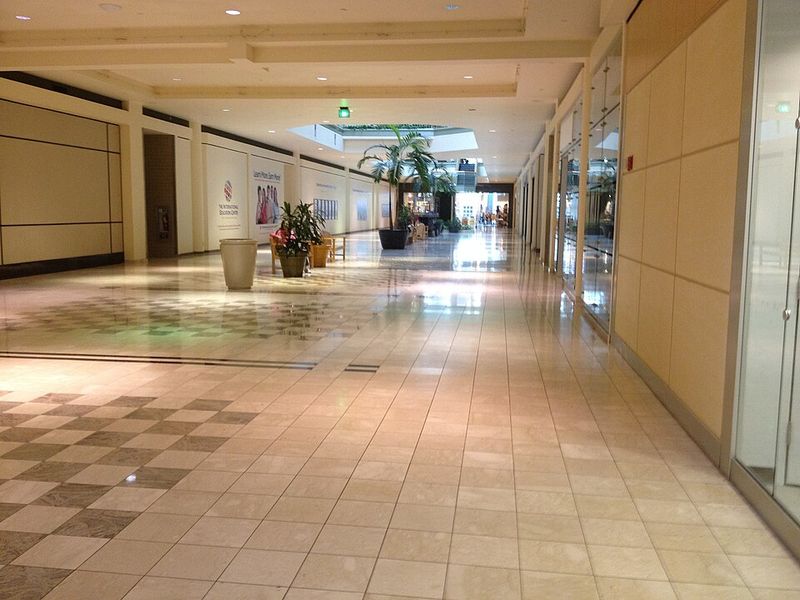
That radical 80s mall wasn’t built from scratch or created with green screens.
Production found a largely abandoned real shopping mall and temporarily restored it to its former glory.
This approach provided authentic architecture and scale impossible to replicate on soundstages.
Walking through those neon-lit corridors, actors experienced genuine 1980s mall culture, enhancing their performances naturally.
15. Dialogue Is Tightly Scripted With Limited Actor Improvisation
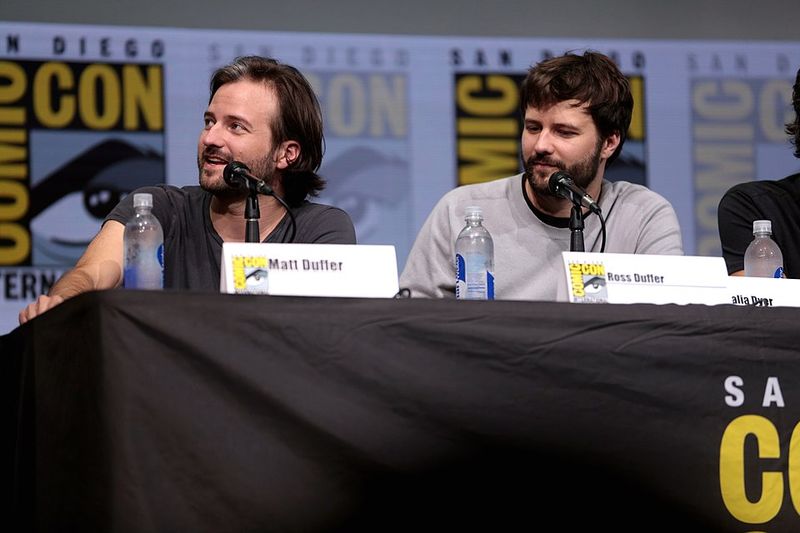
Unlike many ensemble shows encouraging improvisation, Stranger Things maintains strict script adherence.
The Duffer Brothers carefully craft dialogue to serve specific plot and character purposes.
While actors bring personality to their performances, they rarely deviate from written lines.
This disciplined approach ensures every conversation moves the intricate story forward without accidental contradictions or pacing issues.
16. Music Cues Were Often Planned During The Scripting Phase
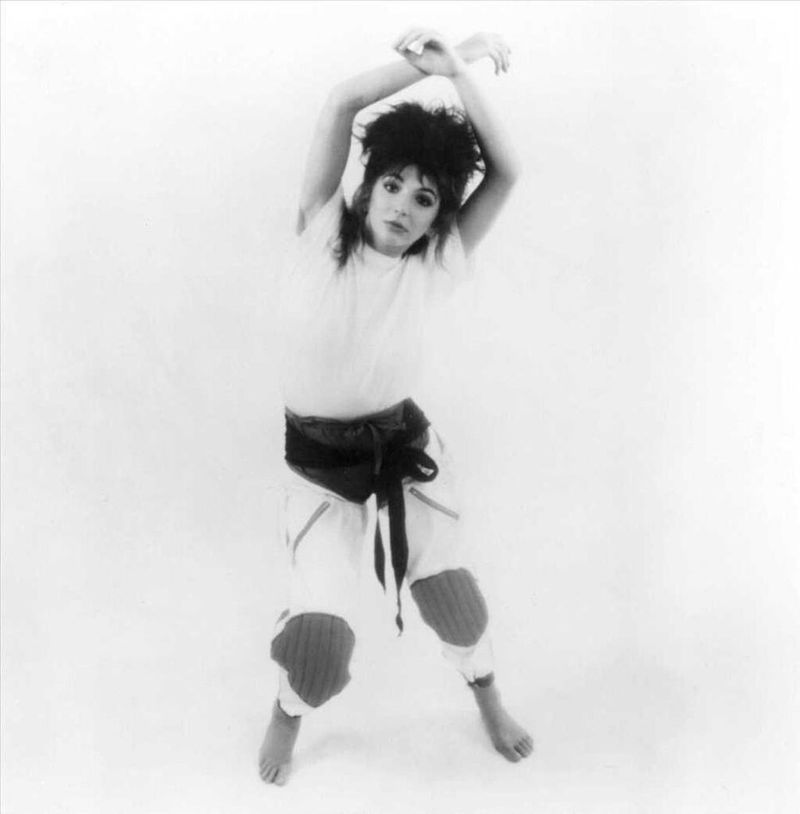
Many of Stranger Things’ most emotional moments had specific songs chosen before filming began.
Creators frequently wrote scenes with particular music in mind, shaping pacing and tone around those selections.
However, not every scene received this treatment – some music came later during editing.
This hybrid approach balances intentional musical storytelling with flexible creative discovery throughout production.
17. Anachronisms Are Actively Removed To Protect Period Immersion
Every detail gets scrutinized to eliminate anything that didn’t exist in the 1980s.
Producers, designers, and editors constantly watch for accidental modern elements that could break the time period illusion.
From clothing tags to car models, nothing slips through that might jar viewers.
18. The Creators Mapped Out The Show’s Ending Early In Development

Before Season 1 even premiered, the Duffer Brothers knew how Stranger Things would ultimately conclude.
While individual season details evolved and changed, the final destination remained consistent in their vision.
This long-term planning helps maintain narrative cohesion across multiple years.
Knowing where you’re headed allows creators to plant meaningful seeds that blossom into satisfying conclusions later.