15 Theories That Add An Extra Layer Of Dread To These Horror Movies
Horror movies already know how to get under the skin, but fan theories can make them feel even more disturbing once the credits are over.
Start noticing the hidden clues, the strange background details, and the things no character ever fully explains, and a familiar story can begin to feel far more sinister than it did on first watch.
Suddenly, a scene that seemed straightforward takes on a different shape, and the whole film starts giving off a colder, darker energy.
These theories do more than add an extra twist for curious fans to pick apart. They open the door to meanings that feel eerier, crueler, and much harder to shake.
Settle in, because these horror movies are about to feel a little more haunted than before.
1. The Shining: Jack Was Always Being Pulled Back

What if Jack Torrance was never a free man to begin with? The Overlook Hotel did not simply haunt him.
It recognized him, like running into an old friend who never really let you go.
The famous final photograph places Jack at a 1921 party, suggesting his soul was already claimed long before his family arrived. He was not corrupted during the winter stay.
He was returning to something he had always belonged to, which makes every cheerful moment in the film feel like watching a man walk calmly into a trap.
2. The Thing: Childs Is Already Gone
That final scene between MacReady and Childs is one of cinema’s greatest standoffs, and the theory makes it unbearable.
Childs disappeared during the chaos, then reappeared conveniently after the base burned. No explanation. No frostbite. Just a calm smile in freezing temperatures.
MacReady’s knowing look suggests he has already figured it out. He is not sharing warmth with a survivor.
He is sitting across from the thing wearing his friend’s face, and there is absolutely nothing left to do about it. That shared bottle suddenly feels like a goodbye.
3. The Babadook: The Monster Never Actually Leaves

Here is the part nobody talks about after the credits roll. Amelia does not defeat the Babadook. She feeds it. Every day. In the basement. That is not a victory, that is a truce with grief that still has teeth.
The film openly uses the creature as a symbol for unprocessed trauma and depression.
Amelia learns to contain it rather than cure it, which is honestly a more honest take on grief than most movies offer.
The scary part? That basement is real for a lot of people, just wearing different shapes.
4. It Follows: The Entity Is Permanent Vulnerability

Slow, relentless, and impossible to reason with. The entity in It Follows is not just a supernatural curse passed through intimacy.
Many viewers and critics read it as a metaphor for the way trauma and vulnerability follow a person long after the event that created them.
Once you carry it, you never fully stop looking over your shoulder. Passing it on only delays the inevitable return.
The horror is not the creature itself but the idea that safety is always temporary, and the walk home will never feel completely calm again. Ever.
5. Hereditary: The Ritual Started Before Scene One
Every terrible thing that happens to the Graham family feels random and brutal, but the theory argues it was choreographed from the very beginning.
Paimon needed a male host, and Annie’s mother spent years engineering the perfect conditions to deliver one.
Charlie was never meant to survive. Peter was always the target. The grandmother’s passing, the grief, the séance, the school trip, all of it was a setup.
Rewatching the film with that knowledge is genuinely horrifying because every small kindness suddenly looks like a chess move.
6. Get Out: Rose Was Softening Chris the Whole Time
Before the terrifying weekend even started, Rose had already been doing the work. Think about that hypnosis scene in the car. She did not stop it. She encouraged it.
The theory suggests the entire relationship was calculated psychological preparation, breaking down Chris’s defenses layer by layer.
By the time he arrived at her parents’ house, his boundaries were already eroded. Every loving gesture was a conditioning tool.
Jordan Peele confirmed that Rose knew everything from the start, which makes every sweet moment in their relationship feel like a carefully rehearsed performance.
7. Midsommar: Dani Was Recruited, Not Rescued
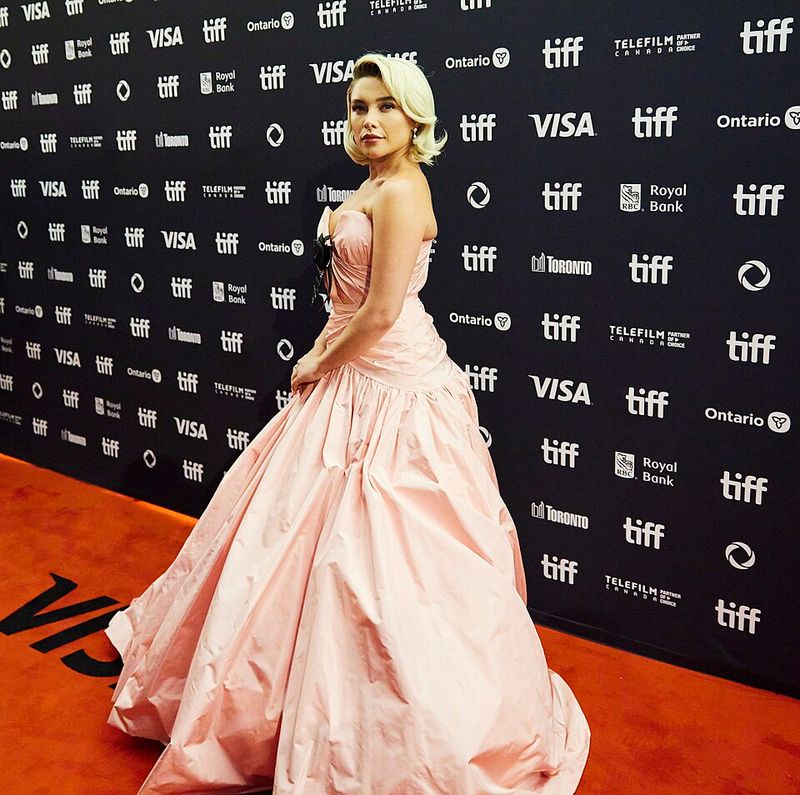
That final image of Dani smiling as flames rise looks like freedom. However, the theory flips it completely.
The Harga did not comfort a grieving woman. They identified her vulnerability, isolated her from her support system, and absorbed her into their structure at the exact right moment.
Her grief was the door, and they walked right through it. The cult weaponized her trauma with surgical precision, replacing her old life with one they controlled entirely.
That smile is not healing. It is the moment she stopped being a visitor and became a permanent part of the ritual.
8. The Witch: The Real Monster Was Already Inside

Black Phillip is terrifying, no question. But the family was already crumbling long before the goat showed up for his close-up.
The theory suggests that isolation, religious extremism, and mutual suspicion were always the true destroyers of this family.
Every accusation they hurled at each other, every prayer that felt more like a threat, every moment of withheld tenderness, those were the real curses.
Thomasin did not need the devil to lose her family. They were already losing each other one fearful glance at a time.
9. The Sixth Sense: The Clues Were Always There
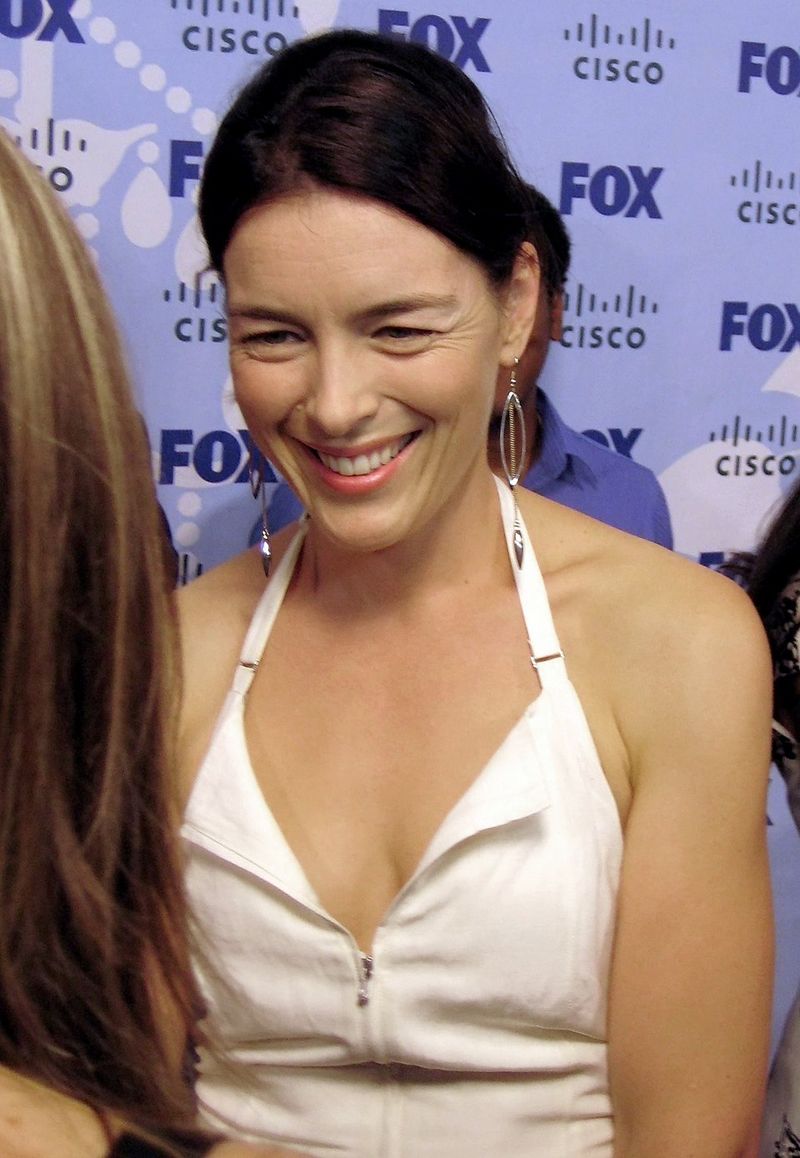
Malcolm’s wife does not ignore him because she is cold. She ignores him because, on some level, she already knows.
The theory points to the chill in every room he enters, the way he never actually interacts with the physical world, the anniversary dinner where he sits alone at the table.
Every single clue was right there, hiding behind brilliant misdirection.
M. Night Shyamalan admitted the script was written so a second viewing would reframe every scene completely. Once you see it, you cannot unsee it, and the sadness hits harder than the twist ever did.
10. Candyman: Belief Is the True Resurrection

Say his name five times. Go on.
The theory behind Candyman argues that the legend survives not because of supernatural power alone but because communities keep it alive through fear, storytelling, and trauma passed down like inheritance.
Helen does not just encounter the myth. She becomes it.
Her investigation, her obsession, her eventual fate all feed the cycle rather than breaking it. Candyman needs believers the way a fire needs oxygen.
The scariest implication? Every time someone tells the story, including this very paragraph, the hook swings a little closer. Sweet dreams.
11. The Ring: Sympathy Is the Trap

Samara is genuinely tragic. Thrown into a well by the woman who adopted her, left to pass alone in the dark. Every instinct says feel sorry for her. That is exactly the problem.
The theory argues that sympathy is the mechanism Samara exploits to keep spreading.
Rachel thinks solving the mystery will stop the curse. Instead, understanding Samara just turns Rachel into a willing distributor of the tape.
Samara does not want justice or peace. She wants to multiply.
Compassion becomes complicity, and every person who feels bad for her is already helping her reach the next victim.
12. 1408: The Room Thinks, Therefore It Destroys

Most haunted-location stories feature passive evil, old trauma soaked into the walls. Room 1408 operates differently.
The theory positions the room not as haunted but as sentient, a mechanism with a specific purpose: find the breaking point of whoever enters and exploit it without mercy.
It personalizes scares. For Mike Enslin, it uses his gone daughter, his failed marriage, his desperate need to believe in something.
The room reads people the way a predator reads prey. That makes every hallucination feel less like a ghost story and more like a very targeted psychological ambush.
13. The Blair Witch Project: The Woods Were the Weapon
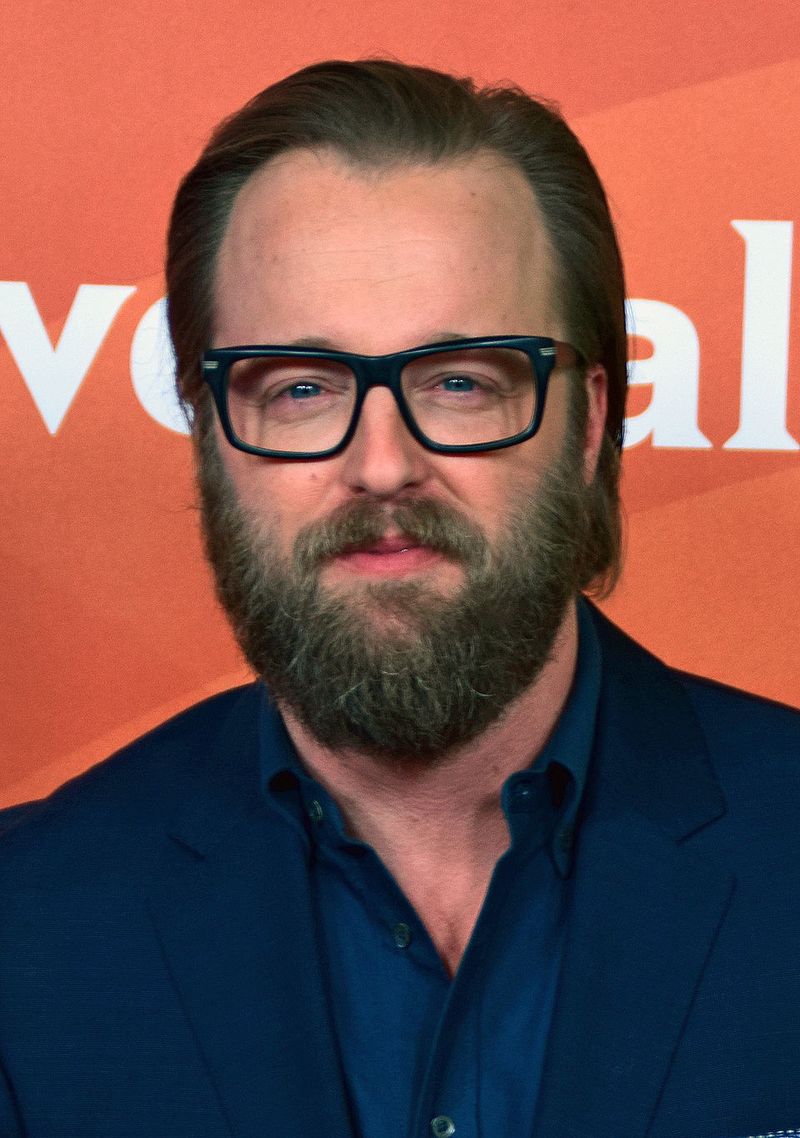
Here is a wild thought: the Blair Witch herself might be the least scary thing in that forest.
The theory focuses on what the woods actually do to the group, stripping away sleep, direction, logic, and trust until three friends become three strangers tearing each other apart.
By the time anything supernatural happens, the psychological damage is already catastrophic.
Heather, Mike, and Josh were not defeated by a witch. They were defeated by fear, sleep deprivation, and the unbearable weight of being lost with no rescue coming.
The forest did not need magic. It just needed time.
14. The Wicker Man: Howie Was the Chosen Sacrifice All Along
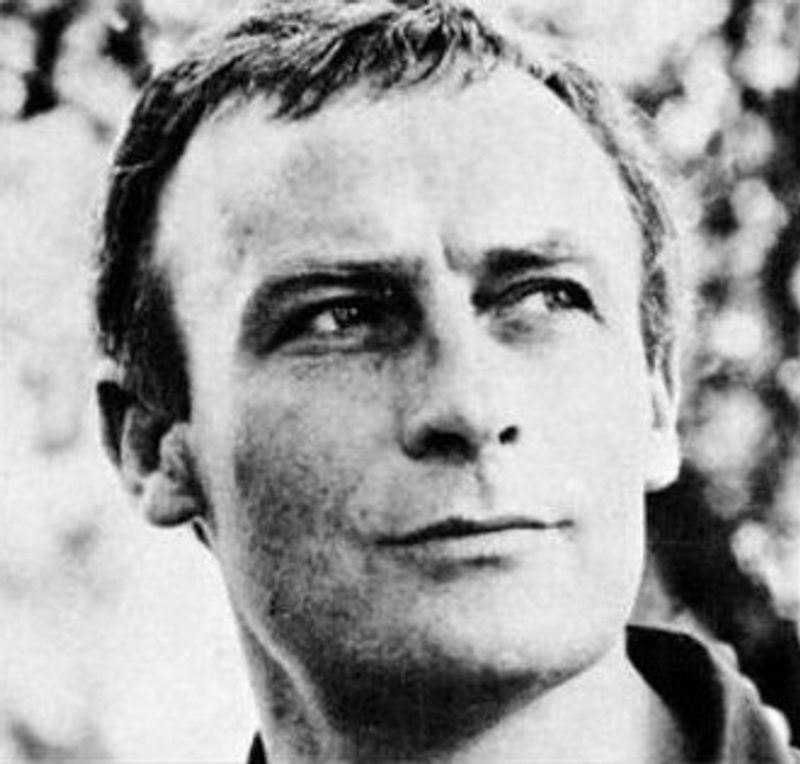
Sergeant Howie thought he was solving a case. The island of Summerisle knew exactly why he had come.
The theory argues that Howie’s specific qualities, his virginity, his strong Christian faith, his righteous anger, made him the perfect sacrificial candidate long before he ever boarded the ferry.
The missing girl was bait, while the investigation was a ritual funnel designed to deliver him exactly where the islanders needed him, at the right time and in the right emotional state.
Every maddening clue, every strange encounter, was choreography. He was never a detective on that island.
He was an ingredient.
15. Saint Maud: When Faith and Fracture Look Identical
Maud experiences what she believes are divine visitations, physical sensations of God’s presence that feel undeniably real.
The theory does not dismiss her faith. It asks a harder question: what if genuine religious experience and complete psychological collapse feel exactly the same from the inside?
That final moment, where reality briefly intrudes before the screen cuts, is what makes the darker reading so hard to shake. If her visions were delusion all along, then every act of devotion was a symptom.
Rose Glass built the film to hold both readings simultaneously, and that ambiguity is genuinely more terrifying than any jump scare.